 EN
 English
 中文简体
 русский
 Español

Home / News / Industry News / What Makes a High-Torque DC Gear Motor Ideal for Conveyors & Automation Systems


Application Industry
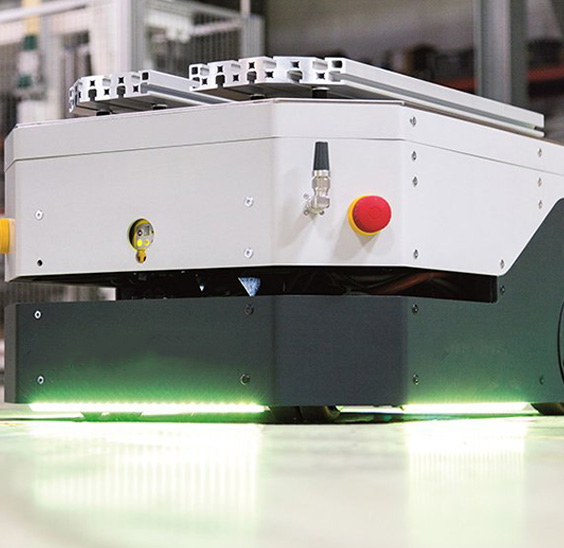
AGV

Automated robots
laser cutting

Logistics sorting

Photovoltaic power-station
Medical devices
What Makes a High-Torque DC Gear Motor Ideal for Conveyors & Automation Systems
On a 12-meter parcel conveyor, the drive motor has a narrow window to restart a loaded belt after every stop. If the motor cannot deliver breakaway torque within the first half-second, the belt stays still, the sorter jams, and the controller logs a fault. That is the practical definition of why a high-torque DC gear motor is ideal for conveyor and automation systems: it combines a DC motor with a gearhead that multiplies torque, so the drive can start a loaded belt from standstill without a large motor frame. Zhejiang Saiya Intelligent Manufacturing Co., Ltd., known for its SYmotor brand gear motors, supplies this type of drive for parcel handling, packaging, AGV, and general automation equipment.
High Starting Torque Is the First Reason a High-Torque DC Gear Motor Wins on Conveyor Lines
Conveyor selection starts with starting torque, not running power. A loaded belt has static friction in the belt, pulleys, bearings, and product, and that friction is often 1.5 to 2 times higher than the friction once the belt is moving. A high-torque DC gear motor meets this condition because a DC motor produces strong torque at low speed, and the gearhead multiplies that torque before it reaches the drive shaft.
Starting torque is the maximum torque that the motor-gearhead combination can deliver at zero output speed. Conveyor designers use it to overcome static friction, belt tension, and load inertia during the acceleration phase.
When sizing a conveyor drive, check three load points:
- Breakaway torque at standstill, with a margin of at least 25 to 50 percent above the calculated running torque.
- Acceleration torque during ramp-up, which grows with load inertia and the required start time.
- Running torque at final belt speed, which determines continuous motor load.
Use a step-by-step torque calculation guide to turn belt length, load mass, friction, and incline into concrete motor and gearhead numbers before comparing frames.
Compact Gearheads Multiply a High-Torque DC Gear Motor's Output Without Expanding the Frame
The gearhead is where electrical power becomes usable conveyor torque. A planetary gearhead distributes load across multiple planet gears, so a reduction ratio of 10:1 or higher can fit inside a housing that is barely wider than the motor case. SYmotor builds planetary gear motors in 32 mm, 42 mm, 52 mm, 62 mm, 72 mm, and 82 mm frame diameters, giving conveyor integrators a clear route to higher torque without moving up to a larger motor frame.
| Gearbox series | Tooth form | Frame range | Typical conveyor role |
| SPE / SPF | Spur planetary | 40 to 160 mm | General precision automation |
| FB / FL | Helical planetary | 60 to 220 mm | High-torque drive lines |
| WSPE / WSPF | Right-angle | 40 to 120 mm | Space-constrained machine layouts |
| FBH60 / FBH90 | Economy planetary | 60 and 90 mm | Cost-sensitive conveyor duty |
32 mmSmallest brush planetary motor frame
52 mmMid-range torque and envelope balance
82 mmLargest brush planetary frame in the line
Because planetary gearheads use several contact points, they deliver smoother rotation and higher torque density than a simple spur gear motor. The right-angle series adds a 90-degree output for vertical conveyor drives and machine axes where a straight motor does not fit.
 82mm Brushed Planetary Gear Motor with Wide Gear Ratio RangeThis motor combines compact 82mm construction with planetary gearing for smoother torque delivery. Its broad reduction ratios suit conveyor and lift duty cycles, while the rated current and torque figures help engineers verify thermal limits before final sizing.View Product →
Duty Cycle and Thermal Limits Define High-Torque DC Gear Motor Reliability
Rated torque means little if the motor cannot shed heat in the actual duty cycle. A conveyor that runs eight hours per day at steady speed, a shuttle that starts and stops every 30 seconds, and a vertical lift that cycles repeatedly all place different thermal loads on the same motor. The safest rule is to size so that the equivalent steady torque over the duty cycle remains below the rated torque at the warmest expected ambient condition.
Available power ratings in the SYmotor brushed DC gear motor line
The chart shows the brushed DC gear motor power range offered by SYmotor, from 6 W for light transfer belts to 250 W for heavier pallet and roller conveyors. For continuous automation lines, brushless DC gear motors add electronic commutation and are available in 24 V and 48 V low-voltage designs as well as 100 V/120 V and 220 V/230 V high-voltage designs.
For moderate conveyor loads, a 90 W or 120 W brushed DC gear motor offers the best balance of cost and simplicity. When breakaway torque dominates, the 250 W frame is the top of this product range.
 250W Brushed DC Gear Motor with 24-90V Operating RangePositioned at the high end of the brushed power chart, this 250W motor delivers rated torque of 796 mN.m at 3000 rpm. Its wide voltage range and 104mm frame make it a practical option for conveyor drives requiring higher power and flexible control.View Product →
Brushed vs Brushless High-Torque DC Gear Motors Change the Maintenance and Control Profile
After torque, the next decision is the motor architecture. Both brushed and brushless DC gear motors can meet conveyor torque demands, but they differ in control, maintenance, noise, and first cost.
Brushed DC gear motor
Best for simple control and high starting torque with a basic driver.
- Lower initial system cost
- Simple two-wire speed control
- Brush wear requires periodic inspection
- Strong torque in a compact frame
Brushless DC gear motor
Best for continuous duty, low noise, and electronic speed control.
- Longer maintenance interval
- Quieter operation
- Electronic commutation improves efficiency
- 24 V and 48 V models suit battery-powered lines
Automation platforms such as AGVs use the same torque discipline inside a mobile envelope. The article on motors used in AGV systems explains how wheel and lift drives differ in torque, speed, and duty cycle from fixed conveyor drives.
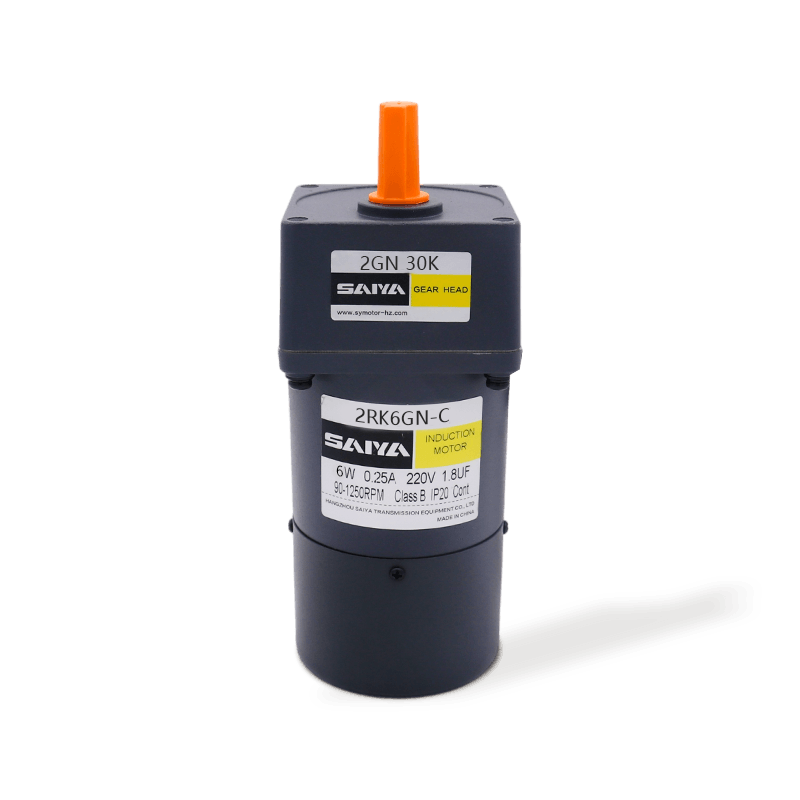 Low Voltage Brushless Gear Motor Supplier for AGV ApplicationsThis supplier page highlights 24V and 48V brushless gear motors suited for mobile automation like AGVs. The linked articles on motor selection and gearbox choices are useful references when evaluating thermal loads and duty cycles for lift and wheel drives.View Product →
Five Checks to Specify a High-Torque DC Gear Motor for Conveyor and Automation Duty
The fastest way to select a high-torque DC gear motor is to follow a fixed sequence of engineering checks. Start with load torque, then work outward to speed, gearhead, thermal, and electrical integration.
Calculate load torque at every phase
Determine running torque, breakaway torque, and acceleration torque from belt mass, product mass, friction, incline, and start time.
Select the gearhead ratio
Ratio fixes the relationship between motor speed and conveyor belt speed. A higher ratio increases torque and lowers output speed.
Check overhung load on the output shaft
A chain, belt, or timing pulley on the gearhead output creates radial load. Compare that value with the manufacturer's allowable overhung load.
Evaluate duty cycle and thermal margin
Count starts per hour, average runtime, and ambient temperature. Use the equivalent steady torque for the complete cycle.
Match voltage, controller, and braking
Brushed motors accept simple DC controllers; brushless motors need an electronic drive. Confirm the supply voltage and whether dynamic braking is required for stops.
Specifier's rule: never select a high-torque DC gear motor on peak datasheet torque alone. Base the choice on torque at the operating speed after gearbox efficiency, with a duty-cycle safety margin.
High-Torque DC Gear Motor Selection FAQ
What makes a high-torque DC gear motor ideal for a conveyor system?
It combines high starting torque, compact gear reduction, and controllable speed, so a loaded belt can break away from standstill without a large motor frame or a separate variable-speed unit.
How do I calculate the torque required for a conveyor drive?
Measure belt weight, transported load, friction coefficient, incline, and acceleration time. Add friction torque and acceleration torque, apply a starting safety factor, then divide by gearhead efficiency to get the minimum motor torque at the selected speed.
Should I choose a brushed or brushless DC gear motor for automation?
Choose brushed when first cost, simple control, and high torque matter most. Choose brushless when the line runs continuously, noise is a constraint, or you need electronic speed control from a 24 V or 48 V system.
What role does gearhead ratio play in high-torque DC gear motor performance?
Ratio determines how much torque is multiplied and how fast the output shaft rotates. A higher ratio increases output torque but lowers speed, so the motor and gearhead must be selected together around the belt speed and load profile.
The best high-torque DC gear motor for a conveyor is the smallest frame that clears breakaway torque and rated torque with a duty-cycle margin.
Related products
-
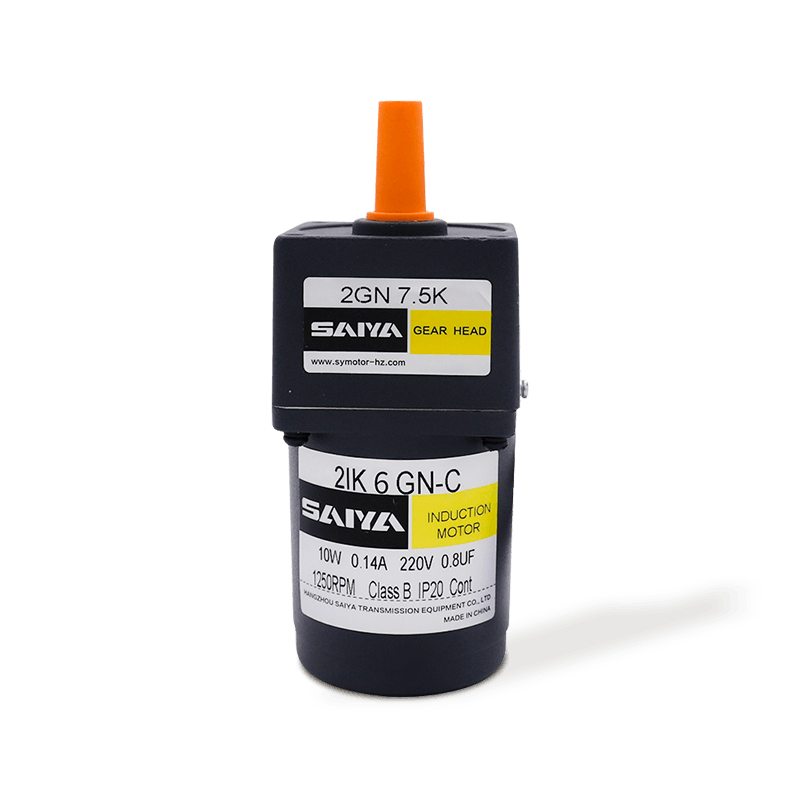
This 6W Induction AC Gear Motor is an efficient, compact and reliable small motor suitable for a wide range of industrial and household applications.Motor frame 60mm x 60mm making it easy to install ...
See Details -
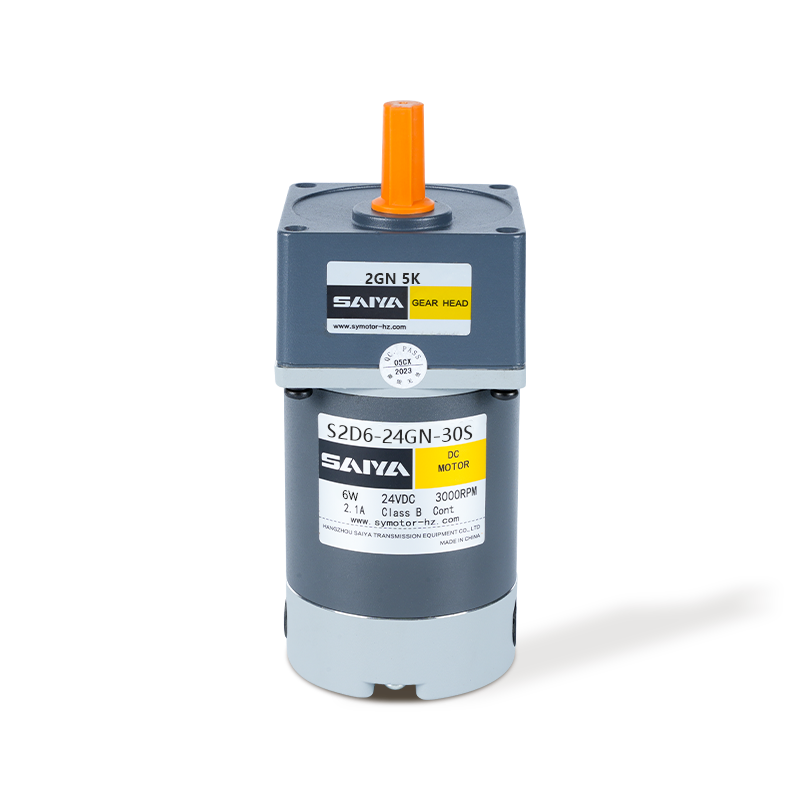
The 6W brush DC gbear motor is designed for efficiency and versatility, suitable for various applications. With a compact frame size of 60mm x 60mm, it fits seamlessly into tight spaces. The motor ope...
See Details -
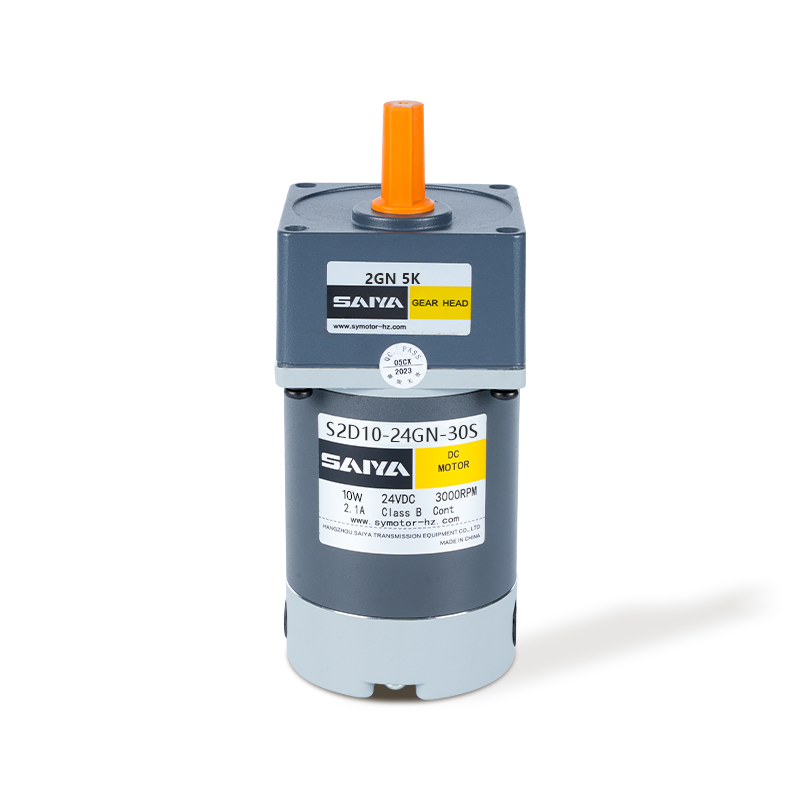
The 10W brush DC gear motor offers high performance and adaptability, for a range of industrial and hobbyist applications. With a frame size of 60mm x 60mm, this motor is designed to fit into confined...
See Details -
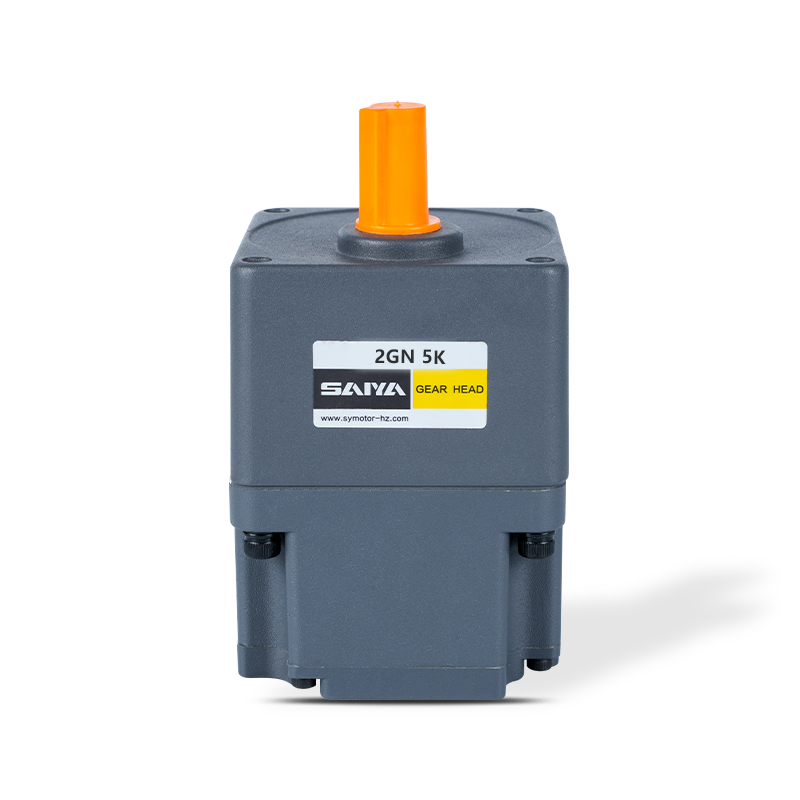
The 24V Brushless Gear Motor is a versatile and efficient motor designed for a range of applications. With dimensions ranging from 60mm x 60mm to 104mm x 104mm, this motor can fit into various equipme...
See Details -
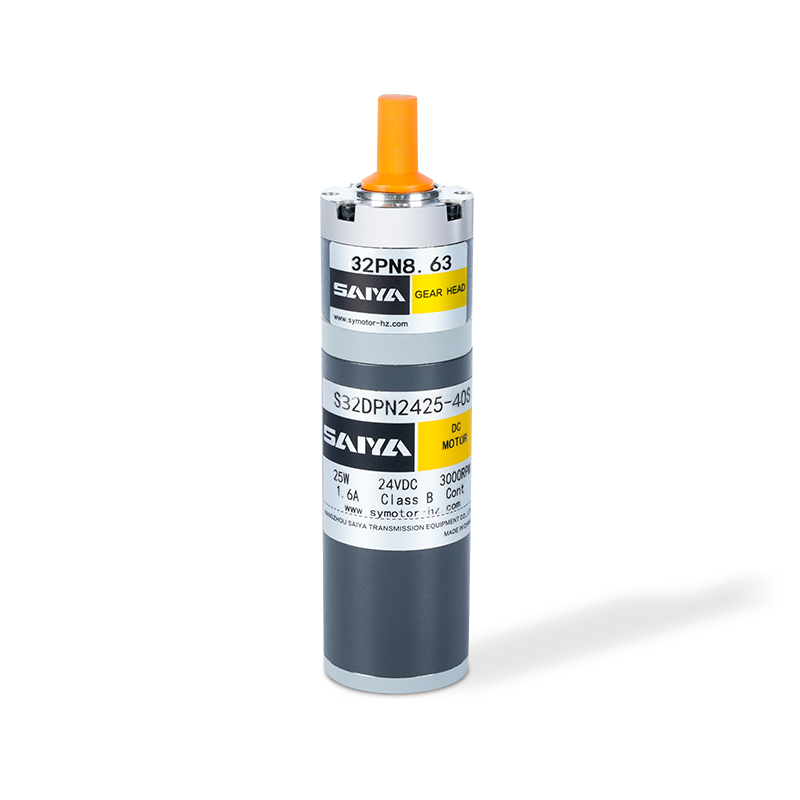
The 32mm brushed planetary gear motor is a compact and efficient solution designed for various applications requiring high torque and precise control. With a diameter of 32mm, this motor is ideally su...
See Details -
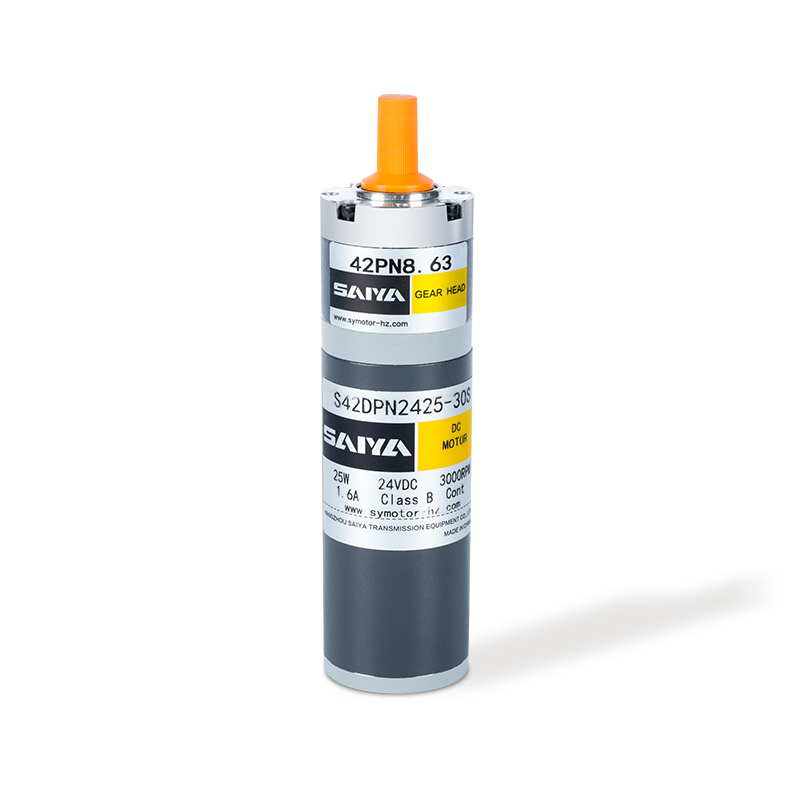
The 42mm brush planetary gear motor is a versatile and efficient component widely used in various applications requiring precise torque and speed control. With a rated current ranging from 0.7 to 1.1A...
See Details -
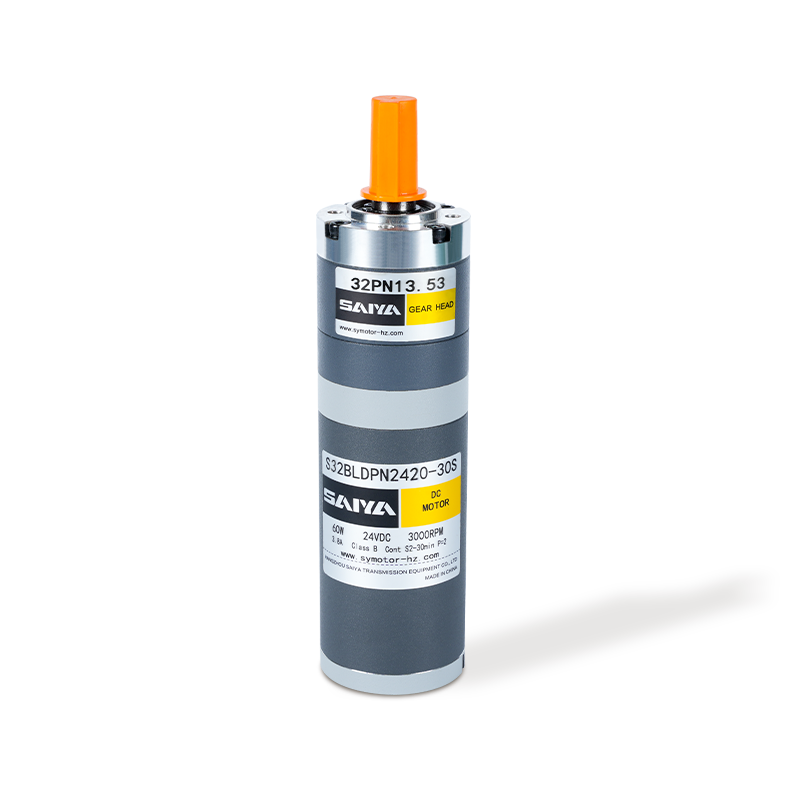
The 32mm Brushless Planetary Gear Motor is a high-performance, compact solution ideal for applications requiring efficiency and reliability. Operating at a rated voltage of 24V and consuming 20W of po...
See Details -
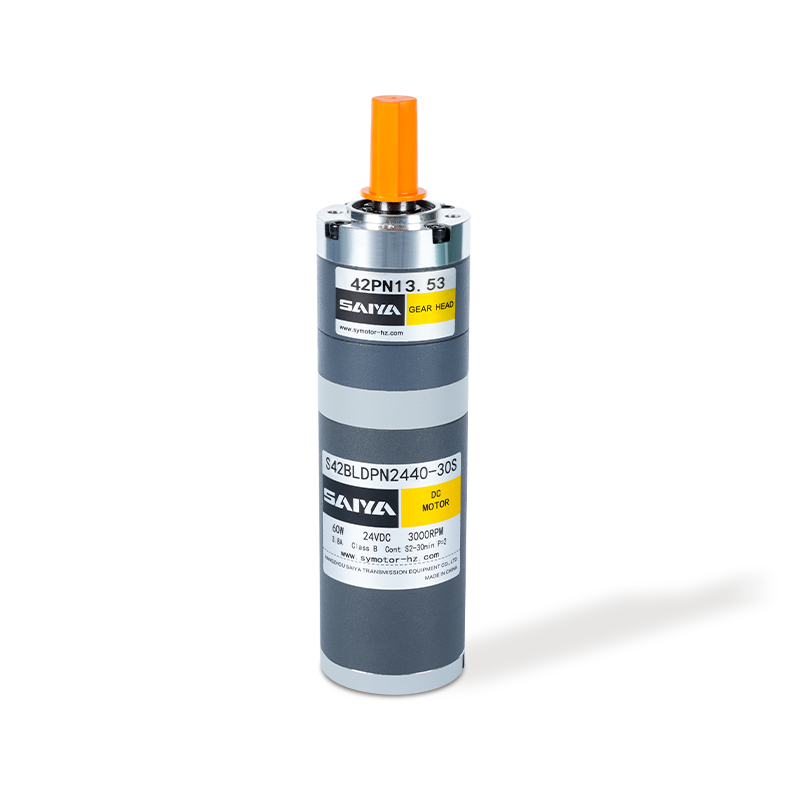
The 42mm brushless planetary motor is a high-efficiency motor product that is widely used in various scenarios requiring precision transmission. The rated current of this motor is 1.3A and the rated t...
See Details -
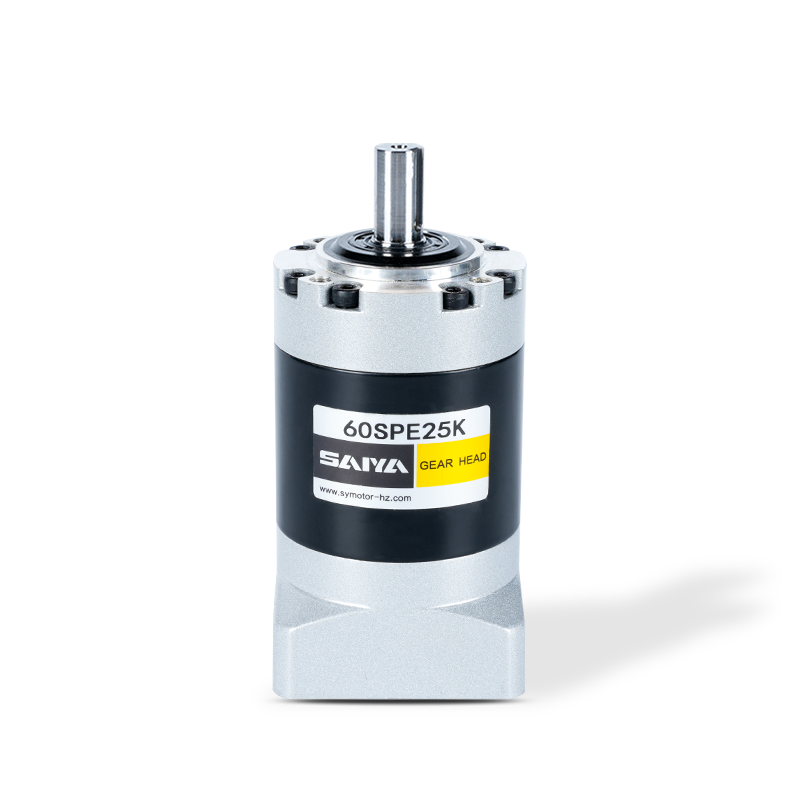
The SPE series gearboxes, flange size range with 40, 60, 80, 120, and 160 models, are designed to provide efficient and robust power transmission solutions. These gearboxes feature a round output flan...
See Details -
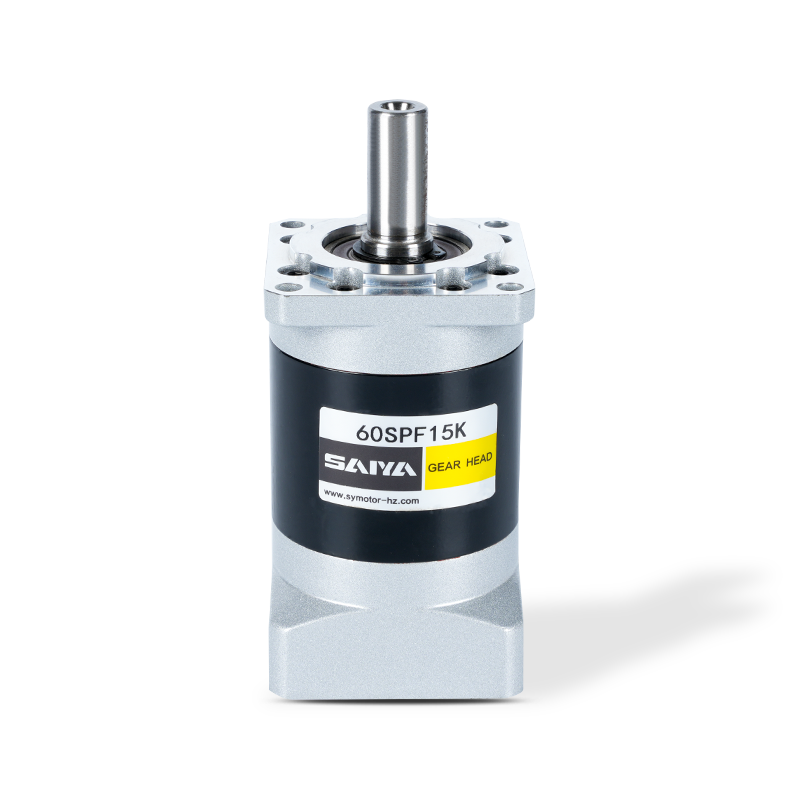
The SPF series are with square output flanges, accommodating dimensions from 40mm to 160mm. These flanges are engineered to excel in various industrial applications, offering reliable performance acro...
See Details -
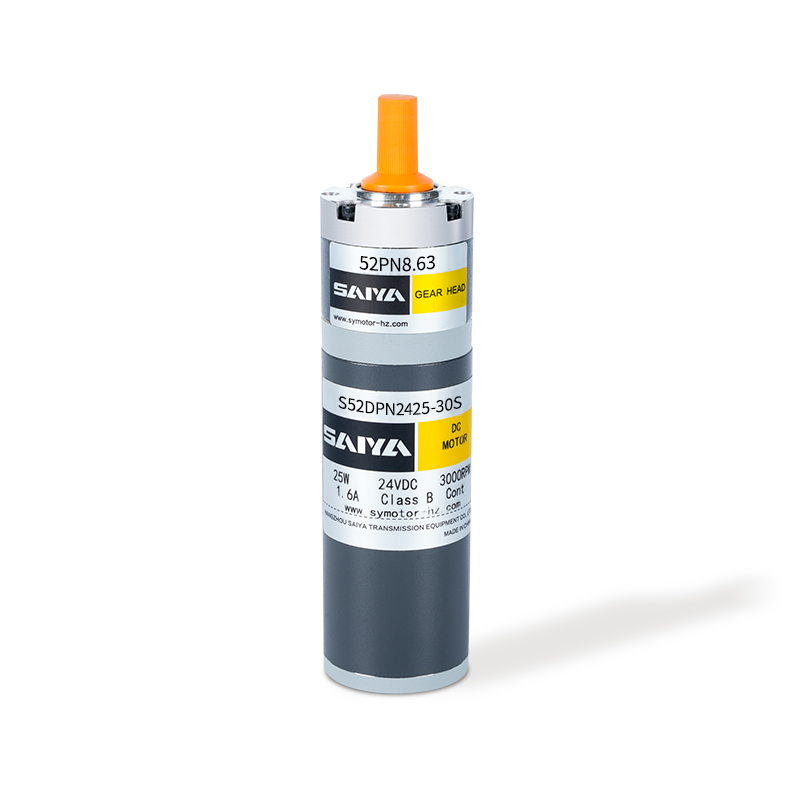
The 52mm brushed planetary gear motor is a compact and efficient solution designed for various applications requiring high torque and precise control. With a diameter of 52mm, this motor is ideally su...
See Details -
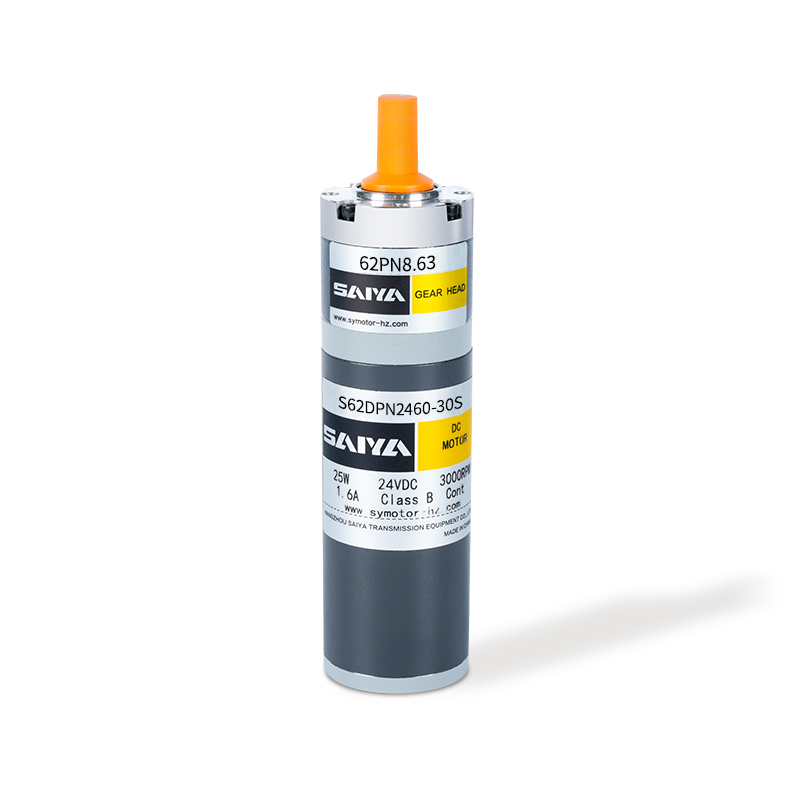
The 62mm brush planetary gear motor is a versatile and efficient component widely used in various applications requiring precise torque and speed control. With a rated current ranging from 2.5 to 5.5A...
See Details
CONTACT DETAILS
- TEL: 0086-0571-86951513/86951543
- Fax: 0086-571-86040769
- E-mail: [email protected] / [email protected] / [email protected]
- Office: Hangzhou Saiya Transmisson Equipment Co.,Ltd
- Office Address: Room 2201, Wanyin building, Hangzhou City, Zhejiang Province
- Factory: Zhejiang Saiya Intelligent Manufacturing Co., Ltd.
- Factory Address: No.35 Building , Zhongnan High-tech Yunhe Zhigu Industrial Park, Xinan town, Deqing county, Huzhou city, Zhejiang, China
QUICK LINK
PRODUCT
If You Are Intrested
In Our Products,
Please Consult Us
Copyright © Zhejiang Saiya Intelligent Manufacturing Co., Ltd. All Rights Reserved.
Custom Gear Reduction Motors Suppliers
