 EN
EN  English
 中文简体
中文简体 русский
 Español
Home / News / Industry News / Brushed vs. Brushless DC Gear Motor: Which Offers Better Performance and Value?


Application Industry
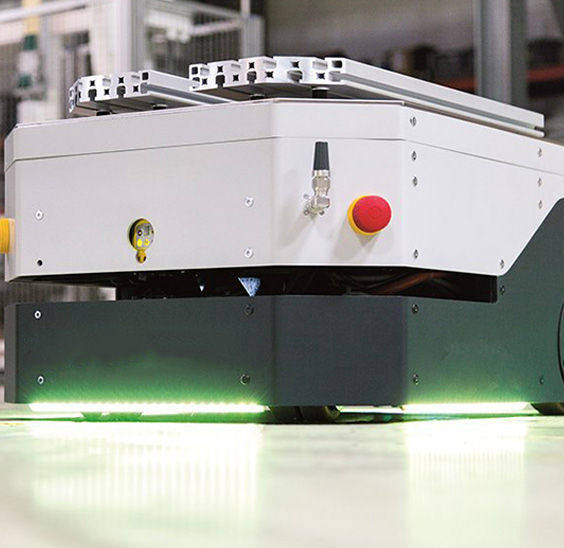
AGV

Automated robots
laser cutting

Logistics sorting

Photovoltaic power-station
Medical devices
Brushed vs. Brushless DC Gear Motor: Which Offers Better Performance and Value?
You are specifying a drive for a conveyor roller that runs 16 hours a day, and the brushed DC gear motor quote lands at less than half the brushless price. Before you approve it, model five years of brush changes, energy loss, and downtime; the brushed vs. brushless DC gear motor value calculation flips in favor of the brushless type. In continuous and high-cycle applications, brushless delivers better performance and lower total cost of ownership, while brushed keeps the value edge only for short-duty, cost-sensitive jobs.
A brushed DC gear motor combines a permanent-magnet DC motor with a reduction gearbox, using carbon brushes on a rotating commutator to switch current mechanically. A brushless DC gear motor (BLDC) replaces the brushes with electronic commutation: an external driver sequences current through stator windings while the permanent-magnet rotor spins without contact wear. This structural difference, not the gearbox, drives nearly every performance gap between them.
Brushed vs. Brushless DC Gear Motor: Where the Performance Gap Shows Up
The gap shows up first in efficiency, speed stability, and service life, and it widens as operating hours accumulate.
At identical output torque and speed, the brushless machine converts more input power to shaft power. That advantage compounds into smaller batteries, lower heat load inside an enclosure, and reduced energy bills on multi-unit lines. A brushless motor with closed-loop speed control holds setpoint within roughly +/-2 %, while a brushed motor droops under load because brush voltage drop shifts its characteristic curve.
| Parameter | Brushed | Brushless |
| Efficiency | 65-75 % | 75-85 % |
| Commutation | Carbon brushes | Electronic driver |
| Service life | 1,000-3,000 h | 10,000-20,000 h |
| Speed regulation | +/-5-10 % under load | +/-2 % with closed loop |
| Noise | Brush friction, sparking | Low, PWM whine possible |
| External driver | Optional | Mandatory |
Field failures on small gear motors below 250 W are dominated by brush and commutator wear, not gear damage. On a two-shift line, plan for brush replacement at least once a year; the enclosed gearbox usually outlives both motor types.
Cost of Ownership: Why Brushless Often Wins on Value
Over a five-year horizon, a brushless DC gear motor system with its mandatory driver costs less to own than a brushed system, despite a higher purchase price.
An honest comparison includes the controller, energy at average load, planned maintenance, and downtime. The model below assumes a 60 W gear motor running 16 h/day, 5 days/week, at $0.12/kWh, with labor at $60 per service visit.
Five-year total cost of ownership, 60 W DC gear motor system (USD)
BrushlessBrushed
Energy
Brushless
$165
Brushed
$210
Maintenance and parts
Brushless
$30
Brushed
$120
Downtime and labor
Brushless
$45
Brushed
$95
Motor purchase
Brushless
$180
Brushed
$85
Driver and controller
Brushless
$95
Brushed
$25
Total after 5 years
Brushless
$515
Brushed
$535
4 timeslonger service life, brushless vs. brushed
21 %lower energy draw in the 60 W example
$75lower maintenance per unit over 5 years
The brushless premium is an insurance payment against recurring brush labor, scrap from failed shifts, and energy waste. In the model above, the total is $515 for brushless versus $535 for brushed, and the gap grows as runtime and electricity prices rise.
Brushed wins only when duty drops to minutes per day or a cheap analog control already exists; for the efficiency trade-offs, read our practical brushed vs. brushless motor comparison.
Matching Brushed vs. Brushless DC Gear Motors to Your Duty Cycle
Duty cycle is the strongest predictor of value: continuous and high-cycle duty favors brushless; intermittent duty below roughly 20 % can justify brushed.
Brush wear scales with motor revolutions under load plus startup inrush, so every start burns a little brush material. Brushless units replace that wear mode with electronic switching, which also soft-starts the load and limits inrush current.
- Continuous operation (8+ h/day): choose brushless for efficiency, low heat, and maintenance intervals measured in years.
- Frequent cycling (over 50 starts/hour): choose brushless to avoid commutator erosion from repeated inrush.
- Intermittent duty (minutes per cycle with long idle): brushed stays cost-effective because brush wear is minimal when idle.
- Wide speed range with low-speed torque: brushless holds torque down to 10-20 % of rated speed without extra cooling.
Rule of thumb
A duty cycle above 20 % or a runtime above 8 h per day flips the total-cost calculation to brushless. Below that, brushed purchase savings usually dominate.
For an intermittent index table or a short-stroke actuator, a brushed unit keeps the bill of materials low and the wiring simple.
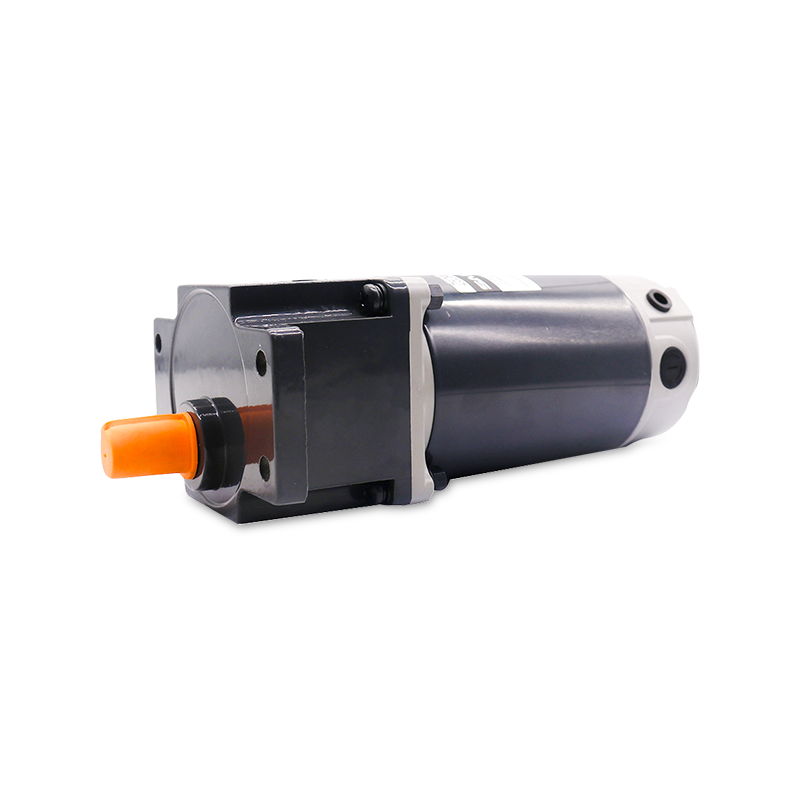 60W Brushed DC Gear Motor with Wide Voltage RangeThis compact 90mm brushed gear motor suits intermittent index tables and short-stroke actuators. It offers 12-90V operation and torque up to 220mN.m, keeping wiring simple and cost low.View Product →
Control, Noise, and Installation: What Changes in Practice
Brushless adds a mandatory driver but enables speed control, soft starting, and dynamic braking; brushed keeps wiring simple and is electrically forgiving.
The installation decision is more than a motor swap. A brushless system needs a matched driver, hall sensors or sensorless feedback, and often extra EMC filtering; in return it delivers programmable acceleration, closed-loop speed holding, and braking without an external contactor. A brushed motor starts directly on DC, reverses by flipping supply polarity, and runs on a simple PWM controller.
Brushed system
- 2-wire power connection, starts on DC supply
- Simple PWM speed control at low cost
- No hall sensors or feedback wiring
- Direct reversal by polarity swap
Brushless system
- 3-phase driver mandatory between supply and motor
- Closed-loop feedback for +/-2 % speed holding
- Programmable soft start and dynamic braking
- EMC filter usually required on long cables
Acoustically, brushed motors produce broadband friction noise and, near end-of-life, audible sparking. Brushless motors emit a high-frequency PWM whine; at rated load in a quiet production hall, the brushless unit runs 5 to 10 dB(A) quieter, which is why most medical and packaging OEMs prefer it.
Brushed vs. Brushless DC Gear Motor Selection by Application
For AGV drives, conveyors, pumps, and fans that run long or start often, brushless is the recommended default; for index tables, dispensers, and single-shot actuators, brushed remains the pragmatic choice.
Application context settles the argument faster than any datasheet. Mobile systems benefit from the efficiency and battery-friendly low-voltage range of brushless; continuous conveyors recover the price premium through maintenance avoidance; intermittent automation keeps cost down with brushed.
| Application | Recommended type | Primary reason |
| AGV wheel or drive | Brushless 24 V or 48 V | Long runtime, dynamic braking, battery efficiency |
| Conveyor roller, continuous | Brushless | Efficiency and zero brush maintenance |
| Index table, intermittent | Brushed | Short duty keeps brush wear low |
| Pump or fan | Brushless | Speed control and quiet operation |
| Single-shot actuator | Brushed | Minimum parts and lowest cost |
Selection logic in one sentence: continuous runtime or a mobile power budget points to brushless; short intermittent motion points to brushed. The gearbox ratio and mounting remain identical for both, so the motor swap is the only real change.
If you are sizing a mobile robot or shuttle, review the torque and control implications in our guide to motor selection for AGV systems. A 24 V brushless gear motor with hall feedback is the fastest route to a reliable AGV drivetrain. Zhejiang Saiya Intelligent Manufacturing Co., Ltd., a transmission supplier with 15 years of gear-motor production, carries both brushed and brushless lines from 6 W to 250 W, so frame size and ratio comparison is straightforward before quoting.
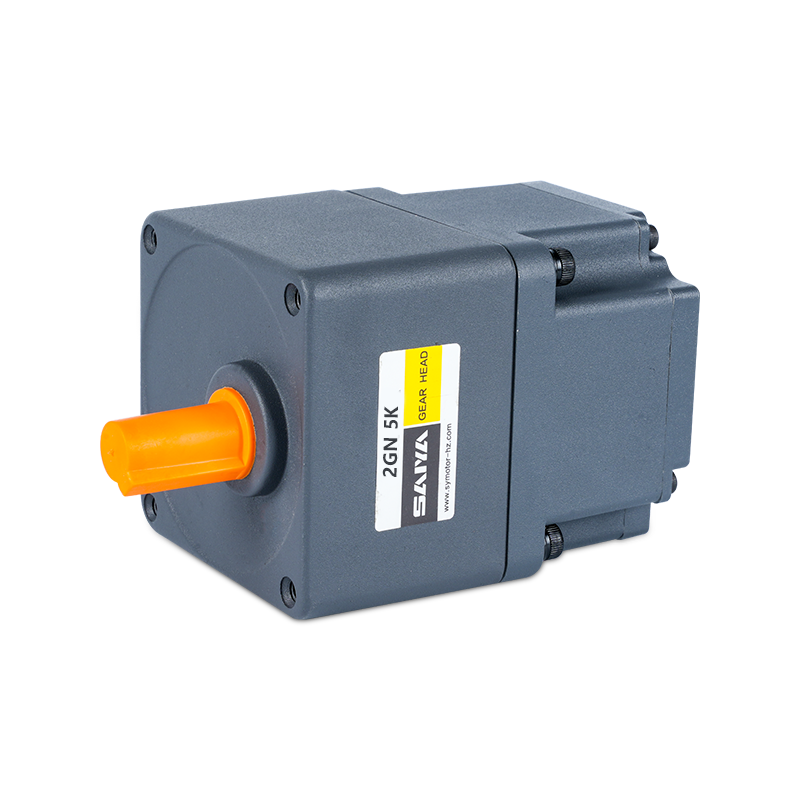 24V Brushless Gear Motor with Hall Feedback OptionsIdeal for AGV drivetrains and mobile robots, this 25-400W brushless motor runs at 3000 rpm and provides efficient, low-maintenance operation. Its compact frame and rated torque suit reliable automation.View Product →
Procurement Checklist for Brushed and Brushless DC Gear Motors
Before ordering, verify voltage, gearbox ratio, torque at intermittent rating, driver compatibility, and enclosure protection; the motor type is only the first line on the datasheet.
Specify the gear motor as a system, not a component, because the brushed/brushless decision interacts with ratio, mounting, and the electrical environment. Use this checklist to avoid the most common specification errors.
- Confirm supply voltage: 12/24/48 V for low-voltage brushless, 100/120/220/230 V for high-voltage brushless, and 12-90 V for brushed types.
- Measure required output torque and multiply by 1.2-1.3 for acceleration and load spikes.
- Pick the reduction ratio so the motor runs at 70-90 % of no-load speed under typical load.
- Match the driver current rating to peak motor current, not just the nominal value.
- Verify the duty-cycle rating (S1 continuous, S2 short-time, S3 intermittent) matches your profile.
- Confirm shaft diameter, mounting flange, and IP rating for the washdown or dust environment.
Common procurement failure: ordering a high-voltage brushless gear motor without a driver, then discovering the industrial supply needs a matched 220 V driver with a speed-reference input. Keep the motor, driver, and cable set in the same purchase order.
High-voltage brushless models suit fixed industrial machinery fed directly from mains; 220 V/230 V versions pair with standard VFD-style drivers and need no external transformer.
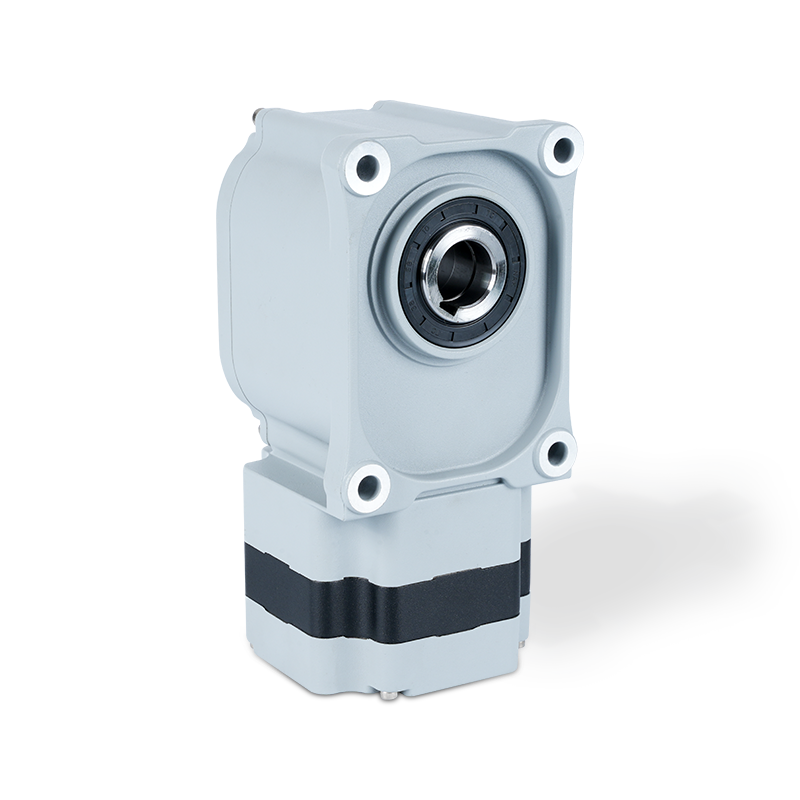 220-230V Brushless Gear Motor for Mains-Powered MachineryDesigned for fixed industrial equipment, this 10-400W brushless motor operates directly from standard mains with a VFD-style driver. It delivers up to 1.5N.m torque at 3000 rpm without needing a transformer.View Product →
Frequently Asked Questions
Can a brushed DC gear motor be retrofitted to a brushless system?
Replace the motor and driver together, keep the gearbox only if its input speed and torque rating still match, and plan for new wiring, hall sensors, and EMC filtering. A brushless motor cannot run on a brushed motor's simple DC supply.
Which gear motor delivers higher peak torque, brushed or brushless?
Brushless designs generally produce higher peak torque in the same frame size because stator-mounted windings dissipate heat better than a rotor-armature brushed motor. Always compare the intermittent torque rating, not only the nameplate continuous torque.
How long do brushless DC gear motors last compared with brushed models?
At rated load and temperature, small brushless gear motors typically last 10,000-20,000 h, while brushed models need brush replacement after 1,000-3,000 h. Gear wear, grease life, and bearing load usually set the brushless service interval.
Is the higher upfront cost of a brushless gear motor worth it for a low-power device?
For devices below 40 W that run intermittently on one shift, a brushed motor can be cheaper over three years. For anything running more than one shift, the brushless premium is recovered through energy, parts, and downtime savings.
Related products
-
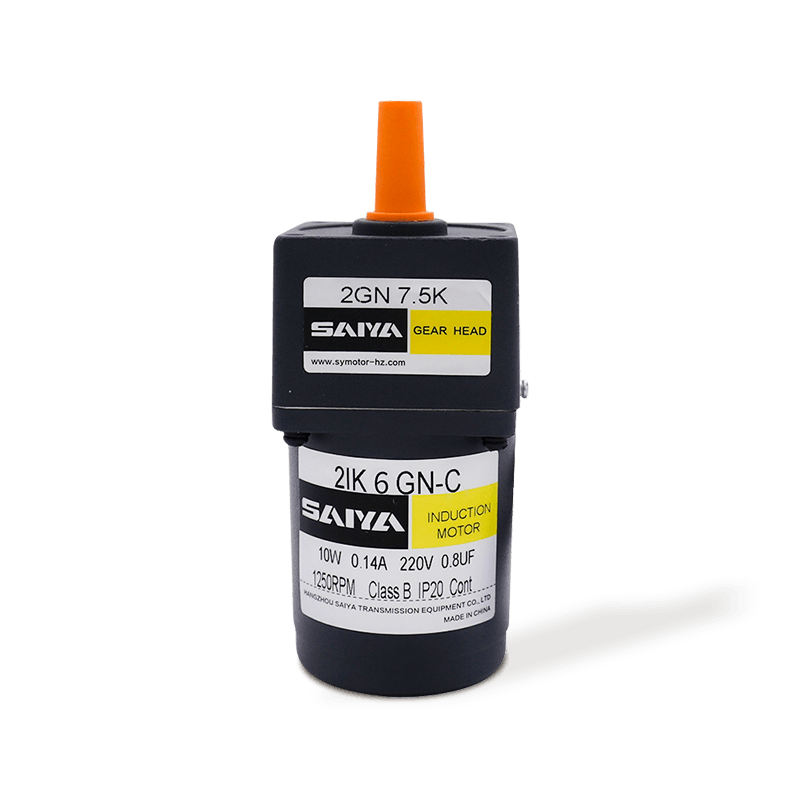
This 6W Induction AC Gear Motor is an efficient, compact and reliable small motor suitable for a wide range of industrial and household applications.Motor frame 60mm x 60mm making it easy to install ...
See Details -
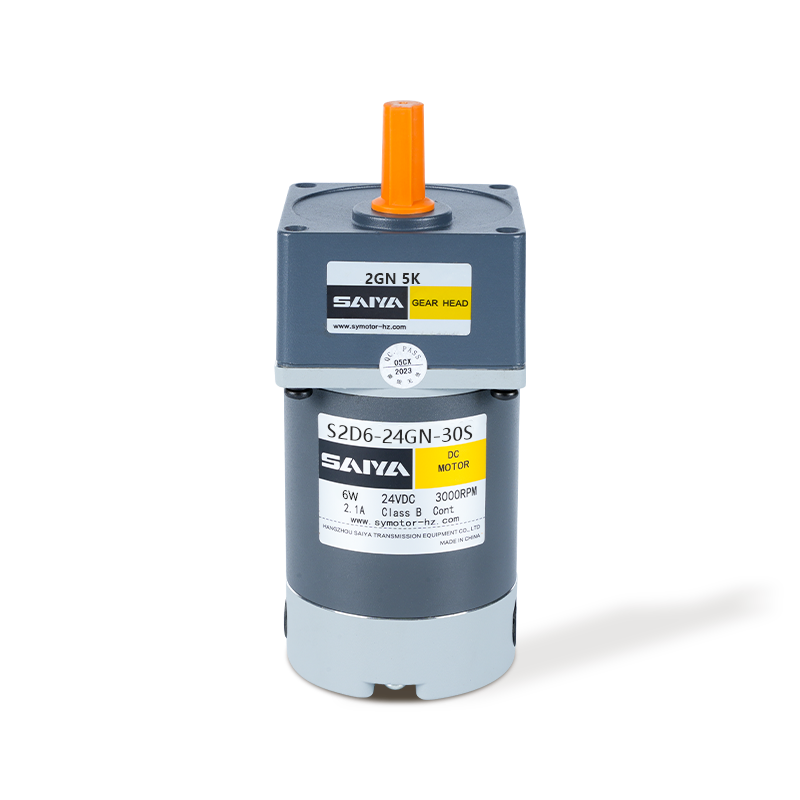
The 6W brush DC gbear motor is designed for efficiency and versatility, suitable for various applications. With a compact frame size of 60mm x 60mm, it fits seamlessly into tight spaces. The motor ope...
See Details -
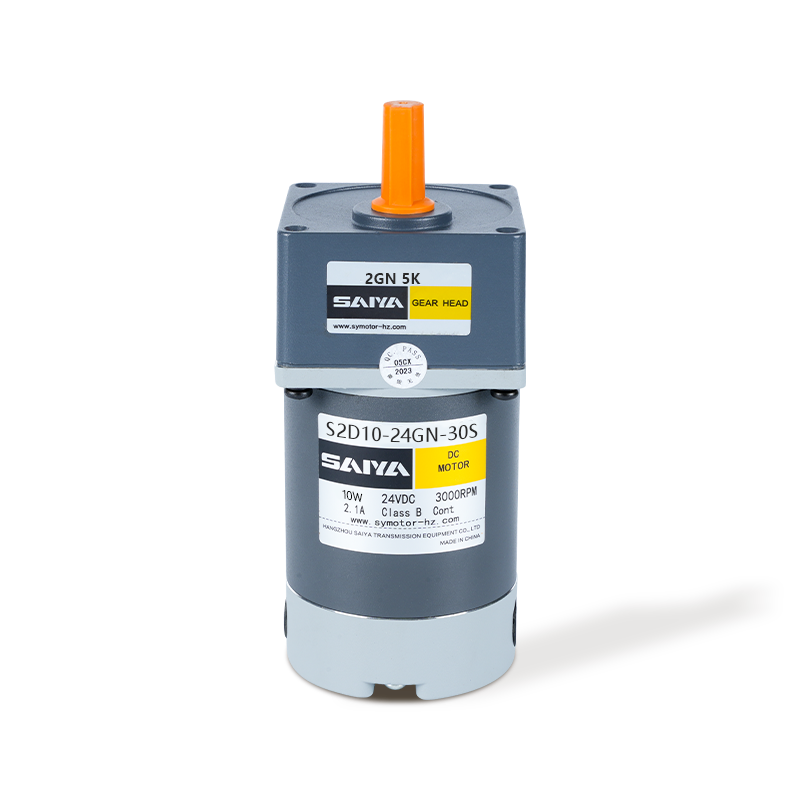
The 10W brush DC gear motor offers high performance and adaptability, for a range of industrial and hobbyist applications. With a frame size of 60mm x 60mm, this motor is designed to fit into confined...
See Details -
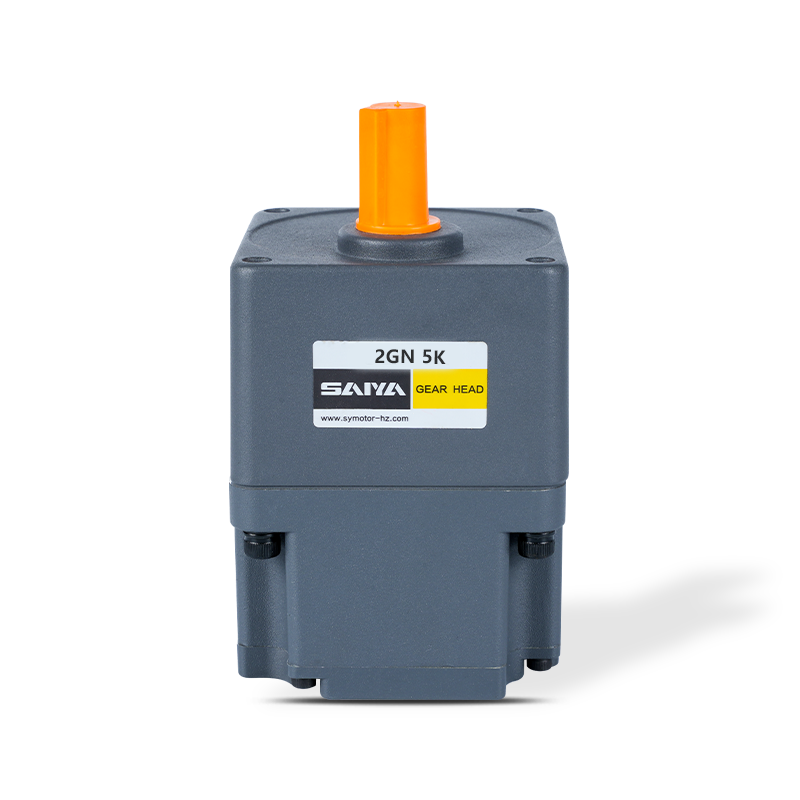
The 24V Brushless Gear Motor is a versatile and efficient motor designed for a range of applications. With dimensions ranging from 60mm x 60mm to 104mm x 104mm, this motor can fit into various equipme...
See Details -
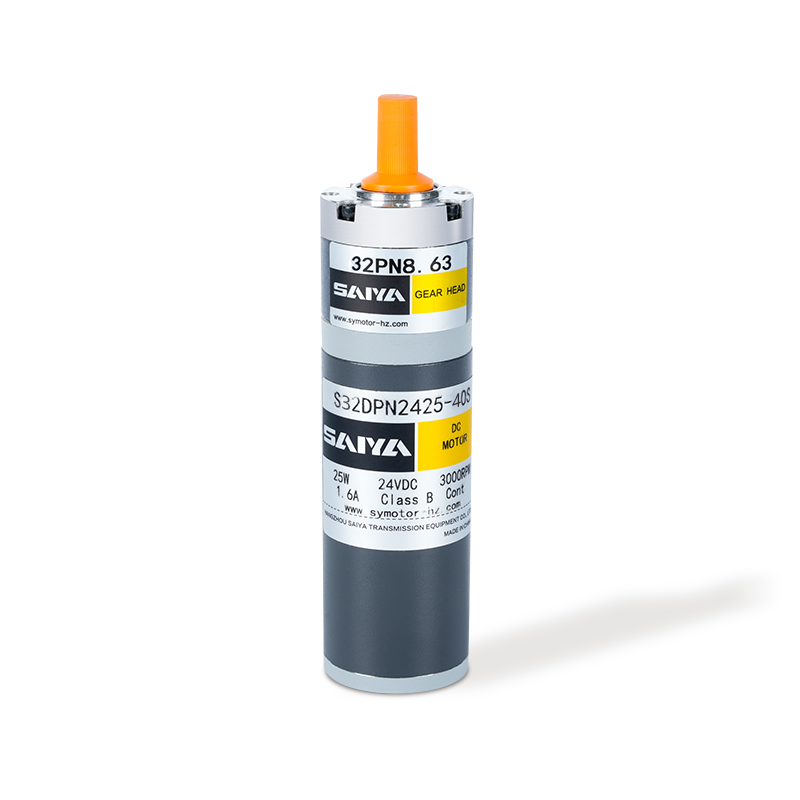
The 32mm brushed planetary gear motor is a compact and efficient solution designed for various applications requiring high torque and precise control. With a diameter of 32mm, this motor is ideally su...
See Details -
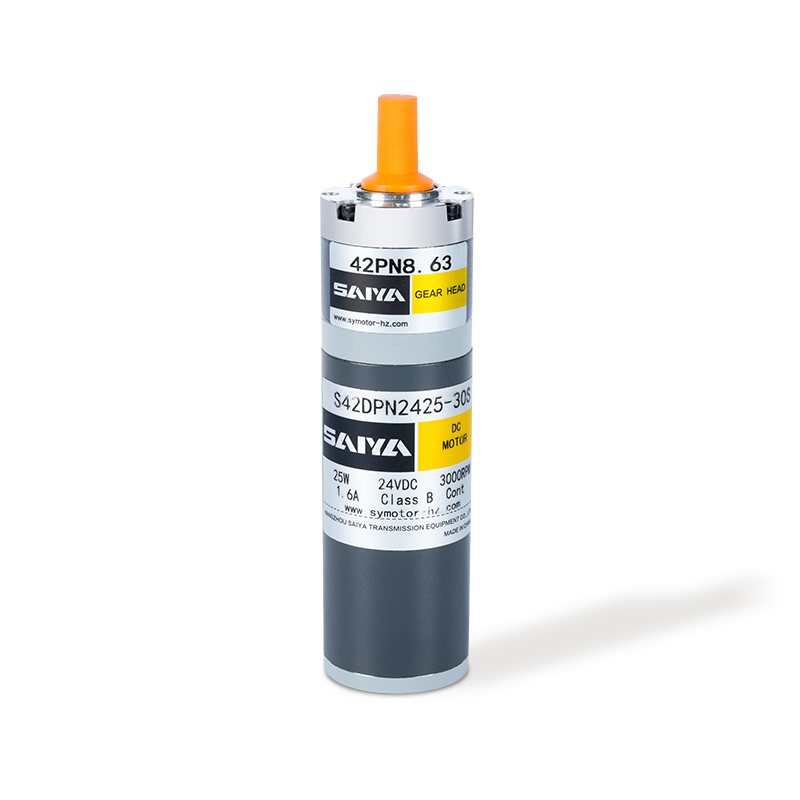
The 42mm brush planetary gear motor is a versatile and efficient component widely used in various applications requiring precise torque and speed control. With a rated current ranging from 0.7 to 1.1A...
See Details -
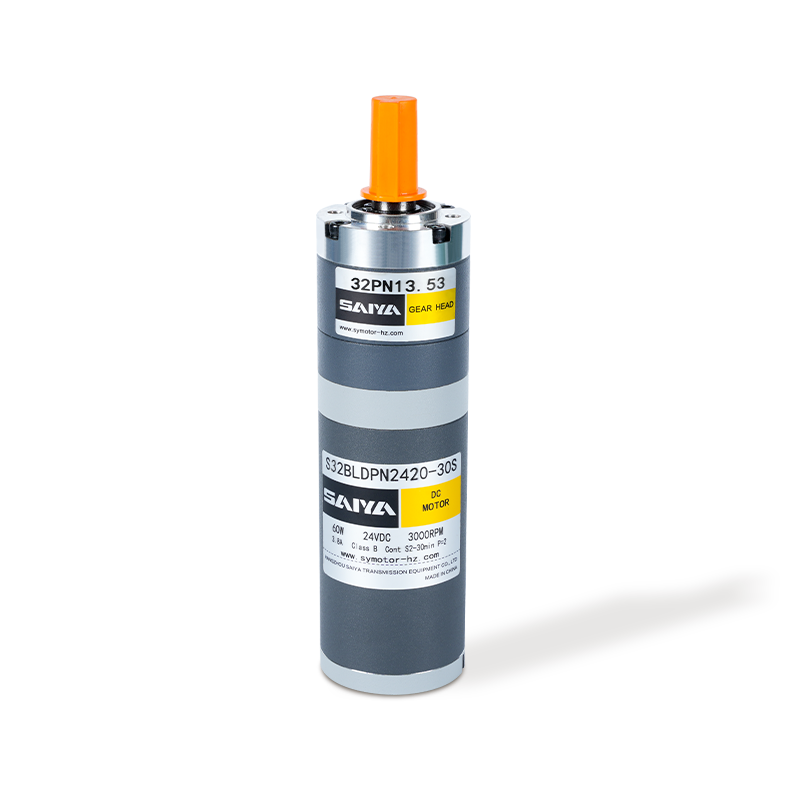
The 32mm Brushless Planetary Gear Motor is a high-performance, compact solution ideal for applications requiring efficiency and reliability. Operating at a rated voltage of 24V and consuming 20W of po...
See Details -
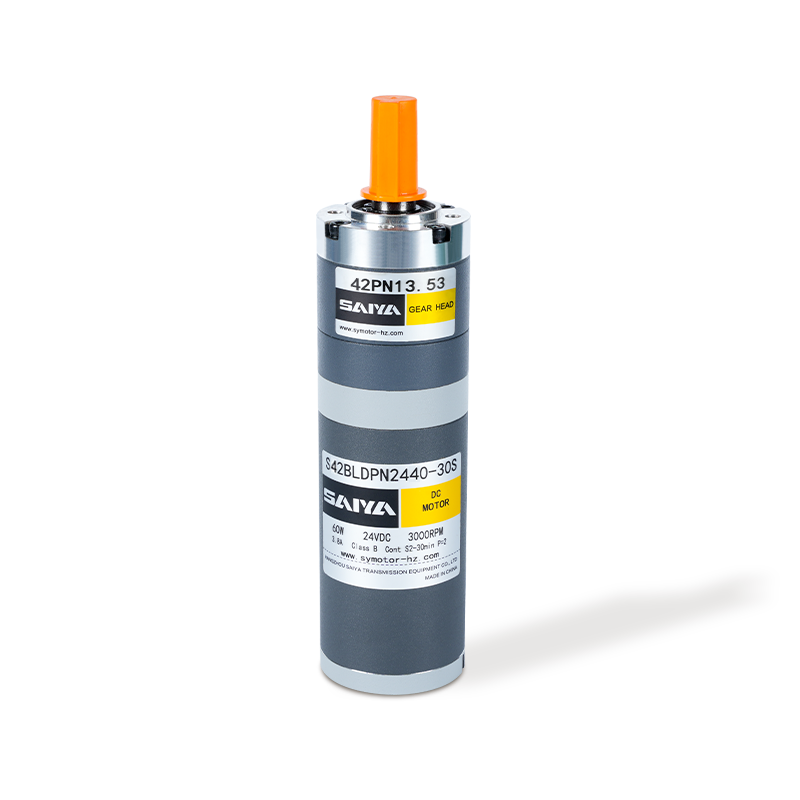
The 42mm brushless planetary motor is a high-efficiency motor product that is widely used in various scenarios requiring precision transmission. The rated current of this motor is 1.3A and the rated t...
See Details -
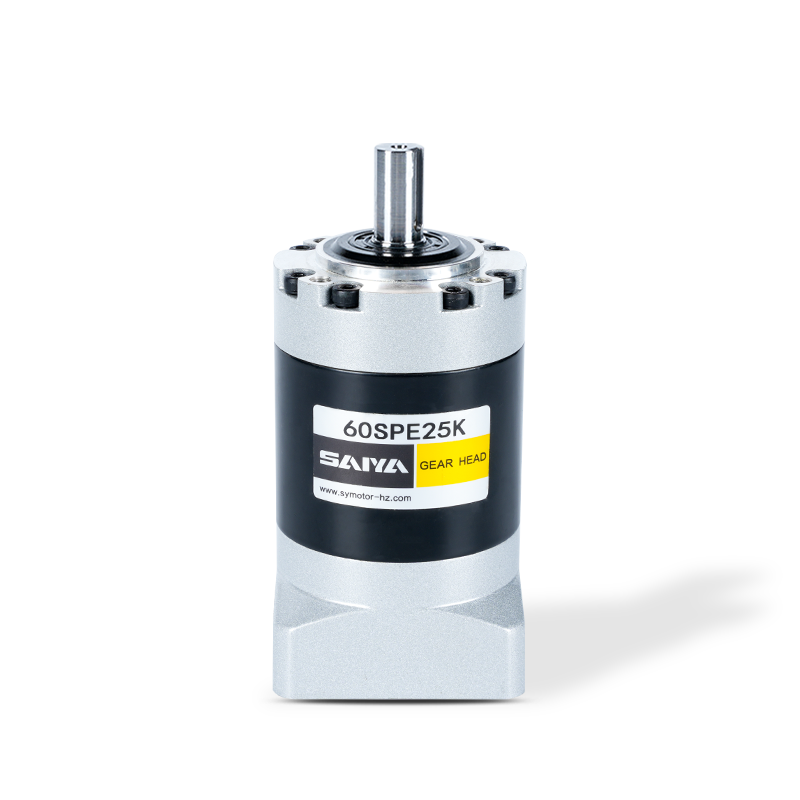
The SPE series gearboxes, flange size range with 40, 60, 80, 120, and 160 models, are designed to provide efficient and robust power transmission solutions. These gearboxes feature a round output flan...
See Details -
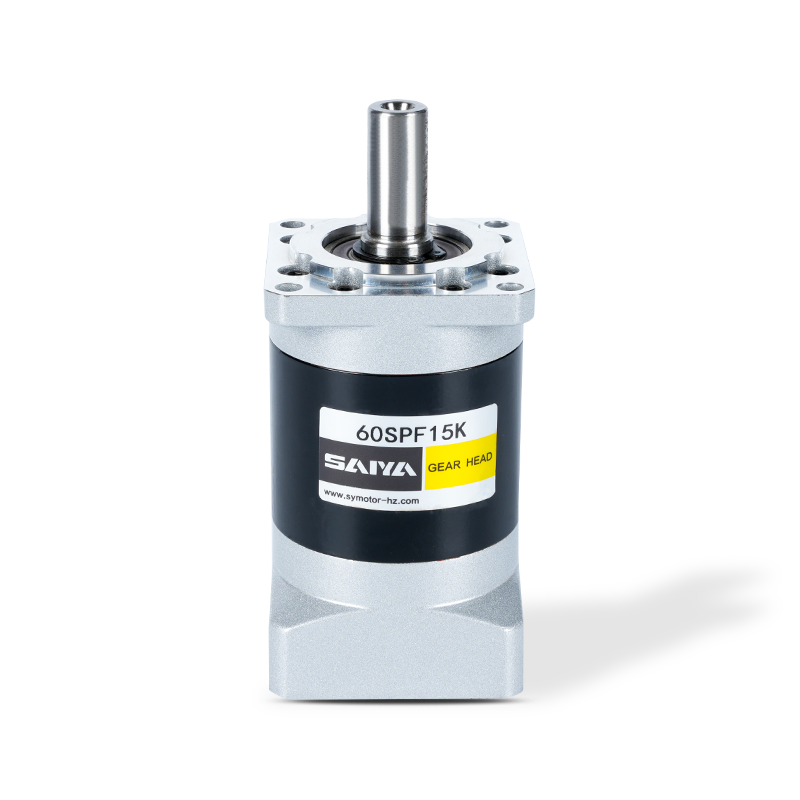
The SPF series are with square output flanges, accommodating dimensions from 40mm to 160mm. These flanges are engineered to excel in various industrial applications, offering reliable performance acro...
See Details -
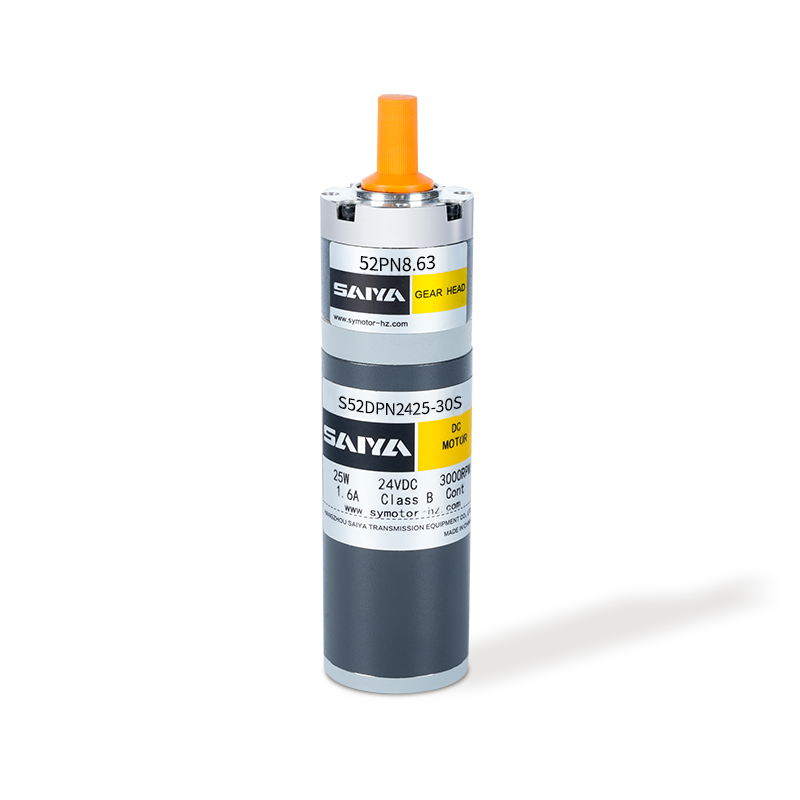
The 52mm brushed planetary gear motor is a compact and efficient solution designed for various applications requiring high torque and precise control. With a diameter of 52mm, this motor is ideally su...
See Details -
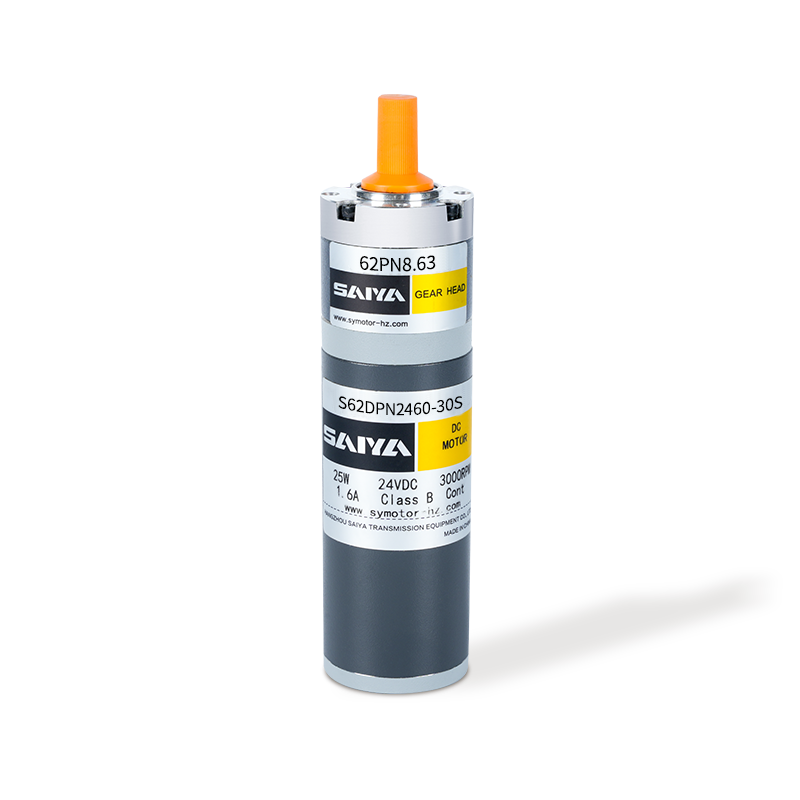
The 62mm brush planetary gear motor is a versatile and efficient component widely used in various applications requiring precise torque and speed control. With a rated current ranging from 2.5 to 5.5A...
See Details
CONTACT DETAILS
- TEL: 0086-0571-86951513/86951543
- Fax: 0086-571-86040769
- E-mail: [email protected] / [email protected] / [email protected]
- Office: Hangzhou Saiya Transmisson Equipment Co.,Ltd
- Office Address: Room 2201, Wanyin building, Hangzhou City, Zhejiang Province
- Factory: Zhejiang Saiya Intelligent Manufacturing Co., Ltd.
- Factory Address: No.35 Building , Zhongnan High-tech Yunhe Zhigu Industrial Park, Xinan town, Deqing county, Huzhou city, Zhejiang, China
QUICK LINK
PRODUCT
If You Are Intrested
In Our Products,
Please Consult Us
Copyright © Zhejiang Saiya Intelligent Manufacturing Co., Ltd. All Rights Reserved.
Custom Gear Reduction Motors Suppliers
