 EN
EN  English
 中文简体
中文简体 русский
 Español
Home / News / Industry News / How Does a Brushless DC Gear Motor Reduce Noise in Industrial Applications?


Application Industry
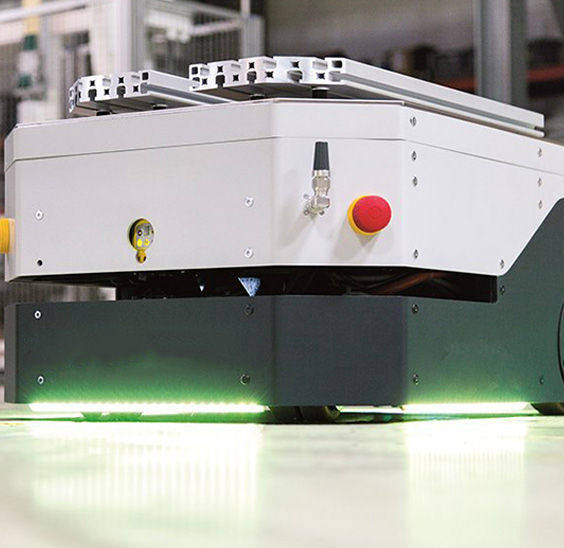
AGV

Automated robots

laser cutting

Logistics sorting

Photovoltaic power-station
Medical devices
How Does a Brushless DC Gear Motor Reduce Noise in Industrial Applications?
A 650 kg automated guided vehicle (AGV) moving through a food-packing hall at 1.2 m/s radiated 73 dBA of drive noise with its original brushed DC gear motor. After the same vehicle was re-fitted with a 48 V brushless DC gear motor and a precision planetary stage, the measured level dropped to 61 dBA at identical speed and distance. That 12 dB difference is not a marketing figure; it comes from removing the brush-commutator contact, tightening gear mesh accuracy, and shortening the vibration path into the machine frame.
This article explains how a brushless DC gear motor reduces noise in industrial applications, how far the reduction can actually go, and which component decisions decide the final number. In brief: the motor removes the dominant high-frequency source, and the gearbox determines how much of the remaining vibration becomes audible. The interaction between the two is why a motor swap alone rarely delivers the full possible benefit.
Eliminating Brush Friction Removes the Highest-Frequency Noise Source
Switch a DC motor from brushed to brushless commutation, and the loudest noise source disappears before any other change is made.
In a brushed DC motor, carbon brushes slide against commutator segments. At every segment transition, current is interrupted and restarted, generating micro-arcs and mechanical contact noise. The result is broadband noise strongest between 3 kHz and 8 kHz, a band where human hearing is most sensitive. That is why a brushed motor sounds harsh even when its overall decibel reading is moderate. A brushless DC gear motor replaces the mechanical commutator with Hall-sensor-triggered electronic commutation. There are no brushes to slide, no arcs to hiss, and no periodic contact discontinuities.
Typical unloaded sound-level measurements at 3000 r/min place a 60 W brushed DC gearmotor in the 62-68 dBA range, while an equivalent brushless unit with the same gearbox and mounting sits around 55-60 dBA. The reduction concentrates in the high-frequency band, making the perceived change larger than the raw number suggests. The same brushless architecture that reduces running noise in household appliances scales directly to industrial frames.
Because a reduction of 10 dBA sounds roughly half as loud to the human ear, removing the brush-commutator contact changes the character of machine noise, not just its volume.
-12 dBATypical A-weighted reduction in a complete gearmotor at the same speed and load
3-8 kHzFrequency band that disappears when mechanical commutation is eliminated
0Mechanical sliding contacts left in the motor to wear, arc, and generate noise
Gear Precision Sets the Noise Floor After Brush Noise Is Removed
Once brush noise is gone, the gearbox becomes the noise floor, and gear precision decides how low that floor sits.
Gear whine is produced by transmission error, which is defined as the difference between the ideal meshing motion of a gear pair and the actual motion transmitted under load, caused by tooth profile deviations, pitch errors, and elastic deflection. In a brushed gearmotor, this tonal noise below 2 kHz is usually masked by brush noise. After switching to a brushless motor, the masking disappears, and gear mesh frequencies become the dominant audible signature, typically 500 Hz to 2 kHz, tone-like, and strongly correlated with speed and tooth count.
The correct order is therefore to remove the motor brushes first, then reduce transmission error. Helical gears produce lower peak excitation than spur gears because load transfer is gradual. Precision planetary gearboxes with hardened and ground tooth flanks cut transmission error further than hobbed gears. Backlash should be controlled with a light preload: zero backlash removes impact, while excessive preload adds friction noise and heat. Manufacturers that integrate the motor and gearbox in one housing, such as the brushless DC gear motor line offered here, reduce assembly variation at the source.
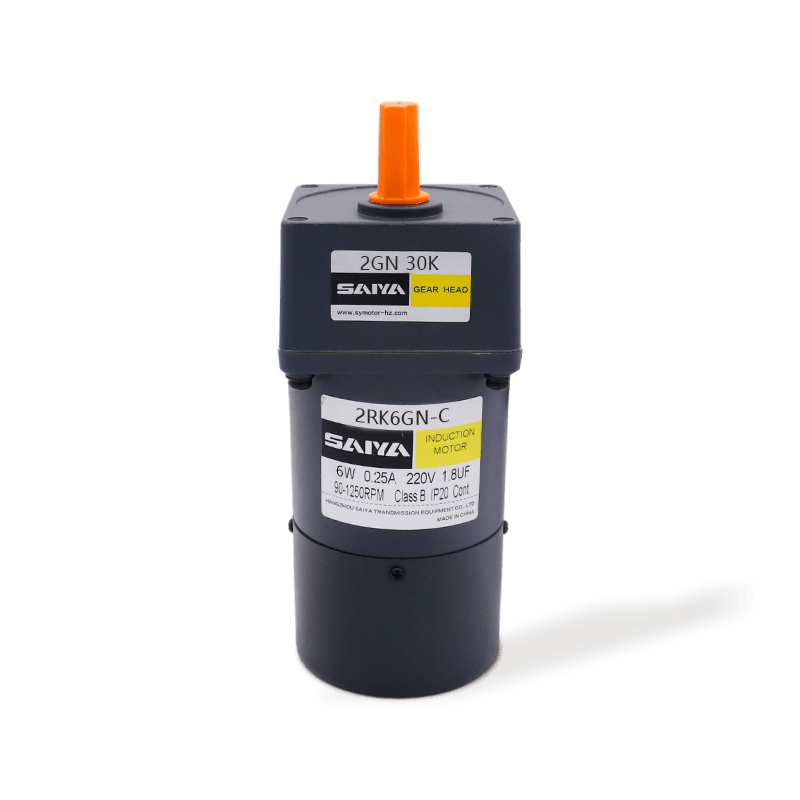 High-Performance Brushless DC Gear Motors with Planetary StageThis product line covers 24V to 230V brushless gear motors designed for quiet operation. The context highlights a 12 dB noise reduction when paired with a precision planetary gearbox, making this page essential for selecting the right combination.View Product →
Brushed DC gear motor
- Mechanical brush-commutator contact
- Broadband high-frequency noise, 3-8 kHz
- Complete-unit level: 60-68 dBA
- Brush wear increases noise over service life
- Arcing generates EMI and audible hiss
Brushless DC gear motor
- Electronic commutation, no sliding contact
- Tonal gear noise, 0.5-2 kHz
- Complete-unit level: 52-62 dBA
- Noise profile stays stable over service life
- Low EMI, clean high-frequency spectrum
A practical consequence: switching to a brushless motor without upgrading a low-grade spur gearbox usually recovers only 5-7 dBA. Pairing the brushless motor with a precision planetary stage recovers 10-14 dBA. The gearbox decides how much of the motor upgrade you actually hear.
Mounting and Resonance Decide Whether a Quiet Motor Stays Quiet Under Load
A low-noise motor is only as quiet as the structure it is bolted to.
Even a well-commutated brushless motor produces small torque ripple and cogging harmonics. When a mounting bracket has a natural frequency near those harmonics, the frame amplifies them into radiated noise. Three installation variables matter most: the stiffness of the mounting face, the alignment between motor and driven shaft, and the stiffness of the coupling. A rigid flange mount with a precision-machined register reduces vibration transmission by 6-10 dB compared with a compliant foot mount under belt tension. Shaft misalignment of 0.1 mm can raise gear mesh noise by 3-5 dB.
In AGV and logistics drives, the integrated form factor helps. A 24 V brushless gear motor with a planetary stage on a servo-grade flange keeps the vibration path short and pushes resonance peaks to higher frequencies. This configuration is a common choice for AGV walking and lifting drives because it combines low audible noise with high overload margin, typically 1-3 Nm continuous torque at 24 V input, and the planetary stage absorbs impact loads instead of transmitting them to the frame.
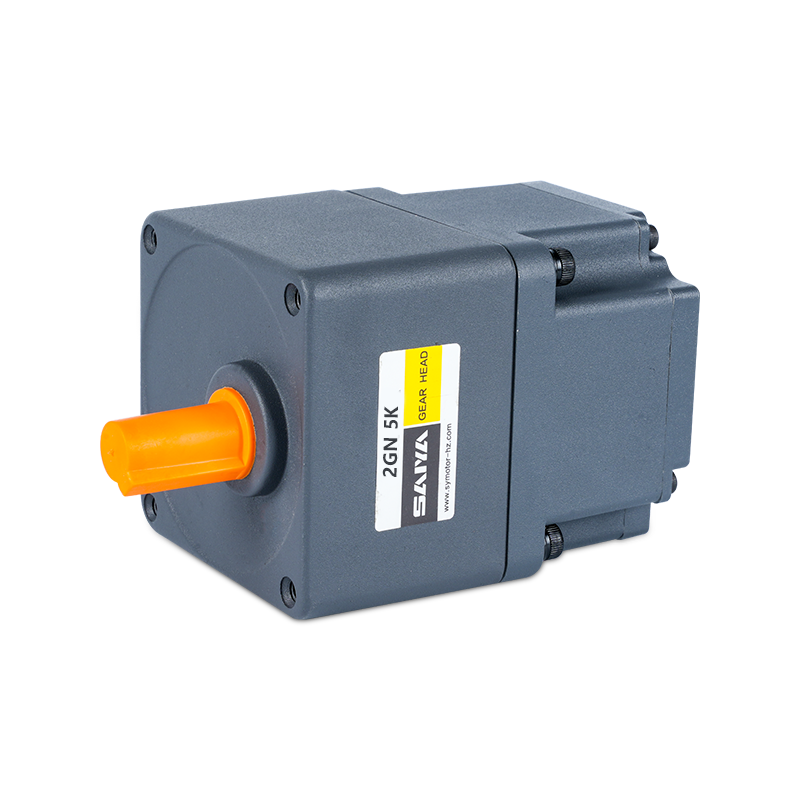 24V Brushless Gear Motor for AGV and Automation ApplicationsThis compact 24V motor delivers 25-400W at 3000 rpm with rated torque of 0.08 Nm. Its brushless design and planetary stage reduce vibration and noise, ideal for AGV walking drives where low sound and high overload margin matter.View Product →
Field result: an AGV retrofitted from a brushed 250 W motor to a 48 V brushless planetary gear motor measured 11 dBA lower noise at the operator position, from 68 to 57 dBA, with no other mechanical changes.
Measured Noise Reduction: How Drive Configurations Compare
The smallest real-world reduction comes from the motor swap alone; the largest comes from upgrading the motor and gear stage together.
The chart below shows representative A-weighted sound pressure levels measured at 1 m from the motor frame, at 3000 r/min at the motor shaft, under no external load. These values represent the spread normally seen in motor test reports; final numbers shift by 2-4 dBA depending on mounting and load.
| Configuration | Typical Level | Dominant Frequency | Typical Use |
| Brushed DC + spur gear | 66-70 dBA | 3-8 kHz broadband | Low-cost conveyors |
| Brushed DC + planetary gear | 62-66 dBA | 2-5 kHz broadband | Older AGV drives |
| BLDC + spur gear | 58-62 dBA | 1-3 kHz tonal | Budget automation |
| BLDC + helical planetary | 54-58 dBA | 0.5-1.5 kHz tonal | Packaging and sorting lines |
| BLDC + precision planetary | 51-55 dBA | 0.5-1 kHz tonal | AGV, medical, robotics |
When the gear stage is upgraded together with the motor, total reduction reaches 12-15 dBA compared with the original brushed spur-gear drive. Because every 10 dBA halves perceived loudness, the improvement is immediately audible on the plant floor.
How to Specify a Low-Noise Brushless DC Gear Motor for Your Application
Set a noise target in dBA at 1 m, then work backward from that number to the motor electrical design, gear type, and mounting geometry.
- Fix the operating speed and torque, including intermittent peaks. Noise is usually worst at resonance points, not at maximum speed.
- Choose a brushless motor with matched electronic commutation. Ask the manufacturer for a dBA measurement at 1 m at your operating point, not only at no load.
- Select the gear stage. Precision planetary or helical planetary is required for tonal noise below 60 dBA; a spur gear can work only when the target is above 62 dBA.
- Review the mounting envelope. Prefer a flanged face mount with a machined register over a thin sheet-metal bracket.
- Prototype and measure on the actual machine, because the frame always adds a few decibels compared with a bench test.
Voltage selection interacts directly with control compatibility. Low-voltage 24 V and 48 V brushless gear motors are standard for AGV and mobile equipment, while 220-230 V high-voltage brushless gear motors suit fixed industrial machinery with direct AC-bus power. At Zhejiang Saiya Intelligent Manufacturing Co., Ltd., both voltage families are built in compact frames with integrated planetary stages.
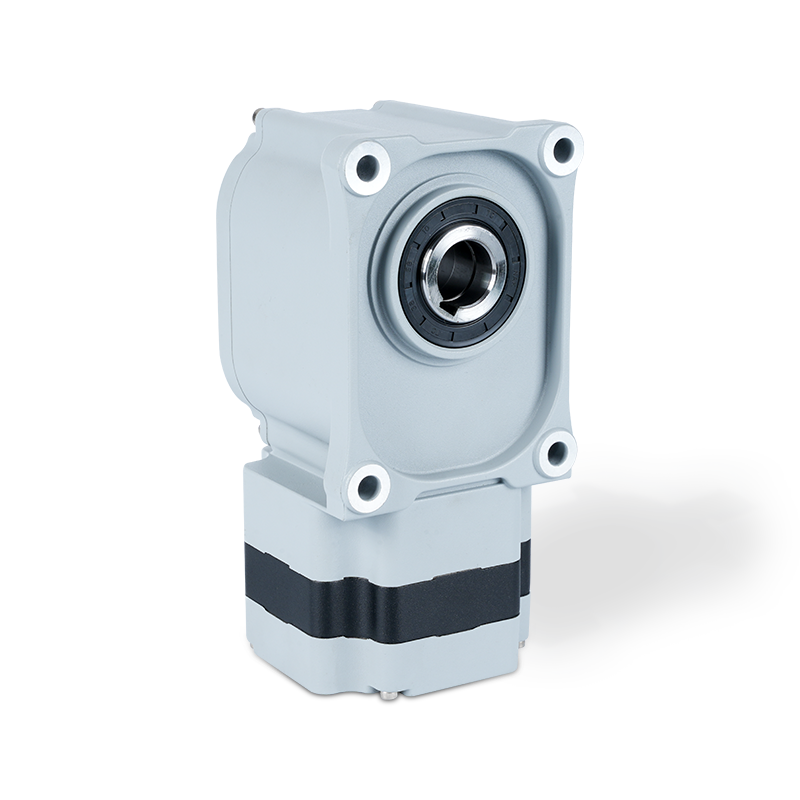 220V-230V Brushless Gear Motor for Fixed Industrial MachineryOperating on standard industrial AC power, this motor offers 10-400W at 3000 rpm with torque up to 1.5 Nm. It suits fixed equipment needing reliable motion control, and its compact frame with integrated planetary stage helps lower audible noise.View Product →
| Parameter | What to Ask | Why It Matters |
| Rated voltage | 24 V, 48 V, 100-120 V, or 220-230 V | Defines control compatibility and peak torque capability |
| Gear ratio | 3:1 to 100:1, depending on output speed | Sets output speed and reflected inertia at the motor shaft |
| Noise specification | dBA at 1 m, measured at the operating point | The only specification that actually protects your target |
| Backlash | 10 arc-min or lower for precision planetary | Affects gear whine, impact, and positioning error |
| Mounting type | Flange with machined register, or foot mount | Determines resonance behavior and vibration transmission |
| Protection rating | IP40 to IP65 as required | Dust and washdown conditions affect long-term noise |
Rule of thumb: budget a 4-6 dB margin in your noise calculation. Resonance, load, and installation tolerances always add a few decibels compared with the vendor's unloaded test report.
Frequently Asked Questions About Brushless DC Gear Motor Noise
The four answers below cover the questions that appear first in every noise-reduction discussion.
How much quieter is a brushless DC gear motor than a brushed DC motor?
In a complete gearmotor at the same speed and load, the difference is typically 8-12 dBA, concentrated in the 3-8 kHz band that operators find most annoying. The exact value depends on the gear stage and the mounting structure.
Is the gearbox or the motor the main noise source?
In a brushed gearmotor, the brush-commutator contact usually dominates above 3 kHz. In a brushless gearmotor, the gear mesh becomes the main source, typically 0.5-2 kHz. Upgrading the gearbox is therefore the only way to capture the full noise benefit of the brushless design.
Does the controller affect the noise level?
Yes, significantly. A trapezoidal-commutation entry controller produces more torque ripple and higher tonal noise than a sine-commutation or field-oriented controller. The switching frequency must also be matched to the motor inductance; a mismatched controller adds whine in the 10-20 kHz band.
Can I retrofit a brushless DC gear motor into existing equipment?
Usually yes, if the voltage, controller interface, flange dimensions, and gear ratio match. Retrofitting AGV and conveyor drives is common practice. Because brushless motors are typically shorter than equivalent brushed motors at the same torque, envelope conflicts are rare.
If a machine currently measures above 65 dBA, start with the brushless motor swap, measure again, and only then decide whether the gearbox also needs a precision upgrade. That two-step method is the fastest way to a defensible decision.
Related products
-
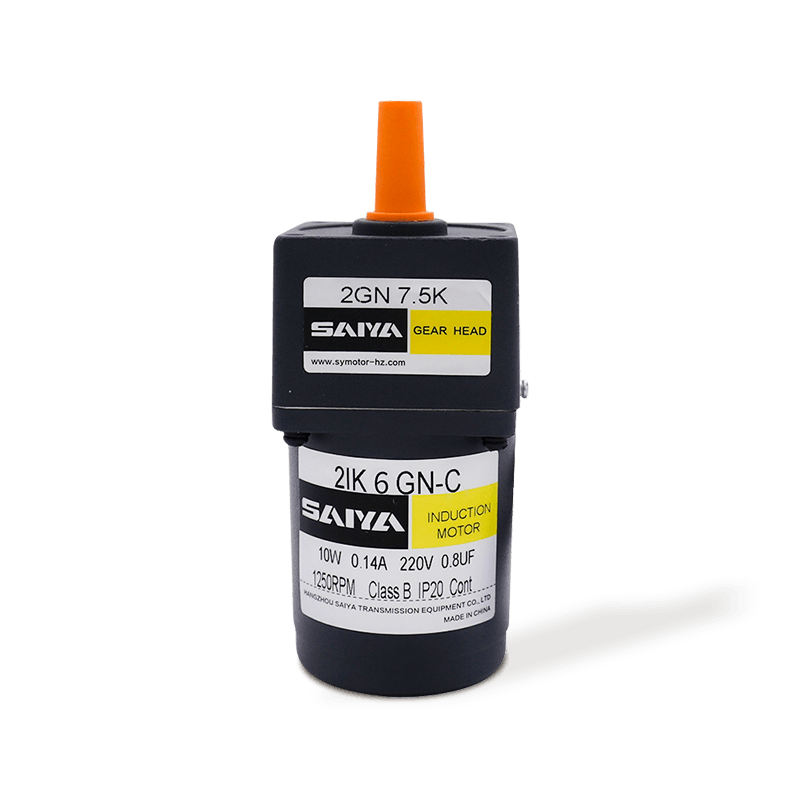
This 6W Induction AC Gear Motor is an efficient, compact and reliable small motor suitable for a wide range of industrial and household applications.Motor frame 60mm x 60mm making it easy to install ...
See Details -
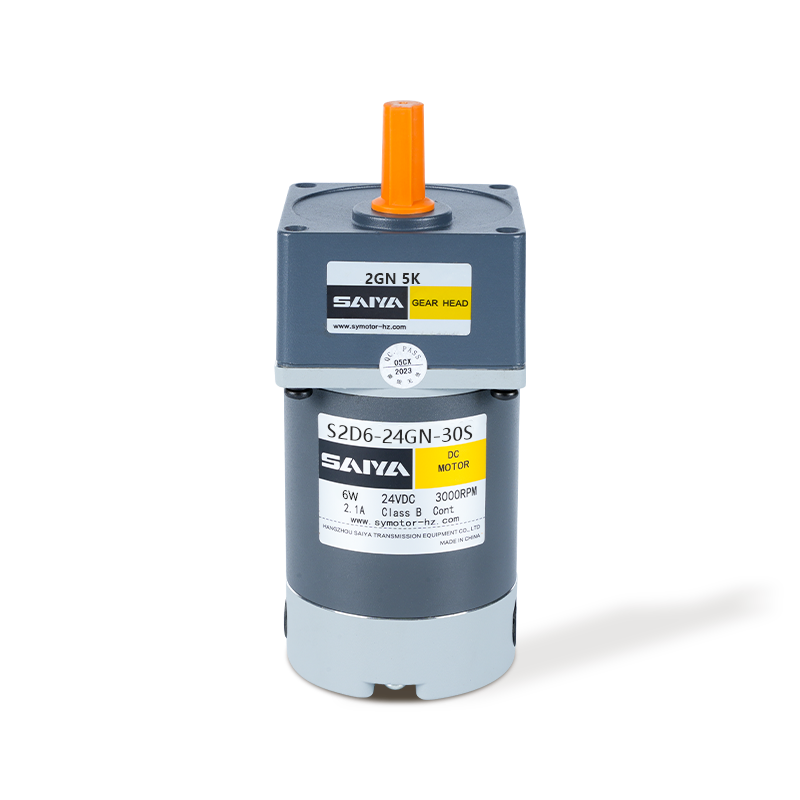
The 6W brush DC gbear motor is designed for efficiency and versatility, suitable for various applications. With a compact frame size of 60mm x 60mm, it fits seamlessly into tight spaces. The motor ope...
See Details -
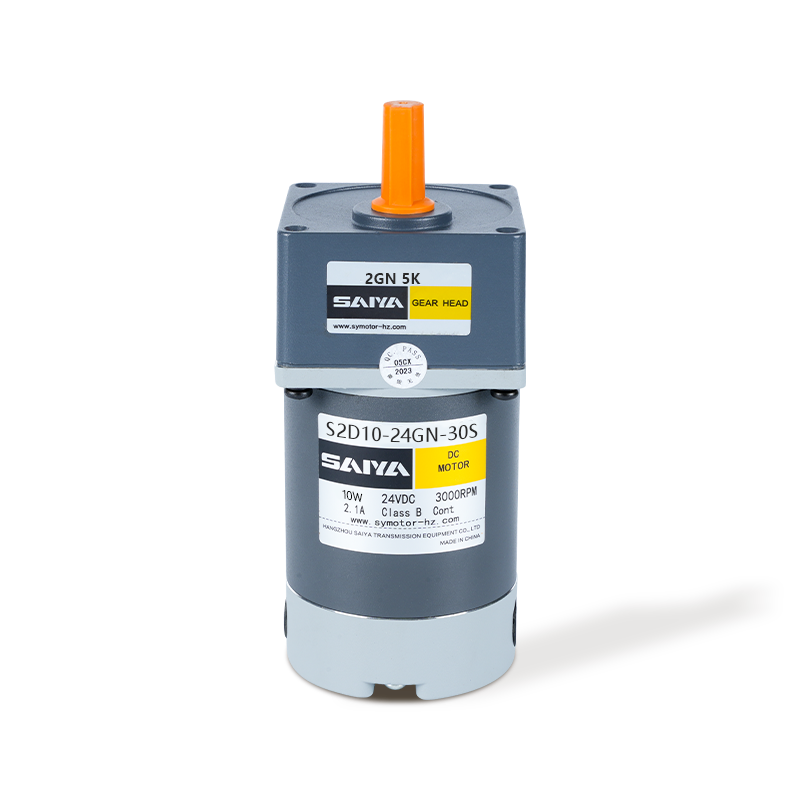
The 10W brush DC gear motor offers high performance and adaptability, for a range of industrial and hobbyist applications. With a frame size of 60mm x 60mm, this motor is designed to fit into confined...
See Details -
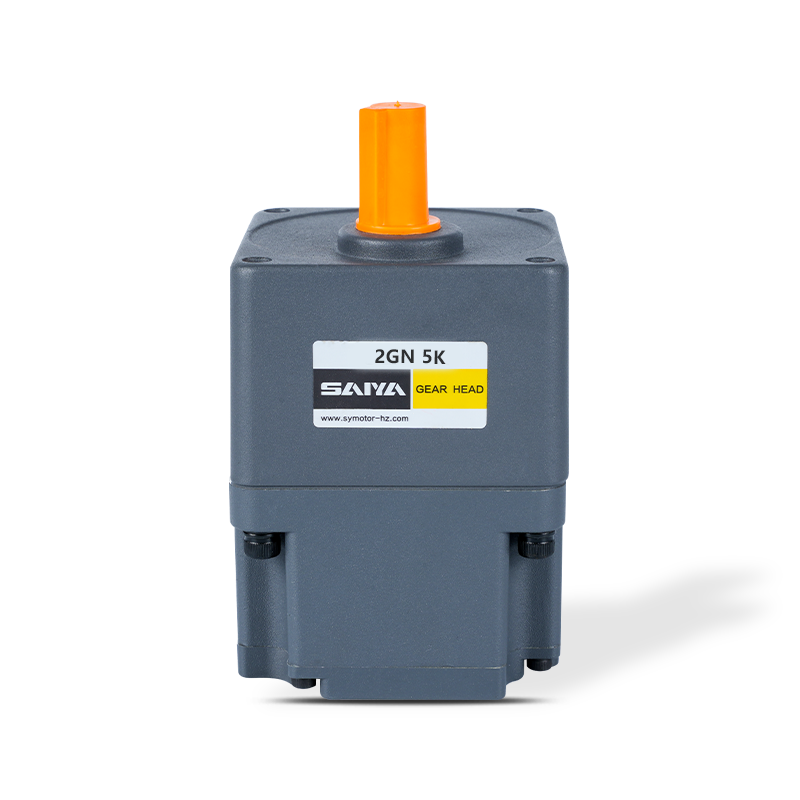
The 24V Brushless Gear Motor is a versatile and efficient motor designed for a range of applications. With dimensions ranging from 60mm x 60mm to 104mm x 104mm, this motor can fit into various equipme...
See Details -
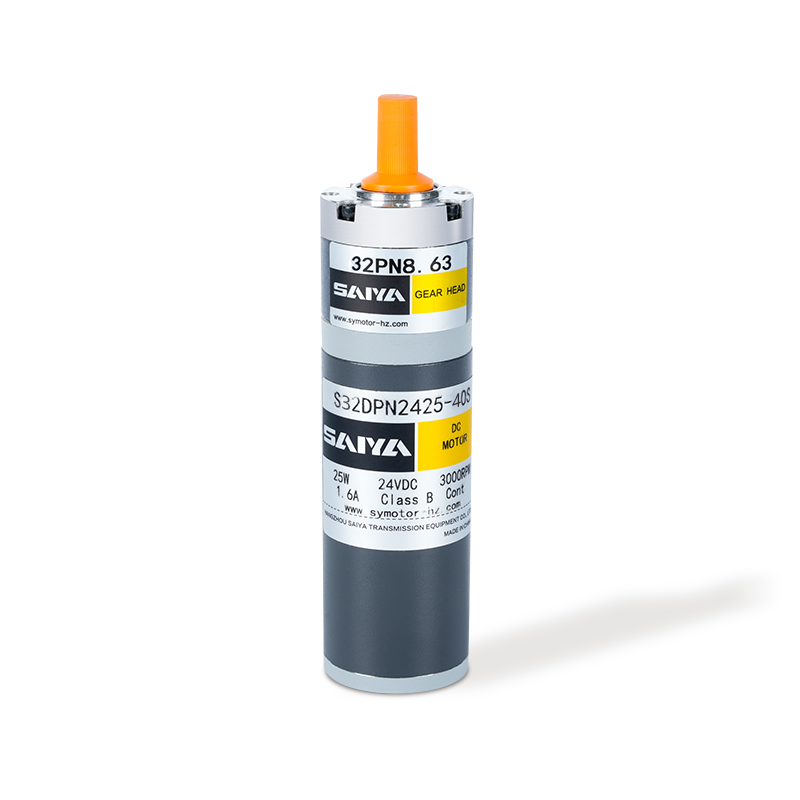
The 32mm brushed planetary gear motor is a compact and efficient solution designed for various applications requiring high torque and precise control. With a diameter of 32mm, this motor is ideally su...
See Details -
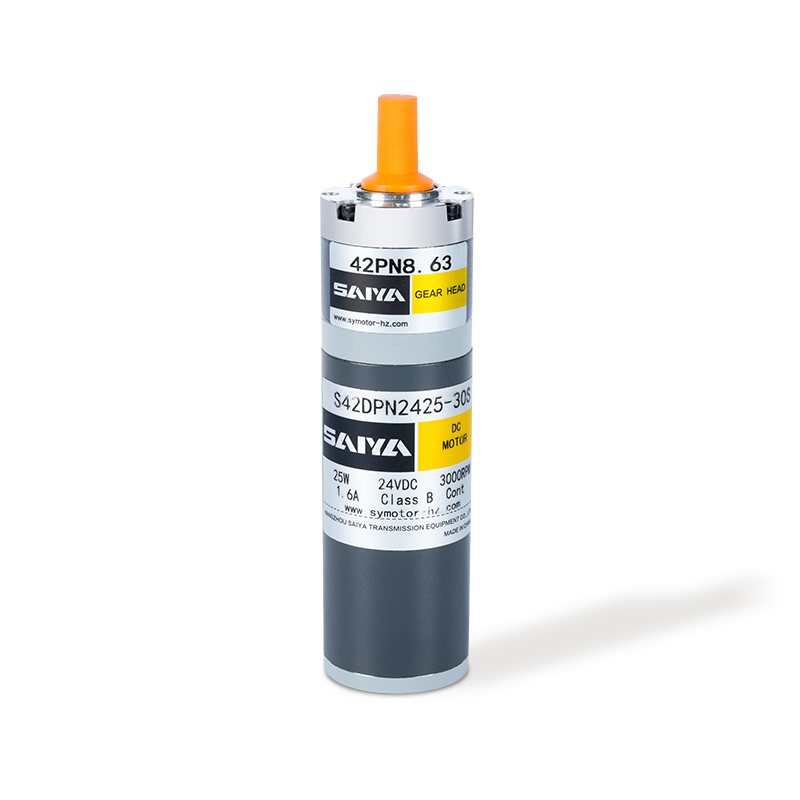
The 42mm brush planetary gear motor is a versatile and efficient component widely used in various applications requiring precise torque and speed control. With a rated current ranging from 0.7 to 1.1A...
See Details -
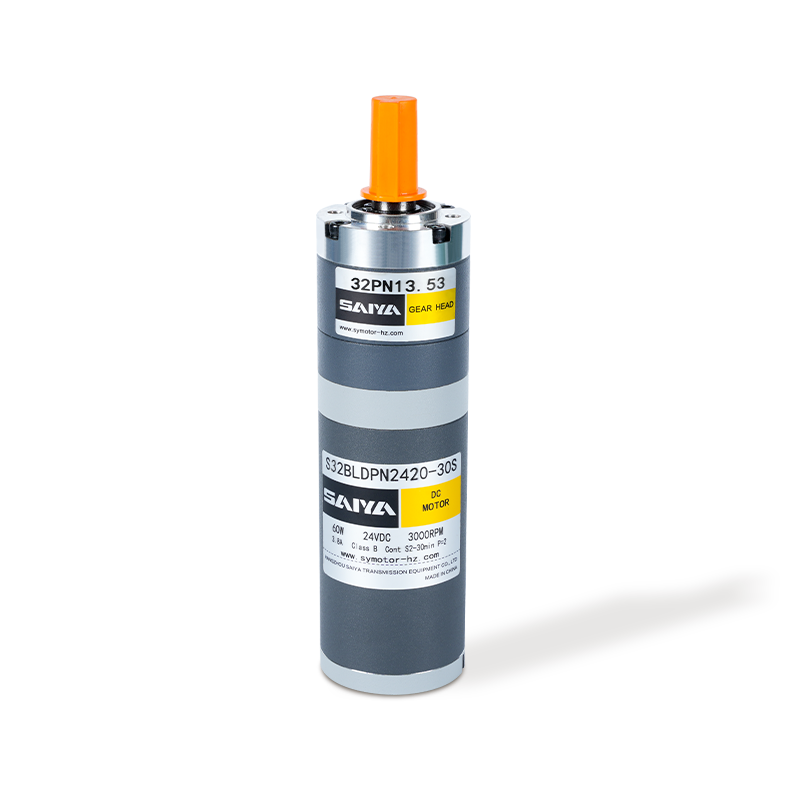
The 32mm Brushless Planetary Gear Motor is a high-performance, compact solution ideal for applications requiring efficiency and reliability. Operating at a rated voltage of 24V and consuming 20W of po...
See Details -
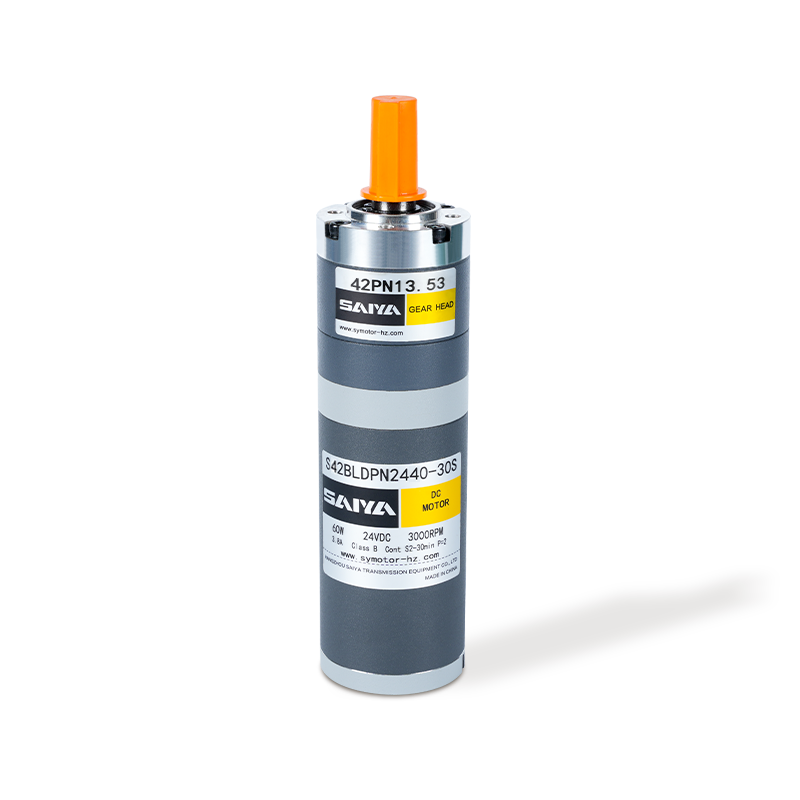
The 42mm brushless planetary motor is a high-efficiency motor product that is widely used in various scenarios requiring precision transmission. The rated current of this motor is 1.3A and the rated t...
See Details -
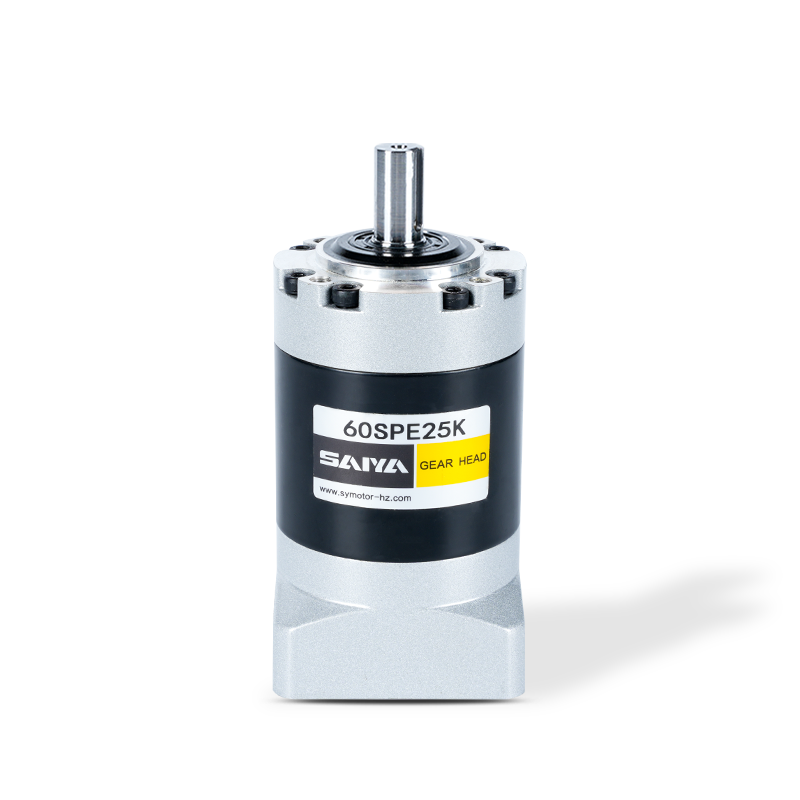
The SPE series gearboxes, flange size range with 40, 60, 80, 120, and 160 models, are designed to provide efficient and robust power transmission solutions. These gearboxes feature a round output flan...
See Details -
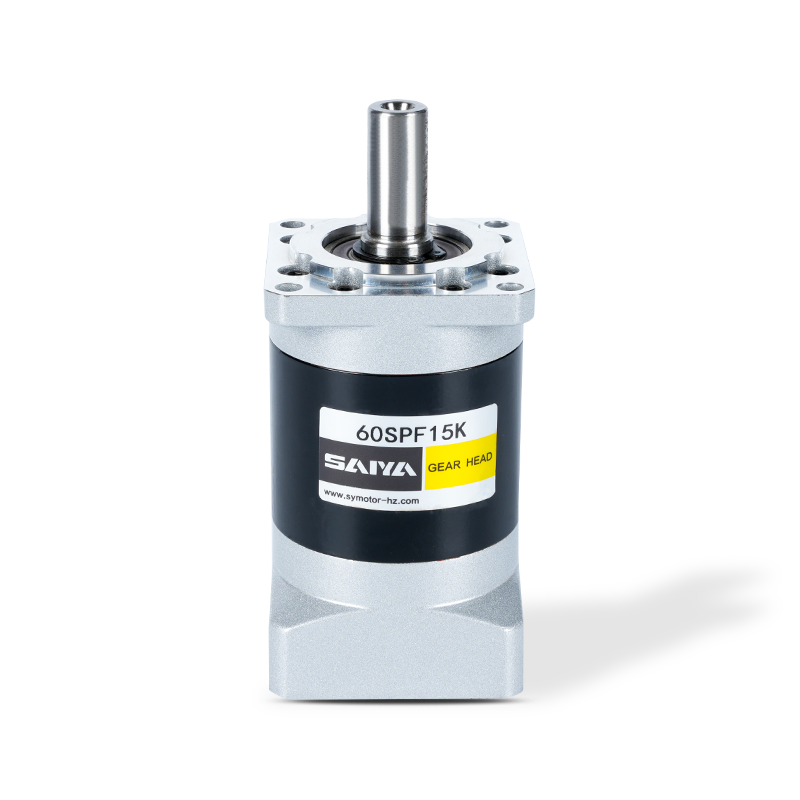
The SPF series are with square output flanges, accommodating dimensions from 40mm to 160mm. These flanges are engineered to excel in various industrial applications, offering reliable performance acro...
See Details -
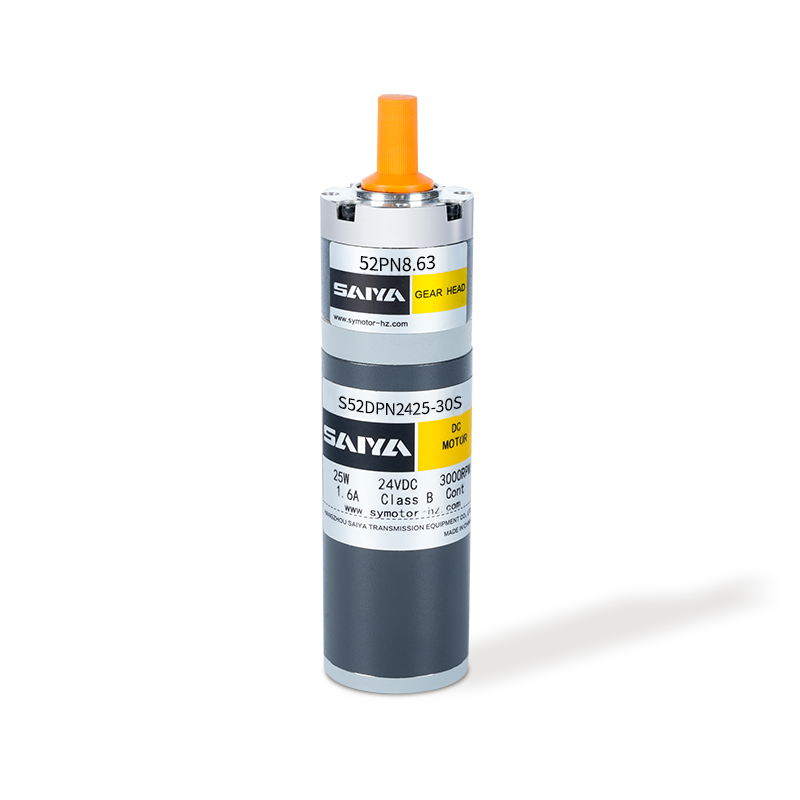
The 52mm brushed planetary gear motor is a compact and efficient solution designed for various applications requiring high torque and precise control. With a diameter of 52mm, this motor is ideally su...
See Details -
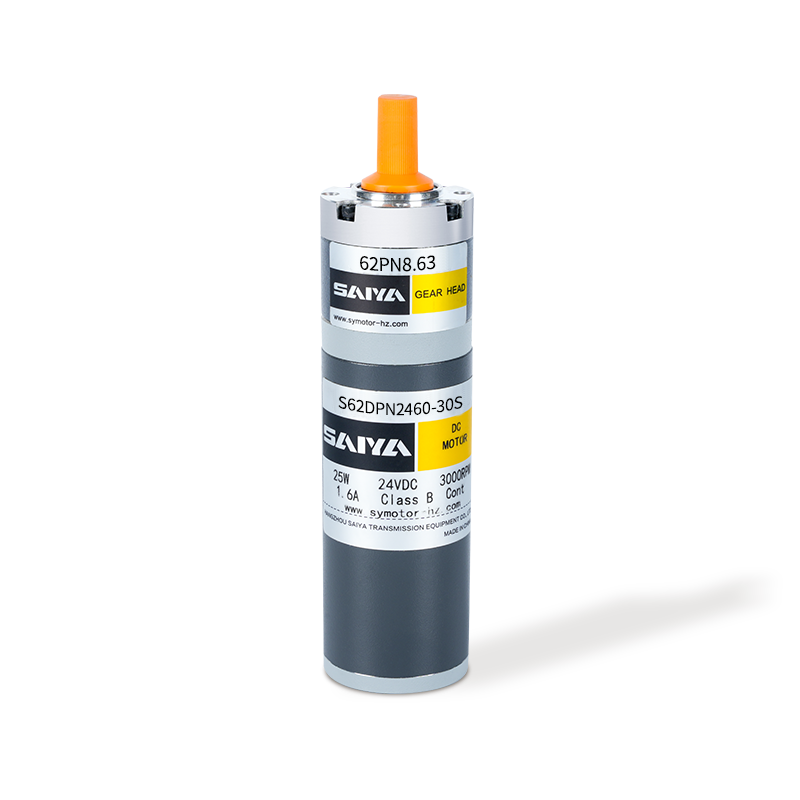
The 62mm brush planetary gear motor is a versatile and efficient component widely used in various applications requiring precise torque and speed control. With a rated current ranging from 2.5 to 5.5A...
See Details
CONTACT DETAILS
- TEL: 0086-0571-86951513/86951543
- Fax: 0086-571-86040769
- E-mail: [email protected] / [email protected] / [email protected]
- Office: Hangzhou Saiya Transmisson Equipment Co.,Ltd
- Office Address: Room 2201, Wanyin building, Hangzhou City, Zhejiang Province
- Factory: Zhejiang Saiya Intelligent Manufacturing Co., Ltd.
- Factory Address: No.35 Building , Zhongnan High-tech Yunhe Zhigu Industrial Park, Xinan town, Deqing county, Huzhou city, Zhejiang, China
QUICK LINK
PRODUCT
If You Are Intrested
In Our Products,
Please Consult Us
Copyright © Zhejiang Saiya Intelligent Manufacturing Co., Ltd. All Rights Reserved.
Custom Gear Reduction Motors Suppliers
