

 EN
EN  English
 中文简体
中文简体 русский
 Español
Application Industry
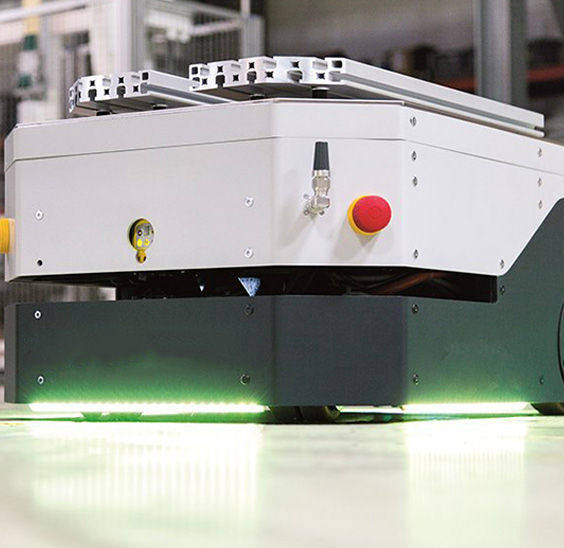
AGV

Automated robots
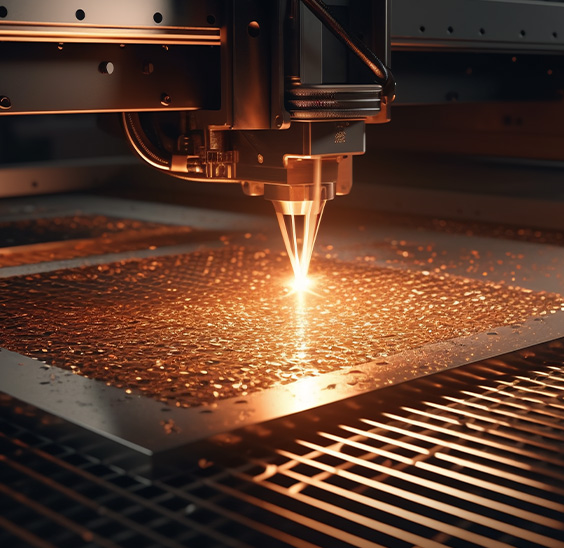
laser cutting

Logistics sorting

Photovoltaic power-station
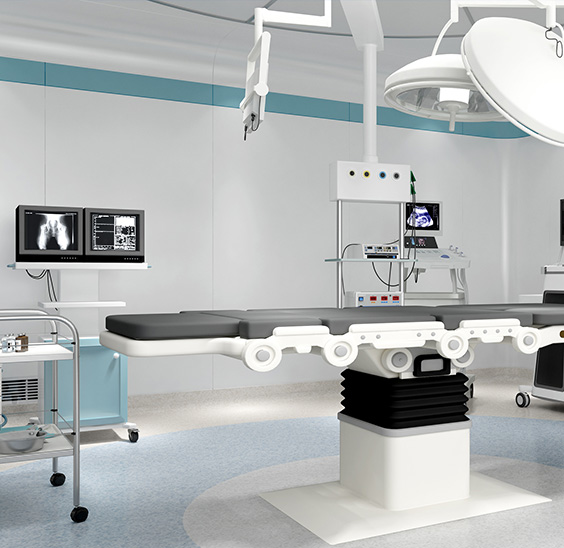
Medical devices
Induction vs Reversible vs Speed Control AC Gear Motors: Key Differences
A conveyor belt that keeps running in one direction needs a different drive than an indexing table that stops and reverses hundreds of times per hour. That is why motor catalogs list three separate families: induction, reversible, and speed control AC gear motors.
The practical difference between induction, reversible, and speed control AC gear motors is not rated power or gear ratio alone. Induction types run continuously in one direction, reversible types add braking for frequent stop-and-start cycles, and speed control types use an external controller to vary output speed under load. Engineers at Zhejiang Saiya Intelligent Manufacturing Co., Ltd. apply these three families across the 6W to 200W compact AC gear motor range.
Quick answer
Induction = fixed speed, single direction, continuous duty. Reversible = fixed speed with fast stop and reversal. Speed control = adjustable speed with a controller.
What Actually Differs Between Induction, Reversible, and Speed Control AC Gear Motors?
Three variables separate these drives: direction flexibility, duty cycle, and speed control. An induction AC gear motor is fixed-direction and optimized for continuous operation. A reversible AC gear motor is also fixed-speed, but an integrated braking system lets it stop and reverse without a long coast-down phase. A speed control AC gear motor is designed to run at multiple speeds with a matching controller, while retaining rated torque down to about 90 rpm.
Core definition
A gear motor is an AC motor coupled to a gearbox that reduces output speed and multiplies torque. The motor type before the gearbox determines whether the drive can reverse, stop quickly, or change speed.
| Control mode | Direction | Speed | Best suited for |
| Induction | Single direction | Fixed by gear ratio and mains frequency | Continuous conveyors, fans, mixers |
| Reversible | Single or reversing | Fixed with fast stop and reverse | Indexing, feeding, door drives |
| Speed control | Single or reversing | Adjustable, typically 90-1400 rpm | Winders, metering pumps, variable-speed automation |
6-200 WCompact AC gear motor power range
90-1400 rpmTypical speed-control window at rated torque
3Control types, one mounting standard
Induction AC Gear Motors: Long-Life Drives for Continuous Single-Direction Duty
Choose an induction AC gear motor when the load runs in one direction for most of its operating life. It has no brushes, no electronic controller, and no braking mechanism, which makes it the most cost-effective and mechanically simple option in the compact AC gear motor range.
In a four-pole induction motor at 50 Hz, the shaft runs near 1500 rpm before the gearbox reduces speed. The final output speed is set by the gear ratio. Because the motor is optimized for steady load, it can run for long periods without the thermal buildup caused by frequent starts. Starting current can reach five to seven times full-load current, but in continuous duty the starting event is rare.
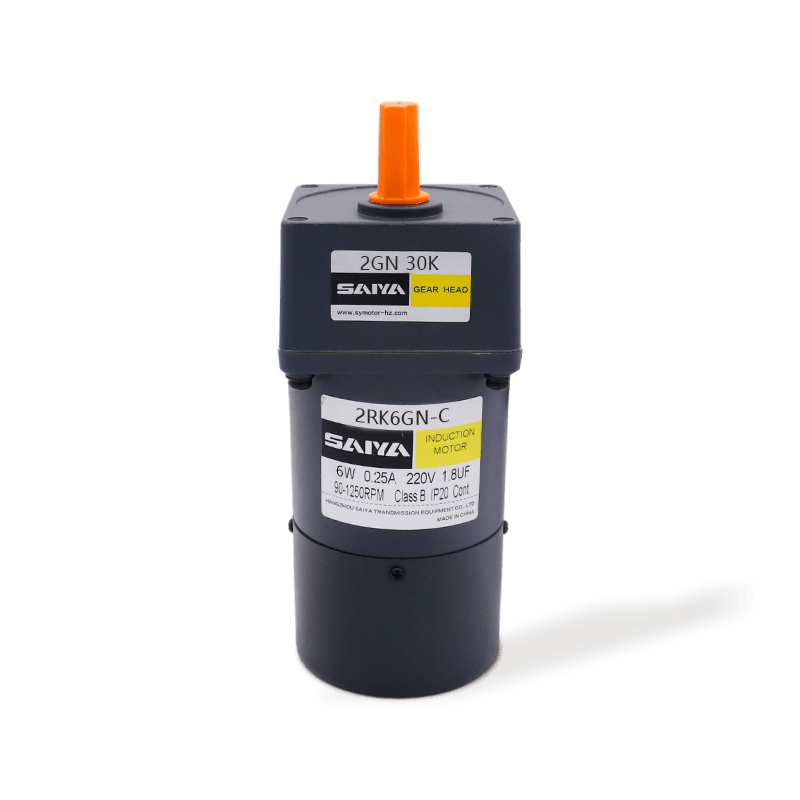 Saiya AC Induction Gear Motors 6W to 250WThese single- or three-phase induction gear motors suit continuous one-direction duty with low heat buildup. Compare torque ratings across the 6W to 250W range for steady-load applications.View Product →
- Available from 6W to 200W in compact frame sizes
- Fixed output speed determined by gear ratio
- No separate controller or brake to maintain
For a measured motor selection, calculate gear motor torque from load radius, friction, and acceleration before comparing ratio options.
Selection rule: If the drive will not reverse more than a few times per hour and speed stays constant, induction usually delivers the lowest first cost and lowest maintenance burden.
Reversible AC Gear Motors: Built for Rapid Stopping and Direction Changes
A reversible AC gear motor is the answer when a machine must stop quickly, reverse direction, or repeat a cycling motion without excessive coasting. It uses a brake mechanism in the motor to shorten stop time and allows the load to be driven in either rotational direction.
Reversing increases heat because the motor switches braking torque against rotor inertia. For selection, compare starts per hour, not just rated power. Common applications include label applicators, damper controls, indexing turntables, and valve drives that operate many times per minute.
Saiya Reversible AC Gear Motors with BrakeBuilt-in brake and robust reversing design handle frequent direction changes and high starts-per-hour cycles. Useful for valve drives, indexing turntables, and other quick-reversal tasks.View Product →
Induction fits
- Continuous running hours dominate the duty cycle
- Reverse cycles happen only occasionally
- Coast-down after stop causes no process issue
Reversible fits
- Starts and stops occur frequently
- Load position must hold briefly after stop
- Direction changes are part of normal operation
01
Duty cycle is the deciding number. A reversible motor selected only on power can overheat when cycled faster than its brake design allows.
Speed Control AC Gear Motors: Variable Speed Without Sacrificing Torque
Use a speed control AC gear motor when the process needs adjustable speed under load, not just a fixed speed at one gear ratio. The motor is designed to work with a speed controller, typically using voltage control or tachogenerator feedback to hold speed within a useful window.
In compact units, this control family offers a typical working range from 90 to 1400 rpm at 50 Hz before gear reduction. With a digital controller, operators can preset speeds, see a speed readout, and adjust output while the line is running.
Saiya Speed Control AC Gear Motors with ControllerIntegrated digital controller enables preset speeds, live readout, and on-the-fly adjustment in a 90–1400 rpm range. Compact frame sizes suit applications needing variable output speed.View Product →
Relative capability profile (0-5 rating)
Induction Reversible Speed control
Continuous duty
Reversing
Speed range
Cost value
Speed range is the trade-off: adding a controller raises cost, but it removes gear changes and production stops when line speed must change.
How to Choose Between the Three AC Gear Motor Families
Start with the duty cycle, then confirm the speed range. If the application runs continuously in one direction, induction is the default. If it cycles or changes direction often, reversible is the safer choice. If speed must change while running, speed control is the only option that fits.
- Continuous single-direction load: induction
- Frequent starts, stops, or reversals: reversible
- Variable line speed or adjustable process speed: speed control
Decision shortcut: Induction saves money, reversible saves stop time, and speed control saves changeover time.
Frequently Asked Questions About Induction, Reversible, and Speed Control AC Gear Motors
The fastest way to narrow the choice is to state the required duty cycle in starts per hour, then define the speed range.
Most application errors in AC gear motors come from selecting by power alone, not by reversal frequency or speed adjustment range.
Can a speed control AC gear motor also reverse direction?
Most speed control AC gear motors can reverse with a controller that changes phase sequence, but they do not include the mechanical brake found on reversible motors. For rapid stopping, pair speed control with a brake or choose a reversible model.
How do I know whether I need a reversible motor?
Count the required starts per hour. A machine that reverses more than a few times per minute will overheat an induction motor; a reversible motor with an integrated brake is designed for that cycle rate.
Does a speed controller reduce the gear motor torque?
Within the rated speed range, a properly sized speed control AC gear motor maintains useful torque. Outside that range, torque falls off and the motor may overheat if run at low speed continuously without de-rating.
Which AC gear motor is most cost-effective?
Induction types have the lowest purchase and maintenance cost because no controller or brake is involved. Cost rises when you add reversing capability and rises again when you add a speed controller.
Related products
-
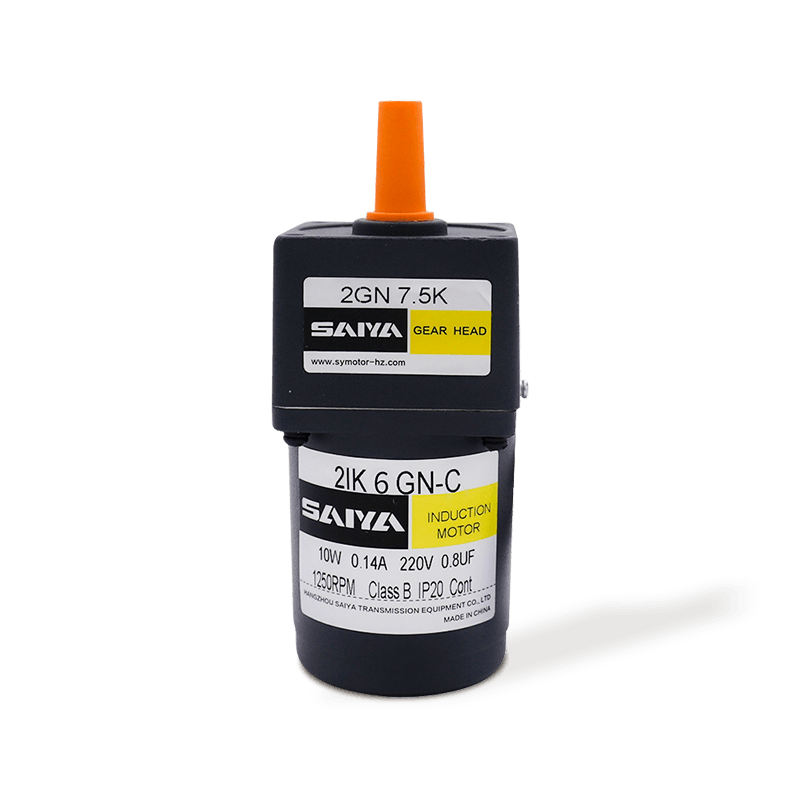
This 6W Induction AC Gear Motor is an efficient, compact and reliable small motor suitable for a wide range of industrial and household applications.Motor frame 60mm x 60mm making it easy to install ...
See Details -
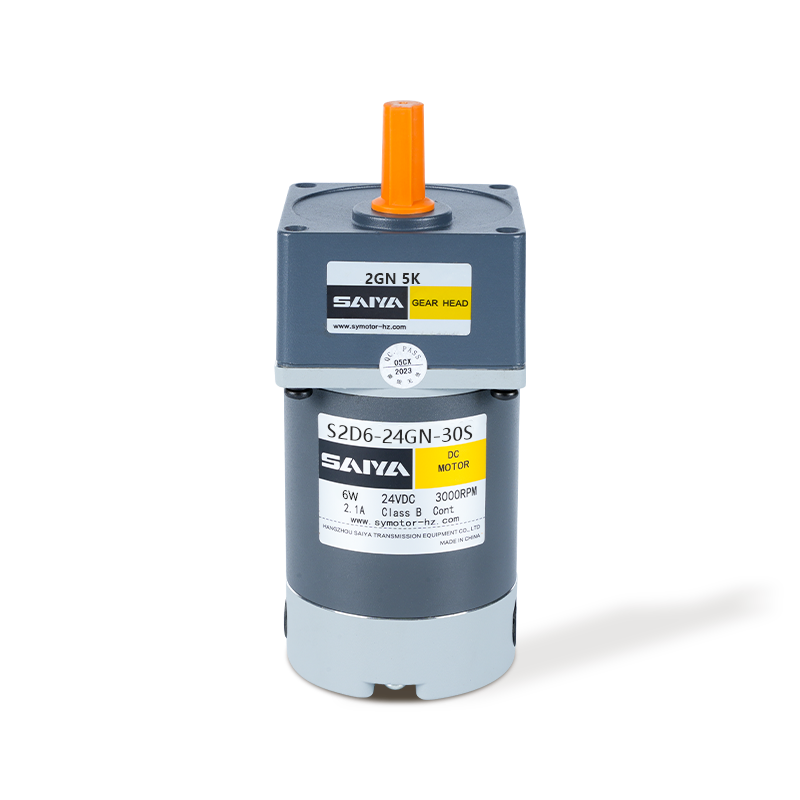
The 6W brush DC gbear motor is designed for efficiency and versatility, suitable for various applications. With a compact frame size of 60mm x 60mm, it fits seamlessly into tight spaces. The motor ope...
See Details -
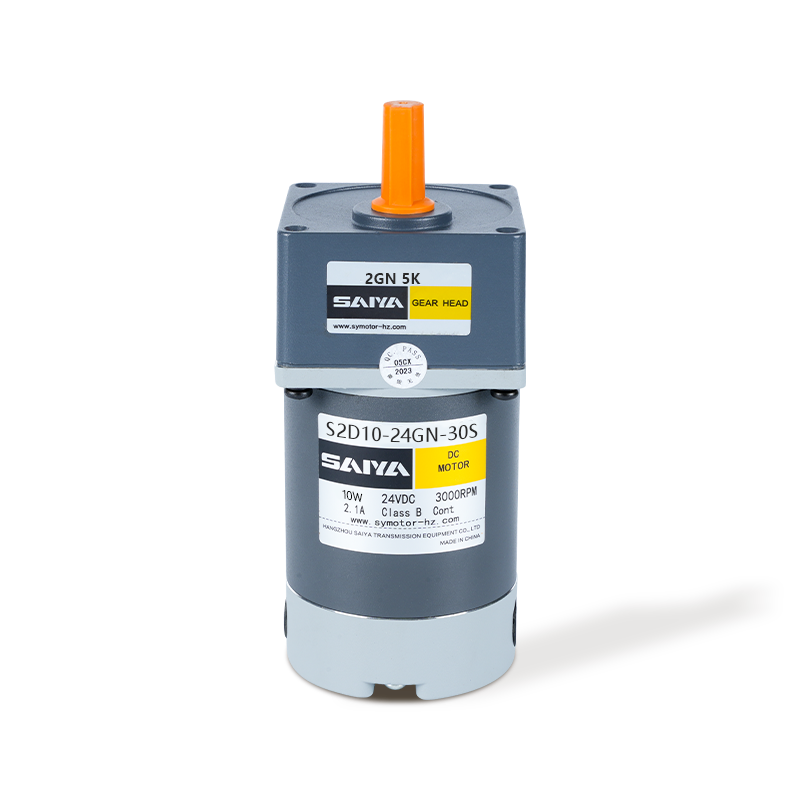
The 10W brush DC gear motor offers high performance and adaptability, for a range of industrial and hobbyist applications. With a frame size of 60mm x 60mm, this motor is designed to fit into confined...
See Details -
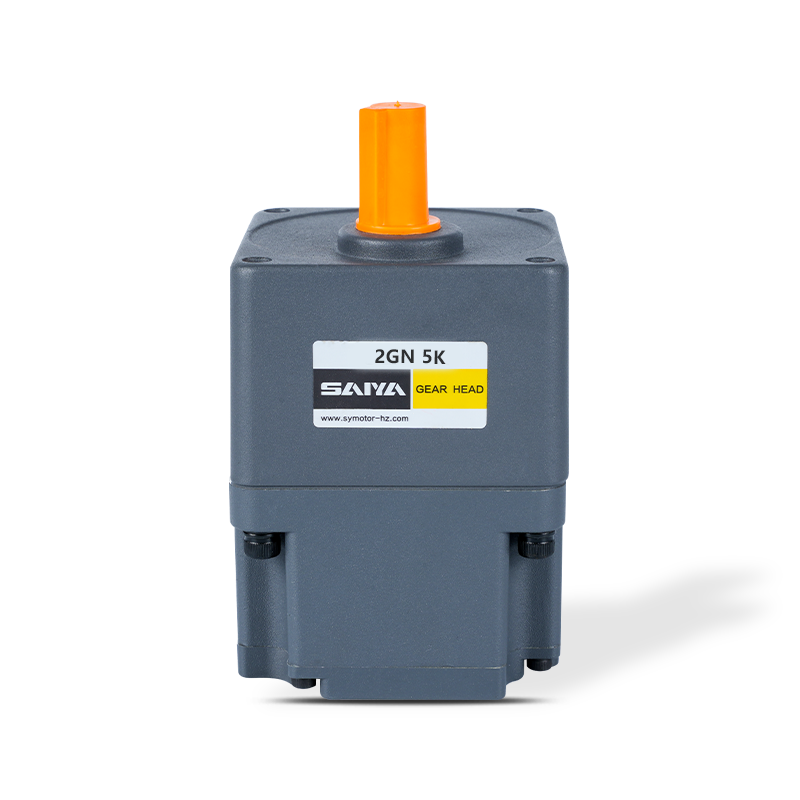
The 24V Brushless Gear Motor is a versatile and efficient motor designed for a range of applications. With dimensions ranging from 60mm x 60mm to 104mm x 104mm, this motor can fit into various equipme...
See Details -
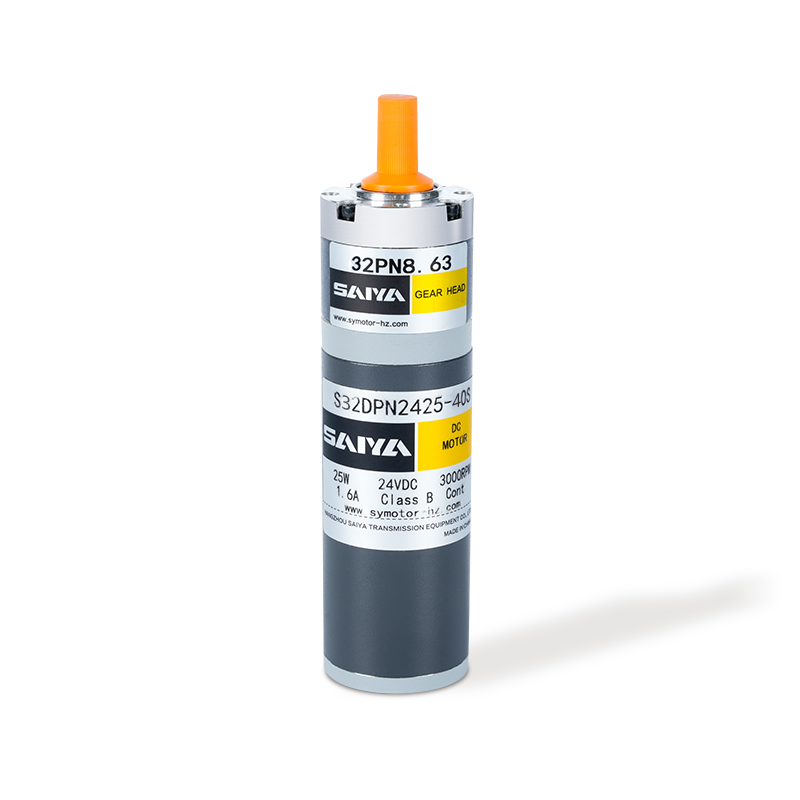
The 32mm brushed planetary gear motor is a compact and efficient solution designed for various applications requiring high torque and precise control. With a diameter of 32mm, this motor is ideally su...
See Details -
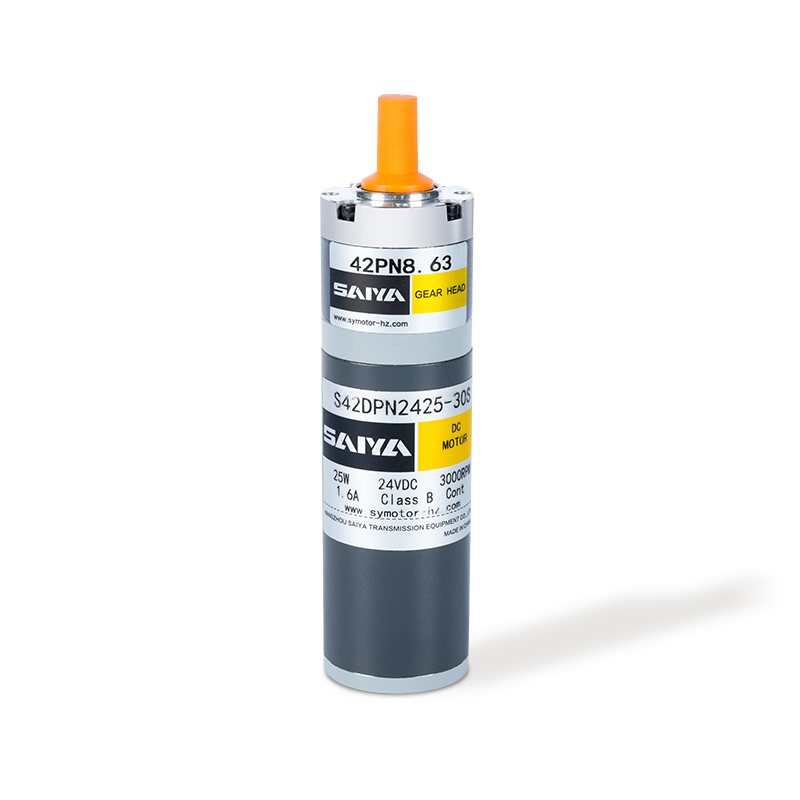
The 42mm brush planetary gear motor is a versatile and efficient component widely used in various applications requiring precise torque and speed control. With a rated current ranging from 0.7 to 1.1A...
See Details -
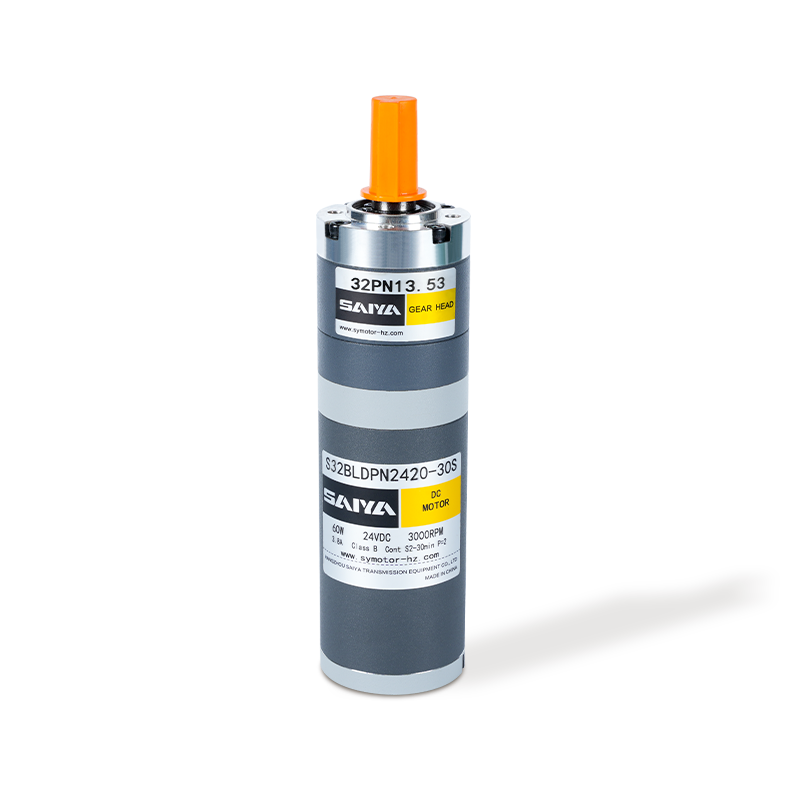
The 32mm Brushless Planetary Gear Motor is a high-performance, compact solution ideal for applications requiring efficiency and reliability. Operating at a rated voltage of 24V and consuming 20W of po...
See Details -
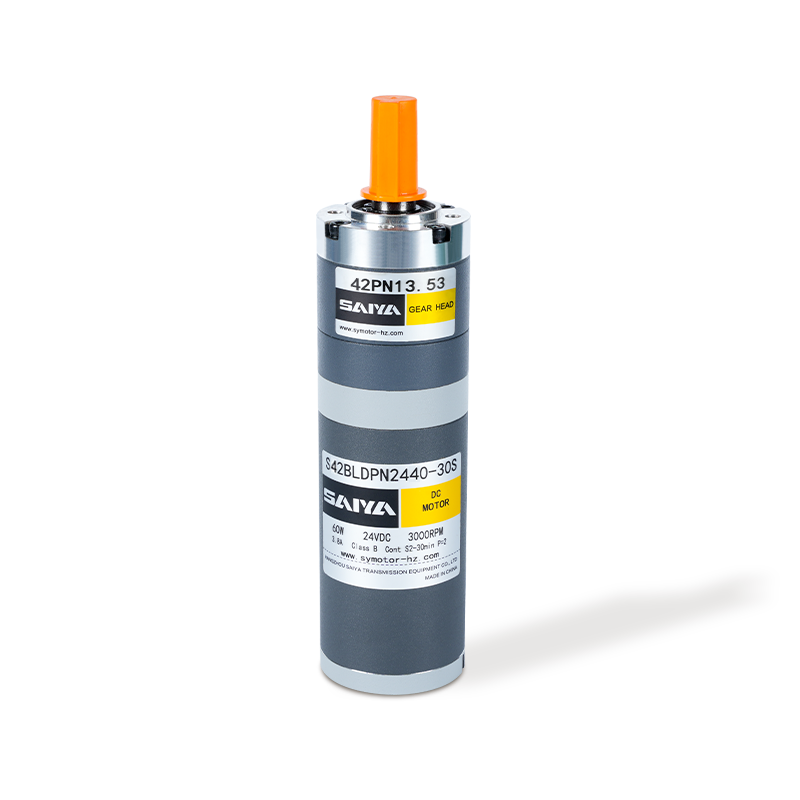
The 42mm brushless planetary motor is a high-efficiency motor product that is widely used in various scenarios requiring precision transmission. The rated current of this motor is 1.3A and the rated t...
See Details -
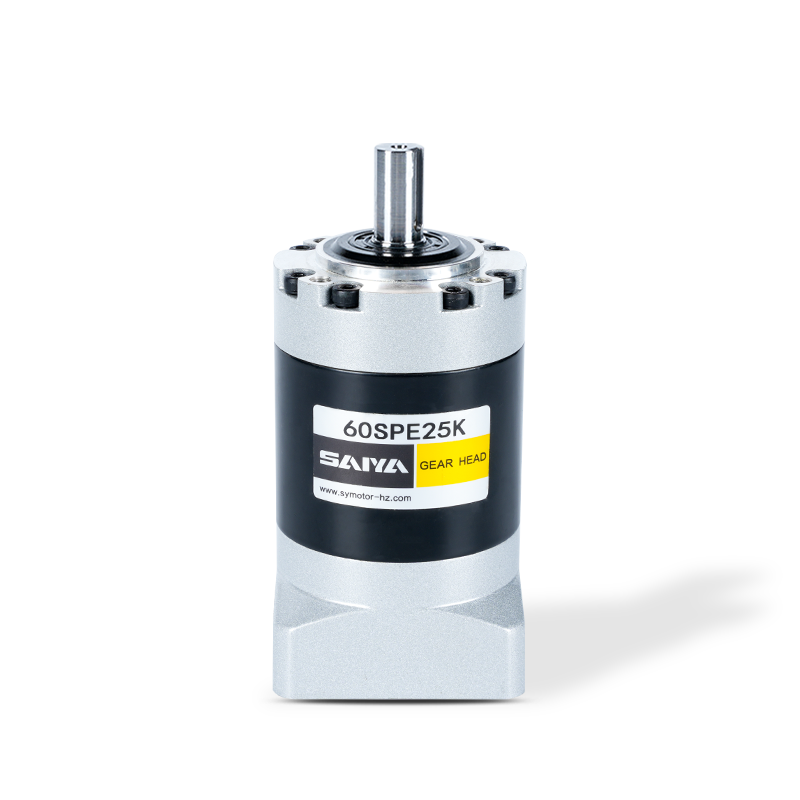
The SPE series gearboxes, flange size range with 40, 60, 80, 120, and 160 models, are designed to provide efficient and robust power transmission solutions. These gearboxes feature a round output flan...
See Details -
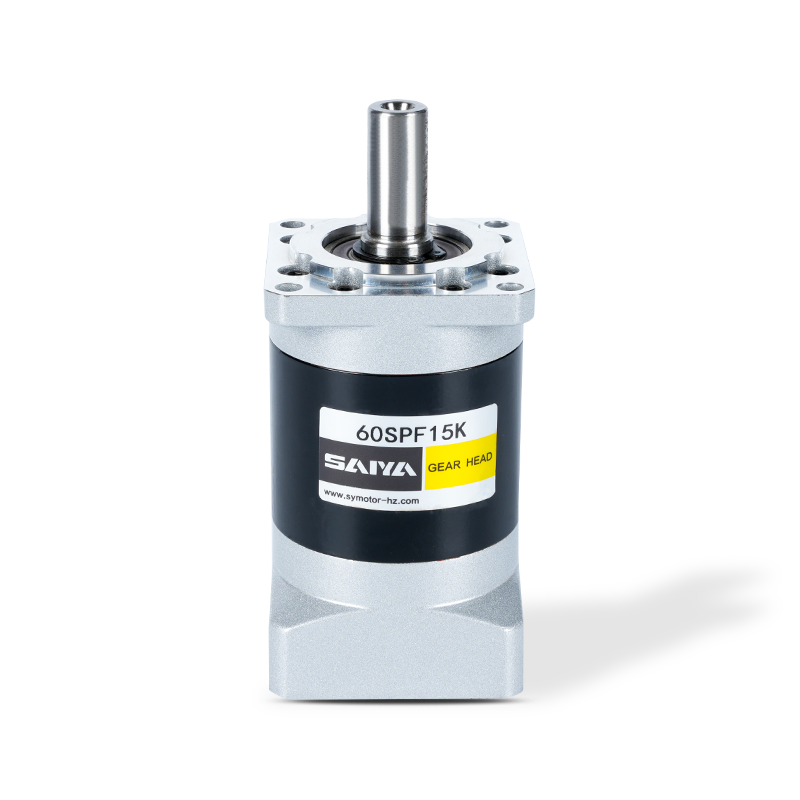
The SPF series are with square output flanges, accommodating dimensions from 40mm to 160mm. These flanges are engineered to excel in various industrial applications, offering reliable performance acro...
See Details -
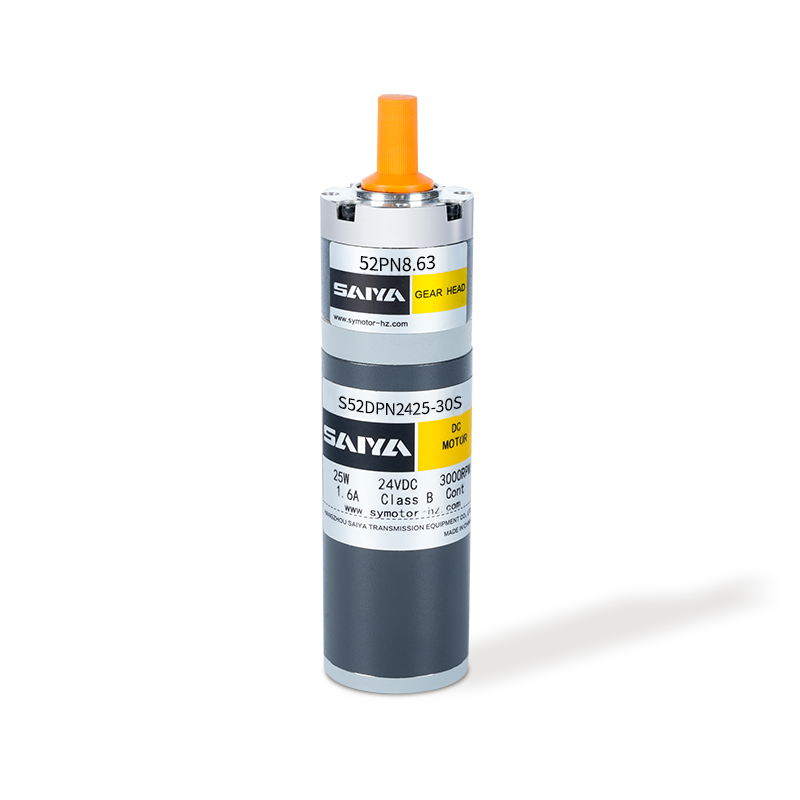
The 52mm brushed planetary gear motor is a compact and efficient solution designed for various applications requiring high torque and precise control. With a diameter of 52mm, this motor is ideally su...
See Details -
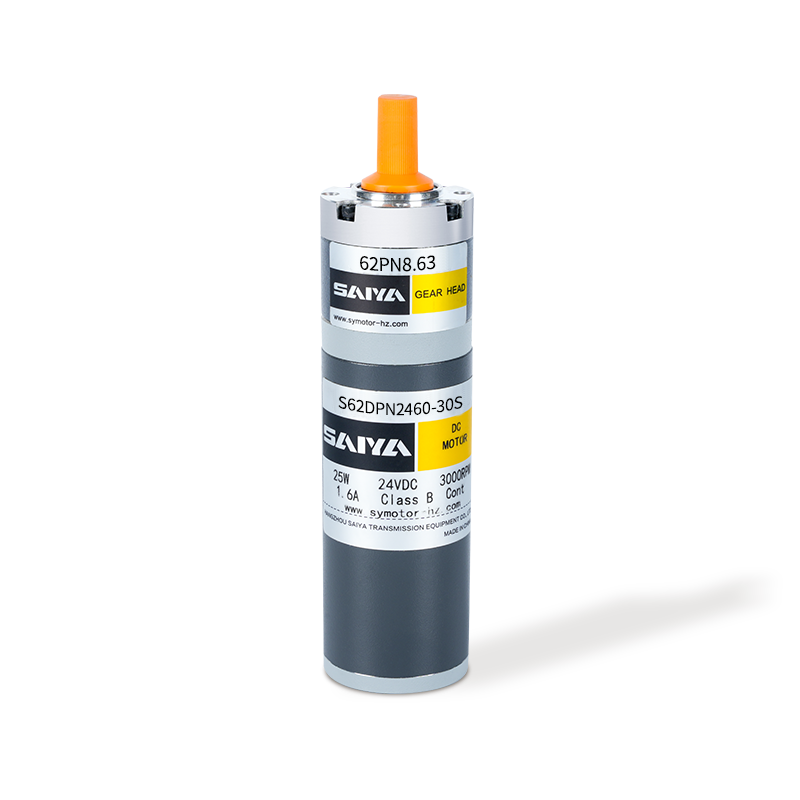
The 62mm brush planetary gear motor is a versatile and efficient component widely used in various applications requiring precise torque and speed control. With a rated current ranging from 2.5 to 5.5A...
See Details
CONTACT DETAILS
- TEL: 0086-0571-86951513/86951543
- Fax: 0086-571-86040769
- E-mail: [email protected] / [email protected] / [email protected]
- Office: Hangzhou Saiya Transmisson Equipment Co.,Ltd
- Office Address: Room 2201, Wanyin building, Hangzhou City, Zhejiang Province
- Factory: Zhejiang Saiya Intelligent Manufacturing Co., Ltd.
- Factory Address: No.35 Building , Zhongnan High-tech Yunhe Zhigu Industrial Park, Xinan town, Deqing county, Huzhou city, Zhejiang, China
QUICK LINK
PRODUCT
If You Are Intrested
In Our Products,
Please Consult Us
Copyright © Zhejiang Saiya Intelligent Manufacturing Co., Ltd. All Rights Reserved.
Custom Gear Reduction Motors Suppliers
