

 EN
EN  English
 中文简体
中文简体 русский
 Español
Application Industry
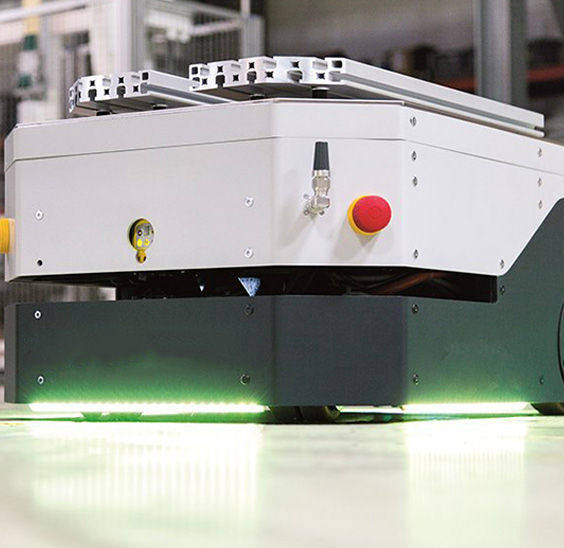
AGV

Automated robots
laser cutting

Logistics sorting

Photovoltaic power-station
Medical devices
AC Gear Motor vs DC Gear Motor: Which One Is Right for Your Application?
A machine builder recently asked us whether a 60 W AC gear motor could replace a 24 V DC gear motor on a packaging conveyor. The honest answer was not about wattage; it was about whether the line could live with a fixed speed, whether a battery supply already existed, and how many hours per day the motor would actually run.
AC gear motors and DC gear motors both combine an electric motor with a reduction gearbox to lower output speed and multiply torque. Beyond that shared structure, they are engineered for different power sources, different duty profiles, and different control philosophies. Choose wrong, and you pay for a variable-frequency drive that adds nothing to a fixed-speed line, or you install a brushed motor that needs brush replacement after a few thousand hours of non-stop operation. This comparison looks at the engineering differences that actually decide which motor family fits your application.
AC vs DC Gear Motors: The Core Difference Starts With Power Input
The single most important difference between an AC gear motor and a DC gear motor is the input power they are designed for, because it sets the ceiling for speed control, starting torque, and service life.
An AC gear motor runs directly from mains voltage (110 V or 220 V, 50/60 Hz). Its output speed is tied to the line frequency and the motor's pole count, and it changes very little with load. A DC gear motor runs from battery, rectified, or regulated DC voltage (commonly 12 V, 24 V, 48 V, or 100-230 V DC), and its speed can be changed simply by varying the voltage or the PWM duty cycle. That one architectural difference flows into every other specification on the datasheet.
Core definition An AC gear motor is a gear-reduction unit driven by an induction, reversible, or speed-control AC motor. A DC gear motor is the same kind of mechanical reducer driven by a brushed or brushless DC motor. The gearbox does not change the motor family; it only changes output speed and torque.
Service-life reality check: a brushless DC gear motor commonly holds 85-90 percent efficiency at rated load, while a single-phase induction AC gear motor typically operates at 45-65 percent depending on load and speed.
AC Gear Motors: Continuous Duty and Mains Connection Without Extra Electronics
Choose an AC gear motor when the machine runs from mains power at an essentially constant speed, and when reliability and long maintenance intervals matter more than dynamic speed adjustment.
Induction AC gear motors dominate fixed-speed automation. A four-pole induction motor holds a nearly constant speed under load, with typical slip of 3-7 percent from no-load to full-load. It needs no controller for constant-speed operation: connect the line and it runs. That is why induction gear motors carry conveyors, mixing machines, filling lines, and pumps in food processing, packaging, textile, and general machinery. For a systematic method covering load torque, reduction ratio, and service factor, see our gear motor selection guide.
The power band is wide. Micro AC gear motors from 6 W to 200 W handle instruments and light automation; small AC gear motors from 100 W to 5.5 kW drive heavier equipment. Reversible AC gear motors add frequent forward-reverse cycling with a brake, while speed-control AC gear motors pair with a compact controller and tachogenerator feedback to adjust speed across a range of roughly 90 to 1400 rpm. In every case, the motor rotor itself has no brushes and no wearing electrical parts.
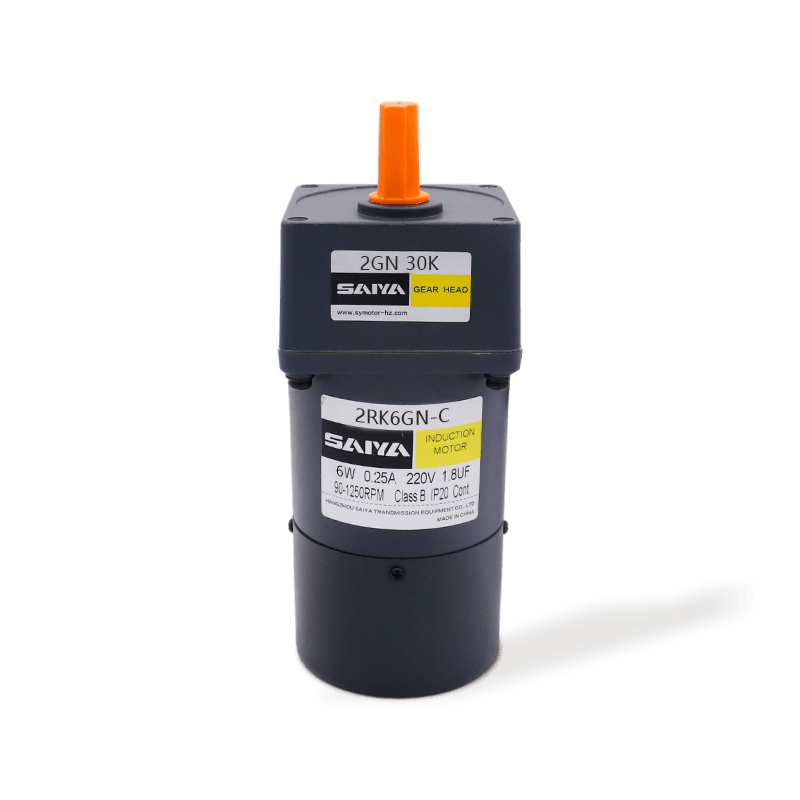 Saiya Induction AC Gear Motors for Continuous Single-Direction OperationThis supplier offers AC induction gear motors from 6W to 250W with gearboxes for lower speed and higher torque, suitable for continuous one-way use in instruments and light automation.View Product →
AC advantage The lowest system cost for fixed-speed continuous operation: no controller to buy, no brush replacement to schedule, and a correctly sized unit runs 20,000+ hours with only routine bearing and gear checks.
DC Gear Motors: Battery Power, Variable Speed, and Precise Control
Choose a DC gear motor when the machine is battery-powered, when output speed must change during operation, or when you need high starting torque from a compact frame.
Brushed DC gear motors are the simplest DC option. Apply a voltage and the motor accelerates; torque is roughly proportional to current, so they deliver strong starting torque from a standstill. That makes them a common choice for actuators, medical devices, and positioning mechanisms. The trade-off is brush wear: under continuous load, brushes last roughly 2,000 to 5,000 hours before replacement, which suits intermittent duty far better than 24/7 lines.
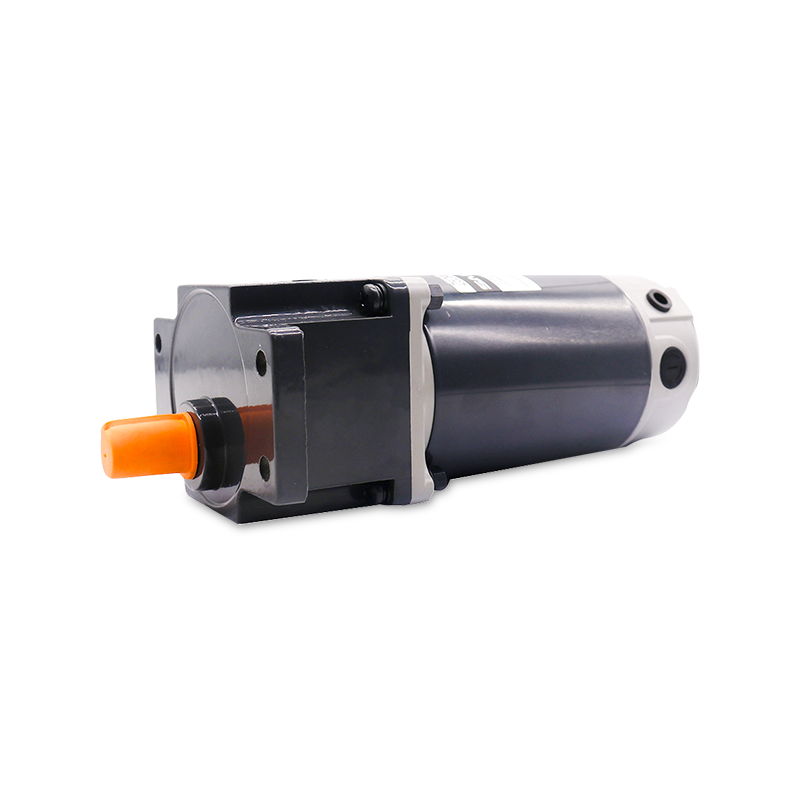 60W Brushed DC Gear Motor with Wide Voltage RangeA compact 90x90mm brushed DC gear motor operating on 12-90V, delivering up to 220mN.m torque. Ideal for robotics and automation where strong starting torque and adjustable speed are needed.View Product →
Brushless DC (BLDC) gear motors replace mechanical brushes with electronic commutation, eliminating brush wear and raising efficiency to 85-90 percent at rated load. Low-voltage 24 V and 48 V versions dominate AGV drive wheels, lift columns, and mobile robots because they run efficiently from batteries and handle frequent start-stop cycles without overheating. High-voltage 100-230 V brushless gear motors deliver the same controllability on mains-fed equipment, at a higher initial controller cost.
Brushless vs brushed in one line: BLDC eliminates brush wear and pushes efficiency to 85-90 percent, but requires an electronic controller; brushed DC keeps drive electronics simple, at the cost of periodic brush replacement.
AC vs DC Gear Motor Comparison: Specification Table and Efficiency Chart
Placed side by side, the two families separate clearly: DC wins on controllability and starting torque; AC wins on simplicity, continuous-duty life, and system cost at fixed speed.
| Power source | Mains AC 110/220 V, 50/60 Hz | Battery or regulated DC, 12-48 V and 100-230 V |
| Typical power range | 6 W to 5.5 kW | 6 W to 250 W brushed; higher with BLDC |
| Speed behaviour under load | Near-constant, 3-7 percent slip | Brushed drops with load; BLDC near-constant with feedback |
| Speed control method | Fixed by line frequency; controller needed to adjust | Voltage or PWM duty-cycle adjustment |
| Starting torque | Low to moderate (induction) | High on brushed and BLDC |
| Typical service life | 20,000+ hours | 2,000-5,000 hours brushed; 20,000+ BLDC |
| External controller | Not required for fixed speed | Required for BLDC; optional for brushed |
| Best-fit duty | Continuous 24/7 fixed speed | Intermittent, mobile, variable speed |
Figure 1. Typical full-load efficiency by gear motor type (representative values)
Efficiency matters most at partial load. A brushed DC gear motor loses efficiency as current rises because of brush contact resistance and I^2R losses, while a BLDC gear motor keeps efficiency high across a wide speed range, which is why battery-powered machines almost always choose brushless.
How to Match the Motor Type to Your Application: Five Decision Rules
Match the power architecture first, the duty cycle second, and the purchase price third. The cheapest motor becomes the most expensive choice if it forces a new power supply, a controller, or a rebuild every three months.
- Fixed speed from mains power: choose an induction AC gear motor and skip the controller entirely.
- Adjustable speed from mains power: choose a speed-control AC gear motor or a high-voltage brushless DC gear motor, depending on your efficiency target.
- Battery power or mobile platform: choose a 24 V or 48 V brushless DC gear motor for AGV and robotic drives; choose brushed DC when first cost dominates.
- Continuous 24/7 operation with minimum maintenance: choose an induction AC or brushless DC gear motor; avoid brushed DC.
- Frequent reversals without a variable-frequency drive: choose a reversible AC gear motor on AC lines, or a brushed DC gear motor in DC control systems.
Choose an AC gear motor when
- The machine has mains power available.
- Output speed is fixed or adjusted only occasionally.
- The drive runs many hours per day and downtime for brush service is unacceptable.
- You want the lowest total cost for constant-speed duty.
Choose a DC gear motor when
- The machine runs from a battery or a DC bus.
- Speed must change frequently, smoothly, or under closed-loop control.
- High starting torque is needed from a compact envelope.
- The application is mobile, such as AGVs, lifters, or robotic platforms.
AGV applications illustrate the rule. Drive wheels and lift columns are almost always powered by low-voltage brushless DC gear motors, because the torque-versus-speed curve matches a mobile battery bus and the motor tolerates deep discharge cycles. A comparable fixed conveyor in the same plant will usually be driven by a small induction AC gear motor running continuously.
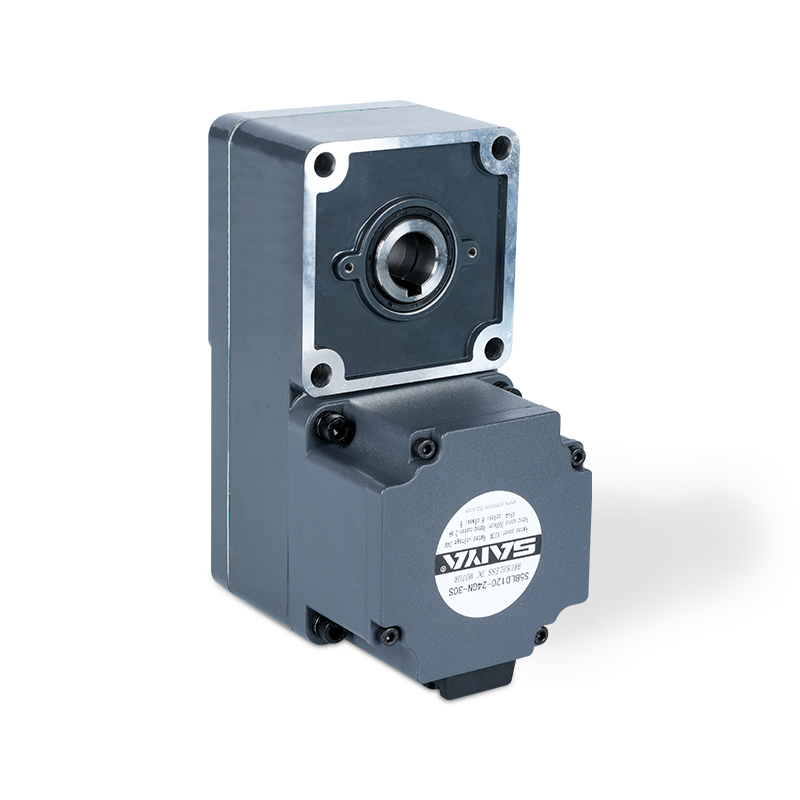 48V Brushless Gear Motor for Mobile and Automation ApplicationsThis 48V brushless gear motor ranges from 25W to 400W with a rated speed of 3000rpm and torque up to 1.27N.m. Its brushless design suits AGVs, lift columns, and other battery-powered systems.View Product →
The ratio of operating hours per day often decides the type: above 8 hours of continuous running, brushless construction pays for itself; below that, brushed DC may be perfectly economical.
If your machine has a known load, output speed, and duty cycle, send the data to our engineering team for a torque and service-factor review before you commit to a motor family. The answer is usually clear once the power source and running hours are written down.
Frequently Asked Questions
Can an AC gear motor run at different speeds?
Only a speed-control AC gear motor with its matching controller can adjust speed. A standard induction AC gear motor runs at a fixed speed set by line frequency and pole count, with 3-7 percent slip under load.
How long does a brushed DC gear motor last?
Under normal load, brush life is typically 2,000 to 5,000 operating hours, after which the brushes are replaced. An induction AC gear motor and a brushless DC gear motor have no wearing electrical parts and commonly run 20,000 hours or more.
Which type is more efficient: AC or DC gear motor?
Brushless DC gear motors are the most efficient, typically 85-90 percent at rated load. Brushed DC types reach about 70-80 percent, while single-phase induction AC gear motors sit in the 45-65 percent range depending on load and speed.
When should I size a gearbox together with the motor?
Whenever the application needs lower output speed and higher output torque than the bare motor can deliver. Practical reduction ratios run from about 3:1 to 180:1, and matching the gearbox's service factor to the load cycle is as important as the motor power rating.
Related products
-
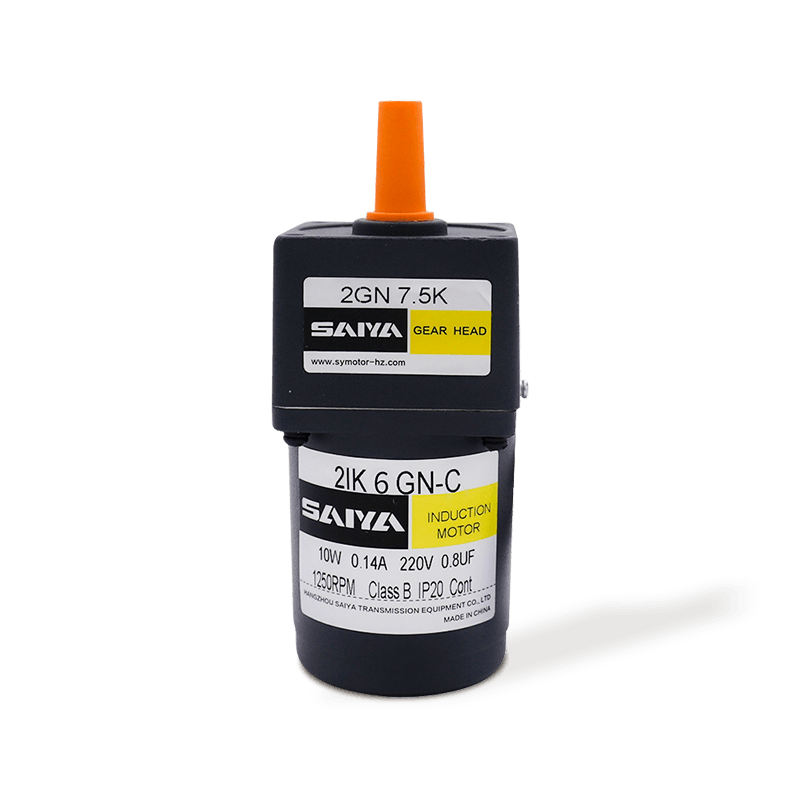
This 6W Induction AC Gear Motor is an efficient, compact and reliable small motor suitable for a wide range of industrial and household applications.Motor frame 60mm x 60mm making it easy to install ...
See Details -
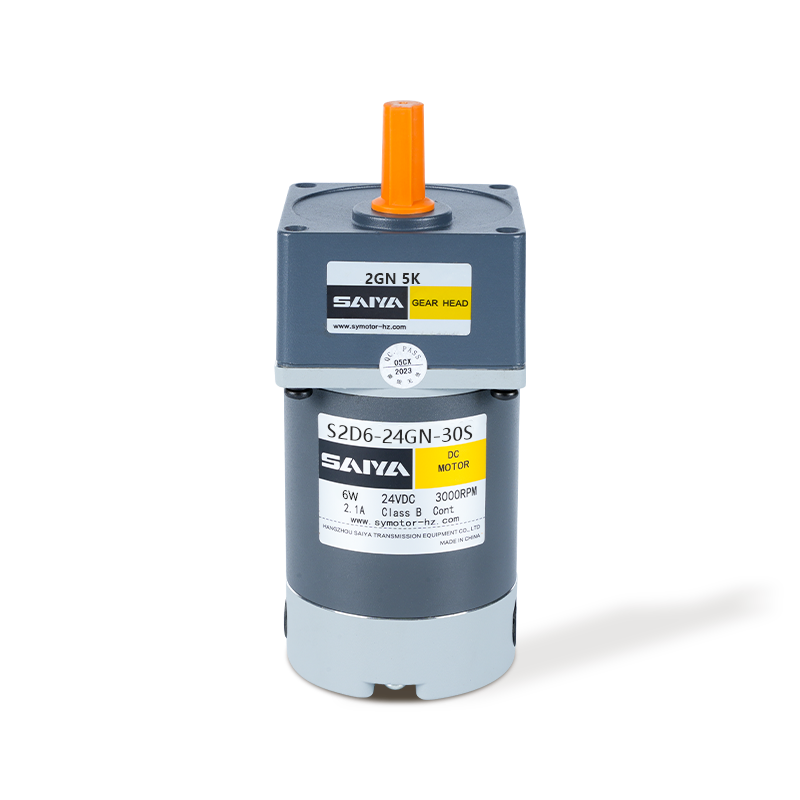
The 6W brush DC gbear motor is designed for efficiency and versatility, suitable for various applications. With a compact frame size of 60mm x 60mm, it fits seamlessly into tight spaces. The motor ope...
See Details -
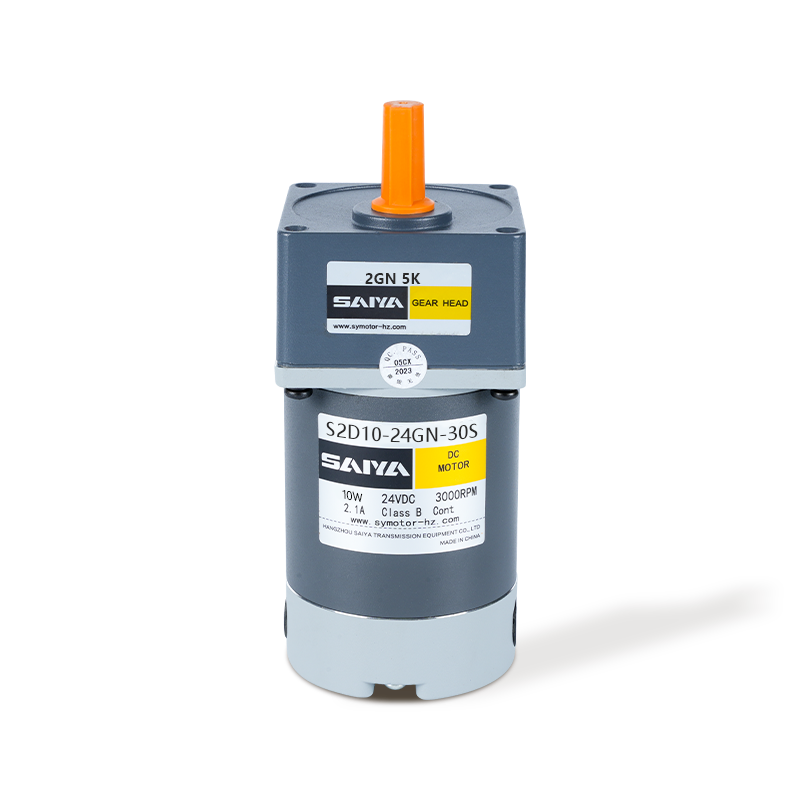
The 10W brush DC gear motor offers high performance and adaptability, for a range of industrial and hobbyist applications. With a frame size of 60mm x 60mm, this motor is designed to fit into confined...
See Details -
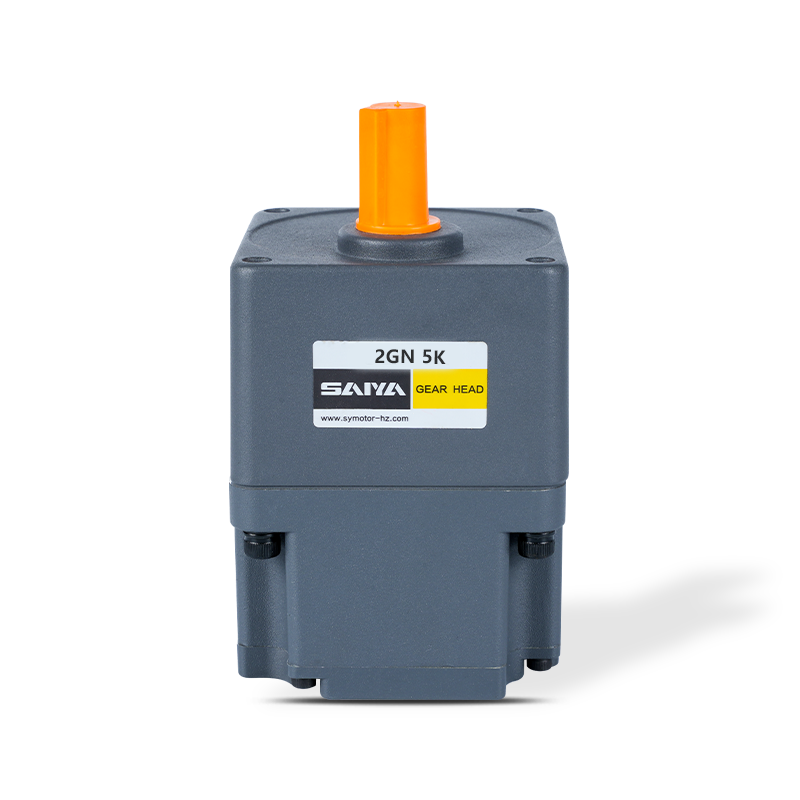
The 24V Brushless Gear Motor is a versatile and efficient motor designed for a range of applications. With dimensions ranging from 60mm x 60mm to 104mm x 104mm, this motor can fit into various equipme...
See Details -
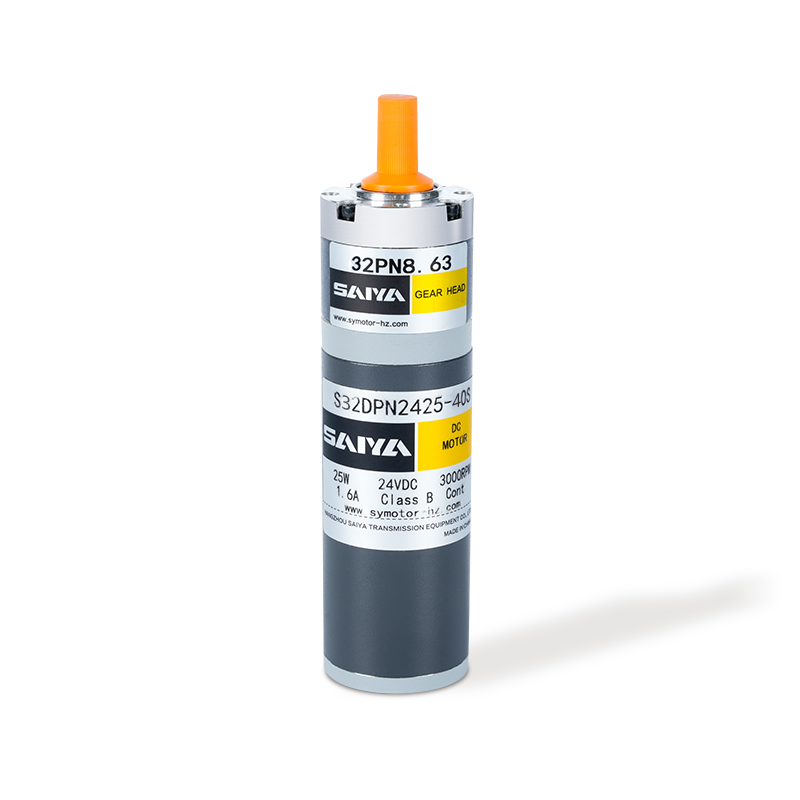
The 32mm brushed planetary gear motor is a compact and efficient solution designed for various applications requiring high torque and precise control. With a diameter of 32mm, this motor is ideally su...
See Details -
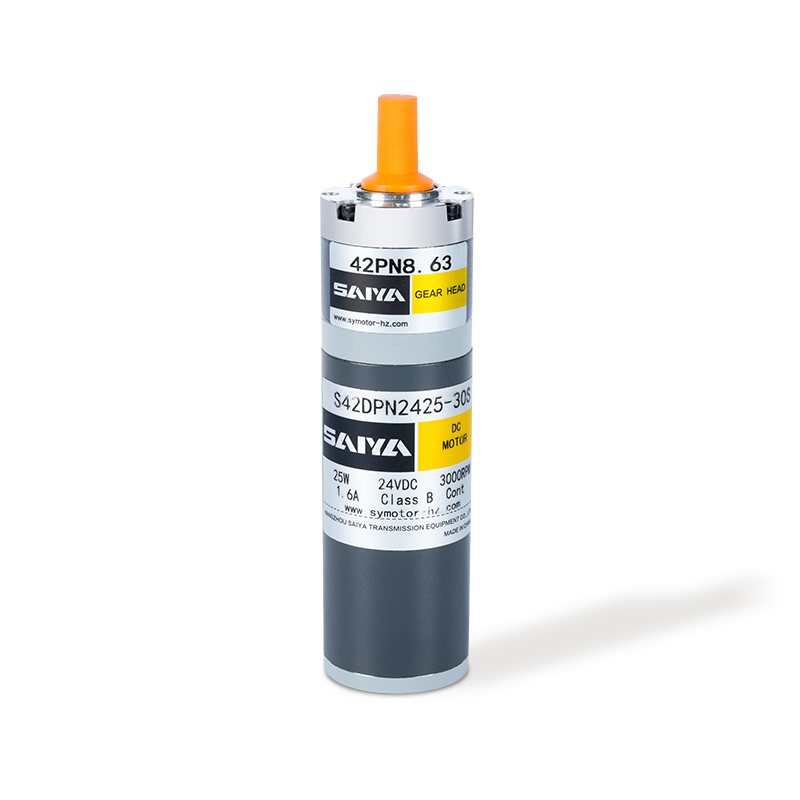
The 42mm brush planetary gear motor is a versatile and efficient component widely used in various applications requiring precise torque and speed control. With a rated current ranging from 0.7 to 1.1A...
See Details -
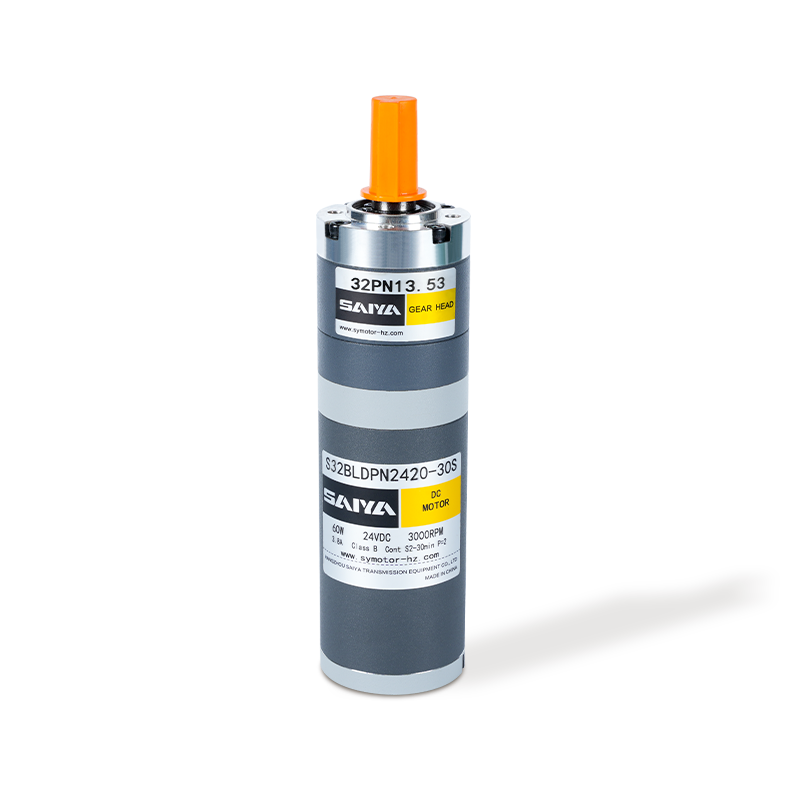
The 32mm Brushless Planetary Gear Motor is a high-performance, compact solution ideal for applications requiring efficiency and reliability. Operating at a rated voltage of 24V and consuming 20W of po...
See Details -
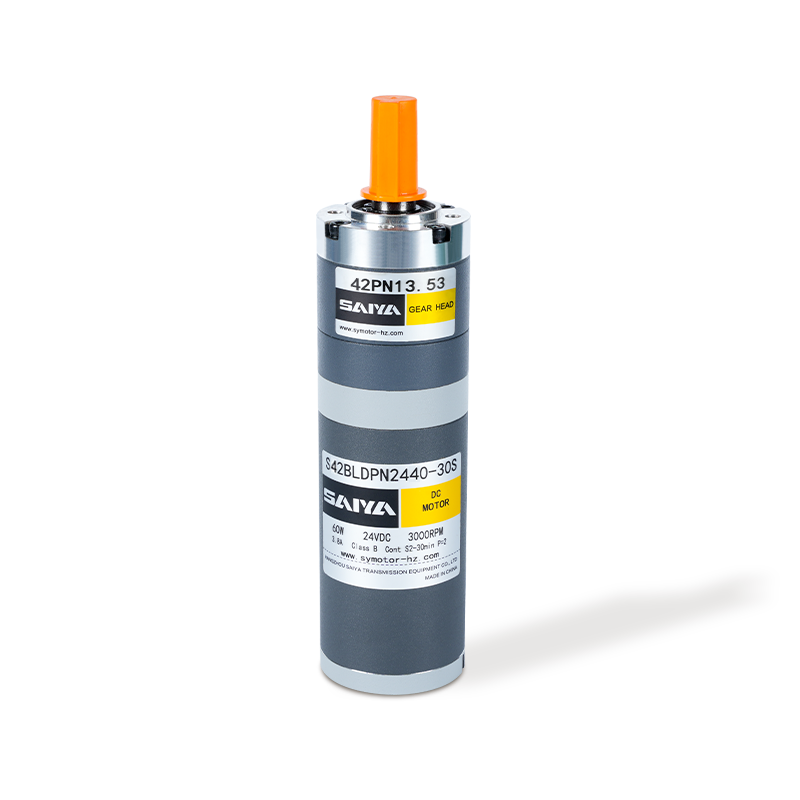
The 42mm brushless planetary motor is a high-efficiency motor product that is widely used in various scenarios requiring precision transmission. The rated current of this motor is 1.3A and the rated t...
See Details -
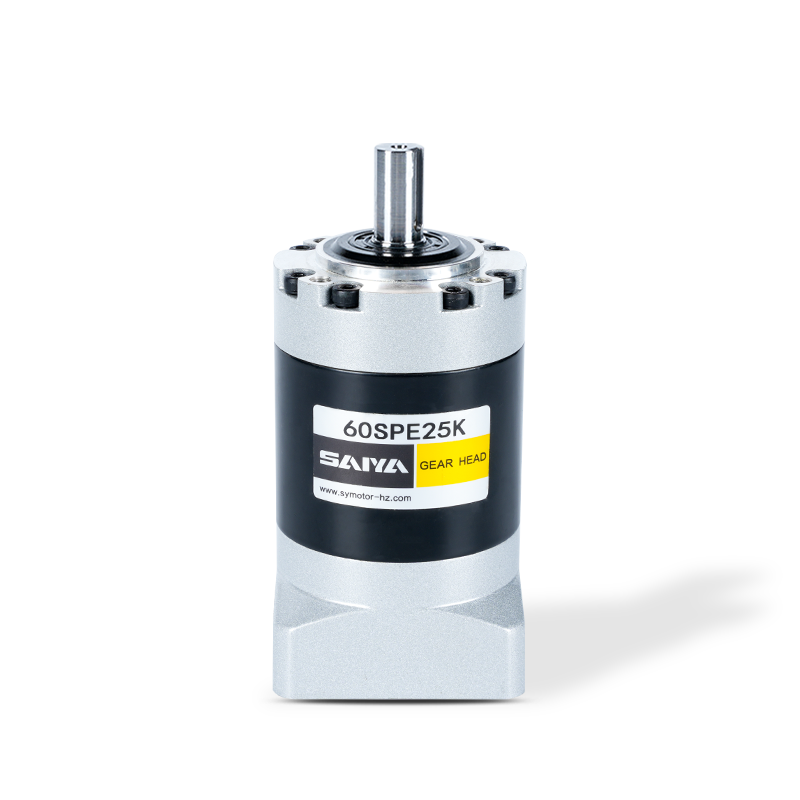
The SPE series gearboxes, flange size range with 40, 60, 80, 120, and 160 models, are designed to provide efficient and robust power transmission solutions. These gearboxes feature a round output flan...
See Details -
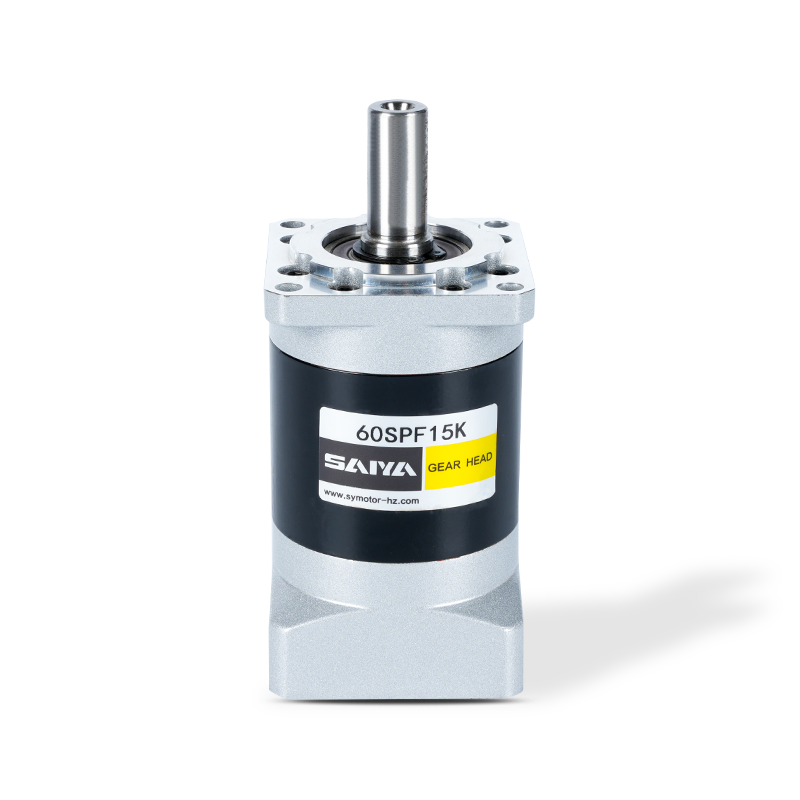
The SPF series are with square output flanges, accommodating dimensions from 40mm to 160mm. These flanges are engineered to excel in various industrial applications, offering reliable performance acro...
See Details -
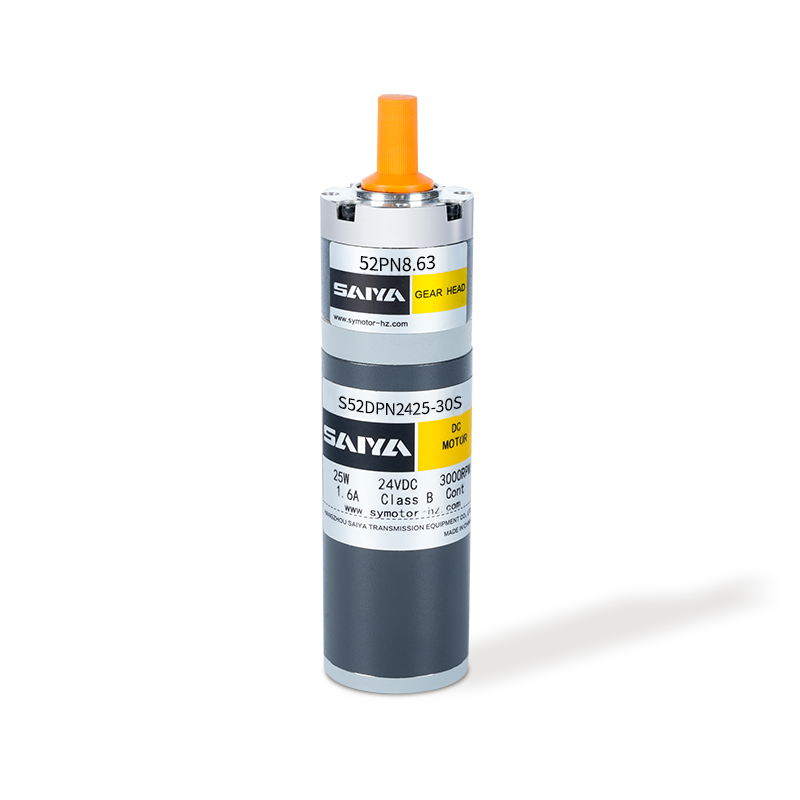
The 52mm brushed planetary gear motor is a compact and efficient solution designed for various applications requiring high torque and precise control. With a diameter of 52mm, this motor is ideally su...
See Details -
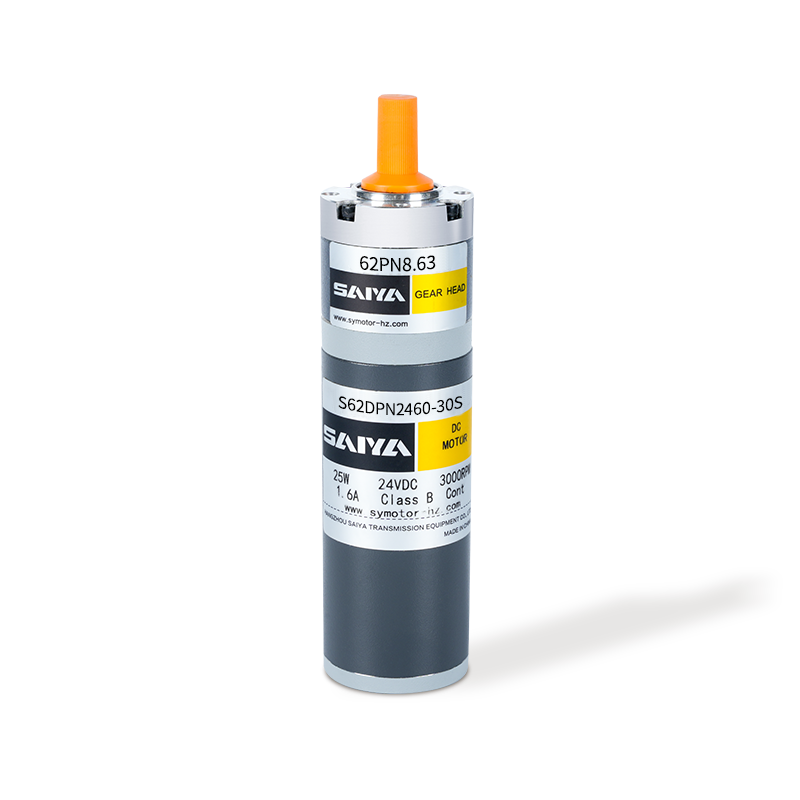
The 62mm brush planetary gear motor is a versatile and efficient component widely used in various applications requiring precise torque and speed control. With a rated current ranging from 2.5 to 5.5A...
See Details
CONTACT DETAILS
- TEL: 0086-0571-86951513/86951543
- Fax: 0086-571-86040769
- E-mail: [email protected] / [email protected] / [email protected]
- Office: Hangzhou Saiya Transmisson Equipment Co.,Ltd
- Office Address: Room 2201, Wanyin building, Hangzhou City, Zhejiang Province
- Factory: Zhejiang Saiya Intelligent Manufacturing Co., Ltd.
- Factory Address: No.35 Building , Zhongnan High-tech Yunhe Zhigu Industrial Park, Xinan town, Deqing county, Huzhou city, Zhejiang, China
QUICK LINK
PRODUCT
If You Are Intrested
In Our Products,
Please Consult Us
Copyright © Zhejiang Saiya Intelligent Manufacturing Co., Ltd. All Rights Reserved.
Custom Gear Reduction Motors Suppliers
