

 EN
EN  English
 中文简体
中文简体 русский
 Español
Application Industry
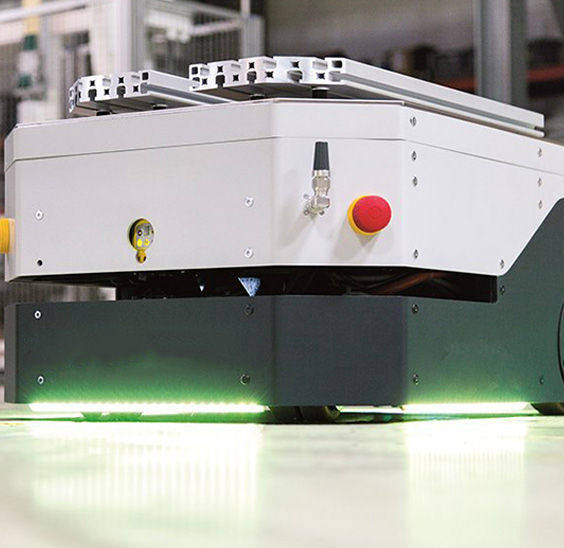
AGV

Automated robots
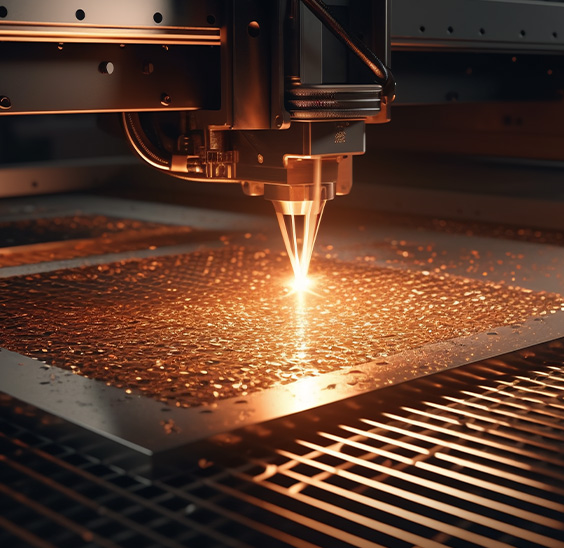
laser cutting

Logistics sorting

Photovoltaic power-station
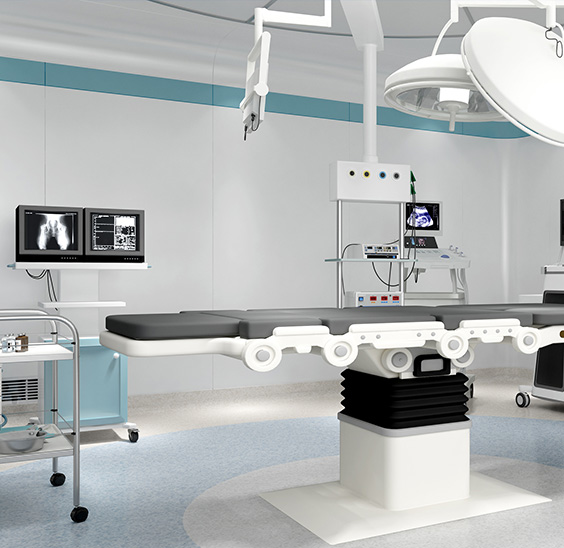
Medical devices
How to Choose the Right Gear Motor for Your Application?
Gear motors represent a fundamental integration of speed reduction and torque multiplication, serving as the driving force behind countless industrial and commercial applications. By combining an electric motor with a gearbox, these devices solve the inherent limitation of standard motors—high speed but low torque. The primary function of a gear motor is to convert high-speed, low-torque rotational energy into low-speed, high-torque output, making them indispensable for heavy-duty machinery and precision equipment. They offer a compact, efficient, and cost-effective solution for power transmission, eliminating the need for complex external drive systems. Whether used in conveyor systems, lifting mechanisms, or automated manufacturing lines, the gear motor remains a critical component for ensuring operational efficiency and mechanical reliability.
Fundamental Construction and Operating Principles
To fully appreciate the utility of a gear motor, one must understand its internal architecture. A gear motor is not merely a motor attached to a gear; it is an integrated unit designed for seamless power transmission. The assembly typically consists of two main components: the prime mover (usually an AC or DC electric motor) and the gear reducer. The motor generates the initial rotational force, while the gear reducer modifies this force to suit the specific demands of the application.
The operation relies on the principle of mechanical advantage. When a small gear (pinion) drives a larger gear, the larger gear rotates more slowly but with greater force. This reduction in speed results in a proportional increase in torque, minus small losses due to friction. The ratio of the speed of the input motor to the speed of the output shaft is known as the gear ratio, a critical factor in determining the final output characteristics.
The integration offers significant space savings compared to a separate motor and gearbox coupling. By sharing a common shaft or housing, the alignment is factory-set, reducing the risk of coupling failure and minimizing maintenance requirements. This design also lowers the overall inertia of the system, allowing for smoother starts and stops, which is particularly important in automation and robotics.
Primary Classifications of Gear Motors
Gear motors are categorized based on the type of gearing mechanism used within the reducer. Each type offers distinct advantages regarding efficiency, torque capacity, noise levels, and cost. Selecting the correct type is essential for optimizing system performance.
Spur Gear Motors
Spur gear motors utilize straight-cut gears mounted on parallel shafts. They are the simplest and most cost-effective designs available. Because the teeth engage suddenly across their entire width, spur gears can generate more noise and vibration compared to other types, making them less suitable for high-speed applications. However, spur gear motors are highly efficient, often achieving power transfer efficiency above 95%, and are ideal for applications requiring moderate torque and low to medium speeds. Common uses include simple conveyors, mixers, and packaging machinery.
Helical Gear Motors
Helical gear motors feature teeth that are cut at an angle to the face of the gear. This design allows the teeth to engage gradually, starting with one end and progressing across the tooth face. This gradual engagement results in smoother and quieter operation than spur gears. Helical gears can also handle higher loads because more teeth are in contact at any given time. While they are slightly more expensive to manufacture, helical gear motors are the preferred choice for high-power, high-speed industrial applications where noise reduction is a priority.
Worm Gear Motors
Worm gear motors operate on a unique principle where a worm screw meshes with a worm wheel. This configuration allows for very high reduction ratios in a single stage, making the unit extremely compact. A defining characteristic of worm gears is their self-locking capability; the system cannot be back-driven, meaning the load will remain in place if the motor stops. Worm gear motors are essential for lifting applications like hoists and elevators, where safety and preventing load drop are critical. However, they typically have lower efficiency due to sliding friction, often generating more heat than other gear types.
Planetary Gear Motors
Planetary gear motors, also known as epicyclic gear trains, consist of a central "sun" gear, "planet" gears revolving around it, and an outer "ring" gear. This design distributes the load across multiple planet gears, providing exceptional torque density in a small package. The load distribution allows for a long service life and high reliability. Planetary gear motors offer the highest torque-to-weight ratio and are widely used in precision robotics, medical devices, and servo applications where compactness and accuracy are paramount.
| Gear Motor Type | Efficiency | Noise Level | Torque Capacity |
|---|---|---|---|
| Spur | High | Medium to High | Medium |
| Helical | High | Low | High |
| Worm | Low to Medium | Low | Very High |
| Planetary | High | Low | Very High |
Critical Factors for Selecting the Right Gear Motor
Choosing the correct gear motor is a nuanced process that goes beyond simply matching horsepower to a machine. Engineers must evaluate the specific motion requirements, environmental conditions, and the overall lifecycle cost of the system. A poorly selected gear motor can lead to premature failure, overheating, or unnecessary energy consumption.
Speed and Torque Requirements
The first step in selection is defining the required output speed and torque. These two parameters are inversely related through the gear ratio. One must calculate the necessary torque to move the load from a standstill (starting torque) and the torque required to maintain motion (running torque). It is crucial to account for the service factor, which adjusts the rated power based on the nature of the load. For applications with shock loads or frequent starts, a higher service factor must be applied to ensure the gear motor can withstand the mechanical stress.
Duty Cycle and Thermal Management
The duty cycle refers to the ratio of operating time to resting time. A motor running continuously requires different thermal characteristics than one running intermittently. Continuous duty applications generate more heat, necessitating a robust cooling system or a larger frame size to dissipate thermal energy effectively. Intermittent duty, on the other hand, allows the motor to cool between cycles. Overheating is a primary cause of gear motor failure, making it essential to verify that the thermal profile of the selected unit matches the application's operational intensity.
Environmental Considerations
The operating environment plays a significant role in the longevity of a gear motor. In harsh environments, external factors such as dust, moisture, chemicals, and extreme temperatures can rapidly degrade the equipment. Severe conditions require specialized protective measures, such as sealed housings (IP ratings), corrosion-resistant coatings, and specialized lubricants. For instance, in food processing plants, gear motors must be designed with washdown capabilities, featuring smooth surfaces and stainless-steel components to withstand rigorous cleaning protocols.
Input Power Source
The type of power available—AC (Alternating Current) or DC (Direct Current)—dictates the motor design. AC gear motors are generally used for fixed-speed industrial applications due to their reliability and connection to standard grid power. DC gear motors are preferred for applications requiring speed control, variable direction, or battery power. Understanding the power constraints of the facility helps narrow down the selection to the appropriate motor type and voltage rating.
Key Advantages of Integrated Gear Motor Systems
While it is possible to couple a standard motor with a separate gearbox, the integrated gear motor offers distinct engineering and economic advantages. These benefits make them the default choice for original equipment manufacturers (OEMs) and system integrators.
Simplified Mechanical Design
By integrating the motor and gearbox into a single unit, the complexity of the mechanical system is drastically reduced. There is no need for couplings, belts, chains, or additional pulleys. The reduction of external components minimizes alignment issues, which are a common source of vibration and wear in power transmission systems. This simplification leads to a cleaner, more compact machine design, freeing up valuable space for other processes or components.
Enhanced Reliability and Durability
Integrated units are engineered to work together from the start. The bearings, seals, and shafts are matched to the specific load characteristics of the motor and the gear reducer. This precise engineering results in a more robust system compared to a field-assembled unit. Additionally, the internal lubrication is sealed at the factory, ensuring optimal viscosity and contamination levels throughout the unit's lifespan. Factory-sealed systems significantly reduce the risk of lubricant leakage, which can cause environmental hazards and equipment damage.
Cost Effectiveness
Although a high-quality gear motor may seem like a significant investment, it often proves more economical over time. The initial purchase price of a combined unit is typically lower than buying a separate motor and gearbox, along with the necessary mounting hardware and couplings. Furthermore, the increased efficiency and reduced maintenance requirements lower the total cost of ownership. By optimizing the power transmission, gear motors reduce energy consumption, contributing to lower operational costs and a smaller environmental footprint.
Common Industrial and Commercial Applications
Gear motors are ubiquitous in modern technology, found in everything from heavy industry to everyday appliances. Their ability to provide controlled torque at manageable speeds makes them suitable for a vast array of tasks.
Material Handling and Conveyors
One of the most common applications is in conveyor systems. Moving products along an assembly line requires consistent speed and high torque to overcome the inertia of the load. Gear motors provide the necessary drive power to ensure smooth and reliable transport of goods. In logistics centers and warehouses, gear motors are the engines that power the automated sorting systems and belt conveyors essential for modern supply chains.
Lifting and Hoisting Equipment
Cranes, hoists, and winches rely heavily on the high torque and safety features of gear motors, particularly worm gear types. The self-locking feature of worm gears acts as a secondary braking mechanism, preventing the load from falling if the power is cut. This inherent safety characteristic is vital in construction, shipping, and theater rigging, where load security is non-negotiable.
Food and Beverage Processing
In the food industry, hygiene is paramount. Gear motors used in this sector are designed with specialized enclosures that prevent bacteria buildup and withstand high-pressure cleaning. They include power mixers, cutters, filling machines, and packaging equipment. The reliability of these motors ensures that production lines can operate continuously without unplanned downtime, maintaining the strict hygiene and efficiency standards required in food processing.
Renewable Energy Systems
Gear motors play a pivotal role in the green energy sector, particularly in solar power tracking systems. Solar panels must track the sun across the sky to maximize energy capture. Gear motors drive the mechanisms that adjust the angle of the panels, providing precise movement control. Their ability to hold a position against wind loads while consuming minimal power makes them ideal for this sustainable application.
Maintenance Strategies for Longevity and Performance
To ensure a gear motor reaches its expected service life, proper maintenance protocols must be established. While many units are "lubricated for life," larger or more demanding applications require periodic inspection and servicing.
Lubrication Analysis and Replacement
The lubricant within the gearbox is the lifeblood of the system. It reduces friction between gear teeth, dissipates heat, and protects against corrosion. Over time, lubricants can degrade due to thermal breakdown or contamination. Regular oil sampling can provide insights into the internal condition of the gear motor. Checking the oil for metal particles or discoloration can reveal early signs of gear wear or bearing failure, allowing for corrective action before a catastrophic breakdown occurs.
Vibration and Temperature Monitoring
Unusual vibrations or excessive heat are often early warning signs of mechanical distress. Imbalance in the load, misalignment, or bearing wear can cause vibrations that damage the internal components over time. Implementing a schedule for vibration analysis helps detect these issues. Similarly, monitoring the motor temperature is critical. A sudden rise in operating temperature often indicates overloading, insufficient ventilation, or impending electrical failure within the motor windings.
Visual and Auditory Inspections
Sometimes, the simplest methods are the most effective. Regular visual inspections can identify external leaks, damaged mounting bolts, or clogged cooling fans. Auditory inspections involve listening for abnormal sounds such as grinding, clicking, or whining, which suggest internal gear damage. Training operators to report unusual sounds immediately can prevent minor issues from escalating into major repairs that result in extended downtime.
Future Trends in Gear Motor Technology
The field of power transmission is evolving rapidly, driven by the demands of Industry 4.0 and the Internet of Things (IoT). Gear motors are becoming smarter, more efficient, and more integrated into digital control systems.
Smart Gear Motors and IoT Integration
Modern gear motors are increasingly equipped with integrated sensors that monitor speed, torque, temperature, and vibration in real-time. This data allows for predictive maintenance, where the system alerts operators before a failure occurs. Smart gear motors can communicate directly with central control systems, providing valuable data that optimizes the entire manufacturing process and prevents unexpected operational halts.
Efficiency and Sustainability
As global energy regulations become stricter, manufacturers are focusing on efficiency improvements. This includes the adoption of permanent magnet motors and high-efficiency gearing designs. The goal is to reduce energy consumption and heat generation. The shift towards energy-efficient gear motors is not only environmentally responsible but also financially beneficial for industries facing rising energy costs.
Miniaturization and High Power Density
In sectors like robotics and medical devices, the trend is toward smaller, lighter, and more powerful units. Planetary gear motors are at the forefront of this trend, offering exceptional power density. Engineers are continually refining materials and gear geometries to extract more torque from smaller packages, enabling the development of more agile and compact machinery.
Related products
-
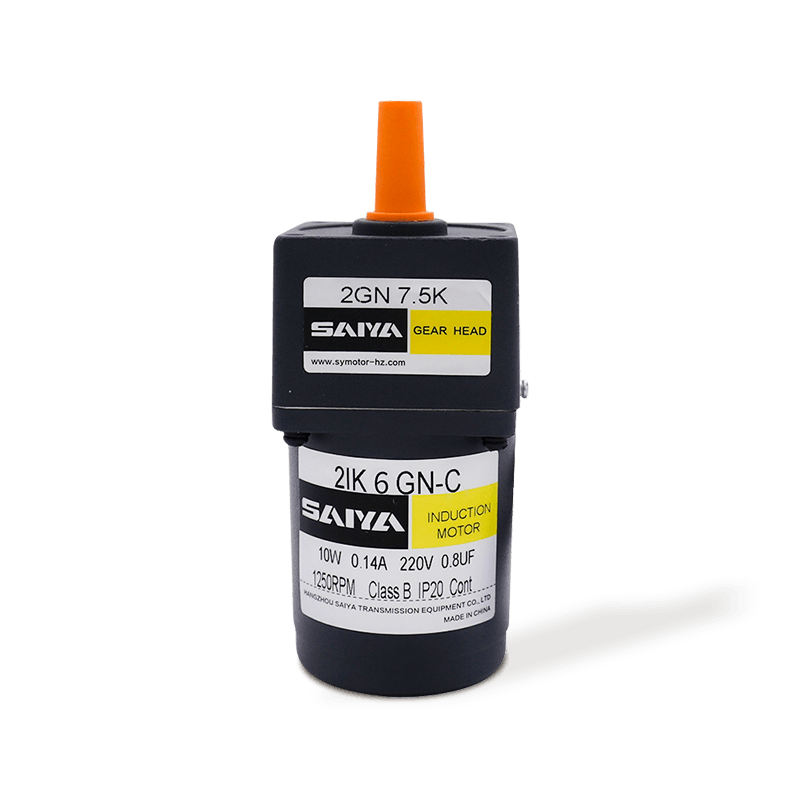
This 6W Induction AC Gear Motor is an efficient, compact and reliable small motor suitable for a wide range of industrial and household applications.Motor frame 60mm x 60mm making it easy to install ...
See Details -
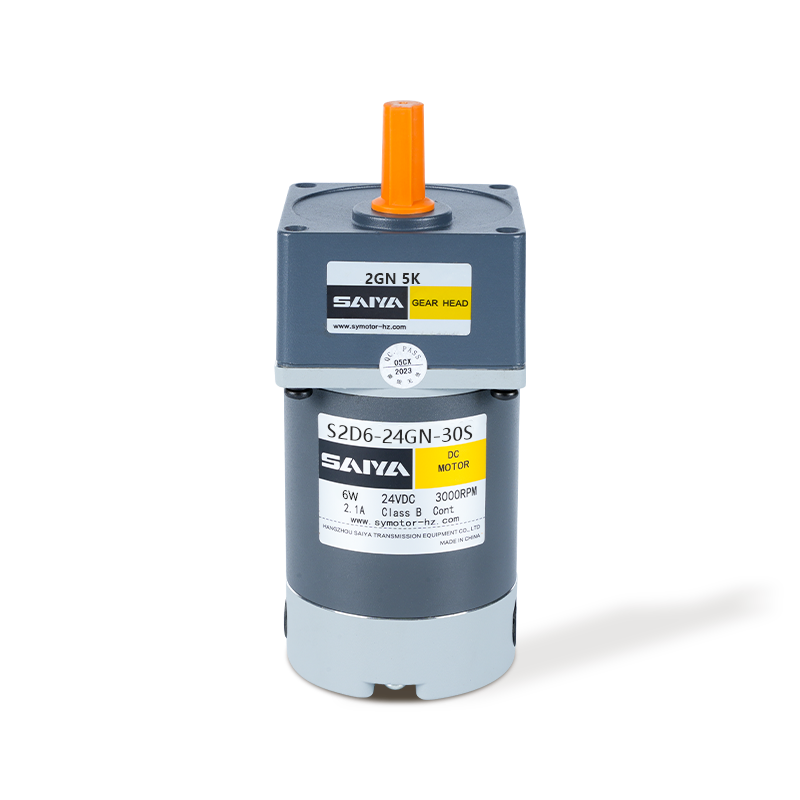
The 6W brush DC gbear motor is designed for efficiency and versatility, suitable for various applications. With a compact frame size of 60mm x 60mm, it fits seamlessly into tight spaces. The motor ope...
See Details -
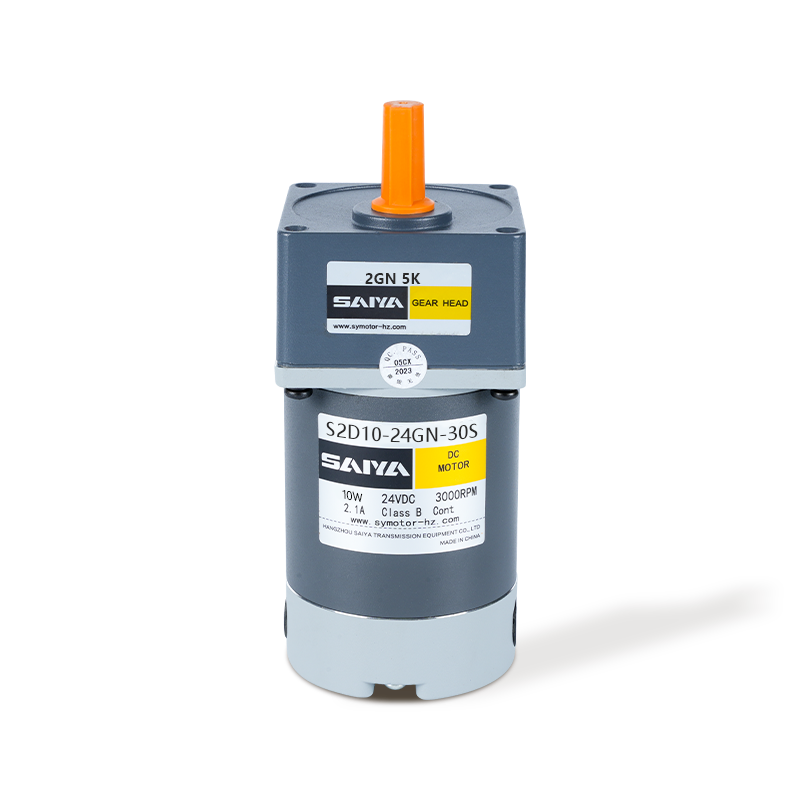
The 10W brush DC gear motor offers high performance and adaptability, for a range of industrial and hobbyist applications. With a frame size of 60mm x 60mm, this motor is designed to fit into confined...
See Details -
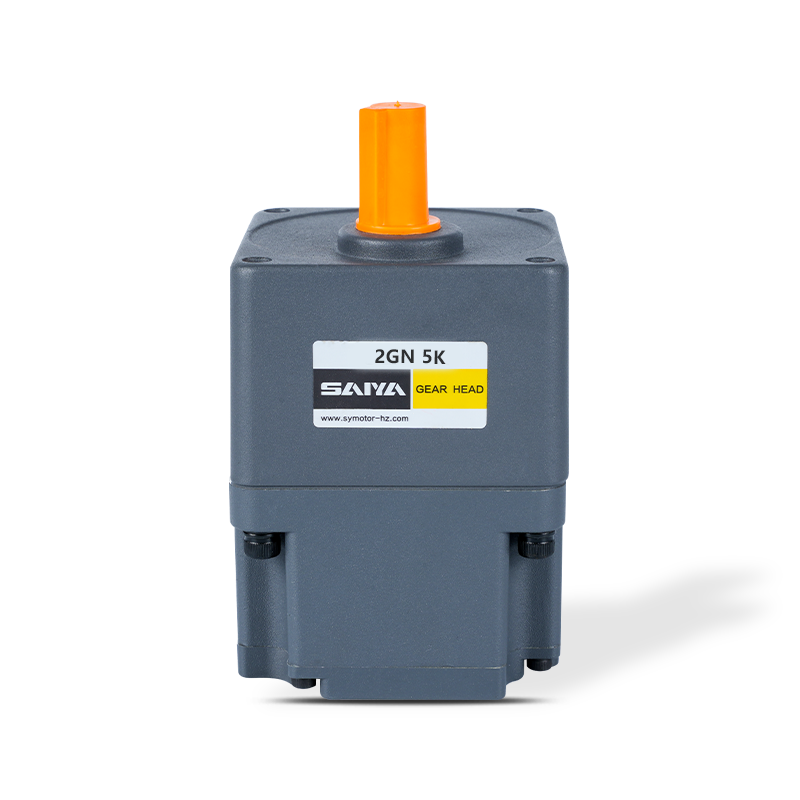
The 24V Brushless Gear Motor is a versatile and efficient motor designed for a range of applications. With dimensions ranging from 60mm x 60mm to 104mm x 104mm, this motor can fit into various equipme...
See Details -
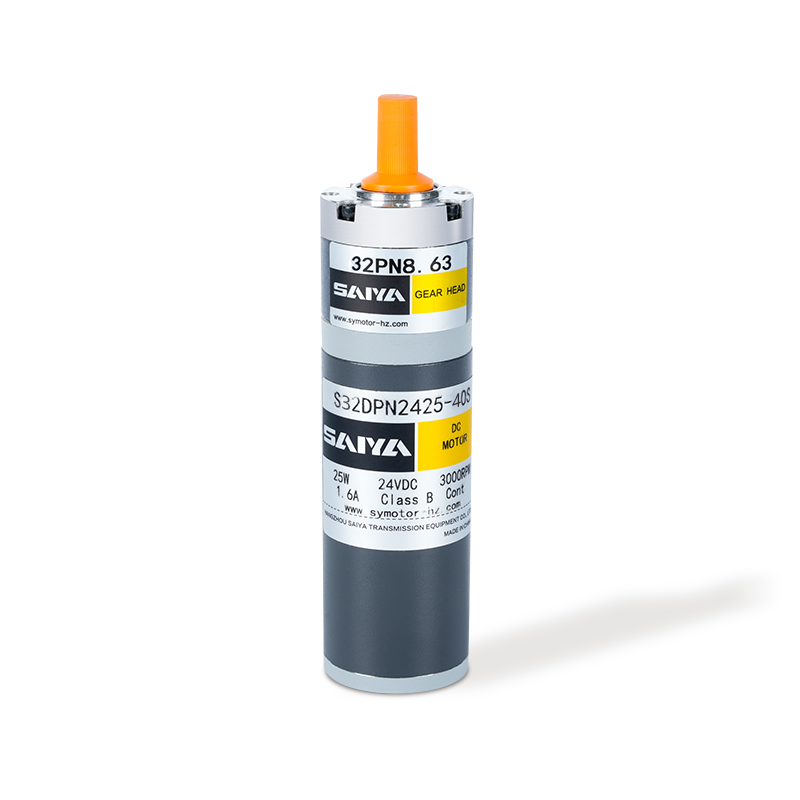
The 32mm brushed planetary gear motor is a compact and efficient solution designed for various applications requiring high torque and precise control. With a diameter of 32mm, this motor is ideally su...
See Details -
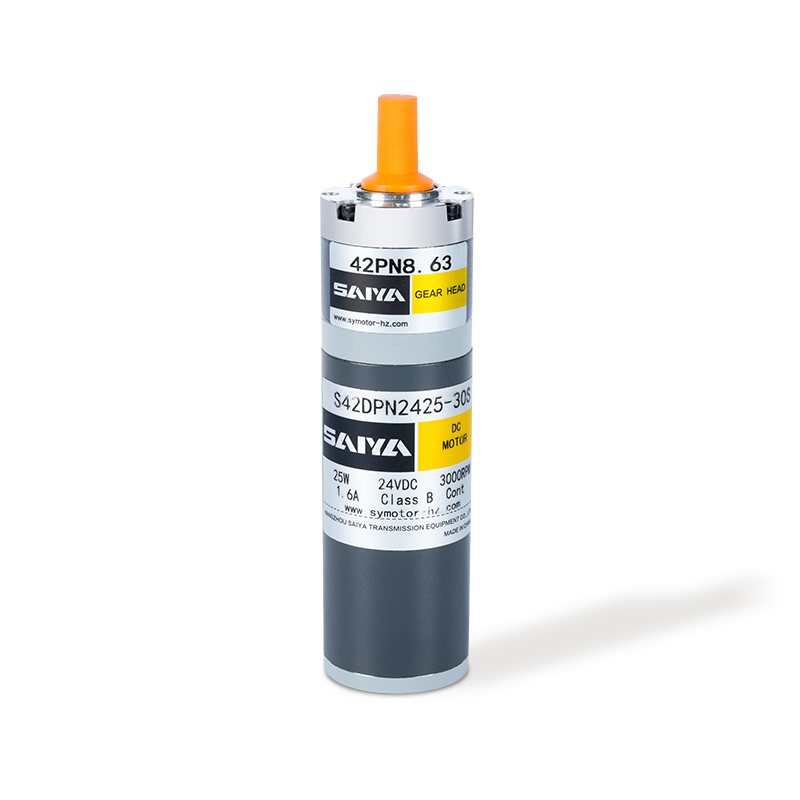
The 42mm brush planetary gear motor is a versatile and efficient component widely used in various applications requiring precise torque and speed control. With a rated current ranging from 0.7 to 1.1A...
See Details -
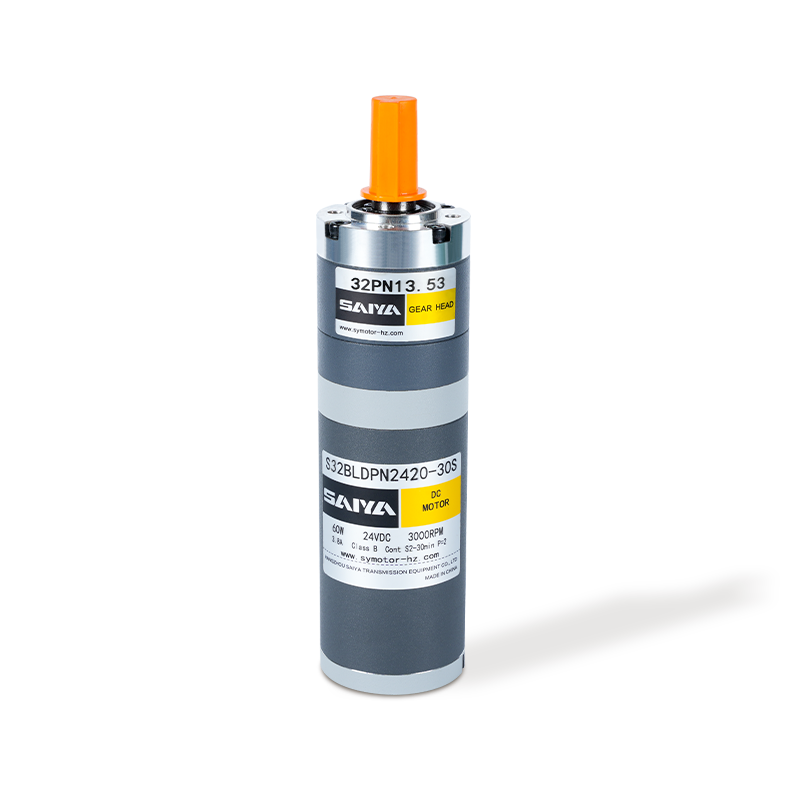
The 32mm Brushless Planetary Gear Motor is a high-performance, compact solution ideal for applications requiring efficiency and reliability. Operating at a rated voltage of 24V and consuming 20W of po...
See Details -
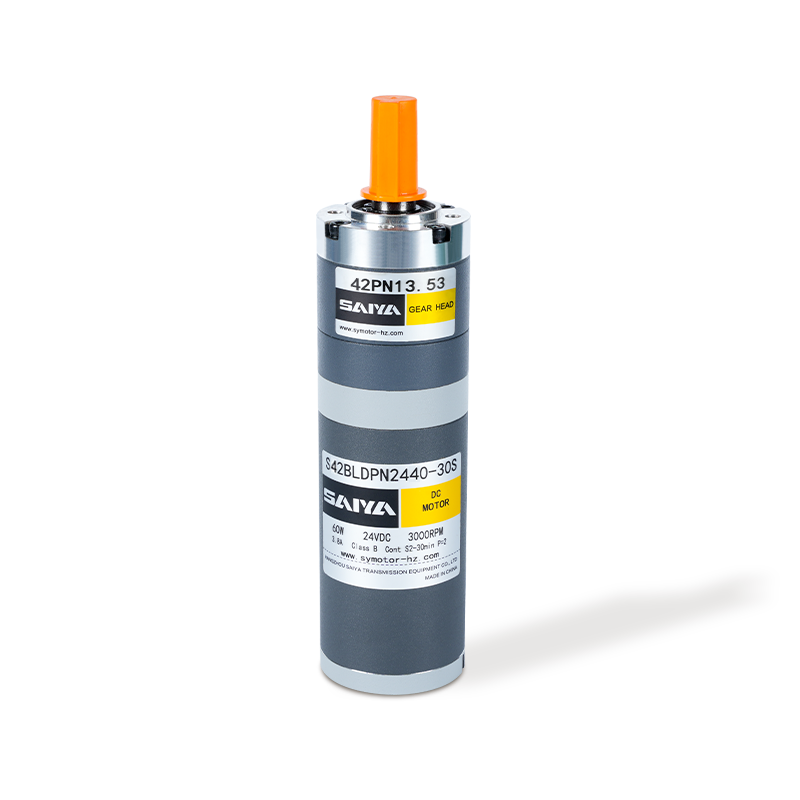
The 42mm brushless planetary motor is a high-efficiency motor product that is widely used in various scenarios requiring precision transmission. The rated current of this motor is 1.3A and the rated t...
See Details -
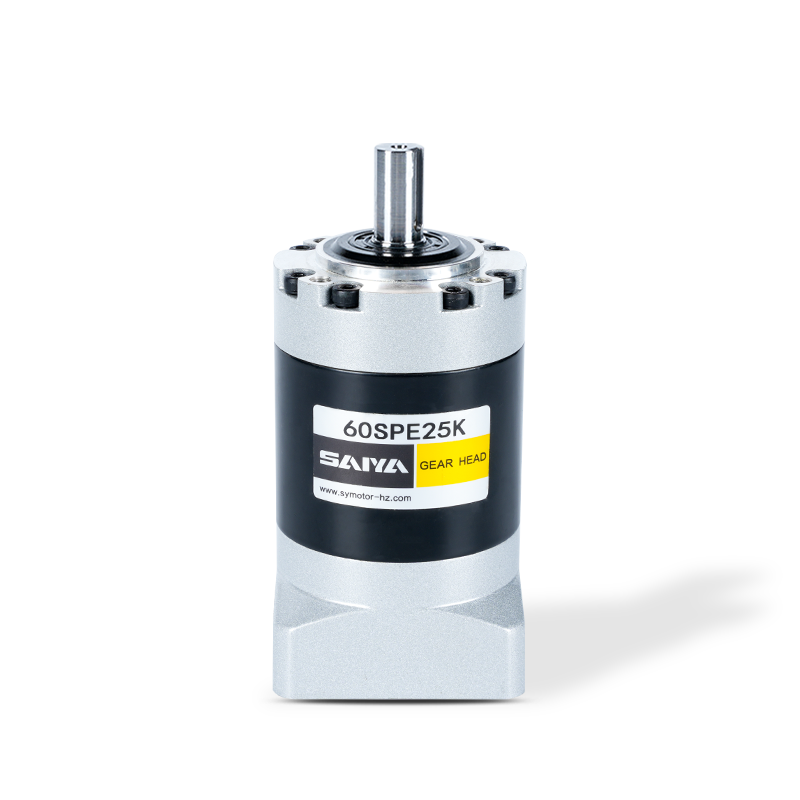
The SPE series gearboxes, flange size range with 40, 60, 80, 120, and 160 models, are designed to provide efficient and robust power transmission solutions. These gearboxes feature a round output flan...
See Details -
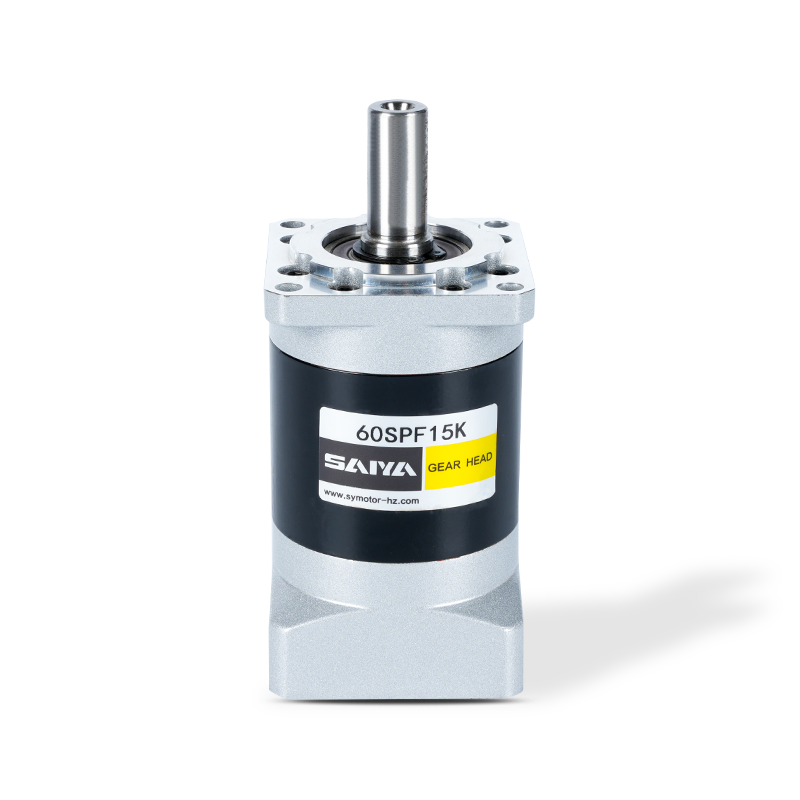
The SPF series are with square output flanges, accommodating dimensions from 40mm to 160mm. These flanges are engineered to excel in various industrial applications, offering reliable performance acro...
See Details -
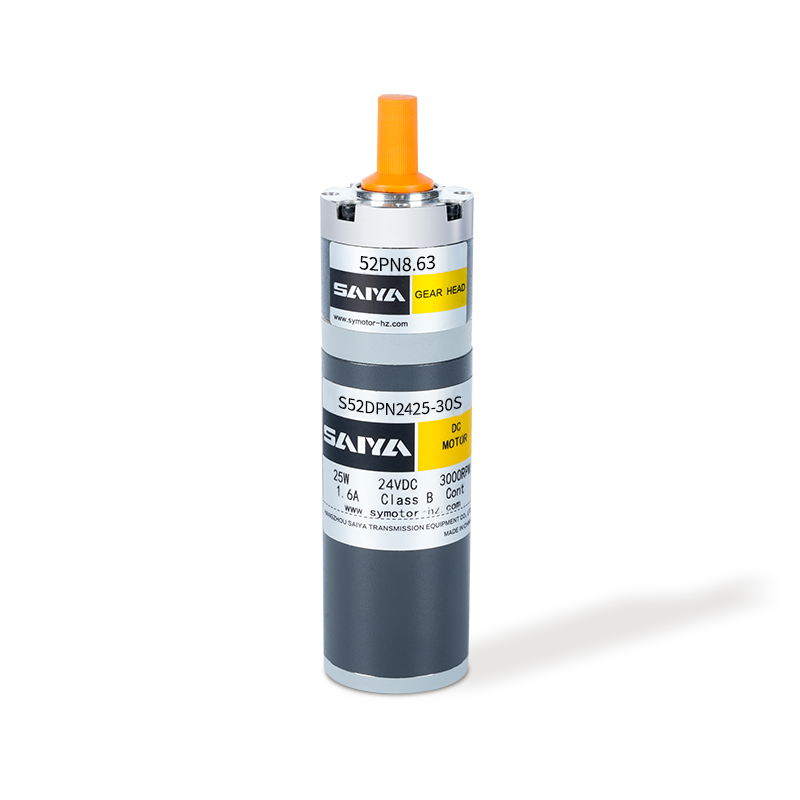
The 52mm brushed planetary gear motor is a compact and efficient solution designed for various applications requiring high torque and precise control. With a diameter of 52mm, this motor is ideally su...
See Details -
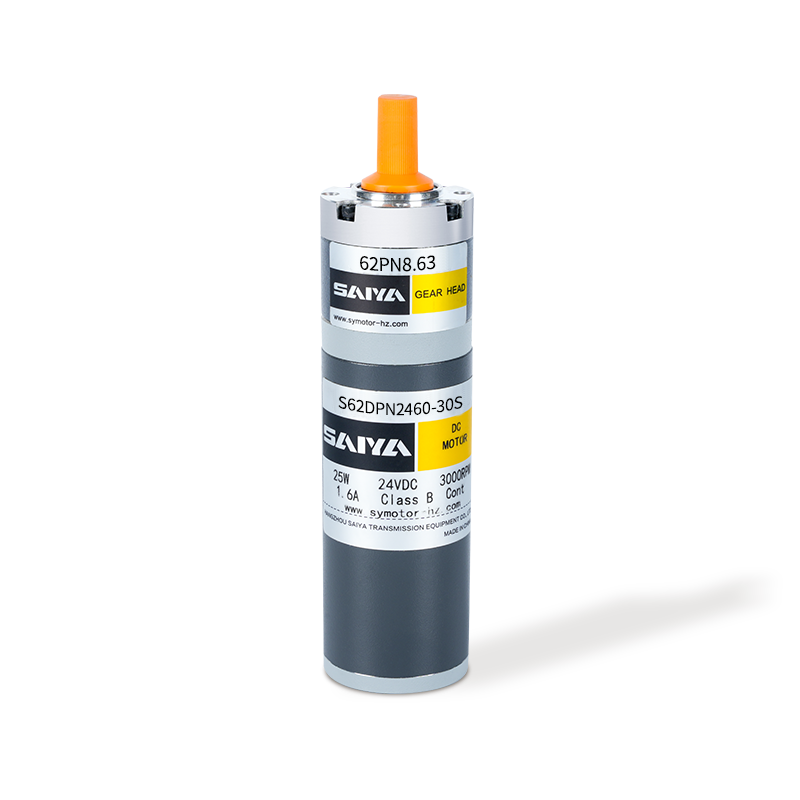
The 62mm brush planetary gear motor is a versatile and efficient component widely used in various applications requiring precise torque and speed control. With a rated current ranging from 2.5 to 5.5A...
See Details
CONTACT DETAILS
- TEL: 0086-0571-86951513/86951543
- Fax: 0086-571-86040769
- E-mail: [email protected] / [email protected] / [email protected]
- Office: Hangzhou Saiya Transmisson Equipment Co.,Ltd
- Office Address: Room 2201, Wanyin building, Hangzhou City, Zhejiang Province
- Factory: Zhejiang Saiya Intelligent Manufacturing Co., Ltd.
- Factory Address: No.35 Building , Zhongnan High-tech Yunhe Zhigu Industrial Park, Xinan town, Deqing county, Huzhou city, Zhejiang, China
QUICK LINK
PRODUCT
If You Are Intrested
In Our Products,
Please Consult Us
Copyright © Zhejiang Saiya Intelligent Manufacturing Co., Ltd. All Rights Reserved.
Custom Gear Reduction Motors Suppliers
