

 EN
EN  English
 中文简体
中文简体 русский
 Español
Application Industry
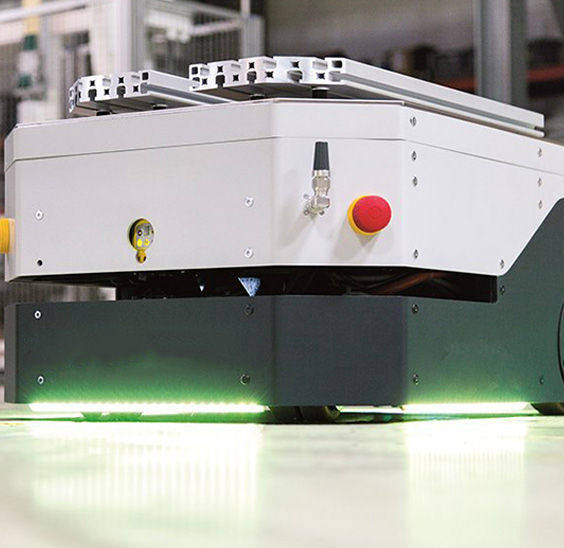
AGV

Automated robots

laser cutting

Logistics sorting

Photovoltaic power-station

Medical devices
How to Choose the Right AC Gear Motor for Your Industrial Equipment Needs
A packaging machinery plant in Foshan replaced the same 90W AC gear motor three times in 18 months on a carton erector. The first unit stalled under a jammed blank because the starting torque was too low. The second carried a 3:1 gear ratio that made the folding belts run far above the rated line speed. The third used a running capacitor rated for 220V on a supply line that drifted above 235V. All three failures were selection errors, not component defects. Choosing the right AC gear motor for industrial equipment comes down to five verifiable decisions: output torque, gear ratio, motor type, electrical input compatibility, and mechanical mounting. Zhejiang Saiya Intelligent Manufacturing Co., Ltd., the manufacturer behind the SY Motor brand, sees the same pattern every quarter; this guide turns those patterns into a repeatable selection checklist.
Start with Required Output Torque, Not Motor Power
Required output torque is the first specification to lock down because torque is what physically moves the load. Motor power in watts only becomes meaningful after torque and speed are both defined. Output torque equals motor torque multiplied by the gear ratio and gearbox efficiency, so a 25W motor with a 50:1 reduction can deliver more torque than a 90W motor with a 10:1 unit. The static capability exists, but the thermal margin, efficiency, and mechanical life of the smaller unit are much lower.
Calculate the demand from the driven element: for a conveyor, belt pull multiplied by sprocket radius; for a rotary table, load inertia times angular acceleration plus friction torque. Apply a service factor of 1.5 for light shock loads and 2.0 for jams, high inertia, or frequent reversals. Treat the catalog torque rating as a ceiling, not an operating target.
| Application example | Load characteristic | Suggested power class |
| Small belt conveyor, 300 mm belt | Continuous, even load | 40 to 90W |
| Light rotary index table | Intermittent, positioning | 90 to 120W |
| Carton erector, packaging machine | Shock at each cycle | 120 to 200W |
| Low-viscosity mixer | Continuous, even load | 90 to 200W |
| Small vertical lift, reversing | Braking, reversing | 200W or larger |
1350 rpm4-pole motor speed at 50 Hz
1.5xservice factor for light shock
2.0xservice factor for heavy shock
500:1max standard ratio in catalog
Typical output torque in Nm at 90 rpm, 4-pole AC gear motor
6W
0.4
15W
1.0
25W
1.6
40W
2.8
60W
4.2
90W
6.5
120W
8.5
200W
14
A right-angle or cycloidal gearbox changes the final torque value again, so verify the ratio and efficiency of the specific gear stage before confirming motor power.
Match Gear Ratio to the Process Speed, Then Verify the Actual Output
Output speed at the driven shaft determines the gear ratio. A standard 4-pole AC induction motor at 50 Hz has a rated speed of about 1350 rpm. Divide 1350 by the required output speed and select the nearest standard ratio, then substitute the actual ratio back to confirm the real output speed.
The SY Motor catalog range covers standard ratios from 3:1 to 500:1. A ratio that falls between standard values does not automatically require a custom gearbox. If the nearest standard speed is within 5 percent of the process target, most conveyors and feeders accept it. Otherwise, a speed-control motor with a standard ratio is usually faster and cheaper than a custom gear set.
| Required output speed | Standard ratio | Actual output speed |
| 270 rpm | 5:1 | 270 rpm |
| 135 rpm | 10:1 | 135 rpm |
| 68 rpm | 20:1 | 67.5 rpm |
| 45 rpm | 30:1 | 45 rpm |
| 27 rpm | 50:1 | 27 rpm |
| 13.5 rpm | 100:1 | 13.5 rpm |
Motor power fixed, ratio changed: a 90W gearmotor at 10:1 delivers about one-third of the torque of the same motor at 30:1. Confirm torque at the output shaft after ratio selection, not before.
Induction, Reversible, or Speed-Controlled AC Gear Motor: Match the Type to the Duty Cycle
Duty cycle is the deciding factor. Continuous one-direction operation selects an induction AC gear motor. Frequent direction changes require a reversible AC gear motor. Adjustable process speed needs a speed-control AC gear motor. This is the third decision in the sequence.
An induction AC gear motor is the default for conveyors, pumps, fans, and feed rollers that run in one direction. It has the highest efficiency of the three types, has no built-in brake, and is not designed for rapid reversal.
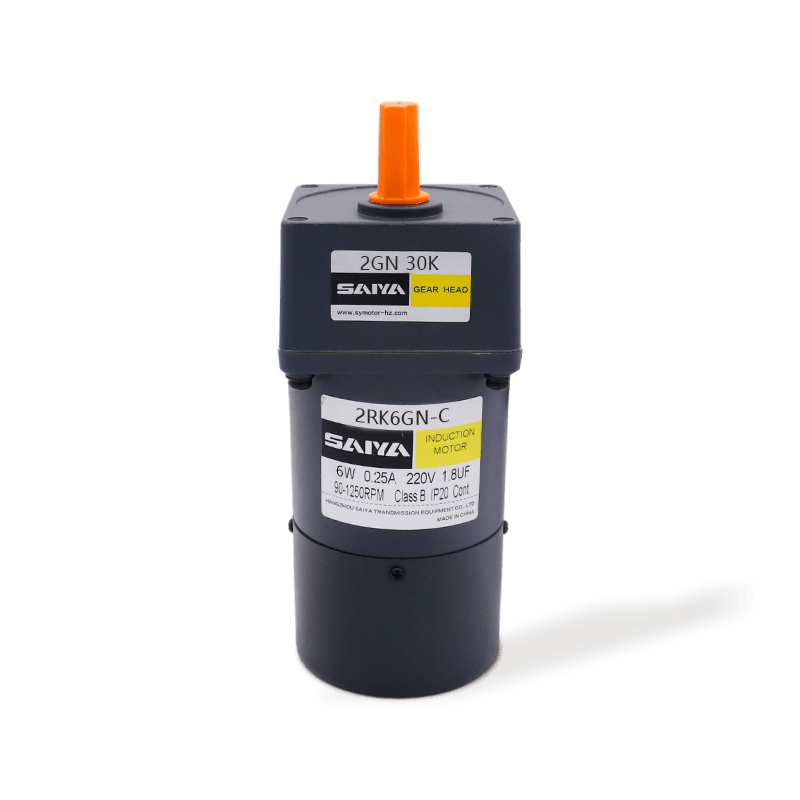 Induction AC Gear Motors with Gearbox for Continuous One-Way DutyThis product line covers induction AC gear motors from 6W to 250W, designed for continuous single-direction operation with high efficiency and no built-in brake. Ideal for conveyors, pumps, fans, and feed rollers.View Product →
A reversible AC gear motor is wound and braked for forward and reverse duty. It generates higher starting torque and includes a friction brake to stop the shaft quickly. Use it for positioning tables, gates, small lifts, and scanner drives. The reversal frequency is a catalog-rated limit, typically 10 to 20 starts per minute; exceeding it overheats the brake coil.
Reversible AC Gear Motors with Built-In Friction BrakeThese reversible AC gear motors include a wound brake for rapid stopping and direction changes, offering higher starting torque for positioning tables, gates, small lifts, and scanner drives.View Product →
A speed-control AC gear motor operates with an external speed controller that reduces voltage below rated, giving roughly 90 to 1350 rpm on a 4-pole unit. Use it for feeding, metering, and line-speed adjustment where load torque stays reasonably constant. At very low speeds, the cooling fan delivers less airflow, so the torque limit must be derated.
Speed Control AC Gear Motors with External ControllerThese AC gear motors work with an external controller to adjust speed from roughly 90 to 1350 rpm, suitable for feeding, metering, and line-speed adjustment where torque remains fairly constant.View Product →
| Selection factor | Induction | Reversible | Speed control |
| Rotation | Single direction | Reversible | Single or reversible |
| Starting torque | 1.5 to 2 times rated | Higher, plus brake | Depends on controller |
| Reversal frequency | Not intended | Catalog rated, 10 to 20 starts per minute | Not intended |
| Speed adjustment | Not possible | Not possible | Variable below rated speed |
| Typical application | Conveyors, pumps, fans | Positioning tables, lifts, gates | Feeders, metering, adjusting |
Do not use an induction frame for reversing duty. Swapping two supply wires reverses a three-phase motor, but the brake-less rotor will coast through the index position. Select the reversible frame instead.
Verify Voltage, Phase, Frequency, and Capacitor Rating on Your AC Gear Motor Before Ordering
An AC gear motor is wound for a specific voltage and frequency. Running it on a different supply changes speed, torque, and winding temperature. Confirm the line voltage at the equipment location rather than the nominal building voltage, and check whether the supply is single-phase or three-phase.
- Single-phase supplies of 100 to 120V and 220 to 240V cover most small AC gear motor installations.
- Three-phase supplies of 200 to 230V and 380 to 415V suit larger motors and higher-efficiency drives.
- The running capacitor value in microfarads, printed on the nameplate, must match the motor winding; a same-size capacitor with a different value changes torque and current draw.
- The nameplate frequency matters as much as voltage; at 60 Hz the same motor runs about 20 percent faster than at 50 Hz.
If a conveyor that previously ran at 135 rpm now runs at 162 rpm, check the supply frequency first. Operating a 50 Hz motor on a 60 Hz line raises speed by about 20 percent and reduces the torque available at the load; the motor can also overheat under continuous duty.
Confirm Mounting Face, Output Shaft, and Overhung Load Ratings
The mechanical interface between the gearmotor and the equipment frame is where retrofit mistakes happen. Choose between foot mounting, flange mounting, or a combination based on the existing drilling pattern, and verify the flange pilot diameter against the driven shaft alignment before ordering.
- Foot-mounted units are the easiest to align and replace in the field.
- Flange-mounted units locate the output shaft precisely on the driven centerline and suit vertical or space-constrained installations.
- Output shaft diameter, key dimension, and shaft length must match the coupling, sprocket, or pulley bore.
- Overhung load is the most common hidden failure. When a sprocket or pulley mounts directly on the motor shaft, the radial force must stay below the manufacturer overhung load rating; if it exceeds that value, use a jack shaft or a motor with a stronger output bearing.
Overhung load, or OHL, is the radial force applied to the output shaft at a stated distance from the bearing face, rated in newtons. Exceeding the rated OHL by 25 percent can cut bearing life by more than half.
AC Gear Motor Selection FAQ
If you take one habit away from this guide, record the nameplate data and measured line voltage before every replacement. It turns the next AC gear motor selection from a guessing game into a five-minute lookup.
What is the difference between induction and reversible AC gear motors?
Induction AC gear motors run in one direction and have no braking mechanism. Reversible AC gear motors are designed for frequent direction changes, produce higher starting torque, and include a brake to stop the output shaft quickly.
How do I calculate the gear ratio for my conveyor?
Divide the motor rated speed by the required output speed. For a 4-pole motor at 50 Hz, that is about 1350 rpm; at 60 Hz, about 1620 rpm. Select the nearest standard ratio and verify the actual output speed with that ratio.
Can I vary the speed of an induction AC gear motor?
Yes, but only below rated speed and only with an external speed controller; that combination is what defines a speed-control AC gear motor. When voltage is reduced, the cooling fan also slows, so load torque must be derated at low speeds.
Why did my AC gear motor overheat after I replaced the same wattage model?
The most frequent causes are an incorrect running capacitor value, a gear ratio that loads the motor above rated torque, a supply voltage above the nameplate range, or restricted airflow around the motor body. Check these four before assuming the new unit is defective. If the nameplate is unreadable, contact us with the old unit dimensions and mounting measurements.
Related products
-
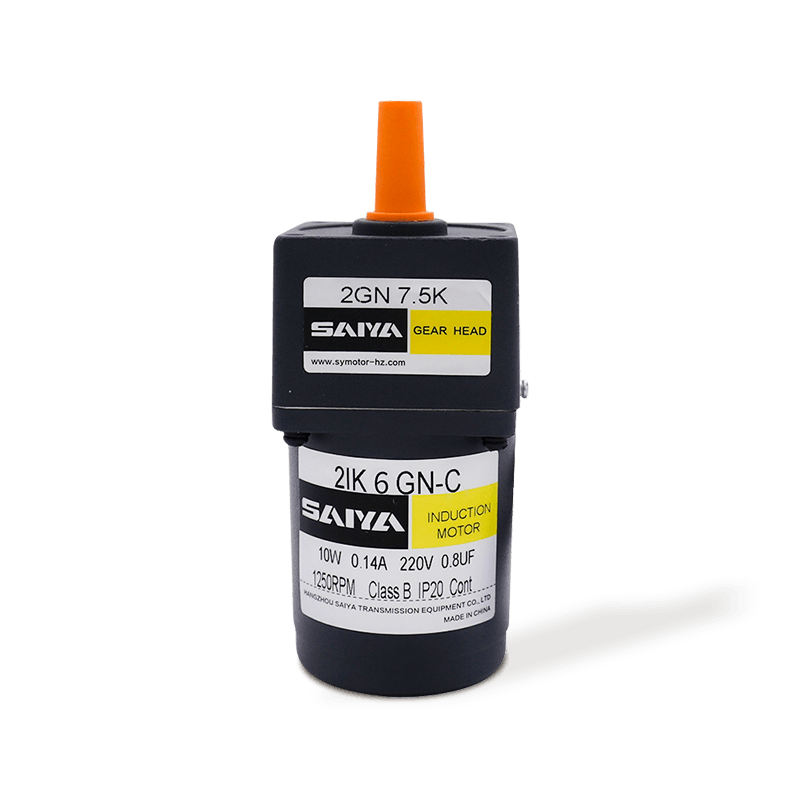
This 6W Induction AC Gear Motor is an efficient, compact and reliable small motor suitable for a wide range of industrial and household applications.Motor frame 60mm x 60mm making it easy to install ...
See Details -
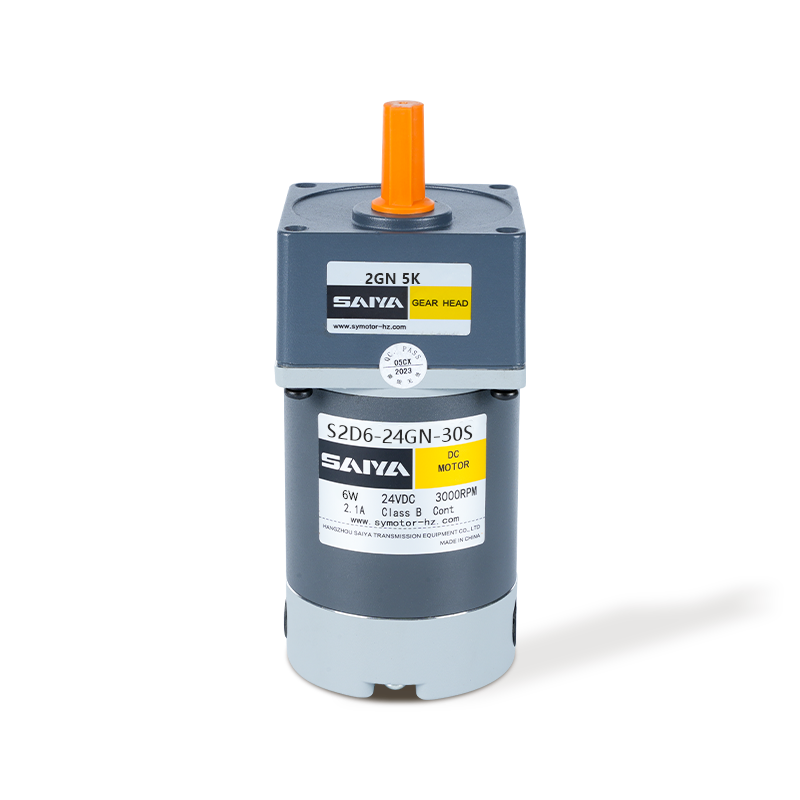
The 6W brush DC gbear motor is designed for efficiency and versatility, suitable for various applications. With a compact frame size of 60mm x 60mm, it fits seamlessly into tight spaces. The motor ope...
See Details -
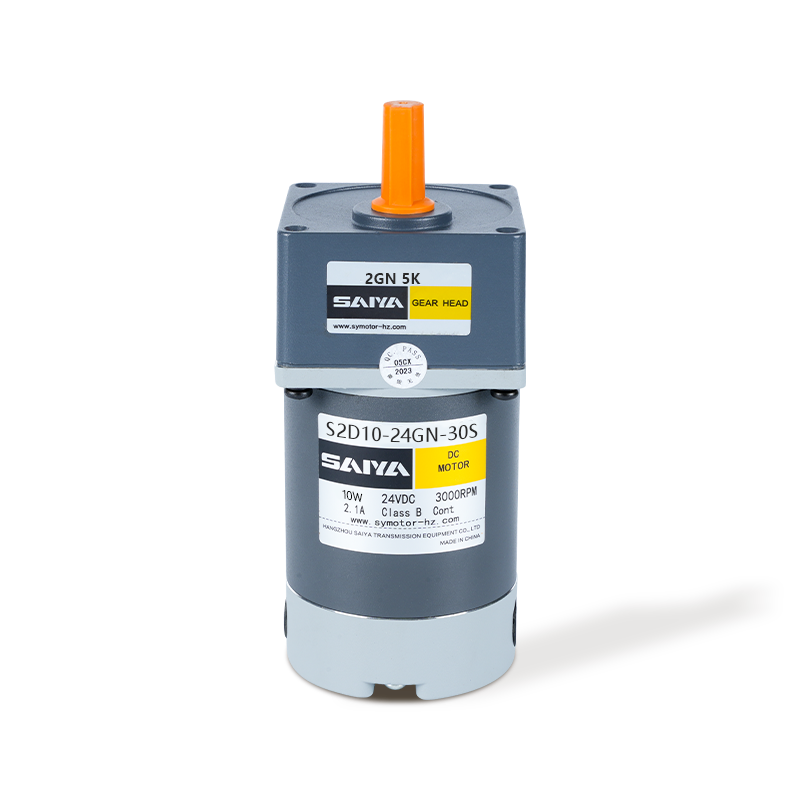
The 10W brush DC gear motor offers high performance and adaptability, for a range of industrial and hobbyist applications. With a frame size of 60mm x 60mm, this motor is designed to fit into confined...
See Details -
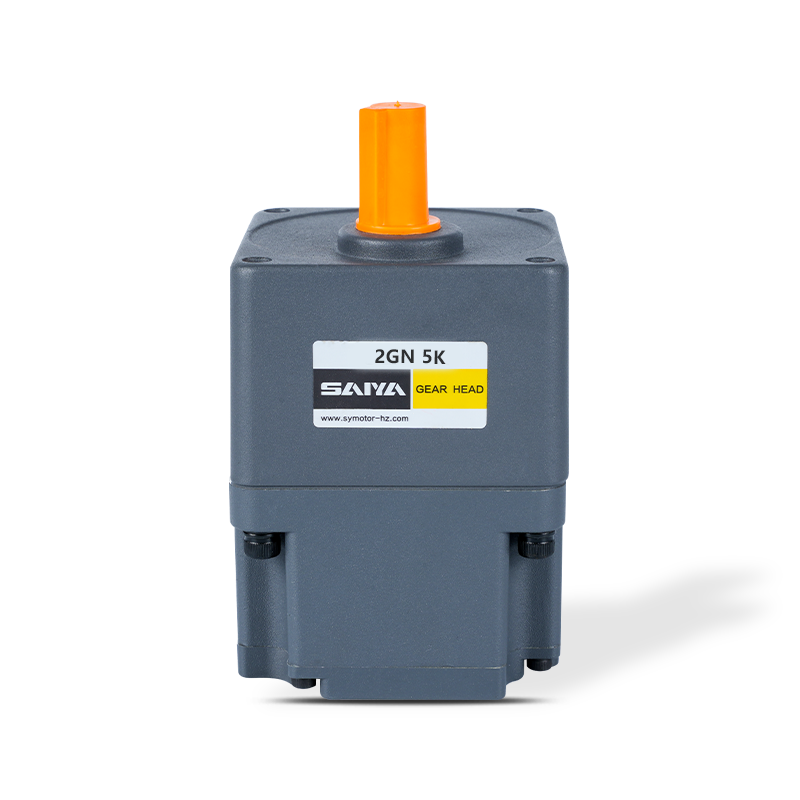
The 24V Brushless Gear Motor is a versatile and efficient motor designed for a range of applications. With dimensions ranging from 60mm x 60mm to 104mm x 104mm, this motor can fit into various equipme...
See Details -
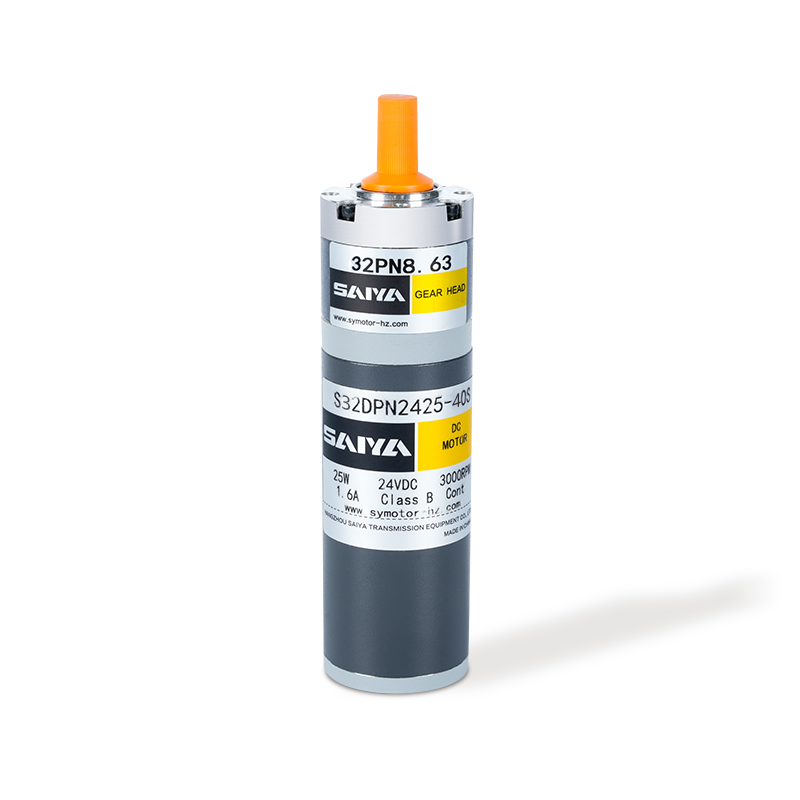
The 32mm brushed planetary gear motor is a compact and efficient solution designed for various applications requiring high torque and precise control. With a diameter of 32mm, this motor is ideally su...
See Details -
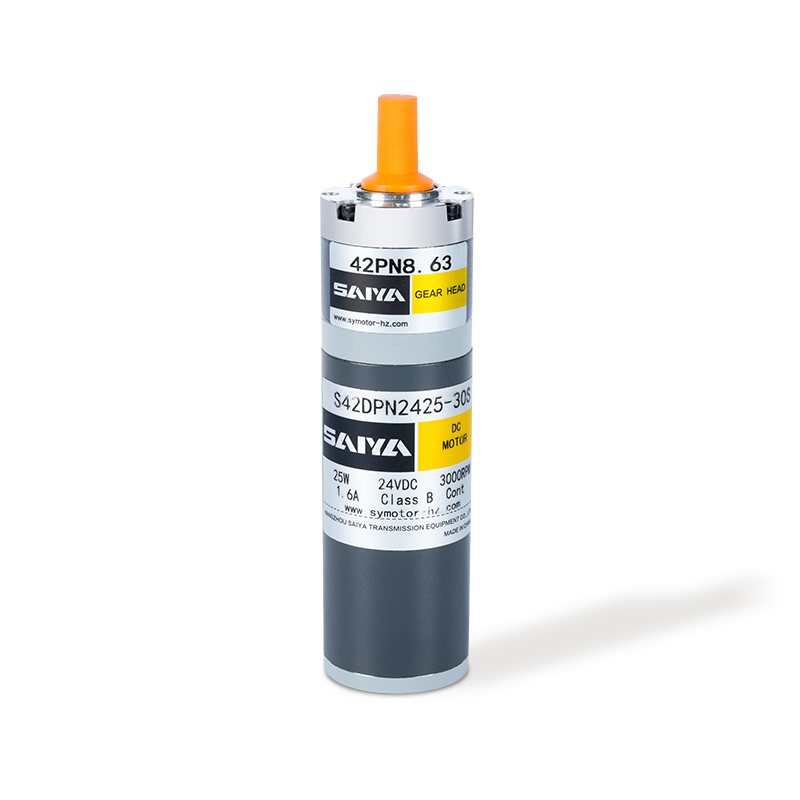
The 42mm brush planetary gear motor is a versatile and efficient component widely used in various applications requiring precise torque and speed control. With a rated current ranging from 0.7 to 1.1A...
See Details -
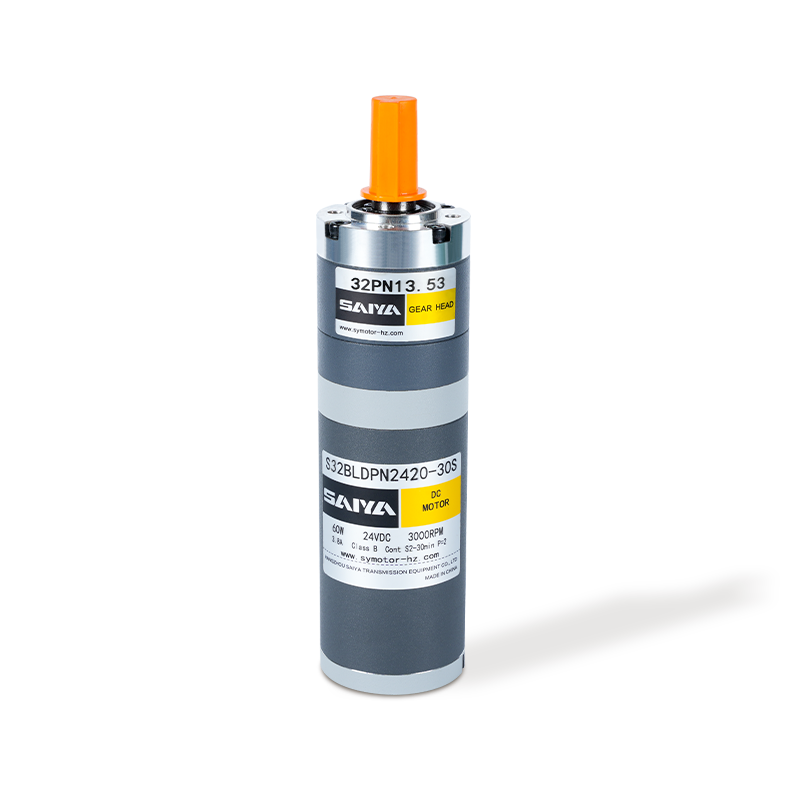
The 32mm Brushless Planetary Gear Motor is a high-performance, compact solution ideal for applications requiring efficiency and reliability. Operating at a rated voltage of 24V and consuming 20W of po...
See Details -
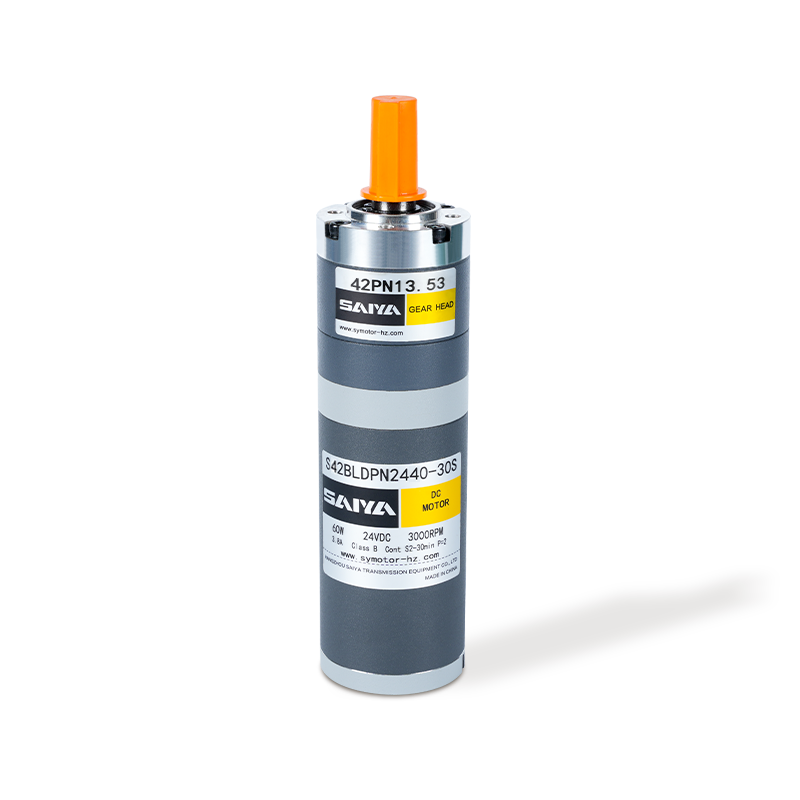
The 42mm brushless planetary motor is a high-efficiency motor product that is widely used in various scenarios requiring precision transmission. The rated current of this motor is 1.3A and the rated t...
See Details -
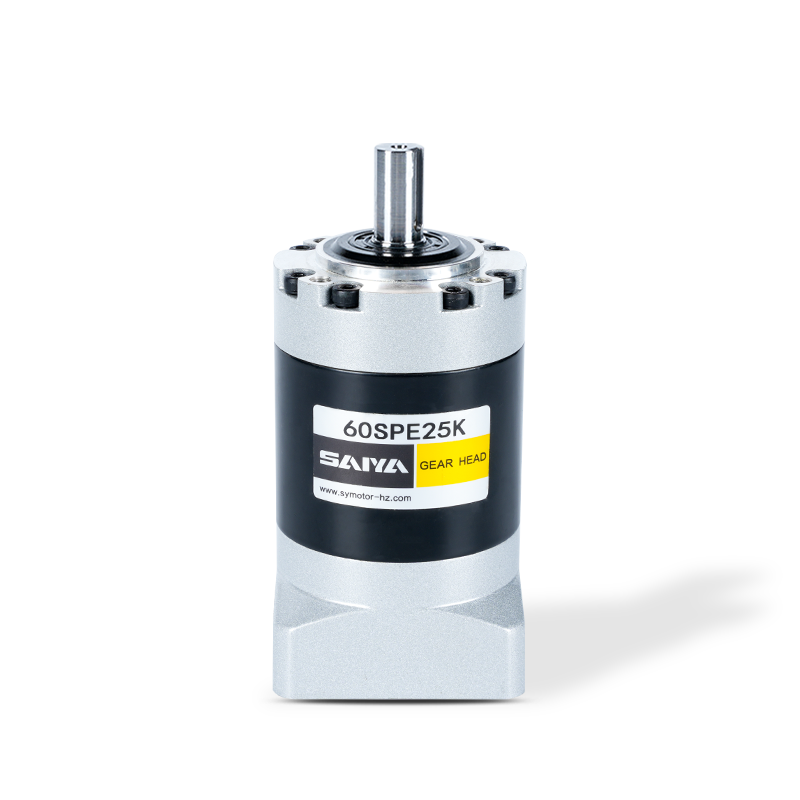
The SPE series gearboxes, flange size range with 40, 60, 80, 120, and 160 models, are designed to provide efficient and robust power transmission solutions. These gearboxes feature a round output flan...
See Details -
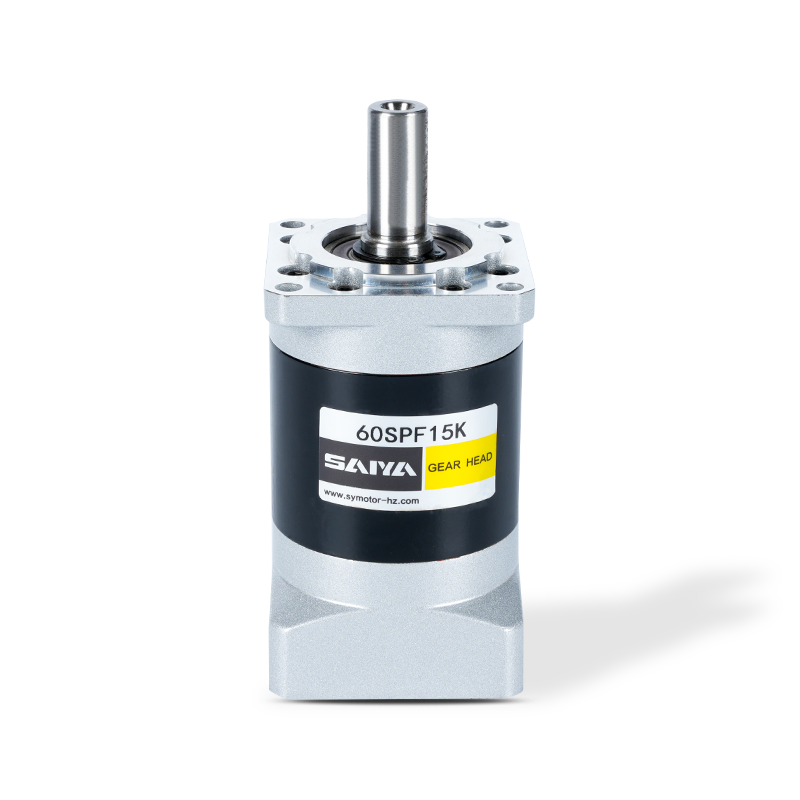
The SPF series are with square output flanges, accommodating dimensions from 40mm to 160mm. These flanges are engineered to excel in various industrial applications, offering reliable performance acro...
See Details -
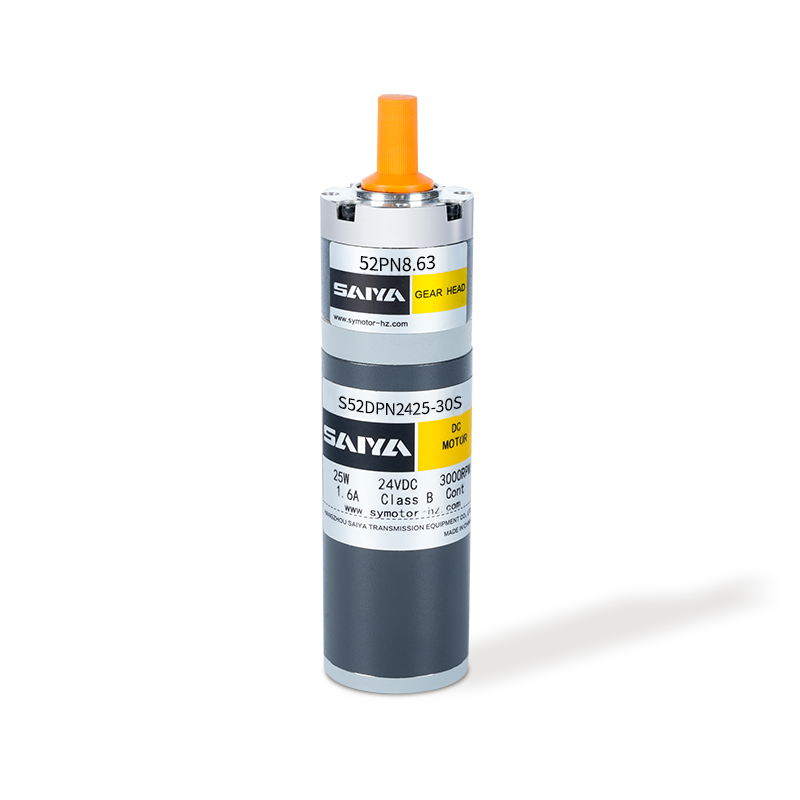
The 52mm brushed planetary gear motor is a compact and efficient solution designed for various applications requiring high torque and precise control. With a diameter of 52mm, this motor is ideally su...
See Details -
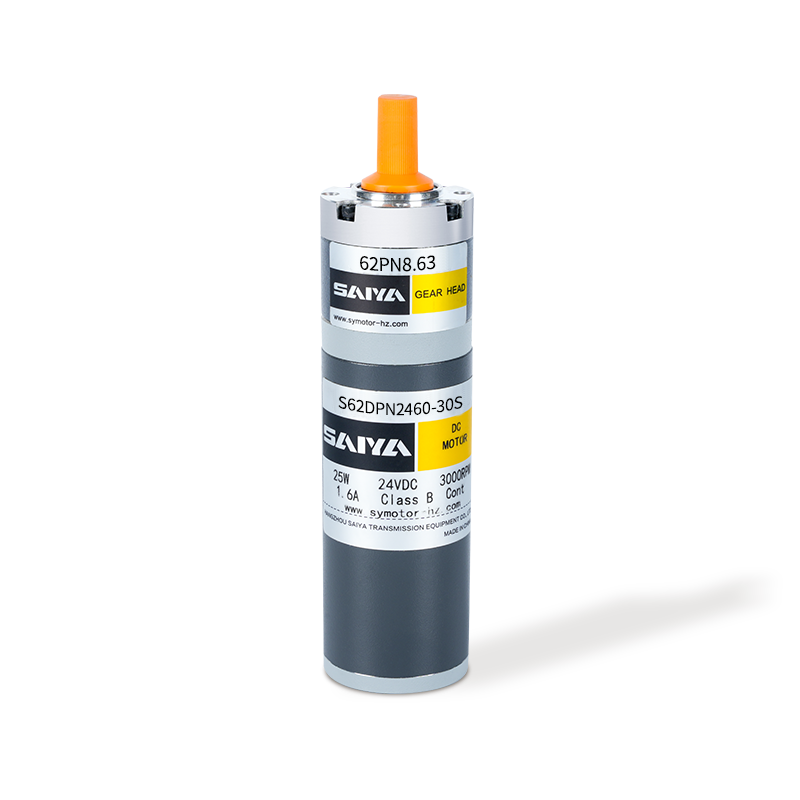
The 62mm brush planetary gear motor is a versatile and efficient component widely used in various applications requiring precise torque and speed control. With a rated current ranging from 2.5 to 5.5A...
See Details
CONTACT DETAILS
- TEL: 0086-0571-86951513/86951543
- Fax: 0086-571-86040769
- E-mail: [email protected] / [email protected] / [email protected]
- Office: Hangzhou Saiya Transmisson Equipment Co.,Ltd
- Office Address: Room 2201, Wanyin building, Hangzhou City, Zhejiang Province
- Factory: Zhejiang Saiya Intelligent Manufacturing Co., Ltd.
- Factory Address: No.35 Building , Zhongnan High-tech Yunhe Zhigu Industrial Park, Xinan town, Deqing county, Huzhou city, Zhejiang, China
QUICK LINK
PRODUCT
If You Are Intrested
In Our Products,
Please Consult Us
Copyright © Zhejiang Saiya Intelligent Manufacturing Co., Ltd. All Rights Reserved.
Custom Gear Reduction Motors Suppliers
