 EN
EN  English
 中文简体
中文简体 русский
 Español
Home / News / Industry News / Why Do Planetary Gear Motors Deliver Higher Torque Than Standard Motors?


Application Industry
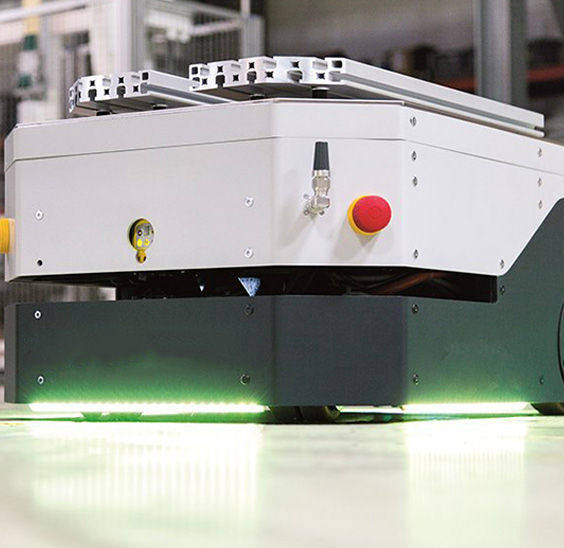
AGV

Automated robots
laser cutting

Logistics sorting

Photovoltaic power-station
Medical devices
Why Do Planetary Gear Motors Deliver Higher Torque Than Standard Motors?
Planetary Gear Motors Deliver Unmatched Torque Density and Efficiency
When evaluating power transmission options for constrained spaces and high-torque requirements, planetary gear motors stand out as the definitive solution. These motors achieve superior torque multiplication and power efficiency by distributing load across multiple gear stages, rather than relying on a single pair of gears. This fundamental mechanical advantage allows engineers to design highly compact, reliable drive systems capable of handling severe shock loads and continuous heavy-duty operations without sacrificing performance or lifespan. If an application demands a high power-to-size ratio combined with precise motion control, a planetary gear motor is almost always the optimal choice.
The Fundamental Mechanics Behind Planetary Gear Systems
To understand why these motors outperform other configurations, one must look at their internal anatomy. Unlike standard spur gear systems that rely on one-to-one meshing, planetary systems utilize a completely different structural approach. The name "planetary" comes from the arrangement of the gears, which mirrors a mini solar system.
Core Components
Every planetary gear motor consists of three primary elements working in tandem:
- Sun Gear: The central gear that receives the initial input power from the electric motor.
- Planet Gears: Typically, three to five smaller gears that mesh with the sun gear and rotate around it.
- Ring Gear (Annulus): An outer gear with internal teeth that encloses the entire planetary assembly.
- Carrier: The structural arm that holds the planet gears in place and transfers the output torque.
How Force is Distributed
When the sun gear rotates, it drives the planet gears. Because the planet gears are also engaged with the stationary ring gear, they are forced to "walk" around the inside of the ring gear. This movement drives the carrier, which becomes the output shaft. The magic of this system lies in the simultaneous meshing. At any given moment, multiple teeth are engaged across different points of contact. This means the incoming force is immediately split among the planet gears, preventing any single tooth from bearing the brunt of the load.
Key Advantages Over Conventional Gear Motors
When compared directly to spur gear motors or worm gear motors, planetary configurations offer a distinct set of mechanical benefits that directly impact system performance and longevity.
Exceptional Torque Density
Torque density refers to the amount of torque a motor can produce relative to its physical size. Because planetary gears utilize multiple load paths, they can generate significantly higher output torque within a much smaller footprint. For instance, in robotic joint applications where space is strictly limited, a planetary gear motor can deliver the necessary holding torque without forcing the engineer to increase the overall size of the robotic limb.
High Operational Efficiency
Friction and sliding are the enemies of mechanical efficiency. In a planetary system, the gear teeth roll against one another rather than sliding. Furthermore, because the planet gears are evenly spaced around the sun gear, radial forces cancel each other out. This balanced load distribution results in minimal internal friction, allowing planetary gear motors to achieve efficiency ratings often exceeding 95 percent per stage. In contrast, worm gears frequently suffer from high sliding friction, dropping their efficiency to below 50 percent in many configurations.
Superior Shock Load Absorption
In industrial environments, sudden stops, jams, or reversed loads are common. A standard gear motor might suffer a broken tooth under a sudden shock load. Planetary gear motors inherently absorb these shocks because the impact force is divided among the multiple planet gears. The carrier structure itself provides a degree of torsional rigidity that protects both the gears and the downstream connected equipment.
| Feature | Planetary Gear Motor | Worm Gear Motor | Spur Gear Motor |
|---|---|---|---|
| Typical Efficiency | High (90-97%) | Low (40-70%) | Moderate (80-90%) |
| Size to Torque Ratio | Compact | Bulky | Large |
| Shock Load Handling | Excellent | Poor | Fair |
| Backlash | Very Low | High | Moderate |
Critical Design Variations and Configurations
Not all planetary gear motors are built identically. The specific arrangement of the internal components dictates the gear ratio, output speed, and the mechanical behavior of the system. Engineers have three primary configurations at their disposal, depending on the desired outcome.
Fixed Ring Gear (Standard Planetary)
This is the most common configuration found in industrial planetary gear motors. The ring gear is locked to the stationary housing. The input is applied to the sun gear, and the output is taken from the rotating carrier. This setup provides a fixed, highly predictable reduction ratio and is ideal for straightforward speed reduction and torque multiplication tasks.
Fixed Carrier (Star Gear System)
In this variation, the planet carrier is locked in place. Power enters through the sun gear, drives the planet gears on their stationary axes, and the output is taken from the ring gear. While less common for heavy industrial torque applications, this configuration is frequently utilized in applications requiring high-speed reduction in a slightly different mechanical layout.
Differential Planetary Systems
When none of the three main components are fixed, the system acts as a differential, much like the rear axle of an automobile. This complex arrangement is rarely used for simple speed reduction but is essential in advanced applications where power needs to be split between two outputs or combined from two separate inputs.
Single-Stage vs. Multi-Stage Reduction
A single planetary gear set is typically limited to a reduction ratio of about 3:1 to 10:1. When applications demand much higher reduction, manufacturers stack planetary stages in series. A two-stage planetary motor can easily achieve ratios up to 100:1, while three-stage configurations can surpass 1000:1. It is important to note, however, that adding stages increases physical length and introduces cumulative friction, slightly reducing overall efficiency with each added stage.
Primary Industrial and Commercial Applications
The unique combination of compact size, high torque, and low backlash makes planetary gear motors indispensable across a wide spectrum of industries. Their adaptability allows them to be paired with AC, DC, brushless DC, and stepper motors.
Robotics and Automated Machinery
In the realm of robotics, weight and space are the primary constraints. A robotic arm joint cannot accommodate a massive, heavy gearbox. Planetary gear motors provide the high torque needed to lift heavy payloads while maintaining a slim profile. Additionally, the low backlash of high-quality planetary gears ensures precise positioning, which is critical for automated welding, painting, and assembly tasks where minute errors can ruin a product.
Material Handling and Conveyor Systems
Conveyor belts must start and stop heavy loads smoothly. Planetary gear motors excel here because their high efficiency ensures that minimal electrical power is wasted as heat, and their shock-absorbing nature protects the motor shafts when heavy boxes suddenly drop onto the belt. They are frequently found in airport baggage systems, warehouse distribution centers, and mining conveyor operations.
Renewable Energy Tracking Systems
Solar trackers require highly reliable, slow-moving, high-torque actuators to adjust the angle of photovoltaic panels throughout the day. Planetary gear motors are the preferred choice for these tracking drives because they offer the necessary reduction ratios in a sealed, weather-resistant package that can withstand decades of outdoor exposure with minimal maintenance.
Medical and Laboratory Equipment
Patient beds, surgical tables, and automated diagnostic machines require whisper-quiet operation and absolute reliability. The smooth rolling action of planetary gears produces significantly less noise compared to the grinding or whining often associated with worm or spur gears. Furthermore, their ability to be manufactured in very small sizes makes them ideal for battery-powered mobile medical carts.
Essential Selection Criteria for Engineers
Choosing the right planetary gear motor requires a thorough understanding of the application's demands. Selecting a unit based solely on the required output torque is a common mistake that often leads to premature failure.
Calculating True Duty Cycles
A motor's thermal limits are just as important as its mechanical limits. An application that requires high torque for only a few seconds every minute (intermittent duty) can utilize a much smaller, lighter planetary gear motor than one that must run continuously. Exceeding the thermal rating by ignoring the duty cycle is the leading cause of lubrication breakdown and eventual gear failure.
Understanding Overhung Load Limits
When a motor drives a pulley, sprocket, or pinion gear, the tension from the belt or chain exerts a radial force on the output shaft, known as overhung load. Planetary gear motors have specific overhung load ratings. If a belt drive is improperly tensioned or the pulley is mounted too far from the gearbox bearing, the resulting leverage can bend the output shaft or destroy the internal bearing support structure, even if the torque requirement is well within limits.
Backlash Specifications for Precision
Backlash is the slight rotational play between meshing gears when the input direction is reversed. In applications like CNC milling machines or robotic positioning, excessive backlash causes dimensional inaccuracies. Standard planetary gear motors might offer backlash in the range of a few arcminutes, while precision-ground planetary units can reduce this to under a single arcminute, albeit at a higher cost.
- Determine the exact required output torque and speed.
- Analyze the duty cycle and ambient temperature conditions.
- Calculate all radial and axial forces on the output shaft.
- Define the maximum allowable backlash for the system.
- Match the motor type (AC, DC, Servo) to the planetary gearbox input rating.
Maintenance Considerations and Lubrication Strategies
While planetary gear motors are renowned for their durability, their longevity is heavily dependent on proper maintenance, specifically regarding lubrication. The enclosed nature of the planetary system means that all the heat generated by friction must be dissipated through the gearbox housing and carried away by the lubricant.
Grease vs. Oil Lubrication
Smaller planetary gear motors and those mounted in orientations where oil would leak typically utilize semi-fluid grease. Grease simplifies the sealing requirements and reduces maintenance frequency. However, for larger units or those subjected to continuous high-speed, high-load operations, liquid oil bath lubrication is superior. Oil circulates more effectively within the complex planetary assembly, carrying heat away from the meshing teeth and preventing localized overheating.
Monitoring Operating Temperatures
Lubrication degradation is directly tied to temperature. Every increment of excessive heat exponentially reduces the lubricant's lifespan. A general rule of thumb in mechanical power transmission is that operating temperatures consistently exceeding the lubricant's rated threshold will cut the gear motor's operational life by half for every additional temperature increase. Installing simple thermal sensors or performing regular touch-checks during operation can prevent catastrophic failures.
Sealing and Environmental Protection
The internal gears of a planetary motor are highly susceptible to contamination. Dust, metal shavings, or moisture entering the housing will act as an abrasive paste, rapidly wearing down the precisely machined gear teeth. High-quality planetary gearboxes utilize lip seals or specialized labyrinth seals on the input and output shafts. In washdown environments, such as food processing, fully sealed, stainless-steel planetary gear motors are necessary to prevent high-pressure water and chemicals from breaching the housing.
Future Trends in Planetary Gear Motor Technology
As industrial automation becomes more sophisticated and energy efficiency mandates become stricter, the design and manufacturing of planetary gear motors continue to evolve to meet new challenges.
Advanced Materials and Manufacturing
Traditional steel gears are increasingly being supplemented or replaced by advanced materials. For applications demanding extreme weight reduction, such as aerospace or advanced prosthetics, planetary gears machined from aerospace-grade aluminum or titanium alloys are becoming more prevalent. Furthermore, the adoption of powder metallurgy allows for the creation of complex gear geometries that reduce weight while maintaining high strength, all at a lower cost than traditional machining.
Integration with Smart Sensors
The rise of Industry 4.0 is transforming dumb mechanical components into intelligent nodes on a network. Modern planetary gear motors are increasingly being equipped with embedded temperature sensors, vibration analyzers, and torque sensors. This predictive maintenance capability allows a central control system to monitor the health of the gearbox in real-time, scheduling maintenance exactly when needed rather than relying on arbitrary time-based service intervals, thereby preventing unplanned downtime.
Strain Wave Gear Hybridization
While traditional planetary gears excel in heavy-duty applications, they still possess some inherent backlash. To achieve zero backlash for ultra-precision robotics, engineers are developing hybrid systems that combine the high-torque capacity of the first few planetary stages with a final strain wave (harmonic) drive stage. This combination yields a gear motor that provides the rugged durability of a planetary system with the absolute positioning precision of a harmonic drive.
Related products
-
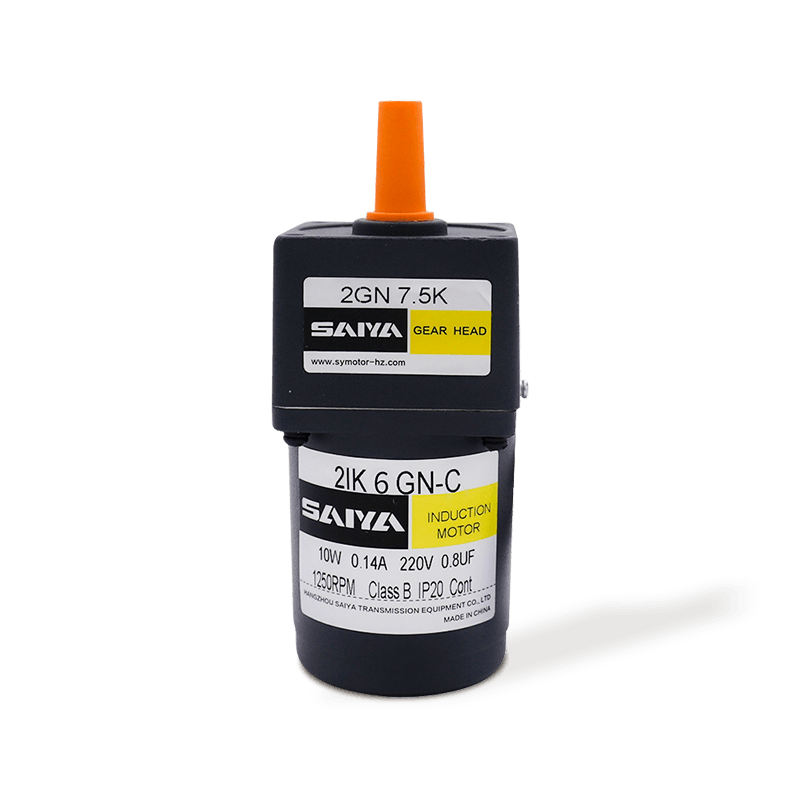
This 6W Induction AC Gear Motor is an efficient, compact and reliable small motor suitable for a wide range of industrial and household applications.Motor frame 60mm x 60mm making it easy to install ...
See Details -
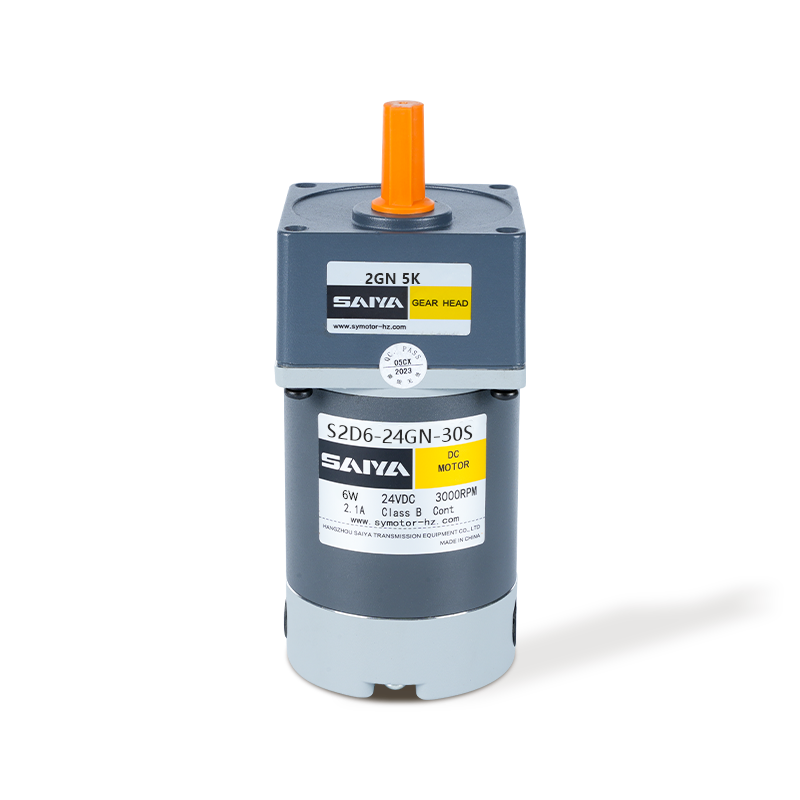
The 6W brush DC gbear motor is designed for efficiency and versatility, suitable for various applications. With a compact frame size of 60mm x 60mm, it fits seamlessly into tight spaces. The motor ope...
See Details -
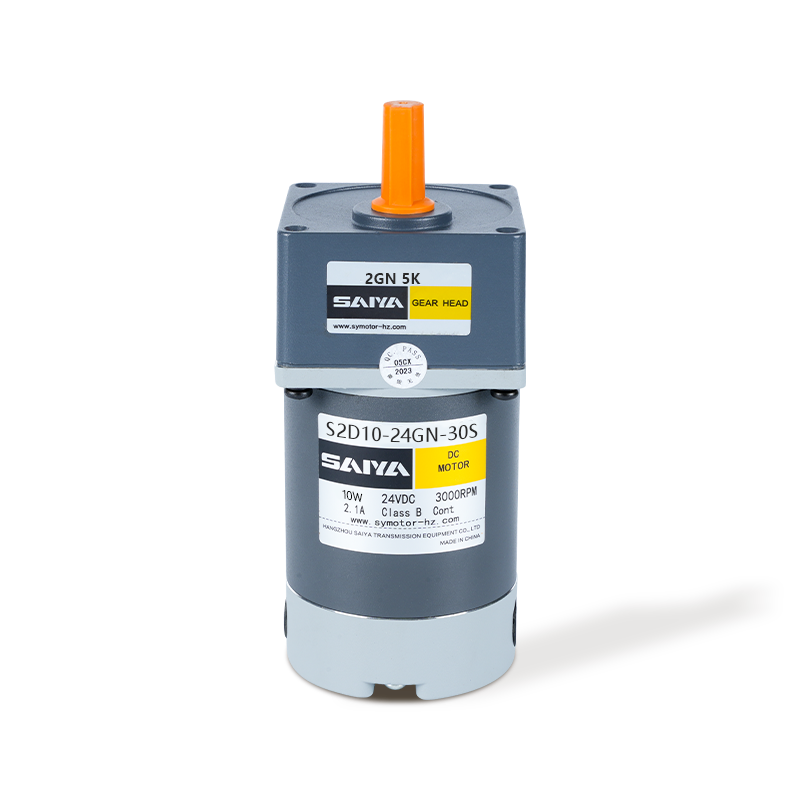
The 10W brush DC gear motor offers high performance and adaptability, for a range of industrial and hobbyist applications. With a frame size of 60mm x 60mm, this motor is designed to fit into confined...
See Details -
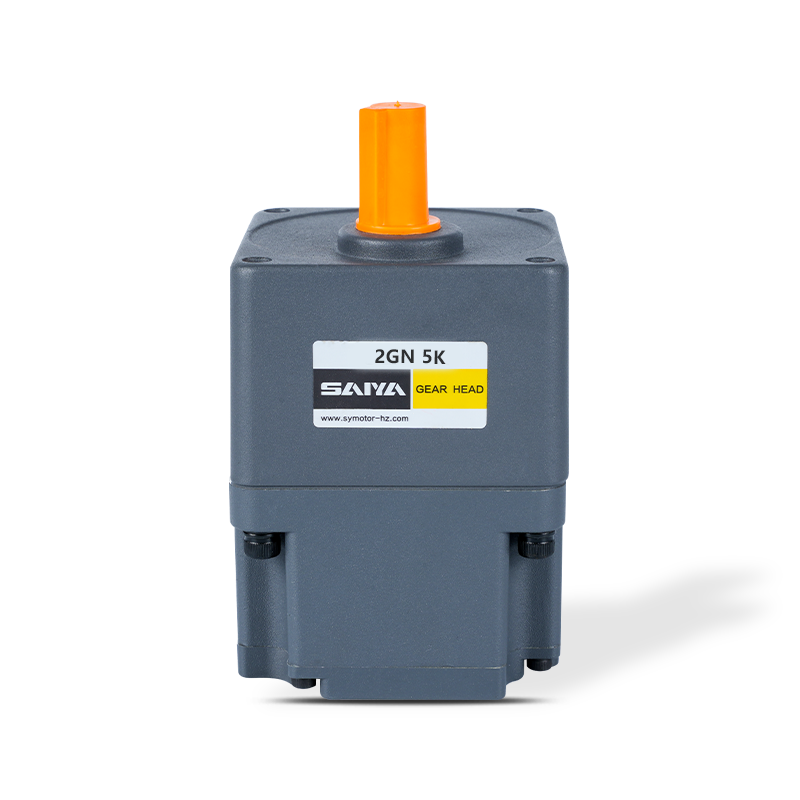
The 24V Brushless Gear Motor is a versatile and efficient motor designed for a range of applications. With dimensions ranging from 60mm x 60mm to 104mm x 104mm, this motor can fit into various equipme...
See Details -
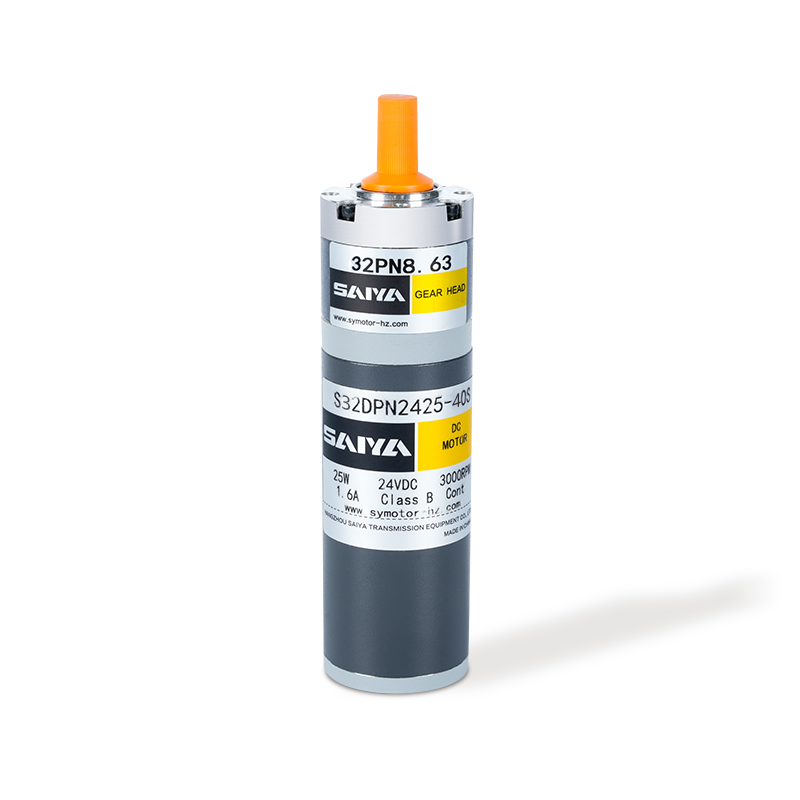
The 32mm brushed planetary gear motor is a compact and efficient solution designed for various applications requiring high torque and precise control. With a diameter of 32mm, this motor is ideally su...
See Details -
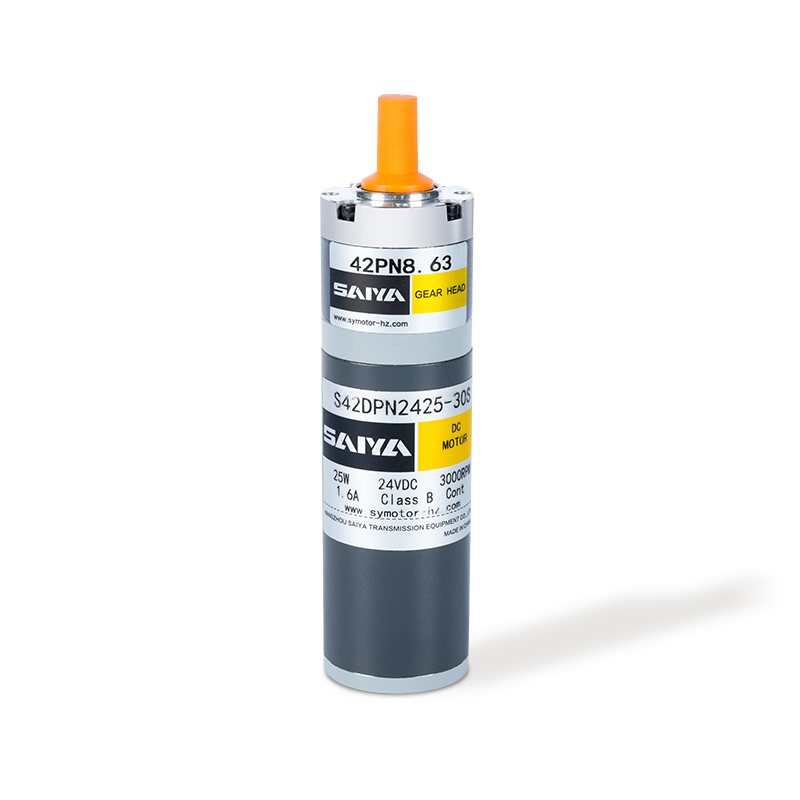
The 42mm brush planetary gear motor is a versatile and efficient component widely used in various applications requiring precise torque and speed control. With a rated current ranging from 0.7 to 1.1A...
See Details -
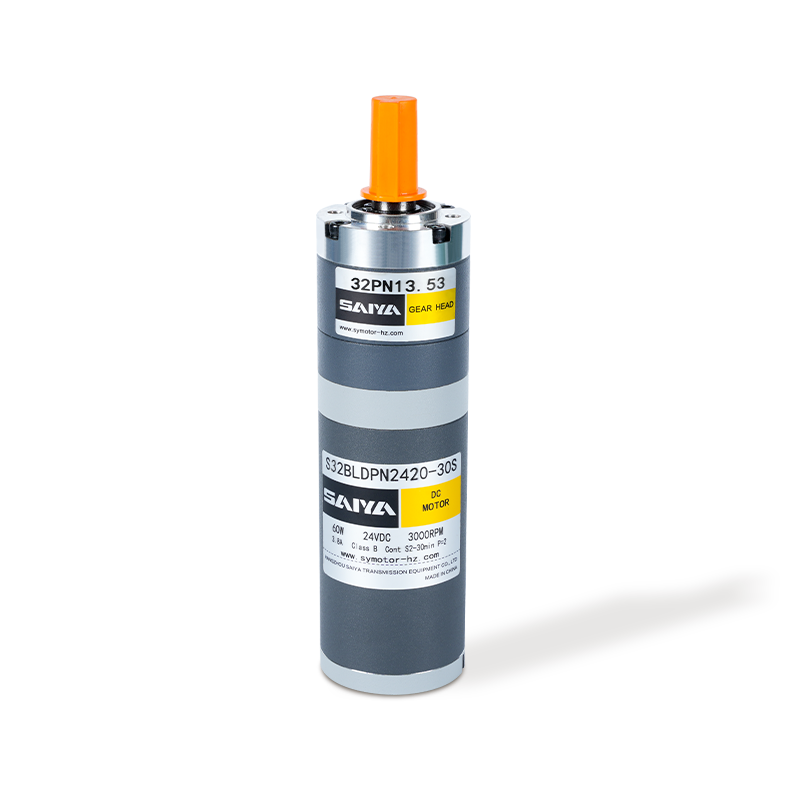
The 32mm Brushless Planetary Gear Motor is a high-performance, compact solution ideal for applications requiring efficiency and reliability. Operating at a rated voltage of 24V and consuming 20W of po...
See Details -
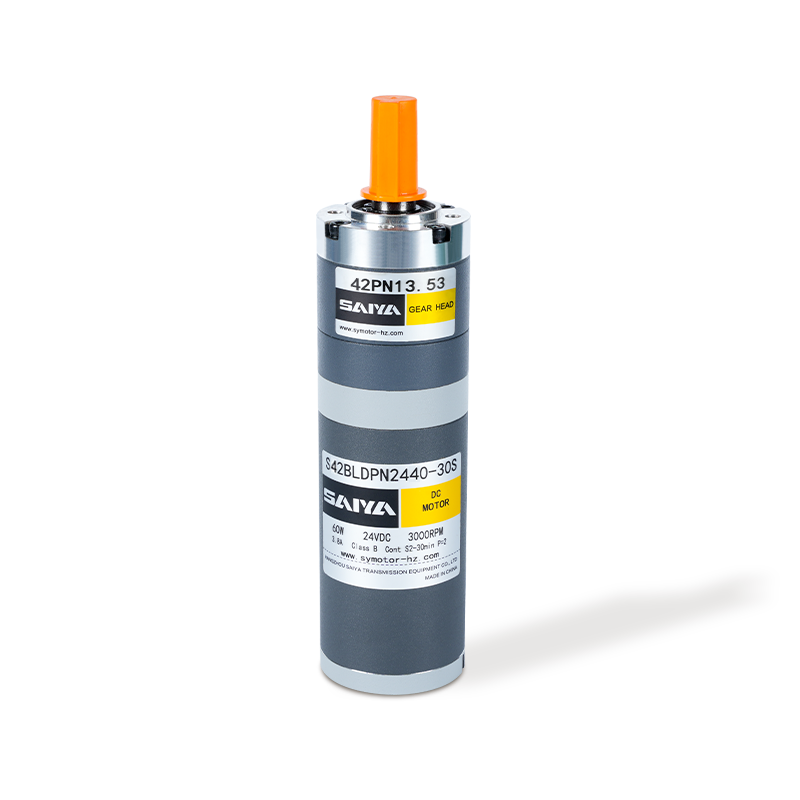
The 42mm brushless planetary motor is a high-efficiency motor product that is widely used in various scenarios requiring precision transmission. The rated current of this motor is 1.3A and the rated t...
See Details -
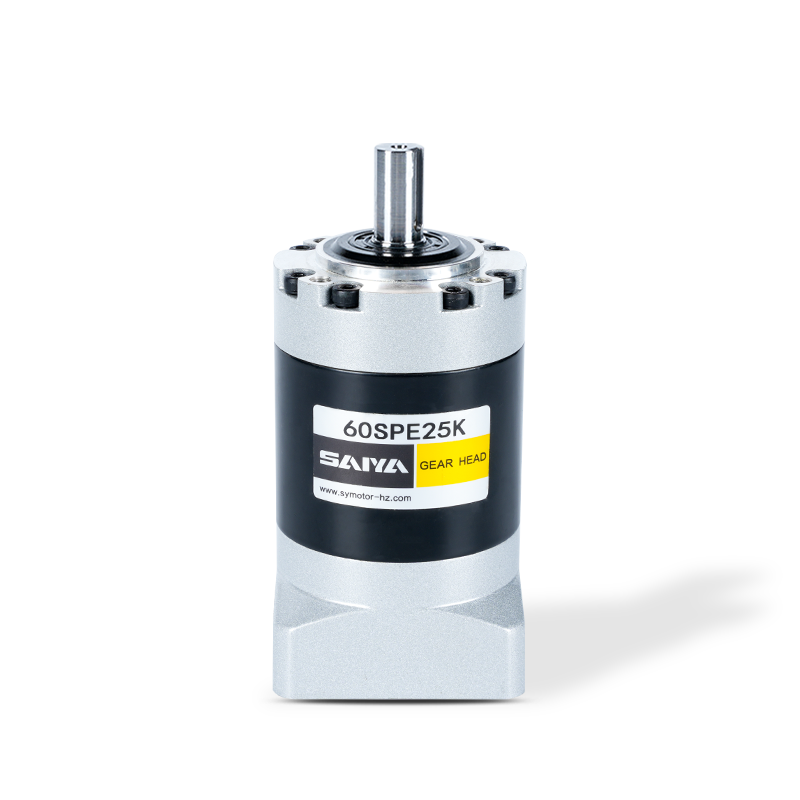
The SPE series gearboxes, flange size range with 40, 60, 80, 120, and 160 models, are designed to provide efficient and robust power transmission solutions. These gearboxes feature a round output flan...
See Details -
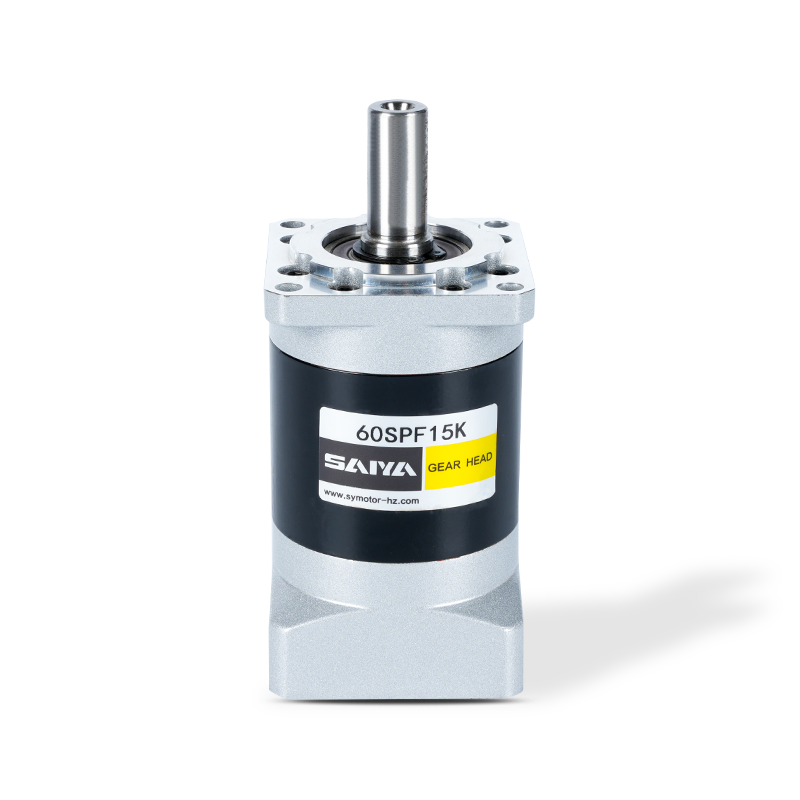
The SPF series are with square output flanges, accommodating dimensions from 40mm to 160mm. These flanges are engineered to excel in various industrial applications, offering reliable performance acro...
See Details -
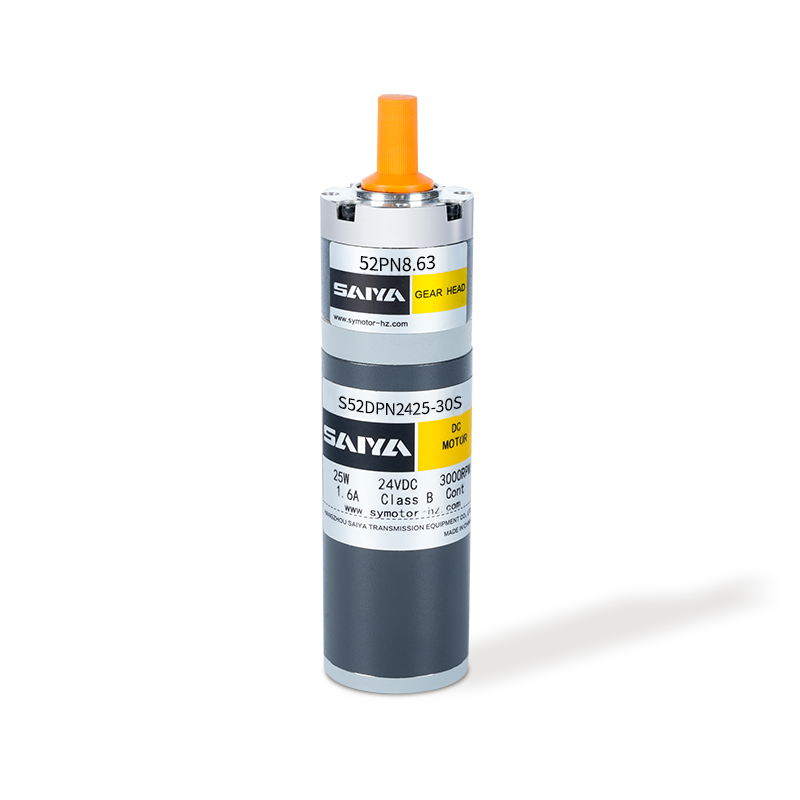
The 52mm brushed planetary gear motor is a compact and efficient solution designed for various applications requiring high torque and precise control. With a diameter of 52mm, this motor is ideally su...
See Details -
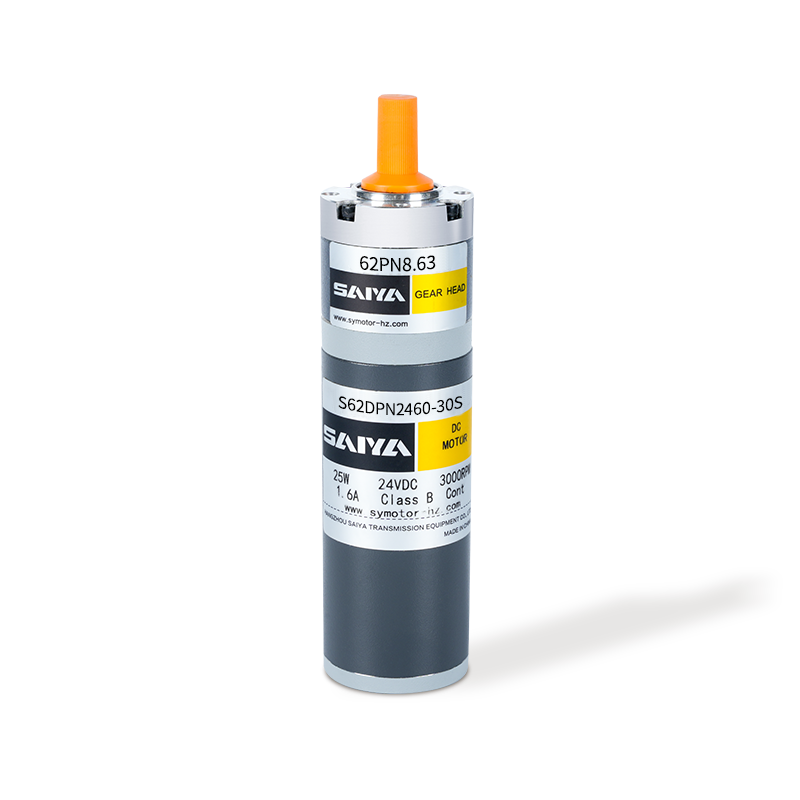
The 62mm brush planetary gear motor is a versatile and efficient component widely used in various applications requiring precise torque and speed control. With a rated current ranging from 2.5 to 5.5A...
See Details
CONTACT DETAILS
- TEL: 0086-0571-86951513/86951543
- Fax: 0086-571-86040769
- E-mail: [email protected] / [email protected] / [email protected]
- Office: Hangzhou Saiya Transmisson Equipment Co.,Ltd
- Office Address: Room 2201, Wanyin building, Hangzhou City, Zhejiang Province
- Factory: Zhejiang Saiya Intelligent Manufacturing Co., Ltd.
- Factory Address: No.35 Building , Zhongnan High-tech Yunhe Zhigu Industrial Park, Xinan town, Deqing county, Huzhou city, Zhejiang, China
QUICK LINK
PRODUCT
If You Are Intrested
In Our Products,
Please Consult Us
Copyright © Zhejiang Saiya Intelligent Manufacturing Co., Ltd. All Rights Reserved.
Custom Gear Reduction Motors Suppliers
