

 EN
EN  English
 中文简体
中文简体 русский
 Español
Application Industry
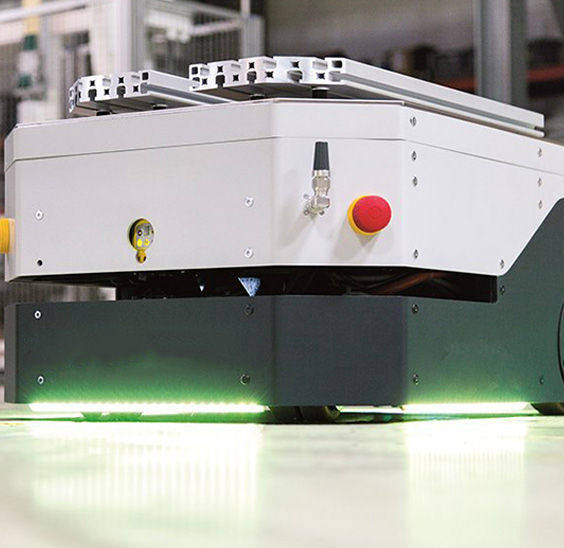
AGV

Automated robots
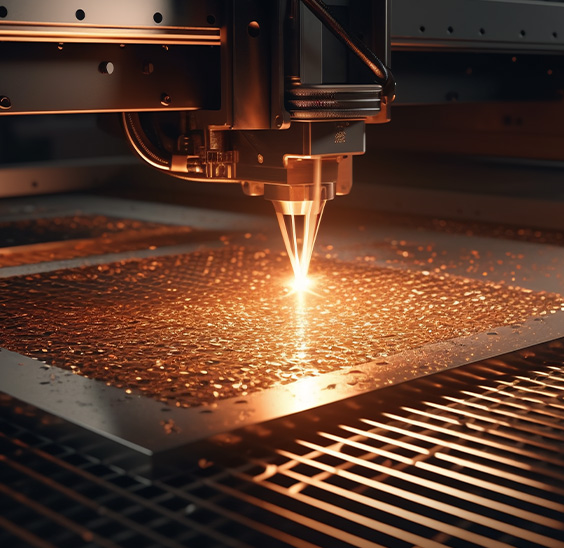
laser cutting

Logistics sorting

Photovoltaic power-station
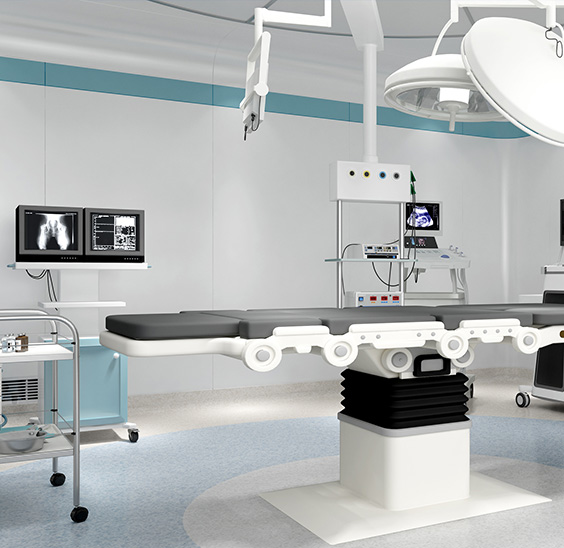
Medical devices
How Do Micro AC Gear Motors Work in Automation?
Micro AC gear motors are compact, integrated power transmission devices that combine small alternating current motors with precision gear reducers. They deliver stable low-speed rotation, high torque output, and reliable continuous operation at small sizes, making them indispensable components for automated equipment, household appliances, and precision instruments.
Unlike standalone motors, these integrated units eliminate the need for external transmission parts, simplify installation, and ensure consistent mechanical performance. Their standardized design, energy efficiency, and cost-effectiveness make them the preferred choice for applications requiring controlled rotary motion in a limited space. The core value of micro AC gear motors lies in their ability to convert high-speed motor rotation into controllable, high-torque, low-speed motion while maintaining a miniature form factor.
Fundamental Structure and Operating Principles
Core Components of Micro AC Gear Motors
Every micro AC gear motor consists of two interdependent core modules: the micro AC motor assembly and the matched gear reduction system. These two parts are tightly integrated into a single enclosed unit, which optimizes space utilization and mechanical stability.
- Micro AC motor: Provides the initial high-speed rotational power, using alternating current as the energy source
- Gear reducer assembly: Reduces output speed and amplifies torque through multi-stage gear meshing
- Enclosure housing: Protects internal parts, supports bearings, and dissipates heat during operation
- Output shaft: Transmits the final reduced-speed, high-torque rotation to external equipment
- Bearings and sealing parts: Reduce friction loss and prevent dust or liquid intrusion
Working Principle and Power Transmission Process
When connected to a standard AC power supply, the micro motor generates a rotating magnetic field that drives the rotor to spin at a high base speed, typically ranging from thousands of revolutions per minute. This high-speed input is then transmitted to the gear reduction system, where sequential meshing of gear stages achieves speed reduction.
The gear reducer follows the physical law of torque amplification: as output speed decreases, torque increases proportionally. This transformation is the key function of micro AC gear motors. The entire power transmission process is enclosed, efficient, and stable, with minimal energy loss compared with open transmission systems. The integrated design ensures that the motor and gearbox operate in perfect synchronization, maximizing overall efficiency and service life.
Key Performance Parameters and Technical Characteristics
Critical Performance Indicators
The performance of micro AC gear motors is defined by several measurable parameters that directly determine their suitability for specific applications. These parameters are designed to balance compact size with functional capability.
| Parameter | Function | Application Impact |
|---|---|---|
| Reduction Ratio | Speed reduction and torque amplification | Determines output speed and force |
| Output Torque | Rotational driving force | Affects load-bearing capacity |
| Operating Speed | Output shaft rotation speed | Matches the equipment action rhythm |
| Efficiency | Energy conversion rate | Impacts power consumption |
| Noise Level | Operational sound output | Affects user experience |
Unique Technical Advantages
Micro AC gear motors offer distinct advantages over other power solutions, especially in compact mechanical systems. Their integrated structure delivers excellent stability and durability under continuous working conditions, with a service life that far exceeds many separate motor-gear combinations.
They require no complex control systems for basic operation, as they can run directly from standard residential or industrial AC power supplies. This plug-and-play functionality simplifies equipment design and reduces overall system costs. The miniature footprint allows installation in extremely confined spaces, while maintaining reliable torque output that supports consistent mechanical operation. Additionally, these motors feature low heat generation, smooth rotation, and strong resistance to environmental interference, making them adaptable to diverse working conditions.
Common Gear System Designs and Features
Spur Gear Reduction Systems
Spur gears are the most widely used gear type in micro AC gear motors due to their simple structure, high processing accuracy, and cost-effective manufacturing. They transmit motion through parallel-axis meshing, delivering stable transmission efficiency and precise speed control.
This design is ideal for applications requiring consistent low-speed rotation and moderate torque. The straight-tooth structure minimizes energy loss during operation and supports easy assembly and maintenance. Spur gear micro motors dominate in standard automation equipment and household appliances due to their balanced performance and affordability.
Helical and Worm Gear Configurations
Helical gear systems use angled teeth for smoother, quieter operation with higher load capacity, making them suitable for precision equipment requiring low noise. Worm gear designs provide high reduction ratios in a compact space and offer self-locking capabilities, which prevent reverse rotation and enhance operational safety.
These specialized gear designs expand the application scope of micro AC gear motors. Worm gear units excel in heavy-load, low-speed scenarios where position holding is critical, while helical gear models prioritize smooth operation and extended service life. The selection of gear type directly impacts the motor's noise level, torque capacity, efficiency, and mechanical durability.
Multi-Stage vs. Single-Stage Reduction
Single-stage reduction systems use one set of gears for basic speed reduction, offering high efficiency and simple construction for light-load applications. Multi-stage systems combine two or more gear sets to achieve much higher reduction ratios, resulting in significantly higher torque output at extremely low speeds.
Multi-stage reduction is essential for heavy-load miniature equipment, as it amplifies torque to levels that far exceed the motor's original output. The trade-off for higher torque is a slight reduction in overall efficiency, but this is offset by the improved load capacity. Most industrial-grade micro AC gear motors use multi-stage gear systems to meet the torque demands of automated machinery.
Wide-Ranging Industry Applications
Household Appliance Integration
Micro AC gear motors are foundational components in modern home appliances, enabling automated functions in space-constrained designs. They drive slow, consistent motion in kitchen equipment, bathroom devices, and smart home systems, delivering reliable performance with minimal noise.
- Small household robots: Providing mobility and arm movement with stable low-speed torque
- Kitchen appliances: Driving opening mechanisms, stirring systems, and adjustable components
- Bathroom equipment: Powering automatic flaps, water flow control, and adjustment mechanisms
- Smart home devices: Enabling automated window controls, curtain drivers, and security mechanisms
- Personal care products: Delivering precise, gentle motion for electric grooming tools
Industrial Automation and Electronic Equipment
In industrial settings, micro AC gear motors form the backbone of small-scale automated systems, supporting precision movement, positioning, and transmission in manufacturing and processing lines. Their ability to operate continuously for extended periods makes them indispensable for production equipment.
They power conveyor systems, automated sorting machines, precision testing equipment, and small assembly robots. The consistent torque and stable speed ensure accurate positioning and repeatable motion, which are critical for maintaining production quality and efficiency. Many automated monitoring and adjustment devices rely on these motors to execute precise control functions in industrial environments.
Automotive, Medical and Precision Instruments
The automotive industry uses micro AC gear motors for adjustable components, ventilation controls, and auxiliary systems in vehicles, where compact size and reliable performance are essential. In medical devices, they provide ultra-smooth, low-vibration motion for diagnostic equipment, adjustable beds, and therapeutic machines.
Precision instruments such as analytical devices, testing machines, and optical equipment depend on the precise speed control and minimal backlash of micro AC gear motors to ensure measurement accuracy. These applications demand consistent performance, long-term reliability, and stable operation, all of which are hallmarks of high-quality micro AC gear motor designs.
Selection Criteria for Optimal Performance
Matching Load Requirements and Torque
The most critical selection factor is ensuring the motor's output torque exceeds the actual load requirement by a safe margin. Insufficient torque leads to overheating, reduced speed, and premature failure, while excessive torque increases cost and space usage. A safety margin of 20% to 50% above the calculated load is standard practice for reliable operation.
Calculations should consider both static load (continuous resistance) and dynamic load (starting resistance and impact forces). For intermittent operation, the torque selection can be more flexible, while continuous duty cycles require conservative torque sizing to prevent overheating and wear.
Speed, Voltage and Physical Dimensions
Output speed must precisely match the equipment's operational requirements, as this determines the rhythm and efficiency of mechanical movements. The motor must be compatible with the local AC voltage supply to ensure stable performance and avoid electrical issues.
Physical dimensions, including length, diameter, and shaft specifications, must fit within the available installation space. Mounting style, orientation, and clearance requirements also play vital roles in the selection process. It is essential to verify all mechanical interfaces before finalizing the motor selection to avoid integration problems.
Environmental Conditions and Operational Life
Operating environment directly impacts motor performance and longevity. Factors such as temperature range, humidity, dust exposure, and vibration resistance must align with the motor's design specifications. Motors used in harsh environments require enhanced sealing and protective features.
Expected service life varies based on usage intensity, maintenance quality, and operating conditions. Continuous operation reduces service life compared to intermittent use, so this must be considered during selection. Motors with better heat dissipation and high-quality internal components typically offer longer service life and more consistent performance over time.
Installation, Maintenance and Troubleshooting
Standard Installation Practices
Proper installation is critical for maximizing the performance and lifespan of micro AC gear motors. The mounting surface must be flat and stable to prevent misalignment, which causes vibration, noise, and premature wear. Secure all fasteners with appropriate torque to ensure stable operation.
Avoid applying excessive force to the output shaft during installation, as this can damage internal bearings and gears. Ensure the motor is oriented correctly according to design specifications, especially for models with specific lubrication requirements. Electrical connections must be secure and properly insulated to prevent power interruptions or safety hazards.
Routine Maintenance Procedures
Micro AC gear motors are designed for minimal maintenance, but regular inspections extend their service life and maintain performance consistency. Periodically check for abnormal noise, vibration, heat generation, or speed reduction during operation.
- Clean the motor surface regularly to prevent dust buildup that impairs heat dissipation
- Inspect electrical connections for looseness or oxidation to ensure stable power supply
- Monitor operating temperature to detect early signs of overloading or internal wear
- Follow manufacturer guidelines for lubrication maintenance in high-duty-cycle models
- Check for oil leakage in sealed gearboxes, as this leads to lubrication loss and damage
Common Issues and Resolution Methods
Abnormal noise usually indicates gear wear, bearing damage, or misalignment; these issues require inspection and potential part replacement. Overheating typically results from excessive load, insufficient ventilation, or voltage irregularities, and resolving the root cause prevents motor burnout.
Reduced speed or torque often stems from internal wear, inadequate lubrication, or power supply problems. Complete motor failure may be caused by electrical faults, severe overload, or prolonged use beyond the service life. Most issues can be prevented by proper selection, installation, and basic maintenance practices.
Energy Efficiency and Operational Optimization
Factors Affecting Energy Consumption
Energy efficiency of micro AC gear motors is influenced by gear design, material quality, manufacturing precision, and operating conditions. Spur gear designs generally offer higher efficiency than worm gear systems, while helical gears balance efficiency and smooth operation.
Proper load matching is crucial for optimal efficiency; motors operating at their designed load point achieve the best energy conversion rate. Overloading or underloading both reduce efficiency and increase power consumption. High-quality bearings and precision machining minimize friction losses, further improving energy efficiency.
Optimization Strategies for Performance Enhancement
Operational optimization begins with correct motor sizing to ensure the unit operates within its ideal performance range. Regular maintenance preserves efficiency by preventing performance degradation from wear, contamination, or lubrication issues.
Implementing appropriate ventilation and heat dissipation measures maintains consistent performance and prevents thermal efficiency loss. For applications requiring speed variation, pairing the motor with simple control devices can optimize energy use while maintaining functionality. The goal of optimization is to achieve maximum performance with minimal energy consumption while extending service life.
Long-Term Efficiency and Sustainability
Well-maintained micro AC gear motors maintain stable efficiency throughout their service life, making them sustainable power solutions for various applications. Their durable construction reduces replacement frequency, lowering resource consumption and waste generation.
Modern manufacturing techniques continue to improve the energy efficiency of these motors through better materials, precision engineering, and optimized gear designs. This focus on efficiency aligns with global sustainability goals while reducing operational costs for end users through lower power consumption.
Future Development Trends
Miniaturization and Higher Power Density
The ongoing trend in micro AC gear motor development is further miniaturization while increasing power density. Future designs will deliver greater torque in even smaller packages, supporting the development of more compact and portable equipment across all industries.
Advanced materials and precision manufacturing techniques enable smaller internal components without sacrificing strength or durability. This miniaturization expands application possibilities in cutting-edge fields where space is extremely limited, such as wearable technology, micro-robotics, and implantable medical devices.
Intelligent Integration and Smart Control
The integration of sensing and control functions directly into micro AC gear motors is a key development direction. Smart motors with built-in feedback systems will provide real-time performance monitoring, automatic adjustment, and diagnostic capabilities.
This intelligence enhances precision, efficiency, and reliability while enabling seamless integration with automated systems and IoT networks. The ability to communicate performance data and adapt to changing conditions will revolutionize how these motors are used in smart factories, smart homes, and autonomous equipment.
Enhanced Efficiency, Durability and Material Innovation
Future motors will feature significantly improved energy efficiency through advanced gear designs, low-friction coatings, and high-performance magnetic materials. These innovations reduce power consumption while increasing output performance.
New composite materials and surface treatment technologies will enhance durability, corrosion resistance, and load-bearing capacity. Service life will extend substantially, reducing maintenance requirements and replacement costs. These advancements will make micro AC gear motors even more versatile and valuable in an expanding range of applications.
Related products
-
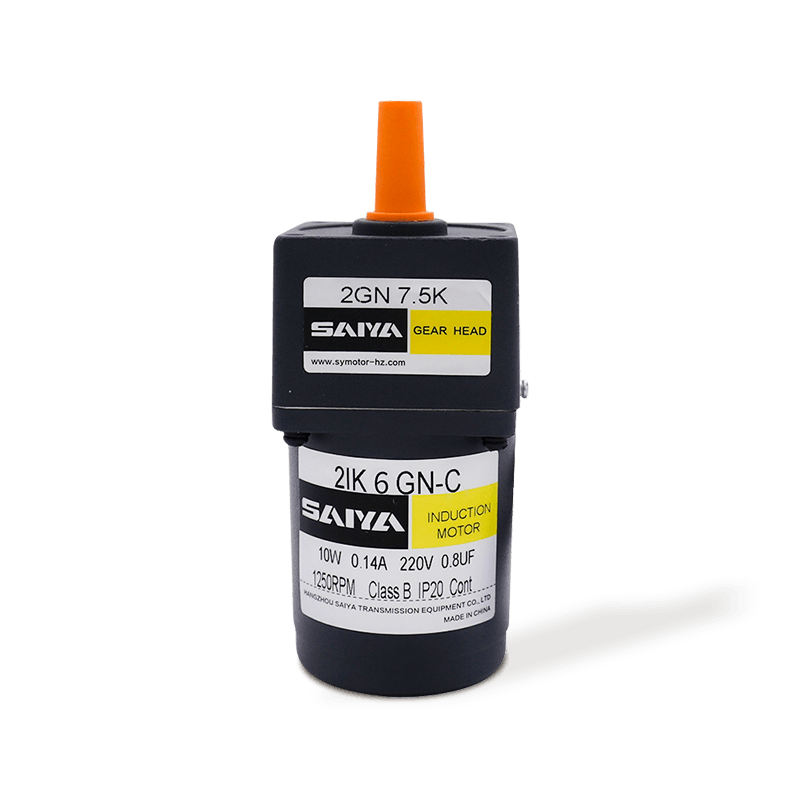
This 6W Induction AC Gear Motor is an efficient, compact and reliable small motor suitable for a wide range of industrial and household applications.Motor frame 60mm x 60mm making it easy to install ...
See Details -
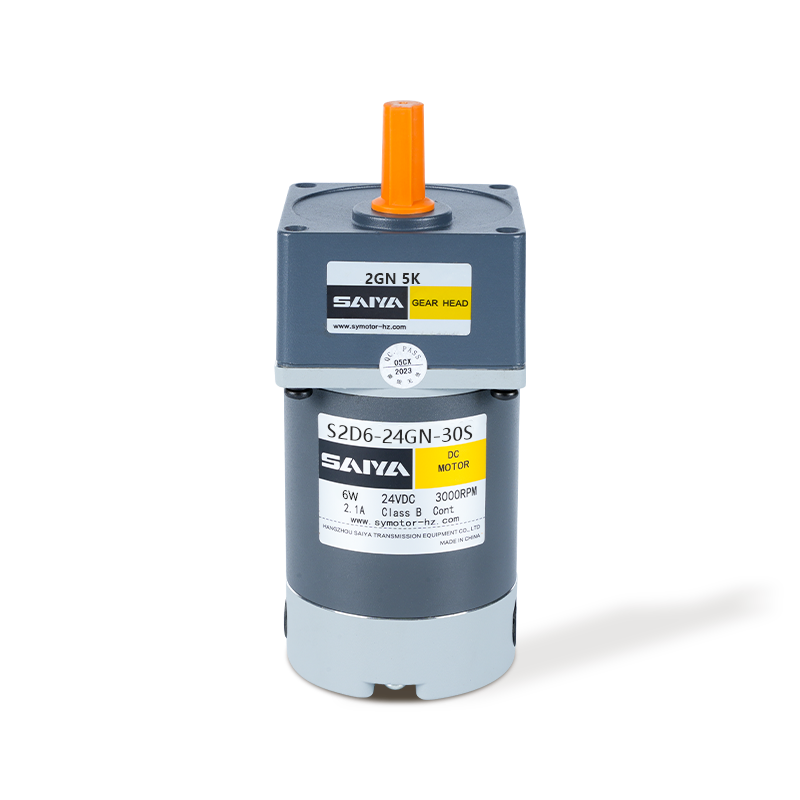
The 6W brush DC gbear motor is designed for efficiency and versatility, suitable for various applications. With a compact frame size of 60mm x 60mm, it fits seamlessly into tight spaces. The motor ope...
See Details -
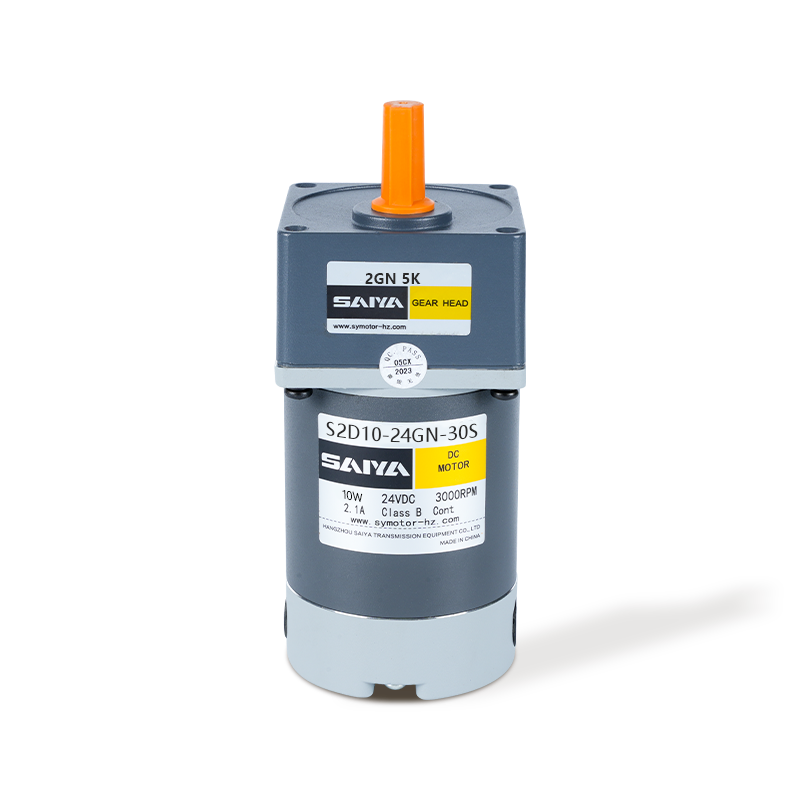
The 10W brush DC gear motor offers high performance and adaptability, for a range of industrial and hobbyist applications. With a frame size of 60mm x 60mm, this motor is designed to fit into confined...
See Details -
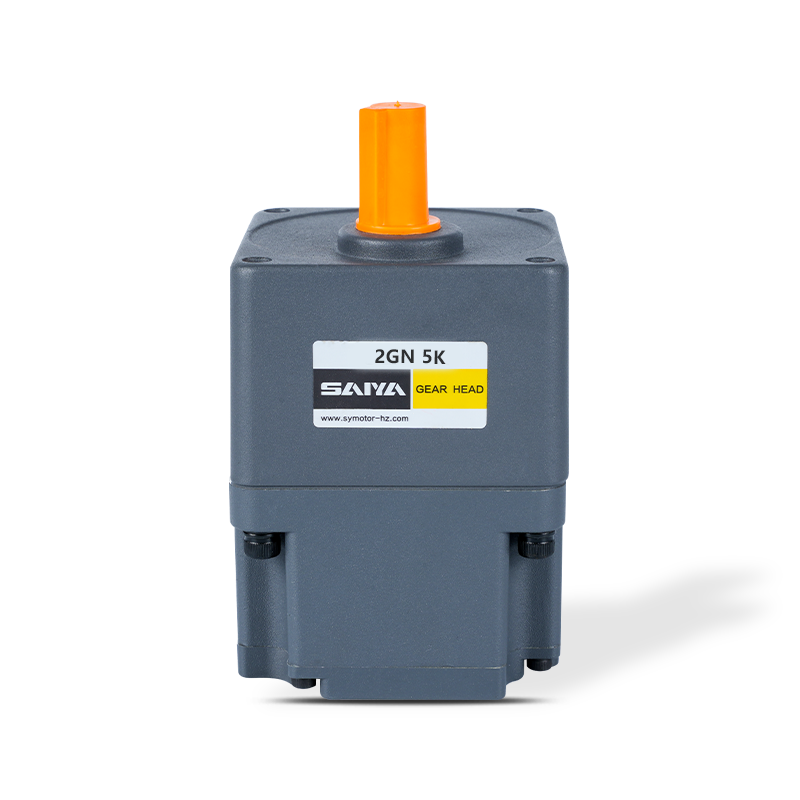
The 24V Brushless Gear Motor is a versatile and efficient motor designed for a range of applications. With dimensions ranging from 60mm x 60mm to 104mm x 104mm, this motor can fit into various equipme...
See Details -
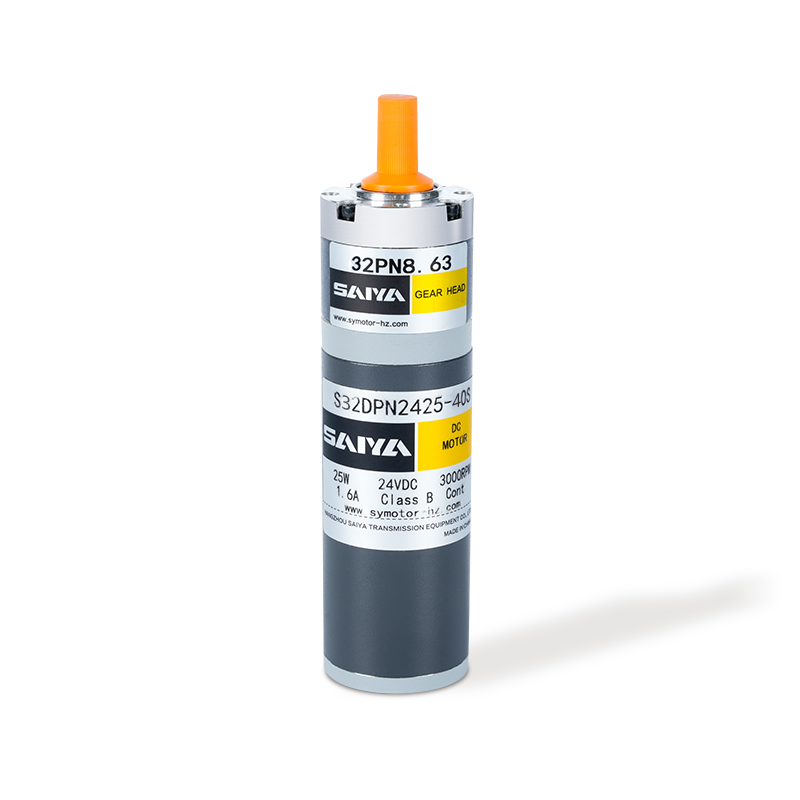
The 32mm brushed planetary gear motor is a compact and efficient solution designed for various applications requiring high torque and precise control. With a diameter of 32mm, this motor is ideally su...
See Details -
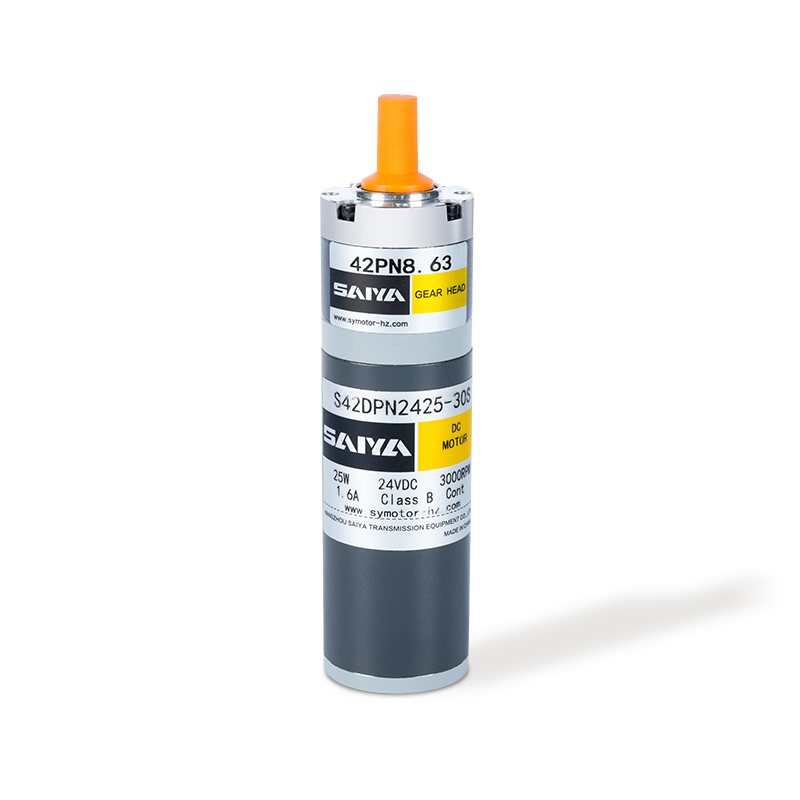
The 42mm brush planetary gear motor is a versatile and efficient component widely used in various applications requiring precise torque and speed control. With a rated current ranging from 0.7 to 1.1A...
See Details -
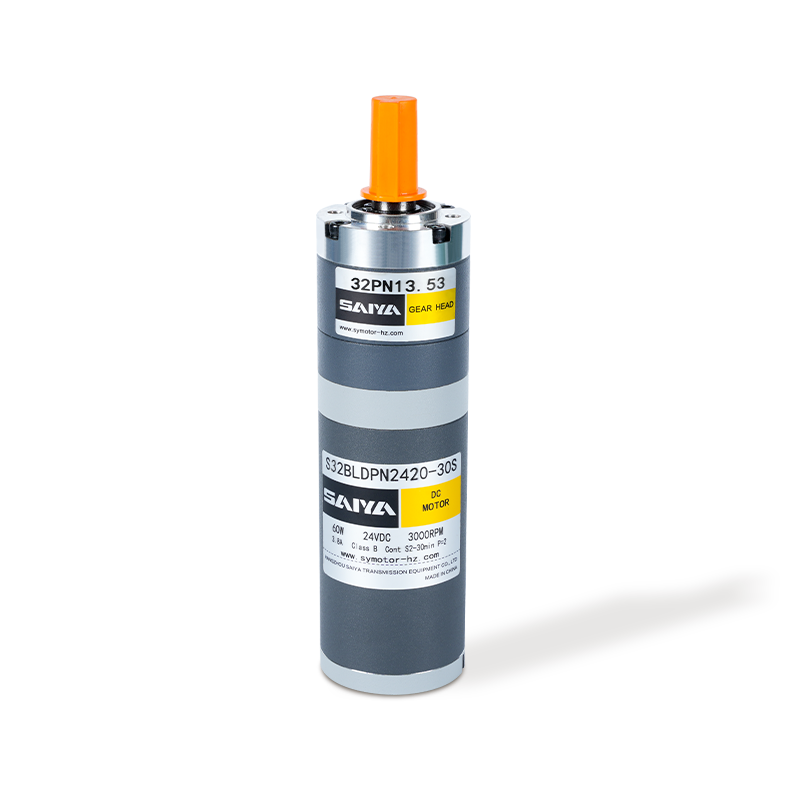
The 32mm Brushless Planetary Gear Motor is a high-performance, compact solution ideal for applications requiring efficiency and reliability. Operating at a rated voltage of 24V and consuming 20W of po...
See Details -
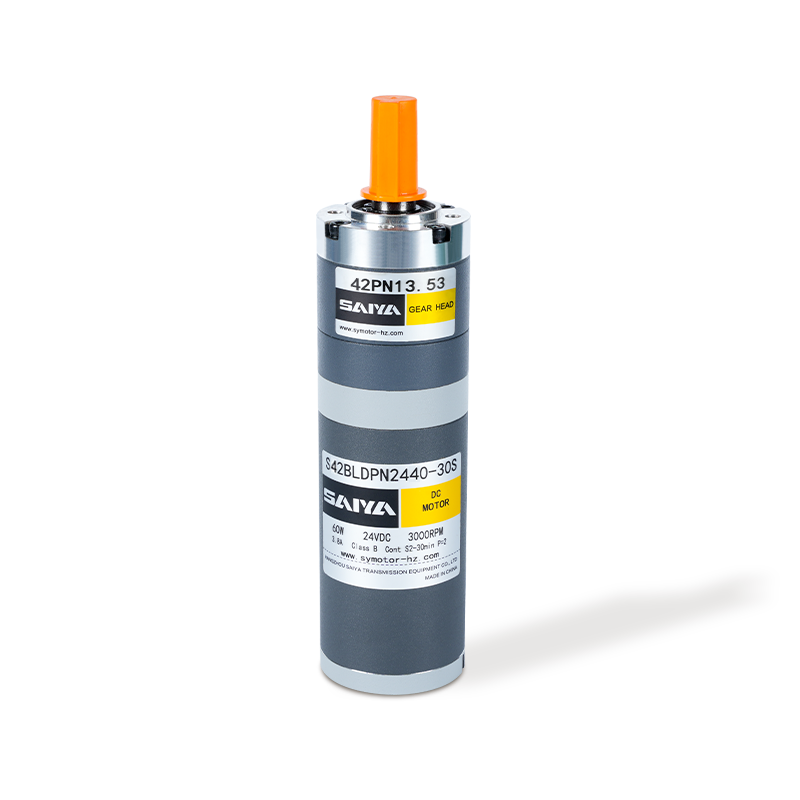
The 42mm brushless planetary motor is a high-efficiency motor product that is widely used in various scenarios requiring precision transmission. The rated current of this motor is 1.3A and the rated t...
See Details -
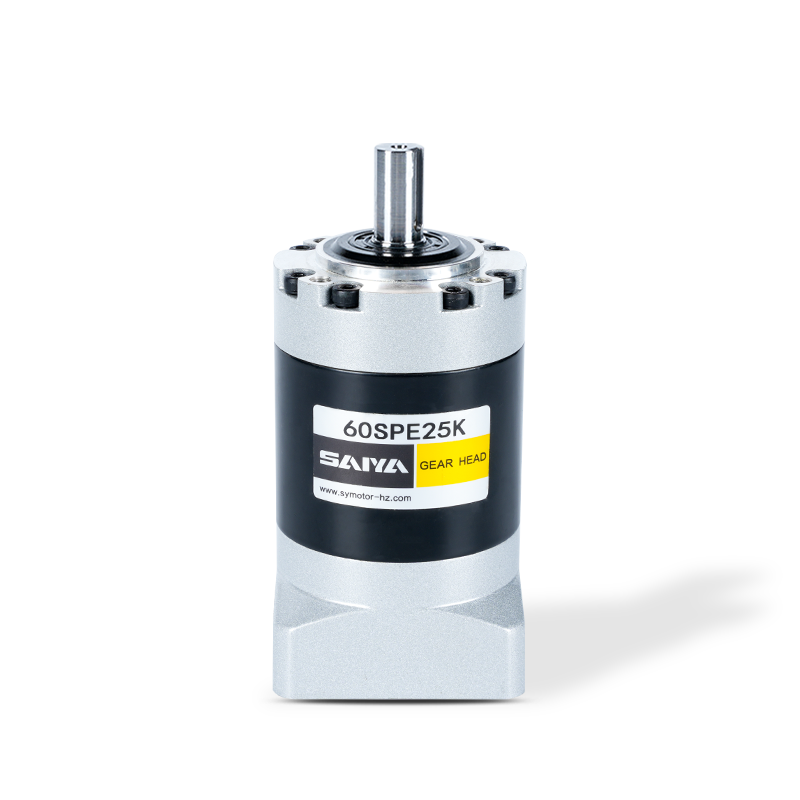
The SPE series gearboxes, flange size range with 40, 60, 80, 120, and 160 models, are designed to provide efficient and robust power transmission solutions. These gearboxes feature a round output flan...
See Details -
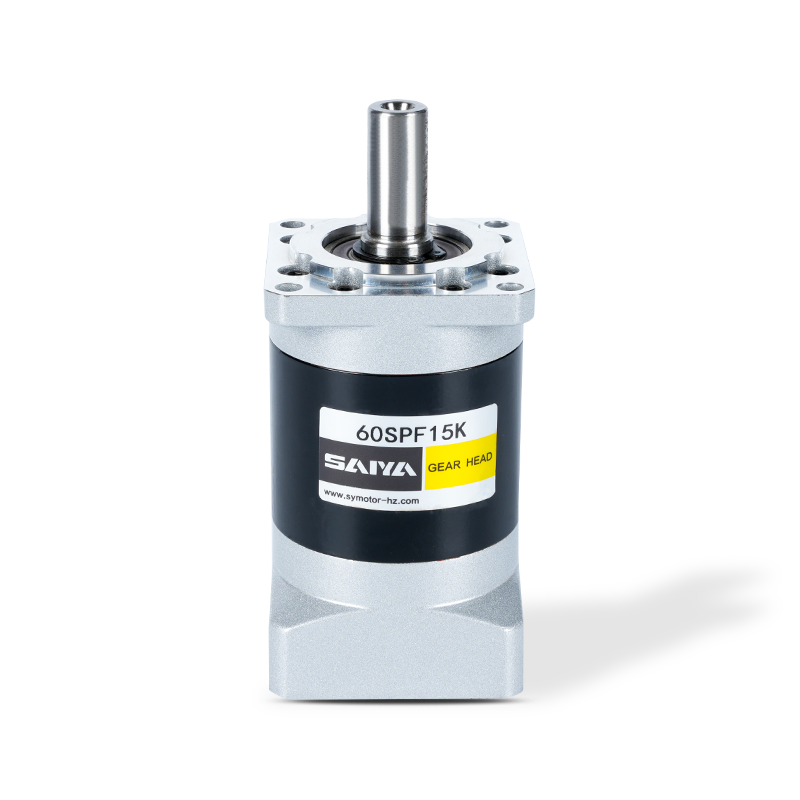
The SPF series are with square output flanges, accommodating dimensions from 40mm to 160mm. These flanges are engineered to excel in various industrial applications, offering reliable performance acro...
See Details -
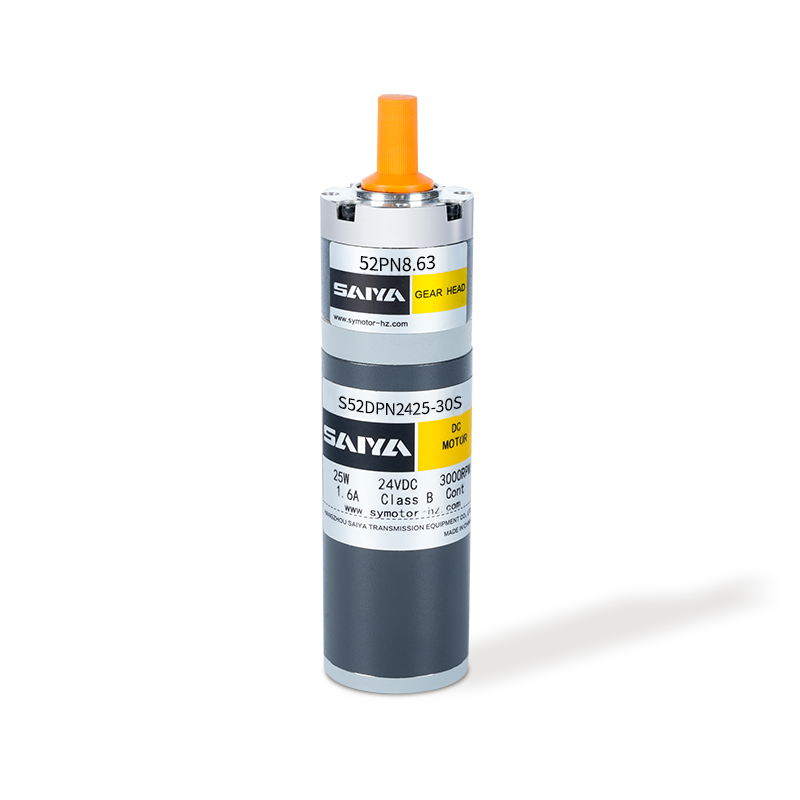
The 52mm brushed planetary gear motor is a compact and efficient solution designed for various applications requiring high torque and precise control. With a diameter of 52mm, this motor is ideally su...
See Details -
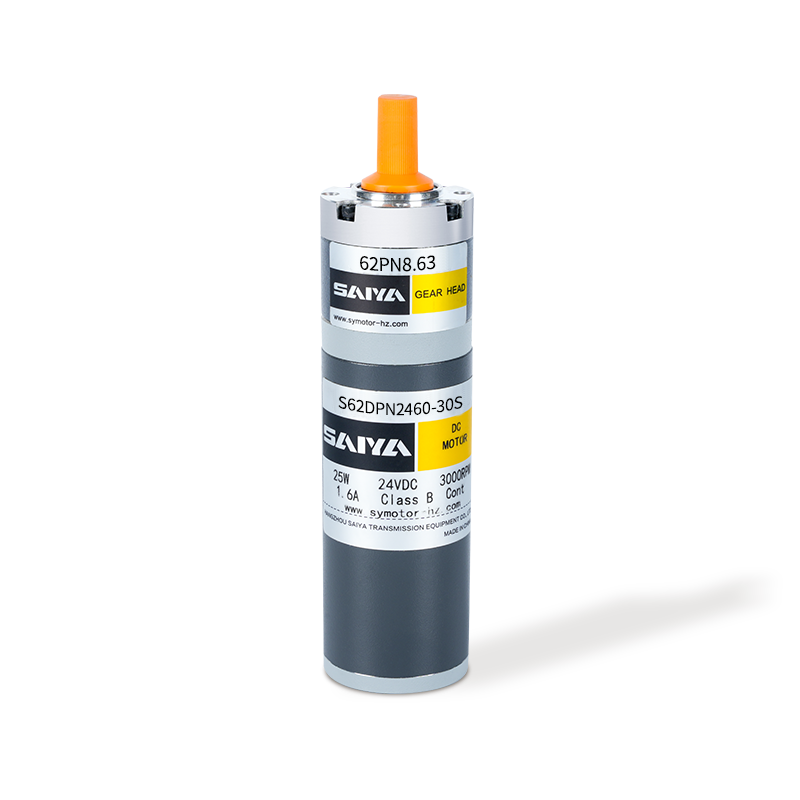
The 62mm brush planetary gear motor is a versatile and efficient component widely used in various applications requiring precise torque and speed control. With a rated current ranging from 2.5 to 5.5A...
See Details
CONTACT DETAILS
- TEL: 0086-0571-86951513/86951543
- Fax: 0086-571-86040769
- E-mail: [email protected] / [email protected] / [email protected]
- Office: Hangzhou Saiya Transmisson Equipment Co.,Ltd
- Office Address: Room 2201, Wanyin building, Hangzhou City, Zhejiang Province
- Factory: Zhejiang Saiya Intelligent Manufacturing Co., Ltd.
- Factory Address: No.35 Building , Zhongnan High-tech Yunhe Zhigu Industrial Park, Xinan town, Deqing county, Huzhou city, Zhejiang, China
QUICK LINK
PRODUCT
If You Are Intrested
In Our Products,
Please Consult Us
Copyright © Zhejiang Saiya Intelligent Manufacturing Co., Ltd. All Rights Reserved.
Custom Gear Reduction Motors Suppliers
