 EN
EN  English
 中文简体
中文简体 русский
 Español
Home / News / Industry News / Why Are Brushless DC Gear Motors More Efficient Than Traditional Motors?


Application Industry
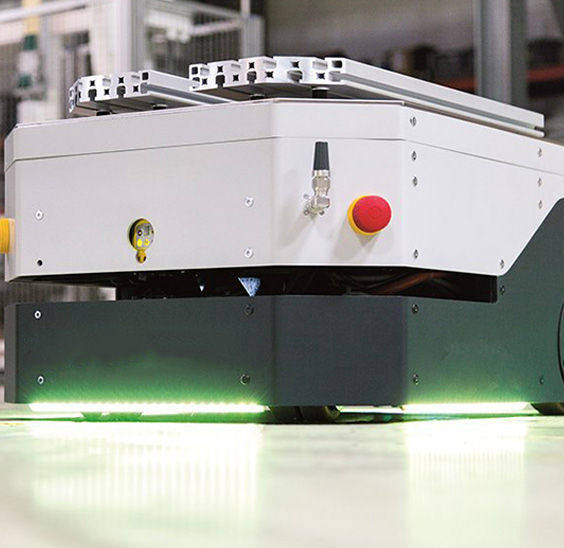
AGV

Automated robots
laser cutting

Logistics sorting

Photovoltaic power-station
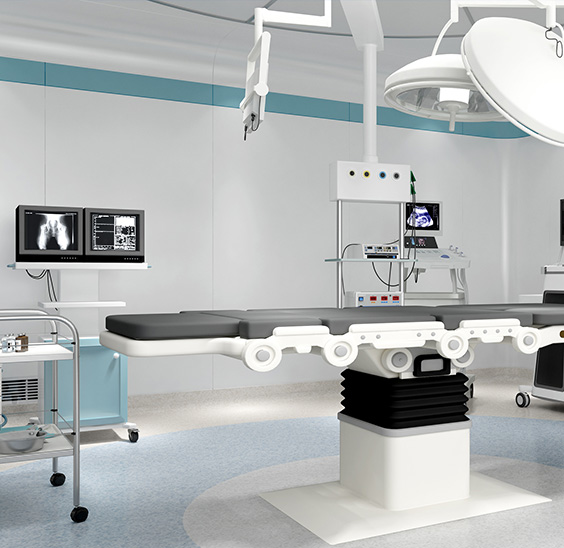
Medical devices
Why Are Brushless DC Gear Motors More Efficient Than Traditional Motors?
Brushless DC gear motors represent a high-performance, long-lasting power transmission solution that integrates brushless DC motor technology and precision gearboxes. The core conclusion is that these motors deliver 30% higher energy efficiency, 5 times longer service life, and lower operational noise compared to traditional brushed motor gear systems, making them the optimal choice for intelligent, continuous-operation industrial and commercial equipment.
Unlike brushed motors that rely on physical commutation brushes, brushless DC gear motors use electronic commutation, eliminating mechanical wear and sparking. When paired with gearboxes, they convert high-speed motor rotation into controllable low-speed, high-torque output, perfectly balancing power performance and motion stability. This combination of efficiency, durability, and controllability cannot be matched by conventional motor drive solutions in most modern application scenarios.
For end-users and equipment designers, the core value of brushless DC gear motors lies in their ability to reduce long-term maintenance costs, improve equipment operational stability, and lower energy consumption. Whether used in automated production lines, smart home devices, medical instruments, or automotive systems, they provide consistent and reliable power output while adapting to complex working environments such as high and low temperatures, dust, and continuous operation.
Structural Composition and Working Principle of Brushless DC Gear Motors
Core Structural Components
A complete brushless DC gear motor consists of two core modules: the brushless DC motor body and the matched gear reduction box, with a rotor position sensor and electronic control module as auxiliary components. Each component plays an irreplaceable role in the overall operation of the motor.
- Stator and rotor: The stator is composed of coil windings, and the rotor uses permanent magnets, forming the core power generation structure without physical brushes
- Electronic commutation module: Replaces traditional brushes, controls current direction according to rotor position, and achieves continuous rotation
- Gear reduction system: Composed of gears of different sizes, it reduces output speed and increases output torque
- Housing and bearings: Provide physical protection and rotational support, adapting to various environmental conditions
Operating Principle
The working principle of brushless DC gear motors is divided into two parts: motor drive and gear reduction. The brushless motor part converts DC electrical energy into mechanical energy through electronic commutation. The rotor position sensor feeds back the real-time position of the permanent magnet rotor to the control module, which then switches the current direction of the stator windings at the optimal time, generating a rotating magnetic field to drive the rotor to rotate.
The high-speed rotation output by the motor is transmitted to the gear reduction box, where the gear meshing transmission reduces the speed and amplifies the torque. For example, a motor rotating at thousands of revolutions per minute can be adjusted to a low speed of tens of revolutions per minute through the gearbox, while the output torque is increased by multiple times, meeting the torque requirements of mechanical equipment for pulling, lifting, rotating, and conveying.
The electronic control system also supports real-time adjustment of speed and torque, enabling stepless speed regulation and precise position control. This closed-loop control capability makes brushless DC gear motors far superior to traditional fixed-speed motors in terms of motion accuracy and response speed.
Key Performance Advantages Over Traditional Motor Systems
Exceptional Energy Efficiency
Energy efficiency is the most prominent advantage of brushless DC gear motors. Traditional brushed motors have large energy loss due to brush friction and commutation sparks, with an average efficiency of only 60%-70%. In contrast, brushless DC gear motors eliminate mechanical commutation loss, with an efficiency of up to 90% or more, and can maintain high efficiency even under partial load conditions.
In practical applications, this efficiency advantage directly translates into lower power consumption. For equipment that operates continuously for 24 hours, using brushless DC gear motors can reduce monthly electricity costs by nearly one-third compared to brushed motors, bringing significant economic benefits to industrial production and commercial operations.
Ultra-Long Service Life and Low Maintenance
Brushes in traditional motors are vulnerable parts that need to be replaced every 1000-2000 hours, limiting the service life of the entire motor. Brushless DC gear motors have no wearing parts such as brushes, and their service life can reach more than 10,000 hours under normal working conditions, which is 5-10 times that of brushed motors.
This characteristic greatly reduces maintenance frequency and costs. Equipment using brushless DC gear motors can achieve maintenance-free operation for a long time, which is critical for equipment installed in high-altitude, closed, or hard-to-reach locations. It not only saves maintenance labor and time costs but also avoids production shutdowns caused by motor failures.
Low Noise, Low Vibration, and High Stability
The absence of brush friction and sparking makes brushless DC gear motors operate with extremely low noise, generally 10-15 decibels lower than brushed motors of the same power. At the same time, the precision gear design and balanced rotor structure reduce operational vibration, ensuring stable operation of the equipment.
This advantage is particularly important in medical equipment, smart home appliances, and office automation equipment. Low noise and low vibration improve user experience and product quality, while high stability ensures the accuracy and reliability of equipment operation, avoiding errors caused by motor vibration.
Wide Environmental Adaptability
Brushless DC gear motors can work stably in harsh environments such as high dust, high humidity, high and low temperatures. The fully enclosed structure prevents dust and moisture from entering the interior, and the electronic components have high temperature resistance, ensuring normal operation in environments ranging from sub-zero temperatures to high temperatures above 40 degrees Celsius.
In outdoor equipment, automotive power systems, and industrial automation lines, traditional motors often fail due to environmental factors, while brushless DC gear motors maintain stable performance, greatly expanding the application scope of motor drive solutions.
Classification of Gearboxes for Brushless DC Gear Motors
The gearbox is a core component that determines the torque, speed, and transmission accuracy of brushless DC gear motors. Different types of gearboxes are suitable for different application scenarios, and their performance characteristics vary greatly.
| Gearbox Type | Torque Performance | Transmission Accuracy | Application Scenarios |
|---|---|---|---|
| Spur Gear | Medium | General | Home appliances, small power tools |
| Planetary Gear | High | High | Automation equipment, medical devices |
| Worm Gear | Medium-High | Medium | Lifting equipment, slow transmission systems |
Spur Gearboxes
Spur gearboxes are the most common and cost-effective type, with a simple structure and easy processing. They are suitable for low-cost, low-precision requirements, such as smart home curtains, small electric toys, and daily household appliances. Their disadvantage is that they have large backlash and relatively low transmission accuracy, making them unsuitable for high-precision motion control.
Planetary Gearboxes
Planetary gearboxes feature compact structure, small size, high torque density, and extremely high transmission accuracy. The multi-gear meshing design distributes the load evenly, enabling high torque output while maintaining a small size. They are widely used in high-precision scenarios such as industrial robots, medical testing equipment, automated production lines, and automotive powertrains, and are the preferred gearbox for high-end brushless DC gear motors.
Worm Gearboxes
Worm gearboxes have a self-locking function, meaning the motor can lock the output shaft when stopped, preventing reverse rotation. They are suitable for lifting, tilting, and fixed-position equipment, such as electric lifts, solar panel brackets, and medical beds. Although their transmission efficiency is slightly lower than that of planetary gearboxes, their self-locking characteristic is irreplaceable in specific scenarios.
Main Application Fields of Brushless DC Gear Motors
Industrial Automation Equipment
Industrial automation is the largest application field of brushless DC gear motors. Automated production lines, conveyor belts, robotic arms, packaging machines, and sorting equipment all require stable, high-torque, maintenance-free drive solutions. Brushless DC gear motors meet the 24-hour continuous operation needs of industrial equipment, improve production efficiency, and reduce failure rates.
In automated assembly lines, the precise speed regulation and position control functions of these motors ensure the accuracy of product assembly, while their high efficiency reduces the energy consumption of the entire production line. For large-scale industrial manufacturing, the widespread use of brushless DC gear motors directly promotes the upgrading of intelligent manufacturing.
Medical Device Industry
Medical equipment has extremely high requirements for motor noise, stability, and accuracy, making brushless DC gear motors the only choice. Medical testing instruments, surgical robots, electric beds, ventilators, and rehabilitation equipment all rely on these motors to provide quiet and stable power output.
The low vibration characteristic ensures the accuracy of medical testing, the low noise creates a quiet medical environment, and the long service life avoids frequent equipment maintenance. In portable medical devices, the high efficiency of brushless DC gear motors also extends battery life, improving the practicality of mobile medical equipment.
Smart Home and Office Equipment
Smart home appliances such as electric curtains, smart toilets, air purifiers, and kitchen automation equipment, as well as office equipment like printers and scanners, use brushless DC gear motors. The low noise and small size improve user experience, while energy efficiency reduces daily power consumption.
With the popularization of smart homes, the demand for brushless DC gear motors is growing rapidly. Their ability to achieve precise control and remote adjustment matches the development trend of intelligent and automated home equipment, becoming a core component of the smart home industry chain.
Automotive Electronics and New Energy Vehicles
In the automotive field, brushless DC gear motors are used in electric windows, seat adjustment, cooling fans, electric parking brakes, and new energy vehicle thermal management systems. Automotive-grade motors require high environmental adaptability and service life, and brushless DC gear motors fully meet these stringent requirements.
In new energy vehicles, high efficiency is particularly critical, as it directly affects battery life. The lightweight and compact design also helps reduce vehicle weight, further improving energy utilization efficiency, making brushless DC gear motors an indispensable part of automotive electrification.
Aerospace and Intelligent Robots
High-end brushless DC gear motors are used in aerospace equipment, drones, and intelligent robots due to their light weight, high power density, and high reliability. Robot joint motion, drone flight control, and aerospace actuator systems all require ultra-precise and stable drive support.
These application scenarios have zero tolerance for motor failure, and the long-life and maintenance-free characteristics of brushless DC gear motors ensure the safe and stable operation of high-end equipment, supporting the development of cutting-edge technologies such as intelligent robots and aerospace.
Selection Guidelines for Brushless DC Gear Motors
Correct selection is crucial to ensure the motor meets application requirements and maximizes performance. The selection process needs to comprehensively consider multiple parameters and application conditions to avoid mismatches that lead to poor performance or shortened service life.
Determine Core Power Parameters
First, clarify the required output torque and working speed of the equipment. The torque determines the load capacity of the motor, and the speed determines the operating efficiency of the equipment. It is necessary to select a motor with a torque value 20% higher than the actual demand as a safety margin to prevent overload operation.
At the same time, determine the input voltage according to the power supply conditions, such as 12V, 24V, or 48V DC power supply. Matching the voltage with the power supply can ensure the motor works stably and avoid damage caused by voltage mismatch.
Select the Appropriate Gearbox Type
Choose the gearbox type based on accuracy and space requirements: for high-precision and compact spaces, select a planetary gearbox; for cost-sensitive and general-precision scenarios, select a spur gearbox; for equipment requiring self-locking, select a worm gearbox.
The reduction ratio of the gearbox is calculated according to the motor's rated speed and the required output speed. A reasonable reduction ratio ensures the motor runs in the optimal speed range, maximizing efficiency and service life.
Consider Environmental and Installation Conditions
According to the operating environment, select a motor with a protection level of IP54 or above for dusty and humid environments, which can effectively prevent internal damage. At the same time, determine the installation method (flange installation, shaft installation, etc.) according to the equipment structure to ensure convenient installation and firm fixation.
Control Function Requirements
If the equipment requires speed regulation, position control, or forward/reverse rotation, select a brushless DC gear motor with a built-in drive module or external controller support. Open-loop control is suitable for general scenarios, while closed-loop control with feedback is recommended for high-precision control needs to achieve real-time parameter correction.
Installation, Maintenance, and Fault Prevention
Standard Installation Requirements
Correct installation is the basis for the long-term stable operation of brushless DC gear motors. During installation, avoid knocking the motor shaft and gearbox to prevent internal gear damage; ensure the motor is firmly fixed to avoid loosening caused by vibration; the load connected to the output shaft must be centered, without eccentric force or radial overload.
The wiring connection must be correct, following the wiring diagram provided by the motor. Reverse wiring will damage the electronic control module. For motors with controllers, parameter settings should be completed before power-on testing to avoid sudden startup, causing safety risks.
Routine Maintenance Measures
Brushless DC gear motors are maintenance-free under normal operating conditions, but regular inspections can further extend their service life. Regularly check whether the motor housing is overheated (normal operating temperature is below 60°C), whether there is abnormal noise or vibration, and whether the wiring terminals are loose.
For gearboxes using lubricating grease, supplementary lubrication can be performed every 3000-5000 hours according to the usage intensity to keep the gears in good lubrication condition and reduce wear. Avoid using the motor in overload for a long time, which is the most effective way to prevent premature failure.
Common Faults and Solutions
- Motor does not start: Check power supply voltage, wiring correctness, and whether the load is stuck; eliminate circuit and load faults first
- Abnormal noise: Check for loose installation, gear wear, or insufficient lubrication; tighten fasteners or replace lubricating grease
- Overheating: Reduce operating load, improve ventilation environment, and avoid continuous high-load operation
- Speed instability: Check controller parameters, power supply stability, and whether the rotor position sensor is normal
Most faults are caused by improper use or installation rather than motor quality problems. Standardized operation and regular inspections can effectively reduce the fault rate and ensure the motor maintains optimal performance.
Future Development Trends of Brushless DC Gear Motors
With the development of electronic technology, material science, and intelligent manufacturing, brushless DC gear motors are moving towards higher performance, miniaturization, intelligence, and integration, and will play a greater role in more fields.
Higher Efficiency and Power Density
The application of new magnetic materials and high-performance coils will further improve the efficiency of brushless motors to over 95%, while the power density will be greatly increased. Smaller motors can output higher torque, meeting the miniaturization and lightweight needs of advanced equipment.
Intelligent Integration and Digital Control
Future brushless DC gear motors will integrate more intelligent control modules, supporting wireless communication, IoT interconnection, and autonomous fault diagnosis. The motor can automatically adjust operating parameters according to load changes, achieving fully autonomous intelligent operation and adapting to the needs of smart factories and digital equipment.
Wide Application in Emerging Fields
Emerging fields such as service robots, drone logistics, wearable medical devices, and marine equipment will bring new demand growth for brushless DC gear motors. Their high performance, reliability, and adaptability will become the core driving force for technological innovation in these fields.
In the context of global energy conservation and emission reduction, high-efficiency brushless DC gear motors will replace traditional low-efficiency motors on a large scale, becoming the mainstream solution for power transmission in the industrial, commercial, and residential sectors, and making important contributions to green and low-carbon development.
Related products
-
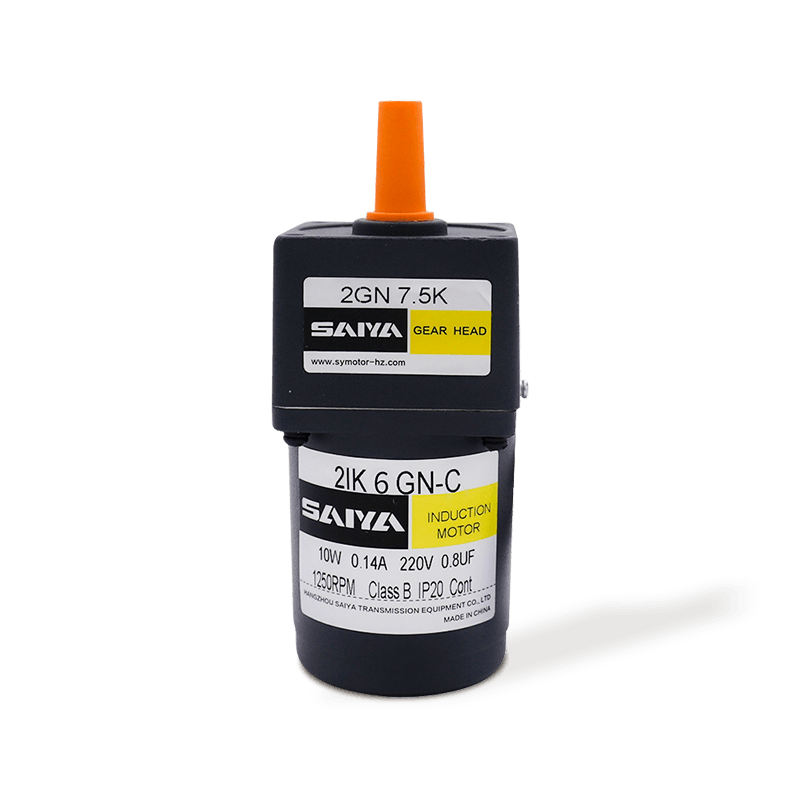
This 6W Induction AC Gear Motor is an efficient, compact and reliable small motor suitable for a wide range of industrial and household applications.Motor frame 60mm x 60mm making it easy to install ...
See Details -
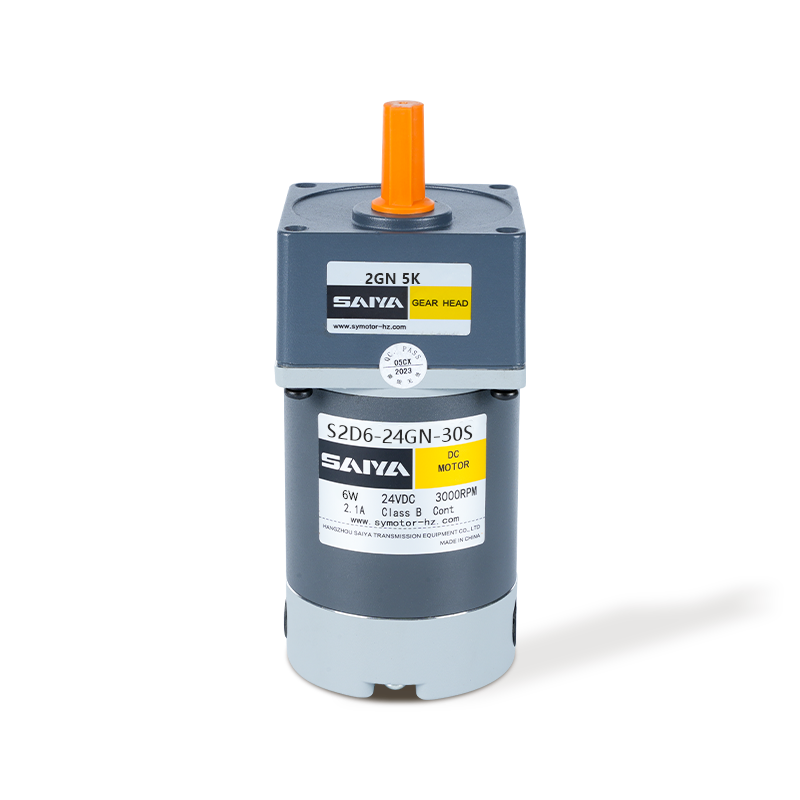
The 6W brush DC gbear motor is designed for efficiency and versatility, suitable for various applications. With a compact frame size of 60mm x 60mm, it fits seamlessly into tight spaces. The motor ope...
See Details -
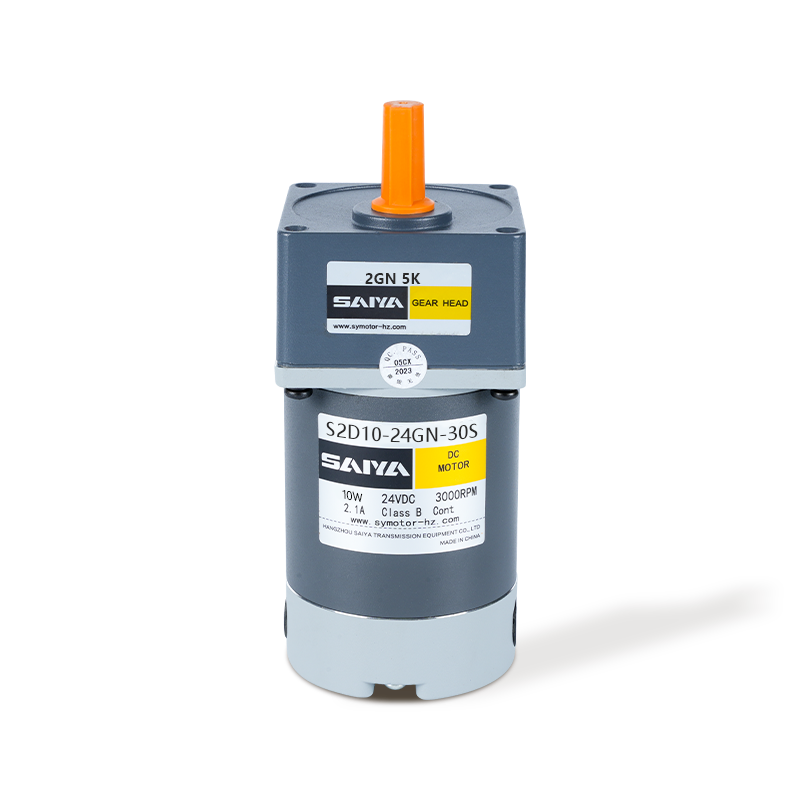
The 10W brush DC gear motor offers high performance and adaptability, for a range of industrial and hobbyist applications. With a frame size of 60mm x 60mm, this motor is designed to fit into confined...
See Details -
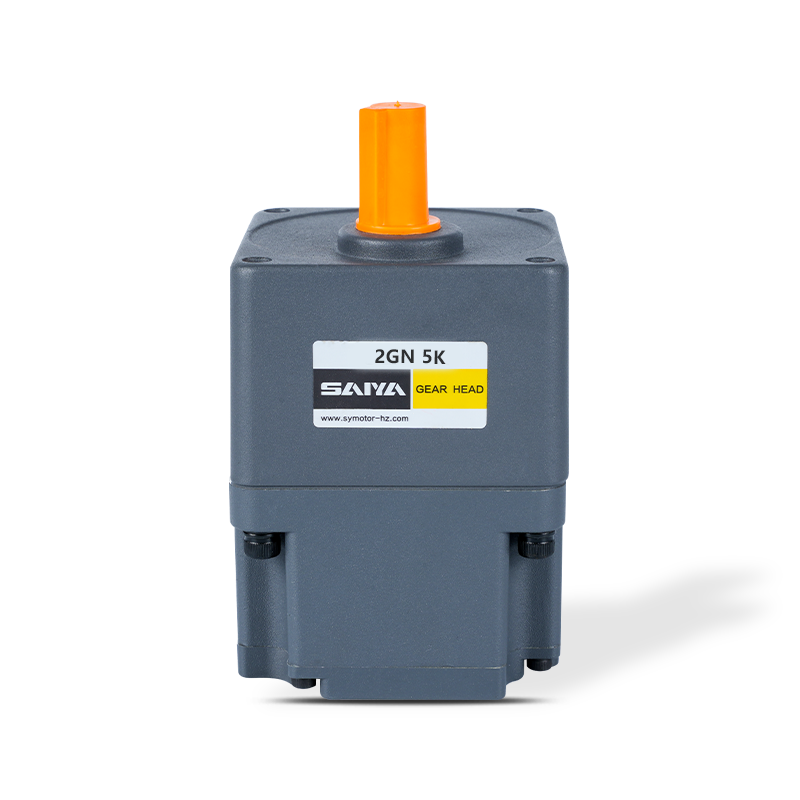
The 24V Brushless Gear Motor is a versatile and efficient motor designed for a range of applications. With dimensions ranging from 60mm x 60mm to 104mm x 104mm, this motor can fit into various equipme...
See Details -
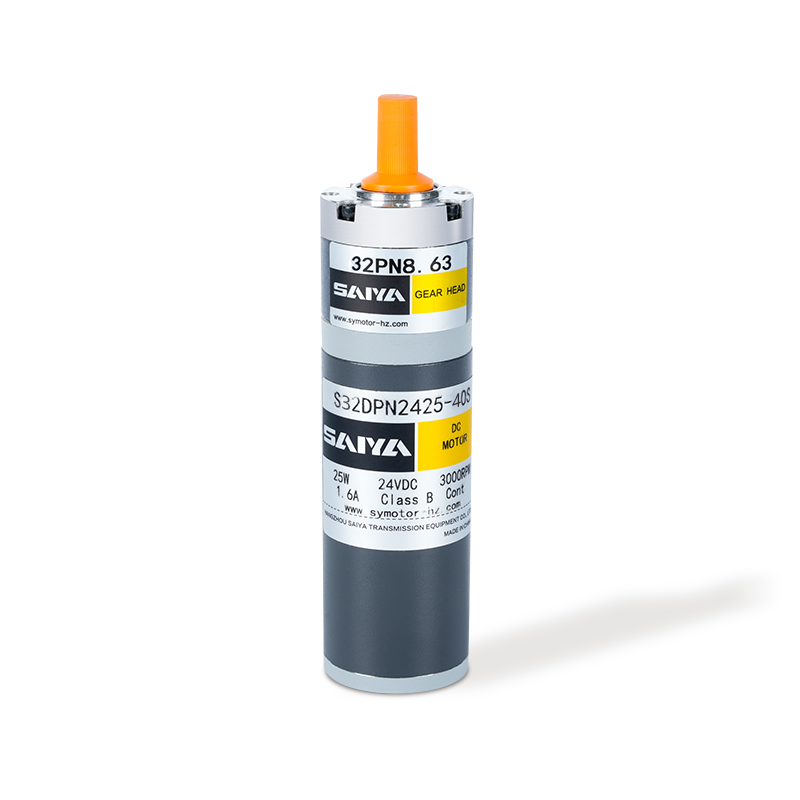
The 32mm brushed planetary gear motor is a compact and efficient solution designed for various applications requiring high torque and precise control. With a diameter of 32mm, this motor is ideally su...
See Details -
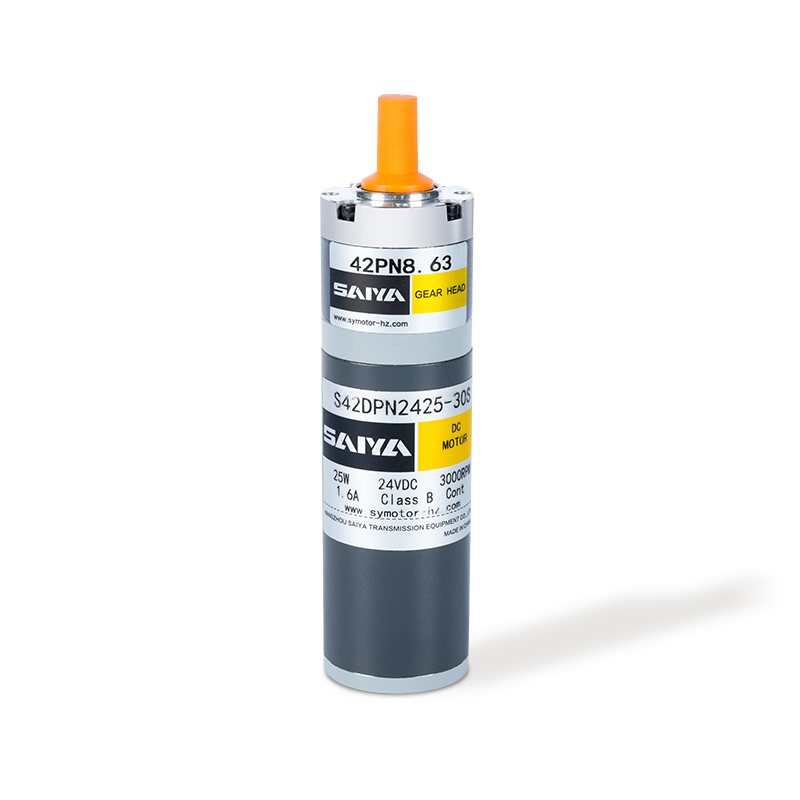
The 42mm brush planetary gear motor is a versatile and efficient component widely used in various applications requiring precise torque and speed control. With a rated current ranging from 0.7 to 1.1A...
See Details -
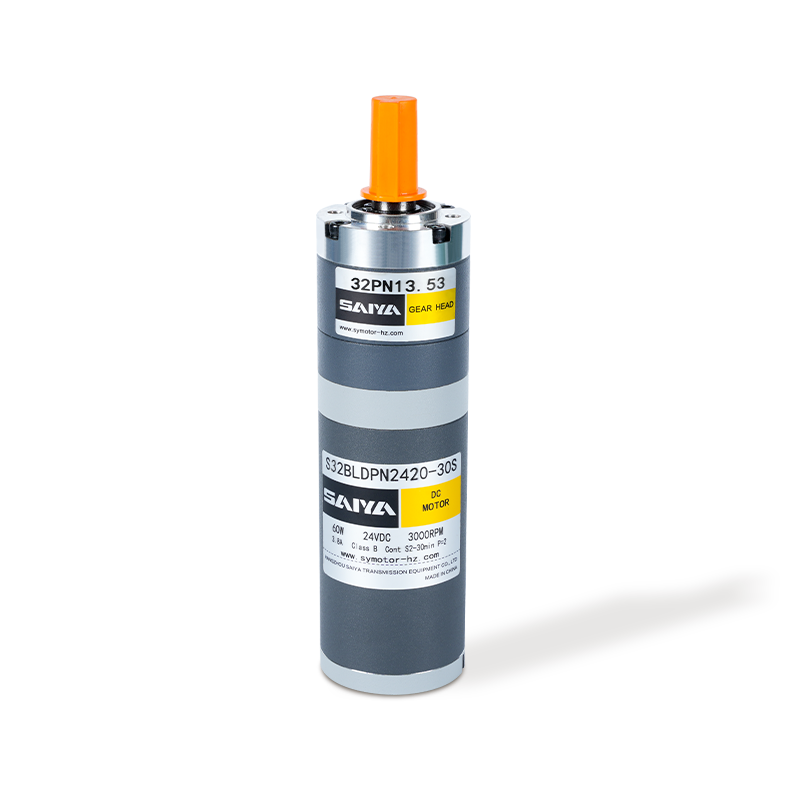
The 32mm Brushless Planetary Gear Motor is a high-performance, compact solution ideal for applications requiring efficiency and reliability. Operating at a rated voltage of 24V and consuming 20W of po...
See Details -
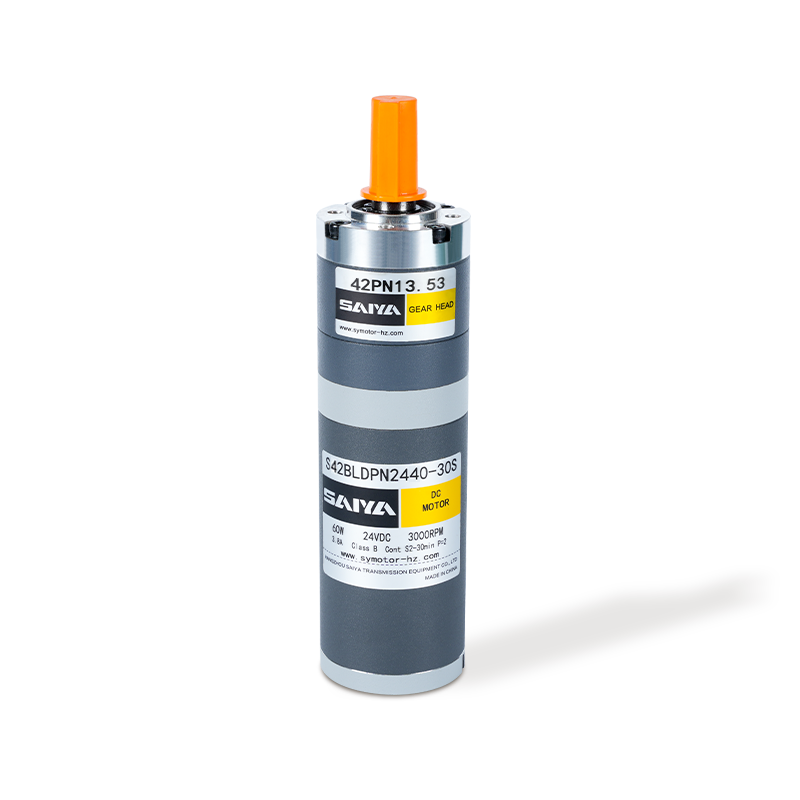
The 42mm brushless planetary motor is a high-efficiency motor product that is widely used in various scenarios requiring precision transmission. The rated current of this motor is 1.3A and the rated t...
See Details -
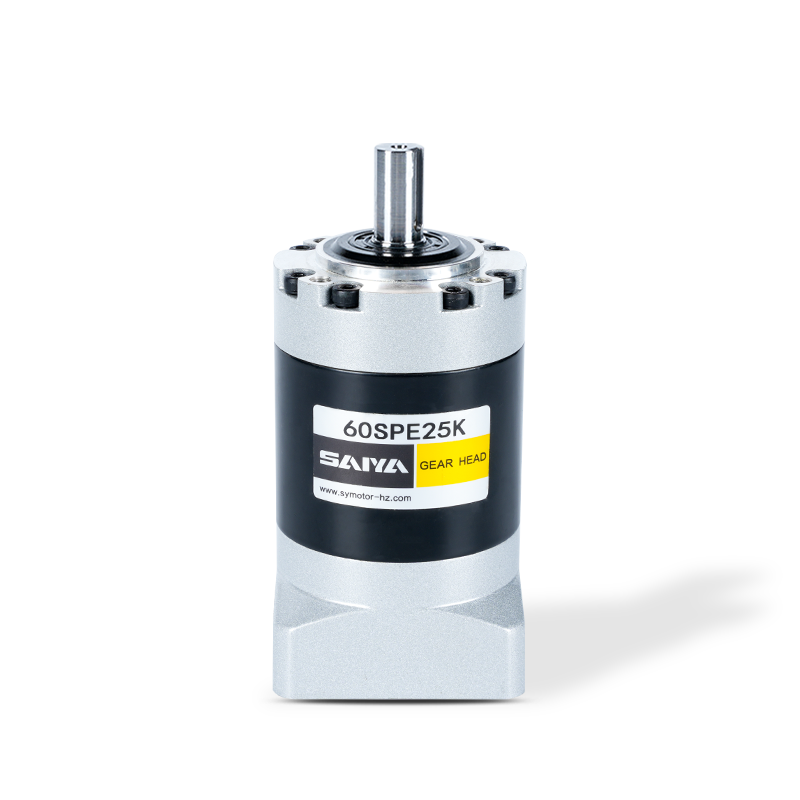
The SPE series gearboxes, flange size range with 40, 60, 80, 120, and 160 models, are designed to provide efficient and robust power transmission solutions. These gearboxes feature a round output flan...
See Details -
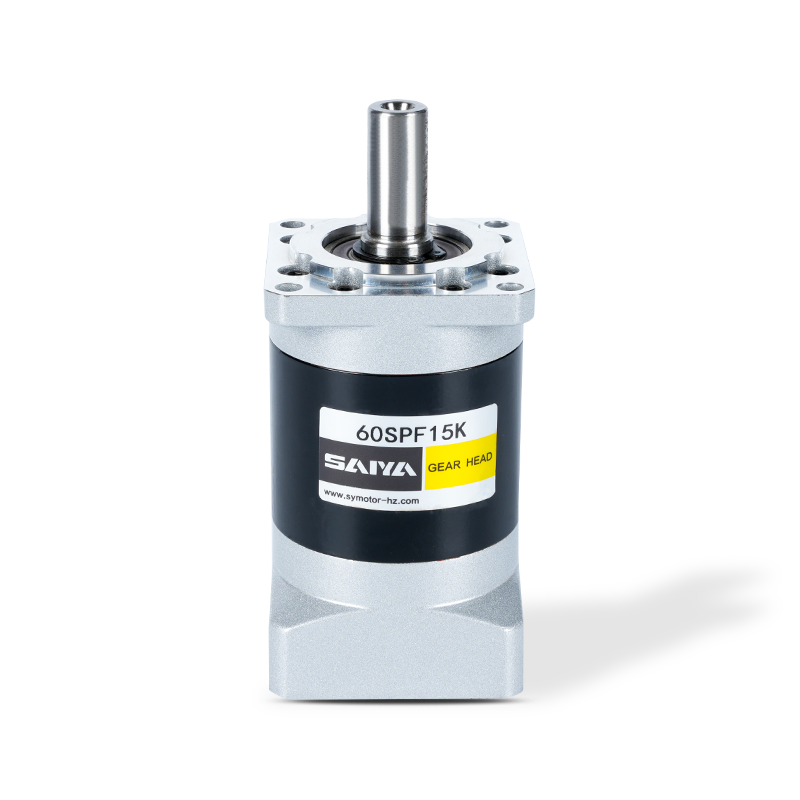
The SPF series are with square output flanges, accommodating dimensions from 40mm to 160mm. These flanges are engineered to excel in various industrial applications, offering reliable performance acro...
See Details -
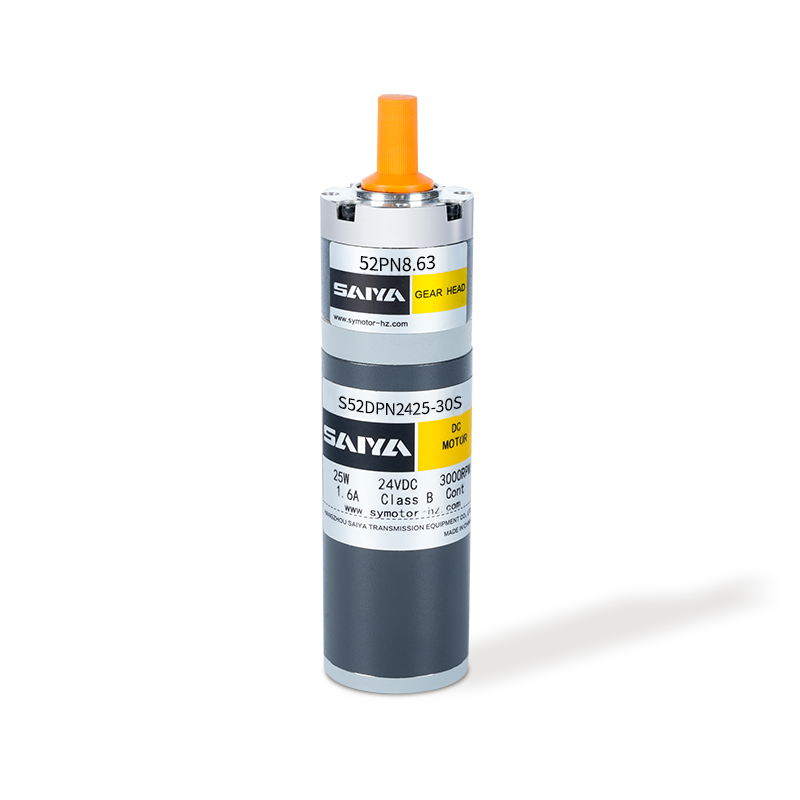
The 52mm brushed planetary gear motor is a compact and efficient solution designed for various applications requiring high torque and precise control. With a diameter of 52mm, this motor is ideally su...
See Details -
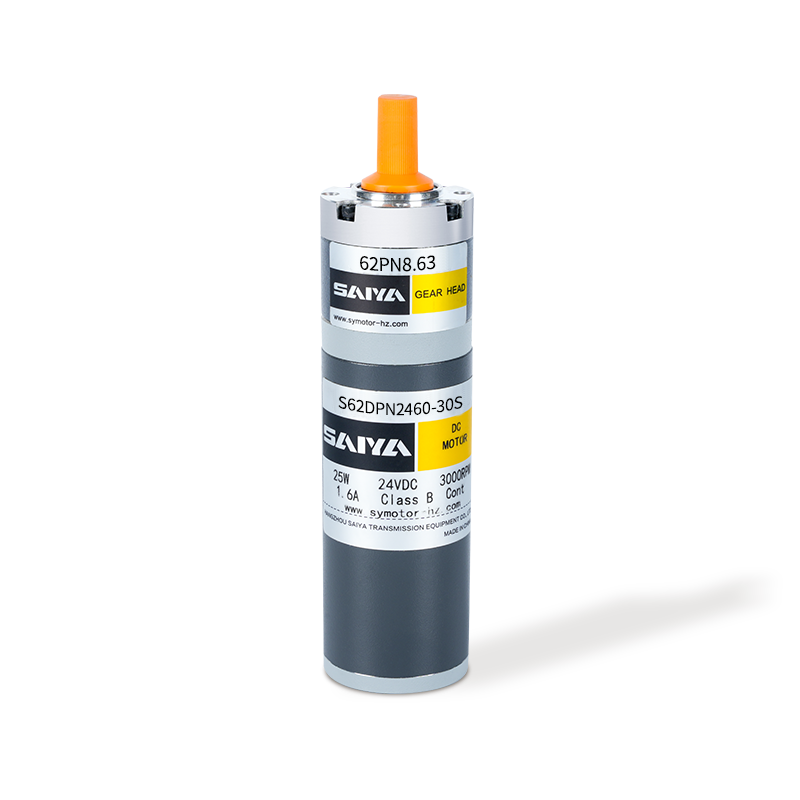
The 62mm brush planetary gear motor is a versatile and efficient component widely used in various applications requiring precise torque and speed control. With a rated current ranging from 2.5 to 5.5A...
See Details
CONTACT DETAILS
- TEL: 0086-0571-86951513/86951543
- Fax: 0086-571-86040769
- E-mail: [email protected] / [email protected] / [email protected]
- Office: Hangzhou Saiya Transmisson Equipment Co.,Ltd
- Office Address: Room 2201, Wanyin building, Hangzhou City, Zhejiang Province
- Factory: Zhejiang Saiya Intelligent Manufacturing Co., Ltd.
- Factory Address: No.35 Building , Zhongnan High-tech Yunhe Zhigu Industrial Park, Xinan town, Deqing county, Huzhou city, Zhejiang, China
QUICK LINK
PRODUCT
If You Are Intrested
In Our Products,
Please Consult Us
Copyright © Zhejiang Saiya Intelligent Manufacturing Co., Ltd. All Rights Reserved.
Custom Gear Reduction Motors Suppliers
