

 EN
EN  English
 中文简体
中文简体 русский
 Español
Application Industry
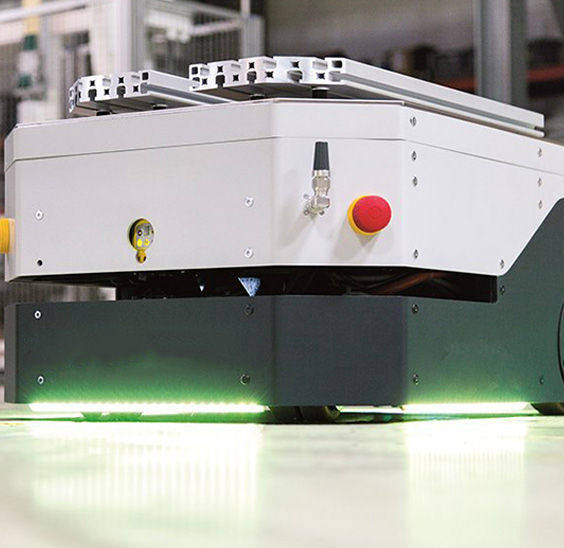
AGV

Automated robots
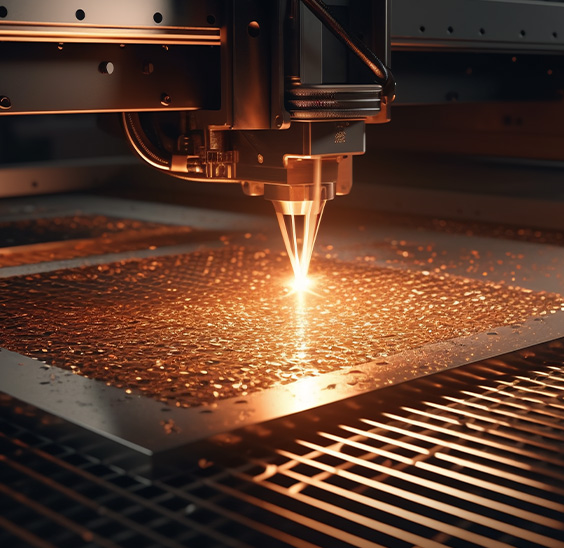
laser cutting

Logistics sorting

Photovoltaic power-station
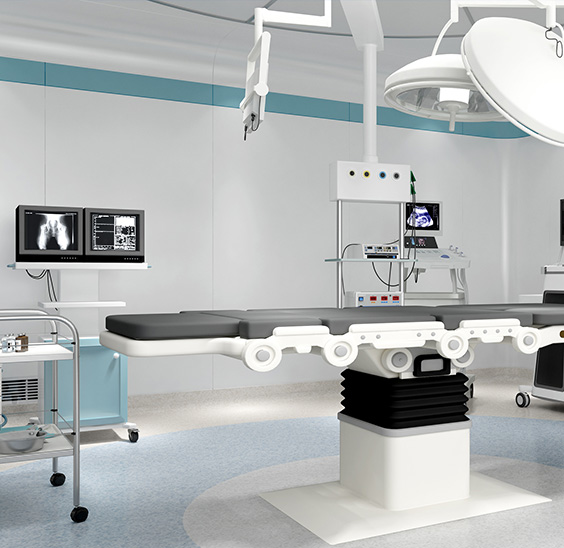
Medical devices
Why Choose a Precision Planetary Gearbox for High-Speed Applications?
The precision planetary gearbox stands as the pinnacle of mechanical transmission technology, specifically engineered to deliver exceptional positional accuracy alongside high torque density within a compact footprint. Unlike standard transmission systems, this mechanism utilizes a centralized sun gear orbiting multiple planetary gears, which effectively distributes load and reduces stress on individual teeth. This unique configuration ensures that the gearbox can handle significant torque while maintaining extremely low backlash, often critical in applications requiring intricate motion control. The direct conclusion for any engineer or designer is straightforward: when an application demands a combination of high rigidity, high efficiency, and compact size, the planetary gearbox is the superior mechanical solution.
Anatomy of the System: How It Works
To understand why this gearbox outperforms others, one must look at its internal architecture. The system consists of four primary components that work in unison to transfer power smoothly and efficiently.
Core Components
- Sun Gear: The central gear that drives the planetary gears.
- Planet Gears: Mounted on a carrier, they rotate around the sun gear and mesh with the ring gear.
- Ring Gear: The outer gear with internal teeth that engages the planetary gears.
- Carrier: Holds the planet gears in place and delivers the output torque.
By distributing the input load across multiple planet gears, the system achieves a higher torsional rigidity compared to parallel shaft gearboxes. This load sharing means that the contact area for power transmission is multiplied, allowing for smaller gear teeth to handle larger forces without failure.
Key Performance Advantages
The operational benefits of utilizing a planetary gearbox extend beyond mere torque multiplication. The design inherently solves several mechanical challenges that plague other gear types.
Critical Insight: Because the input and output shafts are coaxial, the planetary design saves significant space, making it ideal for compact machinery designs where every millimeter counts.
Efficiency and Thermal Management
One of the most significant metrics in mechanical transmission is efficiency. Precision planetary gearboxes typically boast efficiency ratings between 94% and 98% per stage. This high efficiency translates to less energy lost as heat, reducing the thermal load on the system and allowing for continuous operation without the need for extensive cooling systems.
Low Backlash Characteristics
Backlash, defined as the lost motion between input and output, is minimized in planetary designs through precise machining and preloading mechanisms. Standard models might offer backlash values under 10 arc-minutes, while ultra-precision versions can achieve less than 1 arc-minute. This capability is vital for dynamic applications where direction changes frequently and instant positioning is required.
Comparative Analysis: Planetary vs. Other Technologies
To fully appreciate the value proposition, it is helpful to compare planetary gearboxes against common alternatives like worm gears or spur gears.
| Feature | Planetary Gearbox | Worm Gearbox |
|---|---|---|
| Efficiency | High (95%+) | Low to Medium (50% - 80%) |
| Backlash | Very Low | Moderate to High |
| Size | Compact | Larger for same torque |
| Cost | Higher | Lower |
As demonstrated in the table above, while worm gears may offer a lower initial cost and higher reduction ratios in a single stage, they suffer from heat generation due to friction and lower positional accuracy. The planetary gearbox, conversely, provides a balanced solution where performance and reliability are prioritized.
Strategic Selection Criteria
Selecting the correct gearbox requires a thorough analysis of the application's specific needs. Engineers must evaluate several technical parameters to ensure longevity and performance.
- Operational Torque: Determine the maximum continuous and peak torque required. It is advisable to select a unit with a rated torque higher than the application's peak torque to account for shock loads.
- Reduction Ratio: The ratio determines the output speed relative to input speed. Planetary gearboxes are available in ratios from 3:1 up to 100:1 or more. Multi-stage configurations are used for higher ratios.
- Radial and Axial Load Capacity: If the gearbox supports a heavy load (like a belt drive or sprocket), the output shaft bearings must be capable of handling the resulting radial forces without premature wear.
- Acceleration Requirements: High dynamic applications involve frequent start-stop cycles. The inertia matching between the motor and the load is crucial here; a higher reduction ratio helps match motor inertia to load inertia.
Failure to accurately assess these factors often leads to reduced service life. For instance, overloading the unit beyond its rated fatigue torque will eventually cause gear tooth failure, regardless of the initial quality of the unit.
Essential Industrial Applications
The versatility of the planetary gearbox allows it to be deployed across a vast spectrum of industries, wherever precision motion is non-negotiable.
Robotics and Automation
In robotic arms, particularly at the wrist and elbow joints, space is severely restricted, yet high torque is needed to move payloads. The high torque-to-weight ratio of planetary gearboxes makes them the standard choice here. They enable smooth, precise movements essential for assembly and welding tasks.
Packaging and Printing
These industries require machinery to run at high speeds with accurate registration to cut or seal materials at exact locations. The low backlash of the planetary system ensures that the drive shaft does not drift, maintaining consistency during high-speed operations.
CNC Machining
Computer Numerical Control (CNC) machines rely on the rigidity of the drive train to maintain cutting tolerances. The stiffness of a planetary gearbox prevents deflection under the heavy cutting forces encountered during milling or metal removal processes.
Maintenance and Longevity
While planetary gearboxes are robust, their service life is heavily dependent on proper maintenance. The most critical factor is lubrication.
Lubrication Strategies
Most high-precision units are sealed for life and lubricated with semi-fluid grease. However, in heavy-duty or high-temperature environments, periodic oil changes may be necessary. Using the manufacturer's specified lubricant viscosity is vital, as incorrect oil can lead to increased friction or insufficient film protection between gear teeth.
Mounting and Alignment
Improper mounting is a leading cause of failure. The gearbox must be aligned concentrically with the motor and the driven load. Misalignment introduces excessive radial loads on the bearings, which can generate heat and cause catastrophic failure over time. Precision dowel pins and rigid couplings should always be used to ensure perfect alignment.
Related products
-
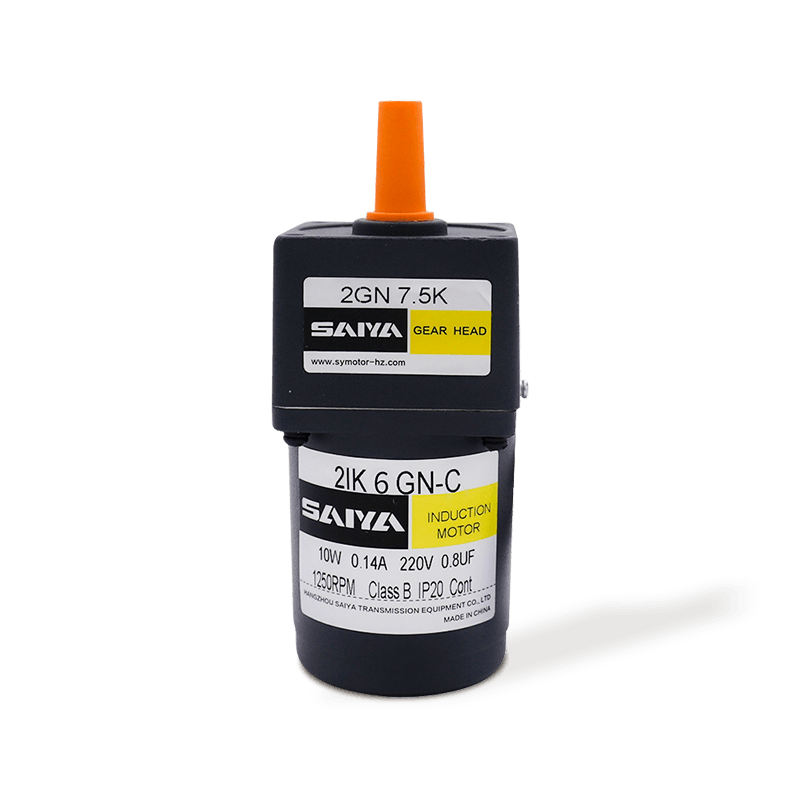
This 6W Induction AC Gear Motor is an efficient, compact and reliable small motor suitable for a wide range of industrial and household applications.Motor frame 60mm x 60mm making it easy to install ...
See Details -
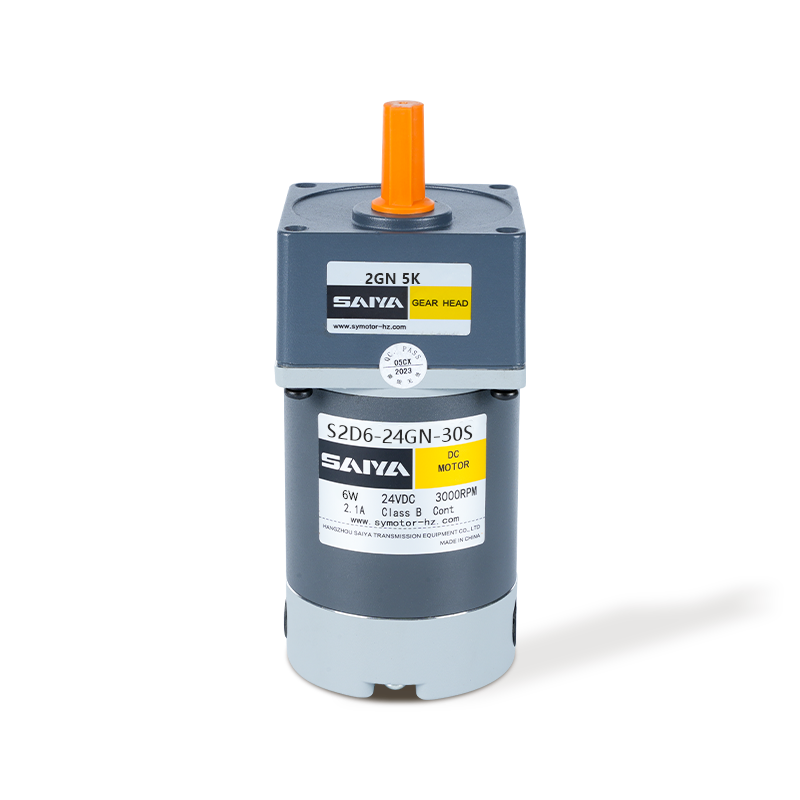
The 6W brush DC gbear motor is designed for efficiency and versatility, suitable for various applications. With a compact frame size of 60mm x 60mm, it fits seamlessly into tight spaces. The motor ope...
See Details -
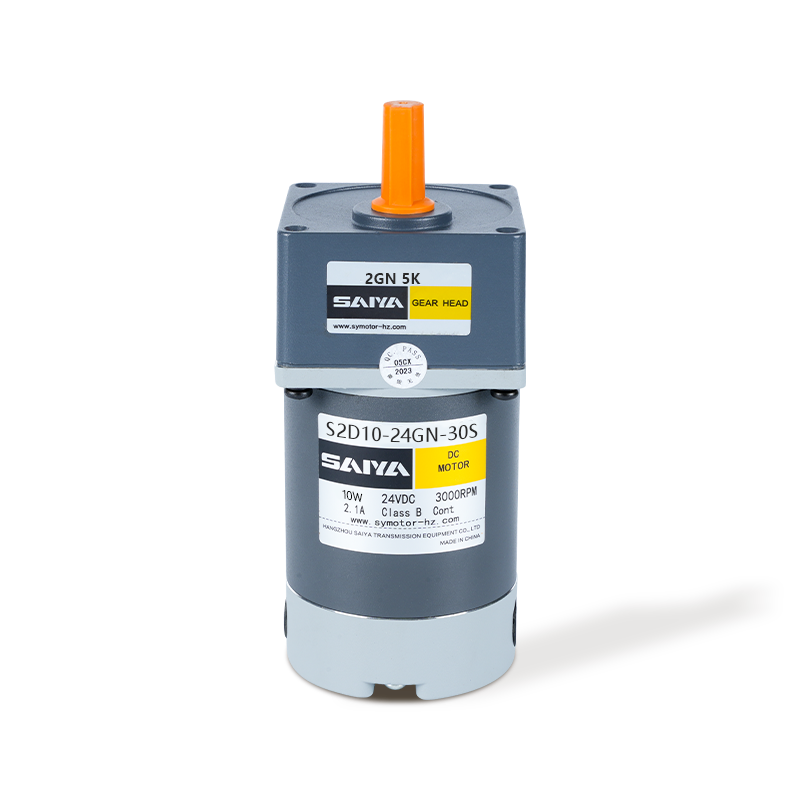
The 10W brush DC gear motor offers high performance and adaptability, for a range of industrial and hobbyist applications. With a frame size of 60mm x 60mm, this motor is designed to fit into confined...
See Details -
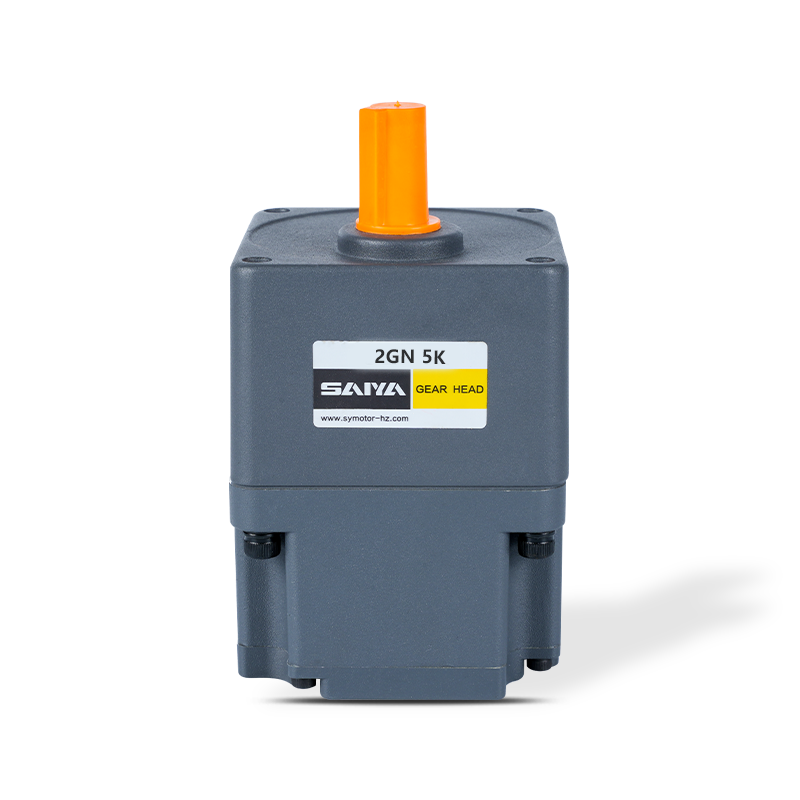
The 24V Brushless Gear Motor is a versatile and efficient motor designed for a range of applications. With dimensions ranging from 60mm x 60mm to 104mm x 104mm, this motor can fit into various equipme...
See Details -
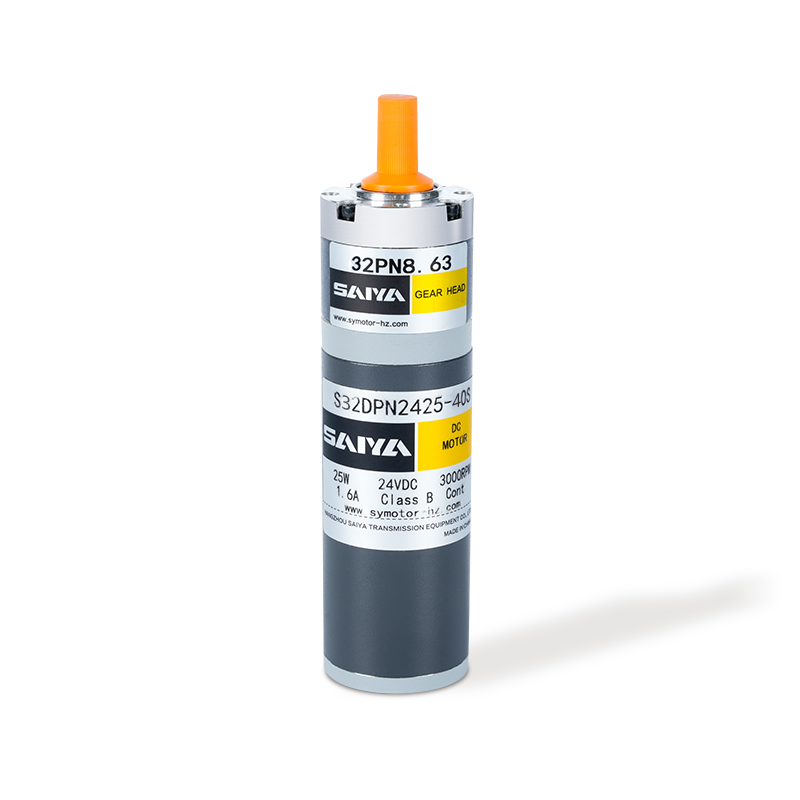
The 32mm brushed planetary gear motor is a compact and efficient solution designed for various applications requiring high torque and precise control. With a diameter of 32mm, this motor is ideally su...
See Details -
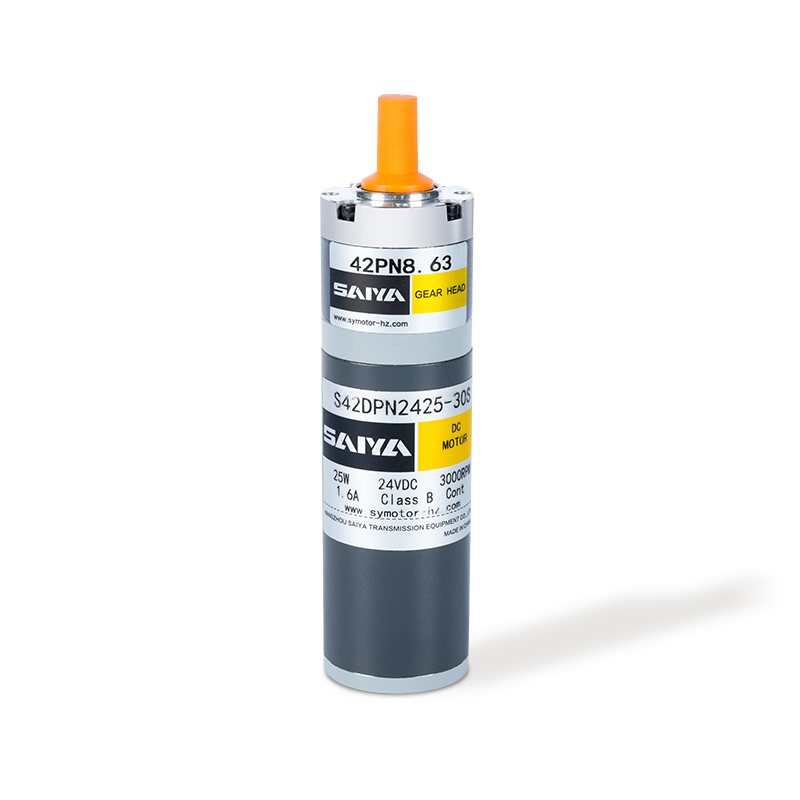
The 42mm brush planetary gear motor is a versatile and efficient component widely used in various applications requiring precise torque and speed control. With a rated current ranging from 0.7 to 1.1A...
See Details -
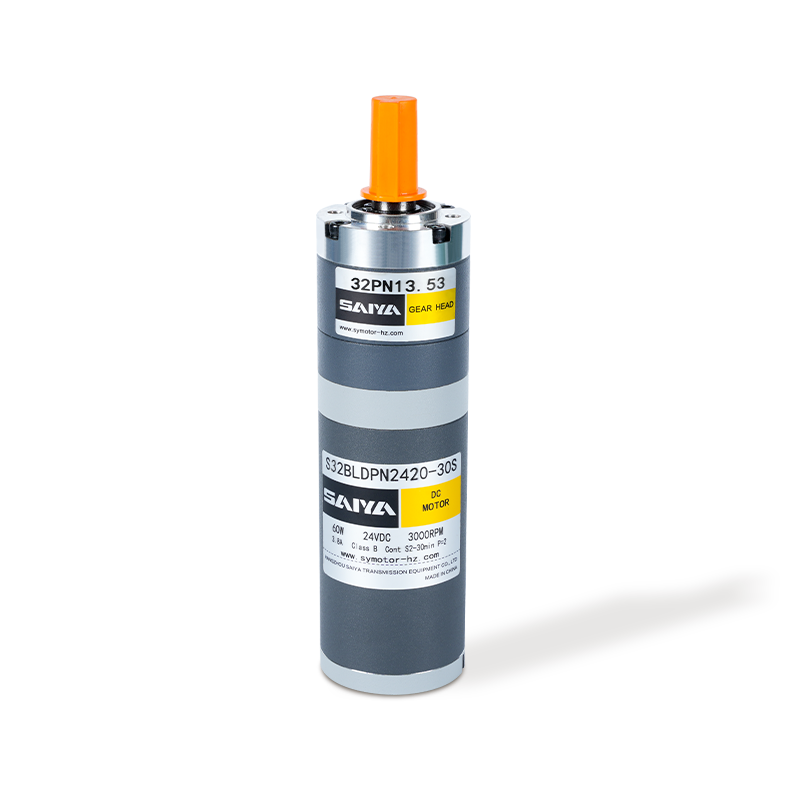
The 32mm Brushless Planetary Gear Motor is a high-performance, compact solution ideal for applications requiring efficiency and reliability. Operating at a rated voltage of 24V and consuming 20W of po...
See Details -
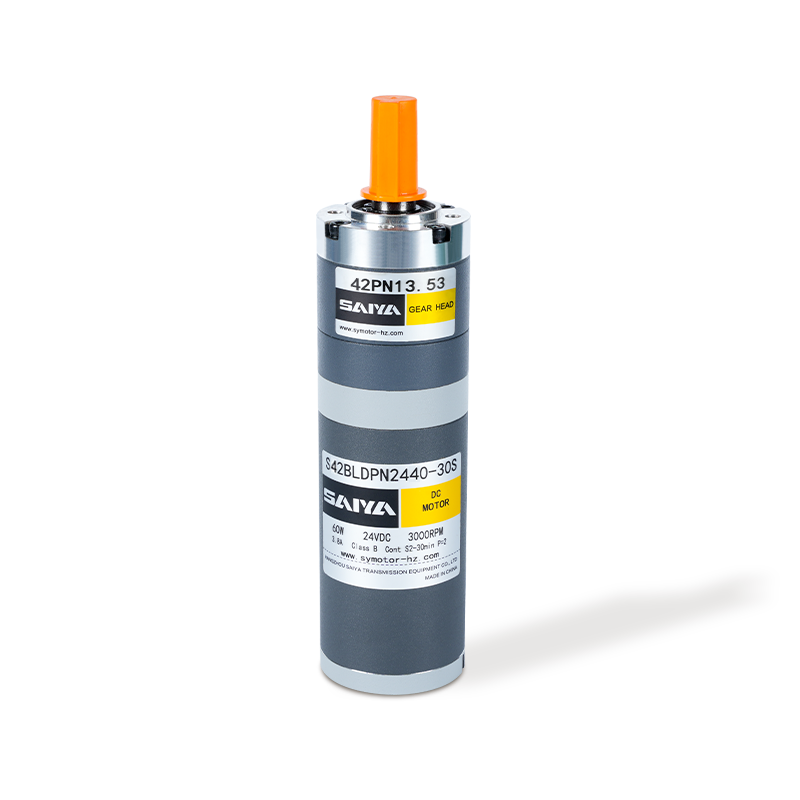
The 42mm brushless planetary motor is a high-efficiency motor product that is widely used in various scenarios requiring precision transmission. The rated current of this motor is 1.3A and the rated t...
See Details -
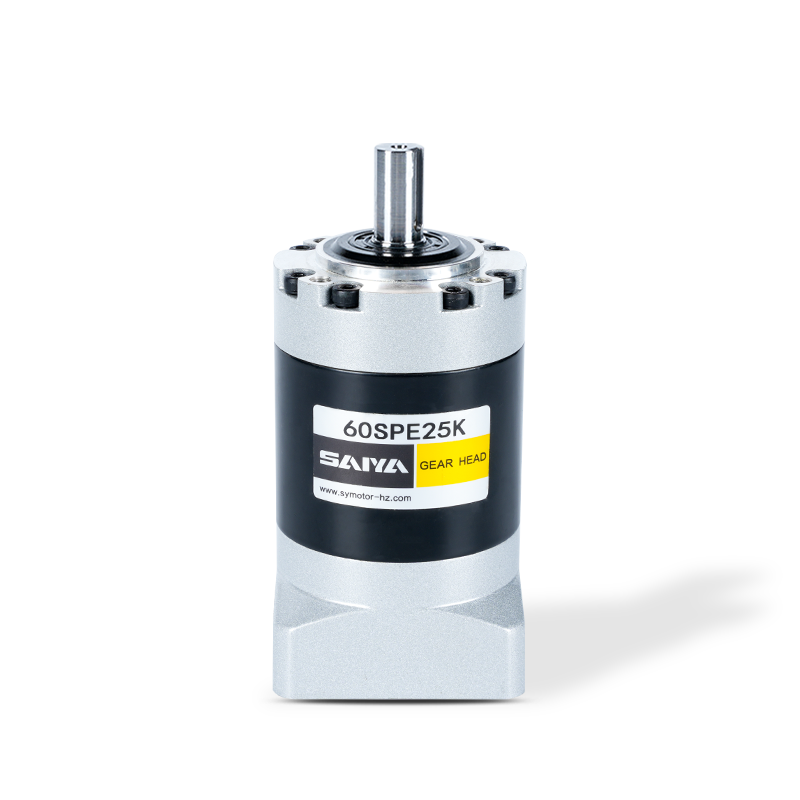
The SPE series gearboxes, flange size range with 40, 60, 80, 120, and 160 models, are designed to provide efficient and robust power transmission solutions. These gearboxes feature a round output flan...
See Details -
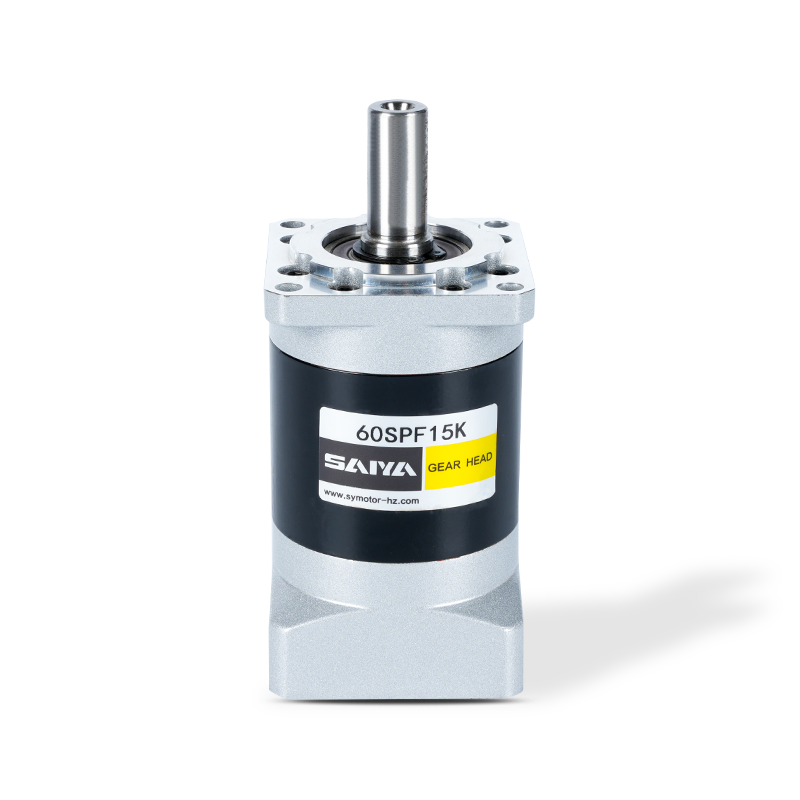
The SPF series are with square output flanges, accommodating dimensions from 40mm to 160mm. These flanges are engineered to excel in various industrial applications, offering reliable performance acro...
See Details -
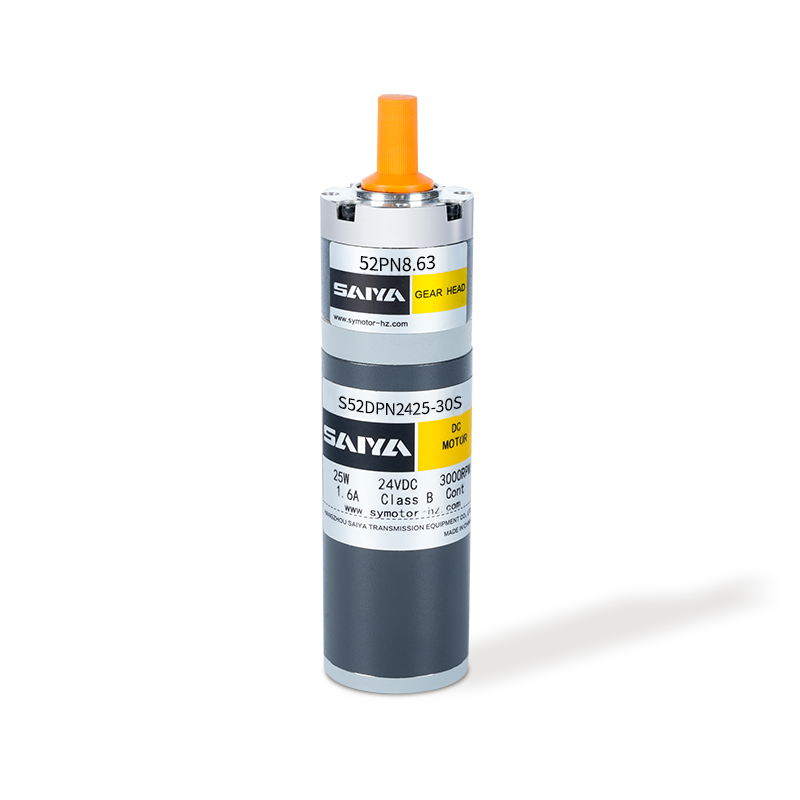
The 52mm brushed planetary gear motor is a compact and efficient solution designed for various applications requiring high torque and precise control. With a diameter of 52mm, this motor is ideally su...
See Details -
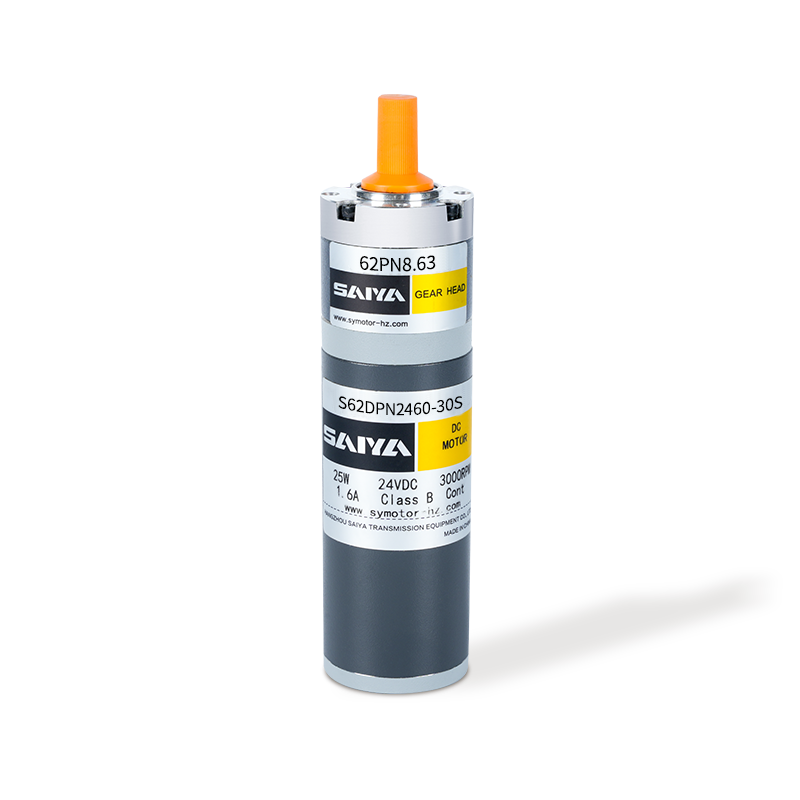
The 62mm brush planetary gear motor is a versatile and efficient component widely used in various applications requiring precise torque and speed control. With a rated current ranging from 2.5 to 5.5A...
See Details
CONTACT DETAILS
- TEL: 0086-0571-86951513/86951543
- Fax: 0086-571-86040769
- E-mail: [email protected] / [email protected] / [email protected]
- Office: Hangzhou Saiya Transmisson Equipment Co.,Ltd
- Office Address: Room 2201, Wanyin building, Hangzhou City, Zhejiang Province
- Factory: Zhejiang Saiya Intelligent Manufacturing Co., Ltd.
- Factory Address: No.35 Building , Zhongnan High-tech Yunhe Zhigu Industrial Park, Xinan town, Deqing county, Huzhou city, Zhejiang, China
QUICK LINK
PRODUCT
If You Are Intrested
In Our Products,
Please Consult Us
Copyright © Zhejiang Saiya Intelligent Manufacturing Co., Ltd. All Rights Reserved.
Custom Gear Reduction Motors Suppliers
