

 EN
EN  English
 中文简体
中文简体 русский
 Español
Application Industry
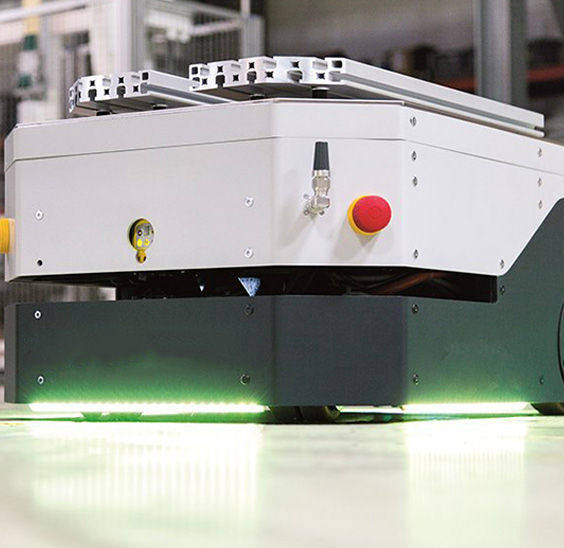
AGV

Automated robots

laser cutting

Logistics sorting

Photovoltaic power-station
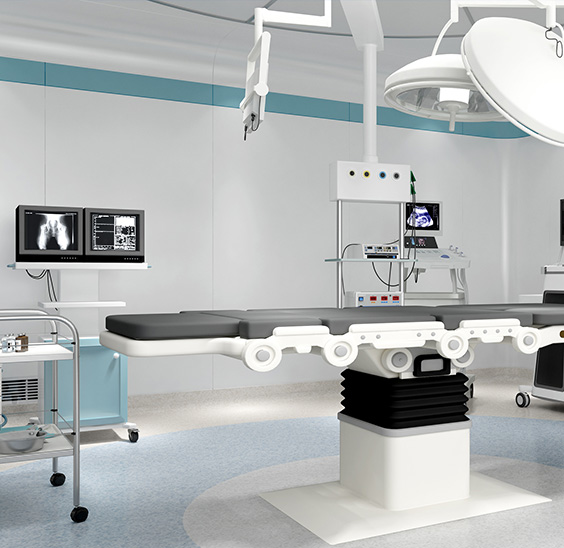
Medical devices
Critical Differences Between Harmonic and Planetary Gears?
The harmonic reducer stands as the pinnacle of precision motion control technology, offering an unmatched combination of high torque density, zero backlash, and compact design. For engineers and industries requiring absolute positioning accuracy and high reduction ratios in a single stage, this mechanism is often the only viable solution. Unlike traditional gear systems that rely on friction or meshing teeth with clearances, the harmonic reducer operates on the principle of elastic deformation, ensuring continuous tooth contact and eliminating positional errors. This results in superior performance in critical applications such as robotic articulation, aerospace navigation, and high-precision medical equipment, making it an indispensable component in modern advanced machinery.
Understanding the Mechanism of Strain Wave Gearing
To fully appreciate the utility of this device, one must understand its unique operating principle, often referred to as strain wave gearing. The system consists of three primary components that work in unison to transmit motion and reduce speed with extreme precision.
- Wave Generator: This is the input component, typically comprising an elliptical disk and a ball bearing. It acts as the driving element, deforming the flex spline into an elliptical shape as it rotates.
- Flex Spline: A thin-walled, cup-shaped metal structure with external teeth on its open end. It is designed to be elastic, allowing it to deform dynamically under the influence of the wave generator.
- Circular Spline: A rigid ring with internal teeth. It is usually stationary and fixed to the housing. The flex spline meshes with the circular spline at the two major axes of the ellipse created by the wave generator.
As the wave generator rotates, the teeth of the flex spline engage with the circular spline at these points of major axis deformation. Because the flex spline has two fewer teeth than the circular spline, for every full rotation of the wave generator, the flex spline rotates in the opposite direction by a small angle proportional to the tooth difference. This mechanism allows for a massive reduction ratio in a very compact space.
Key Performance Advantages in Industrial Applications
The adoption of harmonic reducers has surged across various sectors due to distinct performance characteristics that outperform conventional gearboxes. These advantages are not merely theoretical but provide tangible benefits in real-world engineering scenarios.
First, the zero-backlash feature is critical. In high-precision robotics, any play in the gear train translates to positioning errors. The harmonic reducer's pre-loaded meshing ensures instant response and bidirectional positioning accuracy without ""dead zones."" Furthermore, the high torque-to-weight ratio allows engineers to design lighter, more agile robotic arms without sacrificing strength. The ability to achieve reduction ratios of up to 160:1 or even 320:1 in a single stage simplifies the mechanical design, reducing the number of components and potential failure points.
Another significant advantage is the high torsional stiffness. While the flex spline is elastic, the design ensures that under load, the deformation is predictable and minimal, maintaining rigidity where it counts. This combination of flexibility for shock absorption and stiffness for load-bearing makes it ideal for dynamic environments.
Comparative Analysis: Harmonic vs. Planetary Gearboxes
When selecting a transmission system, engineers frequently weigh the harmonic reducer against the traditional planetary gearbox. While planetary gears are robust and durable, harmonic reducers excel in precision and compactness. The following table illustrates the core differences:
| Feature | Harmonic Reducer | Planetary Gearbox |
|---|---|---|
| Reduction Ratio (Single Stage) | High (50:1 to 320:1) | Low (3:1 to 10:1) |
| Backlash | Near Zero | Low to Standard |
| Size & Weight | Compact & Lightweight | Bulky for high ratios |
| Positioning Accuracy | Exceptional (Arc-minute/arc-second level) | Good |
| Shock Absorption | High (Due to elastic deformation) | Rigid |
This data clearly shows that while planetary gears might be suitable for heavy-duty brute force applications, the harmonic reducer is the superior choice for tasks requiring deliberate, precise movements and spatial efficiency.
Critical Application Scenarios
The unique properties of the harmonic reducer make it the preferred choice in several high-tech fields. Its reliability and precision are non-negotiable in the following contexts:
- Industrial Robotics: In multi-axis robotic arms, particularly the 6-axis articulated arms used in automotive assembly and electronics manufacturing, harmonic reducers are standard in the joints. They allow the robot to stop instantly at exact coordinates and move smoothly through complex trajectories.
- Aerospace and Aviation: Used in actuation systems for control surfaces like flaps and ailerons. The reduction in weight is a critical factor in aerospace design, and the high torque density helps meet strict payload requirements.
- Medical Surgery Robots: Devices such as the da Vinci surgical system rely on harmonic drives for their precise movements. The zero-backlash ensures that the surgeon's hand movements are translated to the instrument tip with no lag or error, which is vital for patient safety.
- Semiconductor Manufacturing: The production of microchips involves lithography and wafer handling that require nanometer-level precision. Harmonic reducers provide the stability needed to prevent vibrations that could ruin delicate circuit patterns.
Design Considerations and Selection Criteria
Integrating a harmonic reducer into a system requires careful consideration of several technical parameters to ensure longevity and performance. Selecting the wrong model can lead to premature failure or suboptimal operation.
Torque Capacity: It is essential to differentiate between rated torque (continuous operation) and peak torque (maximum momentary load). The flex spline is the weakest link regarding fatigue; repeated overloading can cause it to crack over time. Engineers should apply a safety factor of at least 1.5 to 2.0 based on the application's dynamic load profile.
Lubrication Requirements: Harmonic drives are sensitive to lubrication. Unlike standard gears, they often require specific greases formulated to prevent the flex spline from sticking to the circular spline and to ensure smooth elastic deformation. In vacuum environments, such as space, special dry lubrication or vacuum-compatible greases must be used.
Input Speed Limits: While the output speed is low, the input speed is high. Excessive input speeds can generate excessive heat due to the sliding friction between the wave generator bearing and the flex spline. Maintaining the speed within the manufacturer's recommended limits is crucial for preventing thermal runaway.
Mounting Rigidity: To leverage the zero-backlash feature, the housing and mounting structure must be rigid. If the housing flexes under load, the precision of the reducer is compromised. Therefore, the integration design must focus on structural stiffness to complement the gearbox's internal precision.
Maintenance and Lifespan Management
Although harmonic reducers are known for their longevity, often exceeding 10,000 to 20,000 hours of operation, they are subject to wear. The primary mode of failure is fatigue of the flex spline. The continuous cyclic stress eventually leads to material fatigue, necessitating replacement.
Proactive maintenance involves monitoring for vibration and noise, which are early indicators of bearing wear or lubrication breakdown. Regular lubrication checks, if the design allows for re-lubrication, can significantly extend the lifespan. In sealed units, the interval between overhauls is typically determined by the operational hours and load intensity. Ensuring that alignment is perfect during installation is also a preventative measure, as misalignment introduces uneven stresses that drastically reduce the component's life.
Related products
-
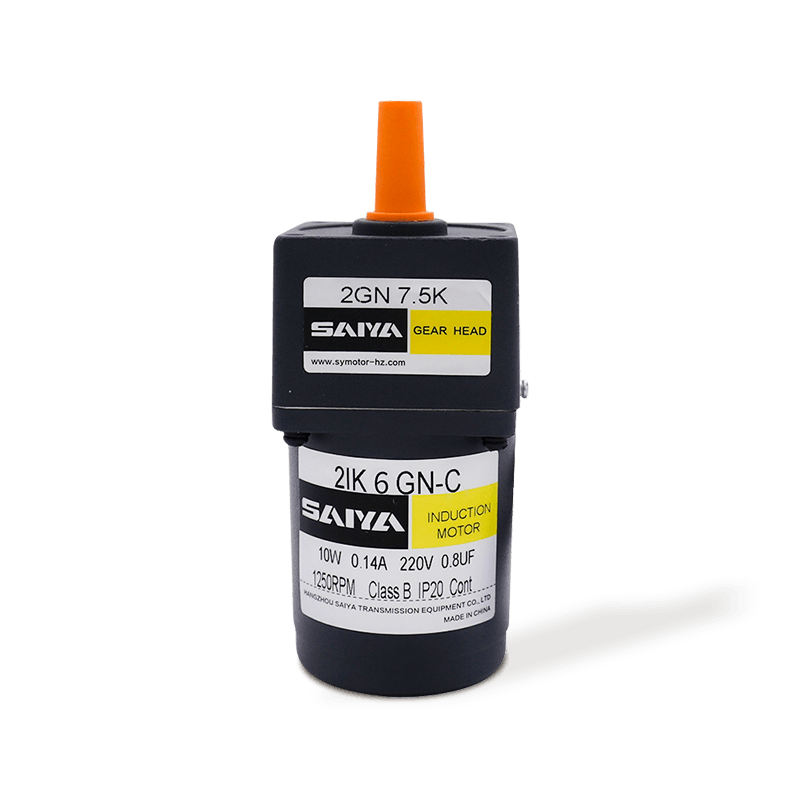
This 6W Induction AC Gear Motor is an efficient, compact and reliable small motor suitable for a wide range of industrial and household applications.Motor frame 60mm x 60mm making it easy to install ...
See Details -
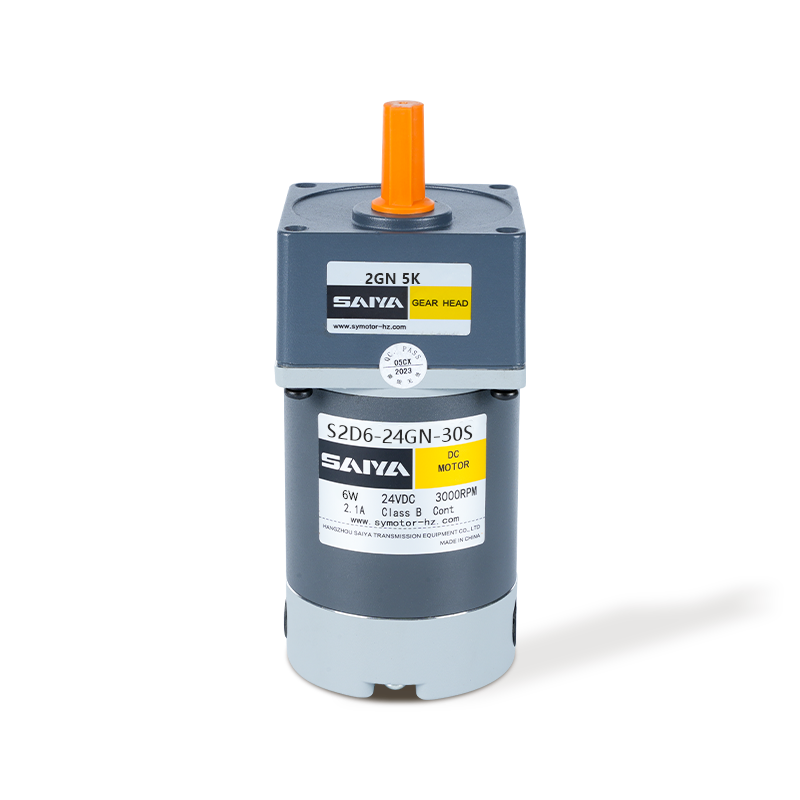
The 6W brush DC gbear motor is designed for efficiency and versatility, suitable for various applications. With a compact frame size of 60mm x 60mm, it fits seamlessly into tight spaces. The motor ope...
See Details -
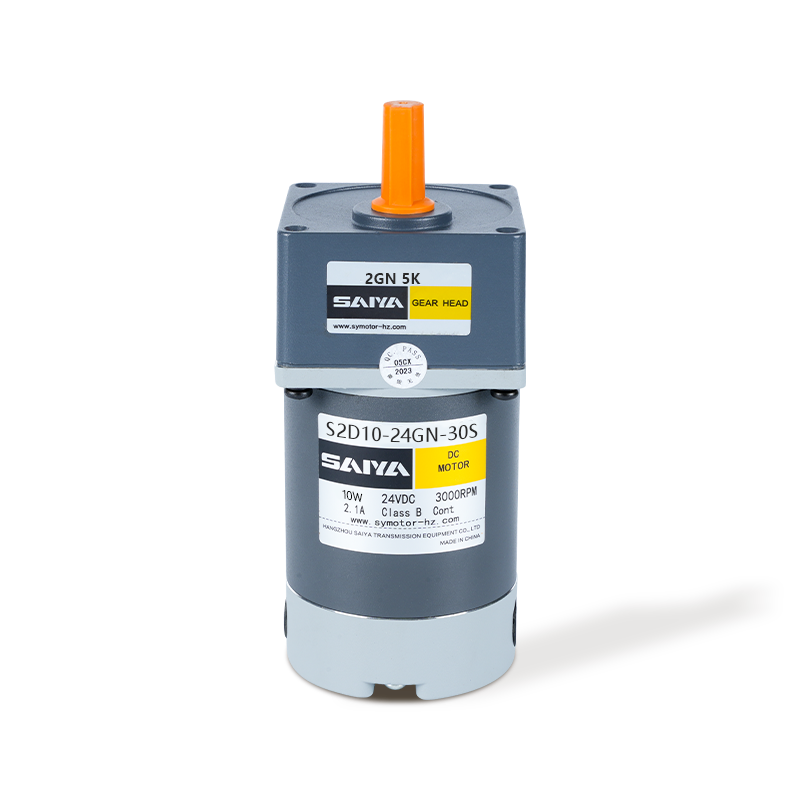
The 10W brush DC gear motor offers high performance and adaptability, for a range of industrial and hobbyist applications. With a frame size of 60mm x 60mm, this motor is designed to fit into confined...
See Details -
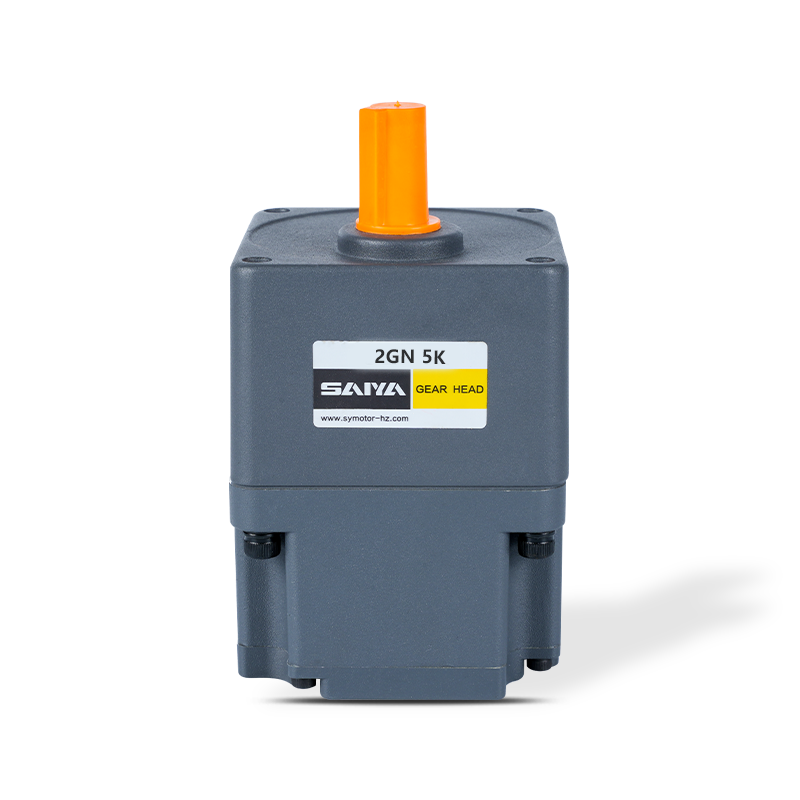
The 24V Brushless Gear Motor is a versatile and efficient motor designed for a range of applications. With dimensions ranging from 60mm x 60mm to 104mm x 104mm, this motor can fit into various equipme...
See Details -
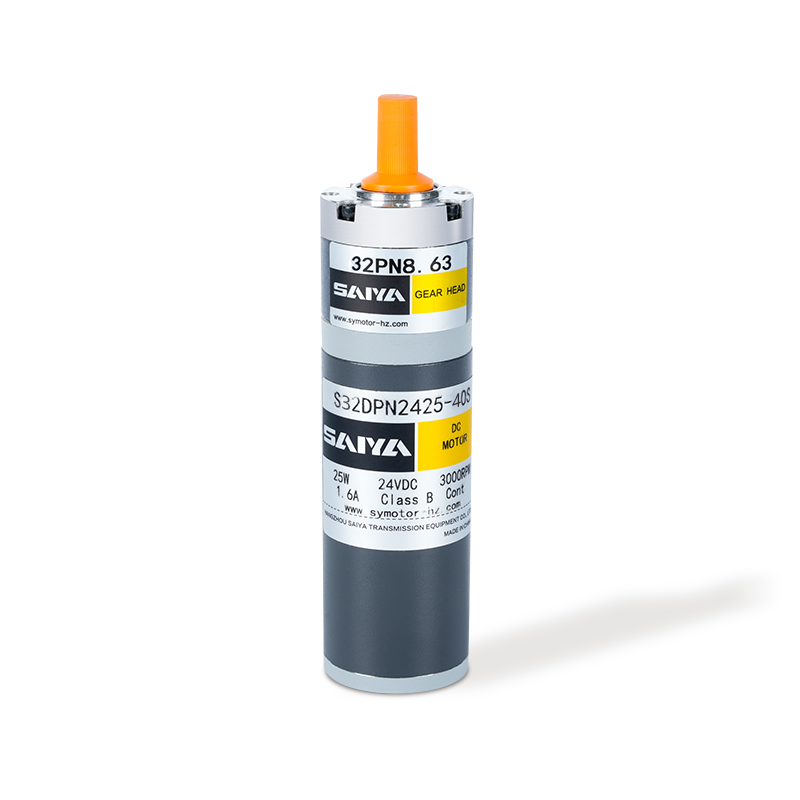
The 32mm brushed planetary gear motor is a compact and efficient solution designed for various applications requiring high torque and precise control. With a diameter of 32mm, this motor is ideally su...
See Details -
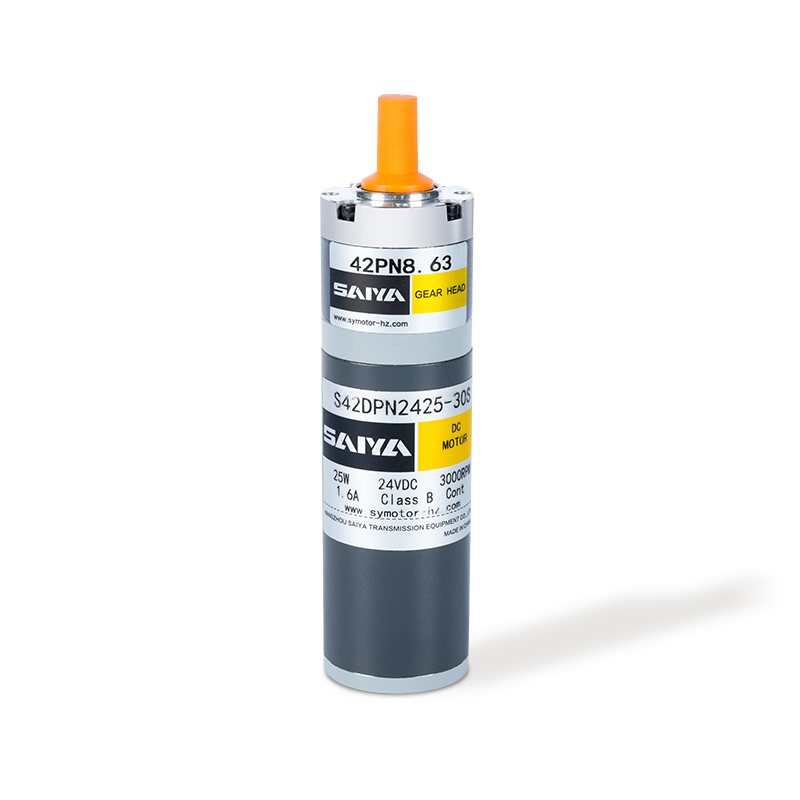
The 42mm brush planetary gear motor is a versatile and efficient component widely used in various applications requiring precise torque and speed control. With a rated current ranging from 0.7 to 1.1A...
See Details -
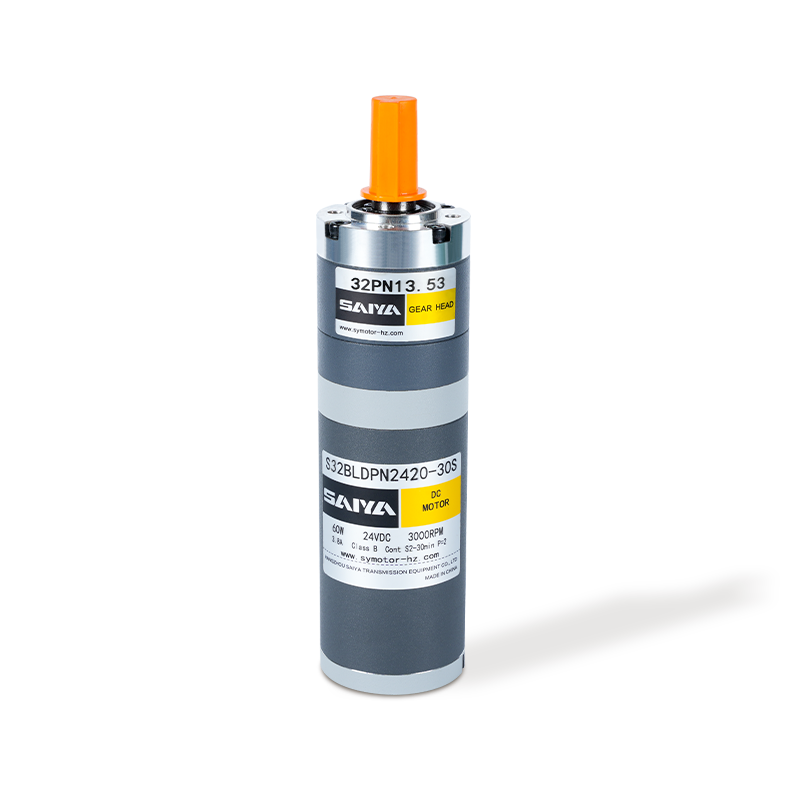
The 32mm Brushless Planetary Gear Motor is a high-performance, compact solution ideal for applications requiring efficiency and reliability. Operating at a rated voltage of 24V and consuming 20W of po...
See Details -
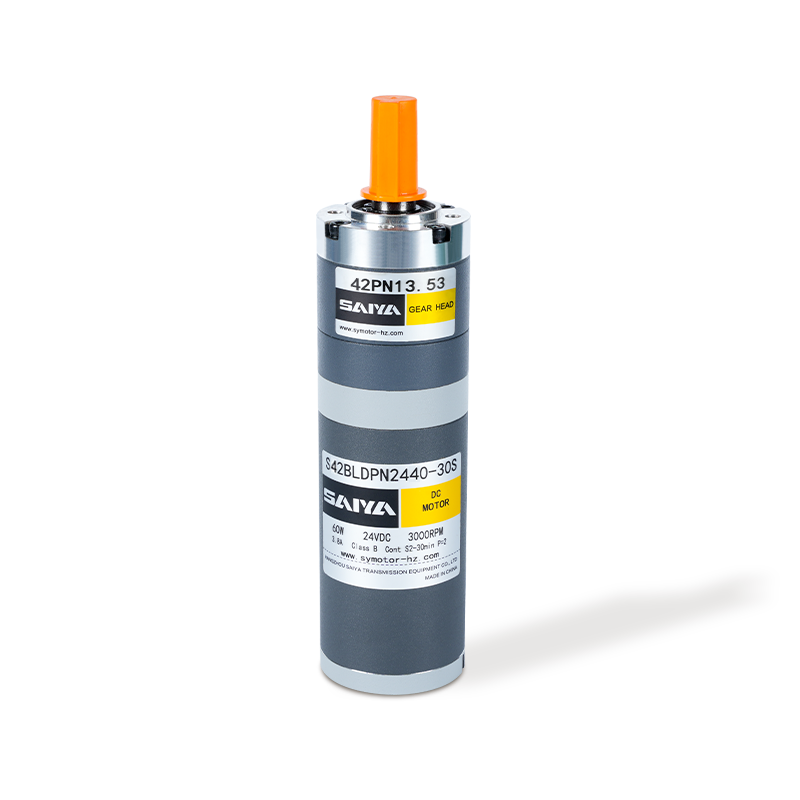
The 42mm brushless planetary motor is a high-efficiency motor product that is widely used in various scenarios requiring precision transmission. The rated current of this motor is 1.3A and the rated t...
See Details -
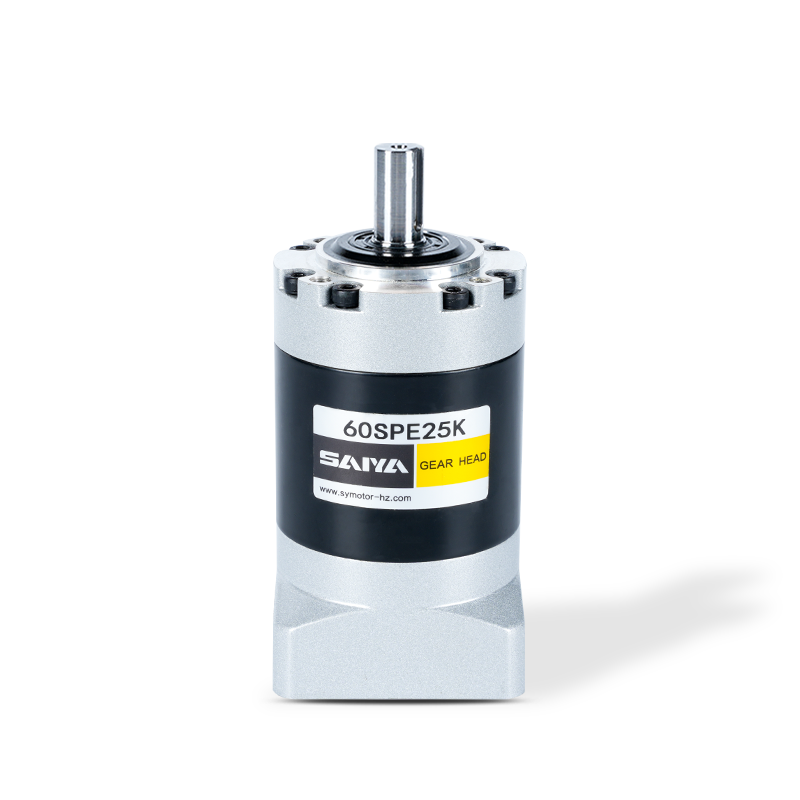
The SPE series gearboxes, flange size range with 40, 60, 80, 120, and 160 models, are designed to provide efficient and robust power transmission solutions. These gearboxes feature a round output flan...
See Details -
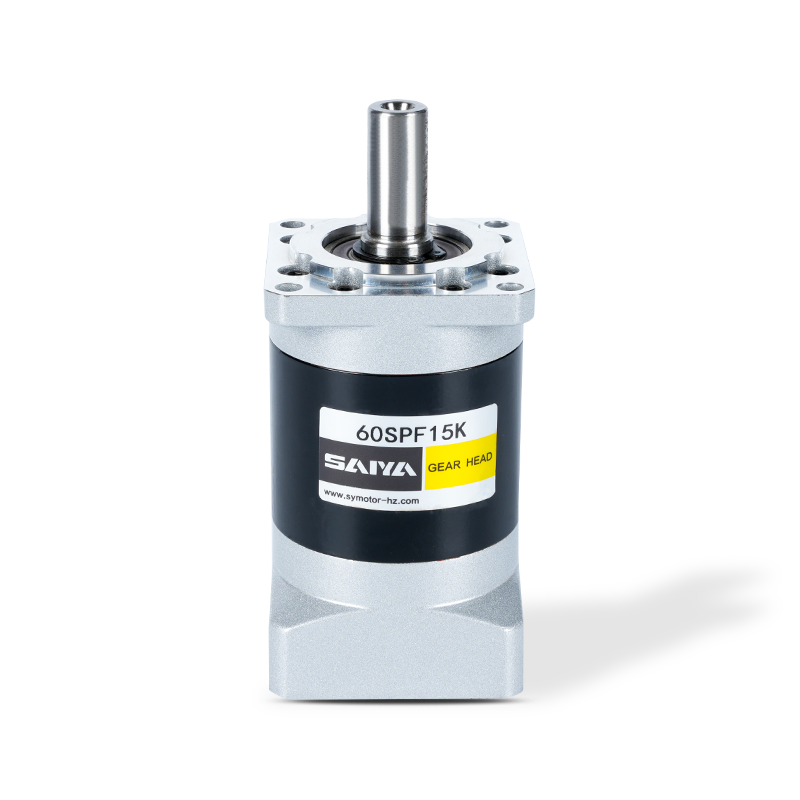
The SPF series are with square output flanges, accommodating dimensions from 40mm to 160mm. These flanges are engineered to excel in various industrial applications, offering reliable performance acro...
See Details -
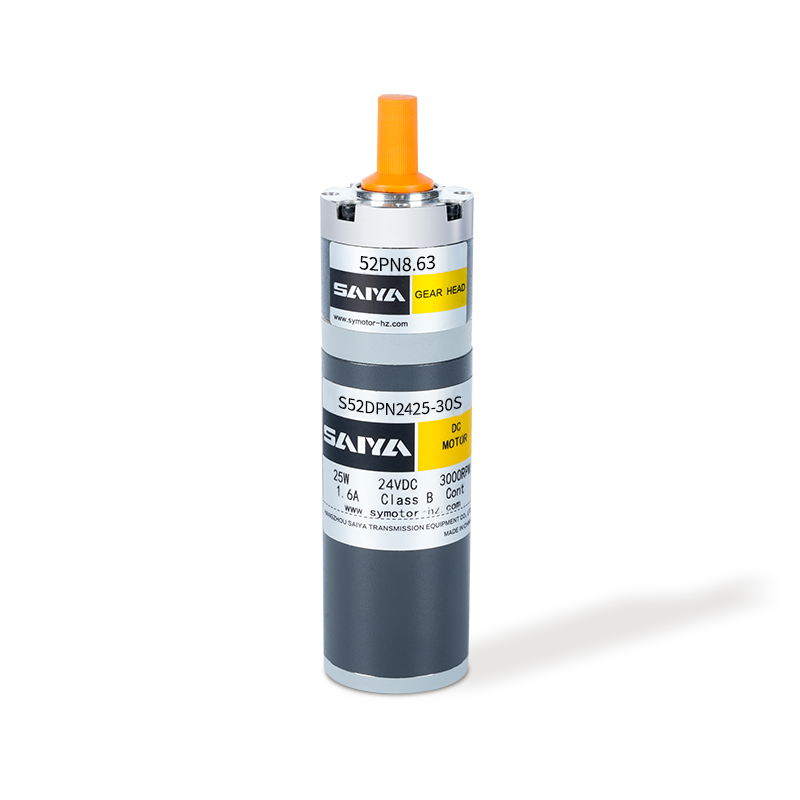
The 52mm brushed planetary gear motor is a compact and efficient solution designed for various applications requiring high torque and precise control. With a diameter of 52mm, this motor is ideally su...
See Details -
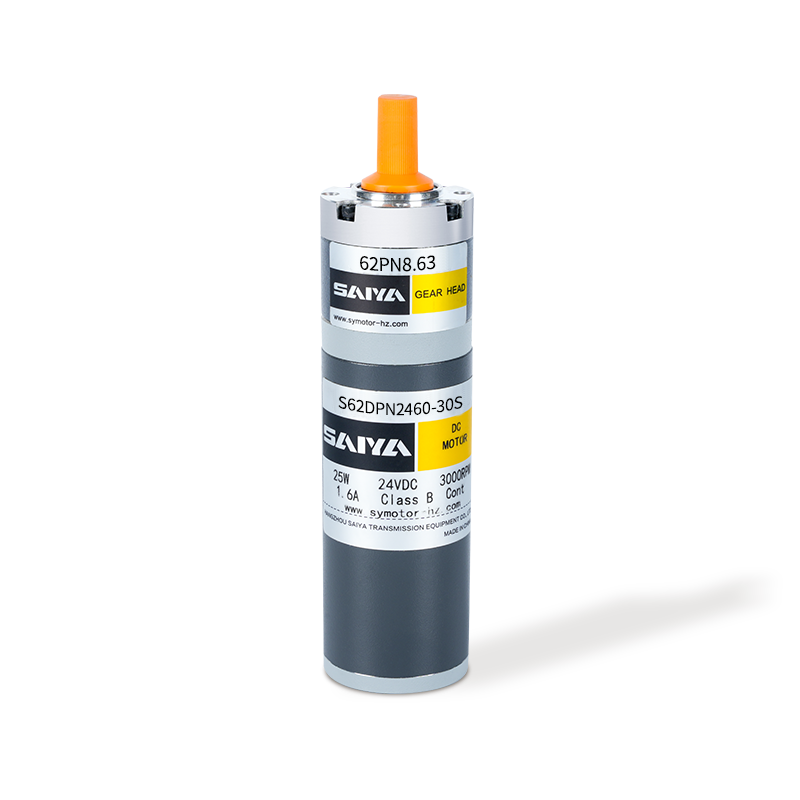
The 62mm brush planetary gear motor is a versatile and efficient component widely used in various applications requiring precise torque and speed control. With a rated current ranging from 2.5 to 5.5A...
See Details
CONTACT DETAILS
- TEL: 0086-0571-86951513/86951543
- Fax: 0086-571-86040769
- E-mail: [email protected] / [email protected] / [email protected]
- Office: Hangzhou Saiya Transmisson Equipment Co.,Ltd
- Office Address: Room 2201, Wanyin building, Hangzhou City, Zhejiang Province
- Factory: Zhejiang Saiya Intelligent Manufacturing Co., Ltd.
- Factory Address: No.35 Building , Zhongnan High-tech Yunhe Zhigu Industrial Park, Xinan town, Deqing county, Huzhou city, Zhejiang, China
QUICK LINK
PRODUCT
If You Are Intrested
In Our Products,
Please Consult Us
Copyright © Zhejiang Saiya Intelligent Manufacturing Co., Ltd. All Rights Reserved.
Custom Gear Reduction Motors Suppliers
