 EN
EN  English
 中文简体
中文简体 русский
 Español
Home / News / Industry News / How Does a Planetary Gearbox Work: Unveiling the Mechanics of Compact Power?


Application Industry
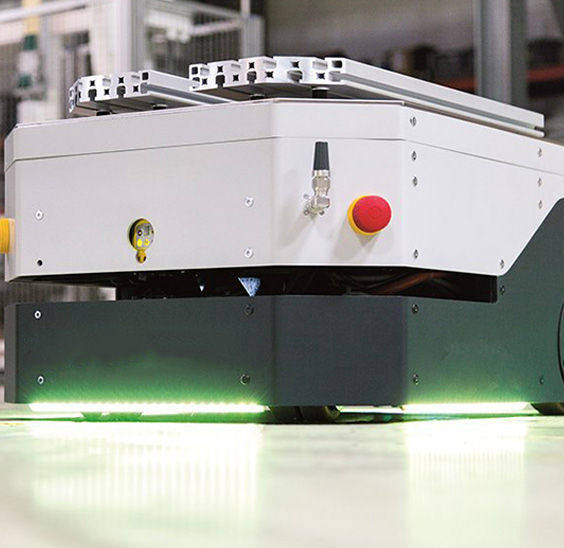
AGV

Automated robots
laser cutting

Logistics sorting

Photovoltaic power-station
Medical devices
How Does a Planetary Gearbox Work: Unveiling the Mechanics of Compact Power?
As a pinnacle of mechanical transmission technology, the planetary gearbox stands out for its unique combination of compact size and superior torque transmission capabilities. Unlike traditional parallel shaft gearboxes, it distributes load across multiple planet gears. This design results in exceptional power density and efficiency, making it the optimal choice for applications requiring high performance in limited spaces. From industrial robotics to wind turbine pitch systems, it serves as the critical joint in modern machinery.
Fundamental Working Principles
To understand the widespread utility of this mechanism, one must first grasp its internal geometry and kinematics. The term "planetary" is derived from the visual motion of the gears inside the system, which resembles the solar system.
The Anatomy of the System
The mechanism consists of three primary components working in unison. The central gear, known as the sun gear, acts as the input driver. Surrounding it are several planet gears mounted on a movable carrier. These planet gears mesh simultaneously with the sun gear and an outer ring gear (or annulus). This arrangement allows for different configurations of input, output, and stationary parts, which dictate the gear ratio and performance characteristics.
Load Distribution Mechanics
The defining characteristic of this gearbox is its ability to split torque. In a standard spur gear arrangement, the load is borne by a single point of contact between two gears. In a planetary arrangement, the load is shared among the planet gears. A typical three-planet design effectively triples the load capacity without increasing the size of the gears. This load-sharing capability is why these gearboxes can withstand massive shock loads and provide long service lives.
Distinct Advantages Over Conventional Gearboxes
Engineers frequently select planetary gearboxes over other transmission types due to a specific set of advantages that address modern engineering constraints.
- High Power Density: Because the load is distributed across multiple gears, the output torque is significantly higher for a given volume. This allows for a lighter and smaller gearbox compared to a helical gearbox of similar power rating, which is vital in weight-sensitive applications like aerospace.
- Superior Efficiency: The rolling action between the gears, combined with efficient lubrication distribution, results in minimal energy loss. Single-stage planetary gearboxes often achieve efficiency ratings exceeding 97%, which is superior to many worm gear alternatives.
- Compact Coaxial Design: The input shaft and output shaft are aligned on the same axis. This coaxial alignment simplifies the mechanical design of the surrounding equipment, eliminating the need for offset mounting structures required by parallel shaft gearboxes.
- High Stiffness and Low Inertia: The rigid structure of the planet carrier and the meshing of multiple gears result in high torsional stiffness. This allows for precise positioning with minimal backlash, essential for servo motor applications.
Internal Structure and Component Variations
While the basic concept remains constant, the internal configuration can be modified to suit specific operational demands.
Number of Planetary Gears
Manufacturers adjust the number of planet gears to balance load capacity and space constraints. A standard assembly might use three planets, but heavy-duty applications may utilize four, five, or even seven. Increasing the number of planets directly increases the torque capacity but requires more precise manufacturing to ensure even load sharing. If one gear carries more load than others due to misalignment, the system efficiency drops, and wear accelerates.
Material and Heat Treatment
The durability of a planetary gearbox heavily relies on material selection. High-quality alloy steels are typically used for the gears, often subjected to case hardening or nitriding processes. This creates a hard, wear-resistant surface while maintaining a tough, shock-absorbing core. The ring gear is often integrated into the gearbox housing or fabricated as a separate hardened steel ring, depending on the size and torque class.
| Component | Common Material | Primary Treatment | Resulting Benefit |
|---|---|---|---|
| Sun Gear | Alloy Steel | Carburizing | High surface hardness |
| Planet Gears | Alloy Steel | Quenching/Tempering | Core toughness |
| Ring Gear | Forged Steel | Nitriding | Wear resistance |
Calculating Ratio and Torque
The transmission ratio is a critical parameter that determines the speed reduction and torque multiplication. It is calculated based on the number of teeth on the sun gear and the ring gear.
The Ratio Formula
In a standard configuration where the sun gear is the input, the planet carrier is the output, and the ring gear is fixed, the ratio is calculated as:
Ratio = 1 + (Ring Gear Teeth / Sun Gear Teeth)
For example, if a sun gear has 20 teeth and the ring gear has 80 teeth, the ratio would be 1 + (80/20) = 5:1. This means the output speed is one-fifth of the input speed, while the output torque is theoretically five times higher. This simple mathematical relationship allows designers to create high reduction ratios in a very small footprint.
Multi-Stage Configurations
For applications requiring extremely high ratios, multiple planetary stages are stacked in series. The output shaft of the first stage becomes the input sun gear for the second stage. Multi-stage designs can easily achieve ratios up to 1000:1 or more. While this increases the length of the unit, the diameter remains relatively constant, preserving the high torque density advantage.
Critical Application Sectors
The unique attributes of planetary gearboxes have secured their place in diverse high-tech industries. Their application ranges from massive industrial machinery to precision medical devices.
Industrial Robotics and Automation
In the realm of robotics, precision is paramount. Robotic arms require joints that can hold position rigidly under load and move smoothly without backlash. Planetary gearboxes, particularly those designed with precision-ground gears, offer backlash values as low as one arcminute. This precision ensures that a robot can repeat a task thousands of times without error, which is essential for automotive assembly lines and electronics manufacturing.
Wind Energy Generation
Wind turbines operate in harsh environments and require reliable power transmission. The gearbox must convert the slow, high-torque rotation of the turbine blades into the high-speed rotation required by the generator. Planetary gearboxes are preferred here because they can handle the immense torque loads—often exceeding several million Newton-meters—in a relatively compact nacelle. Furthermore, the load-sharing nature of the planets helps manage the variable and shock loads caused by fluctuating wind speeds.
Automotive Transmissions
Automatic transmissions in vehicles rely almost exclusively on planetary gear sets. By using clutches and brakes to hold different components (sun, ring, or carrier) stationary, a single planetary set can provide multiple gear ratios and reverse direction. This allows for smooth, uninterrupted power delivery during gear shifts, a feature that defines the driving comfort of modern automatic vehicles.
Heavy Construction Machinery
Excavators, cranes, and concrete mixers utilize planetary drives for their wheel and track propulsion. The high torque density allows these massive vehicles to generate the tractive force needed to move earth and heavy loads. The compact nature of the gearbox allows it to be mounted directly inside the wheel hub, saving space and protecting the drive mechanism from external debris.
Maintenance and Operational Longevity
Despite their robust design, the lifespan of a planetary gearbox depends heavily on proper maintenance and operating conditions. Understanding the failure modes helps in preventing costly downtime.
The Importance of Lubrication
Lubrication is the lifeblood of any gear system. In a planetary gearbox, the oil serves dual purposes: reducing friction between meshing teeth and dissipating heat generated by the high contact pressures. Improper lubrication accounts for over half of all gearbox failures. Using the wrong viscosity or failing to change the oil can lead to micropitting, scuffing, and eventual tooth breakage. Synthetic oils are often recommended for high-load or high-temperature applications due to their superior film strength and thermal stability.
Signs of Wear and Failure
Operators should monitor for early warning signs to prevent catastrophic failure. Common indicators include:
- Unusual vibration patterns, which may indicate gear wear or bearing damage.
- Increased operating noise, often a whining or grinding sound.
- Elevated oil temperature, suggesting inefficiency or blockage in the cooling path.
- Leakage of lubricant from seals, which leads to rapid internal degradation.
Backlash Compensation
In precision applications, backlash tends to increase over time as gears wear. Some advanced planetary gearboxes feature split-gear designs or preloading mechanisms to compensate for this wear. This allows the gearbox to maintain its precision characteristics throughout its service life, avoiding the need for frequent replacement in servo systems.
Comparison with Other Gearbox Technologies
When selecting a transmission solution, engineers must weigh the pros and cons of planetary systems against alternatives like worm gears or helical gears.
Planetary vs. Worm Gear
Worm gears are known for their high reduction ratios and self-locking capability, which is useful for holding loads like elevators. However, they suffer from sliding friction, which limits their efficiency—often to values below 60%. Planetary gearboxes, in contrast, rely on rolling contact. They offer significantly higher efficiency, making them the preferred choice for continuous duty applications where energy conservation is a priority.
Planetary vs. Parallel Shaft Helical
Parallel shaft helical gearboxes are robust and easy to maintain. However, because the input and output shafts are offset, they require a larger installation footprint. For a given torque rating, a planetary gearbox will almost always be smaller and lighter. This makes planetary designs indispensable in mobile machinery and aerospace, where every kilogram saved improves performance.
| Feature | Planetary Gearbox | Worm Gearbox | Helical Gearbox |
|---|---|---|---|
| Size/Weight | Compact/Light | Compact/Heavy | Larger/Heavy |
| Efficiency | High (over 95%) | Low (50-70%) | High (over 95%) |
| Backlash | Very Low | Low/Medium | Medium |
| Cost | Medium/High | Low/Medium | Low/Medium |
Future Trends in Planetary Technology
The evolution of the planetary gearbox is far from complete. As industries push for higher efficiency and smarter machinery, transmission technology continues to advance.
Integrated Smart Sensors
The concept of Industry demands real-time data. Modern planetary gearboxes are increasingly being equipped with integrated sensors that monitor temperature, vibration, and oil condition. This data enables predictive maintenance strategies, in which repairs are scheduled only when necessary rather than on arbitrary timelines. It prevents unexpected failures that could halt an entire production line.
Advanced Materials and Manufacturing
Material science is driving the next leap in performance. The use of carbon fiber reinforced polymers for planet carriers is reducing weight without sacrificing strength. Furthermore, advanced manufacturing techniques such as 3D printing and precision grinding enable gear tooth profiles that minimize noise and maximize contact areas. These innovations ensure that planetary gearboxes will remain the gold standard for mechanical transmission in the decades to come.
Related products
-
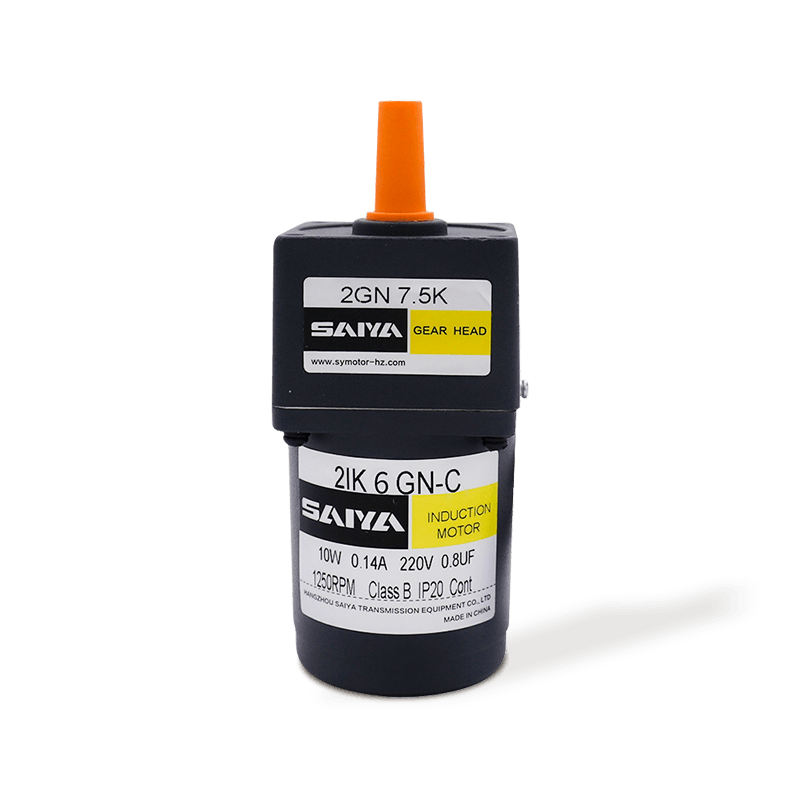
This 6W Induction AC Gear Motor is an efficient, compact and reliable small motor suitable for a wide range of industrial and household applications.Motor frame 60mm x 60mm making it easy to install ...
See Details -
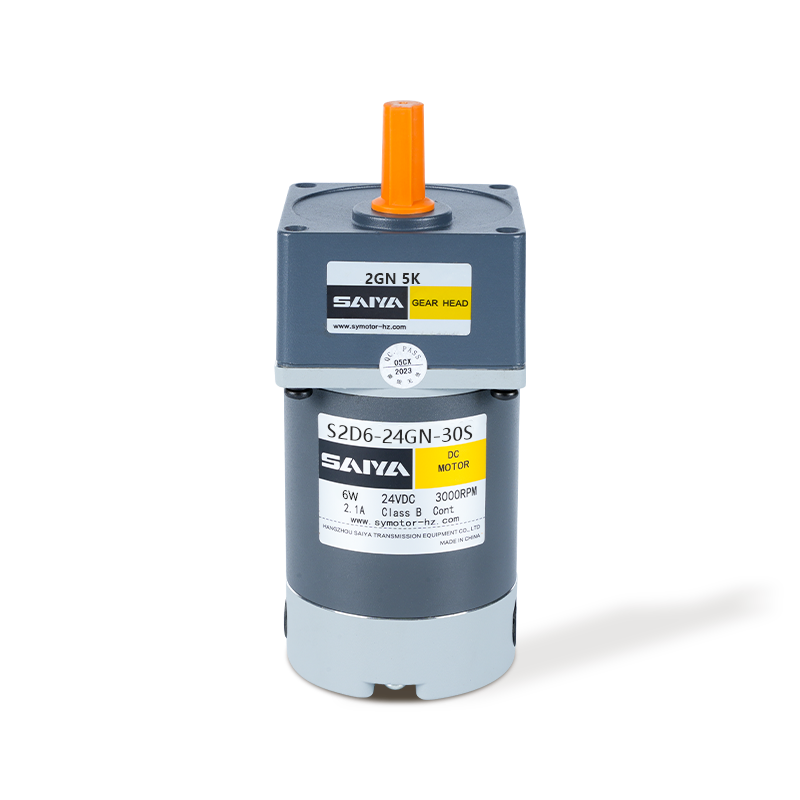
The 6W brush DC gbear motor is designed for efficiency and versatility, suitable for various applications. With a compact frame size of 60mm x 60mm, it fits seamlessly into tight spaces. The motor ope...
See Details -
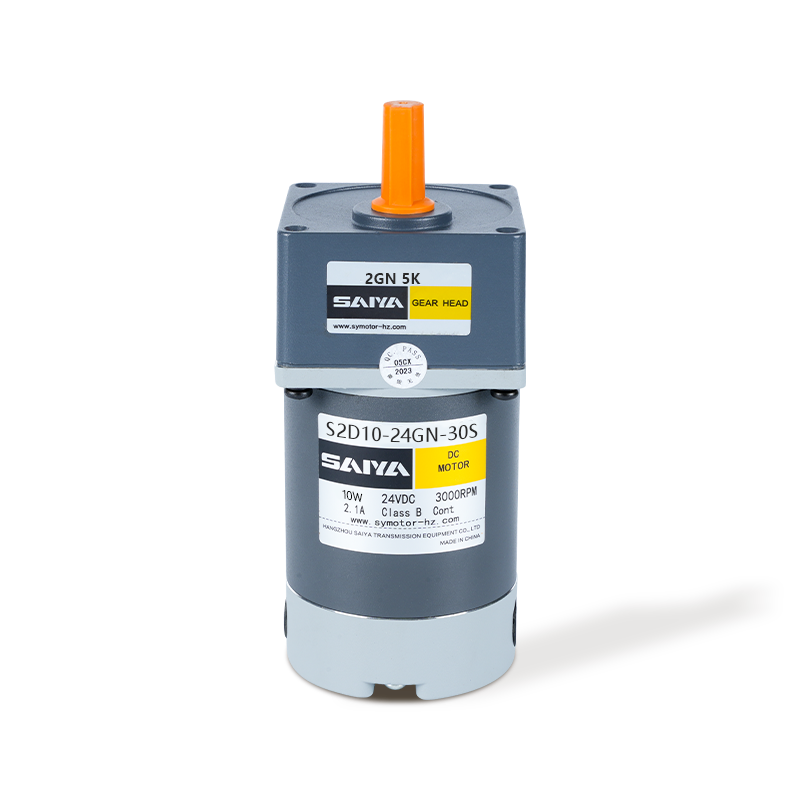
The 10W brush DC gear motor offers high performance and adaptability, for a range of industrial and hobbyist applications. With a frame size of 60mm x 60mm, this motor is designed to fit into confined...
See Details -
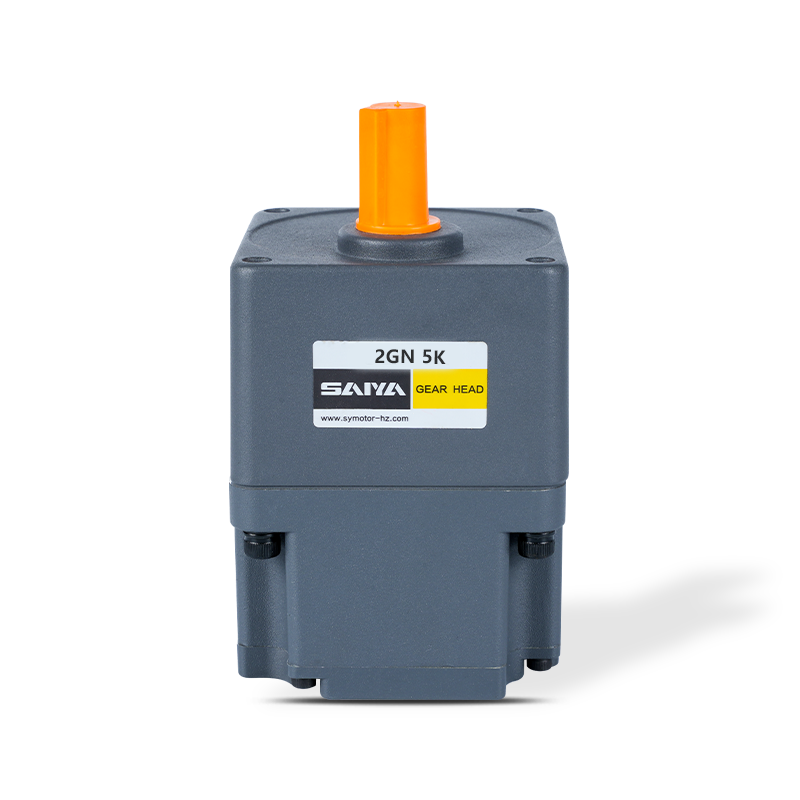
The 24V Brushless Gear Motor is a versatile and efficient motor designed for a range of applications. With dimensions ranging from 60mm x 60mm to 104mm x 104mm, this motor can fit into various equipme...
See Details -
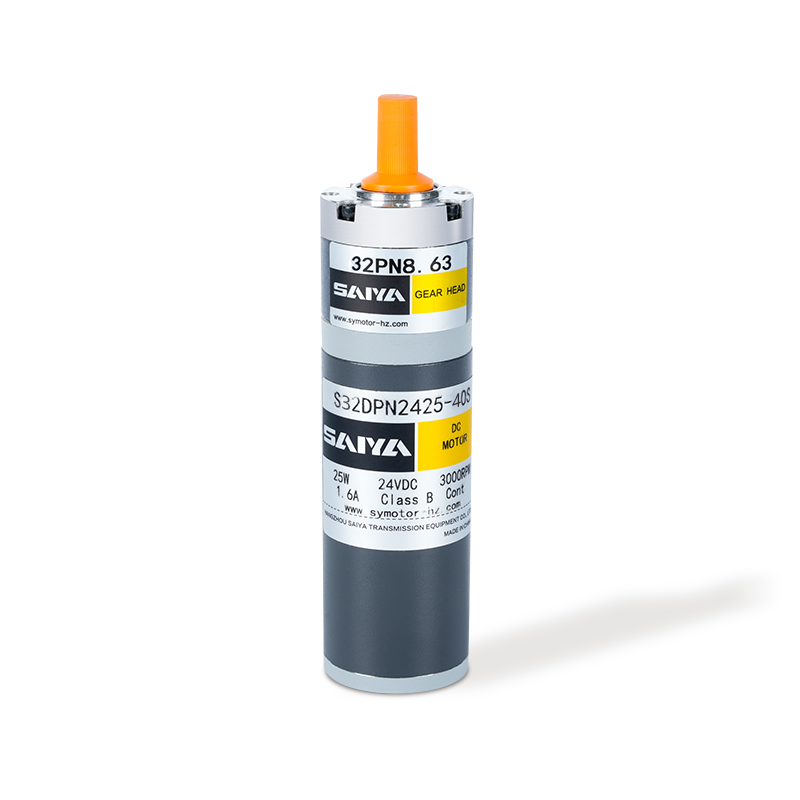
The 32mm brushed planetary gear motor is a compact and efficient solution designed for various applications requiring high torque and precise control. With a diameter of 32mm, this motor is ideally su...
See Details -
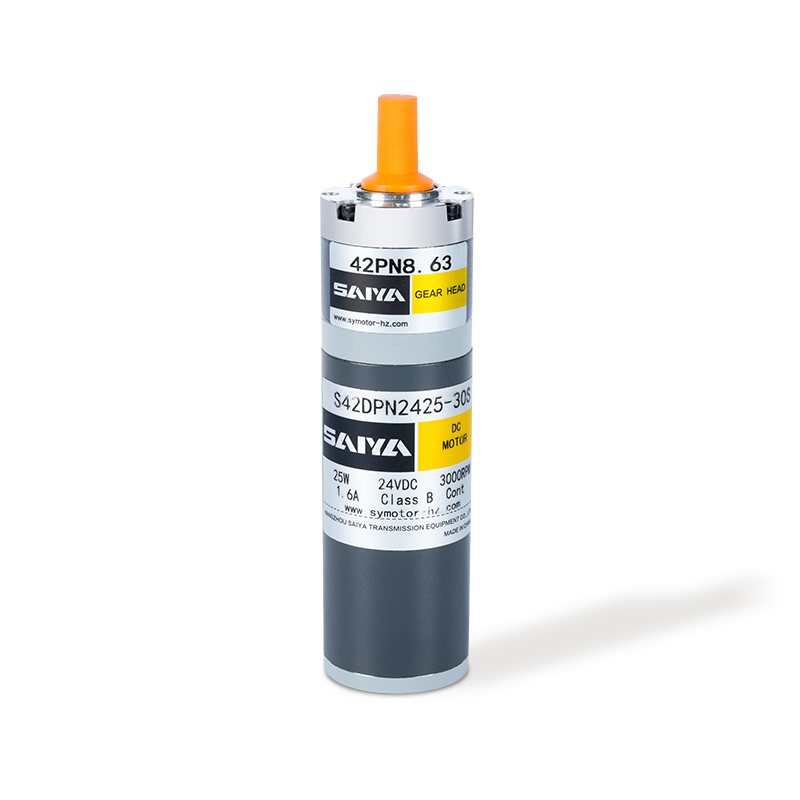
The 42mm brush planetary gear motor is a versatile and efficient component widely used in various applications requiring precise torque and speed control. With a rated current ranging from 0.7 to 1.1A...
See Details -
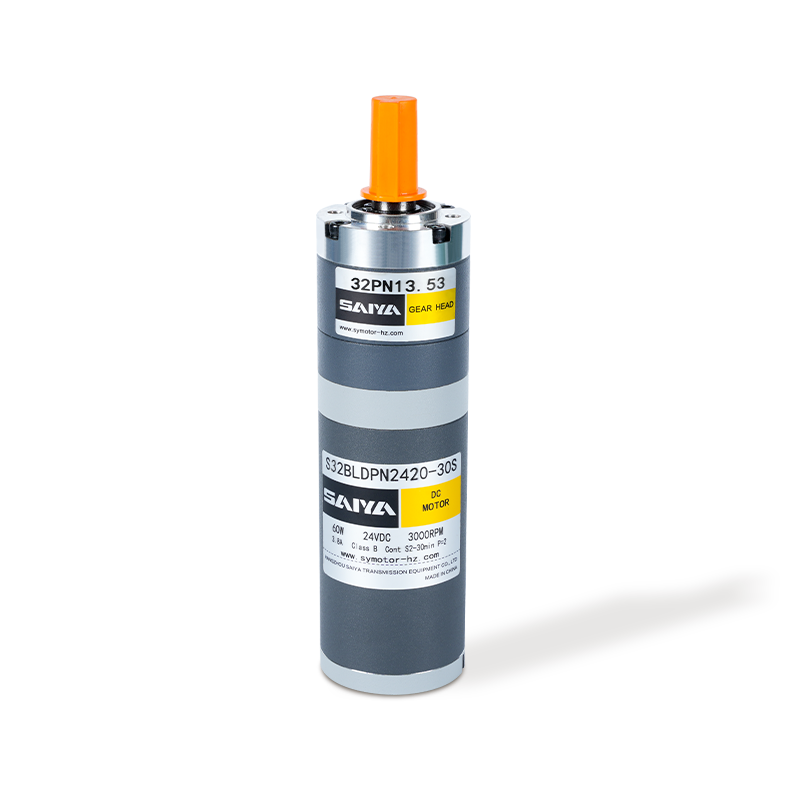
The 32mm Brushless Planetary Gear Motor is a high-performance, compact solution ideal for applications requiring efficiency and reliability. Operating at a rated voltage of 24V and consuming 20W of po...
See Details -
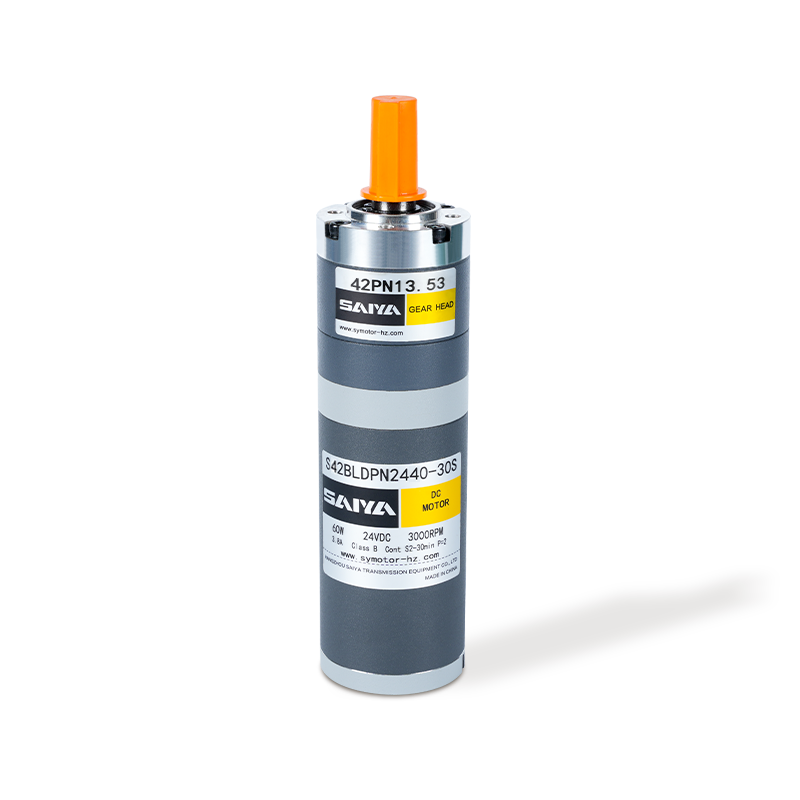
The 42mm brushless planetary motor is a high-efficiency motor product that is widely used in various scenarios requiring precision transmission. The rated current of this motor is 1.3A and the rated t...
See Details -
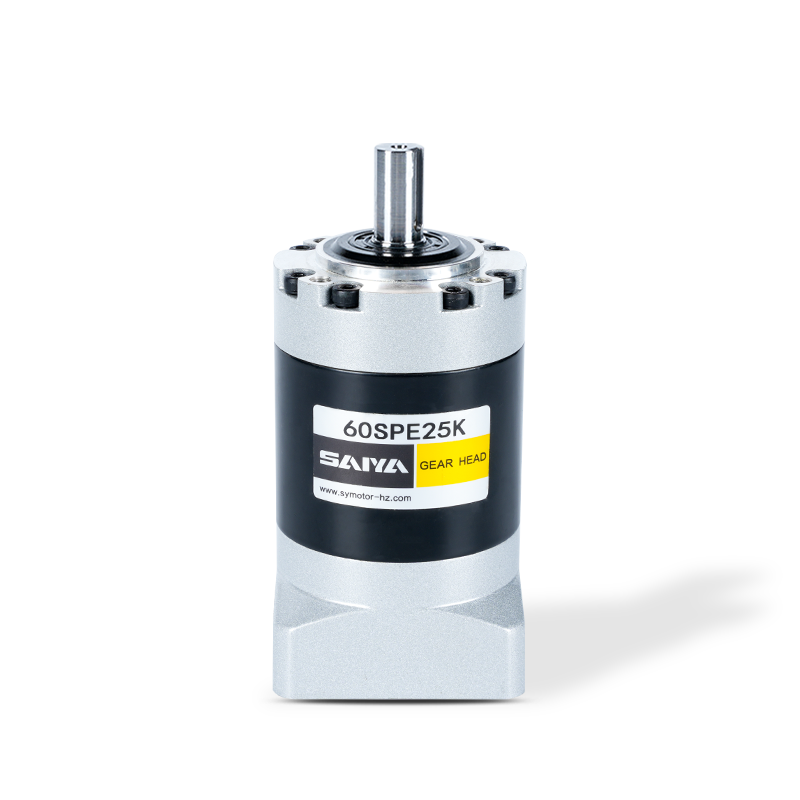
The SPE series gearboxes, flange size range with 40, 60, 80, 120, and 160 models, are designed to provide efficient and robust power transmission solutions. These gearboxes feature a round output flan...
See Details -
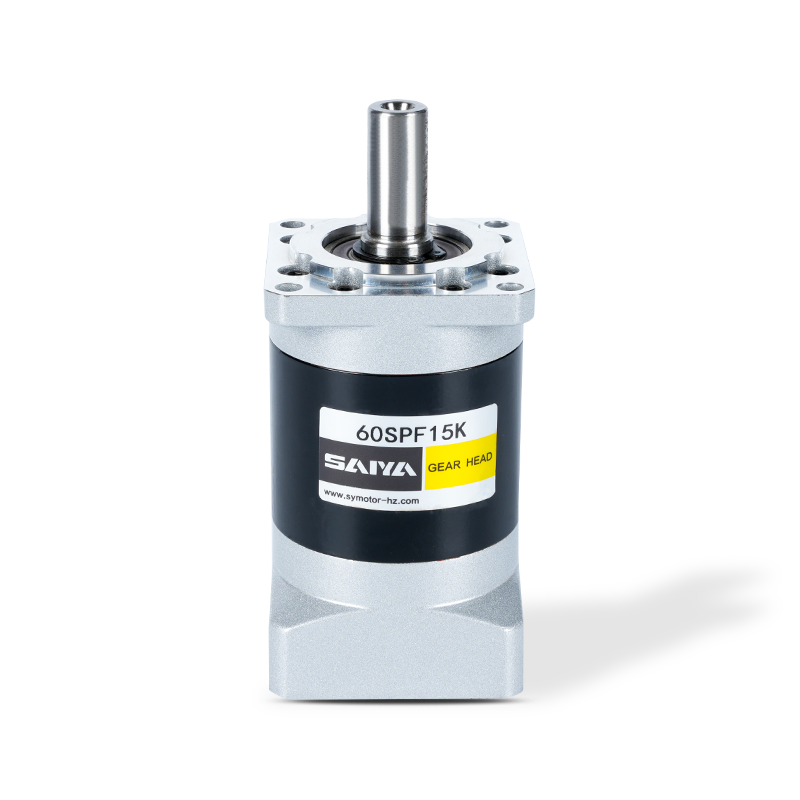
The SPF series are with square output flanges, accommodating dimensions from 40mm to 160mm. These flanges are engineered to excel in various industrial applications, offering reliable performance acro...
See Details -
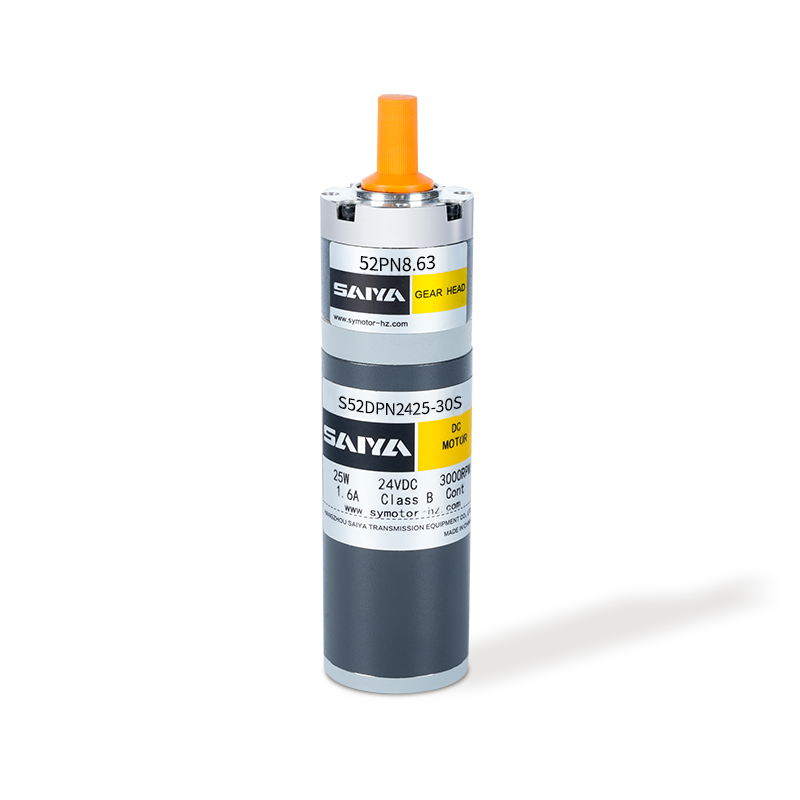
The 52mm brushed planetary gear motor is a compact and efficient solution designed for various applications requiring high torque and precise control. With a diameter of 52mm, this motor is ideally su...
See Details -
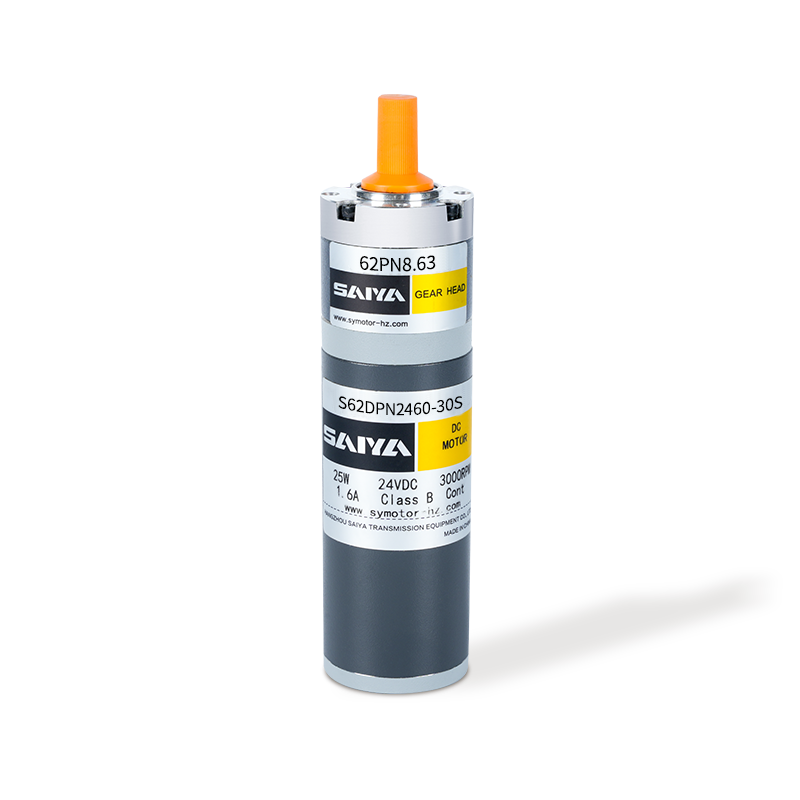
The 62mm brush planetary gear motor is a versatile and efficient component widely used in various applications requiring precise torque and speed control. With a rated current ranging from 2.5 to 5.5A...
See Details
CONTACT DETAILS
- TEL: 0086-0571-86951513/86951543
- Fax: 0086-571-86040769
- E-mail: [email protected] / [email protected] / [email protected]
- Office: Hangzhou Saiya Transmisson Equipment Co.,Ltd
- Office Address: Room 2201, Wanyin building, Hangzhou City, Zhejiang Province
- Factory: Zhejiang Saiya Intelligent Manufacturing Co., Ltd.
- Factory Address: No.35 Building , Zhongnan High-tech Yunhe Zhigu Industrial Park, Xinan town, Deqing county, Huzhou city, Zhejiang, China
QUICK LINK
PRODUCT
If You Are Intrested
In Our Products,
Please Consult Us
Copyright © Zhejiang Saiya Intelligent Manufacturing Co., Ltd. All Rights Reserved.
Custom Gear Reduction Motors Suppliers
