 EN
EN  English
 中文简体
中文简体 русский
 Español
Home / News / Industry News / Why are Brush DC Gear Motors so popular in electromechanical equipment?


Application Industry
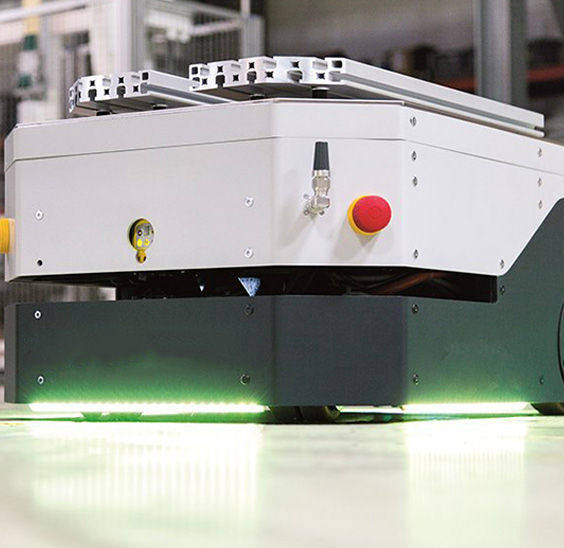
AGV

Automated robots
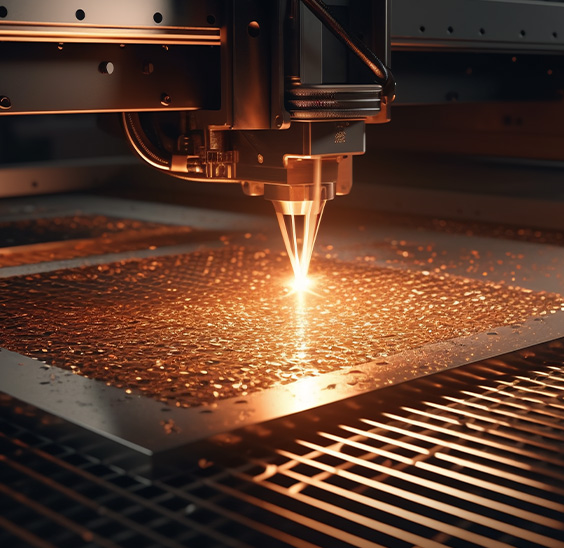
laser cutting

Logistics sorting

Photovoltaic power-station
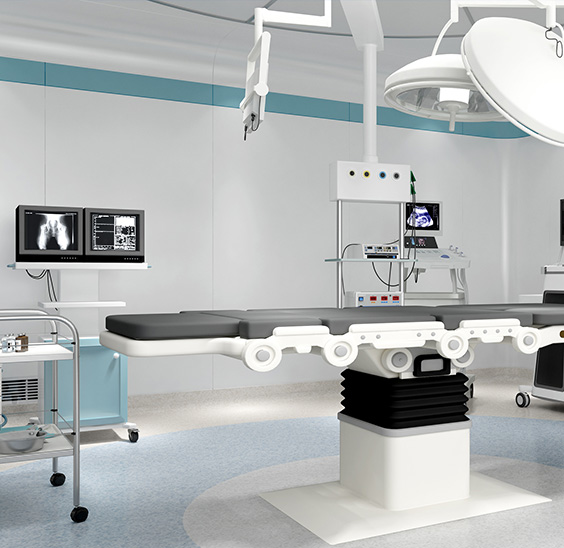
Medical devices
Why are Brush DC Gear Motors so popular in electromechanical equipment?
Among numerous motor products, Brush DC Gear Motors have long enjoyed a high level of attention. As a mature, responsive, and powerful combined motor, it is widely used in automated equipment, intelligent electromechanical devices, and portable mechanical systems. With the increasing demand for compact power sources, these motors, with their stability, ease of control, and cost-effectiveness, have become an ideal choice for engineers and manufacturers.
Structural Basis and Operating Mechanism of Brush DC Gear Motors
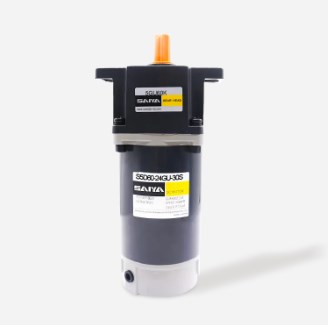
Brush DC Gear Motors are assembled from a brushed DC motor and a reduction gearbox. The brushed DC motor is responsible for power output, while the gearbox, through multi-stage meshing, converts the motor's high-speed, low-torque output into a low-speed, high-torque form, making the motor's power more suitable for actual mechanical loads. Internally, energy switching is achieved through carbon brushes and a commutator, giving the motor the characteristics of rapid start-up and sensitive control. Due to the cooperation between the transmission mechanism and the power unit, the entire unit exhibits a compact, efficient, and responsive overall output performance.
The System Value of Stable Output and Reliable Performance
The greatest advantage of Brush DC Gear Motors lies in its stable and reliable output torque. Through the reduction and amplification effect of the gearbox, the motor maintains stable power performance at low speeds, ensuring consistent mechanical response during continuous operation. Optimized internal structure significantly reduces vibration and noise, maintaining smooth operation in various scenarios sensitive to running quality. Furthermore, brushed DC motors have lower requirements for drive circuitry, simplifying system design and improving overall equipment reliability and maintenance convenience.
The sensitivity of drive control is also a key value. Due to the linear voltage-speed characteristics resulting from the commutation structure, the control logic is clear and straightforward, with a wide speed range, allowing the motor to easily adapt to different operating conditions. Engineers can achieve precise adjustments without complex drive algorithms or controllers, improving system efficiency and reducing application costs.
The Wide Application Prospects of High Adaptability
The composite structure of Brush DC Gear Motors makes it particularly outstanding in space-constrained or high-load devices. The high output torque achieved by the gearbox enables stable operation of various mechanisms, while the compact design of the motor body facilitates integration. Today, it can be found in intelligent electromechanical equipment, household tools, power assistance systems, precision machinery, and mobile mechanisms.
Its fast start-stop characteristics help systems requiring frequent operation maintain responsiveness, ensuring smooth and precise equipment operation. Its long-term operational stability also makes it an ideal choice for many applications with high durability requirements. Its combination of performance and cost advantages keeps this type of motor highly competitive in various equipment manufacturing processes.
Materials and Structure Optimization Enhances Overall Durability
To maintain high efficiency during long-term operation, Brush DC Gear Motors utilize wear-resistant materials and precision-fitting processes in their internal structure. The gearbox section employs a tight meshing design to reduce unnecessary energy loss, resulting in smoother transmission. A well-designed heat dissipation structure ensures continuous operation of the motor under stable temperatures. Upgraded designs for the carbon brushes and commutator not only improve commutation efficiency but also extend overall lifespan.
These components work together to enable the motor to maintain consistent performance over extended periods under complex operating conditions. This reliability is particularly important for equipment requiring consistent performance over long periods.
Key Considerations When Selecting Brush DC Gear Motors
Selecting Brush DC Gear Motors for different devices should be considered from multiple perspectives, including torque, speed, space constraints, operating time, and power supply conditions. The gearbox reduction ratio determines the final output characteristics, while the motor's structure determines its overall power potential. If continuous power is required at low speeds, torque stability and reduction structure should be prioritized; if the device emphasizes responsiveness, the motor's starting performance and control sensitivity should be considered.
Dimensions are also an important factor in selection. As devices continue to evolve towards lightweight and modular designs, the value of compact motors is increasingly prominent. Ensuring that the motor meets power requirements while perfectly matching the device's spatial structure significantly improves the overall system's coordination.
FAQ
Is the lifespan of Brush DC Gear Motors affected by carbon brushes?
Carbon brushes gradually wear down with use, but modern materials technology has significantly extended their lifespan, resulting in stable lifespans under normal maintenance.
Does the gearbox material affect motor performance?
Gear material affects transmission efficiency and noise levels; more wear-resistant materials improve stability and extend overall lifespan.
Is it suitable for continuous, long-term operation?
With proper selection and good heat dissipation, Brush DC Gear Motors can maintain stable operation and are suitable for most continuously operating equipment.
Does the control require complex circuitry?
Its simple drive structure, allowing for direct speed regulation and start/stop via basic electronic control, is one of the reasons for its popularity.
Related products
-
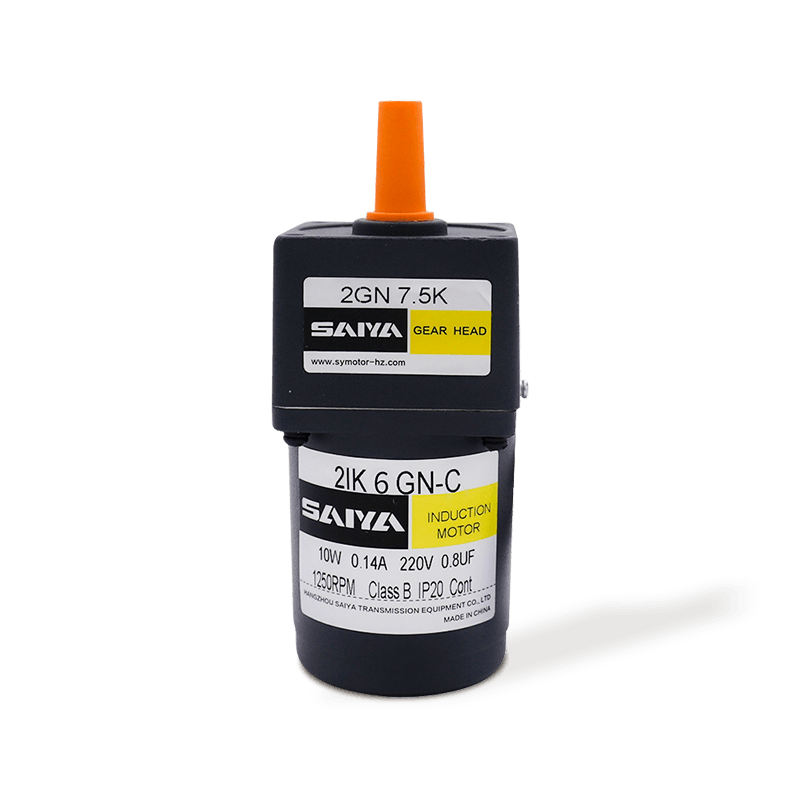
This 6W Induction AC Gear Motor is an efficient, compact and reliable small motor suitable for a wide range of industrial and household applications.Motor frame 60mm x 60mm making it easy to install ...
See Details -
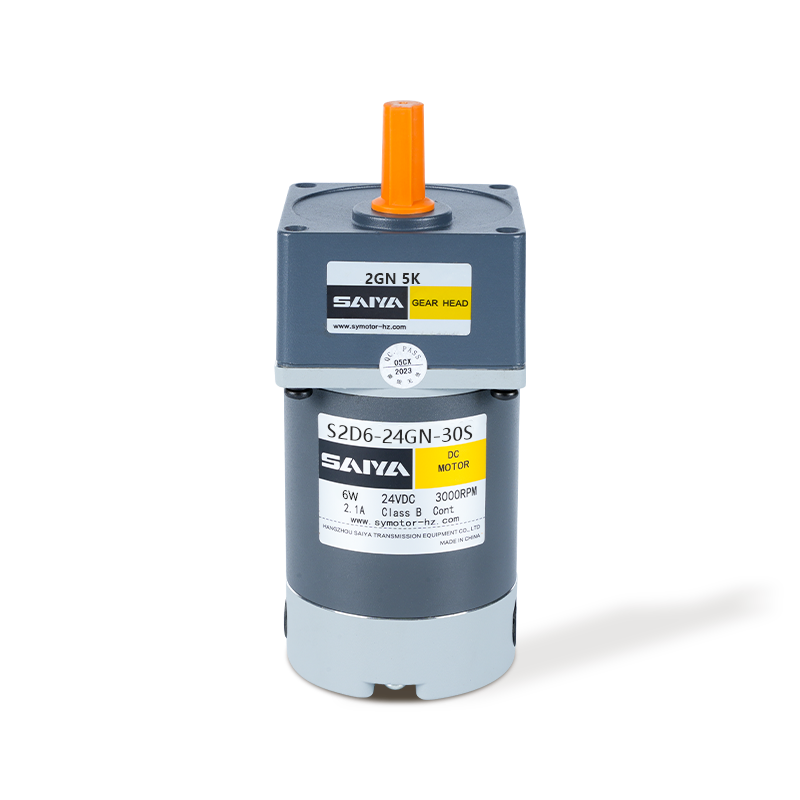
The 6W brush DC gbear motor is designed for efficiency and versatility, suitable for various applications. With a compact frame size of 60mm x 60mm, it fits seamlessly into tight spaces. The motor ope...
See Details -
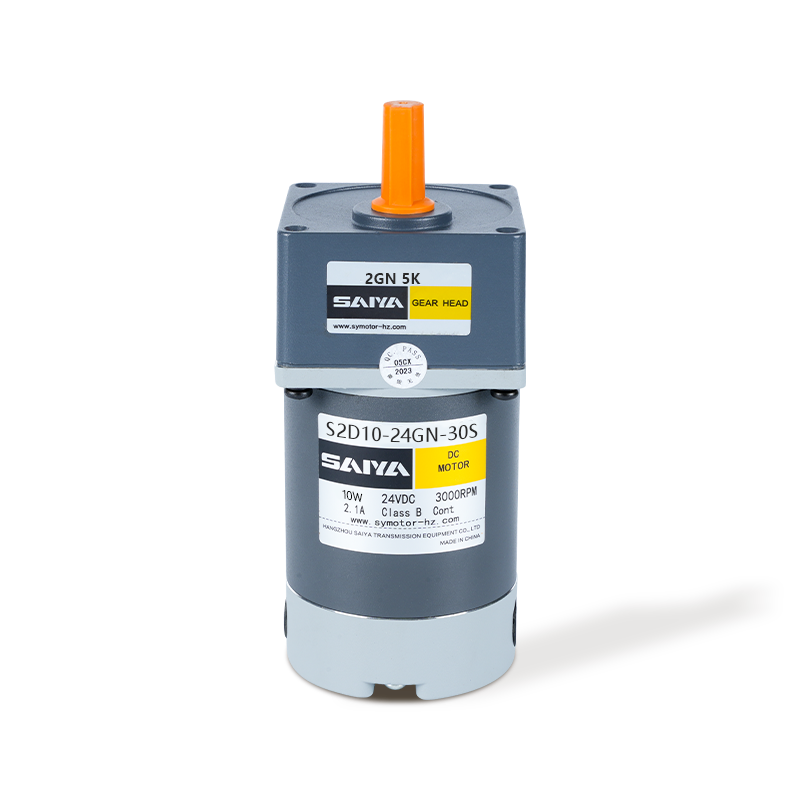
The 10W brush DC gear motor offers high performance and adaptability, for a range of industrial and hobbyist applications. With a frame size of 60mm x 60mm, this motor is designed to fit into confined...
See Details -
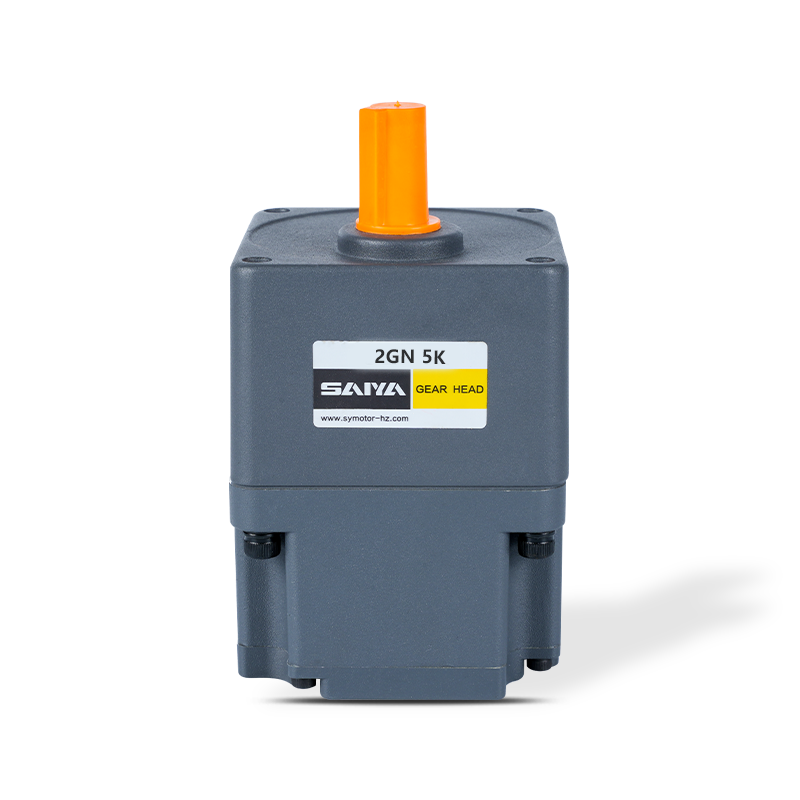
The 24V Brushless Gear Motor is a versatile and efficient motor designed for a range of applications. With dimensions ranging from 60mm x 60mm to 104mm x 104mm, this motor can fit into various equipme...
See Details -
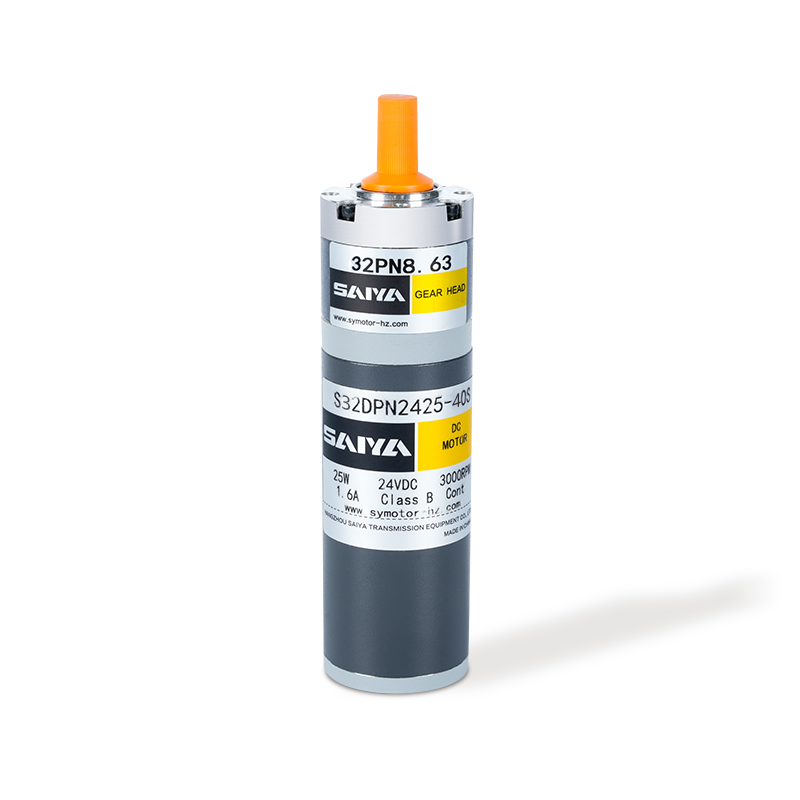
The 32mm brushed planetary gear motor is a compact and efficient solution designed for various applications requiring high torque and precise control. With a diameter of 32mm, this motor is ideally su...
See Details -
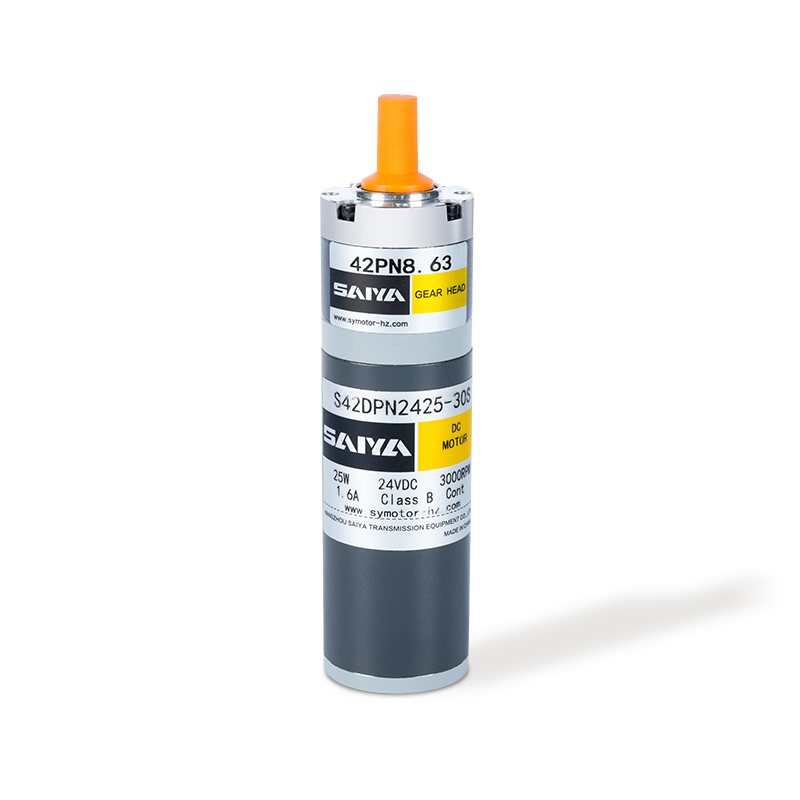
The 42mm brush planetary gear motor is a versatile and efficient component widely used in various applications requiring precise torque and speed control. With a rated current ranging from 0.7 to 1.1A...
See Details -
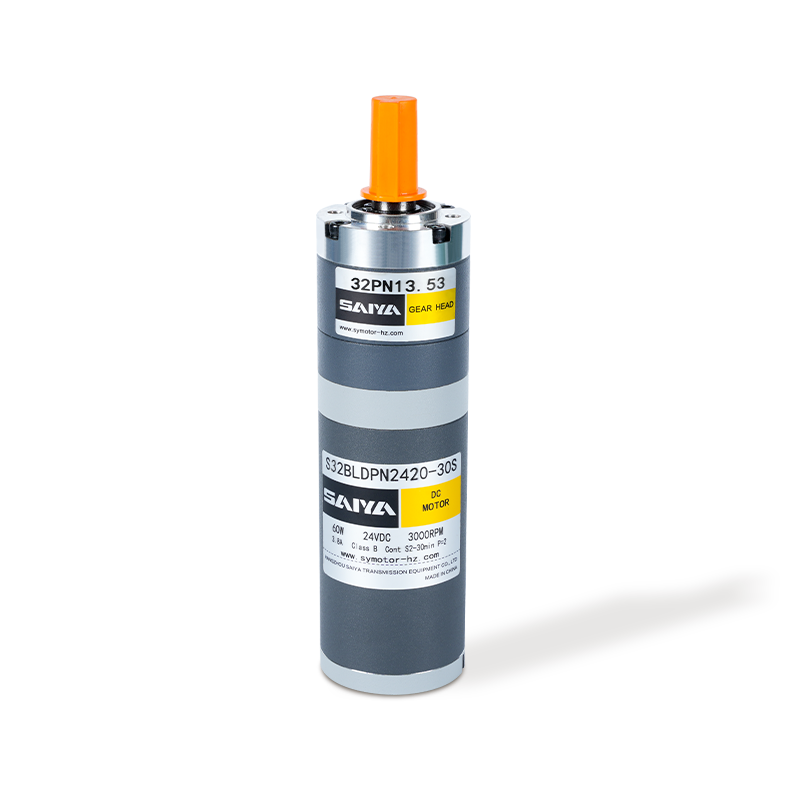
The 32mm Brushless Planetary Gear Motor is a high-performance, compact solution ideal for applications requiring efficiency and reliability. Operating at a rated voltage of 24V and consuming 20W of po...
See Details -
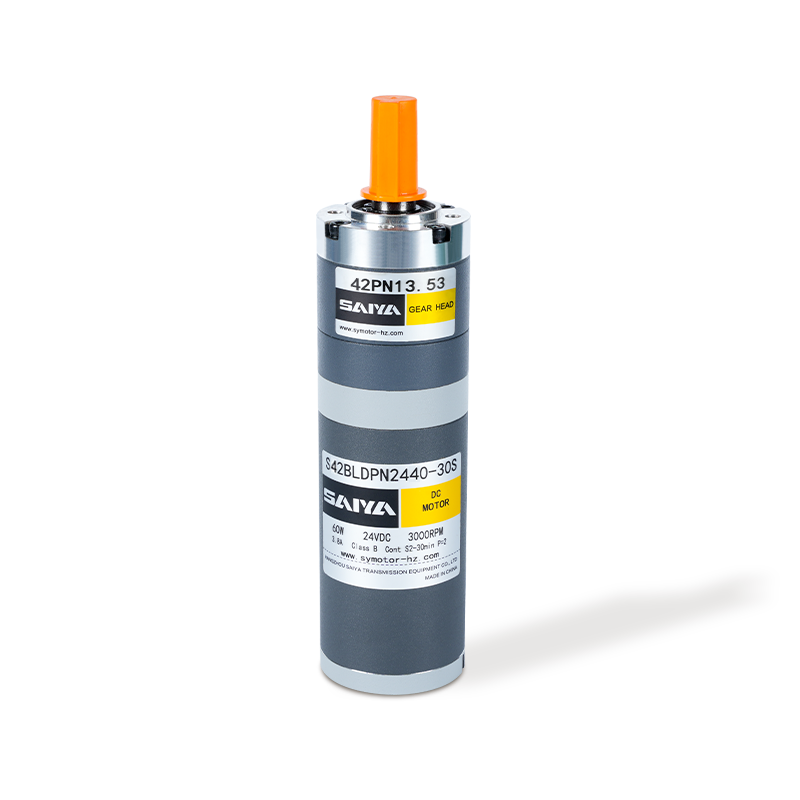
The 42mm brushless planetary motor is a high-efficiency motor product that is widely used in various scenarios requiring precision transmission. The rated current of this motor is 1.3A and the rated t...
See Details -
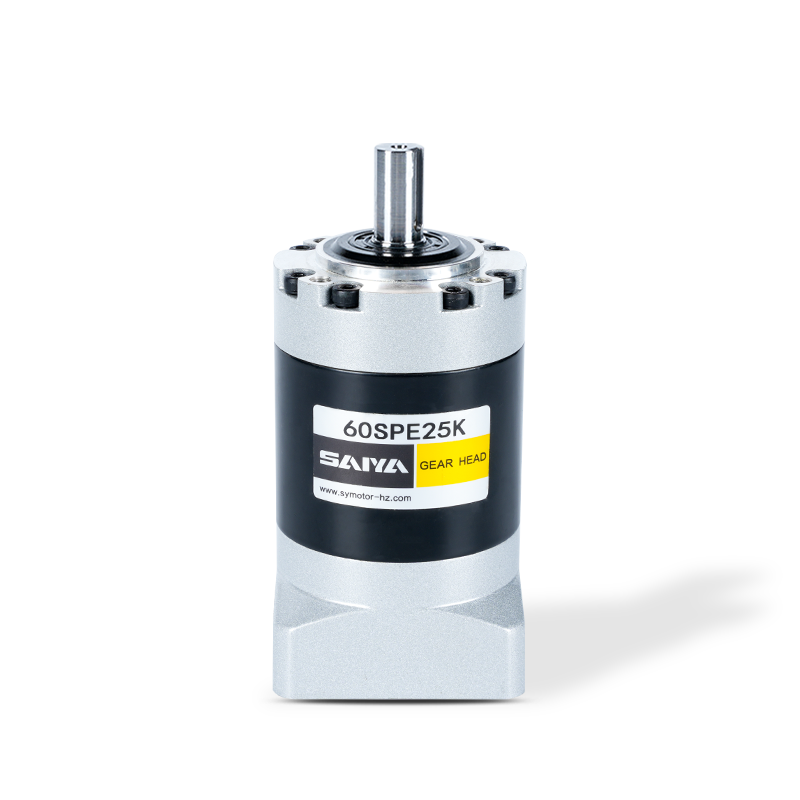
The SPE series gearboxes, flange size range with 40, 60, 80, 120, and 160 models, are designed to provide efficient and robust power transmission solutions. These gearboxes feature a round output flan...
See Details -
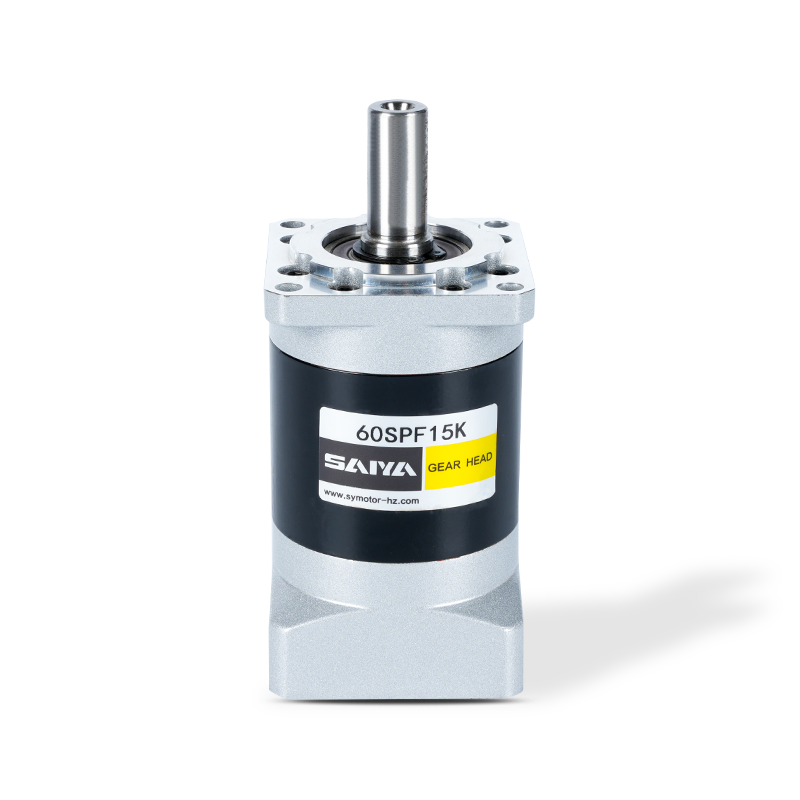
The SPF series are with square output flanges, accommodating dimensions from 40mm to 160mm. These flanges are engineered to excel in various industrial applications, offering reliable performance acro...
See Details -
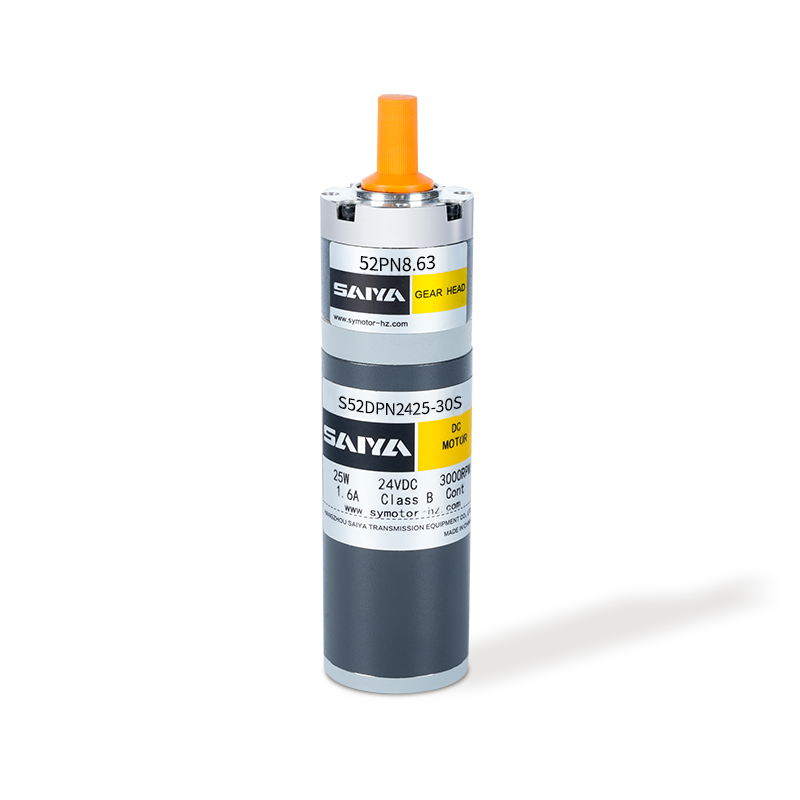
The 52mm brushed planetary gear motor is a compact and efficient solution designed for various applications requiring high torque and precise control. With a diameter of 52mm, this motor is ideally su...
See Details -
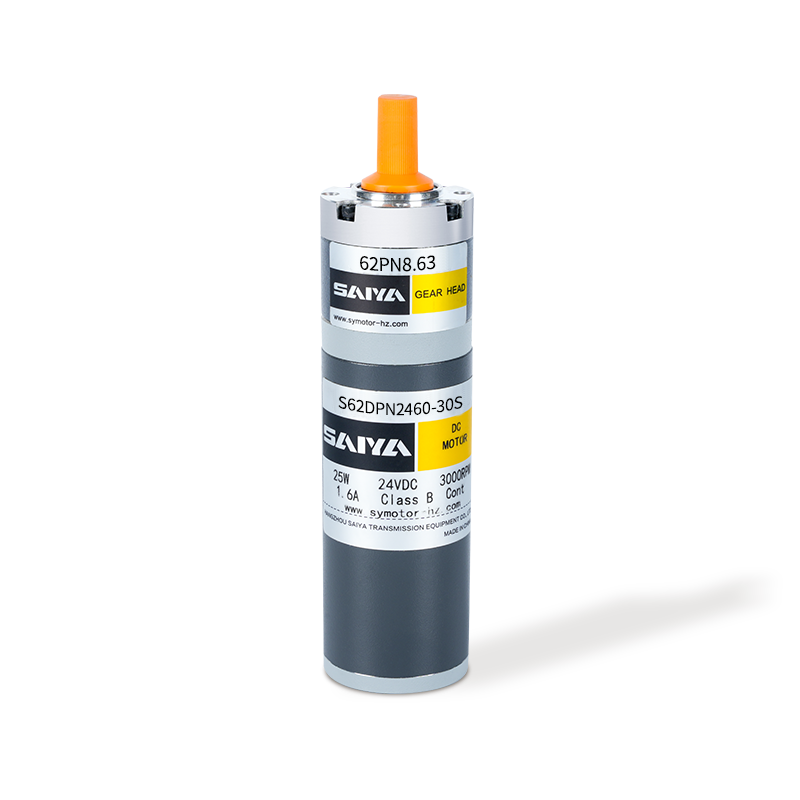
The 62mm brush planetary gear motor is a versatile and efficient component widely used in various applications requiring precise torque and speed control. With a rated current ranging from 2.5 to 5.5A...
See Details
CONTACT DETAILS
- TEL: 0086-0571-86951513/86951543
- Fax: 0086-571-86040769
- E-mail: [email protected] / [email protected] / [email protected]
- Office: Hangzhou Saiya Transmisson Equipment Co.,Ltd
- Office Address: Room 2201, Wanyin building, Hangzhou City, Zhejiang Province
- Factory: Zhejiang Saiya Intelligent Manufacturing Co., Ltd.
- Factory Address: No.35 Building , Zhongnan High-tech Yunhe Zhigu Industrial Park, Xinan town, Deqing county, Huzhou city, Zhejiang, China
QUICK LINK
PRODUCT
If You Are Intrested
In Our Products,
Please Consult Us
Copyright © Zhejiang Saiya Intelligent Manufacturing Co., Ltd. All Rights Reserved.
Custom Gear Reduction Motors Suppliers
