

 EN
EN  English
 中文简体
中文简体 русский
 Español
Application Industry
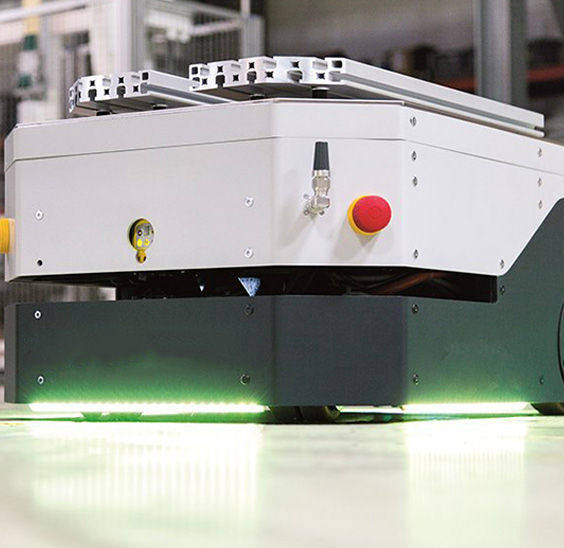
AGV

Automated robots
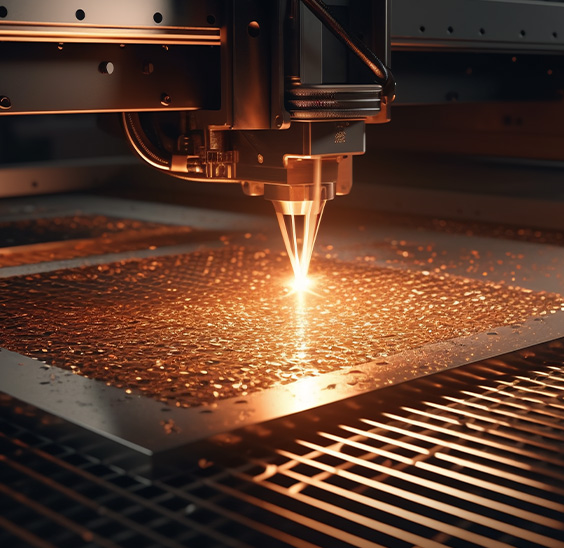
laser cutting

Logistics sorting

Photovoltaic power-station
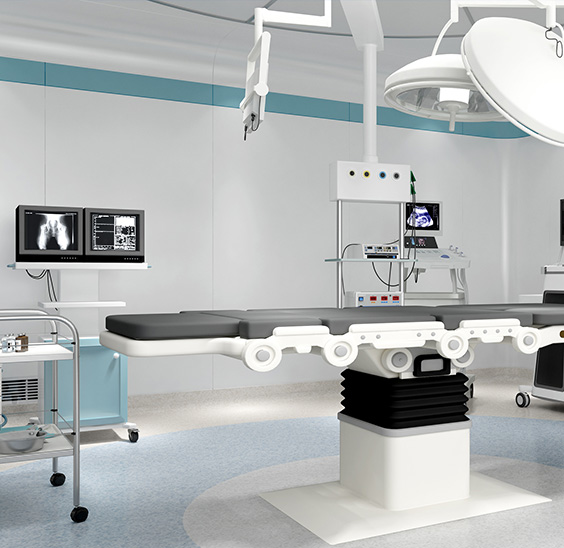
Medical devices
Micro AC Gear Motors: The Key Power Source in Future Smart Devices
Micro AC gear motors are an important component of modern mechanical drive systems. With their compact size, powerful driving force, and efficient performance, they have found widespread applications in various industries. From automated equipment to household appliances, from toys to robots, micro AC motors are becoming an indispensable power source in modern smart devices due to their unique advantages.
Structure and Working Principle of Micro AC Motors
The core of a micro AC motor consists of two parts: the stator and the rotor. The stator is the stationary part, usually made of copper wire wound into coils and connected to a power source to generate a magnetic field; the rotor is the rotating part, usually made of steel or other magnetic materials. The two interact through electromagnetic induction to achieve rotation.
When alternating current flows through the stator coils, the stator generates a rotating magnetic field, which acts on the rotor, causing it to rotate. Unlike DC motors, micro AC motors do not require external brushes to change the direction of the current, resulting in lower maintenance costs and a longer service life.
In micro AC motors, the gear mechanism is a key component that reduces rotational speed and increases output torque. Through gear transmission, the micro motor can output high torque at low speeds, making it perform exceptionally well in applications requiring precise control. The selection and configuration of the gears have a direct impact on the motor's performance; therefore, the quality and design of the gears must be fully considered when choosing a micro motor.
Main Advantages of Micro AC Motors
1. Compact and Efficient Design
One of the biggest advantages of micro AC motors is their compact design. Compared to traditional motors, micro motors are smaller and can be integrated into tighter spaces, making them suitable for applications with high space requirements. Despite their small size, they can provide sufficient power output to meet the driving needs of many devices, especially demonstrating strong advantages in automation, smart home, and robotics fields.
Micro AC motors have high working efficiency, generating greater output with lower energy consumption, reducing energy consumption during use. This makes them highly competitive in devices that require long-term operation, such as smart home devices or medical equipment.
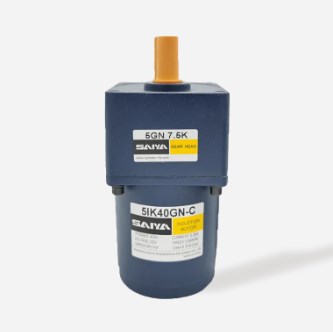
2. High Reliability and Durability
Compared to DC motors, miniature AC motors have a simpler structure, lacking brushes and commutators, thus avoiding performance degradation due to brush wear. This gives miniature AC motors a longer lifespan and higher reliability. In long-term use, miniature AC motors require less maintenance, reducing downtime and repair costs caused by motor failures.
The durability of miniature AC motors is also enhanced. They can operate stably and maintain high working efficiency in various harsh environments (such as high temperature, high humidity, and dusty environments).
3. Easy Control and Precise Adjustment
Miniature AC motors are often used in conjunction with precise control systems, offering fine speed control capabilities. By adjusting the current frequency, the motor speed and direction can be precisely controlled. This makes miniature motors particularly outstanding in fields requiring precise motion control, especially in automated production lines, robotics, and transmission systems.
Furthermore, with the development of intelligent technology, many miniature AC motors can now be remotely controlled and monitored through intelligent control systems, further enhancing the convenience and intelligence of their applications.
Application Fields of Miniature AC Motors
1. Automation Equipment
Miniature AC motors are widely used in automation equipment, especially in applications requiring high torque and low-speed operation. For example, the precision drive systems in robots and the conveyor systems in industrial automation production lines all rely on miniature motors. Their compact size and efficient driving capabilities make them indispensable components in the field of automation.
2. Smart Home
With the rise of smart homes, the application of miniature AC motors has become increasingly widespread. For example, automatic curtains, smart sweeping robots, and air purifiers all use miniature motors to achieve precise motion control. Due to their high energy efficiency and long lifespan, miniature motors perform exceptionally well in smart home devices, providing users with a more convenient and efficient experience.
3. Toys and Electronic Devices
Miniature AC motors are also commonly used in toys and electronic devices. In many remote-controlled and automated toys, miniature motors are used to provide driving force and motion control, providing powerful power output without adding excessive weight. Similarly, many small household appliances (such as electric toothbrushes and shavers) also rely on miniature motors for precise operation.
Considerations When Choosing Miniature AC Motors
When choosing a miniature AC motor, several important factors need to be considered. First is the motor's power and output torque, which determines whether the motor can meet the application requirements. Secondly, the design and quality of the gears also affect the motor's efficiency and performance; choosing the appropriate gear ratio is crucial. In addition, the motor's operating temperature, speed range, and noise control are all important factors to consider during selection.
Frequently Asked Questions (FAQ)
Q: What are the advantages of miniature AC motors compared to DC motors?
A: The biggest advantage of miniature AC motors compared to DC motors is that they do not require brushes and commutators, meaning they have no brush wear problems and a longer service life. Miniature AC motors excel in high efficiency and low energy consumption, making them more suitable for equipment that runs for extended periods.
Q: What types of equipment can miniature AC motors be used in?
A: Miniature AC motors are widely used in various small automated devices, smart home appliances, remote-controlled toys, power tools, and robots. They provide precise drive and control, adapting to various application needs.
Q: How to choose the right miniature AC motor?
A: When choosing a miniature AC motor, you need to consider the actual application's power requirements, speed requirements, torque requirements, and space limitations. Gear design and the motor's operating environment (such as temperature and humidity) are also important factors to consider during selection.
Q: Is the maintenance of miniature AC motors complicated?
A: Compared to DC motors, the maintenance of miniature AC motors is relatively simple because they do not have brushes and commutators, reducing wear problems. Regular checks of the gear mechanism and lubrication are all that is needed to ensure the motor's normal operation.
Miniature AC motors, with their high efficiency, compact size, and reliability, are widely used in smart devices and automation fields. With the continuous development of technology, miniature motors will play an irreplaceable role in more industries. Understanding their working principles, advantages, and application areas will help you better select and use this key component, bringing better performance and longer service life to your products and equipment.
Related products
-
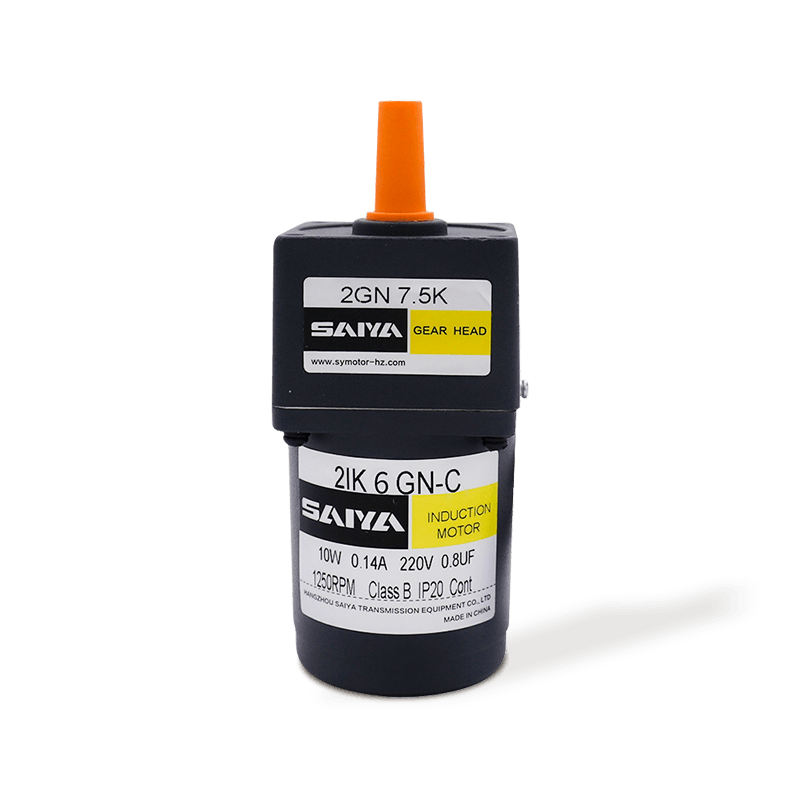
This 6W Induction AC Gear Motor is an efficient, compact and reliable small motor suitable for a wide range of industrial and household applications.Motor frame 60mm x 60mm making it easy to install ...
See Details -
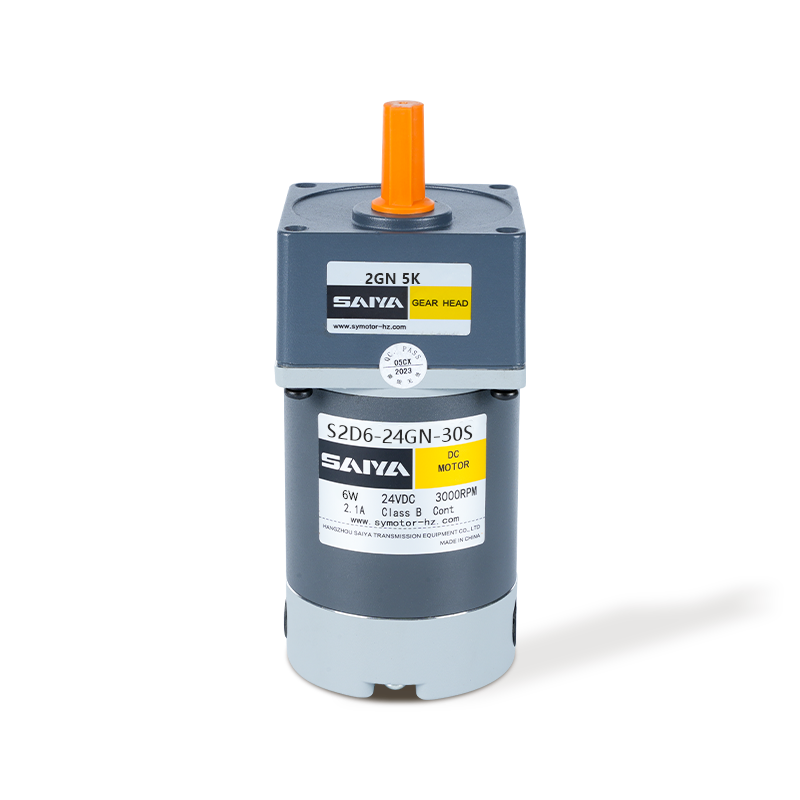
The 6W brush DC gbear motor is designed for efficiency and versatility, suitable for various applications. With a compact frame size of 60mm x 60mm, it fits seamlessly into tight spaces. The motor ope...
See Details -
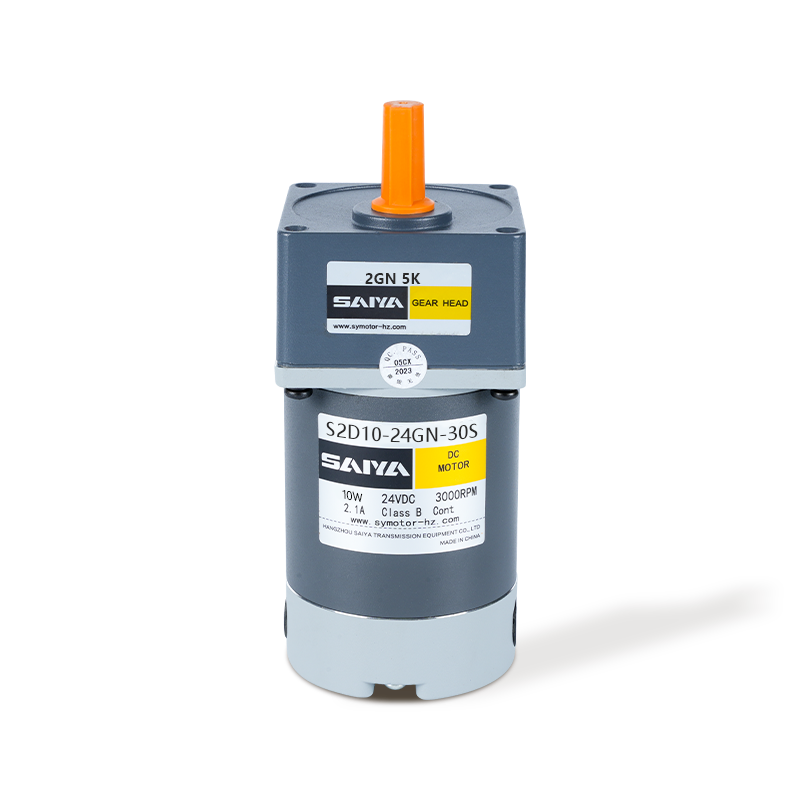
The 10W brush DC gear motor offers high performance and adaptability, for a range of industrial and hobbyist applications. With a frame size of 60mm x 60mm, this motor is designed to fit into confined...
See Details -
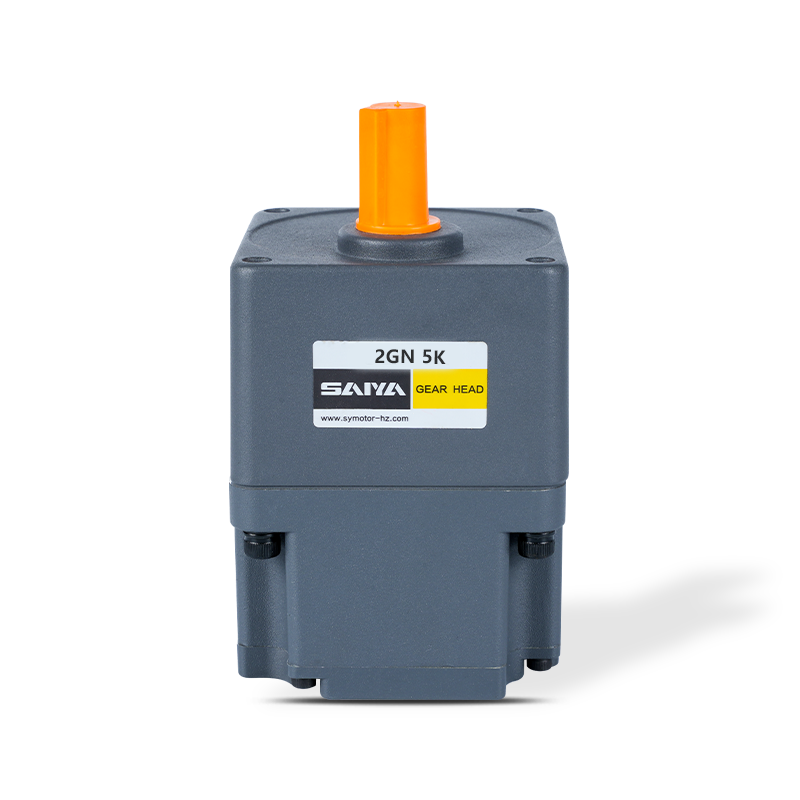
The 24V Brushless Gear Motor is a versatile and efficient motor designed for a range of applications. With dimensions ranging from 60mm x 60mm to 104mm x 104mm, this motor can fit into various equipme...
See Details -
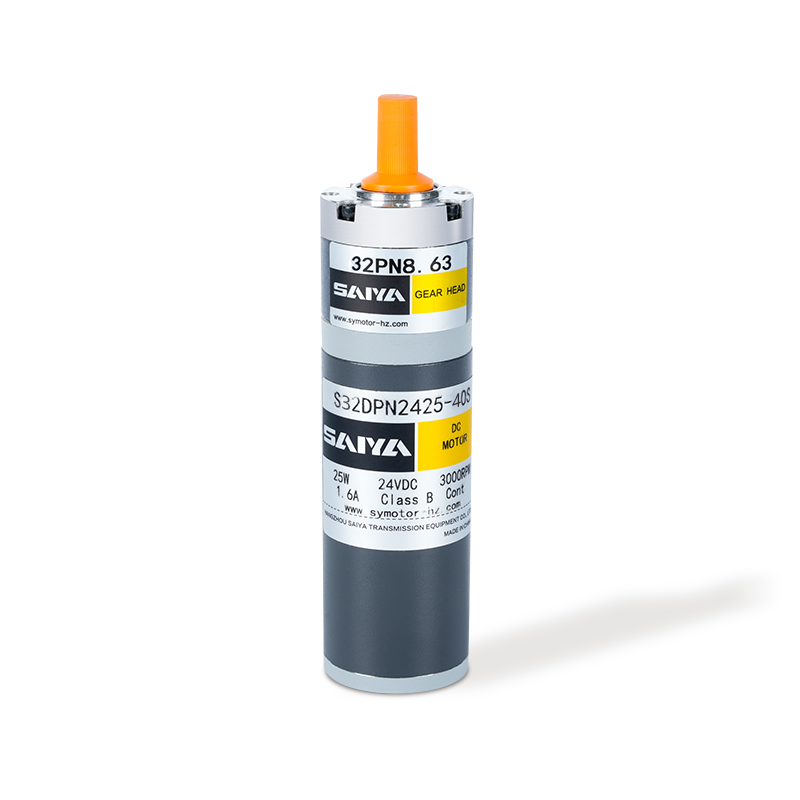
The 32mm brushed planetary gear motor is a compact and efficient solution designed for various applications requiring high torque and precise control. With a diameter of 32mm, this motor is ideally su...
See Details -
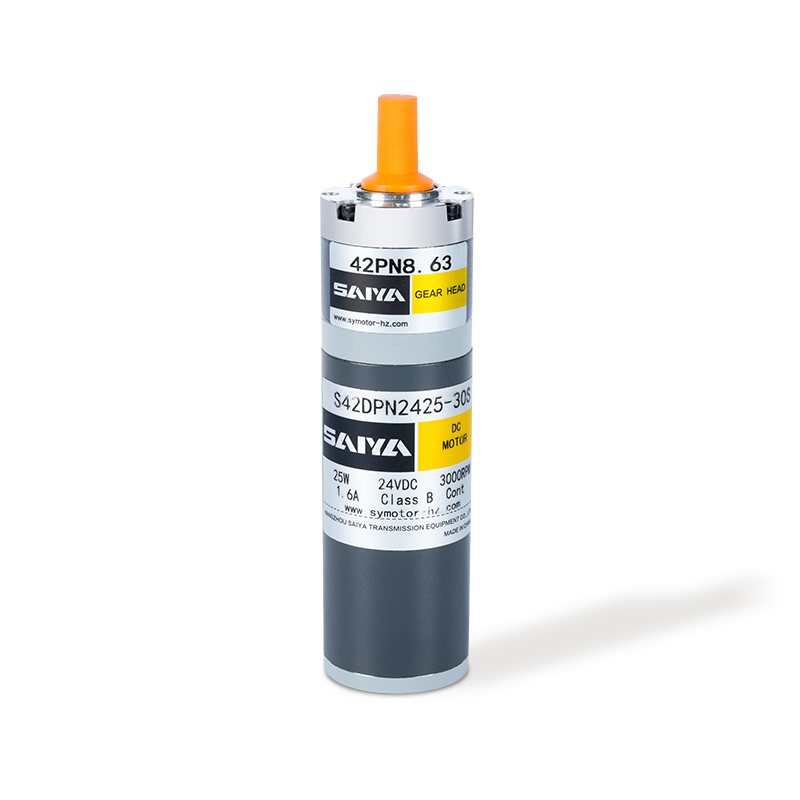
The 42mm brush planetary gear motor is a versatile and efficient component widely used in various applications requiring precise torque and speed control. With a rated current ranging from 0.7 to 1.1A...
See Details -
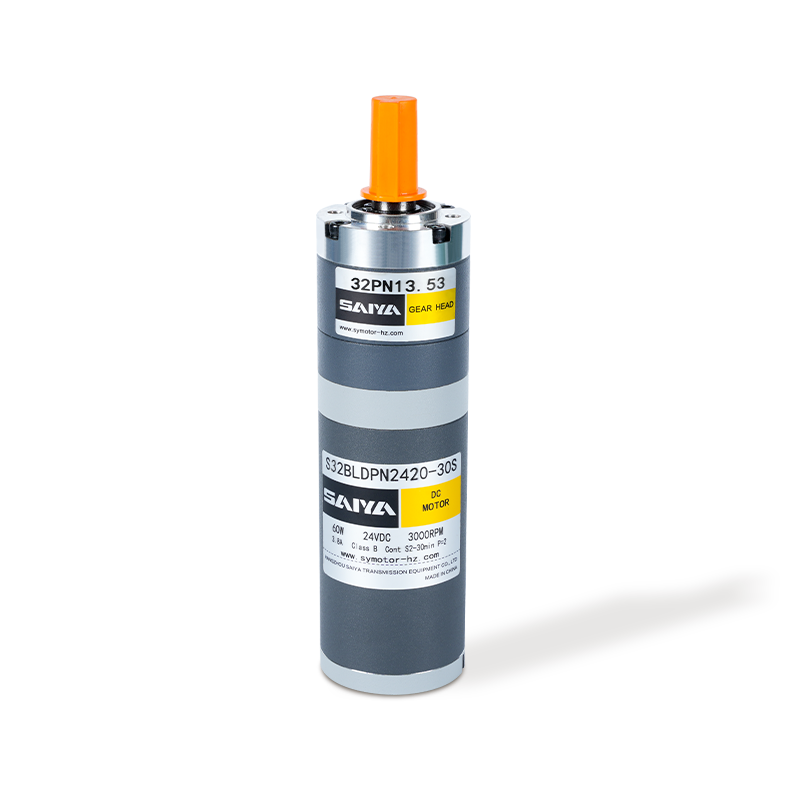
The 32mm Brushless Planetary Gear Motor is a high-performance, compact solution ideal for applications requiring efficiency and reliability. Operating at a rated voltage of 24V and consuming 20W of po...
See Details -
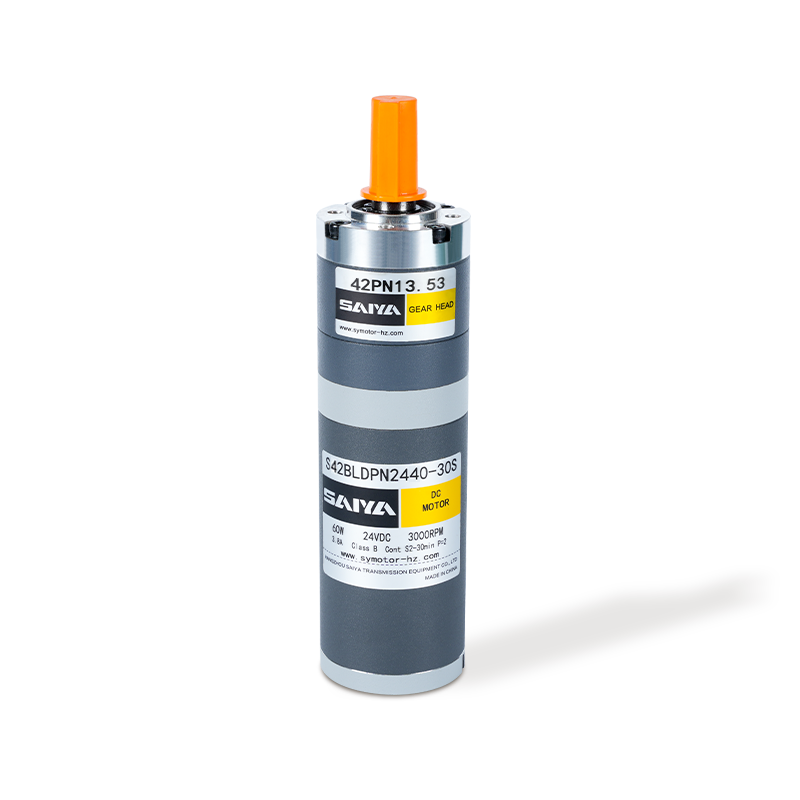
The 42mm brushless planetary motor is a high-efficiency motor product that is widely used in various scenarios requiring precision transmission. The rated current of this motor is 1.3A and the rated t...
See Details -
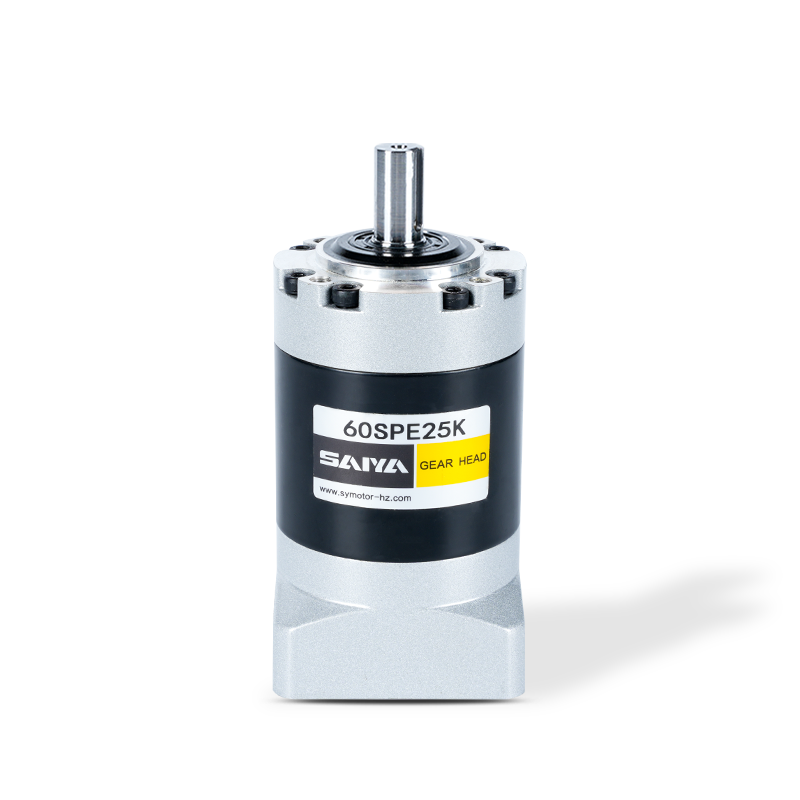
The SPE series gearboxes, flange size range with 40, 60, 80, 120, and 160 models, are designed to provide efficient and robust power transmission solutions. These gearboxes feature a round output flan...
See Details -
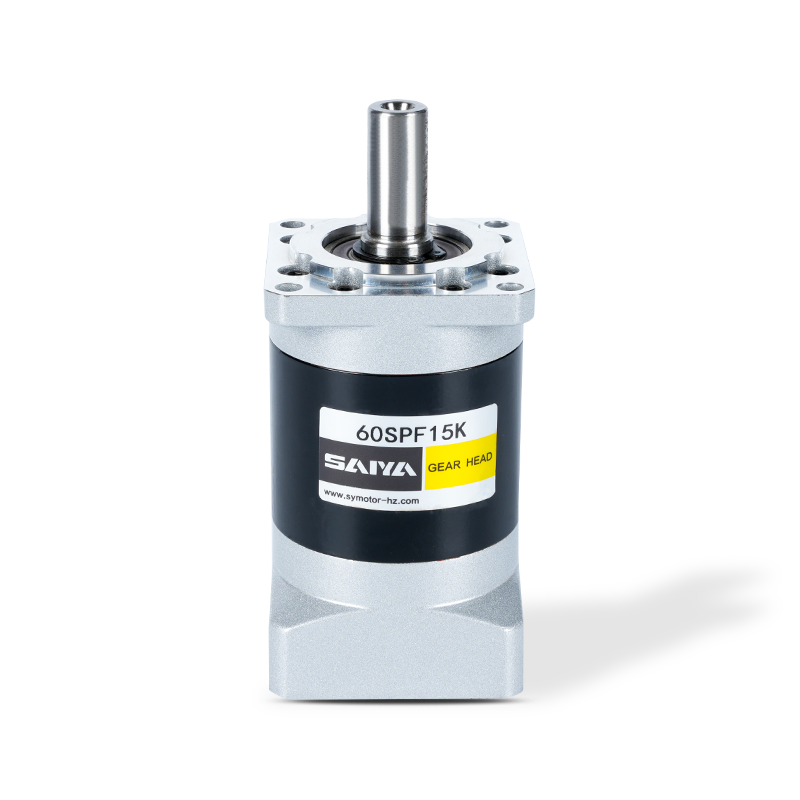
The SPF series are with square output flanges, accommodating dimensions from 40mm to 160mm. These flanges are engineered to excel in various industrial applications, offering reliable performance acro...
See Details -
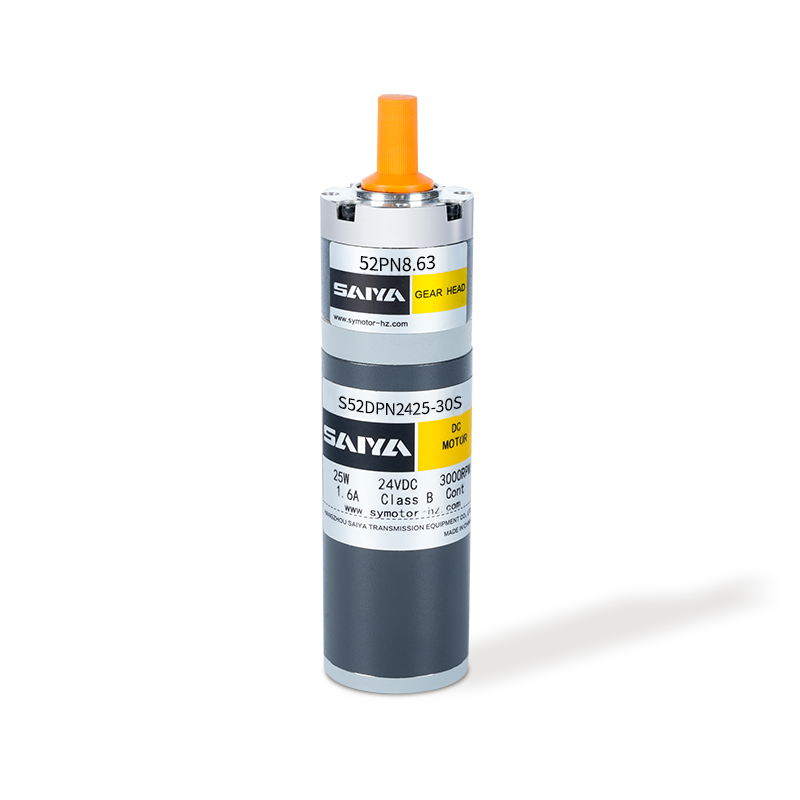
The 52mm brushed planetary gear motor is a compact and efficient solution designed for various applications requiring high torque and precise control. With a diameter of 52mm, this motor is ideally su...
See Details -
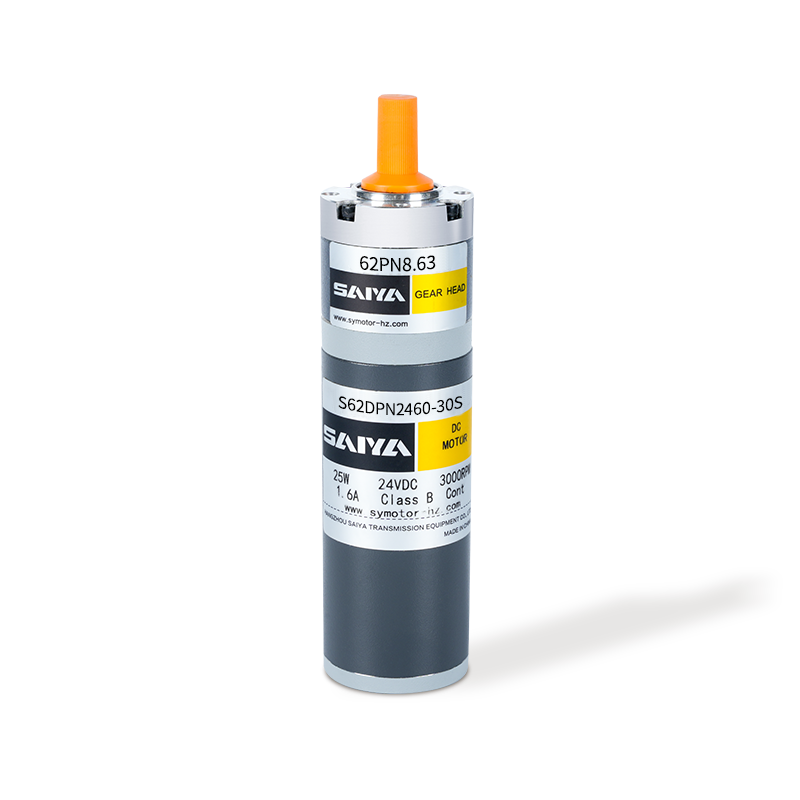
The 62mm brush planetary gear motor is a versatile and efficient component widely used in various applications requiring precise torque and speed control. With a rated current ranging from 2.5 to 5.5A...
See Details
CONTACT DETAILS
- TEL: 0086-0571-86951513/86951543
- Fax: 0086-571-86040769
- E-mail: [email protected] / [email protected] / [email protected]
- Office: Hangzhou Saiya Transmisson Equipment Co.,Ltd
- Office Address: Room 2201, Wanyin building, Hangzhou City, Zhejiang Province
- Factory: Zhejiang Saiya Intelligent Manufacturing Co., Ltd.
- Factory Address: No.35 Building , Zhongnan High-tech Yunhe Zhigu Industrial Park, Xinan town, Deqing county, Huzhou city, Zhejiang, China
QUICK LINK
PRODUCT
If You Are Intrested
In Our Products,
Please Consult Us
Copyright © Zhejiang Saiya Intelligent Manufacturing Co., Ltd. All Rights Reserved.
Custom Gear Reduction Motors Suppliers
