 EN
EN  English
 中文简体
中文简体 русский
 Español
Home / News / Industry News / Why Have Planetary Gear Motors Become the Core Power Source for Industrial Automation?


Application Industry
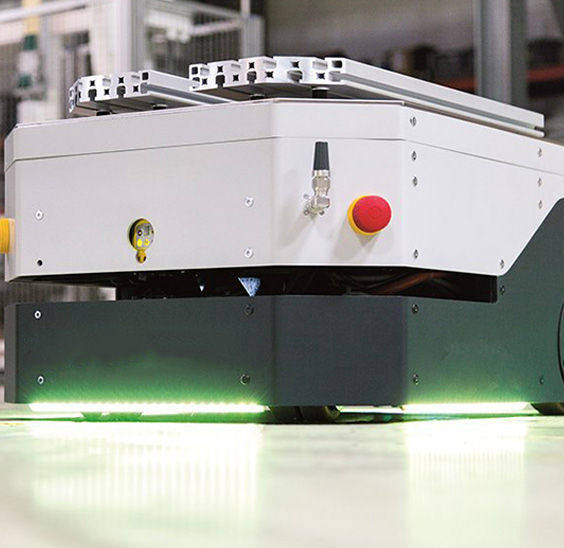
AGV

Automated robots
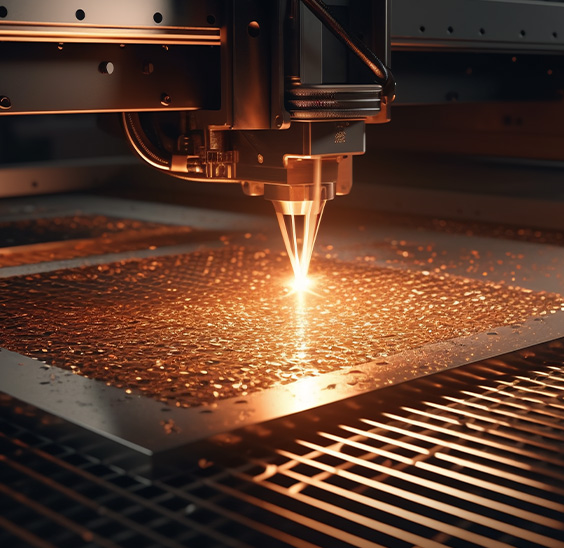
laser cutting

Logistics sorting

Photovoltaic power-station
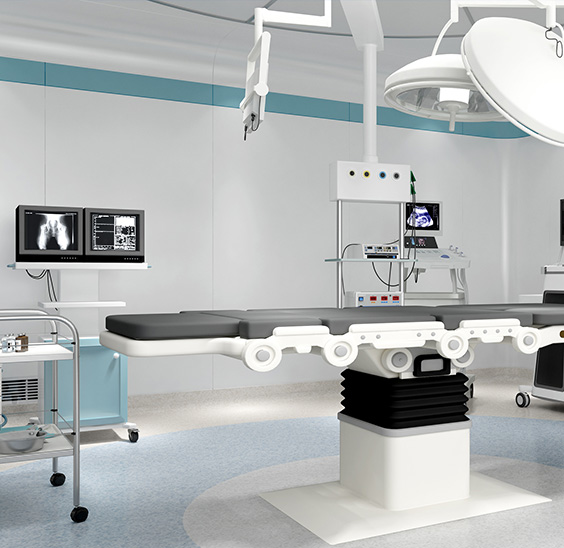
Medical devices
Why Have Planetary Gear Motors Become the Core Power Source for Industrial Automation?
In modern mechanical design and automation, planetary gear motors, with their unique structural design and superior performance advantages, have become indispensable components in industrial applications. From precision manufacturing to high-end automated equipment, planetary gear motors are widely used in various demanding mechanical systems due to their compact structure, high transmission efficiency, and reliable power output.
The Structure and Working Principle of Planetary Gear Motors
A planetary gear motor consists of a motor and a planetary gear reduction mechanism. Its core structure includes a sun gear, planetary gears, a ring gear, and a carrier. The sun gear is located at the center. Power is input from the motor, and the planetary gears rotate around the sun gear and mesh within the ring gear, thus achieving multi-point distribution and transmission of power. The carrier then uniformly outputs the motion of the planetary gears, enabling the overall transmission system to provide high torque while maintaining a compact structure.
This unique power transmission method allows planetary gear motors to reduce energy loss and improve transmission efficiency while ensuring output stability. Compared with traditional gear systems, planetary gear motors offer more balanced power transmission and more dispersed force on the tooth surfaces, significantly reducing wear and noise. This is a key reason for their widespread adoption in high-performance mechanical systems.
A Perfect Combination of High Efficiency and Compact Design
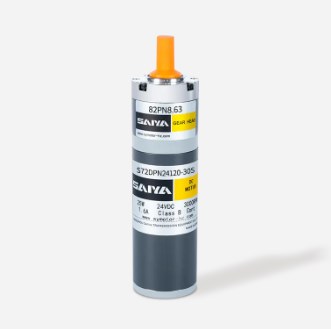
The design philosophy of planetary gear motors emphasizes the dual optimization of high efficiency and space utilization. In industrial applications, scenarios with limited space and high power demands are extremely common, and traditional motors often struggle to achieve high output performance within confined spaces. Planetary gear motors, through multi-tooth meshing and power distribution technology, achieve the goal of outputting high torque within a compact structure. This not only improves the overall efficiency of the mechanical system but also makes lightweight and modular design possible.
Planetary gear motors excel in load adaptability. Their multi-point meshing characteristics ensure stable and reliable power transmission under high loads and impact loads, avoiding the stress concentration problem of single-tooth loads. This advantage is particularly crucial in high-precision equipment and continuous operation systems, providing reliable assurance for industrial production.
Applications of Planetary Gear Motors in Smart Manufacturing
The requirements for transmission efficiency, precision, and stability in mechanical systems are constantly increasing. Planetary gear motors demonstrate unique value in intelligent production lines, automated handling equipment, and precision machining machinery. Their high-precision output and controllable speed characteristics enable equipment to achieve higher positioning accuracy and smoother motion control, thereby improving production efficiency and product quality.
In the smart factories of the future, planetary gear motors are not only the core of power output but also a crucial component for achieving system intelligence. Through integration with sensors, controllers, and IoT technologies, planetary gear motors can achieve condition monitoring, energy consumption optimization, and remote control, providing strong technical support for the intelligent operation and maintenance of industrial equipment.
Performance Optimization and Advances in Materials Technology
The performance optimization of planetary gear motors relies not only on innovative structural design but also on advancements in materials science. The application of high-strength steel, wear-resistant alloys, and advanced lubrication technologies significantly improves gear durability and transmission efficiency. Simultaneously, advancements in precision machining processes enable more accurate gear meshing, reducing backlash and friction, thereby lowering energy loss and extending service life.
Regarding transmission efficiency and reliability, continuous optimization of planetary gear motors is driving the upgrade of the entire industrial transmission technology. For high-performance applications, the collaborative design of the motor and gear system becomes critical. By rationally matching motor power, gear ratios, and lubrication methods, the overall system efficiency and stability can be maximized.
Conclusion
With their unique structural advantages, superior transmission efficiency, and high reliability, planetary gear motors are becoming an indispensable core power unit in modern industrial automation and intelligent manufacturing. From structural design to material optimization, from traditional applications to intelligent upgrades, planetary gear motors demonstrate strong technological vitality. With continuous advancements in manufacturing and intelligent control technologies, the application prospects of planetary gear motors will become even broader, providing a solid foundation for the efficient operation and intelligent upgrading of industrial equipment.
Related products
-
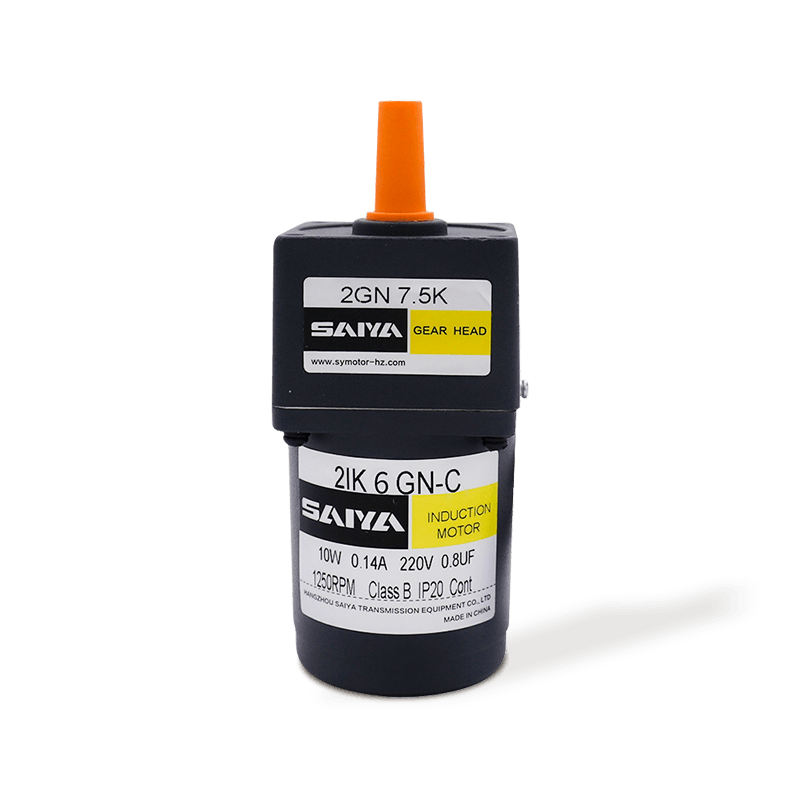
This 6W Induction AC Gear Motor is an efficient, compact and reliable small motor suitable for a wide range of industrial and household applications.Motor frame 60mm x 60mm making it easy to install ...
See Details -
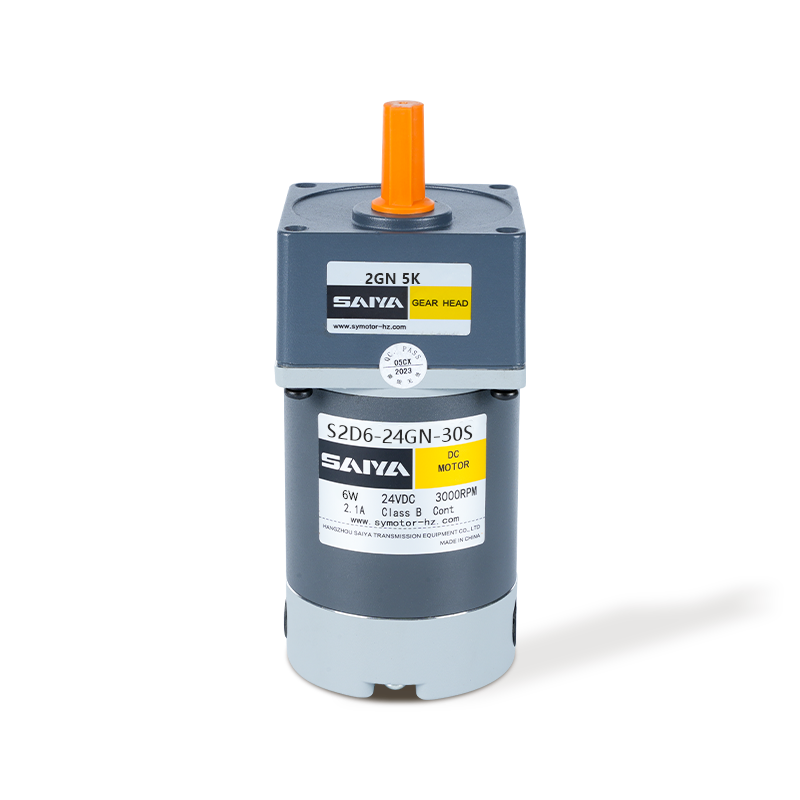
The 6W brush DC gbear motor is designed for efficiency and versatility, suitable for various applications. With a compact frame size of 60mm x 60mm, it fits seamlessly into tight spaces. The motor ope...
See Details -
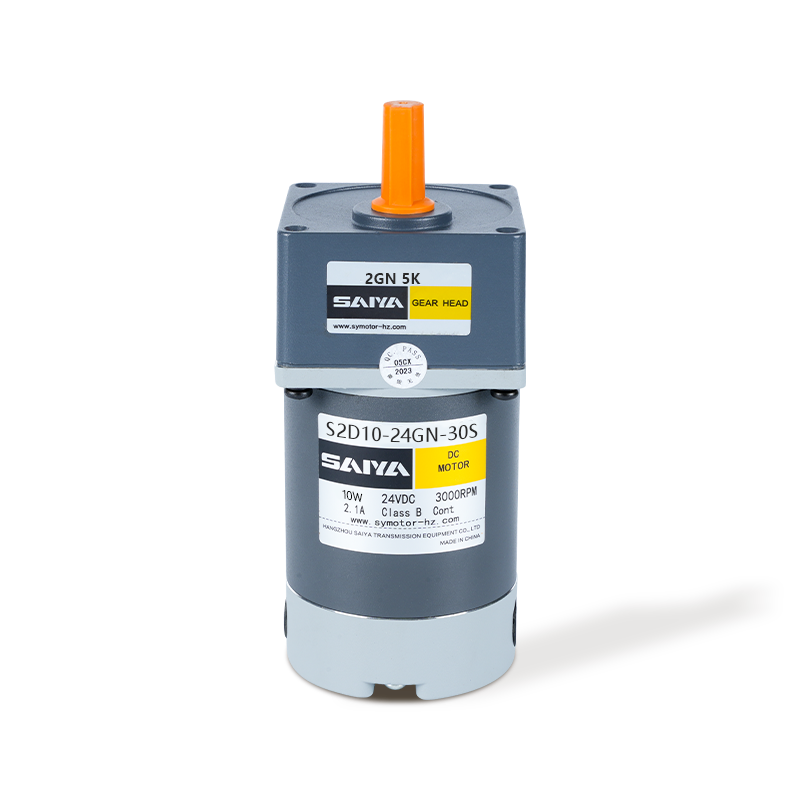
The 10W brush DC gear motor offers high performance and adaptability, for a range of industrial and hobbyist applications. With a frame size of 60mm x 60mm, this motor is designed to fit into confined...
See Details -
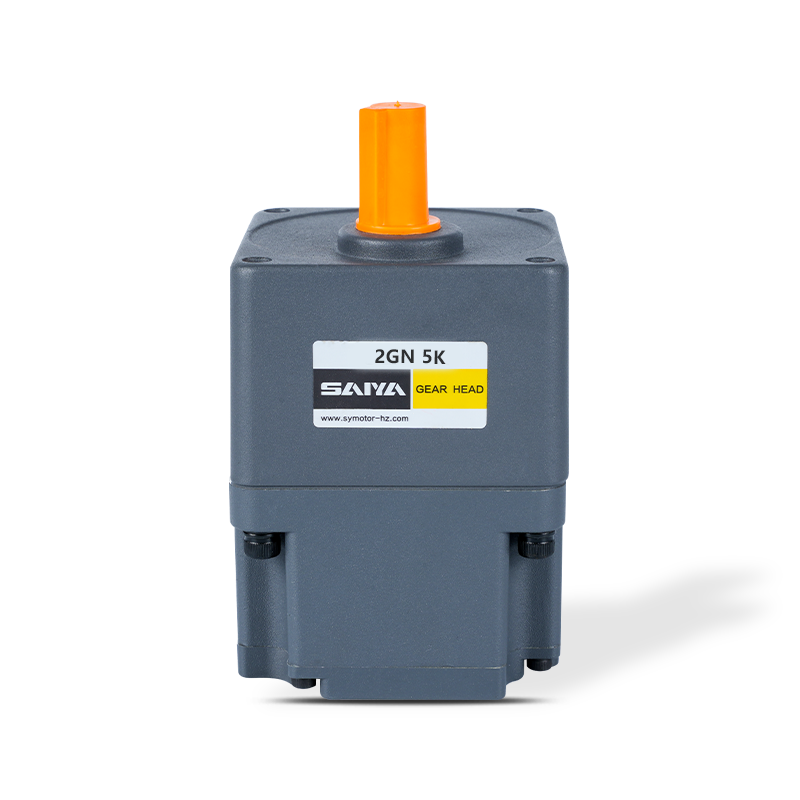
The 24V Brushless Gear Motor is a versatile and efficient motor designed for a range of applications. With dimensions ranging from 60mm x 60mm to 104mm x 104mm, this motor can fit into various equipme...
See Details -
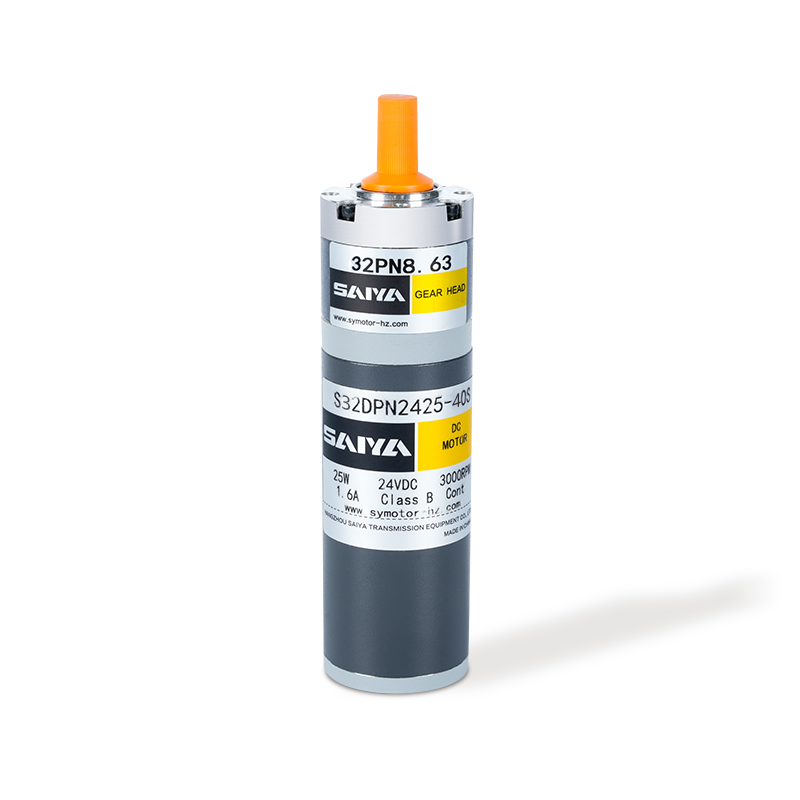
The 32mm brushed planetary gear motor is a compact and efficient solution designed for various applications requiring high torque and precise control. With a diameter of 32mm, this motor is ideally su...
See Details -
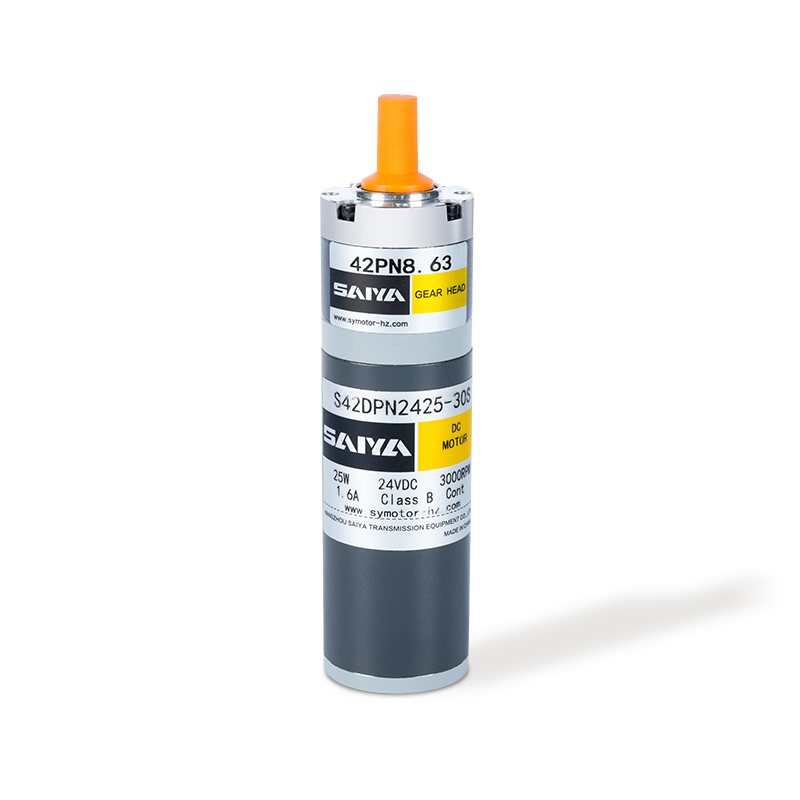
The 42mm brush planetary gear motor is a versatile and efficient component widely used in various applications requiring precise torque and speed control. With a rated current ranging from 0.7 to 1.1A...
See Details -
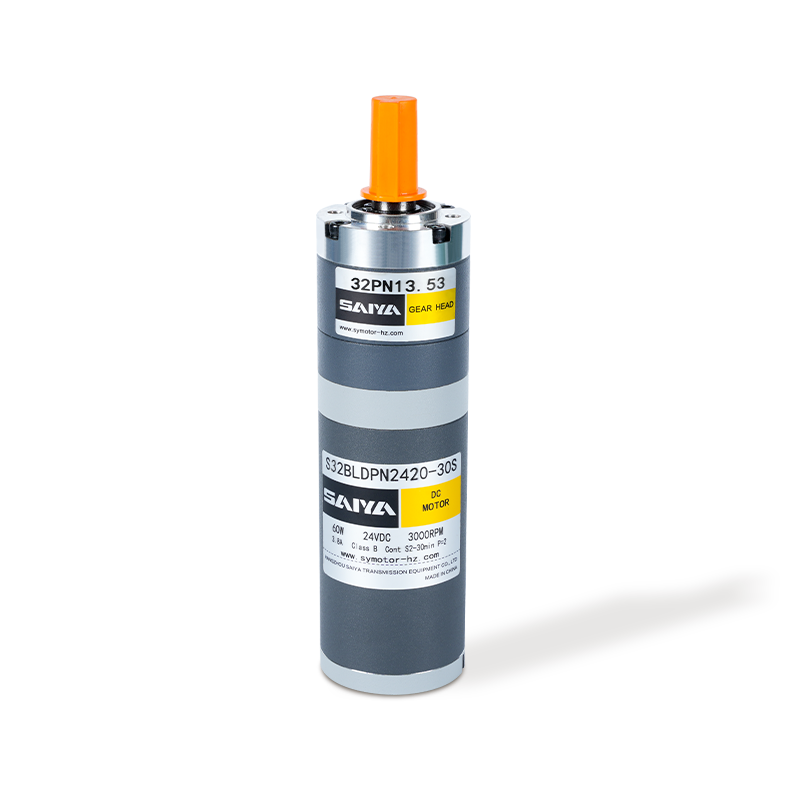
The 32mm Brushless Planetary Gear Motor is a high-performance, compact solution ideal for applications requiring efficiency and reliability. Operating at a rated voltage of 24V and consuming 20W of po...
See Details -
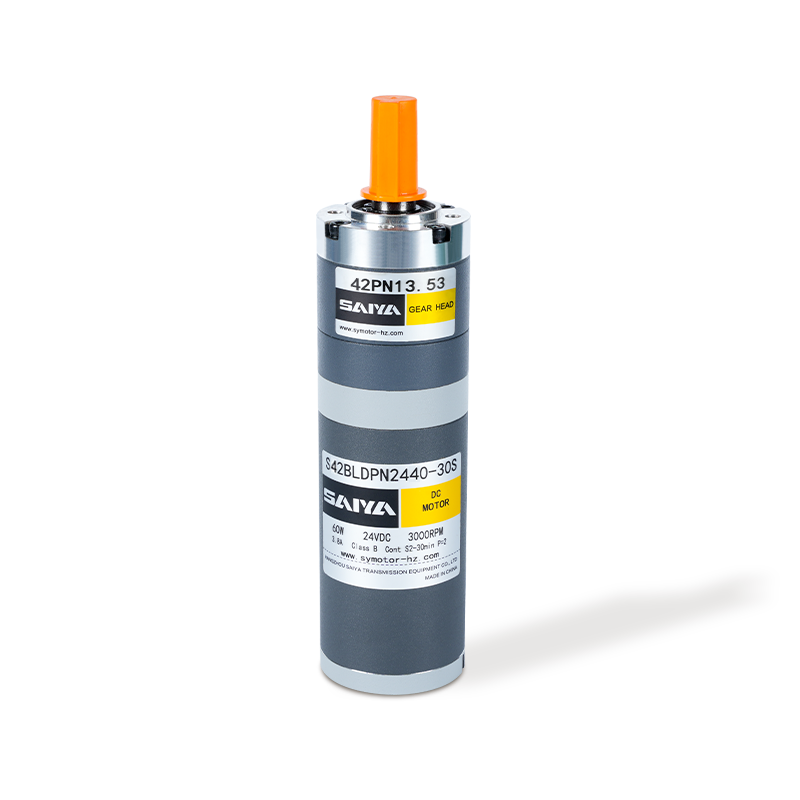
The 42mm brushless planetary motor is a high-efficiency motor product that is widely used in various scenarios requiring precision transmission. The rated current of this motor is 1.3A and the rated t...
See Details -
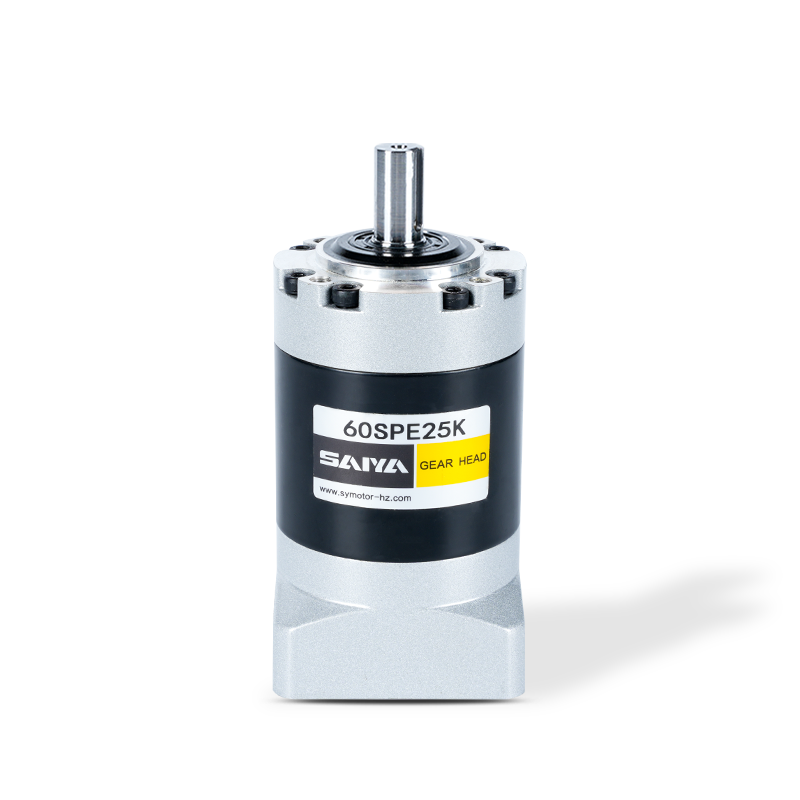
The SPE series gearboxes, flange size range with 40, 60, 80, 120, and 160 models, are designed to provide efficient and robust power transmission solutions. These gearboxes feature a round output flan...
See Details -
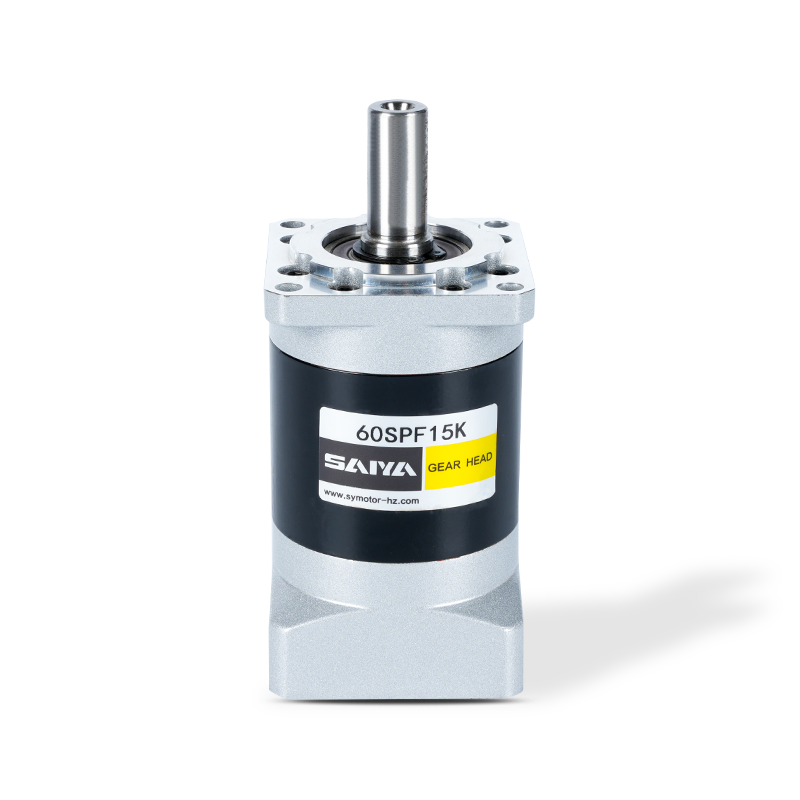
The SPF series are with square output flanges, accommodating dimensions from 40mm to 160mm. These flanges are engineered to excel in various industrial applications, offering reliable performance acro...
See Details -
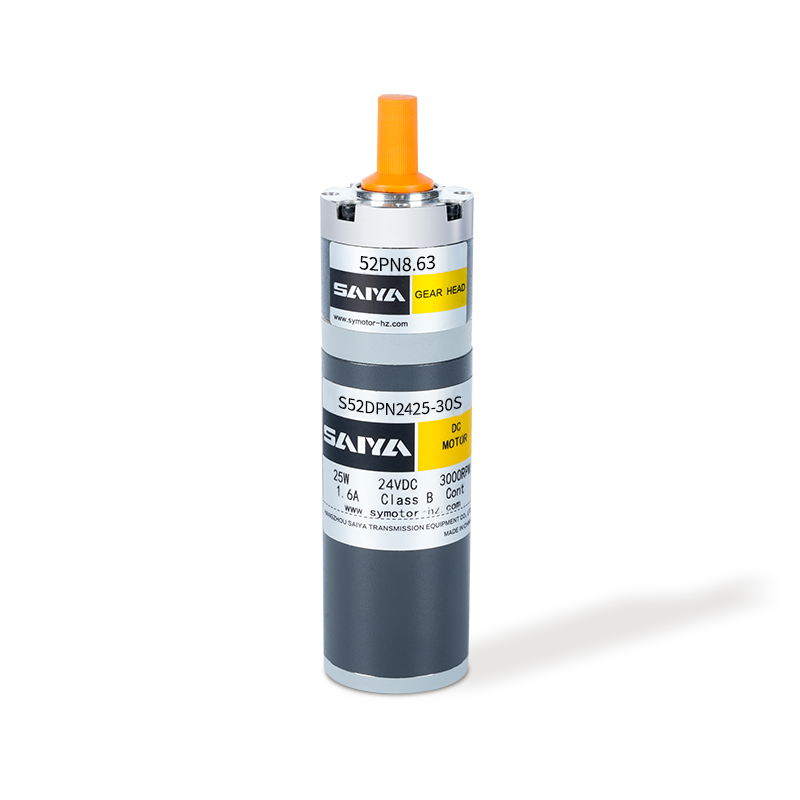
The 52mm brushed planetary gear motor is a compact and efficient solution designed for various applications requiring high torque and precise control. With a diameter of 52mm, this motor is ideally su...
See Details -
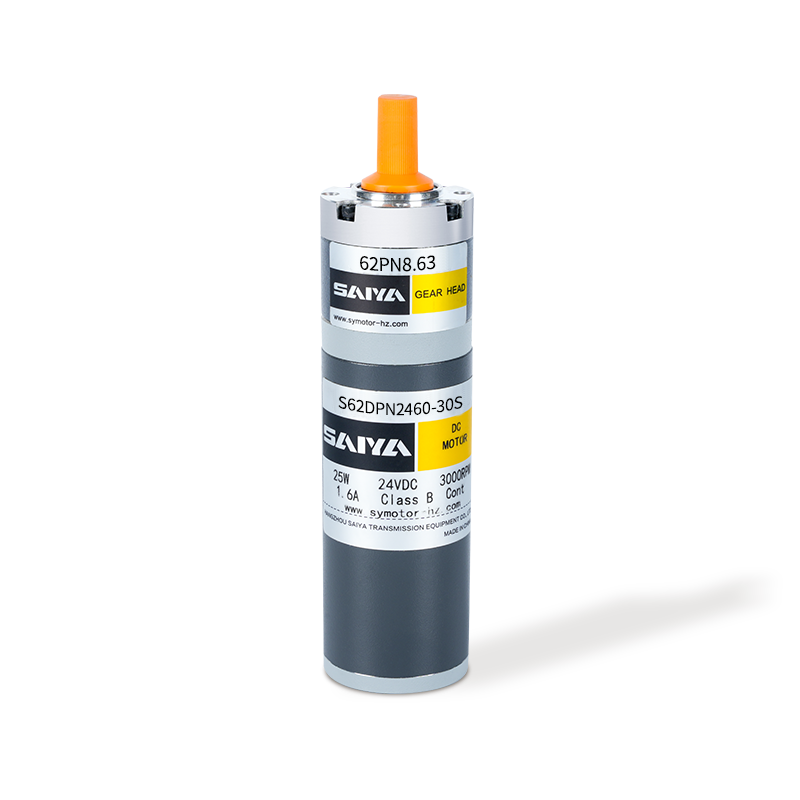
The 62mm brush planetary gear motor is a versatile and efficient component widely used in various applications requiring precise torque and speed control. With a rated current ranging from 2.5 to 5.5A...
See Details
CONTACT DETAILS
- TEL: 0086-0571-86951513/86951543
- Fax: 0086-571-86040769
- E-mail: [email protected] / [email protected] / [email protected]
- Office: Hangzhou Saiya Transmisson Equipment Co.,Ltd
- Office Address: Room 2201, Wanyin building, Hangzhou City, Zhejiang Province
- Factory: Zhejiang Saiya Intelligent Manufacturing Co., Ltd.
- Factory Address: No.35 Building , Zhongnan High-tech Yunhe Zhigu Industrial Park, Xinan town, Deqing county, Huzhou city, Zhejiang, China
QUICK LINK
PRODUCT
If You Are Intrested
In Our Products,
Please Consult Us
Copyright © Zhejiang Saiya Intelligent Manufacturing Co., Ltd. All Rights Reserved.
Custom Gear Reduction Motors Suppliers
