 EN
EN  English
 中文简体
中文简体 русский
 Español
Home / News / Industry News / What Are the Key Maintenance Benefits of Using Brushless DC Gear Motors?


Application Industry
AGV

Automated robots
laser cutting

Logistics sorting

Photovoltaic power-station
Medical devices
What Are the Key Maintenance Benefits of Using Brushless DC Gear Motors?
Brushless DC gear motors represent the most reliable and efficient solution for modern engineering challenges that require high torque at low rotational speeds. By combining the long-lasting, maintenance-free characteristics of a brushless direct current (BLDC) motor with the torque-multiplying capabilities of a precision gearbox, this integrated system solves the fundamental limitations of standalone motors. When a standard motor runs too fast and lacks the necessary force to move a heavy load, a gear motor bridges the gap. The brushless variant takes this a step further by eliminating physical contact in the commutation process, resulting in a system that can operate continuously for tens of thousands of hours without mechanical wear, excessive heat, or electrical noise.
For engineers and system designers, adopting this technology means reduced downtime, lower long-term operational costs, and superior control in automated environments. Whether deployed in medical robotics or heavy-duty industrial conveyors, the synergy between the electronic commutation and mechanical reduction provides an unparalleled balance of power, precision, and longevity.
Core Components and Synergistic Functionality
To fully appreciate the capabilities of a brushless DC gear motor, it is essential to understand how its two primary components—the BLDC motor and the gear reduction unit—work together to transform electrical energy into precise mechanical output.
The Brushless DC Motor Principle
Unlike traditional brushed motors that rely on carbon brushes pressing against a commutator to reverse current flow, BLDC motors utilize an electronic controller to switch the current in the stator windings. The rotor typically contains permanent magnets. This design eliminates the friction, sparking, and dust generation associated with mechanical brushes. Because there is no physical contact to deliver current to the moving parts, the primary point of wear is removed, allowing the motor to achieve operational lifespans exceeding 20,000 hours. Additionally, the electronic commutation allows for highly precise speed control, instant direction reversal, and optimal torque generation across various speeds.
The Gearbox's Role in Torque Amplification
While the BLDC motor provides high rotational speed and efficiency, that speed is often impractically fast for direct load driving. The gearbox steps in to reduce the output speed while proportionally increasing the torque. Depending on the gearing mechanism—be it planetary gears for high torque density, spur gears for cost-effectiveness, or worm gears for right-angle shaft configurations—the gear ratio determines the final output. A well-designed gearbox can multiply the motor's native torque by factors ranging from 1:5 to over 1:1000, making it capable of driving massive loads with a relatively small motor footprint. This synergy not only optimizes space but also significantly reduces the overall power consumption of the system.
Key Performance Advantages
The integration of brushless technology with gear reduction creates a distinct set of advantages over alternative motor systems, such as brushed gear motors or AC induction motors paired with gearboxes.
Extended Lifespan and Maintenance-Free Operation
The most significant advantage is the virtual elimination of mechanical wear within the motor itself. Without brushes to degrade, the motor requires no periodic brush replacements. When paired with permanently lubricated, sealed bearings in both the motor and the high-quality gearbox, the entire assembly becomes a sealed unit. This is particularly advantageous in hard-to-reach locations or sterile environments where maintenance access is limited or disruptive.
High Efficiency and Thermal Management
Brushed motors lose a substantial amount of energy due to the friction and voltage drop at the brush-commutator interface. BLDC motors boast efficiency ratings often exceeding 85 percent, converting more electrical power into mechanical motion. By generating less internal heat, the motor operates cooler, which protects the adjacent gearbox lubricants from thermal breakdown and extends the life of the mechanical components. This high efficiency also means smaller power supplies and batteries can be used, which is critical for mobile applications.
Quiet and Electromagnetically Clean Operation
The absence of brushes eliminates the electrical arcing that generates electromagnetic interference (EMI). This makes brushless DC gear motors highly suitable for sensitive electronic environments, such as medical diagnostic equipment or precision laboratory instruments. Furthermore, the smooth electronic commutation, combined with helical or planetary gearing, results in acoustically quiet operation, often remaining below 50 decibels in optimized configurations.
Practical Applications Across Industries
The unique characteristics of these motors make them indispensable in a variety of sectors where precision, reliability, and power density are paramount.
Automation and Robotic Systems
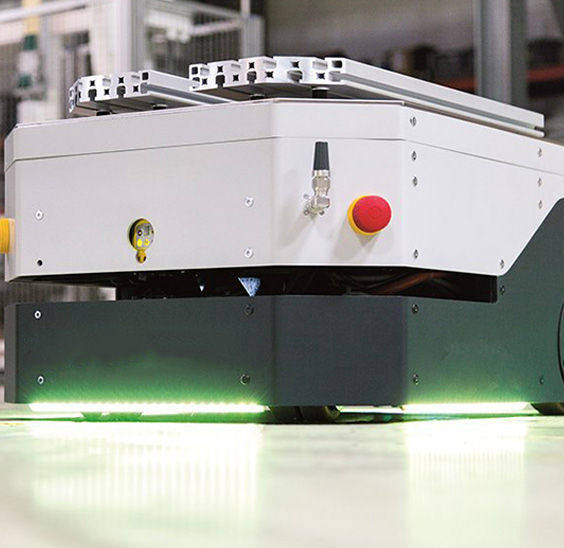
In automated guided vehicles (AGVs) and robotic arms, space and weight are heavily restricted, yet the demand for high torque is immense. A compact brushless DC gear motor provides the necessary holding torque and precise movement required for joint articulation. The exact positioning capability allows robotic systems to perform repetitive tasks with sub-millimeter accuracy over continuous daily shifts without overheating.
Medical and Healthcare Equipment
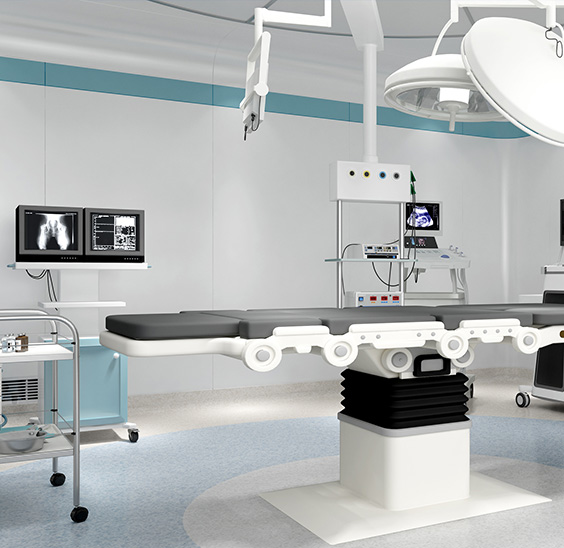
Medical devices, such as infusion pumps, surgical robots, and patient hoists, require absolute reliability and smooth operation. The maintenance-free nature of BLDC gear motors ensures that life-saving equipment will not fail due to internal brush wear. The quiet operation also enhances patient comfort during treatments, while the lack of EMI ensures that sensitive monitoring equipment remains unaffected.
Smart Home and Commercial Appliances
Modern appliances like automatic window blinds, smart door locks, and commercial coffee machines utilize these motors for their compact size and silent operation. The ability to precisely control the speed and torque allows for soft-start and soft-stop mechanisms, preventing mechanical shock and extending the lifespan of the appliance.
How to Choose the Right Brushless DC Gear Motor
Selecting the correct motor requires matching the mechanical and electrical specifications to the application's demands. Engineers must evaluate several critical parameters to ensure optimal performance and longevity.
| Parameter | Description | Practical Consideration |
|---|---|---|
| Required Torque | The turning force needed to move the load. | Always include a safety margin of at least 20 percent above the calculated continuous torque. |
| Output Speed | The rotational speed at the gearbox shaft. | Determine the appropriate gear ratio by dividing the motor's base speed by the desired output speed. |
| Gearbox Type | Planetary, Spur, or Worm gear configuration. | Choose planetary for high torque and compact size; worm for right-angle mounting and self-locking capability. |
| Environmental Rating | Protection against dust and moisture. | Select a sealed enclosure for outdoor or washdown environments. |
By carefully analyzing these factors, designers can avoid oversizing the motor—which wastes energy and space—or undersizing it, which leads to premature failure under load stress.
Best Practices for Integration and Operation
To maximize the investment in brushless DC gear motor technology, proper integration and operational practices must be observed. Following a structured approach ensures that the system delivers the expected performance and lifespan.
- Match the Controller: Ensure the electronic speed controller (ESC) or drive is perfectly matched to the motor's electrical constants, including voltage, current limits, and sensor type (Hall effect sensors or encoder feedback).
- Avoid Overhung Loads: When connecting the load directly to the output shaft, minimize radial and axial forces. Excessive overhung loads will rapidly degrade the gearbox bearings, negating the lifespan benefits of the brushless motor.
- Implement Thermal Protection: Although these motors run cooler, continuous operation at peak torque generates heat. Integrating a thermal sensor within the motor windings can trigger a temporary shutdown before insulation damage occurs.
- Utilize Smooth Acceleration Curves: Program the controller to ramp up speed gradually. Sudden full-torque starts can cause mechanical shock to the gear teeth, leading to micro-fractures and eventual gearbox failure.
By adhering to these practical guidelines, engineers can fully leverage the advanced capabilities of brushless DC gear motors, creating robust, efficient, and highly reliable electromechanical systems capable of meeting the rigorous demands of modern automation and technology.
Related products
-
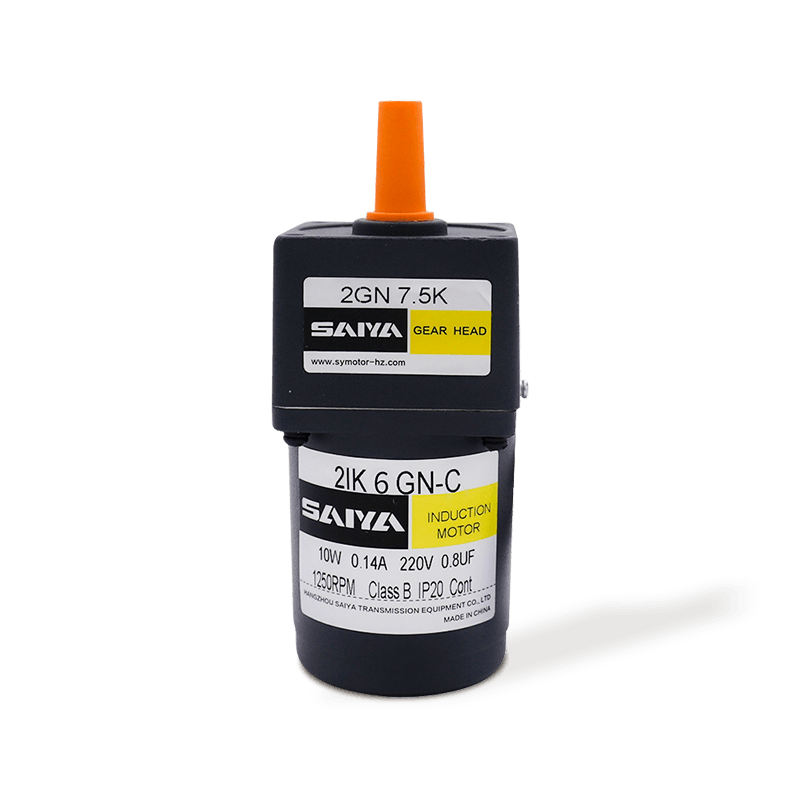
This 6W Induction AC Gear Motor is an efficient, compact and reliable small motor suitable for a wide range of industrial and household applications.Motor frame 60mm x 60mm making it easy to install ...
See Details -
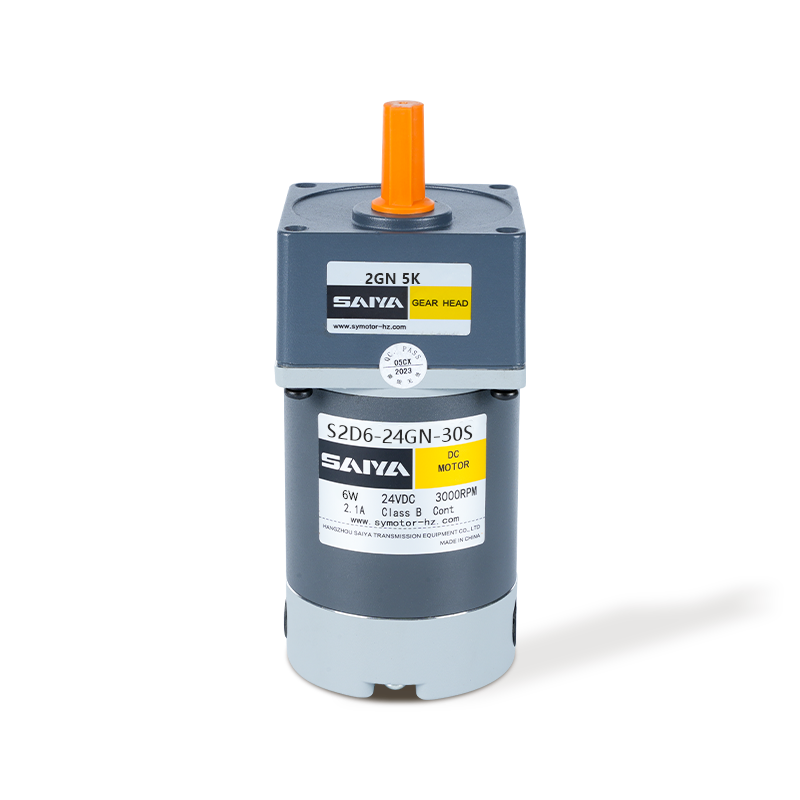
The 6W brush DC gbear motor is designed for efficiency and versatility, suitable for various applications. With a compact frame size of 60mm x 60mm, it fits seamlessly into tight spaces. The motor ope...
See Details -
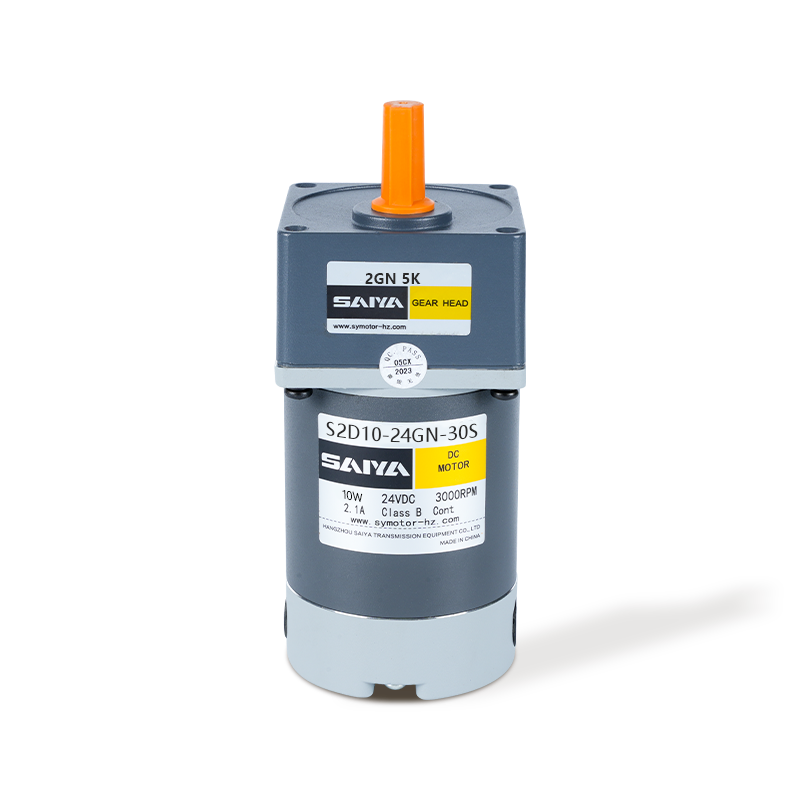
The 10W brush DC gear motor offers high performance and adaptability, for a range of industrial and hobbyist applications. With a frame size of 60mm x 60mm, this motor is designed to fit into confined...
See Details -
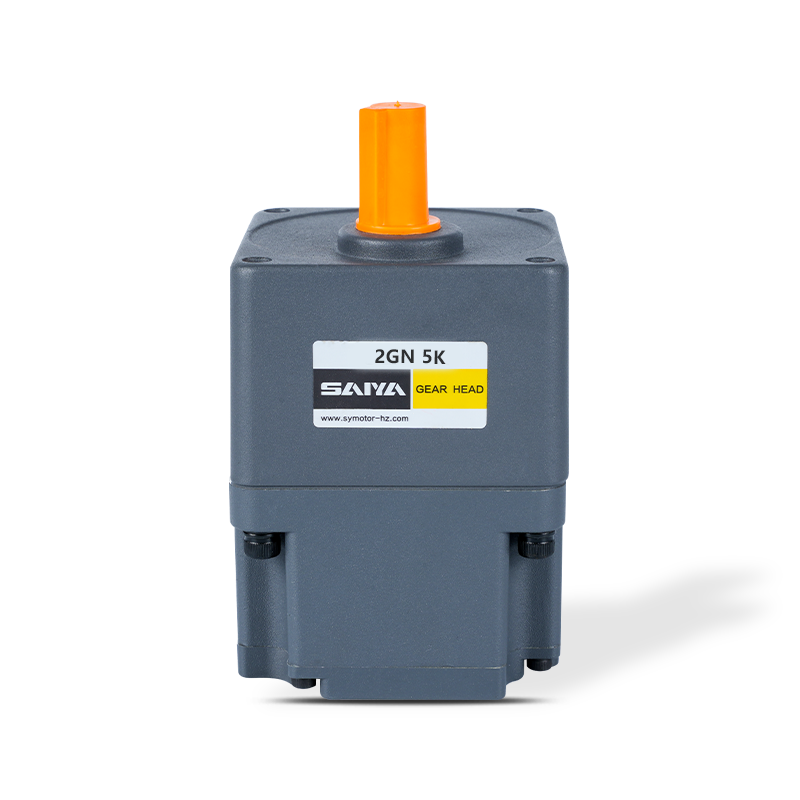
The 24V Brushless Gear Motor is a versatile and efficient motor designed for a range of applications. With dimensions ranging from 60mm x 60mm to 104mm x 104mm, this motor can fit into various equipme...
See Details -
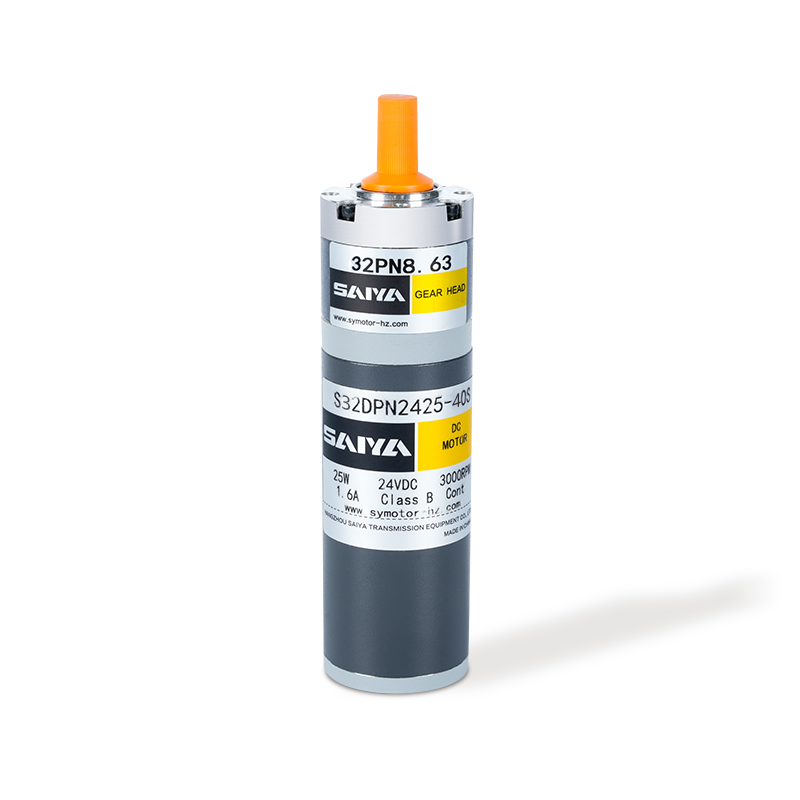
The 32mm brushed planetary gear motor is a compact and efficient solution designed for various applications requiring high torque and precise control. With a diameter of 32mm, this motor is ideally su...
See Details -
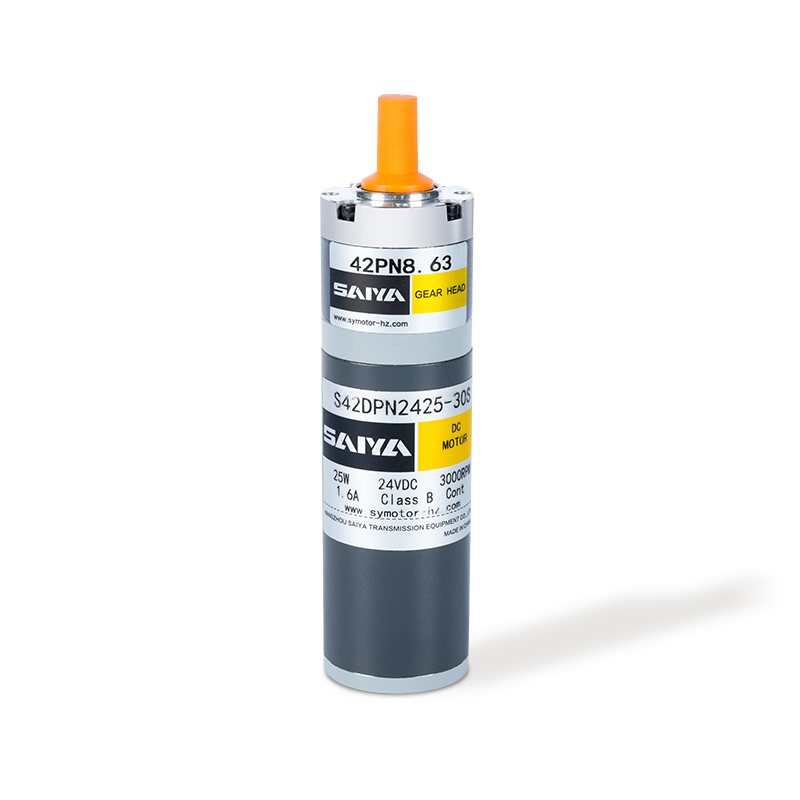
The 42mm brush planetary gear motor is a versatile and efficient component widely used in various applications requiring precise torque and speed control. With a rated current ranging from 0.7 to 1.1A...
See Details -
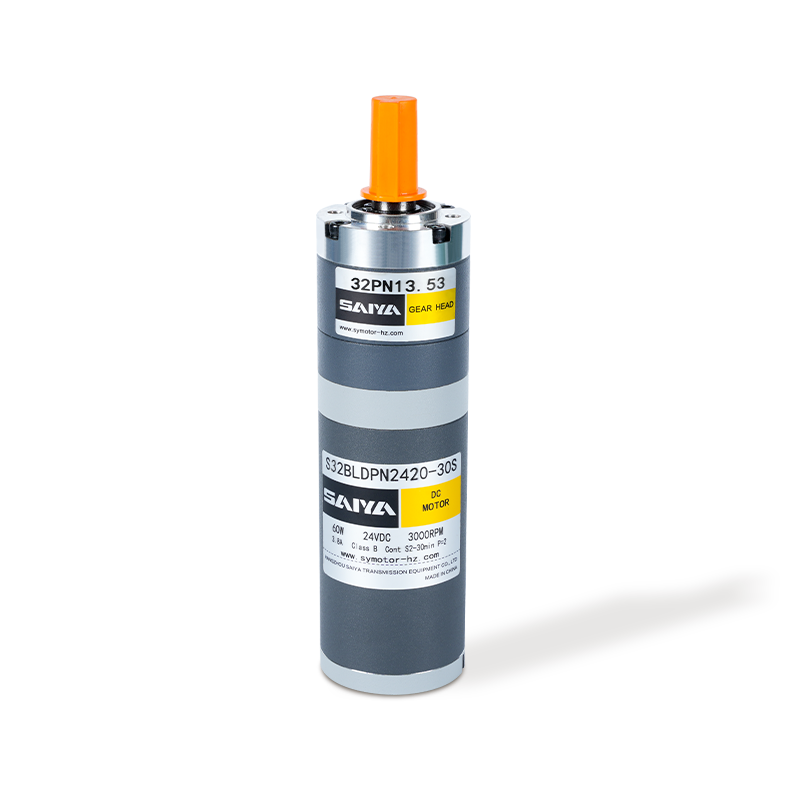
The 32mm Brushless Planetary Gear Motor is a high-performance, compact solution ideal for applications requiring efficiency and reliability. Operating at a rated voltage of 24V and consuming 20W of po...
See Details -
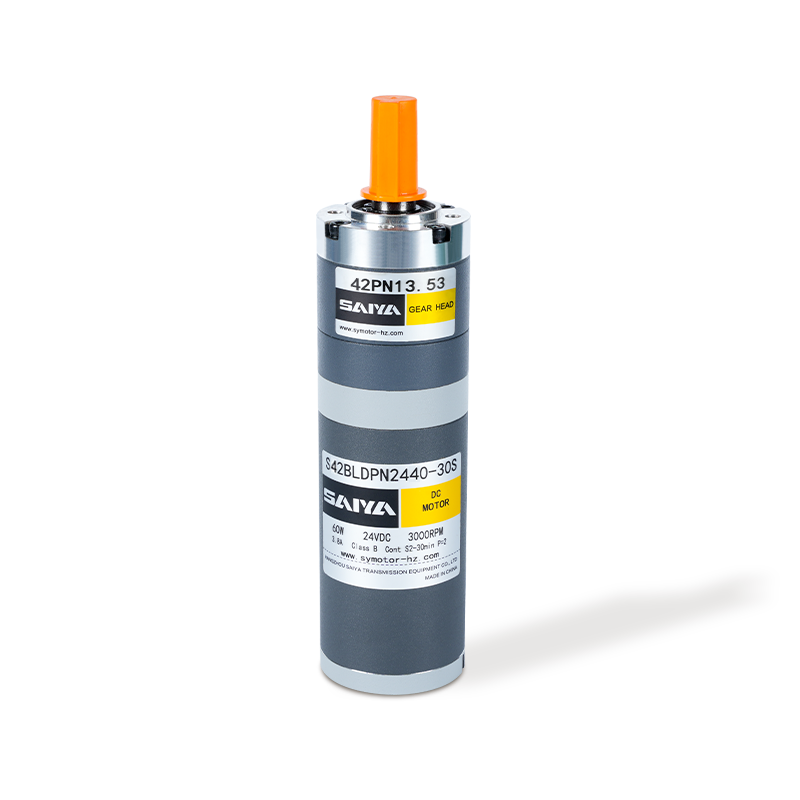
The 42mm brushless planetary motor is a high-efficiency motor product that is widely used in various scenarios requiring precision transmission. The rated current of this motor is 1.3A and the rated t...
See Details -
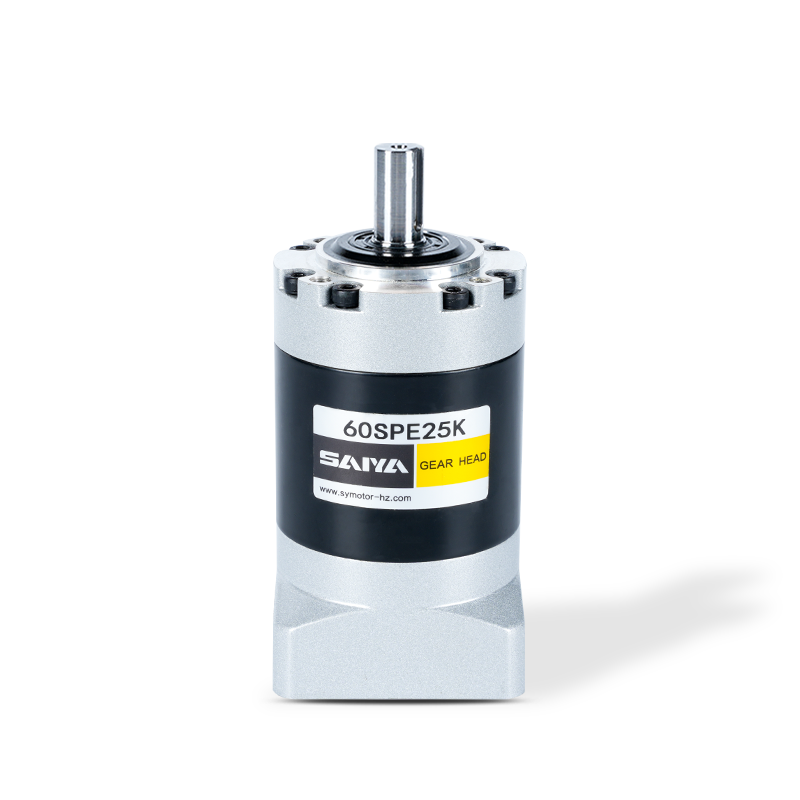
The SPE series gearboxes, flange size range with 40, 60, 80, 120, and 160 models, are designed to provide efficient and robust power transmission solutions. These gearboxes feature a round output flan...
See Details -
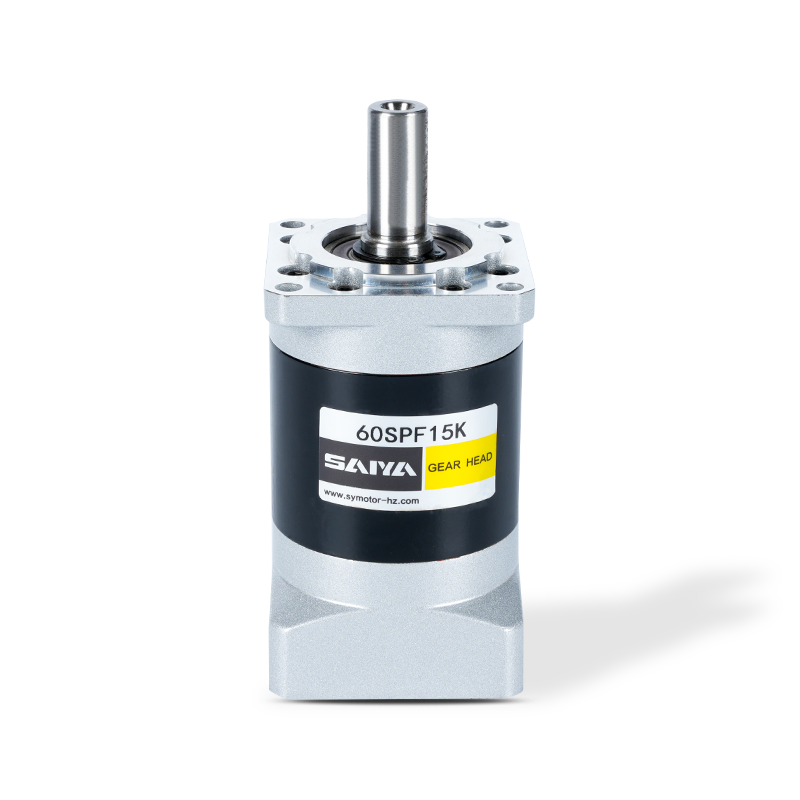
The SPF series are with square output flanges, accommodating dimensions from 40mm to 160mm. These flanges are engineered to excel in various industrial applications, offering reliable performance acro...
See Details -
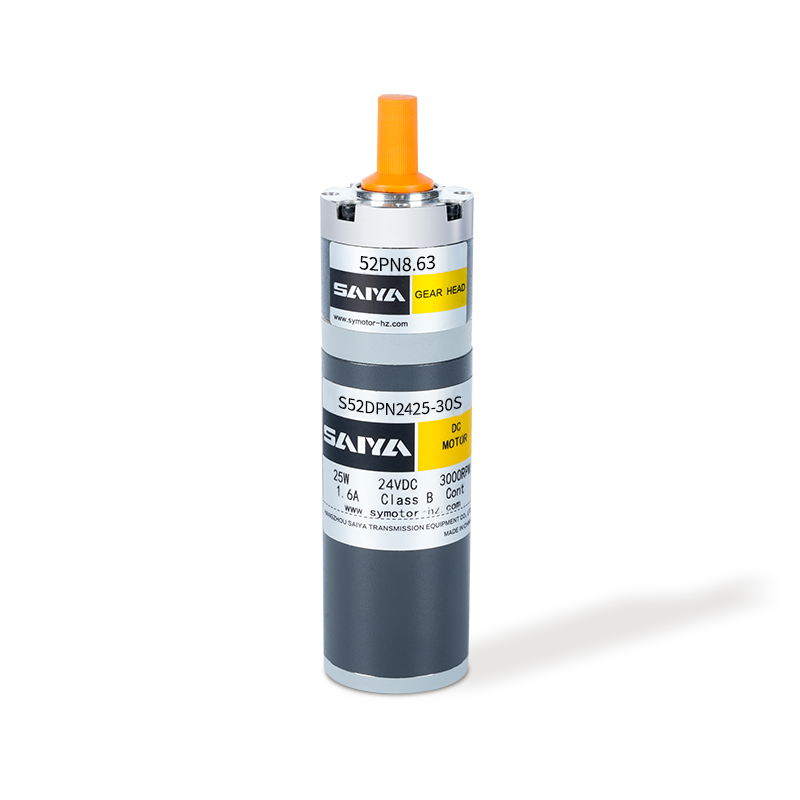
The 52mm brushed planetary gear motor is a compact and efficient solution designed for various applications requiring high torque and precise control. With a diameter of 52mm, this motor is ideally su...
See Details -
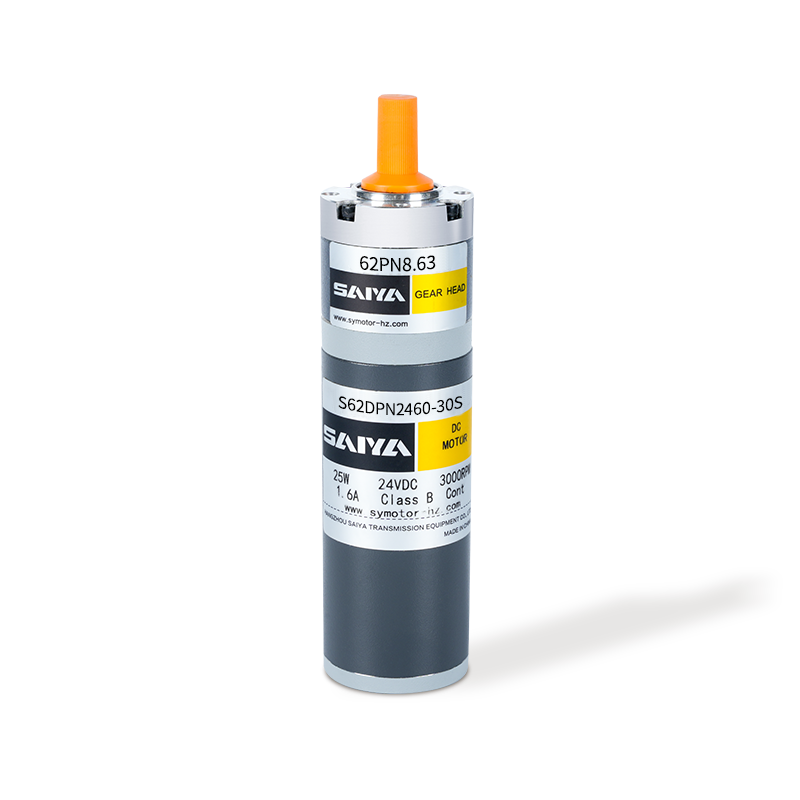
The 62mm brush planetary gear motor is a versatile and efficient component widely used in various applications requiring precise torque and speed control. With a rated current ranging from 2.5 to 5.5A...
See Details
CONTACT DETAILS
- TEL: 0086-0571-86951513/86951543
- Fax: 0086-571-86040769
- E-mail: [email protected] / [email protected] / [email protected]
- Office: Hangzhou Saiya Transmisson Equipment Co.,Ltd
- Office Address: Room 2201, Wanyin building, Hangzhou City, Zhejiang Province
- Factory: Zhejiang Saiya Intelligent Manufacturing Co., Ltd.
- Factory Address: No.35 Building , Zhongnan High-tech Yunhe Zhigu Industrial Park, Xinan town, Deqing county, Huzhou city, Zhejiang, China
QUICK LINK
PRODUCT
If You Are Intrested
In Our Products,
Please Consult Us
Copyright © Zhejiang Saiya Intelligent Manufacturing Co., Ltd. All Rights Reserved.
Custom Gear Reduction Motors Suppliers
