

 EN
EN  English
 中文简体
中文简体 русский
 Español
Application Industry
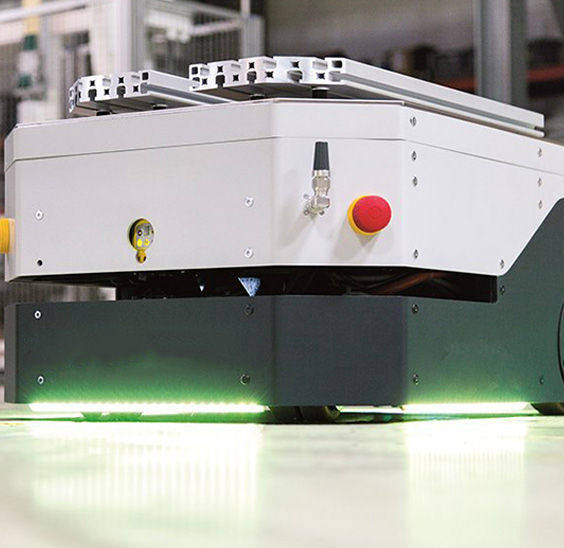
AGV

Automated robots
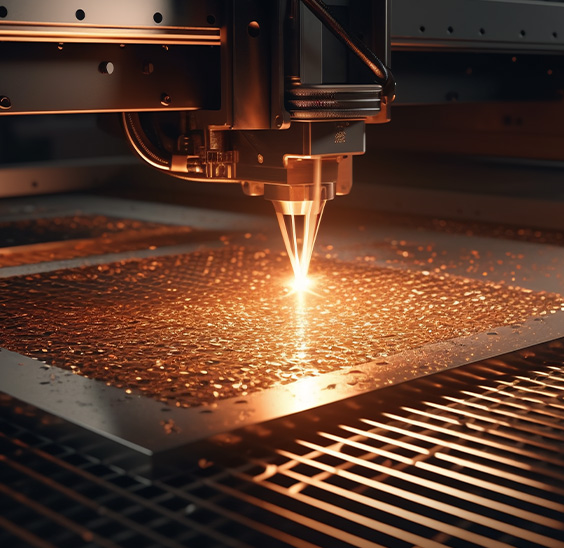
laser cutting

Logistics sorting

Photovoltaic power-station
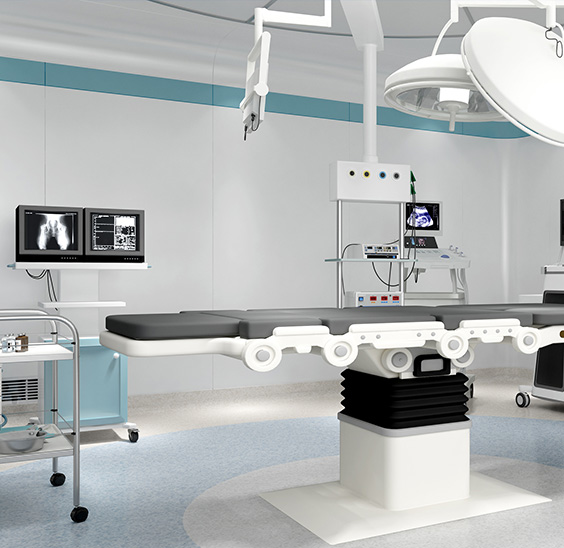
Medical devices
What are the common applications for brushed DC gear motors?
Brush DC gear motors are electromechanical devices that combine a traditional brushed direct current motor with a gearbox to deliver high torque at low speeds. The direct conclusion is that these motors are the optimal choice for cost-sensitive, low-to-medium duty applications where mechanical simplicity, reliable starting torque, and ease of speed control outweigh the need for extended maintenance-free operation. They are widely utilized across consumer appliances, automotive systems, and basic industrial machinery due to their straightforward design and predictable performance.
Core Operating Principles
To fully understand the utility of a brush DC gear motor, one must examine its two primary components: the brushed DC motor and the gear reduction unit. The motor generates motion through the interaction of magnetic fields. Inside the motor housing, stationary permanent magnets create a constant magnetic field. A rotating armature, wound with copper wire, is energized by an external DC power supply. Crucially, mechanical brushes and a commutator physically reverse the direction of current flow in the armature windings as the shaft rotates, ensuring continuous rotational motion.
However, a standard brushed DC motor typically operates at high rotational speeds but generates relatively low torque. This is where the gearbox becomes essential. The gearhead attaches to the motor shaft and uses a series of gears—such as spur, planetary, or worm gears—to reduce the output speed. According to the laws of physics, as the rotational speed decreases through gear reduction, the available mechanical torque increases proportionally. This transformation makes the resulting output highly suitable for driving heavy loads without requiring massive, oversized motors.
Key Advantages of Brushed DC Gear Motors
The continued popularity of these motors in modern engineering stems from several distinct advantages that make them highly competitive in specific market segments.
- Exceptional Cost-Effectiveness: The manufacturing process for brushed motors is highly mature and requires less complex electronic drive circuitry compared to brushless alternatives. This results in a significantly lower unit cost.
- High Starting Torque: Because the brushes ensure immediate electrical contact, these motors can deliver maximum torque at zero speed, making them excellent for applications requiring sudden movement under heavy loads.
- Simplified Speed Control: The speed of a brushed DC motor is directly proportional to the applied voltage. Adjusting the speed requires only a simple variable resistor or basic pulse-width modulation (PWM) circuit, eliminating the need for complex motor controllers.
- Compact Footprint: By integrating a gearbox directly onto the motor body, engineers can achieve massive torque multiplication in a highly constrained physical space, optimizing the overall design of the host equipment.
Primary Limitations and Challenges
Despite their benefits, brushed DC gear motors are not suitable for every application. Engineers must carefully weigh several inherent limitations during the design phase.
Mechanical Wear and Maintenance
The most significant drawback is the physical contact between the carbon brushes and the commutator. Over time, this friction causes the brushes to wear down, generating carbon dust and eventually requiring replacement. This limits the operational lifespan of the motor and mandates periodic maintenance schedules, which is highly undesirable in inaccessible or remote installations.
Electrical Noise and EMI
As the brushes transition between commutator segments, minute electrical arcs are generated. This arcing produces electromagnetic interference (EMI) that can disrupt sensitive nearby electronic equipment. Designers must often incorporate capacitors and shielding to mitigate these effects, adding slight complexity to the circuit design.
Efficiency Losses
The physical friction of the brushes and the mechanical resistance within the gearbox generate heat. This thermal byproduct represents lost energy, meaning brushed DC gear motors are generally less efficient than their brushless counterparts, particularly during continuous, high-speed operation.
Typical Application Scenarios
Because of their specific balance of high torque, simple control, and low cost, brushed DC gear motors are heavily relied upon in several distinct industries.
- Automotive Subsystems: Used extensively for windshield wipers, power windows, and seat adjustment mechanisms. These systems require reliable, high-torque starting capability and are used intermittently, mitigating the wear limitations.
- Home Appliances: Found in electric toothbrushes, vacuum cleaner beaters, and microwave turntable drives where cost is a primary driver and precise positioning is not required.
- Industrial Automation: Utilized in conveyor belt systems, simple lifting mechanisms, and automatic door operators. The ease of reversing direction by simply swapping the polarity of the power supply is highly advantageous in these settings.
How to Select the Right Motor
Choosing the correct brushed DC gear motor requires analyzing the mechanical and electrical requirements of the target application. The primary considerations include the required torque, the desired output speed, and the available power supply voltage. The gear ratio is the most critical mechanical specification, as it dictates the trade-off between speed and torque. A higher gear ratio yields slower output speed but multiplies the torque significantly.
| Parameter | Low Gear Ratio | High Gear Ratio |
|---|---|---|
| Output Speed | Higher | Lower |
| Output Torque | Lower | Higher |
| Backdrivability | Easier | Harder |
Furthermore, engineers must consider the type of gearbox. Planetary gearheads offer high efficiency and compact size, making them suitable for applications requiring high torque in a small space. Spur gearboxes are cheaper and handle heavier radial loads, but they are generally noisier. Finally, the duty cycle—whether the motor will run continuously or in short bursts—must be evaluated to prevent overheating and ensure the brush lifespan meets the product's operational requirements.
Best Practices for Maintenance and Lifespan Extension
To maximize the return on investment for brushed DC gear motors, proper operational and maintenance protocols should be established. While they are not entirely maintenance-free, their lifespan can be substantially extended through careful management.
- Avoid Stalling: When a brushed motor is stalled (prevented from turning while power is applied), it draws maximum current and generates intense heat. Prolonged stalling will rapidly melt the armature windings or shatter the brushes.
- Manage Side Loads: The output shaft of the gearbox has specific limitations regarding radial and axial loads. Exceeding these limits will prematurely wear the gearbox bearings and lead to misalignment.
- Lubrication: The gearbox requires appropriate grease to minimize friction between the gears. Over time, this grease can break down or leak. Periodic inspection and re-greasing will maintain efficiency and reduce wear.
- Electrical Filtering: Installing capacitors across the motor terminals helps suppress electrical arcing noise, which not only protects surrounding electronics but can also slightly reduce the pitting on the commutator surface.
By understanding both the capabilities and the boundaries of brush DC gear motors, engineers and technicians can deploy them in scenarios where their mechanical simplicity and torque multiplication provide the highest possible value.
Related products
-
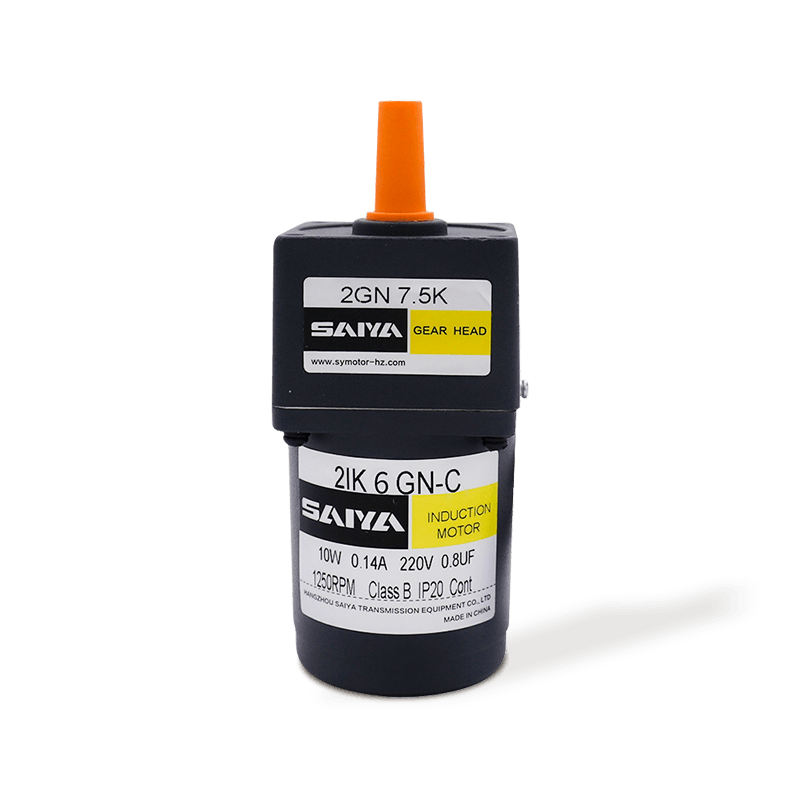
This 6W Induction AC Gear Motor is an efficient, compact and reliable small motor suitable for a wide range of industrial and household applications.Motor frame 60mm x 60mm making it easy to install ...
See Details -
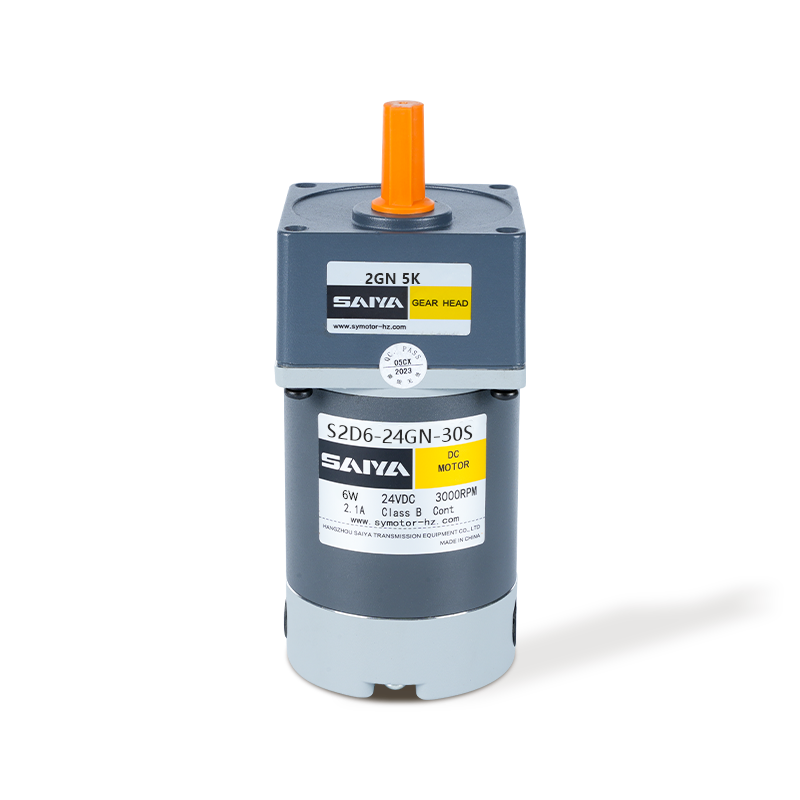
The 6W brush DC gbear motor is designed for efficiency and versatility, suitable for various applications. With a compact frame size of 60mm x 60mm, it fits seamlessly into tight spaces. The motor ope...
See Details -
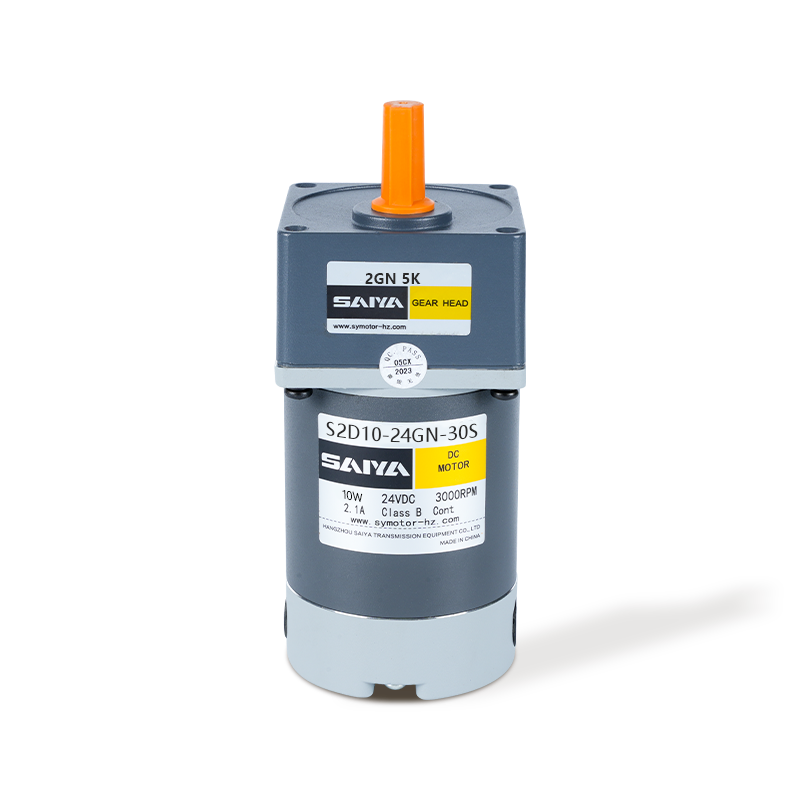
The 10W brush DC gear motor offers high performance and adaptability, for a range of industrial and hobbyist applications. With a frame size of 60mm x 60mm, this motor is designed to fit into confined...
See Details -
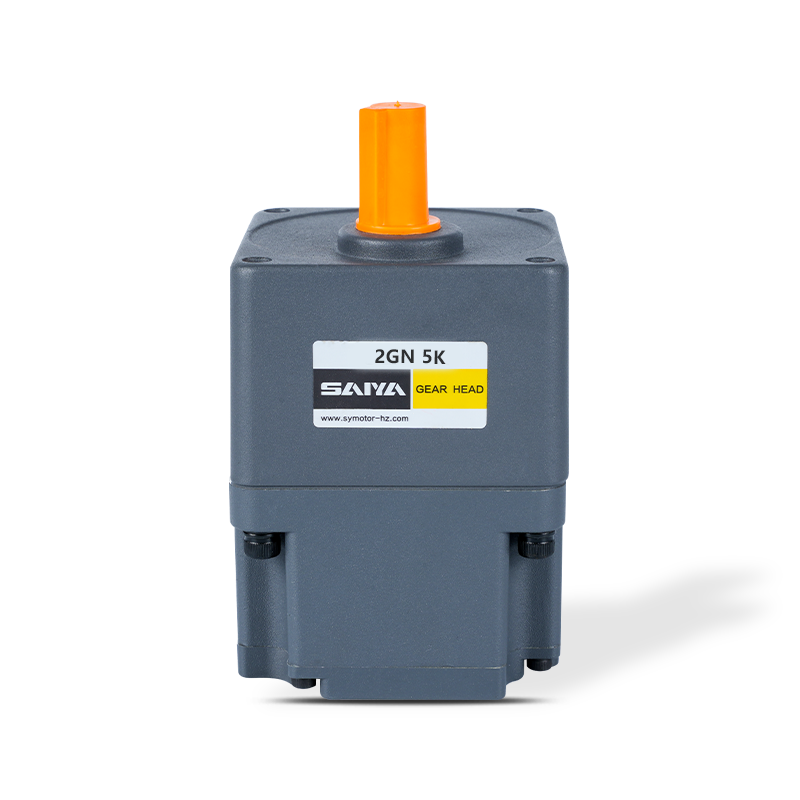
The 24V Brushless Gear Motor is a versatile and efficient motor designed for a range of applications. With dimensions ranging from 60mm x 60mm to 104mm x 104mm, this motor can fit into various equipme...
See Details -
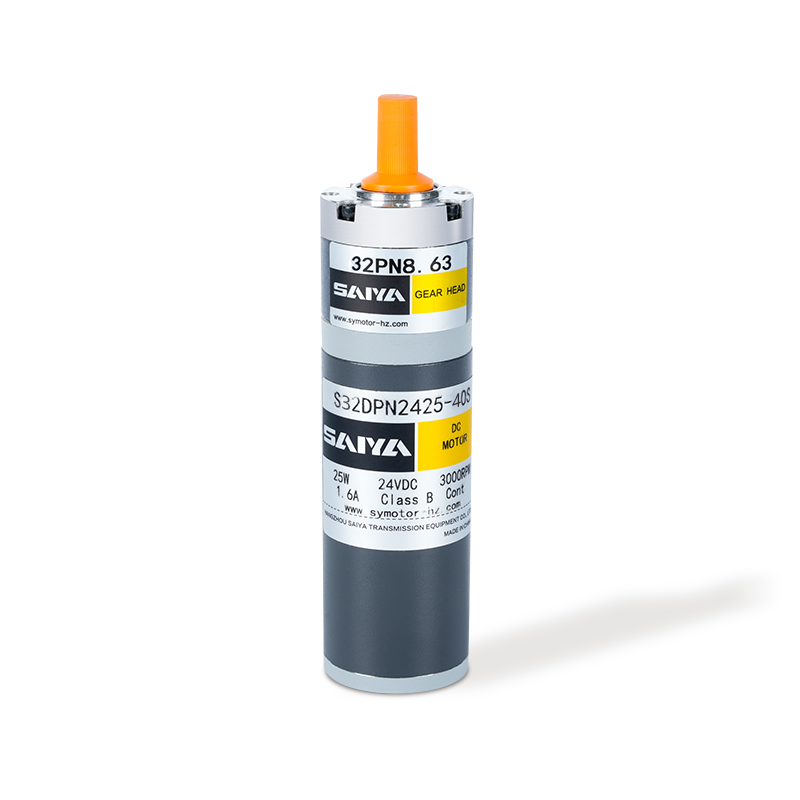
The 32mm brushed planetary gear motor is a compact and efficient solution designed for various applications requiring high torque and precise control. With a diameter of 32mm, this motor is ideally su...
See Details -
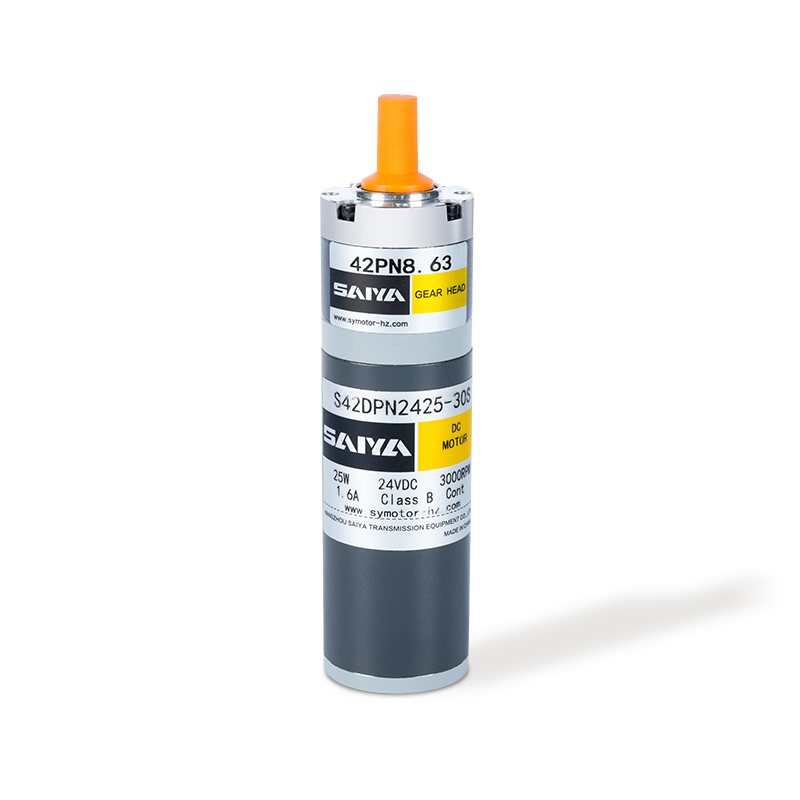
The 42mm brush planetary gear motor is a versatile and efficient component widely used in various applications requiring precise torque and speed control. With a rated current ranging from 0.7 to 1.1A...
See Details -
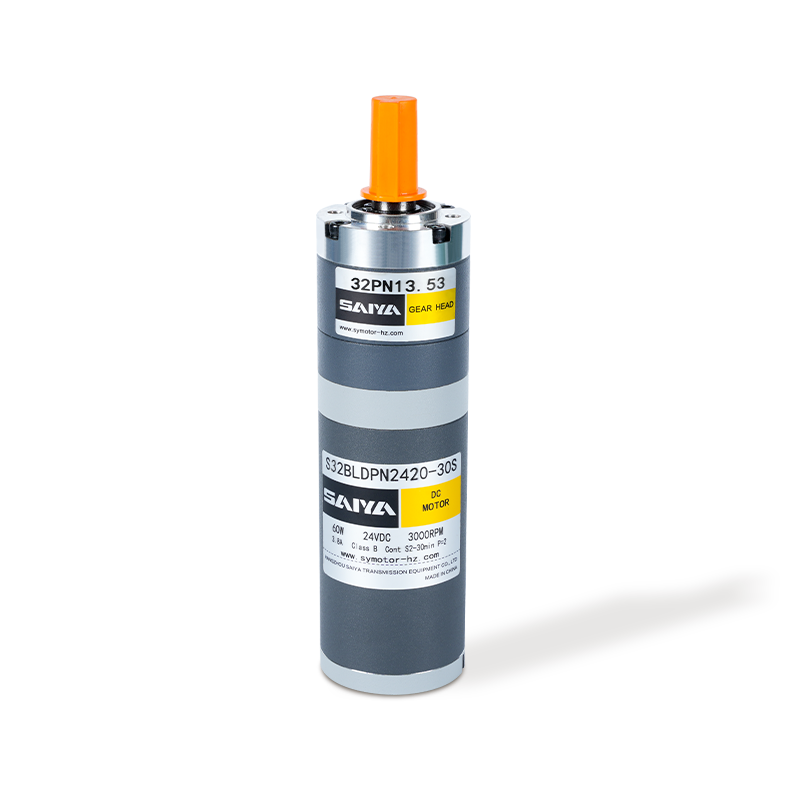
The 32mm Brushless Planetary Gear Motor is a high-performance, compact solution ideal for applications requiring efficiency and reliability. Operating at a rated voltage of 24V and consuming 20W of po...
See Details -
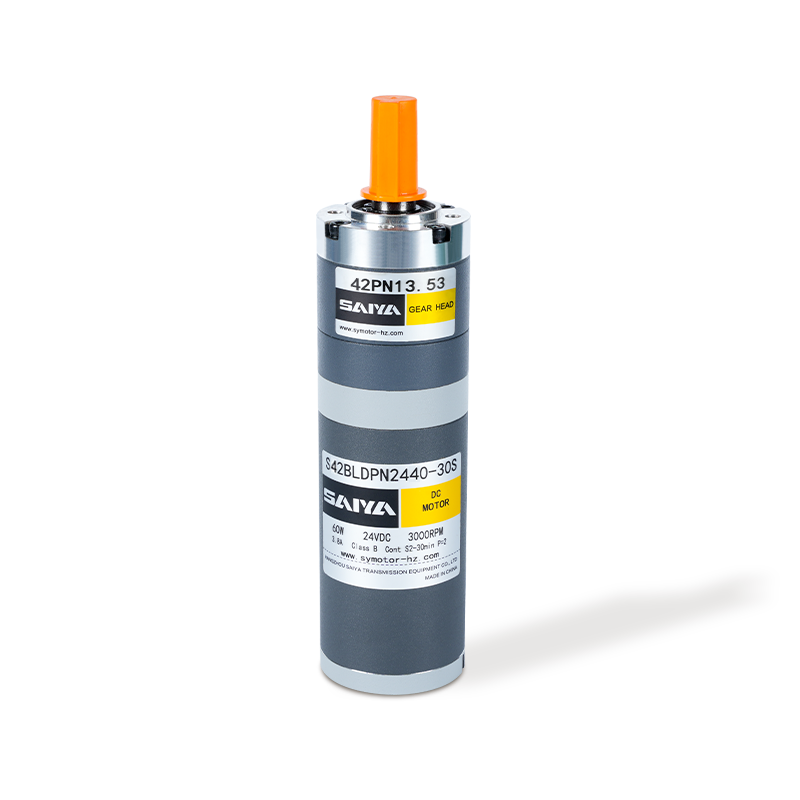
The 42mm brushless planetary motor is a high-efficiency motor product that is widely used in various scenarios requiring precision transmission. The rated current of this motor is 1.3A and the rated t...
See Details -
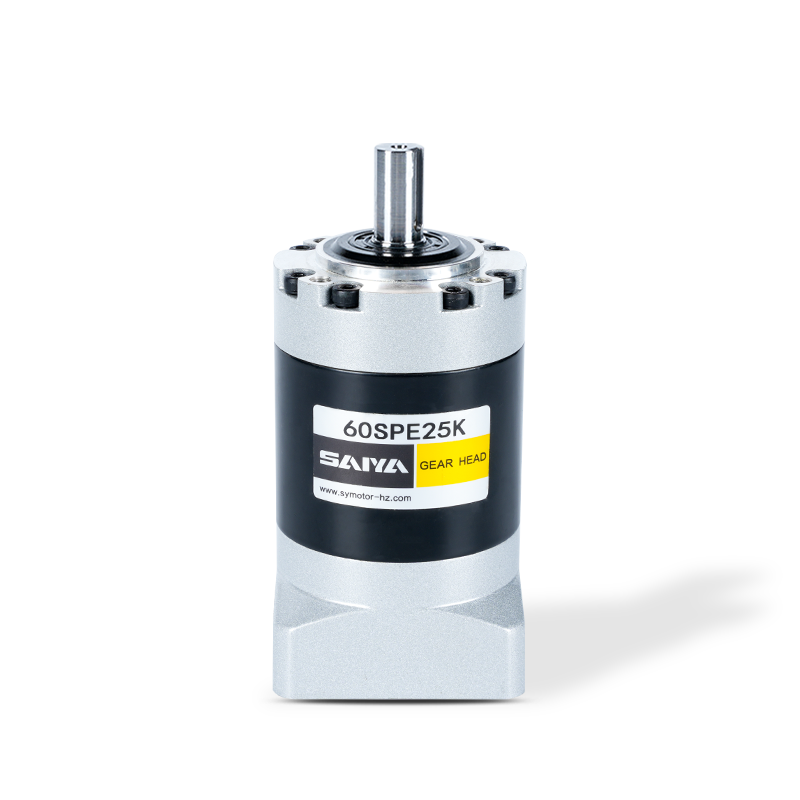
The SPE series gearboxes, flange size range with 40, 60, 80, 120, and 160 models, are designed to provide efficient and robust power transmission solutions. These gearboxes feature a round output flan...
See Details -
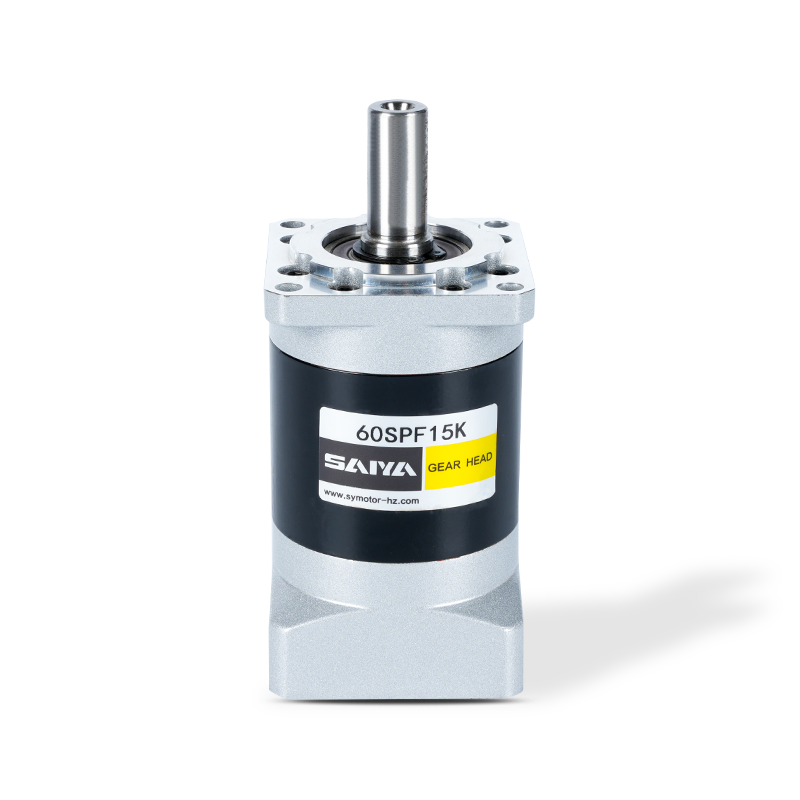
The SPF series are with square output flanges, accommodating dimensions from 40mm to 160mm. These flanges are engineered to excel in various industrial applications, offering reliable performance acro...
See Details -
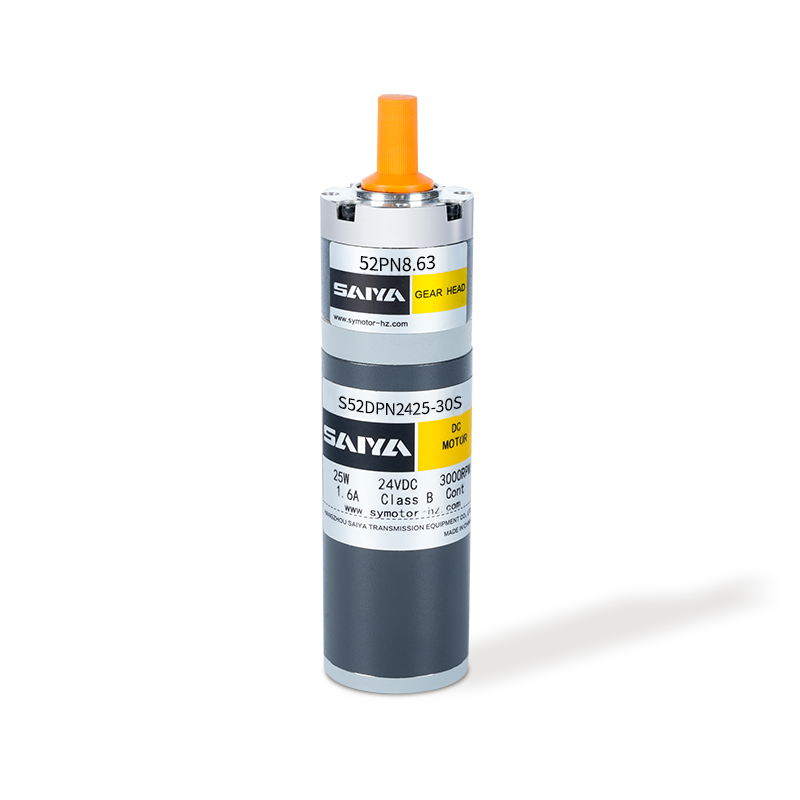
The 52mm brushed planetary gear motor is a compact and efficient solution designed for various applications requiring high torque and precise control. With a diameter of 52mm, this motor is ideally su...
See Details -
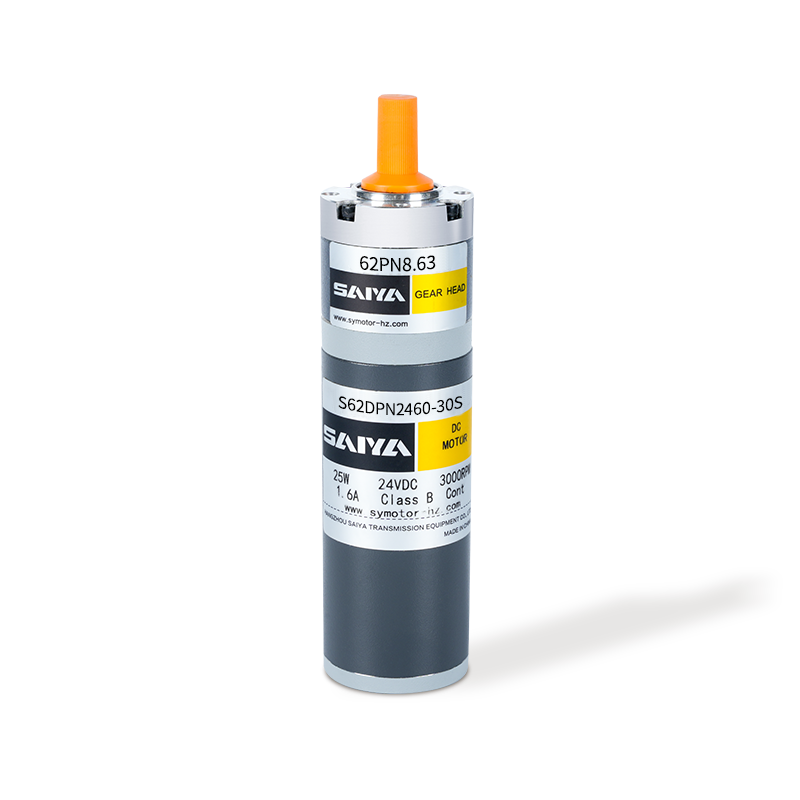
The 62mm brush planetary gear motor is a versatile and efficient component widely used in various applications requiring precise torque and speed control. With a rated current ranging from 2.5 to 5.5A...
See Details
CONTACT DETAILS
- TEL: 0086-0571-86951513/86951543
- Fax: 0086-571-86040769
- E-mail: [email protected] / [email protected] / [email protected]
- Office: Hangzhou Saiya Transmisson Equipment Co.,Ltd
- Office Address: Room 2201, Wanyin building, Hangzhou City, Zhejiang Province
- Factory: Zhejiang Saiya Intelligent Manufacturing Co., Ltd.
- Factory Address: No.35 Building , Zhongnan High-tech Yunhe Zhigu Industrial Park, Xinan town, Deqing county, Huzhou city, Zhejiang, China
QUICK LINK
PRODUCT
If You Are Intrested
In Our Products,
Please Consult Us
Copyright © Zhejiang Saiya Intelligent Manufacturing Co., Ltd. All Rights Reserved.
Custom Gear Reduction Motors Suppliers
