 EN
EN  English
 中文简体
中文简体 русский
 Español
Home / News / Industry News / What Is The Difference Between Small AC Gear Motors And DC Gear Motors?


Application Industry
AGV

Automated robots
laser cutting

Logistics sorting

Photovoltaic power-station
Medical devices
What Is The Difference Between Small AC Gear Motors And DC Gear Motors?
Small AC gear motors are compact, low-speed and high-torque power components driven by alternating current, which integrate AC drive motors and gear reduction structures. They are the preferred power solution for low-load, continuous and stable operation scenarios in civilian and light industrial fields due to their outstanding stability, low maintenance cost and long service life. Unlike high-speed pure AC motors, these gear motors reduce output speed and amplify torque through internal gear sets, perfectly solving the problem of insufficient driving force of small high-speed motors in low-speed operation, and can adapt to long-term uninterrupted working environments with extremely low failure rate.
In practical application, small AC gear motors occupy more than 60% of the market share of miniature fixed-speed driving equipment. Their core competitive advantages lie in no need of complex speed regulation circuits, stable AC power supply matching, and durable mechanical structures, making them more suitable for daily continuous operation than DC gear motors in grid-powered scenarios.
Basic Working Principle of Small AC Gear Motors
Small AC gear motors combine two core working systems: AC electromagnetic drive system and gear reduction transmission system. The overall operation logic is simple and efficient, relying on commercial AC power supply to realize stable mechanical output without additional power conversion equipment.
AC Motor Driving Principle
The AC part of the equipment generates a rotating magnetic field through the stator winding after accessing alternating current. The rotor cuts the magnetic induction line to produce rotational kinetic energy, forming a high-speed and low-torque original rotation state. Most small AC motors maintain a no-load speed between 1200rpm and 3600rpm under standard power supply conditions, which is too fast and insufficient in torque for most precision driving scenarios.
Gear Reduction Transmission Principle
The built-in gear reduction box converts the high-speed low-torque power output by the AC motor. Through the meshing transmission of multiple groups of precision gears, the rotational speed is reduced in stages, and the output torque is increased proportionally. Under the condition of constant power, the lower the output speed, the higher the torque of the small AC gear motor, and the torque amplification effect can reach more than 50 times in conventional models. This mechanical conversion enables the miniature motor to drive small mechanical structures stably.
Key Performance Advantages of Small AC Gear Motors
Compared with DC gear motors and ordinary high-speed AC motors, small AC gear motors have unique performance advantages in stability, durability and economy, which are the core reasons for their wide application in fixed operation scenarios.
- Extremely high operational stability: Adopting AC direct drive mode, it can be directly connected to municipal AC power supply without rectification, voltage stabilization and other conversion modules. The motor runs smoothly with small vibration and low noise, and the continuous operation stability rate can reach 99.2% in long-term working tests.
- Low maintenance and long service life: The internal structure is simple, with wear-resistant gear materials and sealed design. It avoids circuit aging and battery attenuation problems of DC motors. The average service life of continuous operation can reach more than 20,000 hours, and daily maintenance is almost unnecessary.
- Strong load adaptability: The torque output is stable, and it can withstand instantaneous small overload impact. It will not burn down due to short-term load fluctuation, and has better fault tolerance than miniature DC motors.
- Cost-effective economy: The manufacturing process is mature, the structural accessories are universal, and the later replacement and maintenance costs are far lower than precision servo motors and special driving motors.
Common Application Scenarios of Small AC Gear Motors
Due to the characteristics of low speed, high torque, stable operation and long-term durability, small AC gear motors are widely used in civilian equipment, smart home appliances, light industrial machinery and automated auxiliary equipment, covering most low-power fixed-speed driving scenarios.
| Application Field | Typical Equipment | Core Operational Requirements |
|---|---|---|
| Smart Home Appliances | Electric curtains, ventilation fans, automatic door closers | Low noise, stable speed, long standby life |
| Light Industrial Equipment | Small conveyor belts, packaging auxiliary machines | Continuous operation, anti-overload, low failure rate |
| Office Automation | Printer paper feeding structure, scanner transmission parts | Precise low-speed transmission, stable torque output |
| Public Facility Equipment | Automatic vending machine drive, advertising light box rotation | 24-hour intermittent operation, strong environmental adaptability |
In all the above scenarios, small AC gear motors replace manual driving and complex servo systems, realizing lightweight and automatic mechanical operation. Especially in equipment that needs to run intermittently or continuously for a long time, its comprehensive performance is far better than other miniature driving motors.
Small AC Gear Motor Selection Guidelines
To ensure the matching degree between the motor and the equipment operation demand, it is necessary to select according to the core parameters and usage scenarios. Blind selection will lead to insufficient power or energy waste, affecting the service life of mechanical equipment.
Confirm Speed and Torque Matching
Output speed and torque are the two core indicators of small AC gear motors. It is necessary to select the corresponding reduction ratio according to the actual operating speed of the equipment. For conventional miniature mechanical transmission, the output speed of 10rpm to 500rpm is the most widely used range, which can meet 90% of civilian and light industrial miniature driving demands. For heavy-load miniature equipment, priority should be given to low-speed and high-torque models to avoid insufficient driving force.
Match Power Supply Specifications
Small AC gear motors are designed for fixed AC power supply. It is necessary to match the local standard AC voltage and frequency. Stable power supply can ensure the motor runs without speed deviation and avoid abnormal heating. Non-standard power supply will lead to reduced motor efficiency and accelerated gear wear.
Consider Environmental Adaptability
For equipment used in dusty, humid or long-term unattended environments, it is necessary to select small AC gear motors with sealed protective structures. The closed gear box can effectively prevent dust and moisture from entering, reduce mechanical wear, and ensure long-term stable operation of the equipment.
Differences Between Small AC Gear Motors and DC Gear Motors
In the miniature motor market, small AC gear motors and DC gear motors are the two mainstream products, with obvious differences in performance, application and use conditions. Clear distinction can help users accurately select equipment.
- Power supply mode difference: Small AC gear motors rely on commercial alternating current, no power conversion is needed, suitable for fixed grid power supply scenarios; DC gear motors need rectifier or battery power supply, more suitable for mobile and portable equipment.
- Stability difference: AC gear motors have simpler circuit structure, no electronic component aging failure caused by frequent speed regulation, and higher long-term operation stability; DC gear motors are easy to have circuit loss and power attenuation after long-term use.
- Speed regulation performance difference: Small AC gear motors are mostly fixed-speed output, with single speed regulation mode; DC gear motors can realize stepless speed regulation conveniently, suitable for scenarios requiring variable speed operation.
- Service life difference: Under continuous fixed-speed operation, the service life of small AC gear motors is more than twice that of DC gear motors, with lower failure rate and maintenance cost.
Daily Operation and Maintenance Tips
Small AC gear motors have low maintenance requirements, but standardized daily use and regular inspection can further extend their service life and avoid unexpected failures. The maintenance work is simple and easy to implement, no professional equipment is needed.
First, avoid long-term overload operation. Although the motor has certain overload tolerance, long-term overload will cause gear wear and motor heating, reducing transmission efficiency. Second, keep the equipment dry and clean, avoid dust accumulation in the heat dissipation part, to ensure normal heat dissipation during operation. Third, for long-term continuous operation equipment, regular visual inspection of the motor operation noise and vibration state is needed. Once abnormal noise or severe vibration is found, stop operation in time to check gear meshing state.
With standardized daily maintenance, the service life of small AC gear motors can be increased by more than 30%, and the stable operation cycle of supporting equipment can be effectively prolonged.
Related products
-
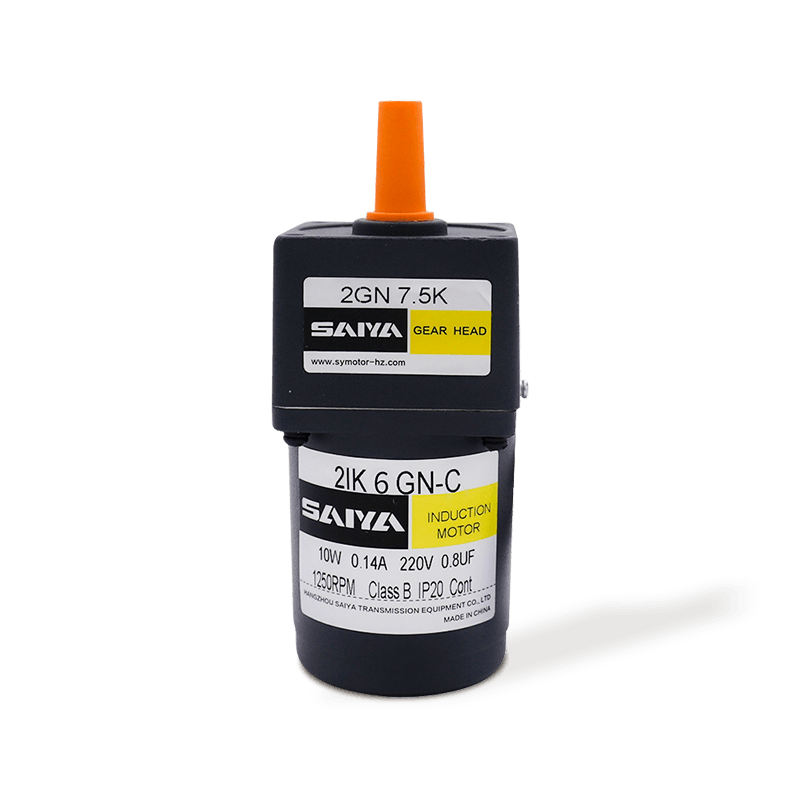
This 6W Induction AC Gear Motor is an efficient, compact and reliable small motor suitable for a wide range of industrial and household applications.Motor frame 60mm x 60mm making it easy to install ...
See Details -
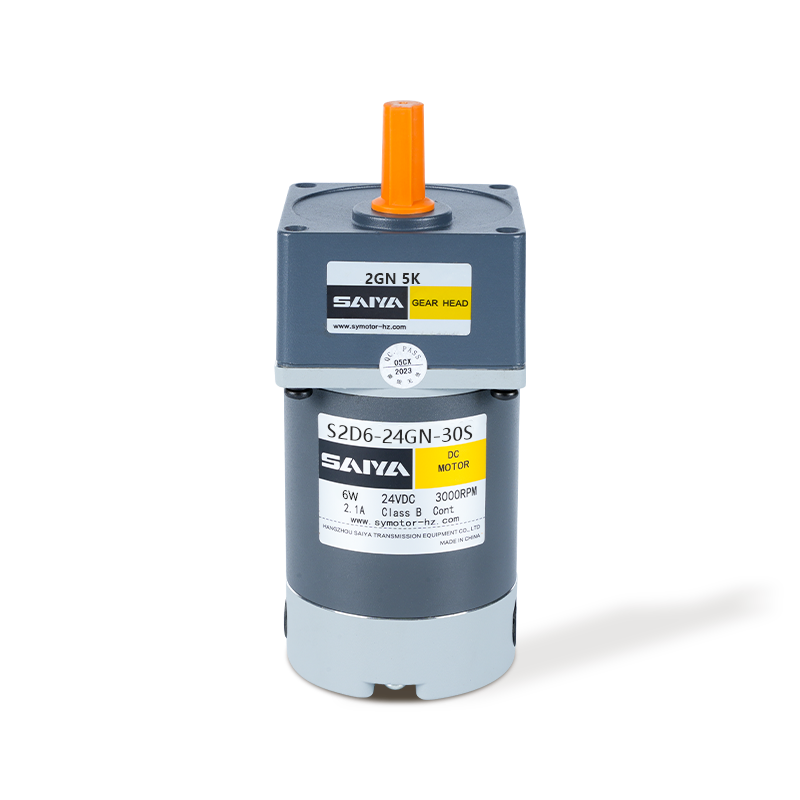
The 6W brush DC gbear motor is designed for efficiency and versatility, suitable for various applications. With a compact frame size of 60mm x 60mm, it fits seamlessly into tight spaces. The motor ope...
See Details -
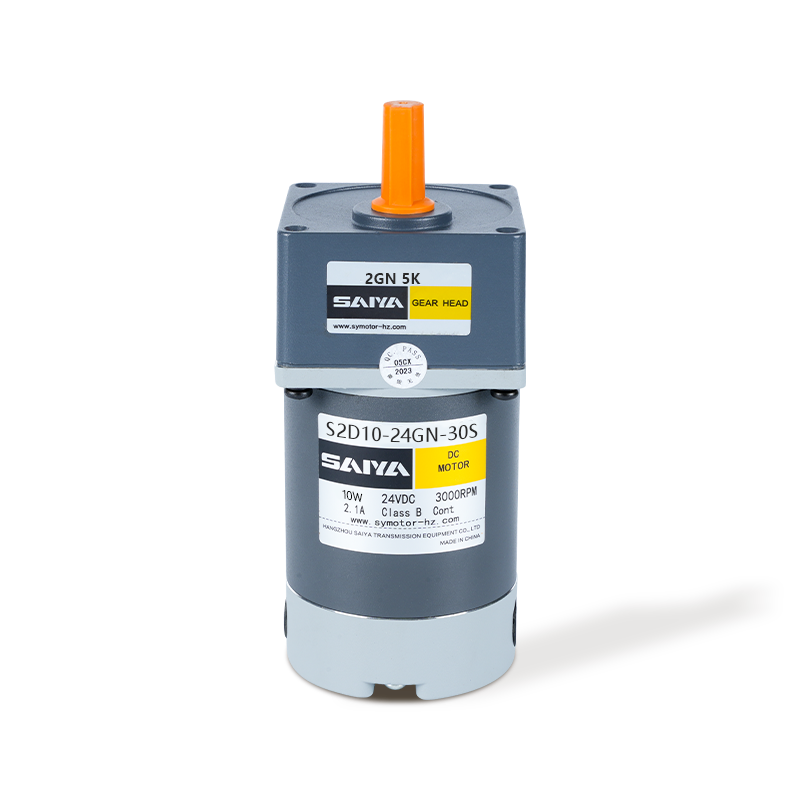
The 10W brush DC gear motor offers high performance and adaptability, for a range of industrial and hobbyist applications. With a frame size of 60mm x 60mm, this motor is designed to fit into confined...
See Details -
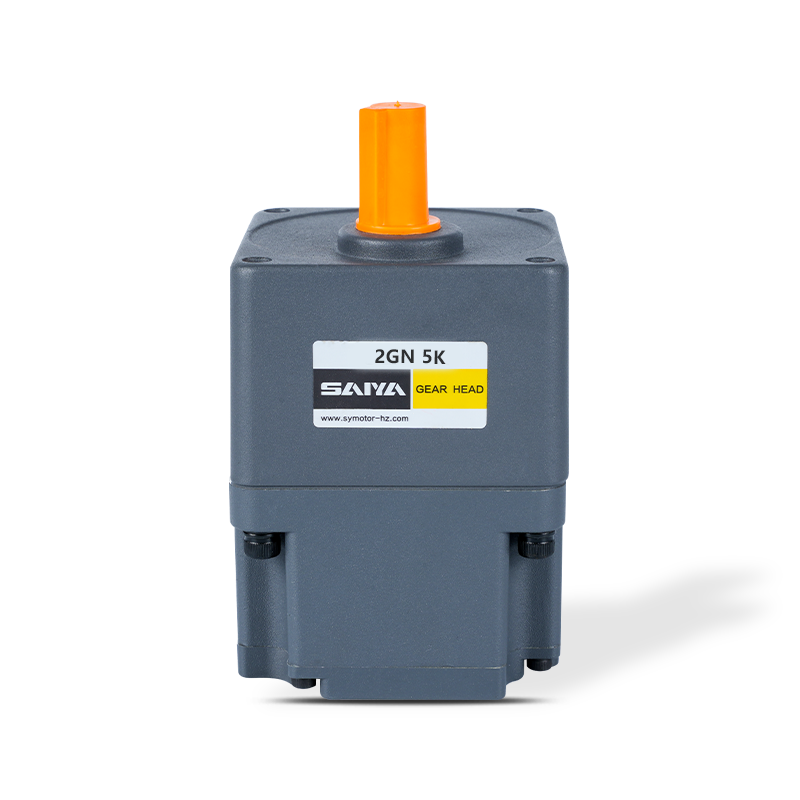
The 24V Brushless Gear Motor is a versatile and efficient motor designed for a range of applications. With dimensions ranging from 60mm x 60mm to 104mm x 104mm, this motor can fit into various equipme...
See Details -
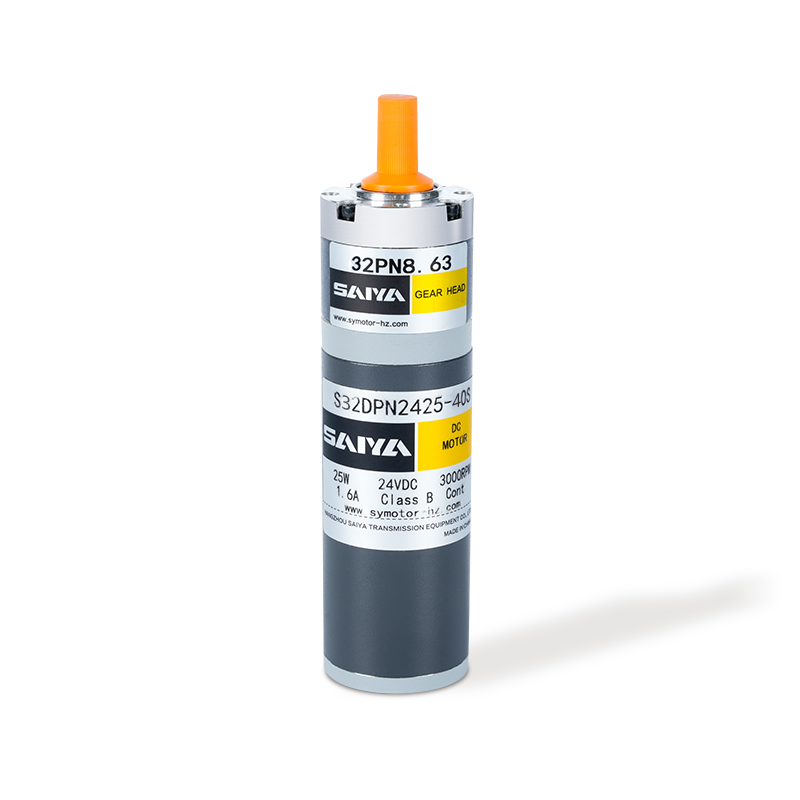
The 32mm brushed planetary gear motor is a compact and efficient solution designed for various applications requiring high torque and precise control. With a diameter of 32mm, this motor is ideally su...
See Details -
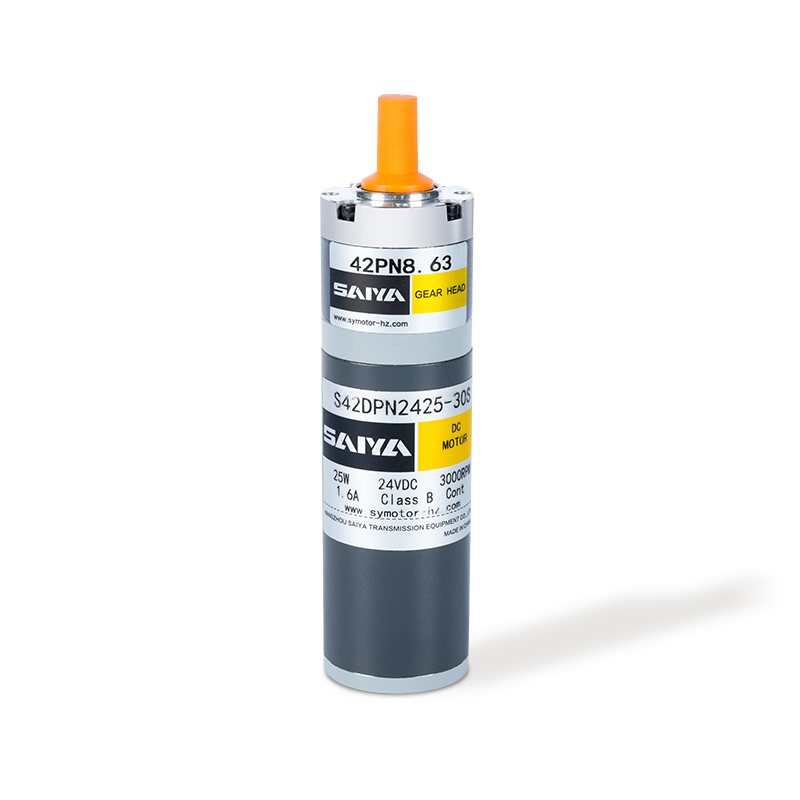
The 42mm brush planetary gear motor is a versatile and efficient component widely used in various applications requiring precise torque and speed control. With a rated current ranging from 0.7 to 1.1A...
See Details -
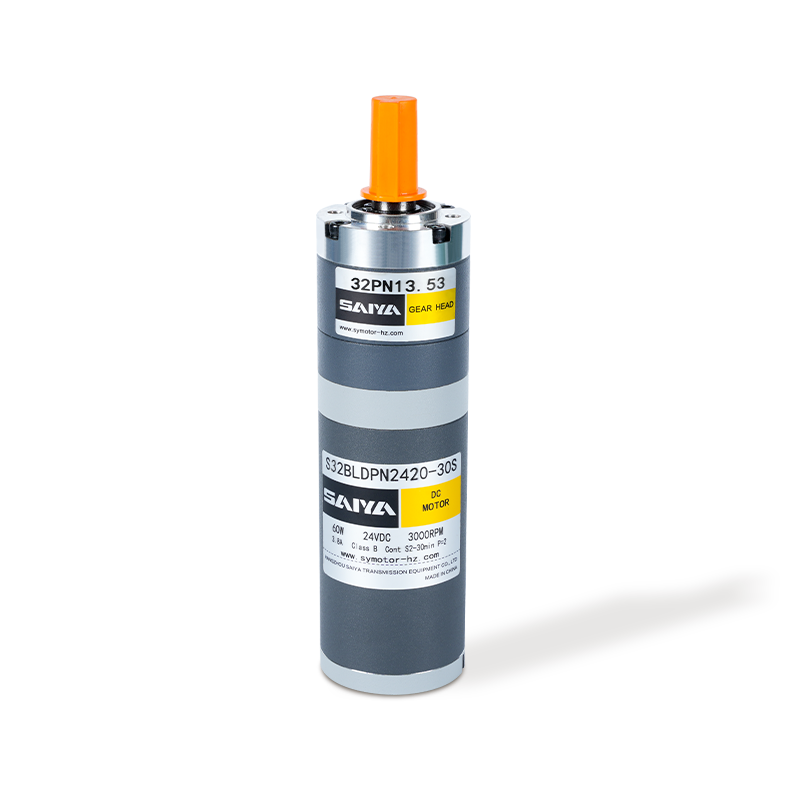
The 32mm Brushless Planetary Gear Motor is a high-performance, compact solution ideal for applications requiring efficiency and reliability. Operating at a rated voltage of 24V and consuming 20W of po...
See Details -
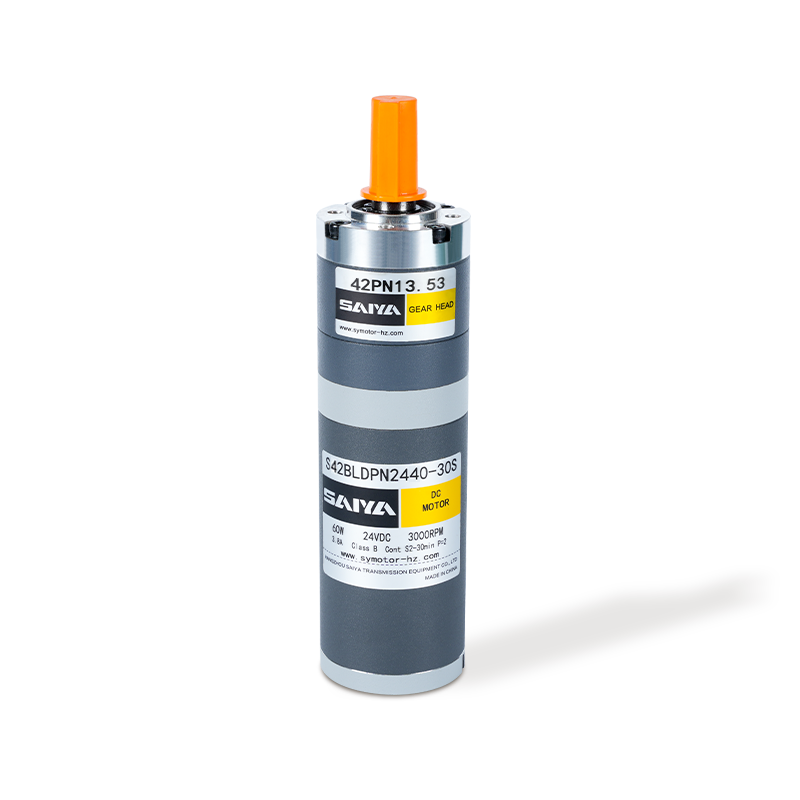
The 42mm brushless planetary motor is a high-efficiency motor product that is widely used in various scenarios requiring precision transmission. The rated current of this motor is 1.3A and the rated t...
See Details -
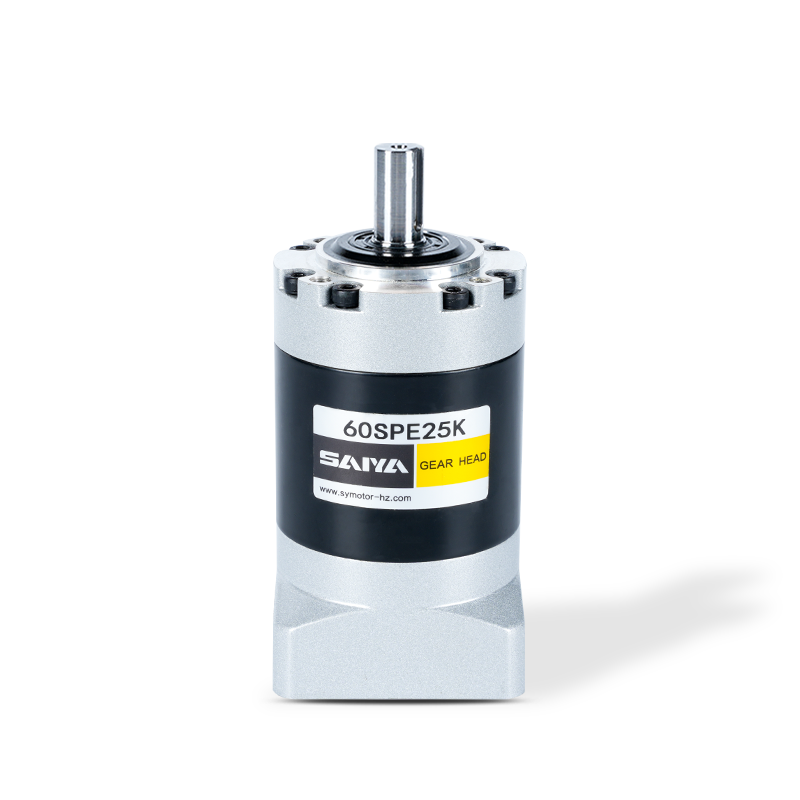
The SPE series gearboxes, flange size range with 40, 60, 80, 120, and 160 models, are designed to provide efficient and robust power transmission solutions. These gearboxes feature a round output flan...
See Details -
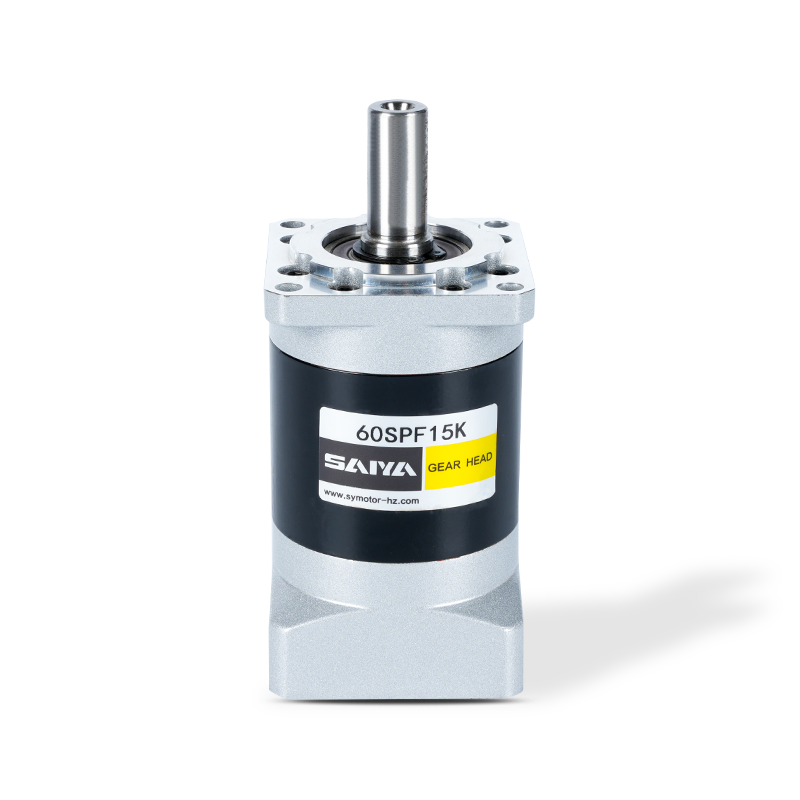
The SPF series are with square output flanges, accommodating dimensions from 40mm to 160mm. These flanges are engineered to excel in various industrial applications, offering reliable performance acro...
See Details -
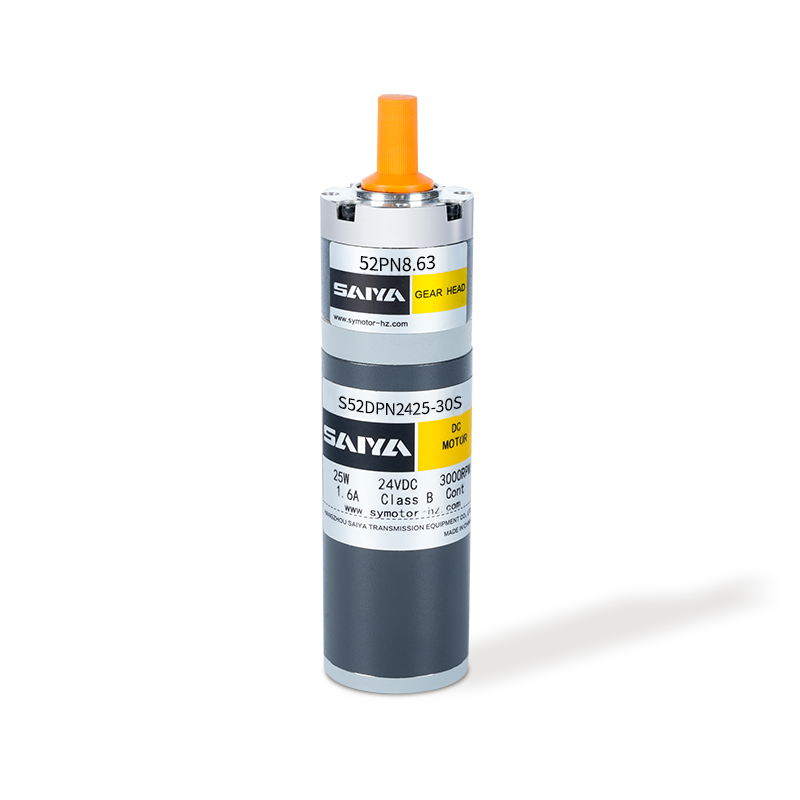
The 52mm brushed planetary gear motor is a compact and efficient solution designed for various applications requiring high torque and precise control. With a diameter of 52mm, this motor is ideally su...
See Details -
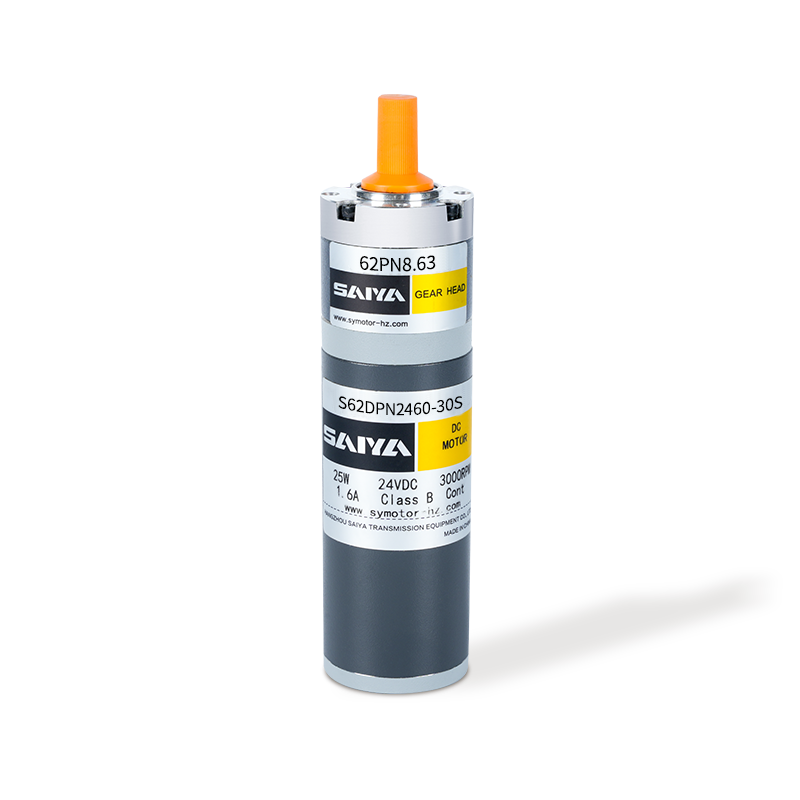
The 62mm brush planetary gear motor is a versatile and efficient component widely used in various applications requiring precise torque and speed control. With a rated current ranging from 2.5 to 5.5A...
See Details
CONTACT DETAILS
- TEL: 0086-0571-86951513/86951543
- Fax: 0086-571-86040769
- E-mail: [email protected] / [email protected] / [email protected]
- Office: Hangzhou Saiya Transmisson Equipment Co.,Ltd
- Office Address: Room 2201, Wanyin building, Hangzhou City, Zhejiang Province
- Factory: Zhejiang Saiya Intelligent Manufacturing Co., Ltd.
- Factory Address: No.35 Building , Zhongnan High-tech Yunhe Zhigu Industrial Park, Xinan town, Deqing county, Huzhou city, Zhejiang, China
QUICK LINK
PRODUCT
If You Are Intrested
In Our Products,
Please Consult Us
Copyright © Zhejiang Saiya Intelligent Manufacturing Co., Ltd. All Rights Reserved.
Custom Gear Reduction Motors Suppliers
