

 EN
EN  English
 中文简体
中文简体 русский
 Español
Application Industry
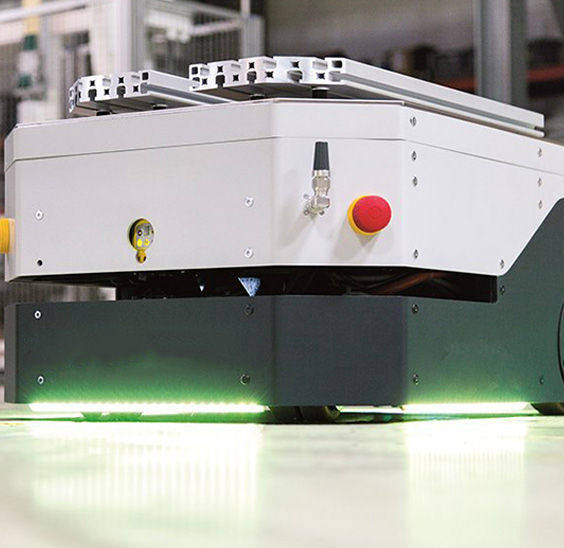
AGV

Automated robots
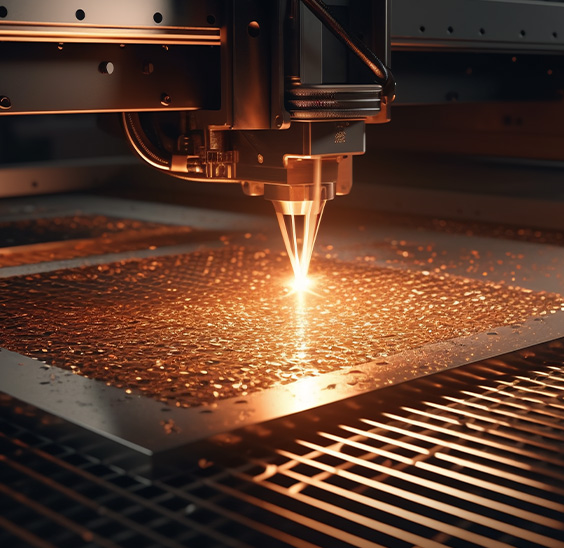
laser cutting

Logistics sorting

Photovoltaic power-station
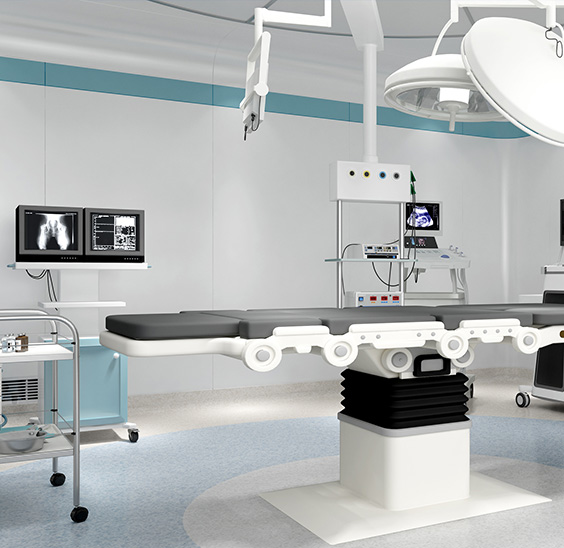
Medical devices
What are the common applications for micro AC gear motors?
Micro AC gear motors are the indispensable driving force behind countless modern automation systems, home appliances, and industrial mechanisms. These devices integrate a standard alternating current (AC) motor with a precision gear reduction system to deliver a highly controlled, low-speed output with significantly amplified torque. For engineers and designers seeking reliable, continuous-duty power in a compact footprint, micro AC gear motors stand as the most efficient and durable choice.
The fundamental conclusion when evaluating these mechanisms is that micro AC gear motors provide an unmatched balance of durability, consistent torque output, and operational simplicity. By directly connecting to standard electrical grids without the need for complex DC power supplies or frequent brush replacements, they offer a streamlined solution for continuous motion control. This makes them particularly advantageous in environments where longevity and minimal maintenance are prioritized over variable speed control.
Core Operational Principles and Mechanical Synergy
To properly utilize a micro AC gear motor, one must understand the seamless synergy between its two primary components: the AC motor and the gearbox. The motor typically operates at a high rotational speed, which is far too fast for most direct-drive applications. The gearbox steps this speed down while simultaneously multiplying the torque, resulting in a slow, powerful rotation suitable for heavy or precise movements.
The Role of the AC Induction Motor
The driving force within the assembly is usually an AC induction motor. These motors rely on the electromagnetic induction principle, where the stator's magnetic field induces a current in the rotor, causing it to turn. Because they lack physical brushes contacting the moving parts, the wear and tear associated with mechanical friction are virtually eliminated. This design inherently supports continuous duty cycles, allowing the motor to run for extended periods without overheating or degrading, provided it is operated within its rated load parameters.
The Mechanics of Gear Reduction
The gearbox attached to the motor is responsible for modifying the output characteristics. Through a series of interlocking gears, the high-speed, low-torque input from the motor is converted into a low-speed, high-torque output. The gear ratio determines this relationship; for example, a gear ratio significantly increases the torque while proportionally reducing the speed. The specific type of gears used—such as spur, helical, planetary, or worm gears—dictates the motor's overall efficiency, noise level, and physical footprint.
Primary Advantages in Practical Applications
The widespread adoption of micro AC gear motors across various industries is not coincidental. They offer a distinct set of advantages that make them superior to other drive technologies in specific scenarios, particularly those requiring steady, long-lasting power delivery.
- Exceptional Longevity and Reliability: Without brushes to wear down, AC induction motors boast a remarkably long service life. The primary maintenance requirement is typically limited to periodically lubricating the bearings and the gearbox.
- Simplified Power Requirements: These motors can be plugged directly into standard alternating current power sources. There is no need for rectifiers, DC power supplies, or complex control circuitry to achieve basic operational functionality.
- High Starting Torque: When combined with a properly designed gearbox, the initial starting torque can be substantial enough to move heavy loads from a dead stop without hesitation.
- Cost-Effectiveness: Due to their simple construction and mass production, micro AC gear motors generally offer a lower upfront cost compared to complex servo or stepper motor systems, making them ideal for large-scale deployments.
Common Applications Across Diverse Industries
The practical implementation of these motors spans from everyday consumer goods to complex industrial machinery. Their ability to provide controlled, low-speed movement makes them highly versatile. Below is a detailed breakdown of how they are utilized in various sectors.
Industrial Automation and Conveyor Systems
In manufacturing facilities, micro AC gear motors are frequently employed to drive small conveyor belts, sorting mechanisms, and packaging equipment. They provide the consistent rotational force needed to move products along an assembly line at a steady pace. The high torque output ensures that the conveyor does not stall when heavier items are placed upon it, while the induction motor design guarantees that the system can run continuously throughout multiple shifts without requiring cool-down periods.
HVAC and Environmental Control Systems
Heating, ventilation, and air conditioning systems heavily rely on these motors to operate dampers, valves, and louvers. In these applications, precise positioning and the ability to hold a load against air pressure are critical. A micro AC gear motor provides the necessary holding torque to keep a damper open or closed against the force of moving air. The motor's quiet operation and reliability ensure that environmental controls function seamlessly in commercial and residential buildings without frequent maintenance interventions.
Commercial Food and Beverage Equipment
In commercial kitchens and food processing plants, equipment such as rotisserie ovens, commercial mixers, and automated dispensing machines utilize these motors. The gear reduction provides the slow, powerful rotation required to mix heavy dough or turn roasts evenly. When sealed properly, these motors can withstand the frequent wash-downs and harsh cleaning chemicals required to maintain food safety standards, making them an essential component in the food service industry.
Key Parameters for Selecting the Right Motor
Choosing the correct micro AC gear motor requires a thorough analysis of the mechanical and electrical requirements of the intended application. Making an incorrect selection can lead to premature failure, overheating, or insufficient power to drive the load. Engineers must carefully evaluate several critical specifications before finalizing a design.
- Required Output Torque: Calculate the maximum force needed to move the load from a resting state and to keep it moving. This calculation must account for static friction and the inertia of the system.
- Desired Output Speed: Determine the exact rotational speed required for the application. This will dictate the necessary gear ratio and the base speed of the AC motor.
- Duty Cycle Requirements: Assess whether the motor will run continuously or in short, intermittent bursts. Continuous duty motors require better thermal management and robust insulation.
- Environmental Conditions: Consider the operating temperature, humidity, and presence of dust or corrosive substances. These factors determine the need for specialized enclosures or sealed gearboxes.
| Gearbox Type | Torque Capacity | Noise Level | Ideal Application |
|---|---|---|---|
| Spur Gear | Moderate | Higher | Simple, low-cost mechanisms |
| Helical Gear | High | Lower | Quiet, high-speed operations |
| Worm Gear | Very High | Moderate | Right-angle, self-locking needs |
| Planetary Gear | Extremely High | Low | Compact, high-precision drives |
Comparative Analysis: Micro AC vs. DC Gear Motors
A common engineering dilemma is choosing between alternating current (AC) and direct current (DC) gear motors. While both serve the fundamental purpose of providing low-speed torque, their operational characteristics are distinctly different. AC motors excel in continuous, steady-state applications, whereas DC motors are preferred for dynamic speed control and battery-powered scenarios.
Micro AC gear motors hold a distinct advantage in terms of mechanical longevity. The absence of brushes in an AC induction motor removes a primary point of failure, leading to a significantly longer operational life. Furthermore, AC motors can be directly connected to building power grids, simplifying installation in industrial and commercial settings. In contrast, DC motors require rectifiers or battery sources, adding complexity and cost to the system architecture.
However, DC gear motors offer superior starting torque and the ability to easily vary speed through voltage adjustment. If an application requires the motor to frequently change speeds or directions, a DC or servo motor might be more appropriate. For applications where speed is constant and the motor runs continuously, the AC gear motor remains the most robust and economically viable option.
Installation Best Practices and Maintenance
Proper installation and maintenance are critical to realizing the full lifespan potential of a micro AC gear motor. Even the most robustly designed motor will fail prematurely if subjected to poor mounting, misalignment, or inadequate lubrication. Following established mechanical and electrical guidelines ensures sustained performance.
Mechanical Mounting and Alignment
The motor must be mounted on a rigid, flat surface to prevent distortion of the gearbox housing. Any twisting or bending of the motor frame can cause internal gears to misalign, leading to premature tooth wear and increased noise. When coupling the motor shaft to the driven mechanism, precise alignment is non-negotiable. The use of flexible couplings is highly recommended to absorb minor misalignments and prevent axial loads from being transmitted to the motor bearings, which could otherwise cause rapid bearing failure.
Electrical Integration and Safety
Electrical connections should adhere strictly to local wiring codes and standards. The motor frame must be properly grounded to protect personnel from electrical shock and to prevent electromagnetic interference from disrupting nearby sensitive electronics. Overload protection, such as thermal overloads or appropriately sized circuit breakers, must be installed in the power supply line. This protection cuts power to the motor if it draws excessive current due to a mechanical jam or voltage fluctuation, preventing the windings from overheating and burning out.
Routine Maintenance and Lubrication
While the AC motor itself requires very little maintenance, the gearbox demands periodic attention. The lubricating grease or oil within the gearbox degrades over time due to mechanical shearing and thermal cycling. It is essential to periodically inspect the gearbox for signs of lubricant leakage and to replace the lubricant according to the manufacturer's specified intervals. Using the incorrect type of lubricant can severely damage the gears; therefore, always utilize the specified grease grade to ensure optimal viscosity and thermal stability.
Troubleshooting Common Operational Issues
Despite their reliability, micro AC gear motors may occasionally experience operational issues. Understanding how to diagnose these problems quickly minimizes downtime and prevents secondary damage to connected machinery. A systematic approach to troubleshooting is the most effective way to identify and resolve the root cause.
Motor Fails to Start or Hums Under Load
If the motor emits a humming sound but the shaft does not turn, it is typically experiencing a locked rotor condition. First, disconnect the power and attempt to rotate the output shaft by hand. If it cannot be turned, the issue is a mechanical jam within the gearbox or the driven equipment. If the shaft turns freely, the problem lies in the electrical supply, such as a blown capacitor or a voltage drop. Leaving a stalled motor energized will rapidly cause permanent thermal damage to the windings, so power must be disconnected immediately.
Excessive Noise and Vibration
An increase in operating noise usually indicates mechanical degradation within the system. Grinding or clicking sounds often point to broken or chipped gear teeth, requiring immediate gearbox teardown and replacement of the damaged components. A high-pitched whining noise might suggest that the gear lubrication has depleted or dried out. Vibration can be caused by loose mounting bolts, an unbalanced load, or worn motor bearings. Any abnormal noise should be investigated promptly, as continued operation will accelerate component wear and lead to total failure.
Overheating During Operation
While it is normal for an operating motor to feel warm to the touch, excessive heat is a warning sign of overload or friction. An overheating motor may be driving a load that exceeds its rated torque capacity. Alternatively, the internal gearbox lubricant may have degraded, increasing friction and generating excess heat. Ensure that the motor's cooling fan, if present, is clean and unobstructed. If the motor is located in an enclosed space, ambient temperature may be contributing to the issue, requiring improved ventilation in the enclosure to maintain safe operating temperatures.
Related products
-
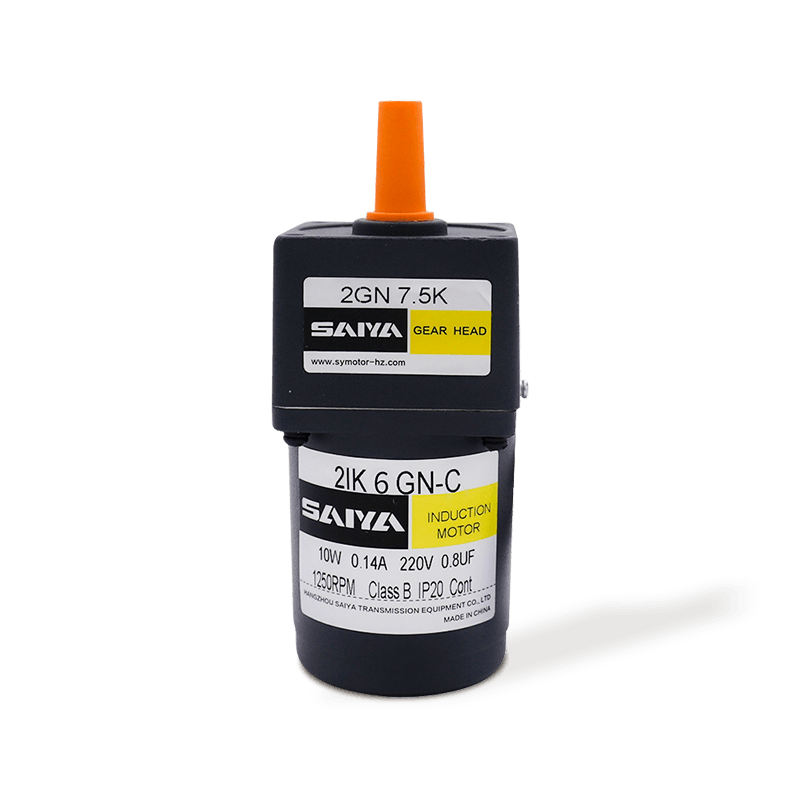
This 6W Induction AC Gear Motor is an efficient, compact and reliable small motor suitable for a wide range of industrial and household applications.Motor frame 60mm x 60mm making it easy to install ...
See Details -
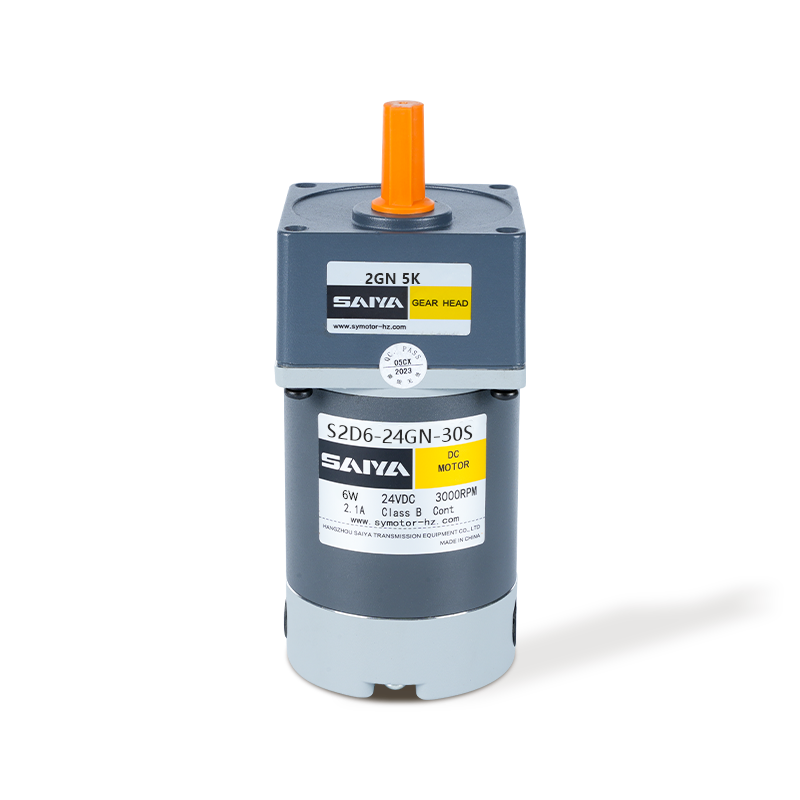
The 6W brush DC gbear motor is designed for efficiency and versatility, suitable for various applications. With a compact frame size of 60mm x 60mm, it fits seamlessly into tight spaces. The motor ope...
See Details -
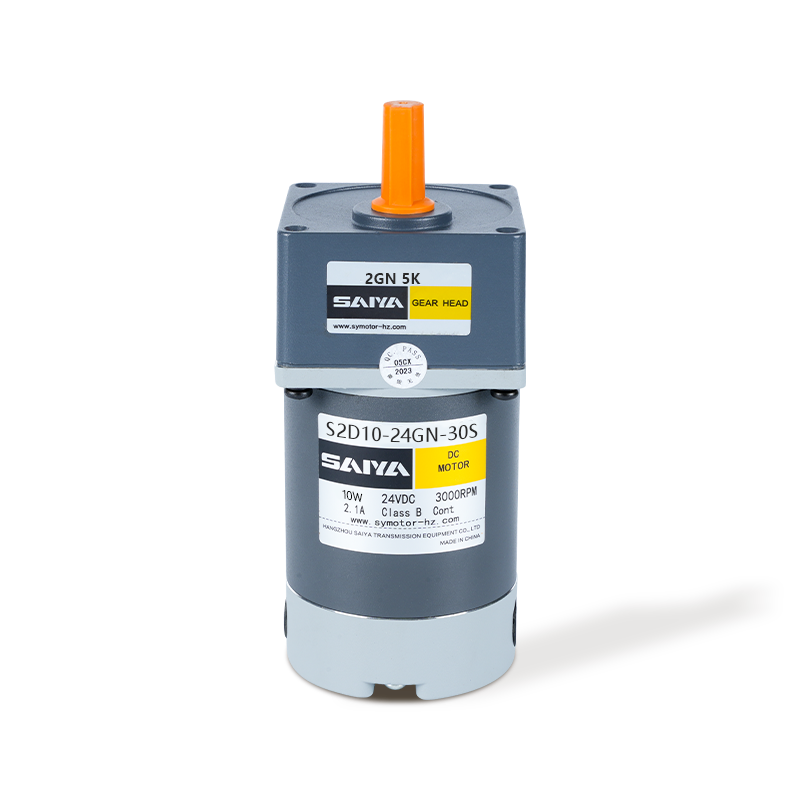
The 10W brush DC gear motor offers high performance and adaptability, for a range of industrial and hobbyist applications. With a frame size of 60mm x 60mm, this motor is designed to fit into confined...
See Details -
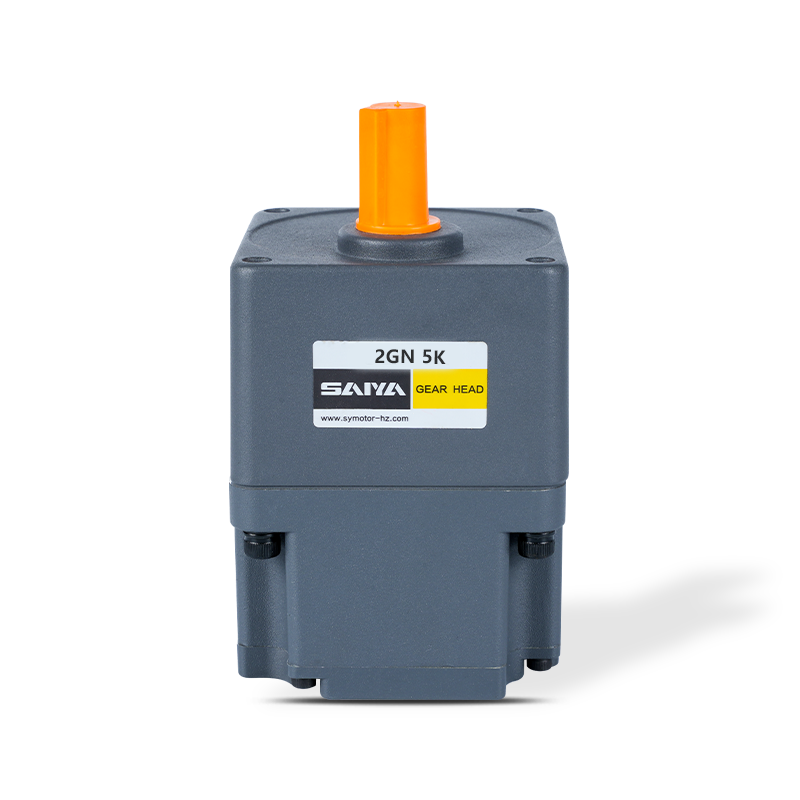
The 24V Brushless Gear Motor is a versatile and efficient motor designed for a range of applications. With dimensions ranging from 60mm x 60mm to 104mm x 104mm, this motor can fit into various equipme...
See Details -
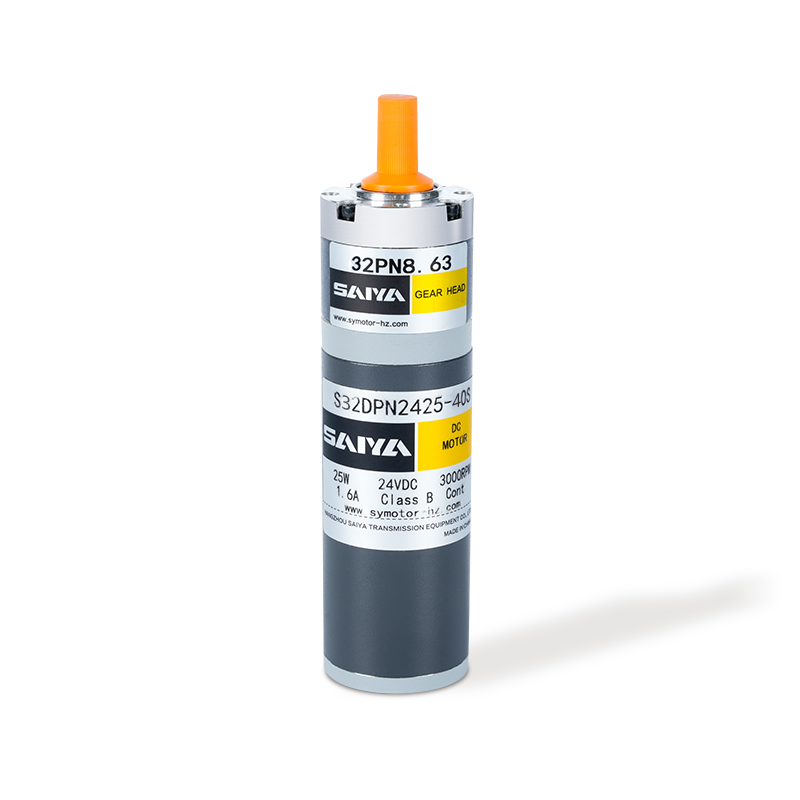
The 32mm brushed planetary gear motor is a compact and efficient solution designed for various applications requiring high torque and precise control. With a diameter of 32mm, this motor is ideally su...
See Details -
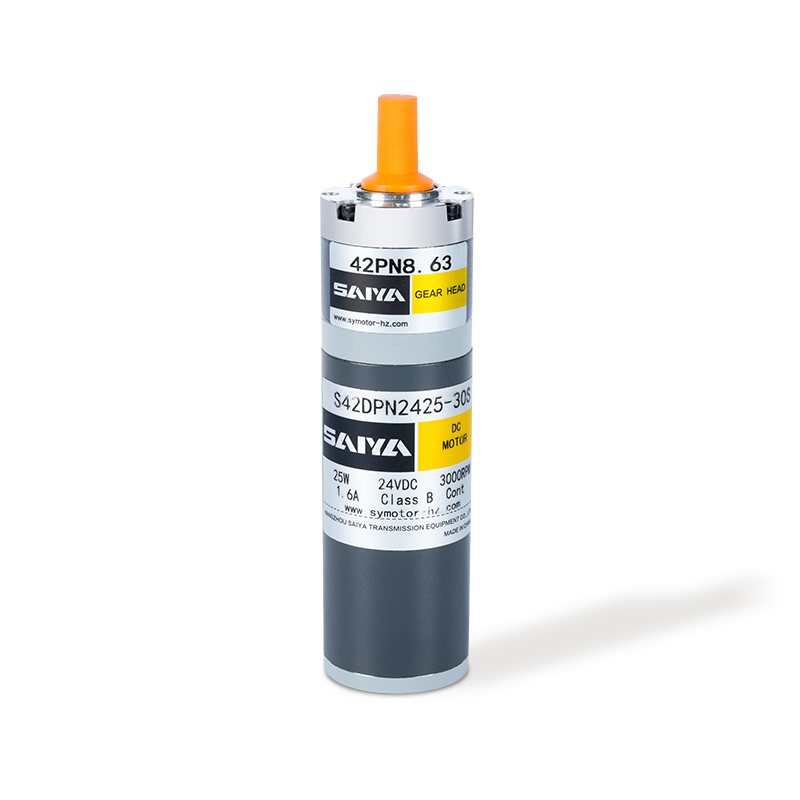
The 42mm brush planetary gear motor is a versatile and efficient component widely used in various applications requiring precise torque and speed control. With a rated current ranging from 0.7 to 1.1A...
See Details -
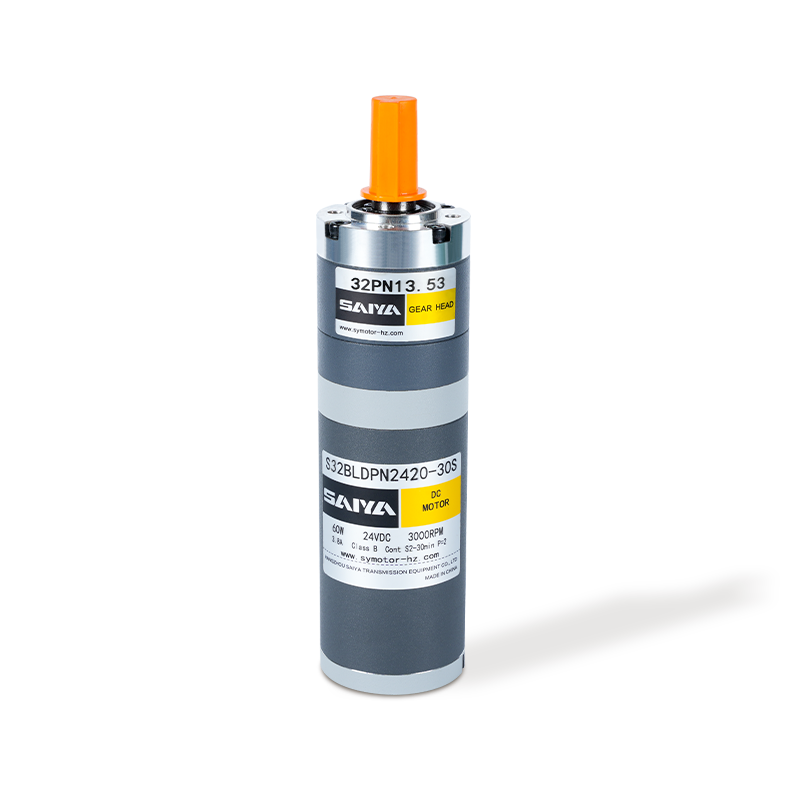
The 32mm Brushless Planetary Gear Motor is a high-performance, compact solution ideal for applications requiring efficiency and reliability. Operating at a rated voltage of 24V and consuming 20W of po...
See Details -
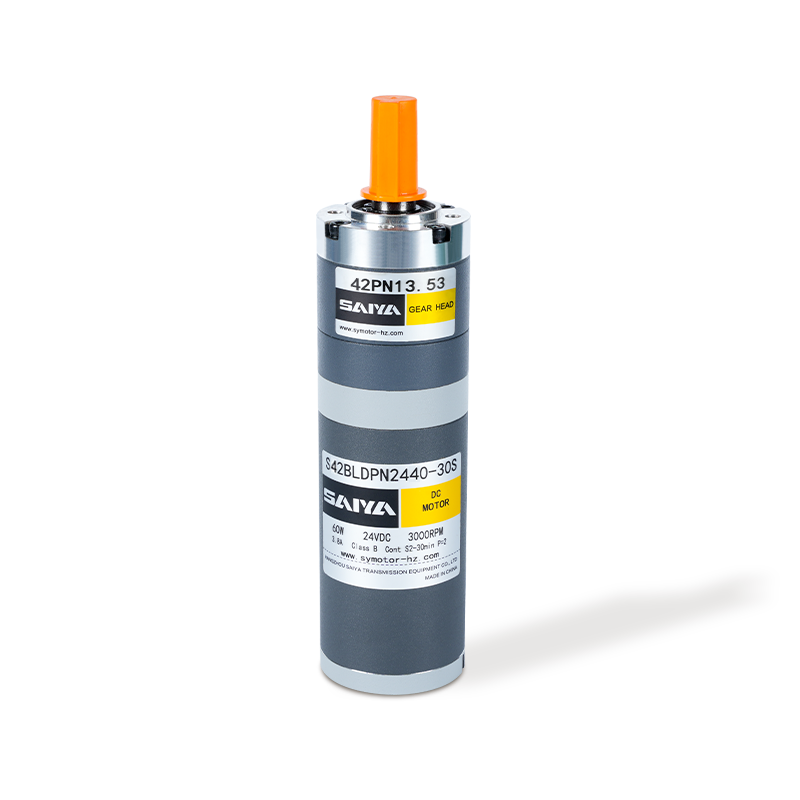
The 42mm brushless planetary motor is a high-efficiency motor product that is widely used in various scenarios requiring precision transmission. The rated current of this motor is 1.3A and the rated t...
See Details -
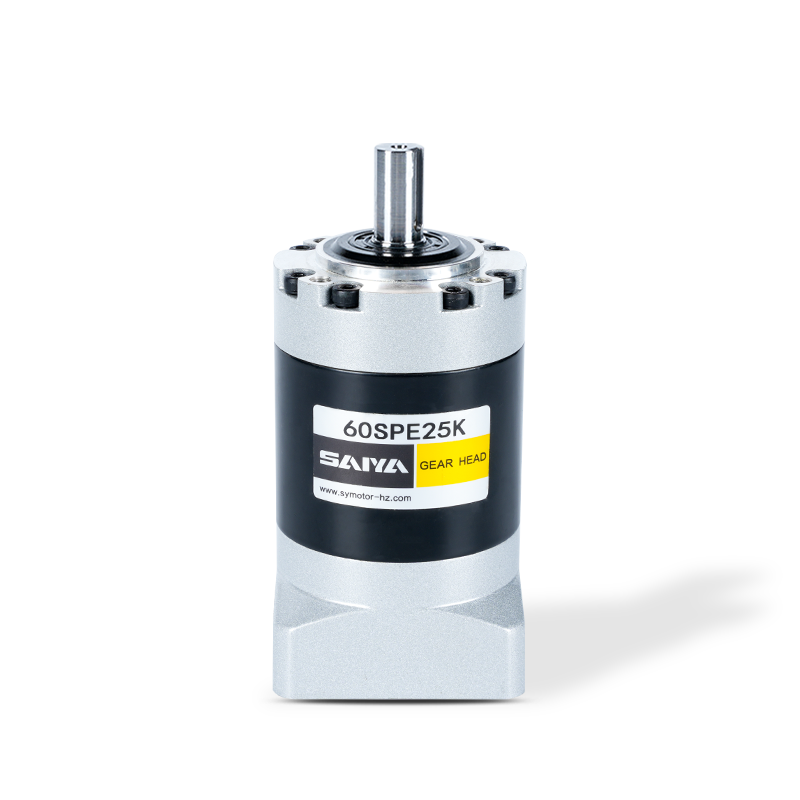
The SPE series gearboxes, flange size range with 40, 60, 80, 120, and 160 models, are designed to provide efficient and robust power transmission solutions. These gearboxes feature a round output flan...
See Details -
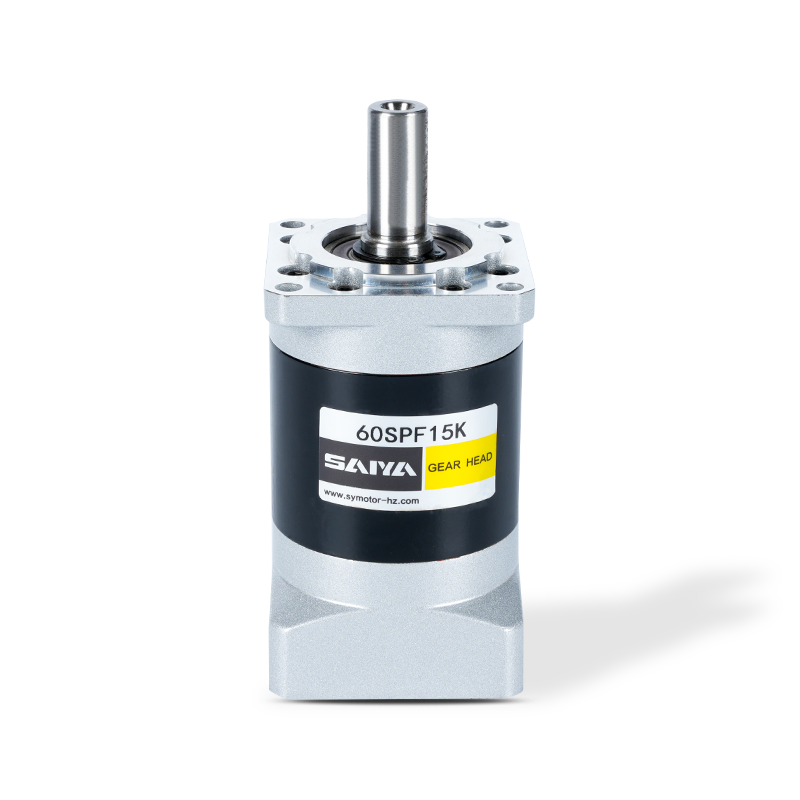
The SPF series are with square output flanges, accommodating dimensions from 40mm to 160mm. These flanges are engineered to excel in various industrial applications, offering reliable performance acro...
See Details -
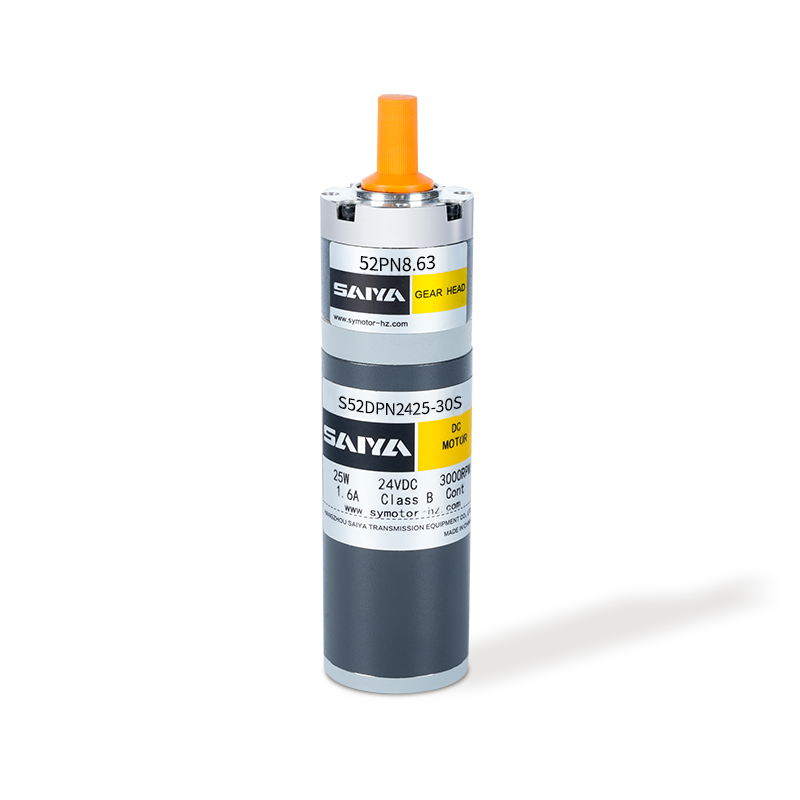
The 52mm brushed planetary gear motor is a compact and efficient solution designed for various applications requiring high torque and precise control. With a diameter of 52mm, this motor is ideally su...
See Details -
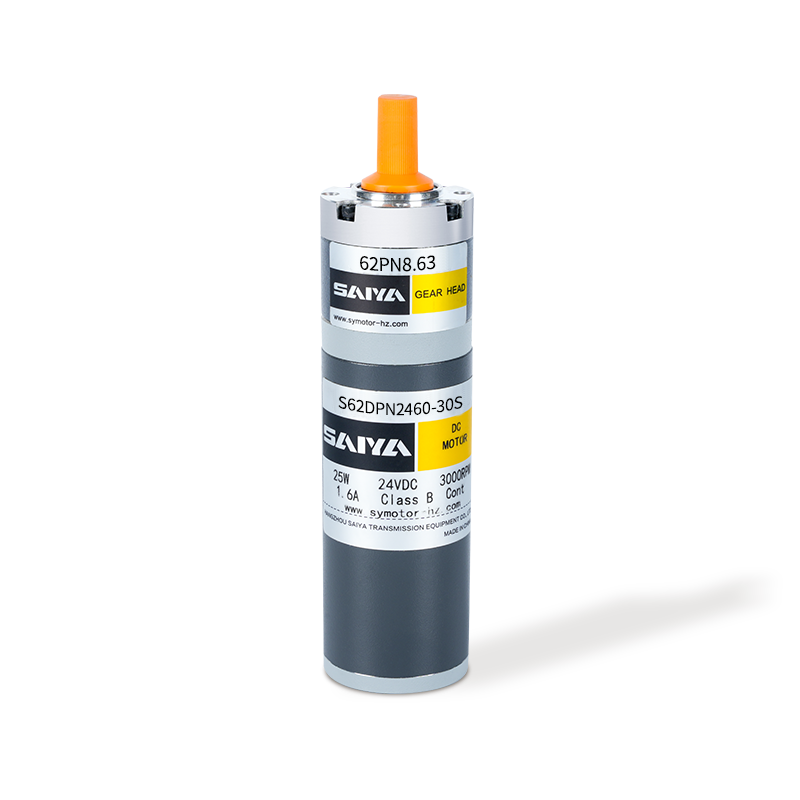
The 62mm brush planetary gear motor is a versatile and efficient component widely used in various applications requiring precise torque and speed control. With a rated current ranging from 2.5 to 5.5A...
See Details
CONTACT DETAILS
- TEL: 0086-0571-86951513/86951543
- Fax: 0086-571-86040769
- E-mail: [email protected] / [email protected] / [email protected]
- Office: Hangzhou Saiya Transmisson Equipment Co.,Ltd
- Office Address: Room 2201, Wanyin building, Hangzhou City, Zhejiang Province
- Factory: Zhejiang Saiya Intelligent Manufacturing Co., Ltd.
- Factory Address: No.35 Building , Zhongnan High-tech Yunhe Zhigu Industrial Park, Xinan town, Deqing county, Huzhou city, Zhejiang, China
QUICK LINK
PRODUCT
If You Are Intrested
In Our Products,
Please Consult Us
Copyright © Zhejiang Saiya Intelligent Manufacturing Co., Ltd. All Rights Reserved.
Custom Gear Reduction Motors Suppliers
