

 EN
EN  English
 中文简体
中文简体 русский
 Español
Application Industry
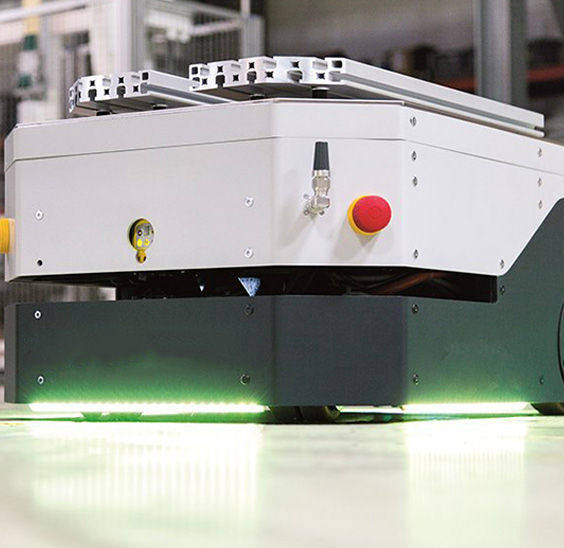
AGV

Automated robots
laser cutting

Logistics sorting

Photovoltaic power-station
Medical devices
What Are the Main Advantages of Brush DC Gear Motors?
Brush DC gear motors are electromechanical devices that offer an exceptionally cost-effective and reliable method for converting high-speed electrical rotation into low-speed, high-torque mechanical output. They are the optimal choice for applications requiring straightforward speed control, high starting torque, and compact physical dimensions. By combining a traditional brushed direct-current motor with a precision gear-reduction system, these units deliver robust performance in demanding environments where simplicity and affordability are paramount.
The Core Working Principle of Brushed DC Gear Motors
To fully understand the utility of a brush DC gear motor, one must examine the synergy between its two primary components: the brushed motor itself and the attached gearbox. The operation relies on fundamental electromagnetic principles, combined with mechanical torque multiplication.
Electromagnetic Commutation
Inside the motor housing, a stator consisting of permanent magnets creates a static magnetic field. The rotor, or armature, contains copper windings. When a direct current voltage is applied, stationary carbon or metal brushes press against a segmented commutator attached to the rotating shaft. This physical contact reverses the direction of current flow in the windings at precise intervals, ensuring that the magnetic repulsion and attraction continuously rotate the shaft. This mechanical commutation is what gives brushed motors their characteristic simplicity, requiring no external electronics to function.
Torque Multiplication Through Gear Reduction
The raw motor typically operates at high revolutions per minute but lacks the torque necessary to move heavy loads. The attached gearbox addresses this. As power transfers from the high-speed pinion to larger gears, the rotational speed decreases proportionally, while the torque increases. The gear ratio determines this relationship; a higher ratio yields slower output speed but significantly greater torque. This allows a small, efficient motor to drive substantial mechanical loads without overheating or stalling.
Primary Advantages Over Alternative Drive Systems
While brushless alternatives have grown in popularity, brushed DC gear motors retain a dominant market position due to several inherent benefits that make them uniquely suited for specific engineering challenges.
- Exceptional Cost-Effectiveness: The manufacturing process for brushed motors is mature and relatively inexpensive. They do not require complex electronic speed controllers (ESCs) to operate, drastically reducing the overall bill of materials for a motion control system.
- High Starting Torque: Brushed designs naturally deliver maximum torque at zero speed (stall torque). When paired with a gearbox, this translates to immense starting power, ideal for moving heavy inertia loads from a dead stop.
- Simple Speed Control: Modulating the speed of a brushed DC gear motor requires only varying the input voltage. This can be achieved with basic variable resistors or pulse-width modulation (PWM) circuits, making integration straightforward for engineers.
- Compact Form Factor: The integration of the commutator within the motor body and the option for planetary gear arrangements allow these units to achieve high power density in a very small footprint.
Common Industrial and Commercial Applications
The versatility of brush DC gear motors allows them to be deployed across a vast spectrum of industries. Their ability to provide reliable, low-speed rotational force makes them indispensable in both consumer goods and heavy industrial machinery.
| Industry Sector | Typical Application | Key Requirement Met |
|---|---|---|
| Automotive | Windshield wipers, power windows, seat adjusters | Compact size, reliable stopping force, low cost |
| Medical Equipment | Hospital beds, patient lifts, infusion pumps | Quiet operation, precise low-speed torque, smooth control |
| Industrial Automation | Conveyor systems, valve actuators, packaging machinery | High continuous torque, durability under load |
| Consumer Electronics | Electric blinds, massagers, small appliances | Low voltage operation, minimal electronic interference |
Key Parameters for Selecting the Right Motor
Choosing the correct brush DC gear motor requires a thorough understanding of the mechanical and electrical demands of the intended application. Engineers must evaluate several critical parameters to ensure long-term reliability and optimal performance.
Load Torque and Speed Requirements
The most fundamental calculation involves determining the continuous torque required to move the load and the desired operational speed. Engineers should select a motor with a continuous torque rating that exceeds the application's requirement by a safety margin of at least twenty to thirty percent. This prevents overheating and ensures the gearbox is not subjected to damaging stress during peak loads.
Duty Cycle Considerations
The duty cycle defines how long the motor operates versus how long it rests. Continuous duty applications require motors with robust thermal management, while intermittent duty applications can utilize smaller motors that operate at higher peak loads without failing, provided they have adequate cooling time between cycles.
Voltage and Current Constraints
The available power source dictates the motor's voltage rating. It is vital to match the motor's nominal voltage to the system voltage to achieve the rated speed and torque. Furthermore, understanding the stall current—the maximum current drawn when the shaft is prevented from turning—is crucial for designing appropriate circuit protection and drive electronics.
Maintenance and Extending Operational Lifespan
Unlike their brushless counterparts, brushed DC gear motors require periodic maintenance due to the physical contact between the brushes and the commutator. However, with proper operational practices, their lifespan can be significantly extended.
- Manage Electrical Noise: The arcing between the brushes and commutator generates electromagnetic interference (EMI). Utilizing suppression capacitors across the motor terminals protects sensitive surrounding electronics and reduces brush wear caused by excessive sparking.
- Lubrication of Gearbox: The gear reduction system relies on adequate lubrication to minimize friction and heat. Using the correct grade of grease for the operating temperature range ensures smooth power transmission and prevents premature gear tooth failure.
- Avoid Prolonged Stalling: While brushed motors can produce high stall torque, maintaining a stall condition for extended periods causes massive current draw and rapid heat buildup. This degrades the varnish on the windings and accelerates brush degradation.
- Monitor Brush Wear: In accessible designs, periodically inspecting the length of the carbon brushes allows for scheduled replacement before they wear down to the metal holder, which would severely damage the commutator.
Brushed vs. Brushless DC Gear Motors
The decision between utilizing a brushed or brushless DC gear motor fundamentally comes down to a trade-off between initial cost and long-term maintenance requirements. Brushless motors utilize electronic commutation, eliminating the physical wear components found in brushed designs. This grants brushless motors significantly longer operational lifespans and higher efficiency ratings. However, they require complex and expensive electronic controllers to function. For applications where the motor is easily accessible, the budget is tightly constrained, and the operational lifespan requirement is moderate, the brush DC gear motor remains the superior engineering choice.
Ultimately, the enduring popularity of the brush DC gear motor lies in its elegant simplicity. It transforms electrical energy into powerful mechanical motion through a direct, well-understood physical mechanism, providing an unmatched balance of performance, reliability, and economic value in the modern engineering landscape.
Related products
-
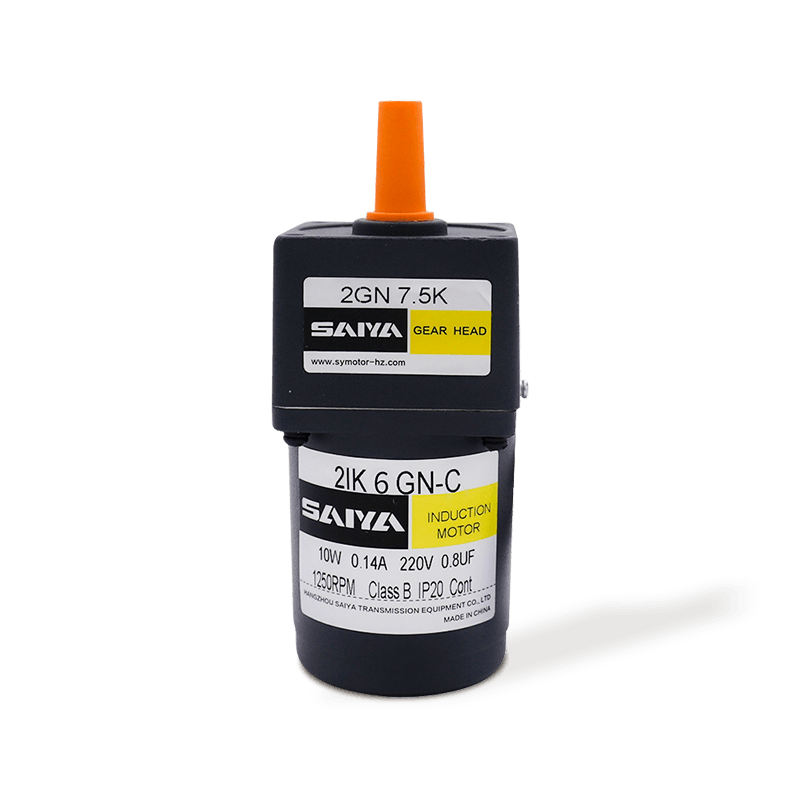
This 6W Induction AC Gear Motor is an efficient, compact and reliable small motor suitable for a wide range of industrial and household applications.Motor frame 60mm x 60mm making it easy to install ...
See Details -
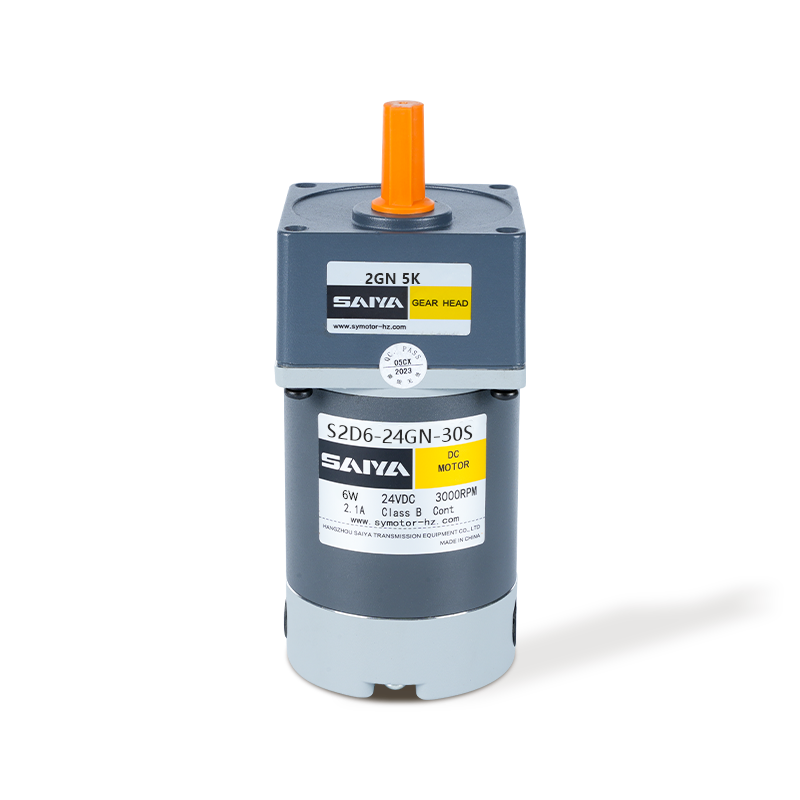
The 6W brush DC gbear motor is designed for efficiency and versatility, suitable for various applications. With a compact frame size of 60mm x 60mm, it fits seamlessly into tight spaces. The motor ope...
See Details -
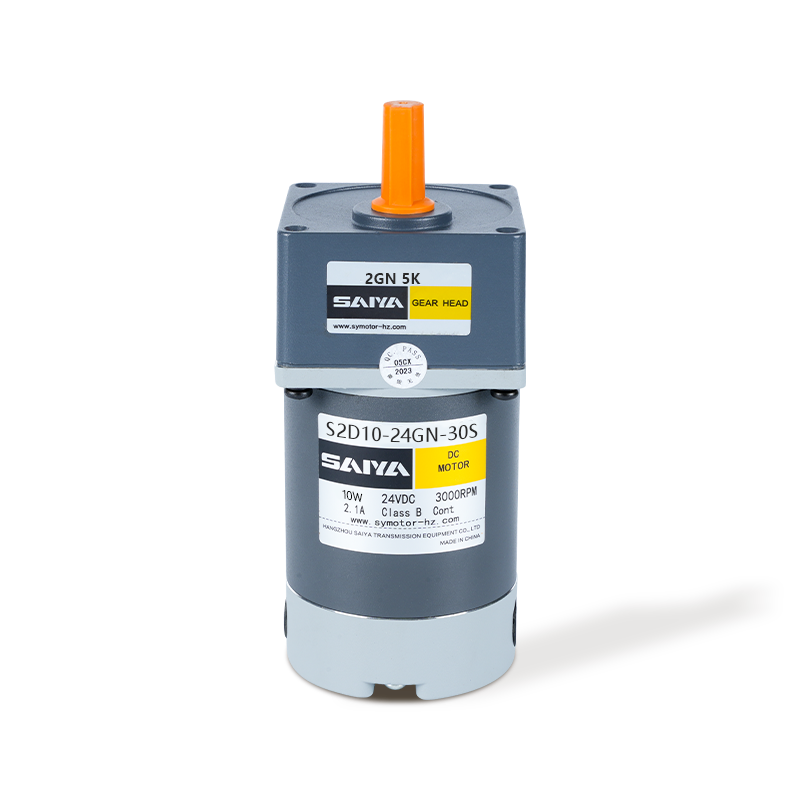
The 10W brush DC gear motor offers high performance and adaptability, for a range of industrial and hobbyist applications. With a frame size of 60mm x 60mm, this motor is designed to fit into confined...
See Details -
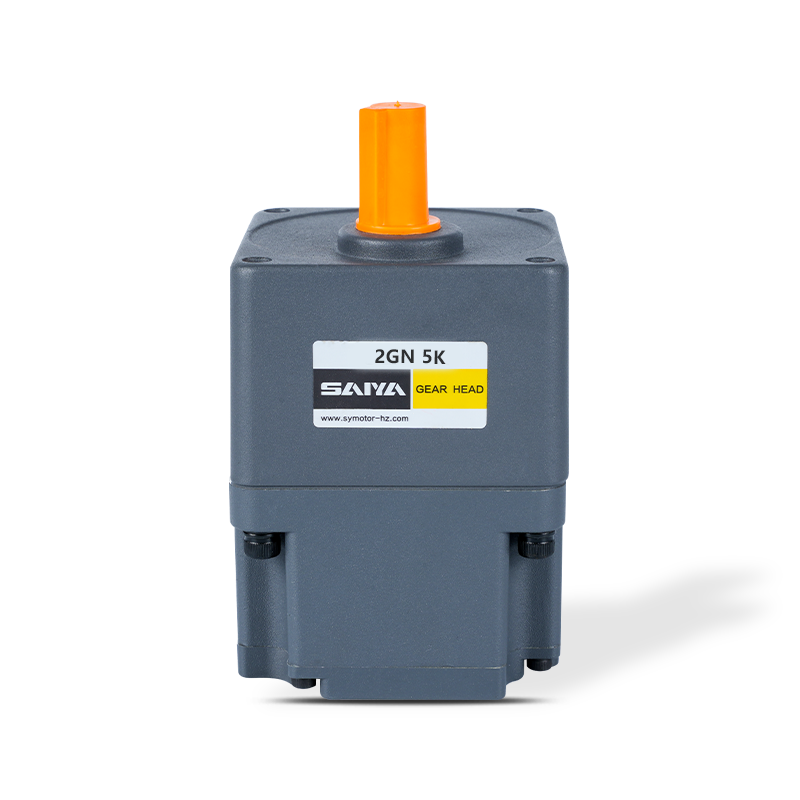
The 24V Brushless Gear Motor is a versatile and efficient motor designed for a range of applications. With dimensions ranging from 60mm x 60mm to 104mm x 104mm, this motor can fit into various equipme...
See Details -
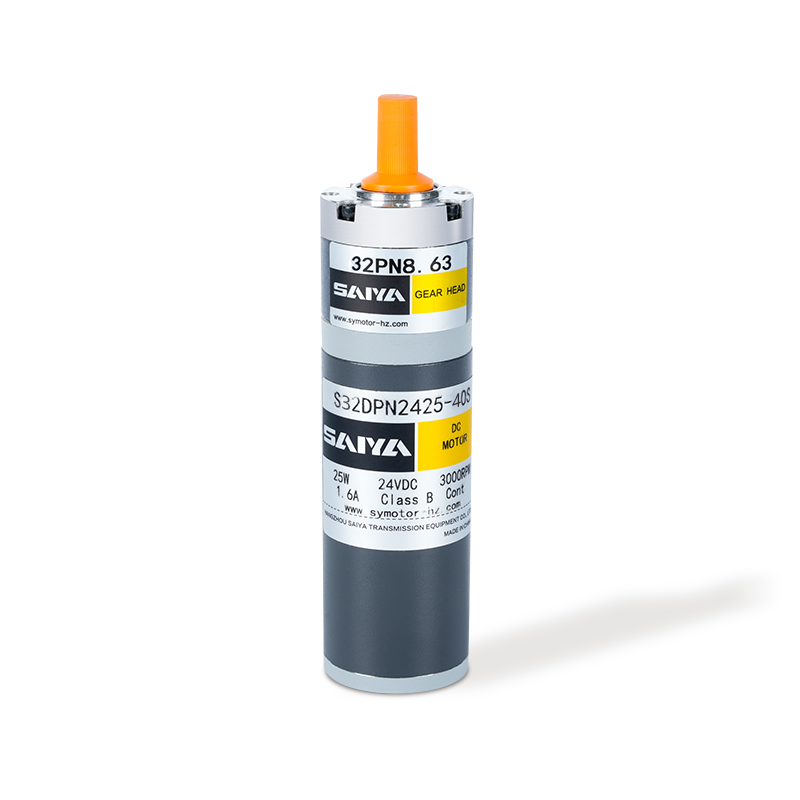
The 32mm brushed planetary gear motor is a compact and efficient solution designed for various applications requiring high torque and precise control. With a diameter of 32mm, this motor is ideally su...
See Details -
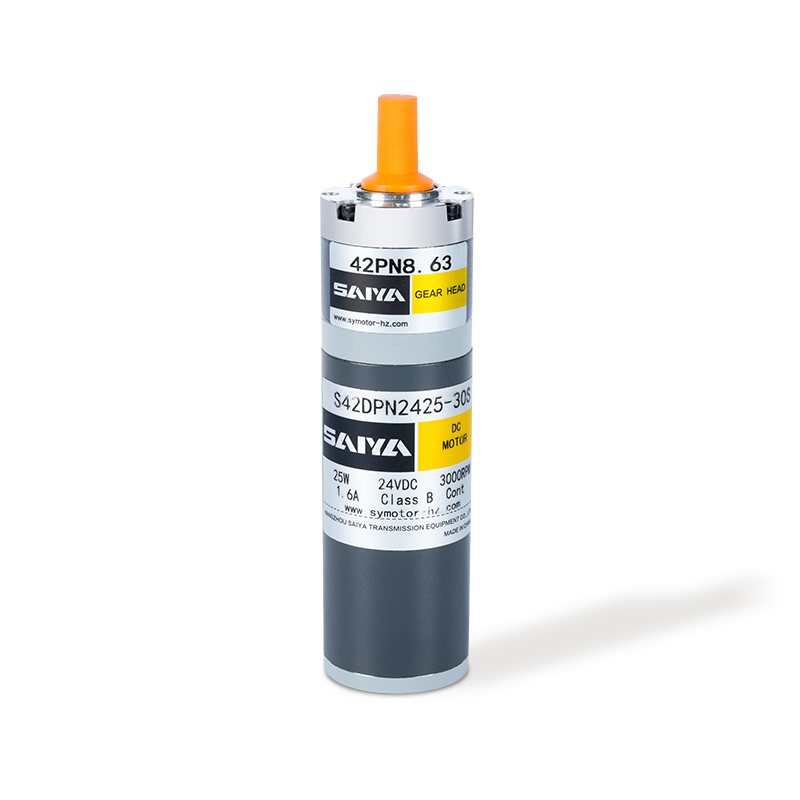
The 42mm brush planetary gear motor is a versatile and efficient component widely used in various applications requiring precise torque and speed control. With a rated current ranging from 0.7 to 1.1A...
See Details -
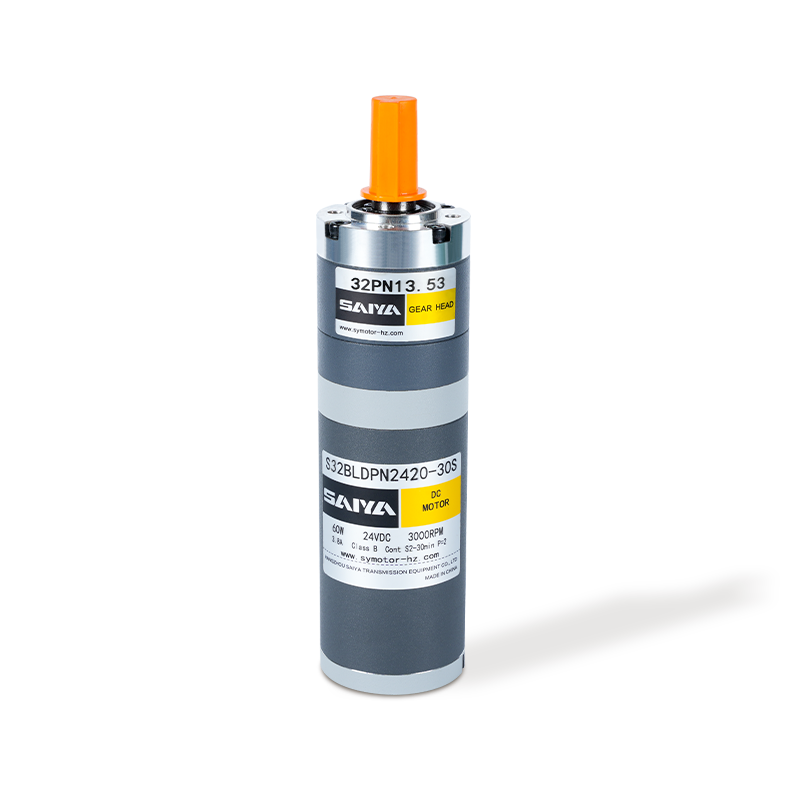
The 32mm Brushless Planetary Gear Motor is a high-performance, compact solution ideal for applications requiring efficiency and reliability. Operating at a rated voltage of 24V and consuming 20W of po...
See Details -
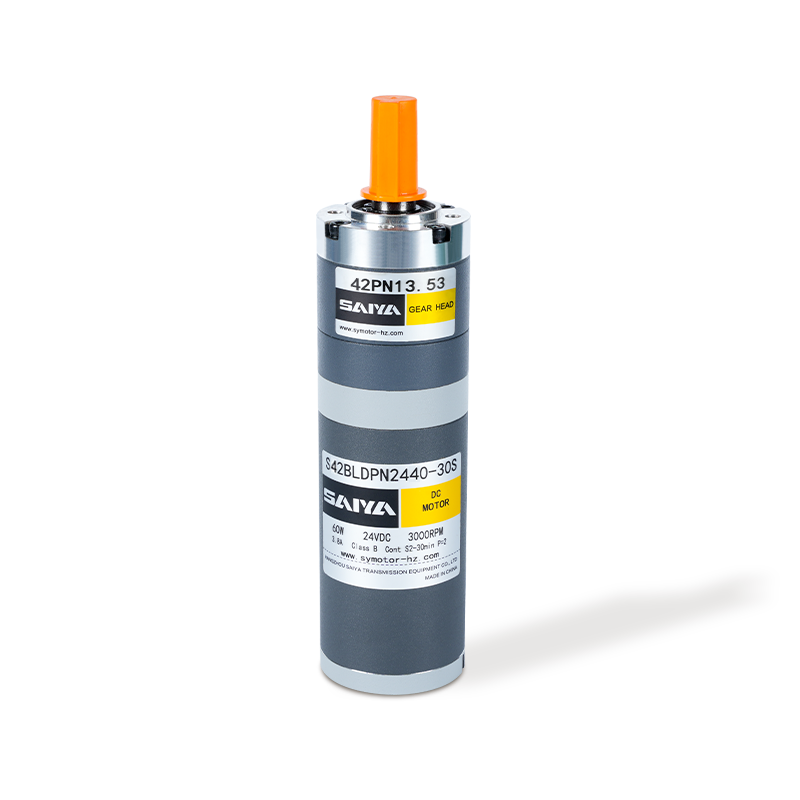
The 42mm brushless planetary motor is a high-efficiency motor product that is widely used in various scenarios requiring precision transmission. The rated current of this motor is 1.3A and the rated t...
See Details -
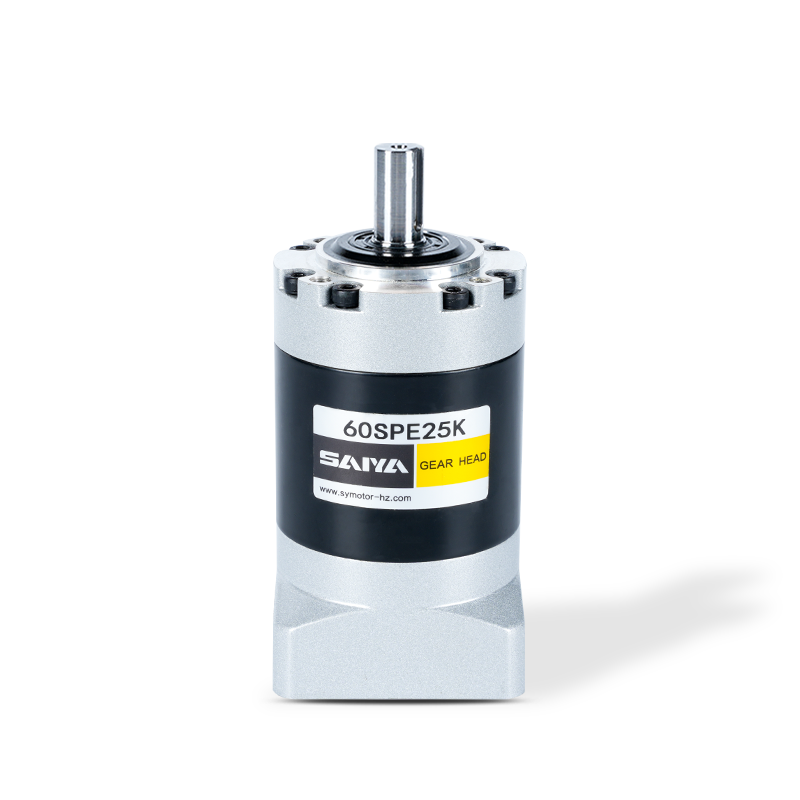
The SPE series gearboxes, flange size range with 40, 60, 80, 120, and 160 models, are designed to provide efficient and robust power transmission solutions. These gearboxes feature a round output flan...
See Details -
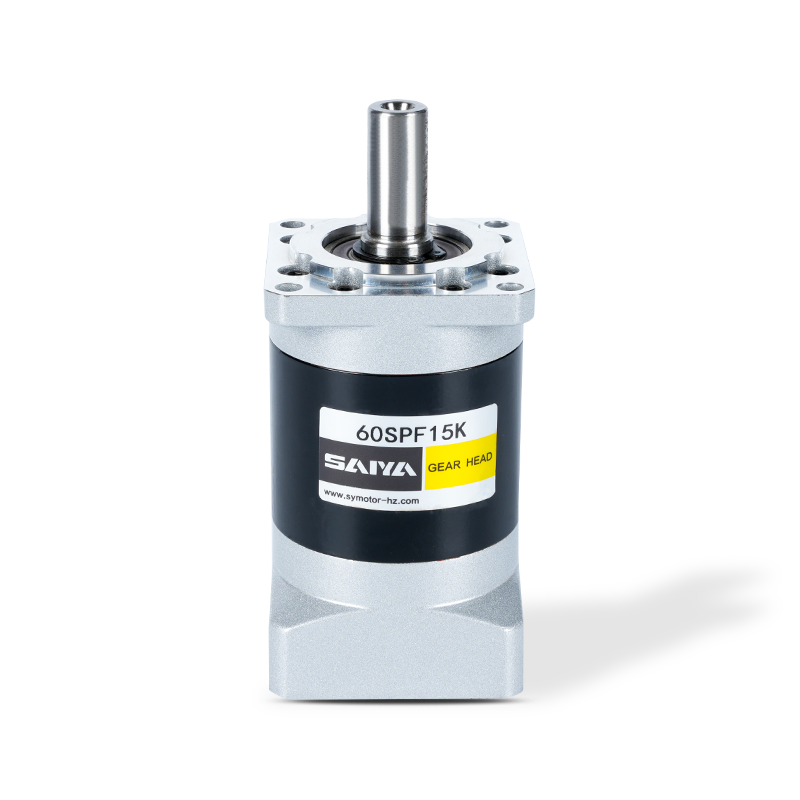
The SPF series are with square output flanges, accommodating dimensions from 40mm to 160mm. These flanges are engineered to excel in various industrial applications, offering reliable performance acro...
See Details -
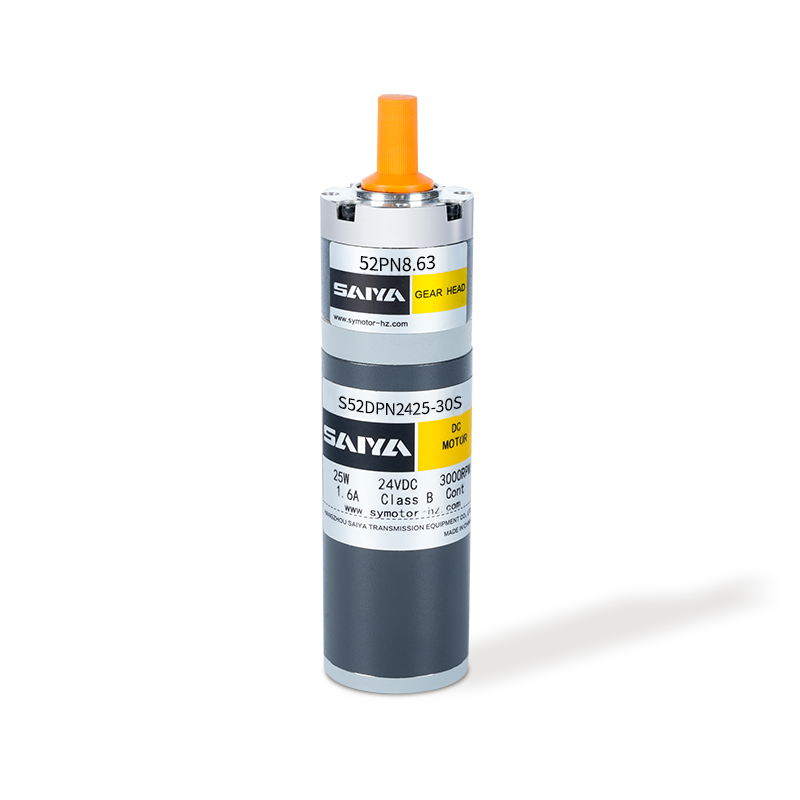
The 52mm brushed planetary gear motor is a compact and efficient solution designed for various applications requiring high torque and precise control. With a diameter of 52mm, this motor is ideally su...
See Details -
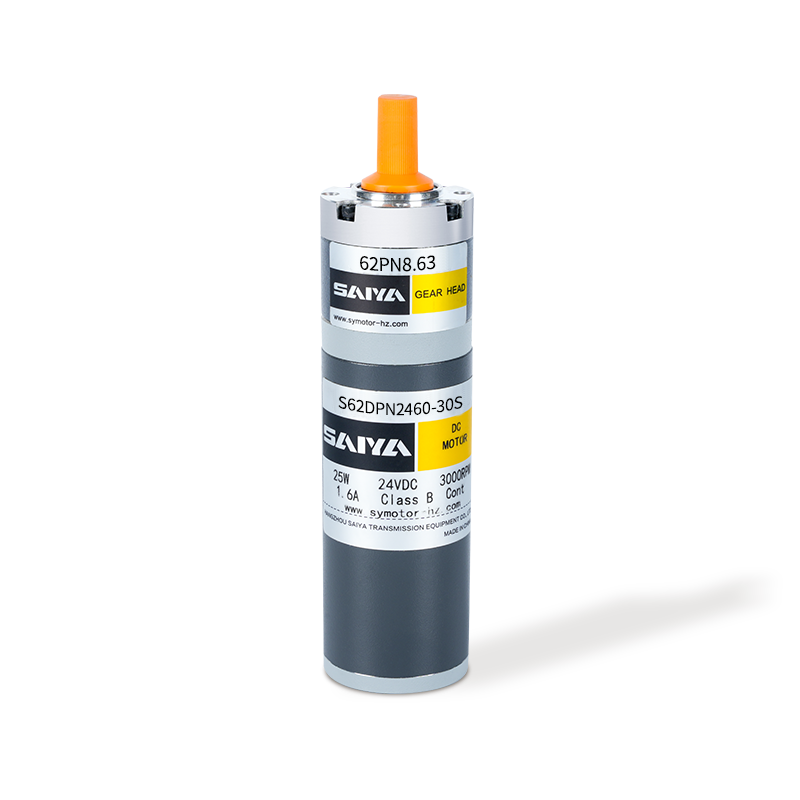
The 62mm brush planetary gear motor is a versatile and efficient component widely used in various applications requiring precise torque and speed control. With a rated current ranging from 2.5 to 5.5A...
See Details
CONTACT DETAILS
- TEL: 0086-0571-86951513/86951543
- Fax: 0086-571-86040769
- E-mail: [email protected] / [email protected] / [email protected]
- Office: Hangzhou Saiya Transmisson Equipment Co.,Ltd
- Office Address: Room 2201, Wanyin building, Hangzhou City, Zhejiang Province
- Factory: Zhejiang Saiya Intelligent Manufacturing Co., Ltd.
- Factory Address: No.35 Building , Zhongnan High-tech Yunhe Zhigu Industrial Park, Xinan town, Deqing county, Huzhou city, Zhejiang, China
QUICK LINK
PRODUCT
If You Are Intrested
In Our Products,
Please Consult Us
Copyright © Zhejiang Saiya Intelligent Manufacturing Co., Ltd. All Rights Reserved.
Custom Gear Reduction Motors Suppliers
