

 EN
EN  English
 中文简体
中文简体 русский
 Español
Application Industry
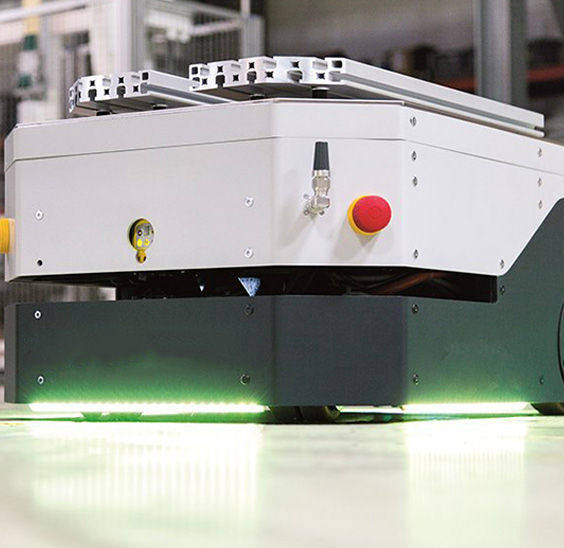
AGV

Automated robots
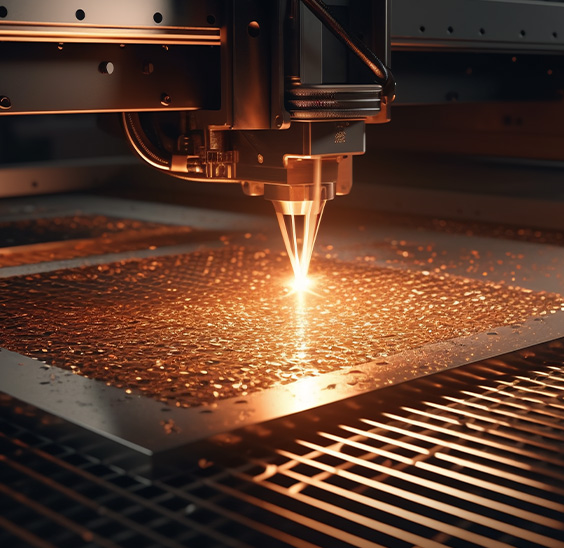
laser cutting

Logistics sorting

Photovoltaic power-station
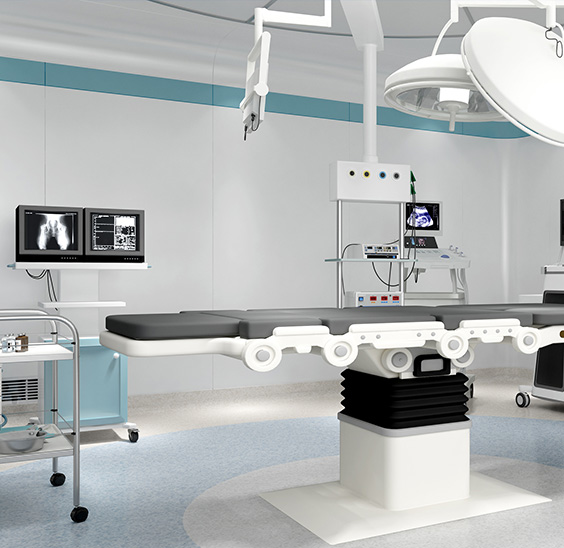
Medical devices
Are brushless DC gear motors better for high-torque applications?
The Optimal Choice for Modern Motion Control
When selecting a drive component for precision tasks, brushless DC gear motors represent the most reliable and efficient solution available today. They combine the longevity of brushless technology with the torque multiplication of precision gearing. For applications where maintenance access is difficult or continuous duty is required, these motors outperform traditional alternatives by a significant margin. They offer a unique balance of compact size, high power density, and operational lifespan, making them the standard choice for automation, robotics, and medical devices.
Understanding the Core Technology
To appreciate the value of this device, one must understand the integration of two distinct mechanisms: the brushless motor and the gearbox. A standard DC motor relies on brushes and a commutator to switch the direction of current in the coil windings. This physical contact creates friction, electrical noise, and eventual wear. In contrast, a brushless design eliminates these physical contacts. Instead, it uses an electronic controller to switch the current, creating a rotating magnetic field that drives the rotor.
By attaching a gearbox to this high-speed, low-torque motor, the output characteristics change fundamentally. The gear reduction system slows the output shaft while proportionally increasing the torque. This transformation is essential because many applications require high force to move loads but do not need the high rotational speeds that motors naturally produce. The synergy between the electronic speed control of the motor and the mechanical advantage of the gears results in a versatile drive unit.
Superior Efficiency and Lifespan
The primary reason engineers select this technology is the dramatic increase in operational life. Because there are no brushes to wear out, the limiting factors become only the bearing life and the electronics. These motors can often operate for 10,000 hours or more without maintenance. This is a tenfold increase compared to many brushed alternatives. This longevity makes them ideal for "fit and forget" applications inside sealed equipment or remote installations.
Efficiency is another critical factor. Brushless designs typically achieve efficiency ratings of 85% to 90%, whereas brushed motors might struggle to reach 75%. This reduction in energy loss translates to less heat generation and lower power consumption. In battery-powered devices, this efficiency gain directly extends the operating time between charges. The following table highlights the direct comparison between the two technologies:
| Feature | Brushless Gear Motor | Brushed Gear Motor |
|---|---|---|
| Maintenance | Virtually None | Regular brush replacement |
| Electrical Noise | Low | High (sparking) |
| Heat Dissipation | Excellent | Moderate |
| Speed Range | Wider | Limited by brush friction |
Exploring Gearbox Variations
The "gear motor" concept is not one-size-fits-all. The type of gearbox attached to the brushless motor dictates the performance profile. The choice of gearhead is just as important as the motor itself, as it determines the final output speed and torque capabilities.
Planetary Gearheads
Planetary gears are the choice for high-torque, compact applications. They get their name because the three "planet" gears rotate around a central "sun" gear. This design allows the load to be distributed across multiple gear teeth simultaneously. Planetary gearheads offer the highest torque density in the smallest package. They are highly efficient and provide a smooth output, making them perfect for robotic joints and medical infusion pumps where space is at a premium, but power is non-negotiable.
Spur Gearheads
Spur gears are the more traditional, cost-effective option. They consist of straight-cut gears meshing together. While they are generally less expensive and can handle high speeds well, they are not as strong as planetary gears for a given size. They also tend to produce slightly more audible noise. However, for applications with lower torque requirements or where cost sensitivity is high, a spur gear brushless motor provides an excellent balance of performance and value.
Key Considerations for Selection
Choosing the correct component requires a systematic approach. Selecting the wrong specification can lead to premature failure or wasted energy. Engineers must look beyond the rated voltage and focus on the mechanical output requirements.
- Torque Calculation: Determine the peak torque needed for starting the load and the continuous torque needed for running. The motor must handle the peak torque without stalling.
- Speed Requirements: Identify the maximum speed required for the application. Remember that gear reduction lowers speed, so the base motor speed must be high enough to accommodate the gear ratio.
- Duty Cycle: Consider how often the motor will run. A motor running continuously needs better thermal management than one running intermittently.
- Environment: Factors like dust, moisture, and temperature extremes dictate the need for specific IP ratings or sealed enclosures.
Diverse Application Scenarios
The versatility of these motors has secured their place across a wide spectrum of industries. Their ability to provide precise control and high reliability makes them indispensable in modern engineering.
In the medical field, devices such as surgical robots and powered wheelchairs rely on the quiet operation and longevity of brushless gear motors. The absence of brush sparking is critical in environments where sensitive electronic monitoring equipment is present. Furthermore, the long life reduces the frequency of servicing, which is vital for life-supporting equipment.
The automotive industry has embraced this technology for auxiliary systems. Power windows, seat adjusters, and sunroof mechanisms now almost exclusively use these units. They are lighter and more energy-efficient than previous generations of motors, contributing to overall vehicle weight reduction and fuel efficiency improvements.
In the realm of industrial automation, conveyor belts and material handling systems utilize these motors for their durability. A conveyor system in a factory might run for 16 hours a day. A brushed motor might fail within a year under such strain, whereas a brushless unit could last for years, significantly reducing downtime and replacement costs.
Summary of Benefits
To summarize, the adoption of brushless DC gear motors provides a clear competitive advantage. They are not merely an incremental improvement but a fundamental shift towards more reliable and efficient motion control. By eliminating the friction points of the past and optimizing the torque output through advanced gearing, these systems provide the foundation for the next generation of smart machinery.
- Reduced electromagnetic interference for cleaner signal environments.
- Higher speed-to-torque ratios enabling more compact machine designs.
- Lower operating temperatures ensure stability in sensitive applications.
- Integration with modern digital controllers allows for precise speed regulation.
Related products
-
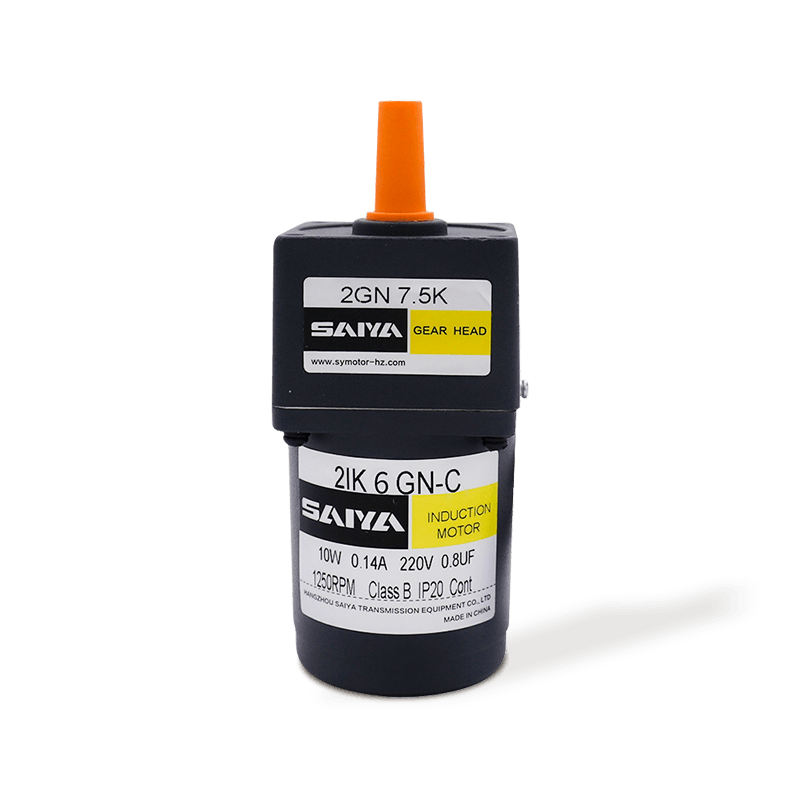
This 6W Induction AC Gear Motor is an efficient, compact and reliable small motor suitable for a wide range of industrial and household applications.Motor frame 60mm x 60mm making it easy to install ...
See Details -
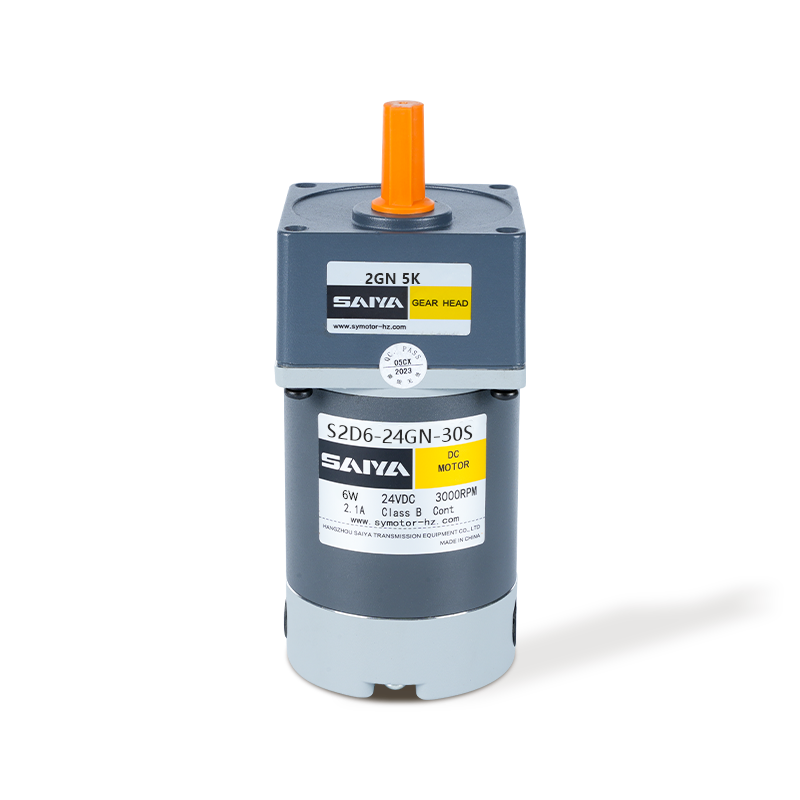
The 6W brush DC gbear motor is designed for efficiency and versatility, suitable for various applications. With a compact frame size of 60mm x 60mm, it fits seamlessly into tight spaces. The motor ope...
See Details -
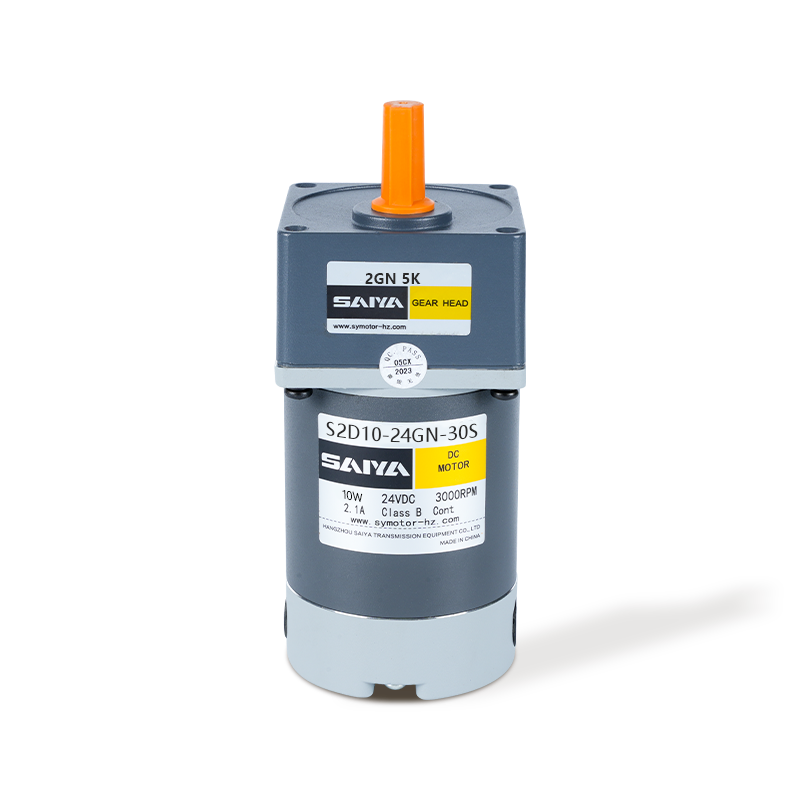
The 10W brush DC gear motor offers high performance and adaptability, for a range of industrial and hobbyist applications. With a frame size of 60mm x 60mm, this motor is designed to fit into confined...
See Details -
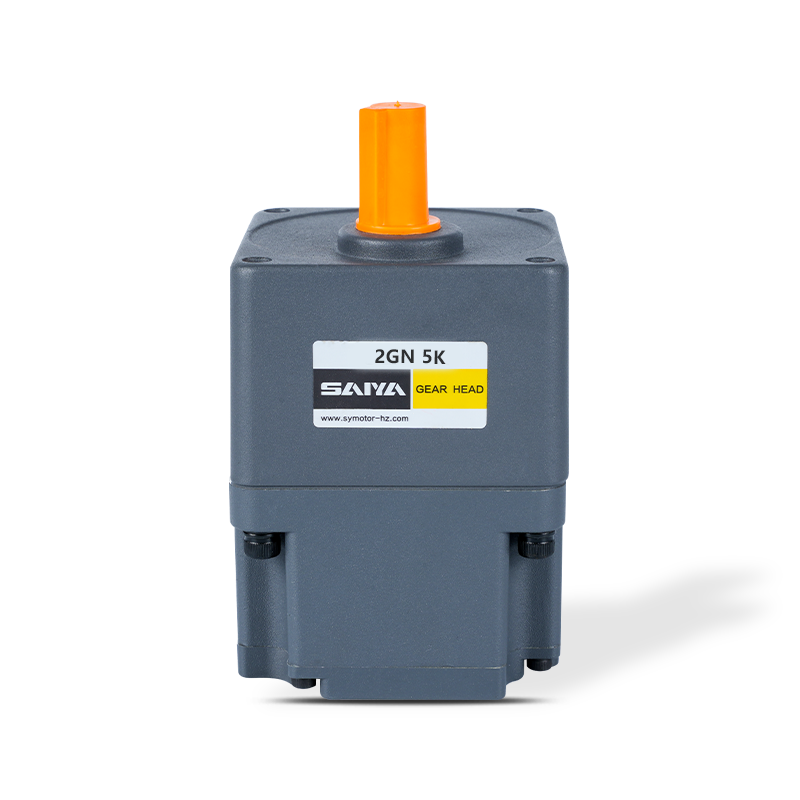
The 24V Brushless Gear Motor is a versatile and efficient motor designed for a range of applications. With dimensions ranging from 60mm x 60mm to 104mm x 104mm, this motor can fit into various equipme...
See Details -
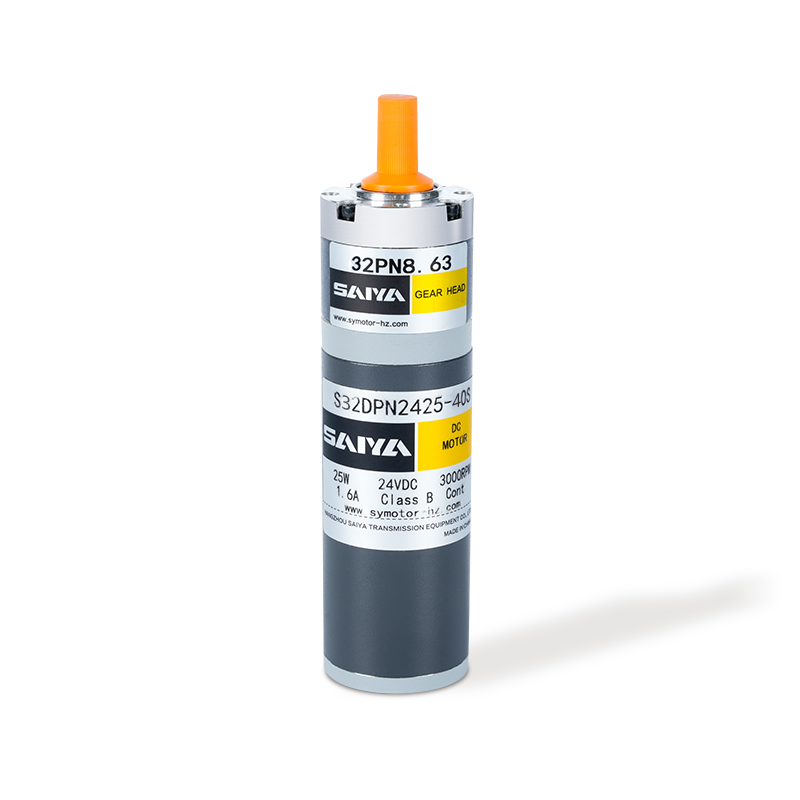
The 32mm brushed planetary gear motor is a compact and efficient solution designed for various applications requiring high torque and precise control. With a diameter of 32mm, this motor is ideally su...
See Details -
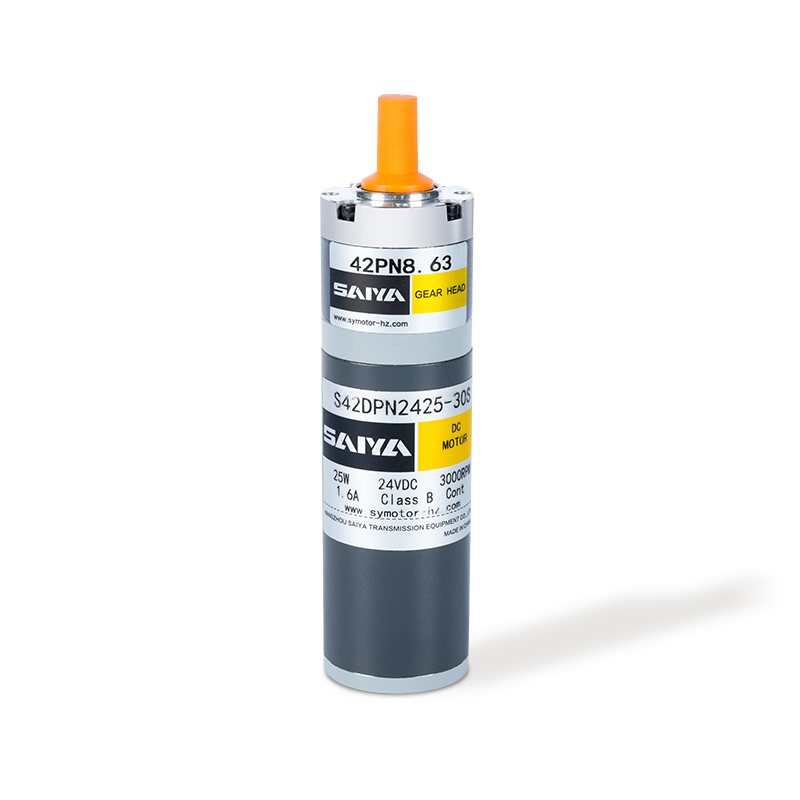
The 42mm brush planetary gear motor is a versatile and efficient component widely used in various applications requiring precise torque and speed control. With a rated current ranging from 0.7 to 1.1A...
See Details -
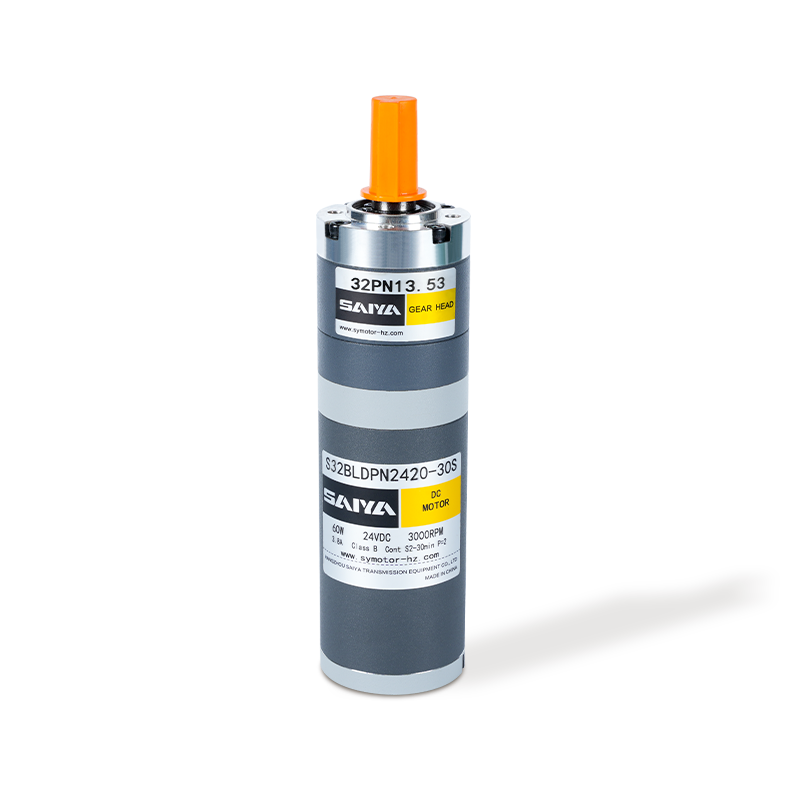
The 32mm Brushless Planetary Gear Motor is a high-performance, compact solution ideal for applications requiring efficiency and reliability. Operating at a rated voltage of 24V and consuming 20W of po...
See Details -
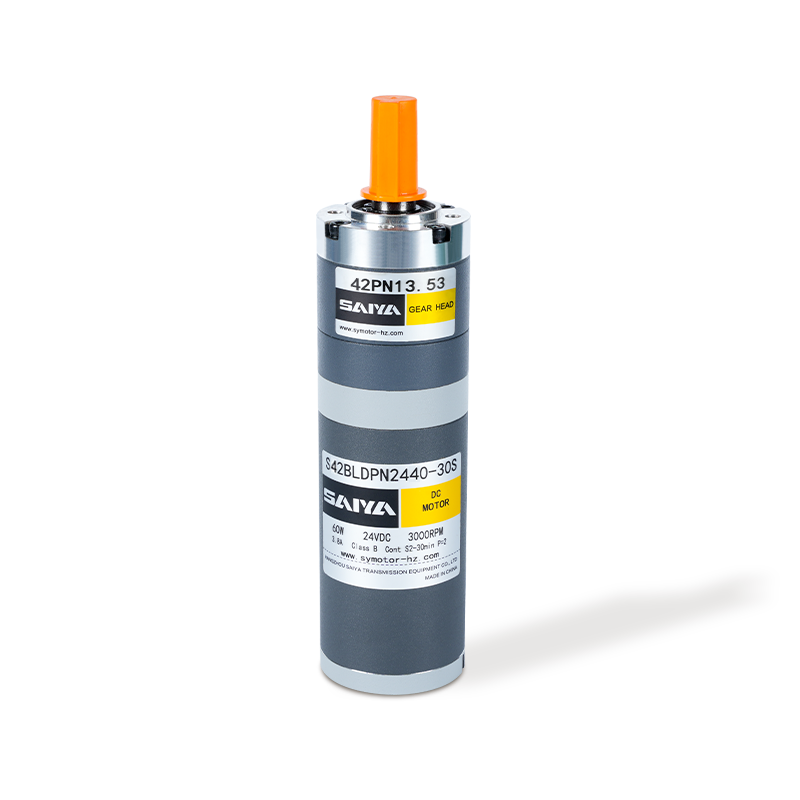
The 42mm brushless planetary motor is a high-efficiency motor product that is widely used in various scenarios requiring precision transmission. The rated current of this motor is 1.3A and the rated t...
See Details -
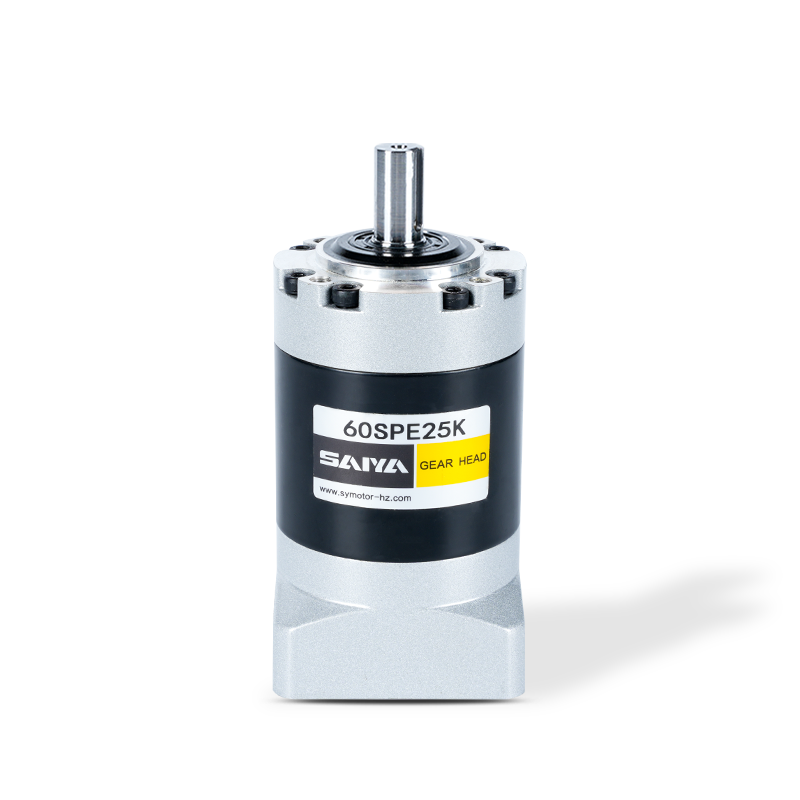
The SPE series gearboxes, flange size range with 40, 60, 80, 120, and 160 models, are designed to provide efficient and robust power transmission solutions. These gearboxes feature a round output flan...
See Details -
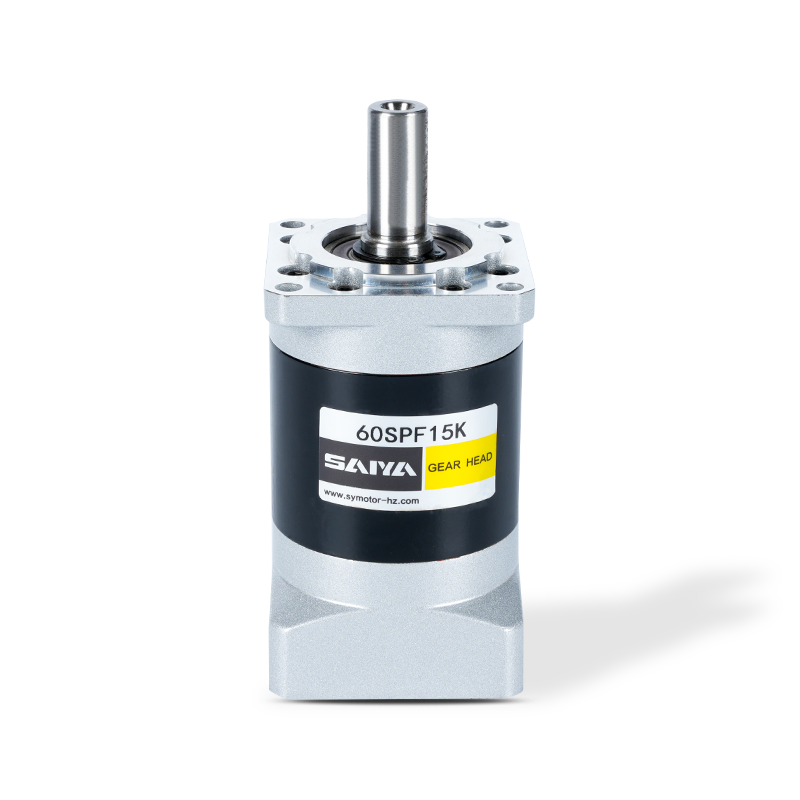
The SPF series are with square output flanges, accommodating dimensions from 40mm to 160mm. These flanges are engineered to excel in various industrial applications, offering reliable performance acro...
See Details -
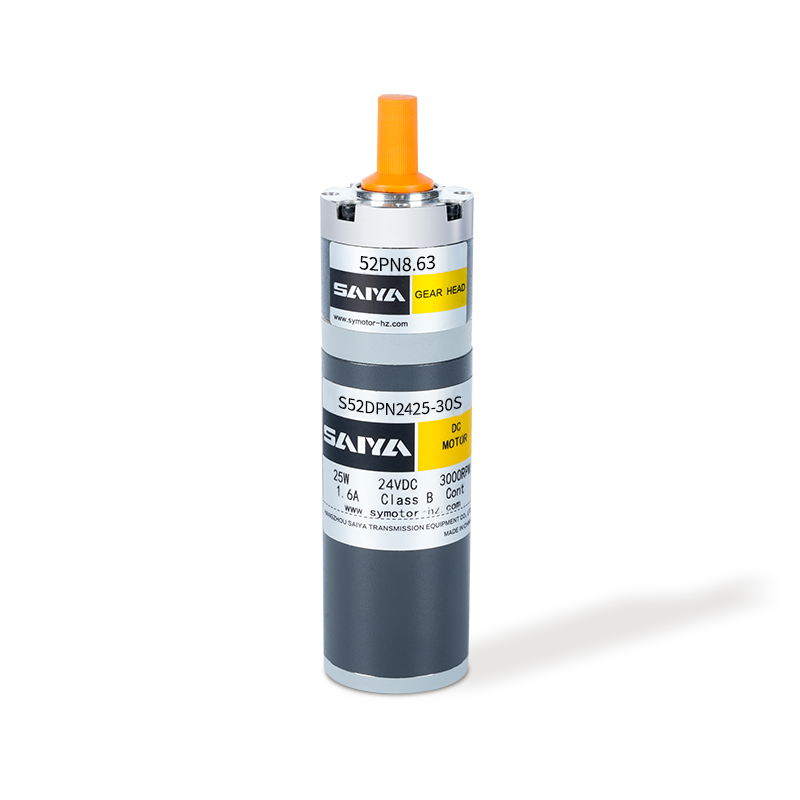
The 52mm brushed planetary gear motor is a compact and efficient solution designed for various applications requiring high torque and precise control. With a diameter of 52mm, this motor is ideally su...
See Details -
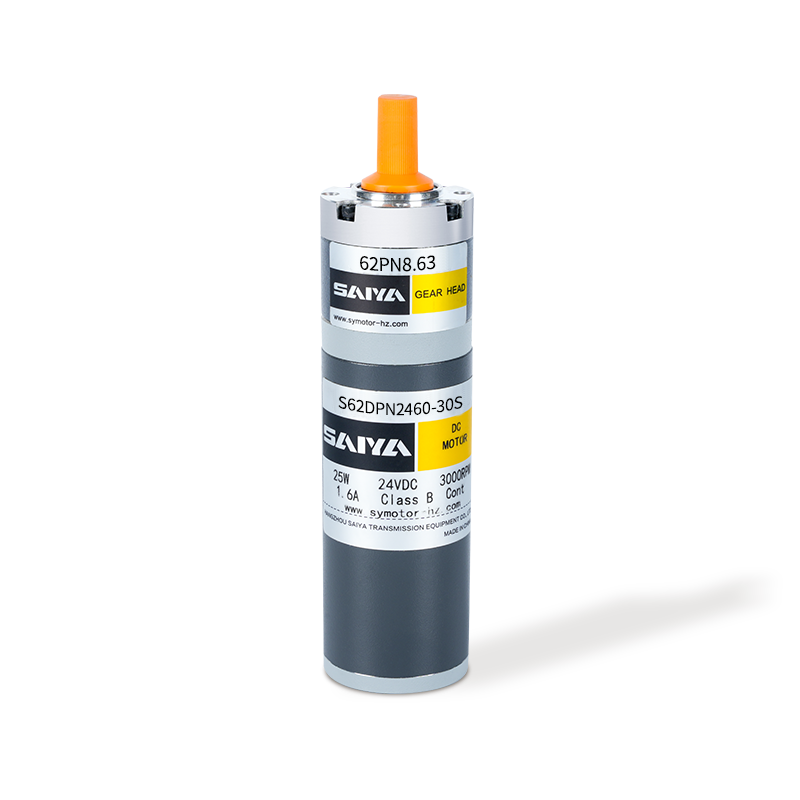
The 62mm brush planetary gear motor is a versatile and efficient component widely used in various applications requiring precise torque and speed control. With a rated current ranging from 2.5 to 5.5A...
See Details
CONTACT DETAILS
- TEL: 0086-0571-86951513/86951543
- Fax: 0086-571-86040769
- E-mail: [email protected] / [email protected] / [email protected]
- Office: Hangzhou Saiya Transmisson Equipment Co.,Ltd
- Office Address: Room 2201, Wanyin building, Hangzhou City, Zhejiang Province
- Factory: Zhejiang Saiya Intelligent Manufacturing Co., Ltd.
- Factory Address: No.35 Building , Zhongnan High-tech Yunhe Zhigu Industrial Park, Xinan town, Deqing county, Huzhou city, Zhejiang, China
QUICK LINK
PRODUCT
If You Are Intrested
In Our Products,
Please Consult Us
Copyright © Zhejiang Saiya Intelligent Manufacturing Co., Ltd. All Rights Reserved.
Custom Gear Reduction Motors Suppliers
