 EN
EN  English
 中文简体
中文简体 русский
 Español
Home / News / Industry News / How to Select the Right Gear Reduction Ratio: A Practical Guide for Engineers and Procurement Teams


Application Industry
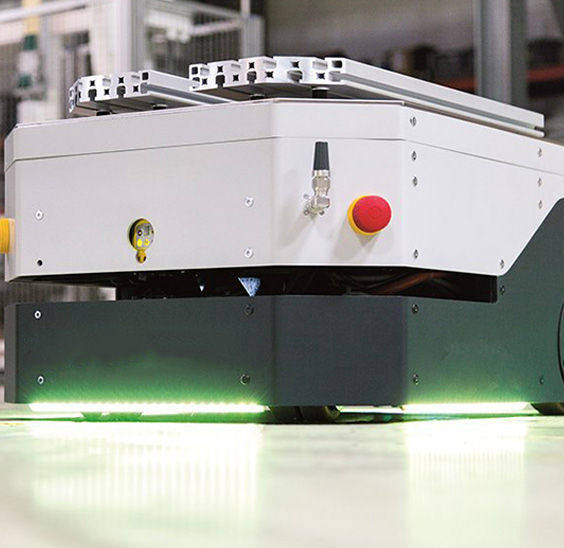
AGV

Automated robots

laser cutting

Logistics sorting

Photovoltaic power-station

Medical devices
How to Select the Right Gear Reduction Ratio: A Practical Guide for Engineers and Procurement Teams
The gear reduction ratio is the single most influential specification in a gear motor or gearbox selection. It determines the output speed, the output torque, and whether the motor's power is efficiently converted into the mechanical motion the application requires. An incorrect reduction ratio is one of the most common causes of gear motor underperformance in the field — the motor and gearbox may be perfectly manufactured and sized correctly for power, but if the ratio is wrong, the output shaft either spins too fast to be useful or turns too slowly to meet the application's cycle time requirements, and in either case the torque at the output is either too high (wasting energy) or too low (causing the motor to stall or overload).
For design engineers specifying drive systems, OEM equipment teams selecting standard gear motors, and procurement teams working from an engineer's specification, understanding how the reduction ratio is defined, how to calculate the ratio needed for a specific application, and how ratio selection interacts with motor selection is practical knowledge that prevents specification errors and their downstream costs. This guide covers all of these dimensions systematically.
What Is Gear Reduction Ratio?
The gear reduction ratio (also written as the reduction ratio, gear ratio, or i) is the ratio of the input speed to the output speed of a gearbox or gear motor:
Reduction Ratio (i) = Input Speed (RPM) / Output Speed (RPM)
A ratio of 10:1 means the output shaft rotates at one-tenth the speed of the input shaft (the motor shaft). A ratio of 50:1 means the output shaft rotates at one-fiftieth of the motor speed. The higher the ratio, the more the gearbox slows the motor shaft speed at the output.
The complementary relationship to speed is torque. In an ideal (lossless) gearbox, power is conserved through the reduction: if speed is halved, torque is doubled. Mathematically:
Output Torque = Motor Torque × Reduction Ratio × Gearbox Efficiency (η)
Where gearbox efficiency η accounts for friction losses within the gear stages — a well-designed spur or helical planetary gearbox may achieve η = 0.92–0.97 per stage; a worm gear stage has much higher losses, typically η = 0.50–0.85 depending on lead angle and ratio. In a multi-stage gearbox, the efficiencies of each stage multiply: two stages at 0.95 each give a combined efficiency of 0.95 × 0.95 = 0.90.
How to Calculate the Required Reduction Ratio for Your Application
The calculation begins with two known quantities: the required output speed of the application (in RPM) and the motor's rated speed (in RPM). These two values directly define the required reduction ratio:
Required Ratio (i) = Motor Rated Speed (RPM) / Required Output Speed (RPM)
Step-by-Step Example
Consider a conveyor drive that must move at a belt speed of 0.5 m/s. The drive roller has a diameter of 100mm (radius = 0.05m). The motor being considered is a brushless DC gear motor with a rated no-load speed of 3000 RPM.
Step 1: Convert the required belt speed to the required roller shaft speed (RPM).
Roller circumference = 2π × 0.05m = 0.314m
Required shaft RPM = Belt speed / Circumference = 0.5 m/s ÷ 0.314m = 1.59 rev/s × 60 = 95.5 RPM
Step 2: Calculate the required reduction ratio.
Required Ratio = 3000 RPM / 95.5 RPM = 31.4
Step 3: Select the nearest standard ratio.
Standard planetary gear motor ratios are available in discrete steps — common ratios include 5, 10, 15, 20, 25, 30, 40, 50, 60, 80, 100, and combinations thereof. The nearest standard ratio to 31.4 is 30 or 35 (depending on the manufacturer's range). Selecting ratio 30 gives output speed = 3000/30 = 100 RPM (slightly higher than required — verify this is acceptable); selecting 35 gives 85.7 RPM (slightly lower — also verify acceptability). For applications with a specific required output speed, the motor's actual operating speed under load (which is somewhat below no-load speed for brushed DC motors) should be used in the calculation rather than the no-load speed.
Step 4: Verify torque is sufficient.
Calculate the torque required at the output shaft to move the load. If the motor's rated torque is T_motor and the selected ratio is 30 with efficiency η = 0.95:
Output Torque = T_motor × 30 × 0.95
Compare this output torque to the required load torque. If output torque ≥ required load torque with a safety margin (typically 1.5× to 2× for intermittent use; 2× to 3× for continuous duty under shock load), the selection is valid. If not, a motor with a higher rated torque or a higher ratio must be selected.
Standard Reduction Ratio Ranges by Gear Motor Type
| Gear Motor Type | Typical Single-Stage Ratio Range | Typical Multi-Stage Ratio Range | Efficiency per Stage | Notes |
|---|---|---|---|---|
| Micro AC Gear Motor | 3:1 – 20:1 | Up to 1,800:1 (multi-stage) | 0.90–0.95 | Induction or synchronous motor; fixed ratio; AC power supply; ratios in discrete steps per frame size |
| Small AC Gear Motor | 3:1 – 20:1 | Up to 1,800:1 | 0.90–0.95 | Higher power than micro AC; same ratio structure; suitable for continuous duty applications |
| Brushed DC Gear Motor | 5:1 – 100:1 | Up to 3,000:1 | 0.85–0.95 | Speed adjustable via voltage or PWM; good starting torque; brush maintenance required at extended use |
| Brushless DC (BLDC) Gear Motor | 5:1 – 100:1 | Up to 3,000:1 | 0.90–0.97 | Speed adjustable via controller; highest efficiency; no brush maintenance; preferred for long-duty-cycle applications |
| Planetary Gear Motor | 3:1 – 100:1 (single stage) | Up to 10,000:1 (multi-stage) | 0.92–0.97 per stage | Highest torque density; coaxial input/output; best ratio accuracy; preferred for high-torque precision applications |
| Precision Planetary Gearbox | 3:1 – 100:1 (single stage) | Up to 10,000:1 | 0.95–0.97 per stage | Low backlash (arc-minutes); high torsional stiffness; used with servo motors in position-controlled axes |
How Reduction Ratio Affects Application Performance
Output Speed
The most direct effect: a higher ratio means slower output speed. For a given motor, doubling the ratio halves the output speed. Applications requiring precise low-speed motion — valve actuators, solar tracker drives, slow-rotating agitators, low-speed conveyor systems — need high ratios (50:1 to several hundred to one). Applications requiring moderate speed with torque multiplication — power tools, AGV drive wheels at walking speed, robotic joints — typically use ratios in the 10:1 to 50:1 range.
Output Torque
Higher ratio = higher output torque from the same motor, up to the gearbox's rated output torque limit. The gearbox has a maximum rated output torque that must not be exceeded, regardless of what ratio and motor combination would theoretically produce. If the calculated output torque (motor torque × ratio × efficiency) exceeds the gearbox's rated output torque, a larger gearbox frame is required.
System Efficiency and Heat
Every gear stage introduces friction losses. A high ratio achieved through multiple gear stages has a lower overall efficiency than the same ratio achieved in fewer stages. For applications where energy efficiency is critical — battery-powered systems like AGV robots, medical devices, handheld equipment — minimizing the number of gear stages and choosing efficient gear geometry (planetary rather than worm) significantly reduces power consumption and heat generation.
Backlash
Backlash — the small amount of angular play at the output shaft when the input direction reverses — accumulates across gear stages. A single-stage planetary gearbox may have backlash of 3–5 arc-minutes; a three-stage assembly accumulates backlash from all three stages. For position-critical applications (robotic arms, CNC positioning, camera pan-tilt systems), specifying a precision planetary gearbox with low-backlash helical gear sets reduces position error from backlash to 1–3 arc-minutes or less, compared to 10–20+ arc-minutes in standard spur gear designs.
Common Ratio Selection Mistakes and How to Avoid Them
Using motor no-load speed instead of loaded speed for DC motors. Brushed and brushless DC motors run at a lower speed under load than at no load. The rated speed on a DC motor datasheet is typically the no-load speed; at rated torque, the speed may be 10–20% lower. Using no-load speed to calculate the ratio produces a slightly higher ratio, leading to a slightly lower output speed than intended under actual load. Use the speed at rated torque — or at the expected operating torque — for the ratio calculation to get an accurate output speed prediction.
Selecting a ratio based only on speed without checking the torque. The ratio determines both output speed and output torque. A ratio that delivers the correct output speed may still be inadequate if the output torque is insufficient for the load. Always complete both the speed calculation and the torque verification before finalizing the ratio selection.
Ignoring the gearbox's maximum output torque rating. The gearbox has a mechanical limit — its maximum rated output torque — that the gear teeth and shafts are designed to withstand. If the motor's peak torque multiplied by the ratio exceeds this limit, the gearbox is at risk of damage under peak load conditions. Verify that the gearbox's maximum output torque rating (found in the product datasheet) exceeds the calculated peak output torque with a safety factor.
Selecting too high a ratio "for extra torque." Increasing the ratio beyond what the application requires wastes the motor's speed range and may move the motor's operating point to a very low speed, where some motor types (particularly AC induction motors) operate at reduced efficiency and power factor. Match the ratio to the required output speed with an appropriate torque margin rather than maximizing the ratio arbitrarily.
Reduction Ratio Selection by Application Type
| Application | Typical Required Output Speed | Typical Motor Speed | Indicative Ratio Range | Recommended Motor Type |
|---|---|---|---|---|
| AGV drive wheel (indoor logistics) | 80–200 RPM | 3,000–5,000 RPM (BLDC) | 15:1 – 50:1 | BLDC planetary gear motor |
| Robotic joint/servo axis | 10–100 RPM | 3,000 RPM (servo) | 30:1 – 200:1 | Precision planetary gearbox + servo |
| Conveyor belt drive | 50–300 RPM | 1,300–1,500 RPM (AC) | 5:1 – 30:1 | AC gear motor (micro or small) |
| Solar tracker drive | 0.1–2 RPM | 1,500 RPM (AC) / 3,000 RPM (DC) | 750:1 – 15,000:1 | Multi-stage AC or DC gear motor |
| Medical pump/actuator | 10–200 RPM | 3,000–6,000 RPM (BLDC) | 15:1 – 600:1 | BLDC planetary gear motor (precision) |
| Packaging/labeling machine | 50–500 RPM | 1,300–3,000 RPM | 3:1 – 30:1 | AC gear motor or brushed DC gear motor |
| Valve actuator | 0.5–15 RPM | 1,500 RPM (AC) | 100:1 – 3,000:1 | Multi-stage AC gear motor |
| Logistics sorting gate | 30–120 RPM | 3,000 RPM (BLDC / brushed) | 25:1 – 100:1 | DC gear motor (brushed or BLDC) |
Frequently Asked Questions
Can I change the reduction ratio on an existing gear motor without replacing the whole unit?
In most standard gear motor designs — particularly integral gear motors where the gearbox and motor are a single sealed unit — the reduction ratio is fixed at manufacture and cannot be changed in the field. To change the ratio, the complete gear motor must be replaced. In modular systems where a separate gearbox is flanged to a motor, the gearbox alone can sometimes be replaced with a different ratio while keeping the motor, provided the motor's output shaft dimensions match the new gearbox's input. In applications where variable output speed is needed without changing the ratio, a variable-speed motor controller (inverter for AC motors, PWM driver for DC motors) adjusts the motor input speed electronically, effectively providing variable output speed within the motor's operating range.
What is the difference between a gear ratio and a reduction ratio?
In common usage for gear motors, the terms are interchangeable — both refer to the ratio of input speed to output speed. Strictly, "gear ratio" can refer to the tooth count ratio of a single gear pair (which may be greater or less than 1:1 for speed-increasing as well as speed-reducing applications), while "reduction ratio" specifically implies a speed reduction (output slower than input, ratio greater than 1:1). For gear motors where the output is always slower than the motor speed, both terms describe the same value and can be used interchangeably in procurement and specification documents.
How does gear reduction ratio affect noise and vibration?
Higher ratio gear motors typically have more gear stages, each of which contributes to gear mesh noise and vibration at the mesh frequency (a function of tooth count and shaft speed). Planetary gear designs distribute the tooth mesh contact across multiple planet gears simultaneously, which significantly reduces the individual tooth load and the resulting vibration compared to a single-tooth-contact spur gear train of equivalent ratio. For noise-sensitive applications — medical devices, office automation, consumer appliances — helical gear teeth, which engage progressively rather than with a sudden impact like spur teeth, further reduce noise and vibration at equivalent ratios.
Gear Motors with Full Ratio Range from Zhejiang Saiya Intelligent Manufacturing
Zhejiang Saiya Intelligent Manufacturing Co., Ltd., Deqing, Zhejiang, manufactures micro AC gear motors, small AC gear motors, brushed DC gear motors, brushless DC gear motors, planetary gear motors, and precision planetary gearboxes across reduction ratios from 3:1 to over 10,000:1. Standard ratios and custom ratio configurations are available across all product lines. Products are used in AGV systems, industrial robots, logistics automation, photovoltaic tracking, medical equipment, and precision automation across global markets. OEM and ODM development available for custom gear motor specifications.
Contact us with your application's required output speed, load torque, input power, and duty cycle to receive a gear motor recommendation and quotation.
Related Products: Planetary Gear Motors | Precision Planetary Gearbox | Brushless DC Gear Motors | Brushed DC Gear Motors | Micro AC Gear Motors | Small AC Gear Motor
Related products
-
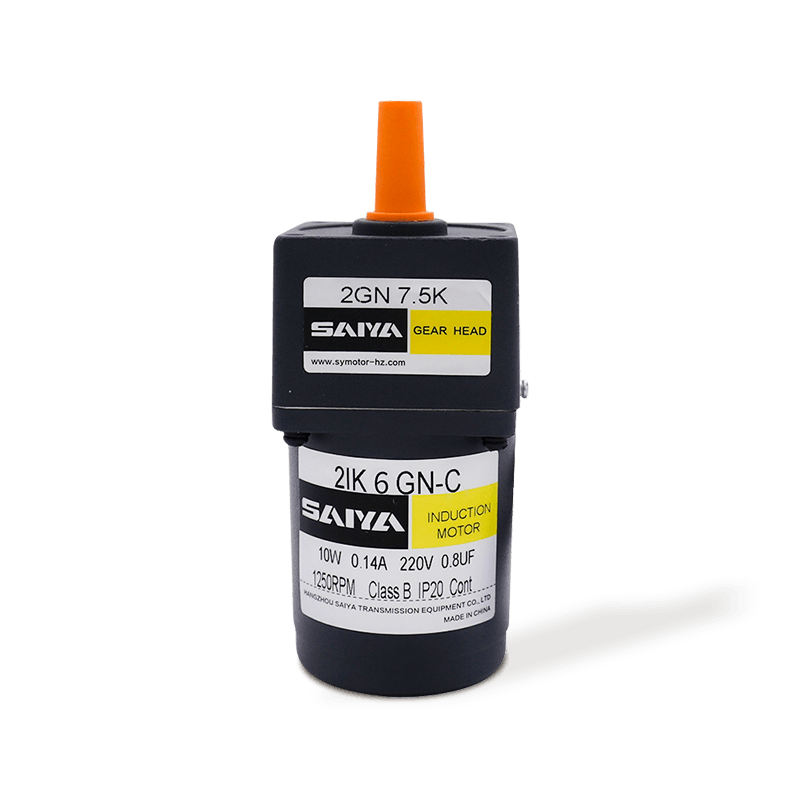
This 6W Induction AC Gear Motor is an efficient, compact and reliable small motor suitable for a wide range of industrial and household applications.Motor frame 60mm x 60mm making it easy to install ...
See Details -
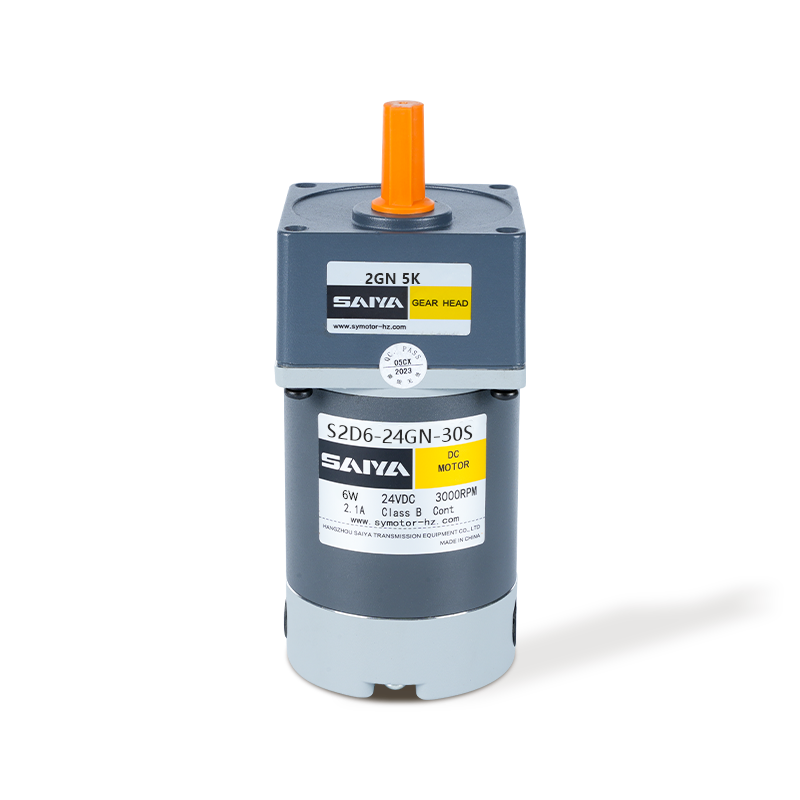
The 6W brush DC gbear motor is designed for efficiency and versatility, suitable for various applications. With a compact frame size of 60mm x 60mm, it fits seamlessly into tight spaces. The motor ope...
See Details -
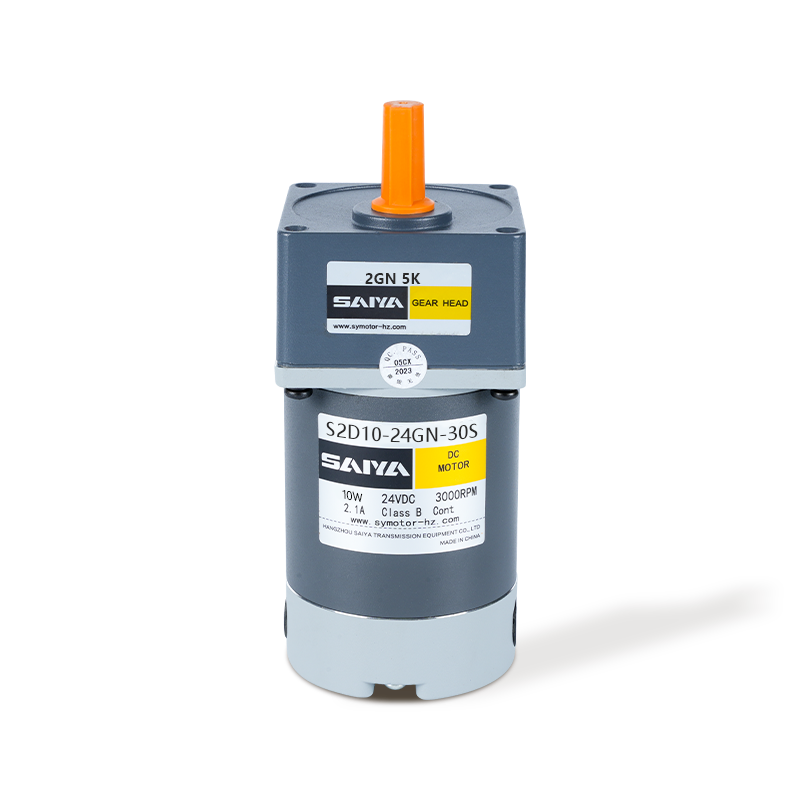
The 10W brush DC gear motor offers high performance and adaptability, for a range of industrial and hobbyist applications. With a frame size of 60mm x 60mm, this motor is designed to fit into confined...
See Details -
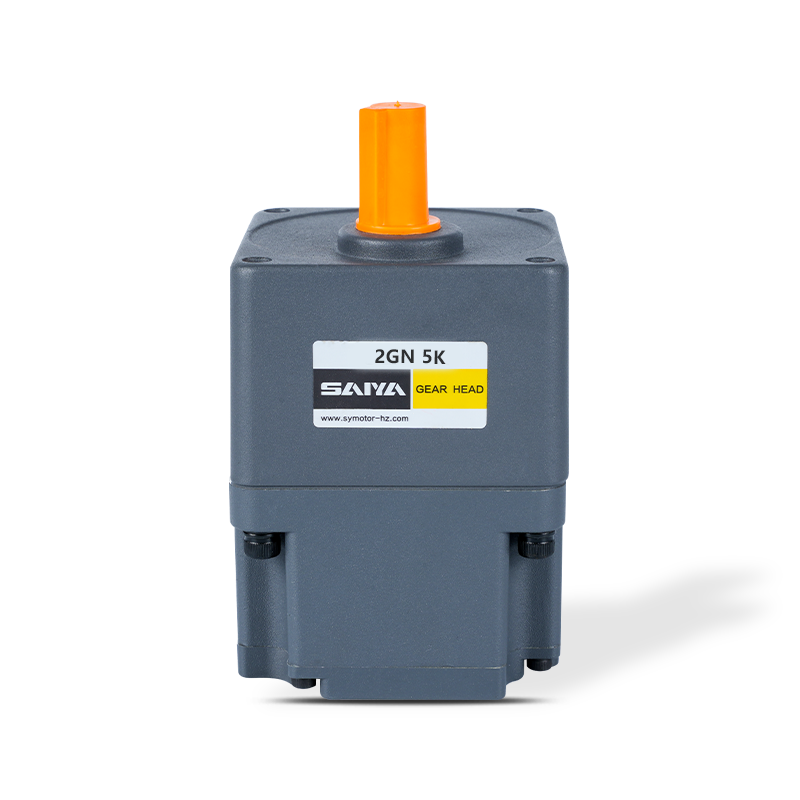
The 24V Brushless Gear Motor is a versatile and efficient motor designed for a range of applications. With dimensions ranging from 60mm x 60mm to 104mm x 104mm, this motor can fit into various equipme...
See Details -
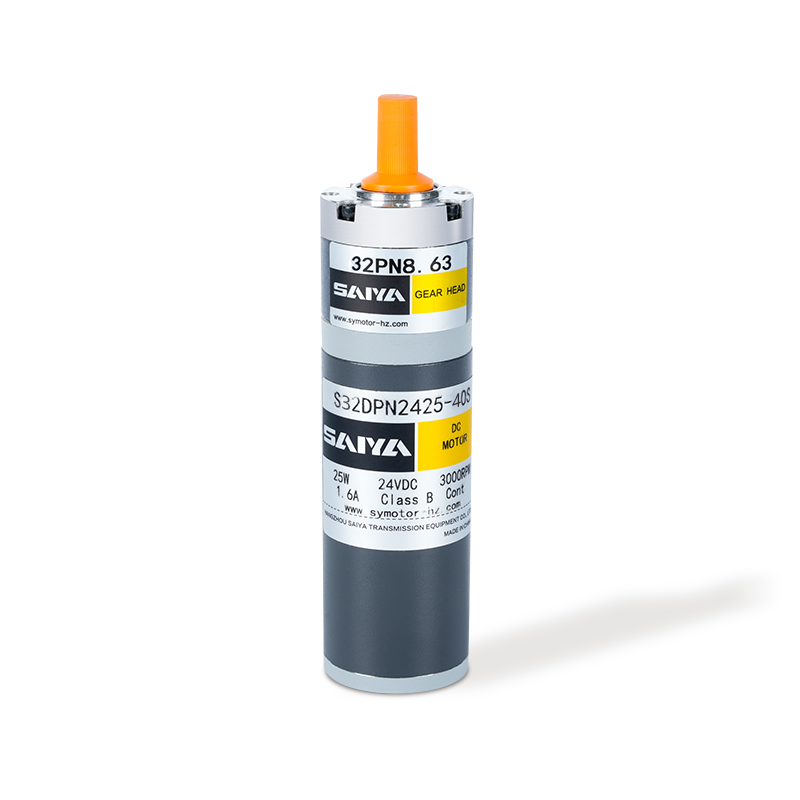
The 32mm brushed planetary gear motor is a compact and efficient solution designed for various applications requiring high torque and precise control. With a diameter of 32mm, this motor is ideally su...
See Details -
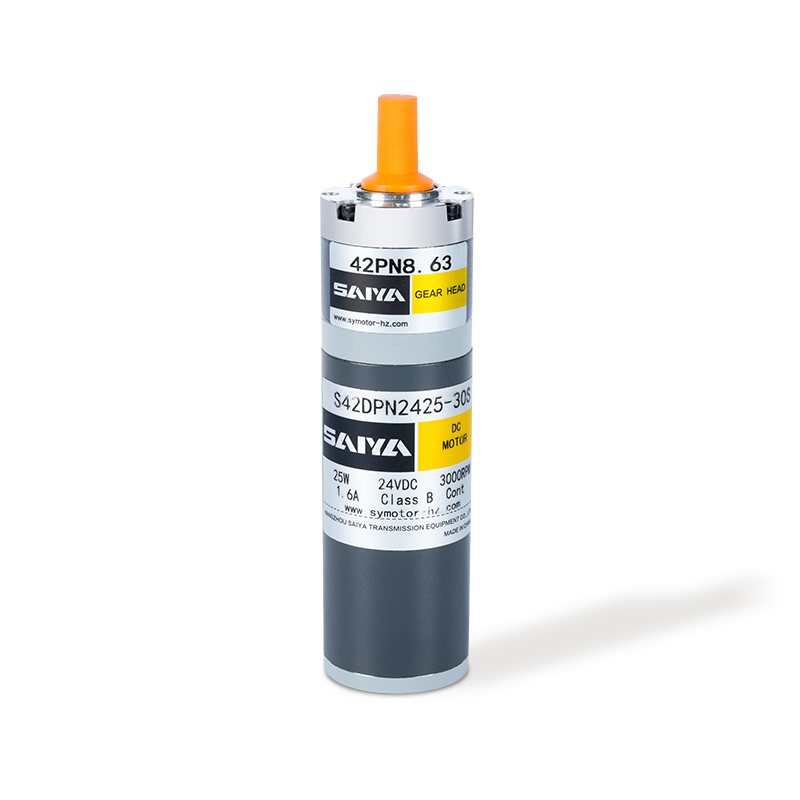
The 42mm brush planetary gear motor is a versatile and efficient component widely used in various applications requiring precise torque and speed control. With a rated current ranging from 0.7 to 1.1A...
See Details -
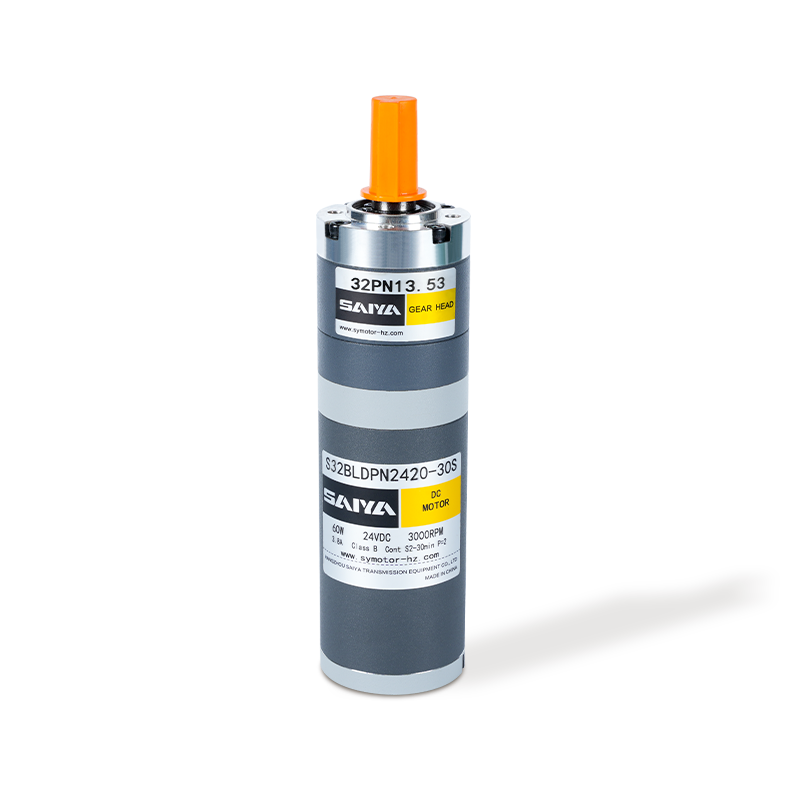
The 32mm Brushless Planetary Gear Motor is a high-performance, compact solution ideal for applications requiring efficiency and reliability. Operating at a rated voltage of 24V and consuming 20W of po...
See Details -
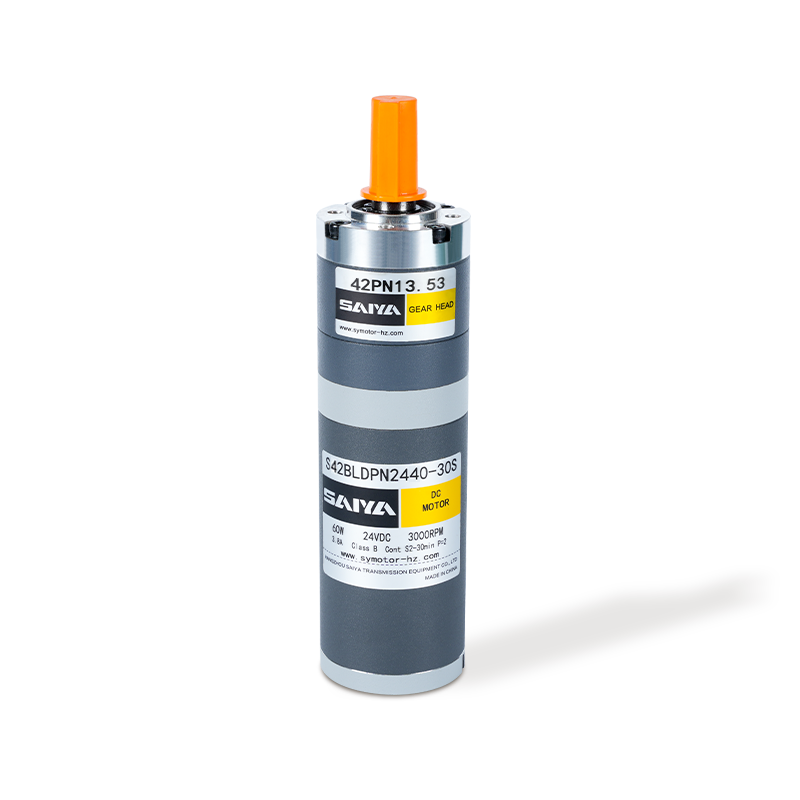
The 42mm brushless planetary motor is a high-efficiency motor product that is widely used in various scenarios requiring precision transmission. The rated current of this motor is 1.3A and the rated t...
See Details -
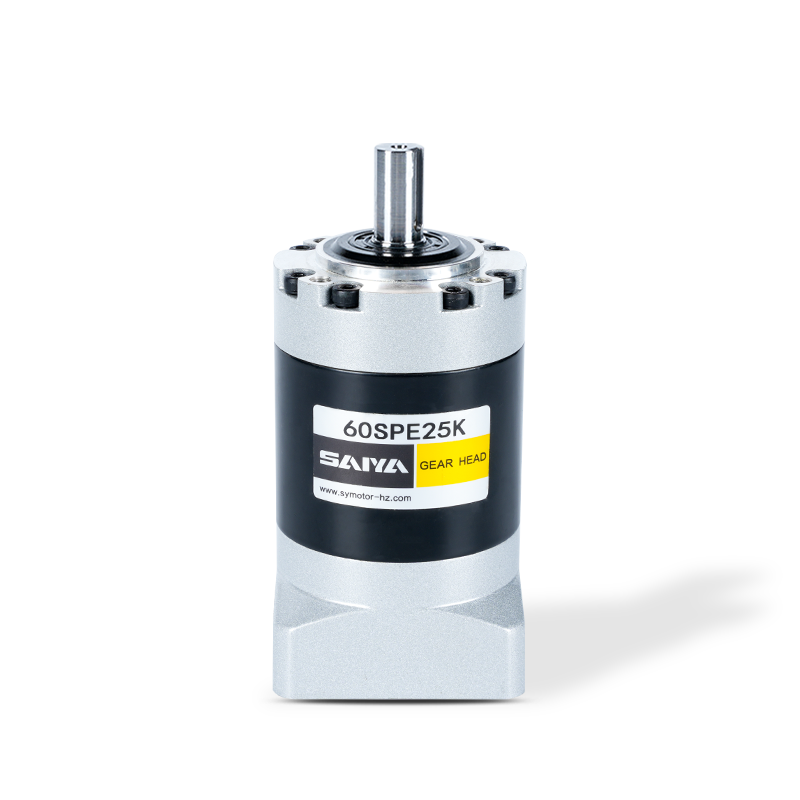
The SPE series gearboxes, flange size range with 40, 60, 80, 120, and 160 models, are designed to provide efficient and robust power transmission solutions. These gearboxes feature a round output flan...
See Details -
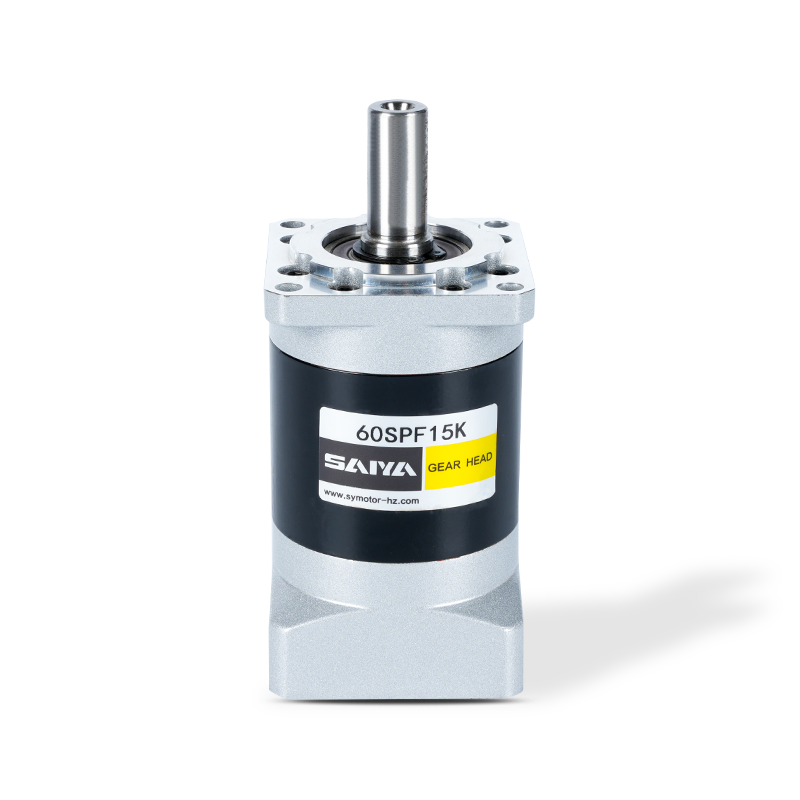
The SPF series are with square output flanges, accommodating dimensions from 40mm to 160mm. These flanges are engineered to excel in various industrial applications, offering reliable performance acro...
See Details -
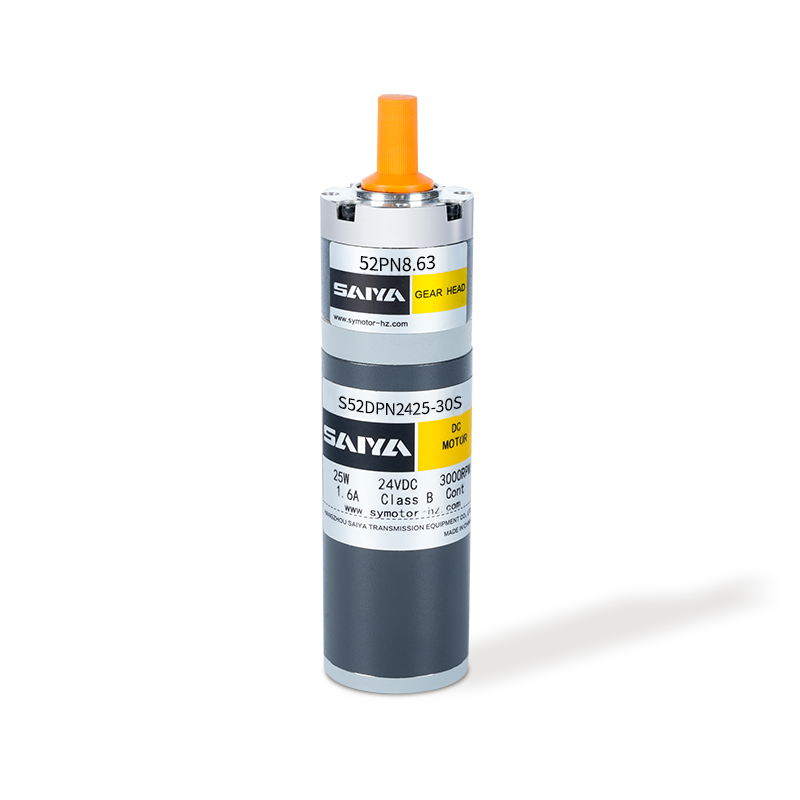
The 52mm brushed planetary gear motor is a compact and efficient solution designed for various applications requiring high torque and precise control. With a diameter of 52mm, this motor is ideally su...
See Details -
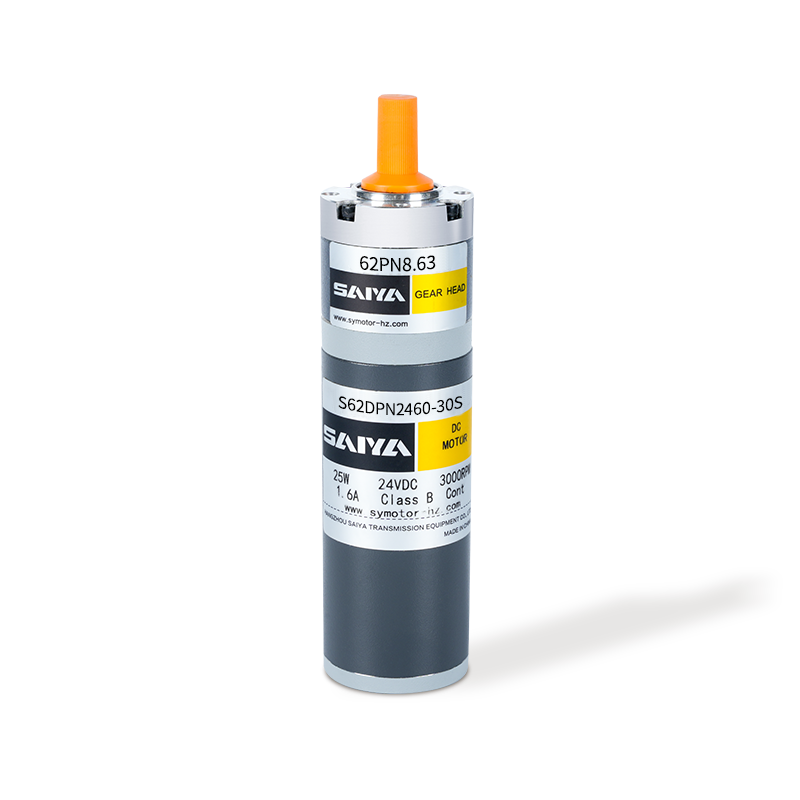
The 62mm brush planetary gear motor is a versatile and efficient component widely used in various applications requiring precise torque and speed control. With a rated current ranging from 2.5 to 5.5A...
See Details
CONTACT DETAILS
- TEL: 0086-0571-86951513/86951543
- Fax: 0086-571-86040769
- E-mail: [email protected] / [email protected] / [email protected]
- Office: Hangzhou Saiya Transmisson Equipment Co.,Ltd
- Office Address: Room 2201, Wanyin building, Hangzhou City, Zhejiang Province
- Factory: Zhejiang Saiya Intelligent Manufacturing Co., Ltd.
- Factory Address: No.35 Building , Zhongnan High-tech Yunhe Zhigu Industrial Park, Xinan town, Deqing county, Huzhou city, Zhejiang, China
QUICK LINK
PRODUCT
If You Are Intrested
In Our Products,
Please Consult Us
Copyright © Zhejiang Saiya Intelligent Manufacturing Co., Ltd. All Rights Reserved.
Custom Gear Reduction Motors Suppliers
