

 EN
EN  English
 中文简体
中文简体 русский
 Español
Application Industry
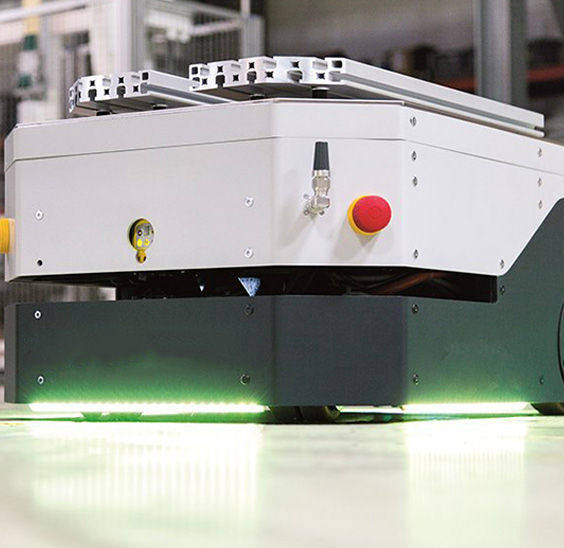
AGV

Automated robots
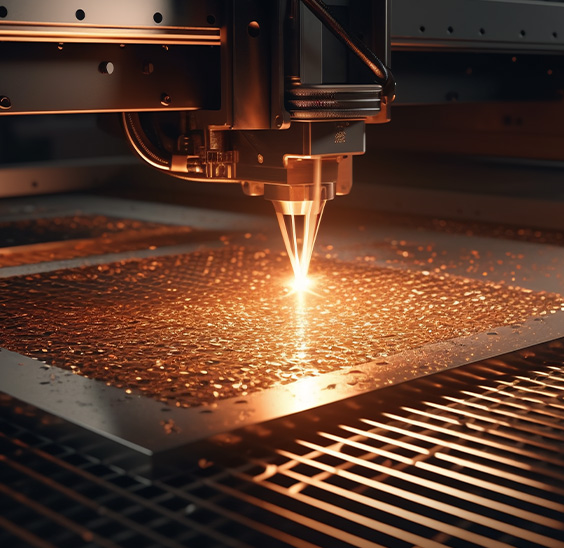
laser cutting

Logistics sorting

Photovoltaic power-station
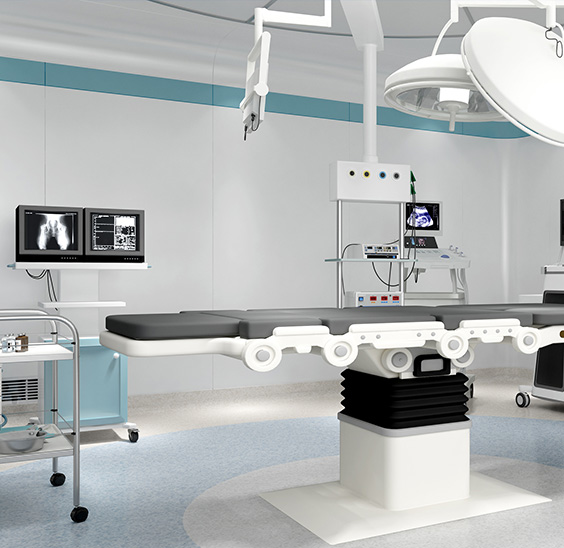
Medical devices
How Do Planetary Gear Motors Work in High-Torque Applications?
Planetary gear motors are known for their high efficiency and robust performance, especially in high-torque applications. These specialized gear motors are used across various industries to handle heavy-duty tasks that demand precision and high load capacities. In this article, we will delve into how planetary gear motors function in high-torque settings, providing valuable insights for engineers and industrial buyers looking for high-performance solutions.
Understanding Planetary Gear Motors: Basics and Key Components
Planetary gear motors are a type of gear motor known for their compact design and superior torque handling capabilities. They consist of four main components: the sun gear, planet gears, planetary carrier, and the ring gear. The motor’s design is such that the planet gears rotate around the sun gear, which efficiently transfers rotational motion to the output shaft.
Key Components of Planetary Gear Motors
- Sun Gear: The central gear that drives the planetary gears.
- Planet Gears: Multiple gears that rotate around the sun gear, distributing the load evenly.
- Planetary Carrier: Holds the planet gears and connects them to the output shaft.
- Ring Gear: An external gear that meshes with the planet gears to further transfer torque.
Working Principle
The working principle of planetary gear motors revolves around the interaction between the sun, planet, and ring gears. This configuration allows for smooth and efficient torque transmission, making planetary gear motors ideal for high-torque applications where durability and reliability are paramount.
Why Planetary Gear Motors Are Ideal for High-Torque Applications
Planetary gear motors excel in high-torque environments due to their unique design. The distributed load across multiple contact points ensures that the torque is transferred efficiently, reducing wear and improving longevity. This feature makes them particularly well-suited for heavy-duty applications such as industrial machinery, construction equipment, and robotics.
Advantages of Planetary Gear Motors in High-Torque Settings
- High Torque Capacity: The configuration of the planetary gears allows for better torque handling compared to traditional gear systems.
- Compact Design: The ability to handle high loads while maintaining a compact form factor makes planetary gear motors ideal for space-constrained applications.
- Reduced Wear and Tear: The even distribution of load reduces the strain on individual gears, minimizing the risk of premature failure.
Comparison: Planetary Gear Motors vs Other Gear Types
When comparing planetary gear motors to other types of gear motors such as helical and worm gears, the difference in torque capacity and efficiency becomes clear. While worm gears are often used for low-speed applications, planetary gear motors provide greater torque and higher efficiency. Below is a comparison table highlighting the key differences:
| Feature | Planetary Gear Motors | Worm Gears | Helical Gears |
|---|---|---|---|
| Torque Capacity | High | Moderate | Moderate |
| Efficiency | High | Low | High |
| Size | Compact | Large | Medium |
| Load Distribution | Even across multiple gears | Concentrated on a single gear | Even across meshing gears |
How to Choose the Right Planetary Gear Motor for Heavy-Duty Applications
Choosing the right planetary gear motor for high-torque applications requires a careful consideration of several factors. These include the required torque, speed, efficiency, and the specific application demands. Engineers must also account for the motor’s size and how it fits within the machinery’s available space.
Key Factors to Consider
- Torque Requirements: Understand the torque requirements of your machinery to ensure the gear motor can handle the load.
- Size and Space: Choose a gear motor that fits within the available space while still providing the necessary torque.
- Speed Control: Consider whether you need a variable speed drive or a fixed speed solution.
- Efficiency: Higher efficiency motors reduce operational costs and energy consumption.
Common Industrial Applications
- Construction Equipment: Heavy machinery requiring consistent, high torque for lifting and moving materials.
- Robotics: High-torque motors for precise movements and control in robotic arms.
- Agriculture: Equipment that needs high torque for tilling and planting.
Affordable Planetary Gear Motors for Small Machinery in High-Torque Applications
While planetary gear motors are often associated with large, industrial-scale machinery, there are also affordable solutions for small machinery. For small-scale applications that still require high torque, compact planetary gear motors can provide the necessary performance without the higher cost of larger units.
Choosing Affordable Gear Motors for Small Machinery
- Cost-Effective Models: Look for smaller motors that still provide high torque but are less expensive than larger versions.
- Torque-to-Size Ratio: Ensure the motor delivers sufficient torque while maintaining a small footprint.
- Durability: Affordable models should still be durable and able to handle the specific torque needs of the application.
Maintenance and Troubleshooting of Planetary Gear Motors in High-Torque Applications
Proper maintenance of planetary gear motors ensures longevity and optimal performance, especially in high-torque applications. Regular maintenance can prevent common issues such as overheating, excessive wear, and failure due to overload.
Common Maintenance Tasks
- Lubrication: Ensure the gears are properly lubricated to reduce friction and wear.
- Inspection: Regularly check for any signs of wear on the gears or housing.
- Monitoring Load: Keep track of the load being placed on the gear motor to prevent overloading.
Common Troubleshooting Issues
- Overheating: Caused by improper lubrication or excessive load.
- Noisy Operation: Usually a result of worn gears or insufficient lubrication.
- Failure to Start: Often caused by electrical issues or damaged components.
Conclusion
In conclusion, planetary gear motors are a crucial component for high-torque applications across industries, offering exceptional performance and durability. By understanding their workings, advantages, and maintenance needs, engineers can make informed decisions about integrating them into their machinery. With careful selection and regular maintenance, these motors can significantly enhance the efficiency and longevity of heavy-duty applications.
FAQ
- What is the primary advantage of using planetary gear motors in high-torque applications?
Planetary gear motors offer high torque capacity, compact design, and efficient load distribution, making them ideal for high-torque applications.
- How do planetary gear motors differ from other types of gear motors?
Planetary gear motors provide superior torque handling and efficiency compared to other types, like worm or helical gears.
- Can planetary gear motors be used in small machinery?
Yes, there are affordable, compact versions of planetary gear motors suitable for high-torque applications in small machinery.
- What are some common issues with planetary gear motors?
Common issues include overheating, noisy operation, and failure to start, often caused by insufficient lubrication or overloading.
- How can I maintain a planetary gear motor for optimal performance?
Regular maintenance includes proper lubrication, load monitoring, and checking for wear to ensure the motor continues to perform effectively.
Related products
-
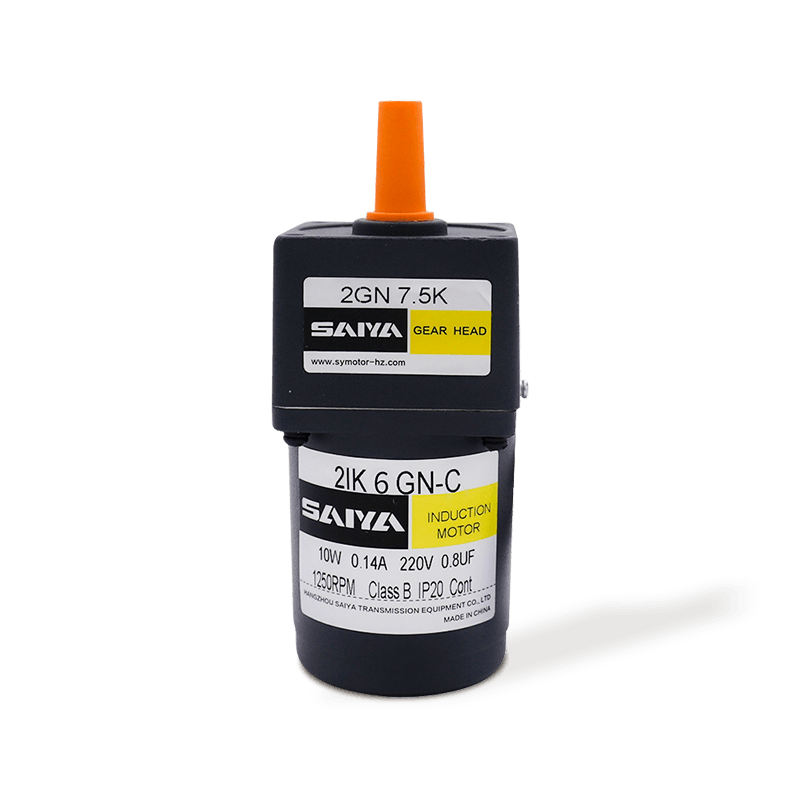
This 6W Induction AC Gear Motor is an efficient, compact and reliable small motor suitable for a wide range of industrial and household applications.Motor frame 60mm x 60mm making it easy to install ...
See Details -
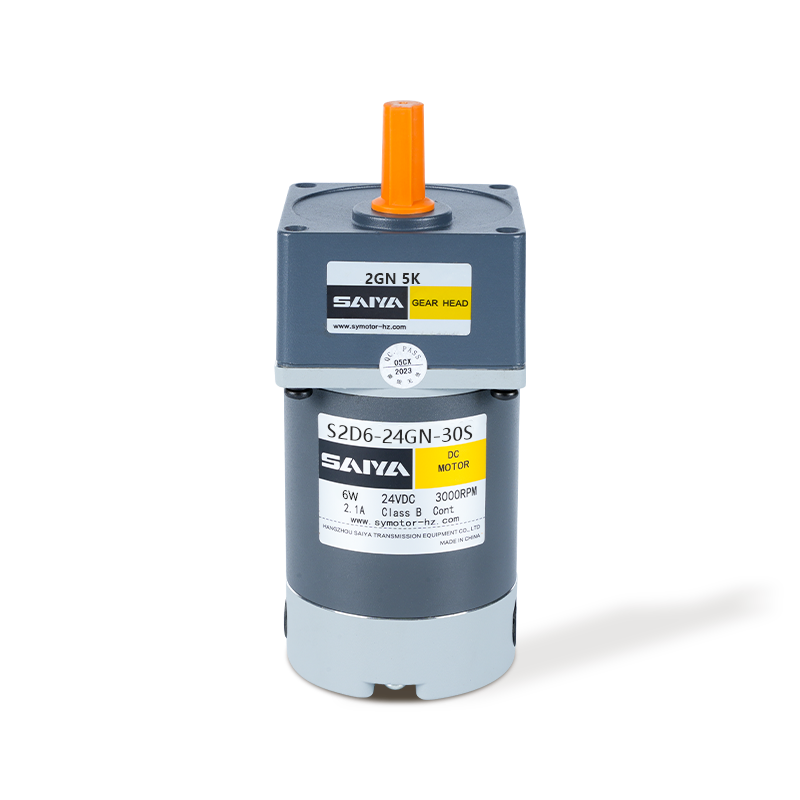
The 6W brush DC gbear motor is designed for efficiency and versatility, suitable for various applications. With a compact frame size of 60mm x 60mm, it fits seamlessly into tight spaces. The motor ope...
See Details -
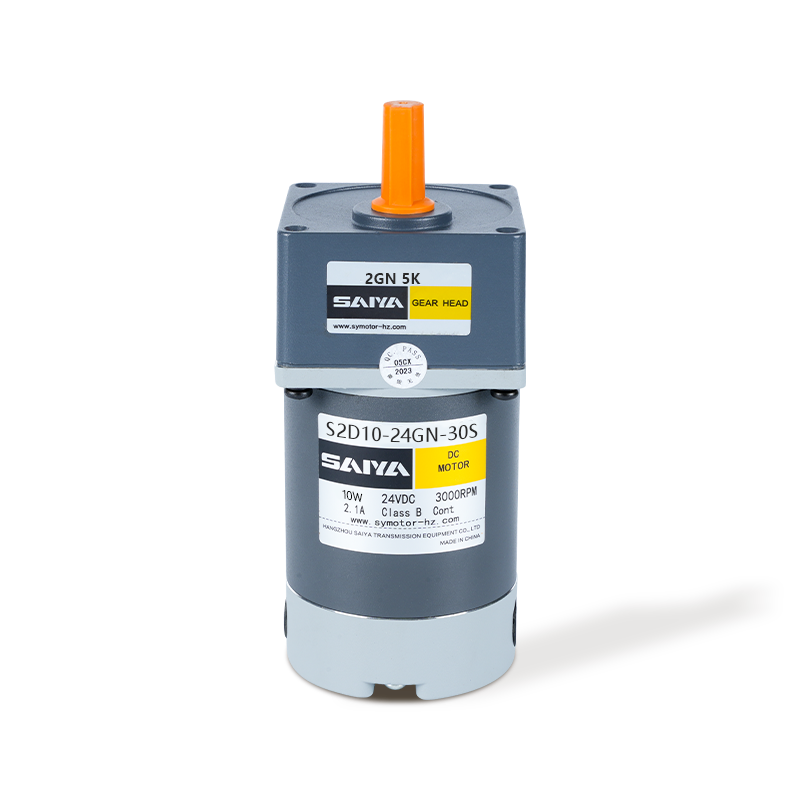
The 10W brush DC gear motor offers high performance and adaptability, for a range of industrial and hobbyist applications. With a frame size of 60mm x 60mm, this motor is designed to fit into confined...
See Details -
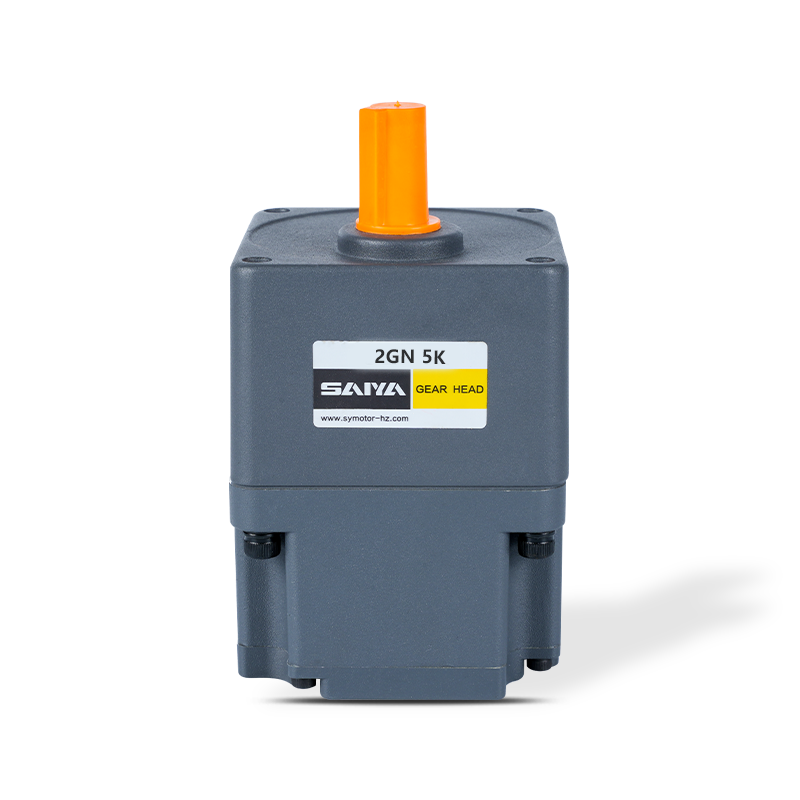
The 24V Brushless Gear Motor is a versatile and efficient motor designed for a range of applications. With dimensions ranging from 60mm x 60mm to 104mm x 104mm, this motor can fit into various equipme...
See Details -
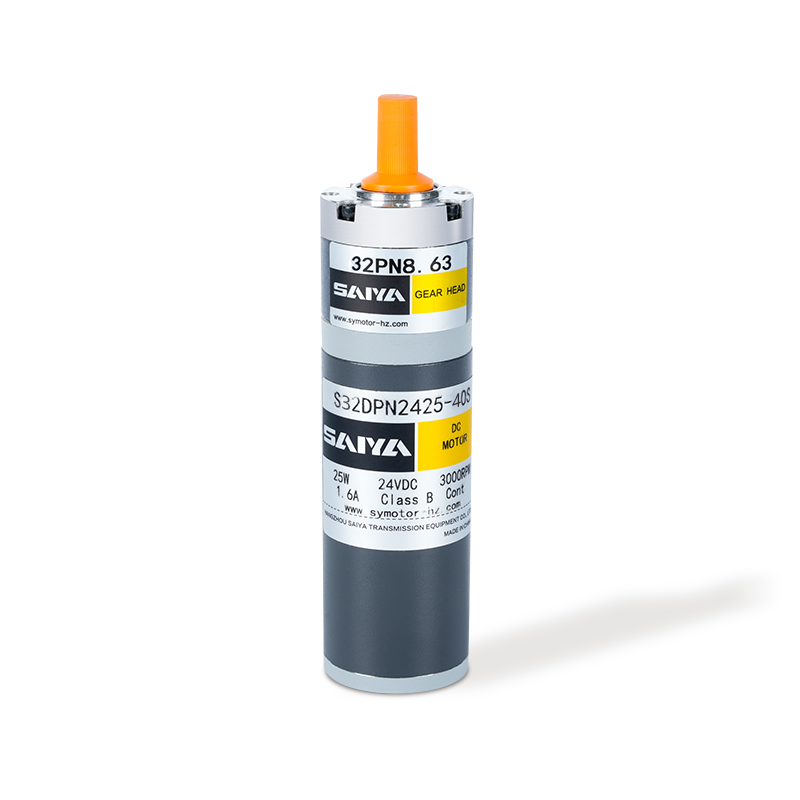
The 32mm brushed planetary gear motor is a compact and efficient solution designed for various applications requiring high torque and precise control. With a diameter of 32mm, this motor is ideally su...
See Details -
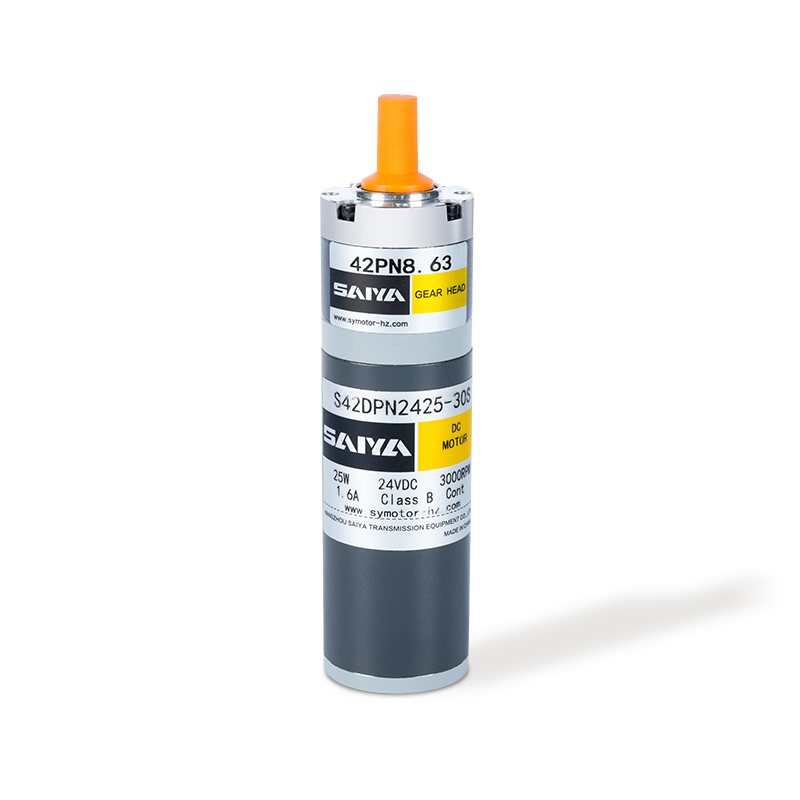
The 42mm brush planetary gear motor is a versatile and efficient component widely used in various applications requiring precise torque and speed control. With a rated current ranging from 0.7 to 1.1A...
See Details -
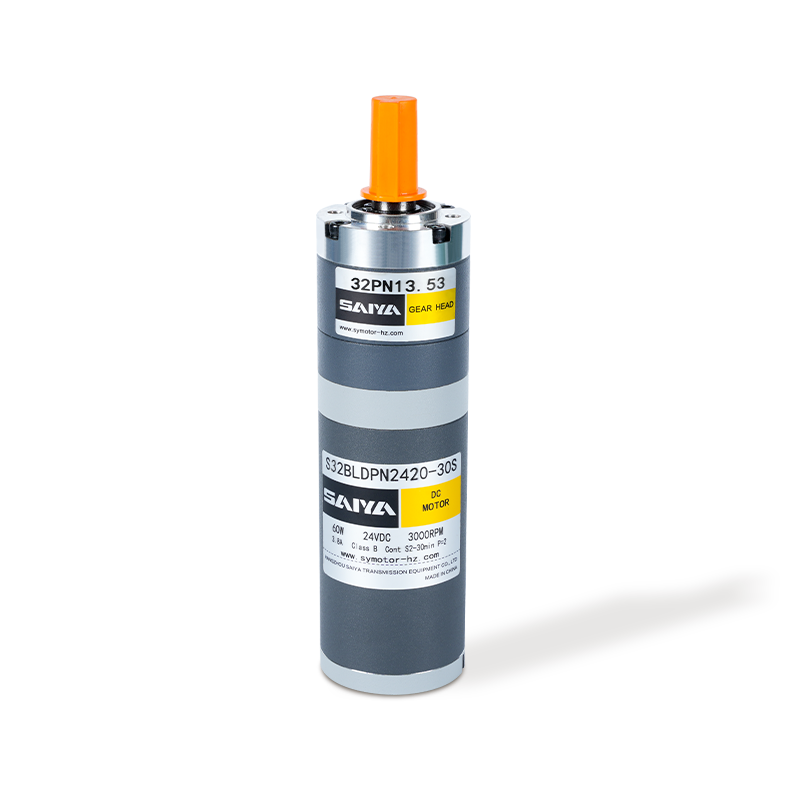
The 32mm Brushless Planetary Gear Motor is a high-performance, compact solution ideal for applications requiring efficiency and reliability. Operating at a rated voltage of 24V and consuming 20W of po...
See Details -
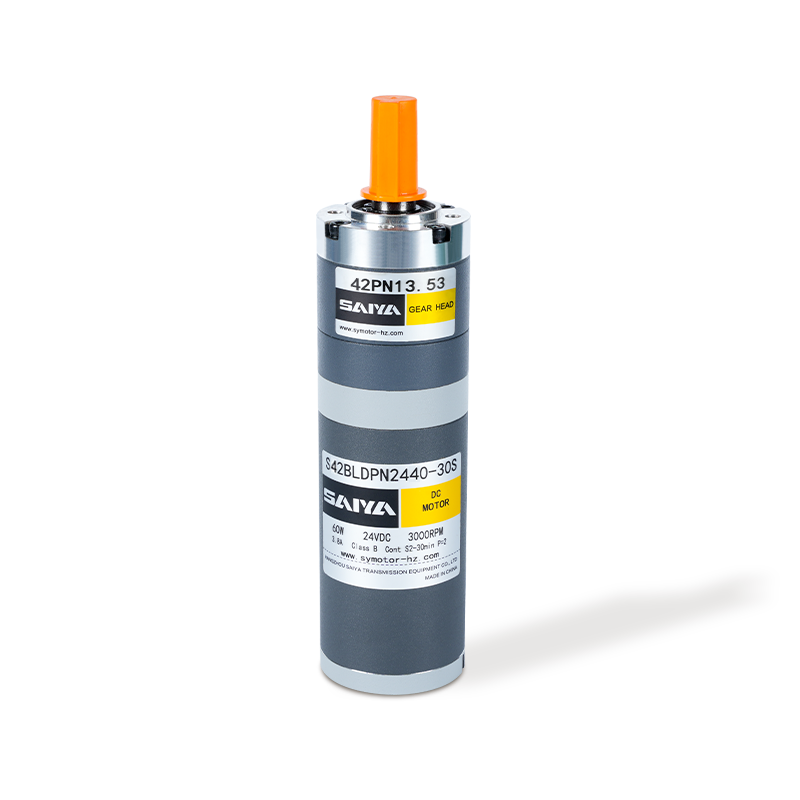
The 42mm brushless planetary motor is a high-efficiency motor product that is widely used in various scenarios requiring precision transmission. The rated current of this motor is 1.3A and the rated t...
See Details -
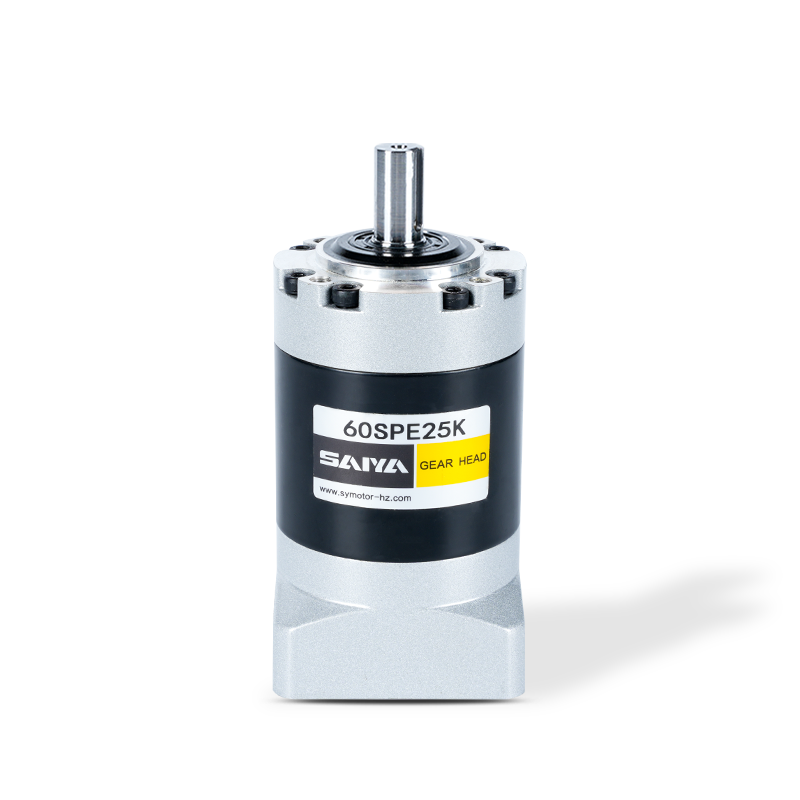
The SPE series gearboxes, flange size range with 40, 60, 80, 120, and 160 models, are designed to provide efficient and robust power transmission solutions. These gearboxes feature a round output flan...
See Details -
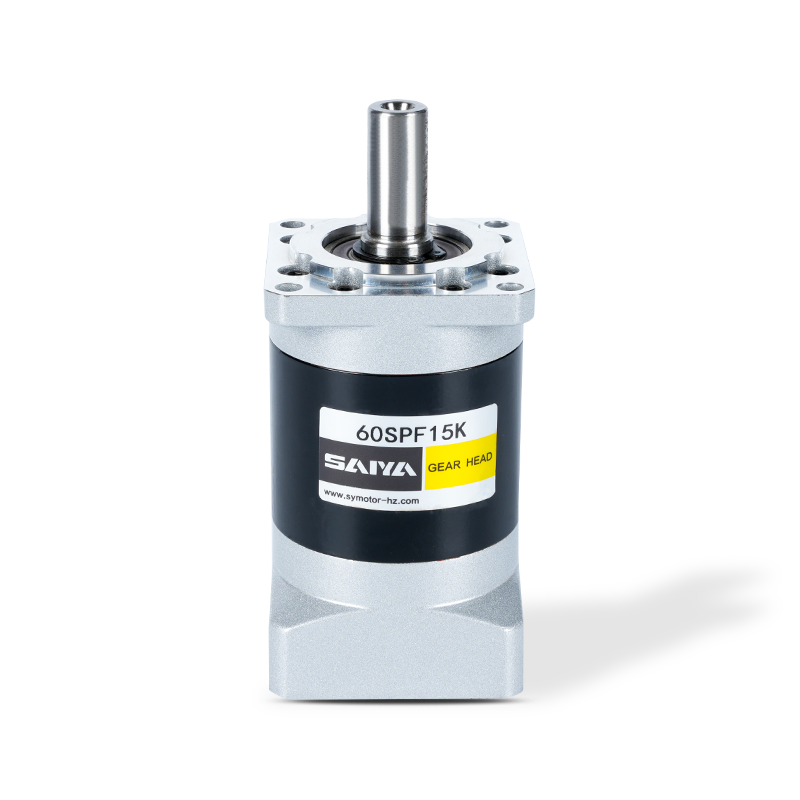
The SPF series are with square output flanges, accommodating dimensions from 40mm to 160mm. These flanges are engineered to excel in various industrial applications, offering reliable performance acro...
See Details -
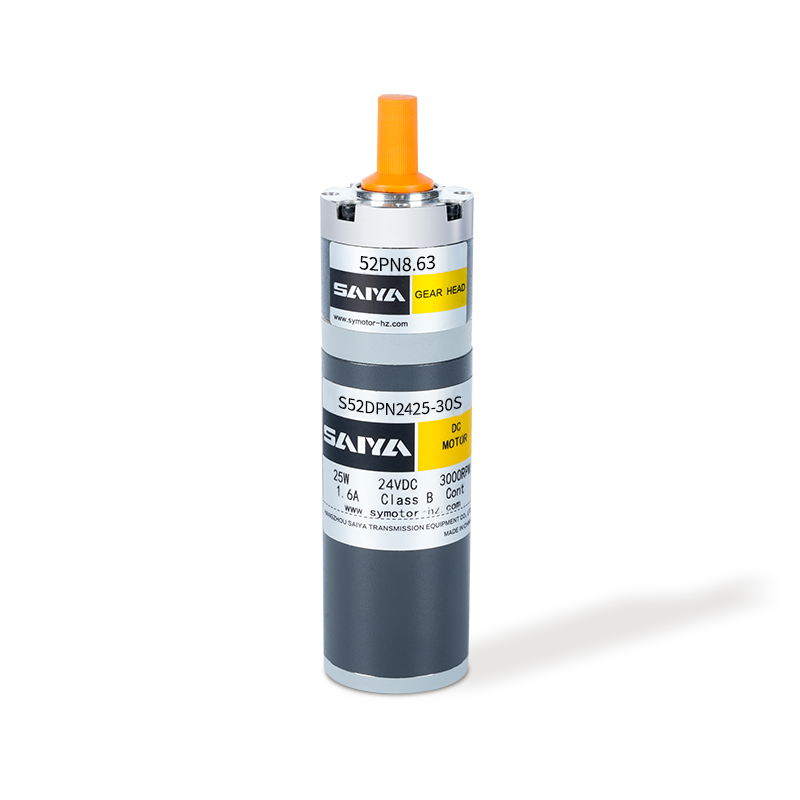
The 52mm brushed planetary gear motor is a compact and efficient solution designed for various applications requiring high torque and precise control. With a diameter of 52mm, this motor is ideally su...
See Details -
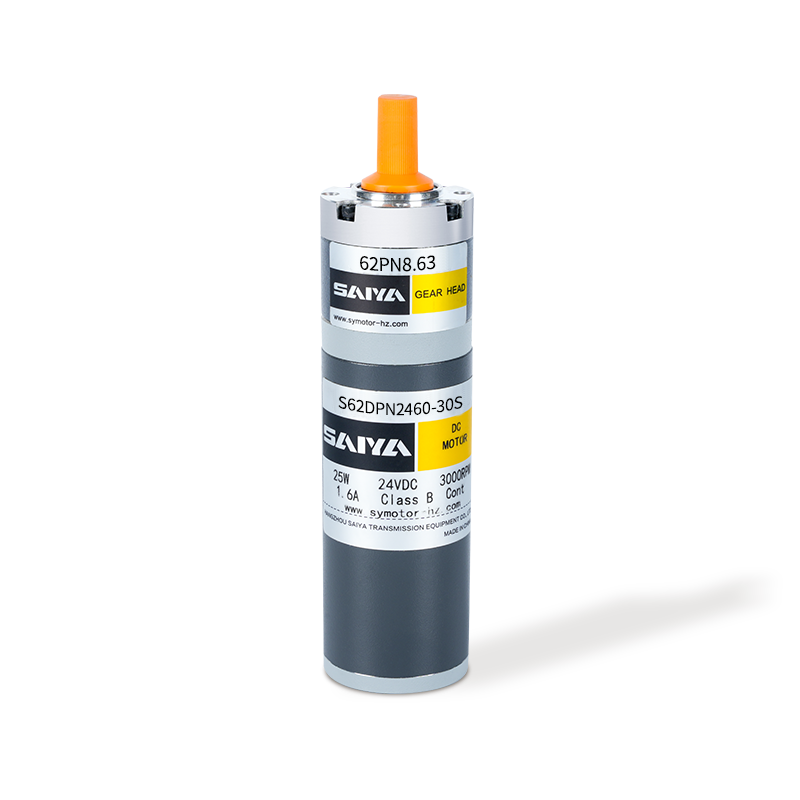
The 62mm brush planetary gear motor is a versatile and efficient component widely used in various applications requiring precise torque and speed control. With a rated current ranging from 2.5 to 5.5A...
See Details
CONTACT DETAILS
- TEL: 0086-0571-86951513/86951543
- Fax: 0086-571-86040769
- E-mail: [email protected] / [email protected] / [email protected]
- Office: Hangzhou Saiya Transmisson Equipment Co.,Ltd
- Office Address: Room 2201, Wanyin building, Hangzhou City, Zhejiang Province
- Factory: Zhejiang Saiya Intelligent Manufacturing Co., Ltd.
- Factory Address: No.35 Building , Zhongnan High-tech Yunhe Zhigu Industrial Park, Xinan town, Deqing county, Huzhou city, Zhejiang, China
QUICK LINK
PRODUCT
If You Are Intrested
In Our Products,
Please Consult Us
Copyright © Zhejiang Saiya Intelligent Manufacturing Co., Ltd. All Rights Reserved.
Custom Gear Reduction Motors Suppliers
