 EN
 English
 中文简体
 русский
 Español

Home / News / Industry News / How to Choose the Right Frame Size: 32mm vs 42mm vs 82mm Planetary Gear Motor


Application Industry
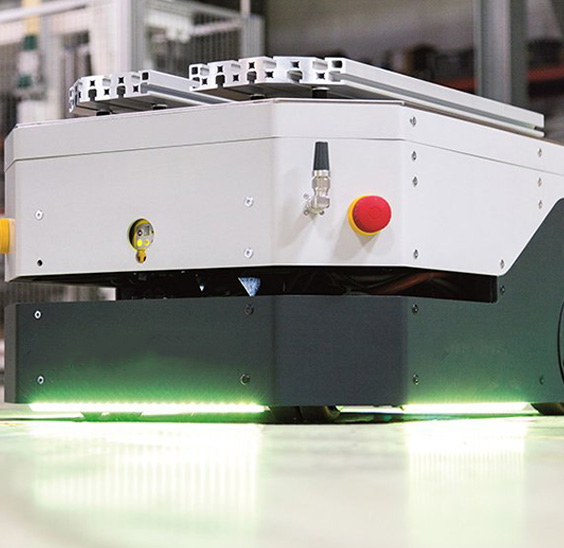
AGV

Automated robots

laser cutting

Logistics sorting

Photovoltaic power-station
Medical devices
How to Choose the Right Frame Size: 32mm vs 42mm vs 82mm Planetary Gear Motor
An AGV (automated guided vehicle) drive wheel, a robotic joint, a rotary index table, a medical pump. Each of these applications starts with the same decision: which planetary gear motor frame size can satisfy the torque requirement and still fit the mounting space. The frame diameter limits the planet gear width, rotor size, output flange geometry, and the practical torque capacity of the assembly. Choosing the wrong size late in development means redrawing brackets, resizing couplings, and revalidating inertia.
This guide compares the three most common planetary gear motor frames, 32mm, 42mm, and 82mm, across continuous torque, peak torque, weight, reduction range, and application fit, then provides a four-step selection method you can apply to your own load calculation. Typical values consolidate brushed and brushless planetary gear motor platforms; exact numbers depend on voltage, ratio, and duty cycle.
A practical definition: frame size is the outer diameter of the planetary gearbox housing in millimeters, and it is the first selection parameter because it links torque capacity, envelope, and cost in a single number.
Frame Size Defines the Torque and Mounting Envelope
A planetary gear motor frame size sets the maximum output torque, the reduction ratio range, and the flange geometry before any electrical parameter matters. Larger diameters allow wider gear teeth, bigger bearings, and a stronger output shaft, which is why a 42mm stage transmits roughly four times the continuous torque of a 32mm stage, and an 82mm stage reaches five to six times the 42mm level.
Frame diameters32 / 42 / 82 mm
Continuous torque0.5 to 55 Nm
Reduction range3:1 to 300:1
Motor power class5 to 500 W
The frame size also fixes the mounting interface: flange hole pattern, pilot diameter, and output shaft dimensions. A 42mm planetary gear motor typically uses a 47 to 50mm flange with a 6 to 8mm output shaft, while an 82mm unit needs larger bolt spacing and a heavier shaft. Switching frame sizes means redesigning the bracket and cover, not swapping a motor.
| Parameter | 32mm frame | 42mm frame | 82mm frame |
| Gearbox outer diameter | 32 mm | 42 mm | 82 mm |
| Motor power class | 5 to 20 W | 15 to 60 W | 100 to 500 W |
| Continuous torque | 0.5 to 3 Nm | 1.5 to 8 Nm | 10 to 55 Nm |
| Peak torque (short-term) | up to 5 Nm | up to 15 Nm | up to 80 Nm |
| Typical reduction range | 3:1 to 100:1 | 3:1 to 200:1 | 3:1 to 300:1 |
| Total weight | 0.2 to 0.4 kg | 0.6 to 1.2 kg | 3.5 to 6 kg |
Design rule: if continuous torque demand exceeds 60% of the frame rating at the required speed, move one frame size larger instead of running the motor in continuous overload.
32mm Planetary Gear Motor: Compact Force for Light-Duty Axes
 Compact 32mm Brush Planetary Gear Motor, 24V, 10-15WIdeal for applications with limited space and torque needs below 3 Nm, this 24V brushed motor delivers 10-15W with speeds up to 5000 RPM, paired with a 32mm planetary gearbox for reliable performance.View Product →
The 32mm planetary gear motor is the correct choice when continuous output torque stays below 3 Nm and the installation envelope is tight. This platform combines a 5 to 20W brushed or brushless DC motor with a 32mm gearbox, at ratios from 3:1 to about 100:1 and output speeds of roughly 3 to 100 rpm.
Typical applications include:
- small instrument turntables and rotary positioning stages
- rotating camera, sensor, and gimbal platforms
- medical dosing units and handheld tools
- small valve actuators and damper drives
- micro AGV accessory mechanisms such as turntables, locks, and clamp arms
The complete package weighs 0.2 to 0.4 kg, which suits battery-powered handheld equipment. Standard backlash runs 1 to 2 degrees, acceptable for positioning tasks without frequent reversals. If your mechanism fits inside a 40mm tube or behind a 50mm panel, the 32mm planetary gear motor is often the only realistic option.
The 32mm frame delivers the best torque per occupied cubic centimeter of any planetary gear motor size, but sustained high loads build heat quickly because the gear teeth are small and the rotor has limited thermal capacity.
42mm Planetary Gear Motor: The Balanced Mid-Range Workhorse
 Versatile 42mm Brush Planetary Gear Motor with Wide Reduction RatioThis 42mm brushed planetary gear motor provides a wide reduction ratio from 3.7:1 to 392.98:1 with a rated current of 0.7-1.1A, ideal for designers needing adaptability in robotics, automation, and small tools.View Product →
The 42mm planetary gear motor is the most versatile frame size in light automation because it delivers 1.5 to 8 Nm of continuous torque inside a 47 to 50mm flange footprint. Brushed versions run at 15 to 60W, brushless versions up to 120W, and the gearbox accepts ratios to 200:1 with 0.5 to 2 degrees of backlash.
Typical applications include:
- AGV drive wheels for payloads of 30 to 100 kg
- conveyor diverter arms and gate drives
- packaging machine adjustment axes
- robotic grippers and bench-top assembly fixtures
- electric valve trains and rotary actuators
For an AGV with a 30 to 100 kg payload, a single 24V 42mm brush planetary gear motor driving a 160 to 220mm wheel is a proven starting layout. Apply a 1.5 safety factor to the calculated torque and verify that continuous motor current stays within the controller rating.
The 42mm frame dominates mid-torque automation because standard brackets, couplings, and housings are widely available, and total weight stays between 0.6 and 1.2 kg. Choose it when your load falls between what small and large frames handle cleanly.
82mm Planetary Gear Motor: Heavy Torque for Industrial Axes
 Heavy-Duty 82mm Brush Planetary Gear Motor for High TorqueThis 82mm brushed planetary gear motor, with a rated current of 1.5-2.5A and torque between 0.287 and 0.573 Nm, is built for applications needing more power and a broader reduction range.View Product →
The 82mm planetary gear motor belongs in systems that need continuous torque above 10 Nm and short-term peak torque up to 80 Nm. The power class ranges from 100W to 500W for typical brushed and brushless configurations, with reduction ratios up to 300:1.
Typical applications include:
- heavy AGV and AMR drive wheels for payloads above 200 kg
- rotary index tables and turntables for machining cells
- electric winches and hoist rotations
- lift and tilt axes in automated workcells
- industrial shut-off valves requiring high seating torque
For battery-operated equipment, an 82mm brushless planetary gear motor is usually the better choice than a brushed version because brushless motors hold efficiency above 85% over a wider speed range, which reduces current draw from a 24V or 48V pack.
The trade-off is mass: an 82mm planetary gear motor weighs 3.5 to 6 kg and needs a much stiffer mounting structure. Choose it when the duty cycle genuinely requires more gear tooth contact than a 42mm frame can provide, not simply for a long service life.
Torque per Frame Size: A Direct Data Comparison
Plotted against maximum continuous torque, the three frame sizes reveal an engineered gap: each step up multiplies torque capacity by four to six times while adding less than four kilograms of weight at the largest step.
Figure 1. Maximum continuous torque for typical 32mm, 42mm, and 82mm planetary gear motor platforms at low output speed. Peak torque reaches 1.5 to 2 times these values for short duty cycles.
Torque density follows the same trend. At typical ratings, the 42mm and 82mm frames deliver roughly 10 to 12 Nm per kilogram, while the 32mm frame manages about 6 to 7 Nm per kilogram. For machinery that runs many cycles per day, the larger frame often improves total energy efficiency because the motor operates in a lower current region for the same mechanical load.
A Four-Step Selection Method for the Right Frame Size
Select the smallest frame whose rated continuous torque covers the calculated peak load with a service factor of at least 1.5, then verify speed, envelope, and inertia. The four steps below follow the sequence used in routine application reviews.
- Calculate the required output torque. Add the load torque and the acceleration torque, multiply by a 1.5 service factor for shock loads, and compare the result with frame ratings. The full formula and a worked example appear in our step-by-step gear motor torque calculation guide.
- Set the reduction ratio from speed. Divide the motor nominal speed range by the required output speed. A 32mm frame rarely exceeds 100:1, while 42mm and 82mm frames reach 200:1 and 300:1.
- Re-check torque at the actual duty cycle. Compare continuous (S1) and intermittent (S2 or S3) ratings, since short-term peak torque reaches 1.5 to 2 times the continuous value depending on winding and temperature limit.
- Verify envelope, weight, and input power. Check flange pilot diameter, output shaft size, total length, and mass against the bracket and power source. Near the frame limit, apply a 10 to 15% torque de-rate for housing temperatures above 60 C.
Signs of an undersized frameOverheating motor housing, gear wear particles at the output seal, growing backlash, controller overcurrent trips, and shortened brush life in brushed models.
Signs of an oversized frameAdded weight and rotor inertia that slow acceleration, a flange too large for the bracket, higher unit price, and unnecessary current draw during light-load cycles.
When in doubt between two frame sizes, choose the larger one only if peak torque exceeds 70% of the smaller frame rating for more than 5% of the operating time.
After frame selection, match the motor type (brushed DC, brushless DC, or AC) and enclosure rating to the environment. Review the complete planetary gear motors product range to see available reductions and voltages by frame size, then start your torque budget from the numbers above.
Frequently Asked Questions on Frame Size Selection
Selection summary: frame size is a systems decision. Verify the envelope and inertia early, then re-check torque after you know the duty cycle, ambient temperature, and controller current limit.
What is the main difference between a 32mm and a 42mm planetary gear motor?
The 32mm planetary gear motor delivers continuous torque up to about 3 Nm and weighs 0.2 to 0.4 kg. The 42mm planetary gear motor delivers up to 8 Nm and weighs 0.6 to 1.2 kg. The larger frame also accepts longer gear stacks, enabling reduction ratios up to 200:1 and lower backlash with hardened gear sets.
How do I calculate the torque needed before choosing a frame size?
Add the load torque and the acceleration torque, multiply by a minimum service factor of 1.5, and compare the result with the continuous torque rating of the candidate frame at the planned reduction ratio. If the value exceeds 60% of the frame rating, step up one frame size.
Is a 42mm planetary gear motor strong enough for an AGV drive wheel?
For an AGV with a 30 to 100 kg payload, a 24V 42mm brush planetary gear motor driving a 160 to 220mm wheel is a common and reliable layout. Higher payloads, steep ramps, or strong acceleration requirements push the design toward a 62mm or 82mm frame.
Can an 82mm planetary gear motor run from a 24V or 48V battery?
Yes. The 82mm frame is available with brushed and brushless motors for low-voltage operation, but the controller must be sized for the starting current and continuous current of the selected winding. A brushless 82mm motor is usually the more efficient choice for battery duty because efficiency stays higher across the speed range.
Related products
-
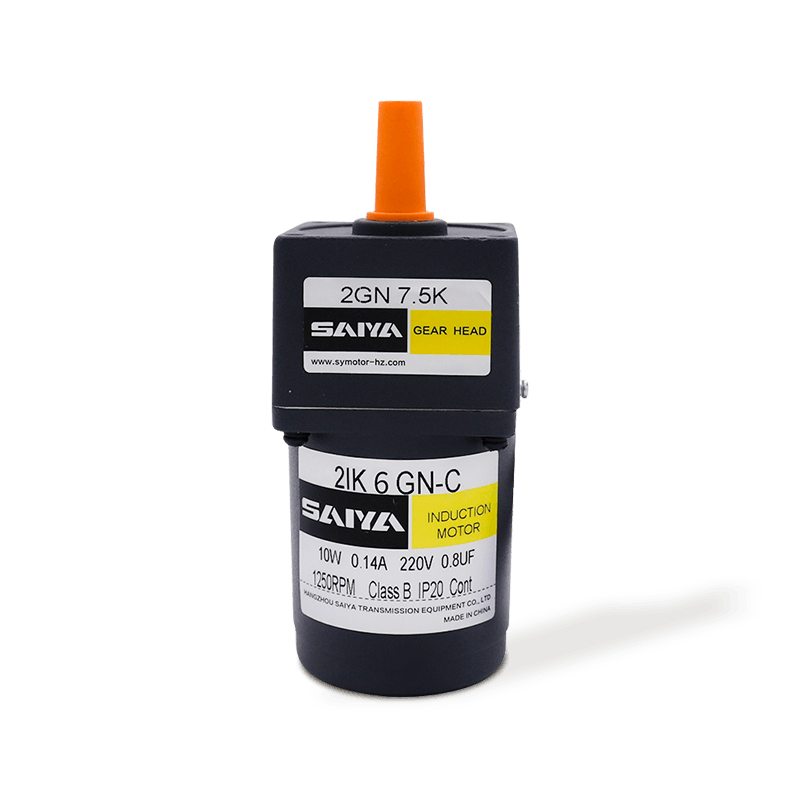
This 6W Induction AC Gear Motor is an efficient, compact and reliable small motor suitable for a wide range of industrial and household applications.Motor frame 60mm x 60mm making it easy to install ...
See Details -
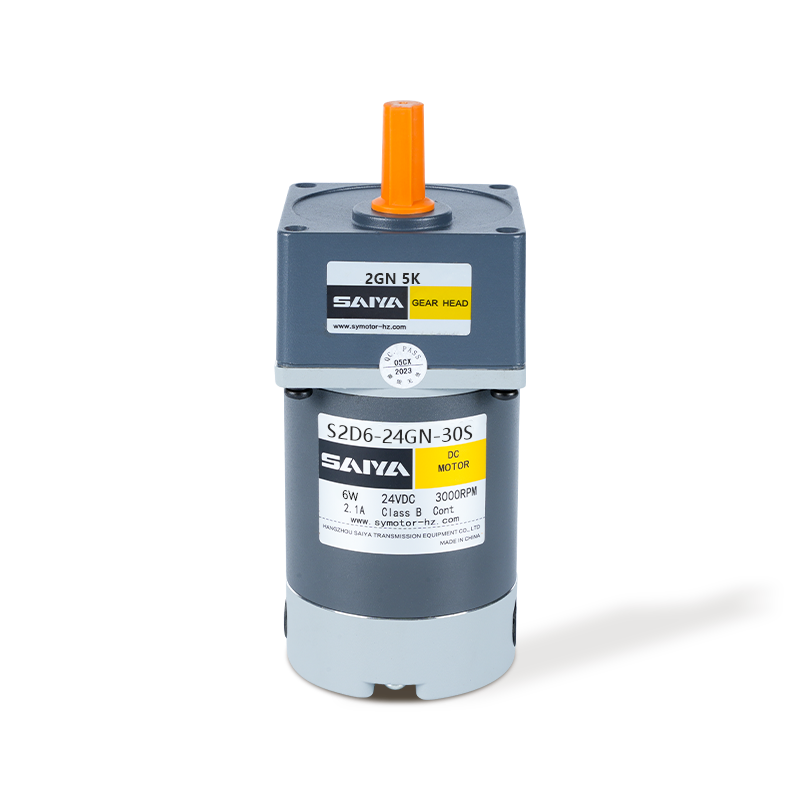
The 6W brush DC gbear motor is designed for efficiency and versatility, suitable for various applications. With a compact frame size of 60mm x 60mm, it fits seamlessly into tight spaces. The motor ope...
See Details -
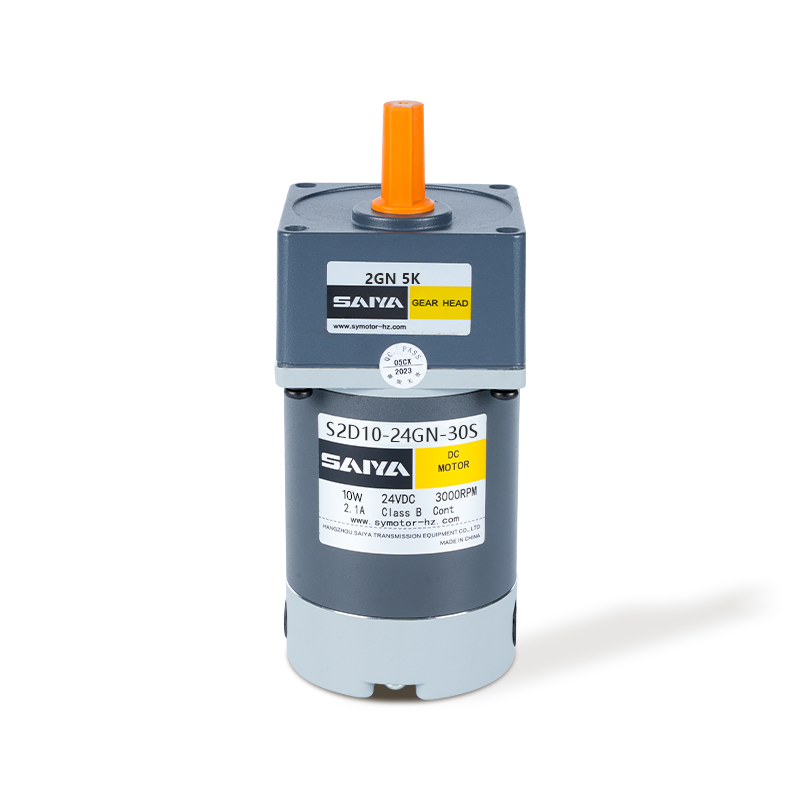
The 10W brush DC gear motor offers high performance and adaptability, for a range of industrial and hobbyist applications. With a frame size of 60mm x 60mm, this motor is designed to fit into confined...
See Details -
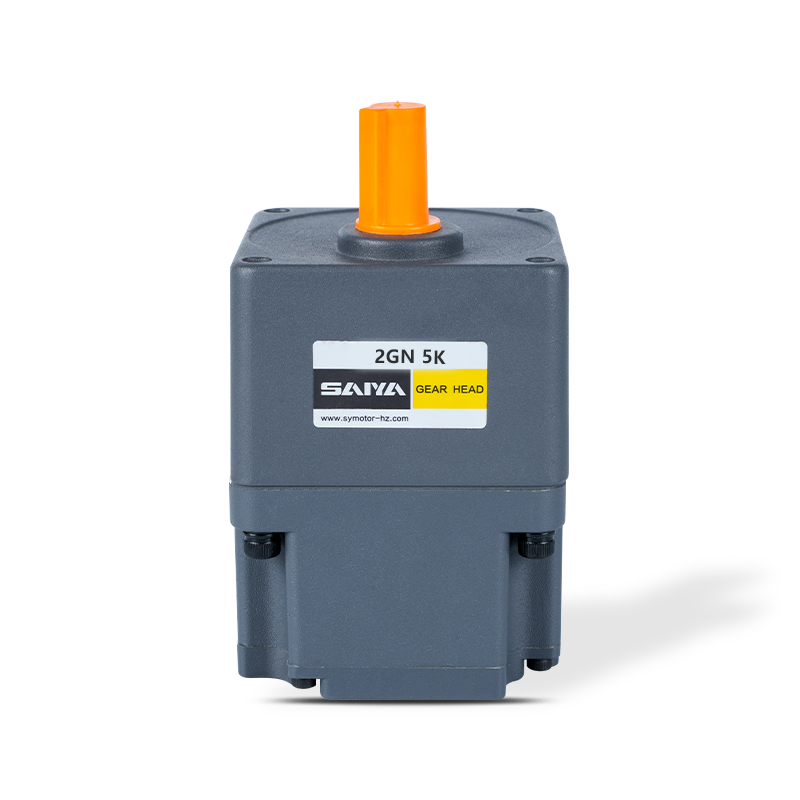
The 24V Brushless Gear Motor is a versatile and efficient motor designed for a range of applications. With dimensions ranging from 60mm x 60mm to 104mm x 104mm, this motor can fit into various equipme...
See Details -
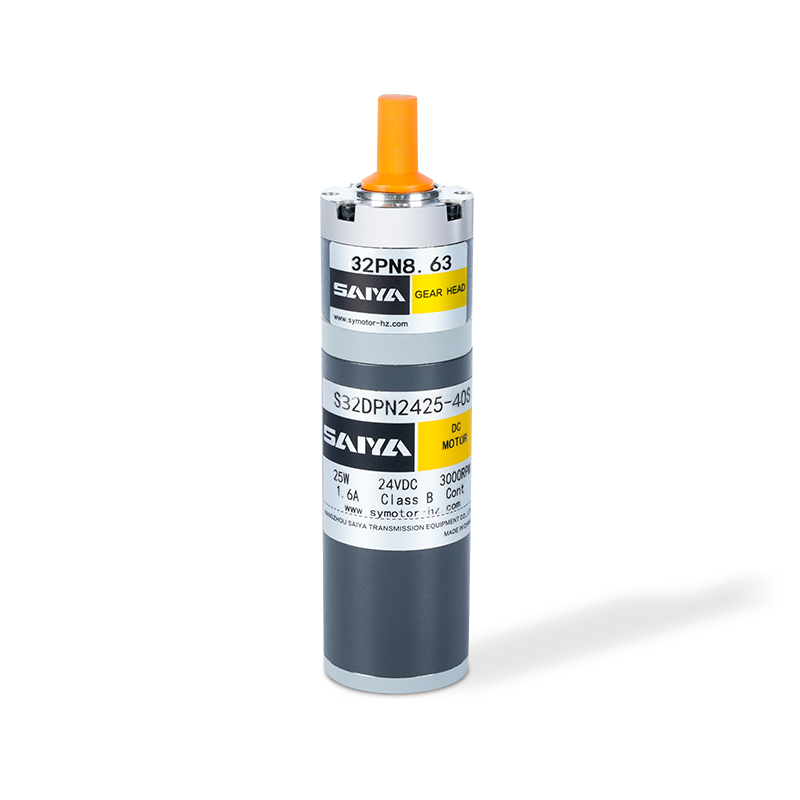
The 32mm brushed planetary gear motor is a compact and efficient solution designed for various applications requiring high torque and precise control. With a diameter of 32mm, this motor is ideally su...
See Details -
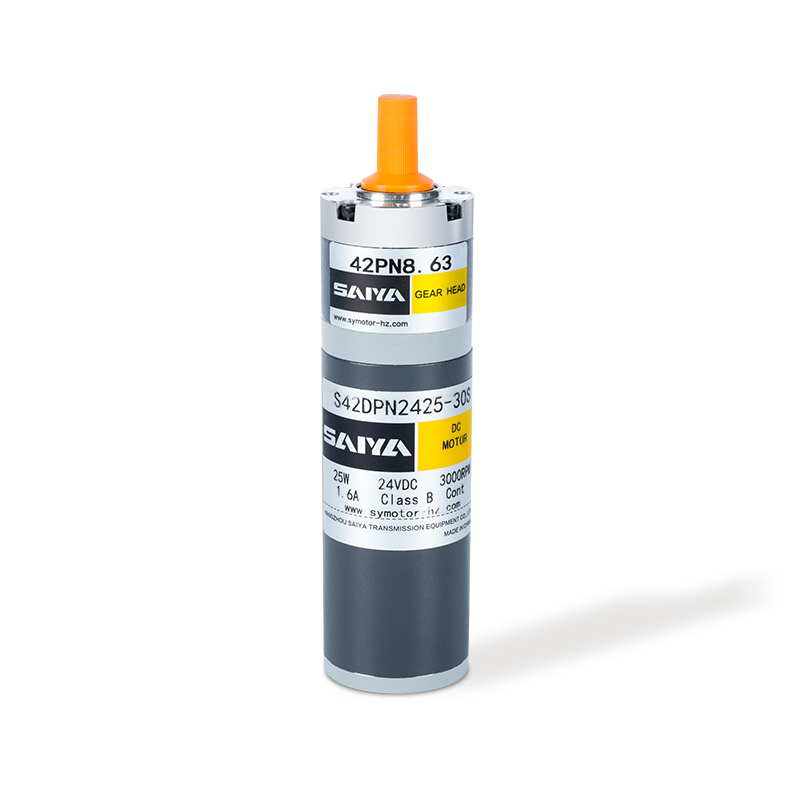
The 42mm brush planetary gear motor is a versatile and efficient component widely used in various applications requiring precise torque and speed control. With a rated current ranging from 0.7 to 1.1A...
See Details -
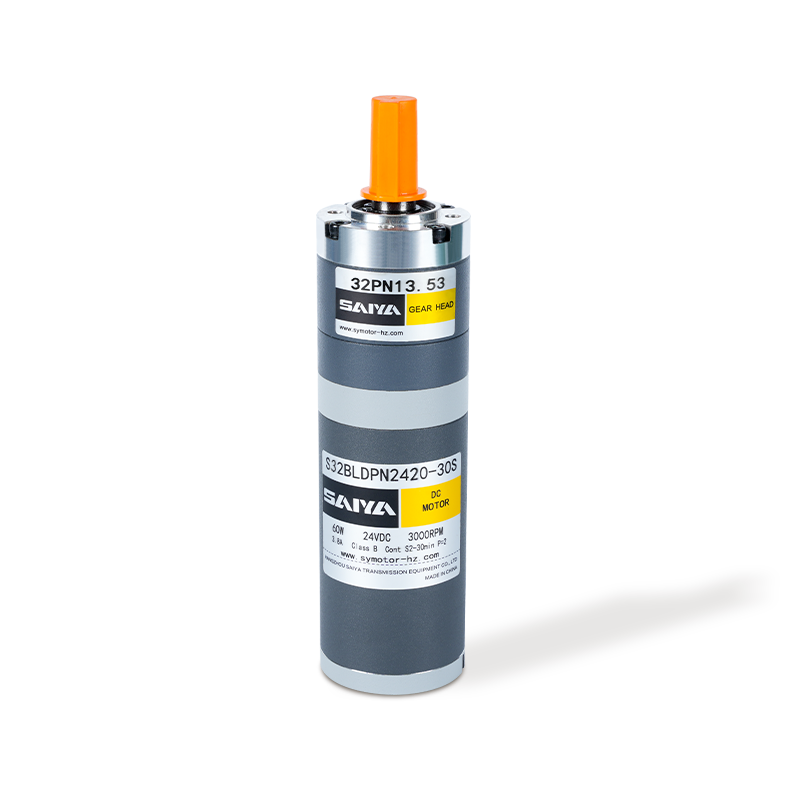
The 32mm Brushless Planetary Gear Motor is a high-performance, compact solution ideal for applications requiring efficiency and reliability. Operating at a rated voltage of 24V and consuming 20W of po...
See Details -
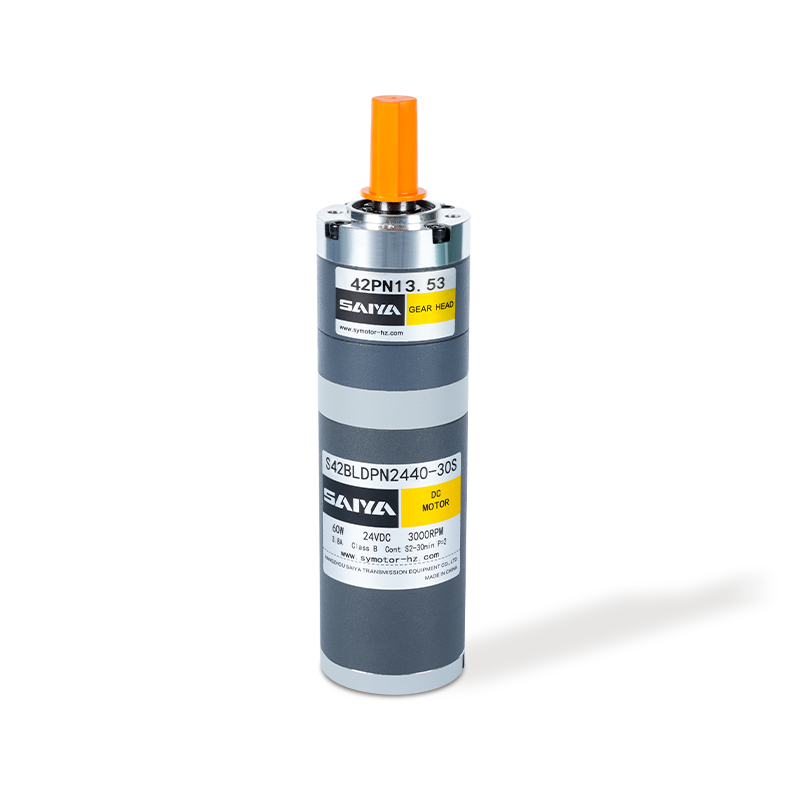
The 42mm brushless planetary motor is a high-efficiency motor product that is widely used in various scenarios requiring precision transmission. The rated current of this motor is 1.3A and the rated t...
See Details -
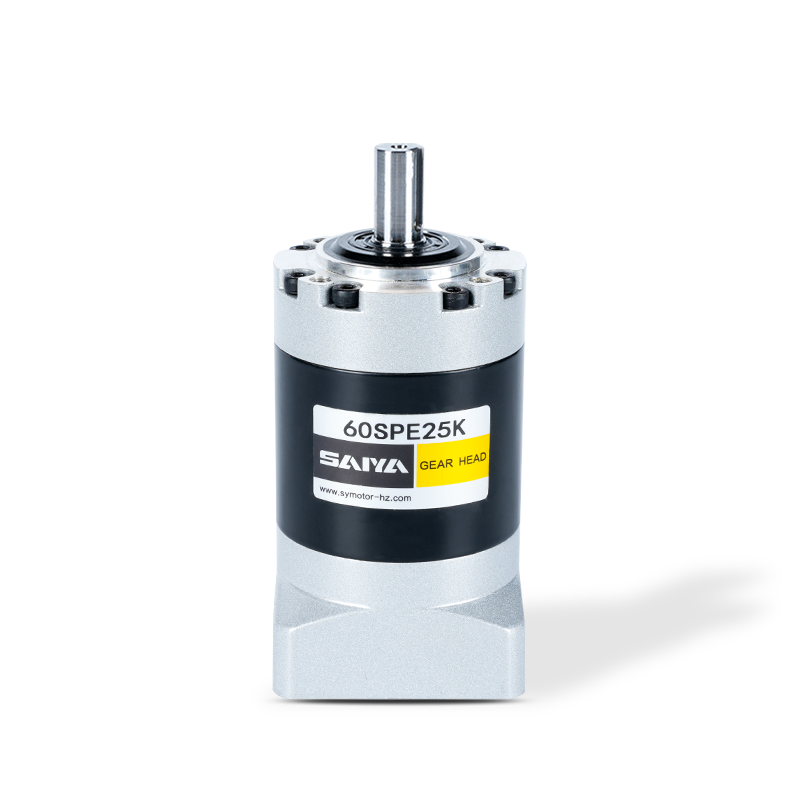
The SPE series gearboxes, flange size range with 40, 60, 80, 120, and 160 models, are designed to provide efficient and robust power transmission solutions. These gearboxes feature a round output flan...
See Details -
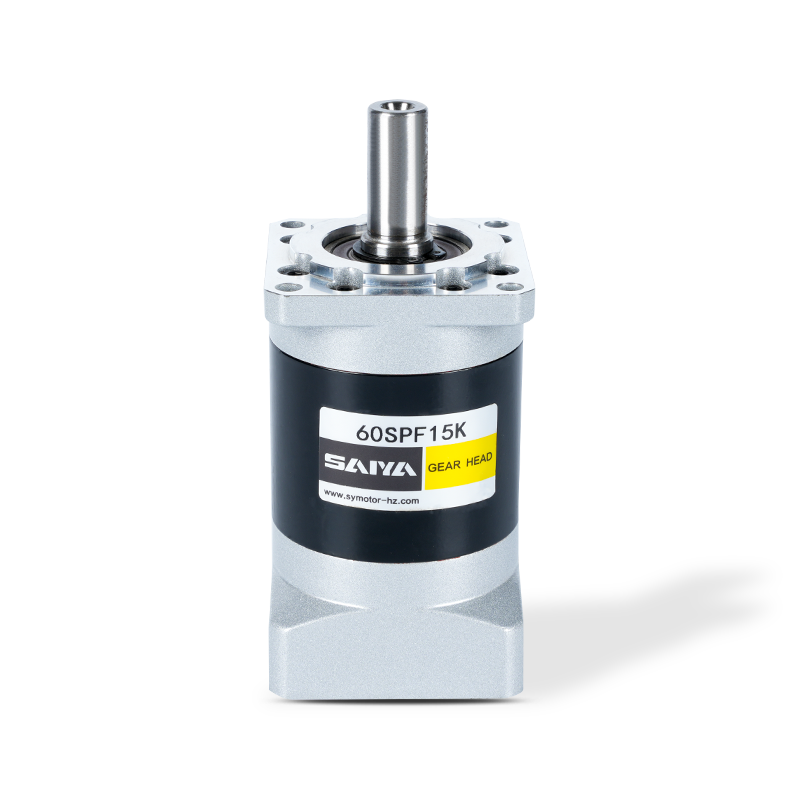
The SPF series are with square output flanges, accommodating dimensions from 40mm to 160mm. These flanges are engineered to excel in various industrial applications, offering reliable performance acro...
See Details -
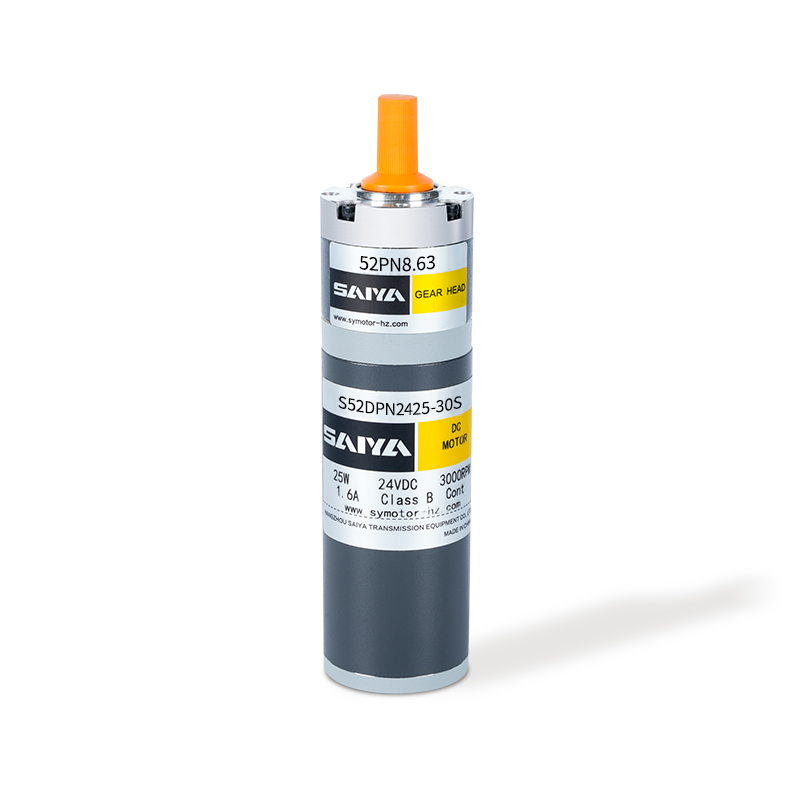
The 52mm brushed planetary gear motor is a compact and efficient solution designed for various applications requiring high torque and precise control. With a diameter of 52mm, this motor is ideally su...
See Details -
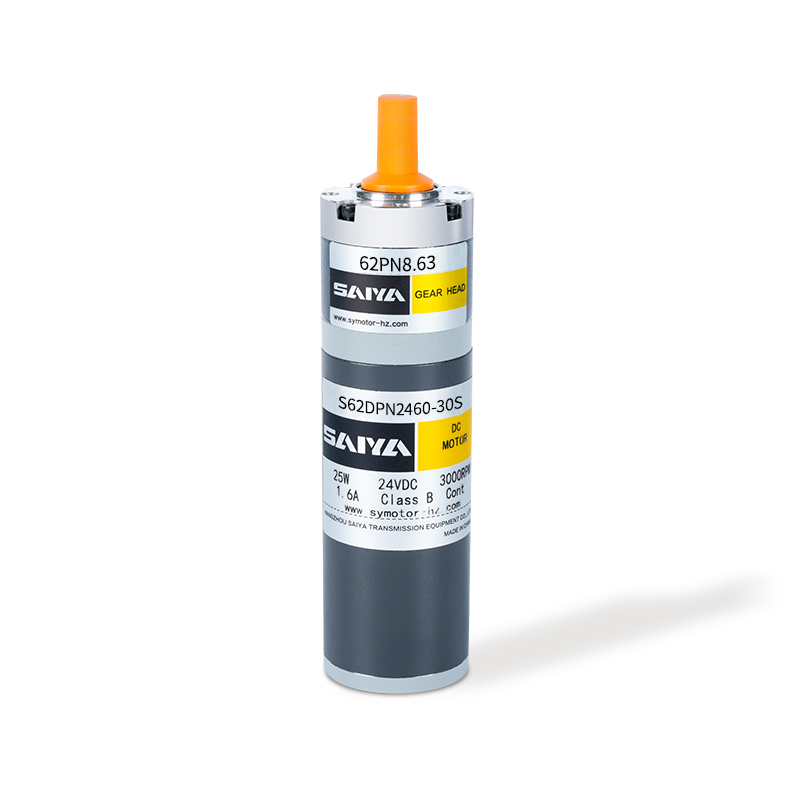
The 62mm brush planetary gear motor is a versatile and efficient component widely used in various applications requiring precise torque and speed control. With a rated current ranging from 2.5 to 5.5A...
See Details
CONTACT DETAILS
- TEL: 0086-0571-86951513/86951543
- Fax: 0086-571-86040769
- E-mail: [email protected] / [email protected] / [email protected]
- Office: Hangzhou Saiya Transmisson Equipment Co.,Ltd
- Office Address: Room 2201, Wanyin building, Hangzhou City, Zhejiang Province
- Factory: Zhejiang Saiya Intelligent Manufacturing Co., Ltd.
- Factory Address: No.35 Building , Zhongnan High-tech Yunhe Zhigu Industrial Park, Xinan town, Deqing county, Huzhou city, Zhejiang, China
QUICK LINK
PRODUCT
If You Are Intrested
In Our Products,
Please Consult Us
Copyright © Zhejiang Saiya Intelligent Manufacturing Co., Ltd. All Rights Reserved.
Custom Gear Reduction Motors Suppliers
