 EN
EN  English
 中文简体
中文简体 русский
 Español
Home / News / Industry News / AC Gear Motor Power Rating: How to Choose the Right Size (6W to 5500W)


Application Industry
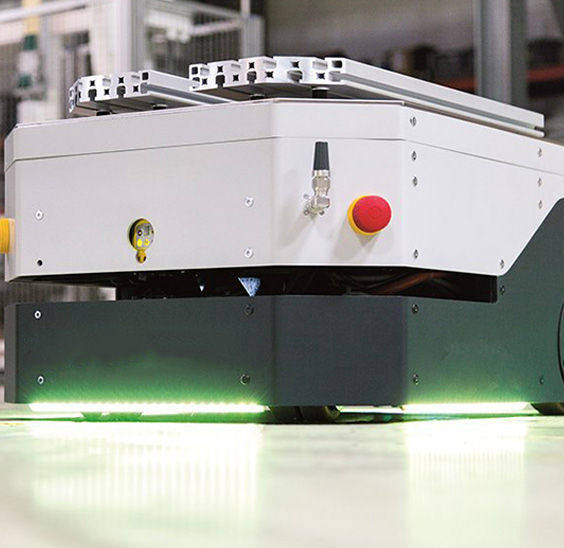
AGV

Automated robots

laser cutting

Logistics sorting

Photovoltaic power-station

Medical devices
AC Gear Motor Power Rating: How to Choose the Right Size (6W to 5500W)
A dual-shift packaging line loses roughly 14 hours of production each quarter because a 90W induction AC gear motor on its 12-meter belt conveyor keeps tripping the thermal protector under full load. The motor is not defective; it was selected from a nameplate, not from a torque calculation. The right AC gear motor power rating is the lowest rating that delivers the required output torque at the operating speed with a service-factor margin of 1.2 to 1.5, confirmed against the duty cycle. That method applies unchanged from 6W instrument drives to 5500W industrial conveyors in the product range of Hangzhou Saiya Transmission Equipment Co., Ltd.
Core definition
AC gear motor power rating is the continuous mechanical output power, in watts, that the motor-gearbox assembly can deliver at a specified output speed without exceeding its rated winding temperature rise.
Calculate Load Torque Before You Size an AC Gear Motor
Torque at the driven shaft, not power, is what actually moves the load. The conversion is fixed: P(W) = T(N·m) x n(rpm) / 9.549. A 40W AC gear motor delivers roughly 3 N·m at 90 rpm output and about 9 N·m at 30 rpm output with 72% gearbox efficiency; the same power rating serves very different machines depending on the gearbox ratio.
9.549Torque-power conversion constant
72%Typical gearbox efficiency
1.2-2.0Service factor range
For the full calculation with reduction-ratio examples, read our step-by-step gear motor torque guide. Two motors with identical wattage are not equivalent if their output torque at the working speed differs.
Never open a catalog until you know the required torque at the working speed. Power ratings without a duty point are not comparable.
Match the Motor Type to the Duty Cycle
Duty cycle decides which AC gear motor type you can specify: induction motors suit continuous running, reversible motors suit frequent start-stop reversing, and speed-control motors suit adjustable throughput. Using an induction motor where the load reverses frequently overheats the winding beyond its insulation class, whatever the power rating.
Saiya's induction line covers 6W to 200W and is the default for fans, conveyors, and packaging machines that run for hours.
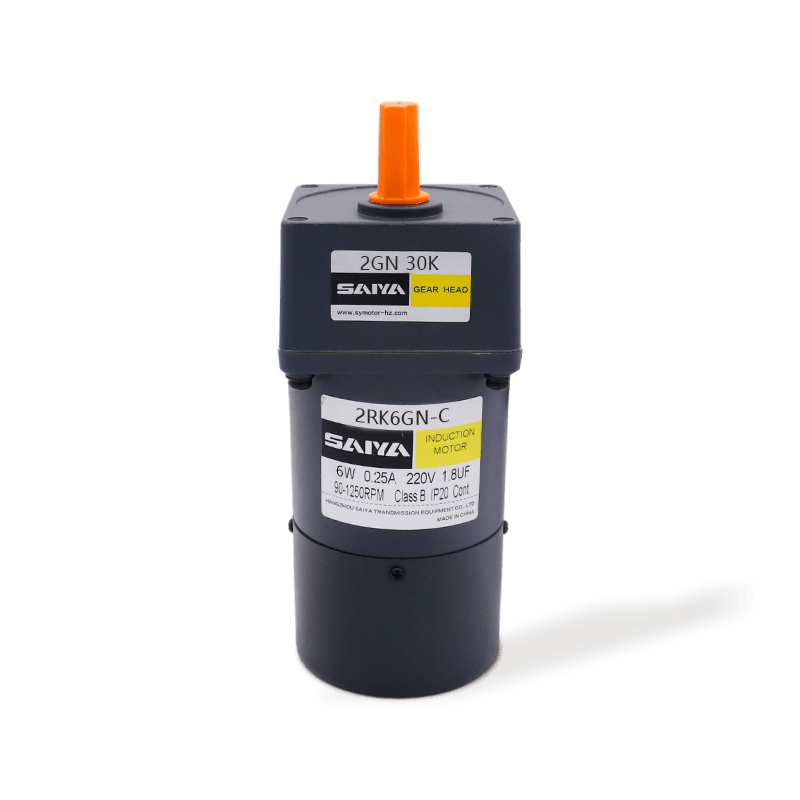 Induction AC Gear Motors for Continuous Single-Direction DutyThis range covers 6W to 250W with a gearbox for lower speed and higher torque, suited to fans, conveyors, and packaging machines that run steadily for hours.View Product →
For frequent acceleration and reversing, choose a reversible AC gear motor with a built-in brake. For adjustable line speed or soft starting, choose a speed-control AC gear motor with a speed controller.
Speed Control AC Gear Motors with Adjustable Speed ControllersThese motors pair with a dedicated controller for adjustable line speed and soft starting, offering an alternative when frequent acceleration or precise speed regulation is required.View Product →
| Motor type | Duty capability | Speed range | Typical applications |
| Induction | Continuous (S1) | Fixed nominal speed | Conveyors, fans, pumps |
| Reversible | Frequent start-stop and reverse | Fixed, fast switching | Positioning, gates, feeders |
| Speed control | Variable speed | 90-1400 rpm with controller | Packaging lines, metering pumps |
The duty cycle is a selection constraint: a torque-correct motor still fails if the motor type cannot survive the start-stop frequency.
Apply a Service Factor for Starting and Peak Loads
A motor sized for steady-state torque will fail if the machine jams, accelerates a heavy rotor, or draws current spikes at startup. Apply a service factor that covers the worst-case torque before converting the load requirement into watts.
| Load class | Typical equipment | Service factor |
| Uniform load | Continuous conveyors, fans | 1.2 |
| Moderate shock | Roller conveyors, screw feeders | 1.5 |
| Heavy shock | Crushers, punches, vibratory feeders | 2.0 |
| High-inertia starts | Centrifuges, long belts | 1.5-2.0 |
Selection rule
Rated torque must be greater than or equal to the worst-case operating torque multiplied by the service factor. Average torque is not a valid basis for sizing.
How AC Gear Motor Power Rating Scales Across the 6W to 5500W Range
Within one manufacturer's range, doubling the power rating roughly doubles available torque at the same output speed. The chart below compares output torque at 90 rpm for five common ratings, assuming 72% gearbox efficiency.
Saiya's AC gear motor line groups into practical application bands: 6-25W for instruments and dampers, 40-120W for light conveyors and packaging machines, 200-550W for belt conveyors and screw feeders, 750-2200W for mixers and hoists, and 3000-5500W for heavy conveyors and extruders.
For the upper end of the range, the 5500W series is built for high-torque continuous industrial service.
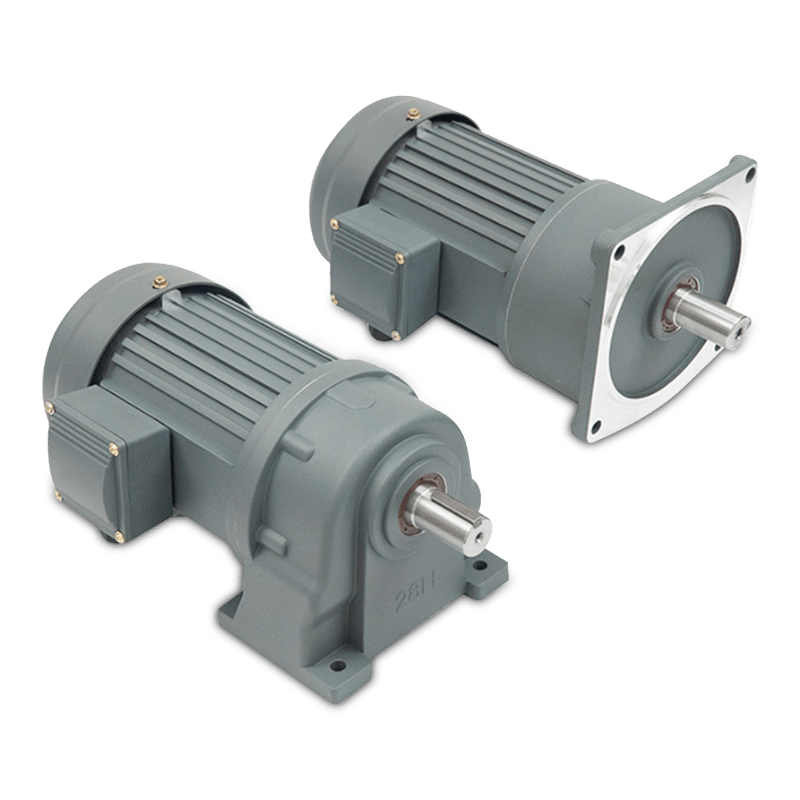 5500W High-Torque AC Gear Motor SeriesThis high-power series supports single- or three-phase input, horizontal or vertical mounting, and a 50mm output shaft, built for demanding continuous industrial service on conveyors.View Product →
Four Steps to Lock the Final Rating
Use the same verification sequence on every application, from a 6W valve actuator to a 5500W chain conveyor. Skipping one step is the most common cause of field failure after a correct-looking catalog selection.
- Convert the load to required output torque at the duty point. For a linear conveyor, T = F x r, where F is belt pull in newtons and r is pulley radius in meters.
- Multiply that torque by the service factor for your load class.
- Select a gear motor whose catalog output torque at the chosen output speed equals or exceeds the factored torque, including gearbox efficiency in the comparison.
- Validate thermal limits: an ambient temperature above 40°C derates the motor, so the next higher rating may be required even when torque is sufficient.
Worked example
A roller conveyor needs 12 N·m at 60 rpm with occasional jams. Load class moderate shock, service factor 1.5, gives required torque of 18 N·m. Mechanical power required is 18 x 60 / 9.549, about 113 W. Allowing 72% gearbox efficiency raises motor input to about 157 W, so a 200W AC gear motor is the minimum rating.
Five Sizing Mistakes That Shorten Gear Motor Life
Most premature gearmotor failures trace to five correctable sizing errors, all avoidable at the specification stage.
- Oversizing by 300 percent or more: efficiency drops, and the machine carries avoidable cost and weight.
- Ignoring starting torque: the motor still needs enough locked-rotor torque to accelerate the loaded machine from standstill.
- Sizing from the old motor nameplate: the previous motor may have been over- or undersized, so the error is copied.
- Overlooking ambient temperature: every 10°C above the 40°C rating roughly halves insulation life in continuous duty.
- Mixing torque units: N·m and kgf·cm are often confused in international sourcing, producing an order roughly 10 times off.
A sizing error that survives the drawing review appears on the production floor as a thermal trip, burnt winding, or broken gearbox mount.
Validate the Shortlist Before You Order
Before ordering, verify the gearbox type, mounting orientation, shaft diameter, and rated voltage against the mechanical interface; these decide whether the motor fits, while the torque calculation decides whether it survives.
- Gearbox type: cylindrical, right-angle, or planetary, each with different efficiency and backlash.
- Mounting position: flange, foot, or face mount, including whether oil leakage is acceptable in the intended orientation.
- Electrical supply: single-phase 100/110/220V or three-phase, at the exact line frequency of the site.
- Enclosure and protection: IP rating, washdown requirements, and altitude derating above 1000 m.
Send the full load parameters (working torque, output speed, duty cycle, ambient temperature, mounting) to the Saiya engineering team through the contact page and request a datasheet confirmation before the final rating is fixed.
Acceptance check
The final rating must satisfy torque, service factor, duty cycle, thermal, and mechanical fit simultaneously; missing any one of these invalidates the selection.
Frequently Asked Questions on AC Gear Motor Power Selection
Direct answers
These four questions cover what equipment designers ask after completing the torque and service-factor calculation for an AC gear motor in the 6W to 5500W range.
Can I replace a 60W AC gear motor with a 90W unit of the same frame size?
Only if the mounting flange, shaft diameter, and gearbox ratio are identical. A 90W unit delivers about 50% more torque at the same output speed, but the dimension sheet must be verified before installation.
What is the difference between 60W and 90W AC gear motors at 90 rpm output?
At 90 rpm output with 72% gearbox efficiency, a 60W unit delivers approximately 4.6 N·m and a 90W unit approximately 6.9 N·m. The 90W motor adds 50% torque margin, which usually means cooler windings and fewer thermal trips in jamming applications.
Do I need a speed-control AC gear motor, or is a standard induction motor enough?
Choose a speed-control AC gear motor when the process requires adjusting throughput under load, such as variable line speed or soft starting. If the output speed is fixed, a standard induction motor is less expensive and more robust.
Should I calculate the motor power and the gearbox separately?
No. An AC gear motor is a single assembly: size the combination by output torque, output speed, and service factor, and verify that the gearbox output rating covers the load. Sizing the motor alone ignores gearbox efficiency and mechanical limits.
Selection checklist: working torque x service factor, motor type matched to duty cycle, then thermal and mechanical validation.
The correct AC gear motor power rating is the result of a torque calculation plus a duty-cycle check, not a power guess. Start with the worst-case load torque, keep the service factor between 1.2 and 2.0, and validate the gearbox capacity before ordering.
Related products
-
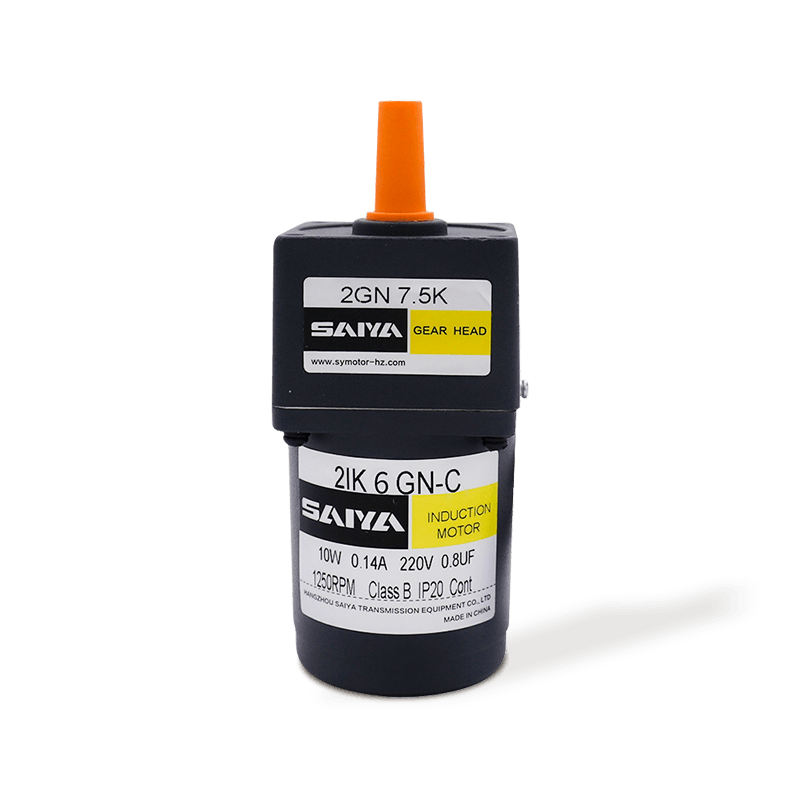
This 6W Induction AC Gear Motor is an efficient, compact and reliable small motor suitable for a wide range of industrial and household applications.Motor frame 60mm x 60mm making it easy to install ...
See Details -
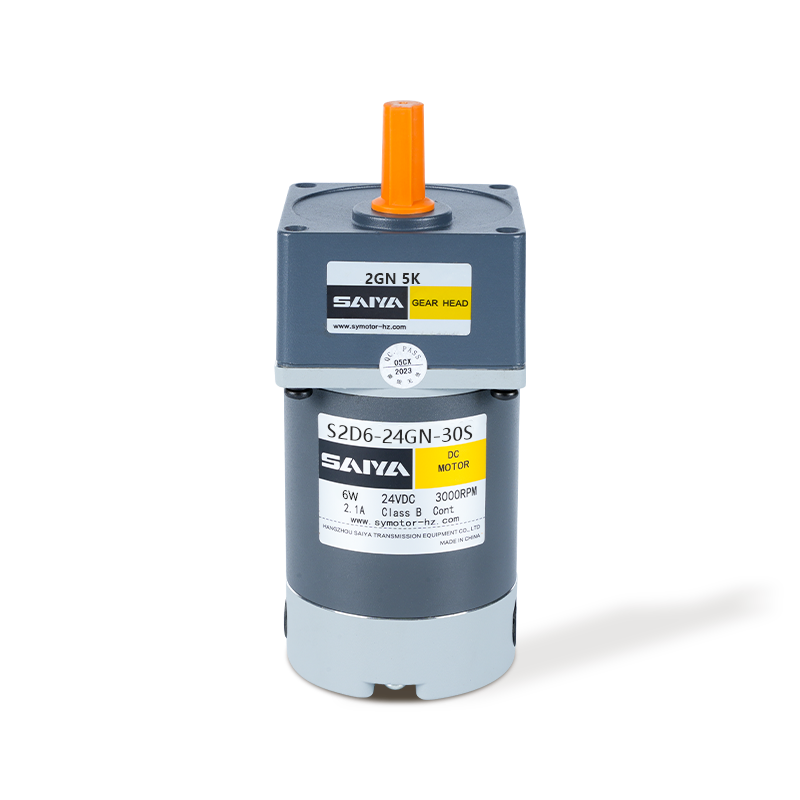
The 6W brush DC gbear motor is designed for efficiency and versatility, suitable for various applications. With a compact frame size of 60mm x 60mm, it fits seamlessly into tight spaces. The motor ope...
See Details -
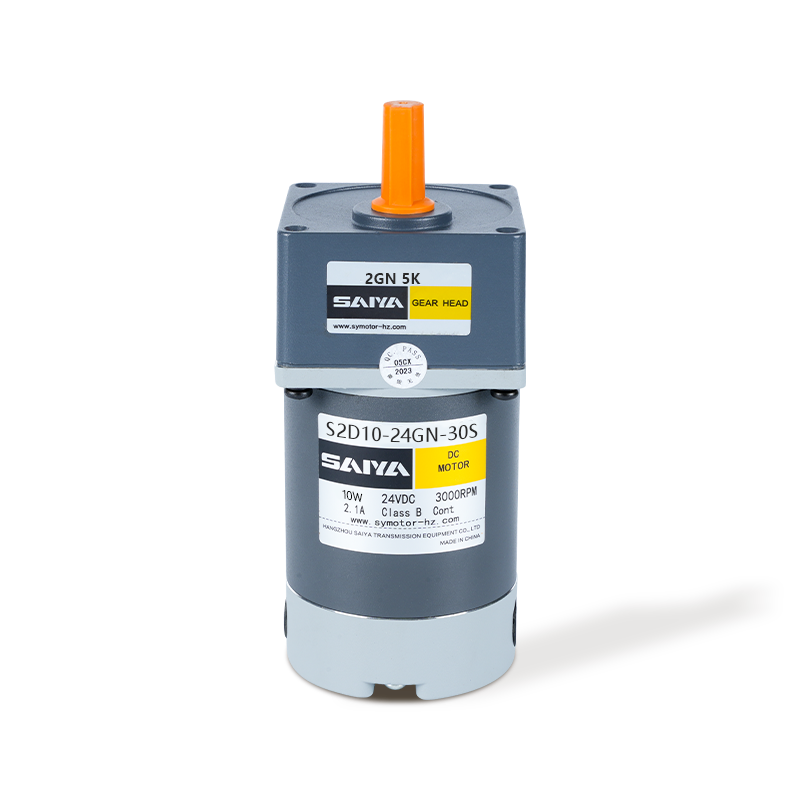
The 10W brush DC gear motor offers high performance and adaptability, for a range of industrial and hobbyist applications. With a frame size of 60mm x 60mm, this motor is designed to fit into confined...
See Details -
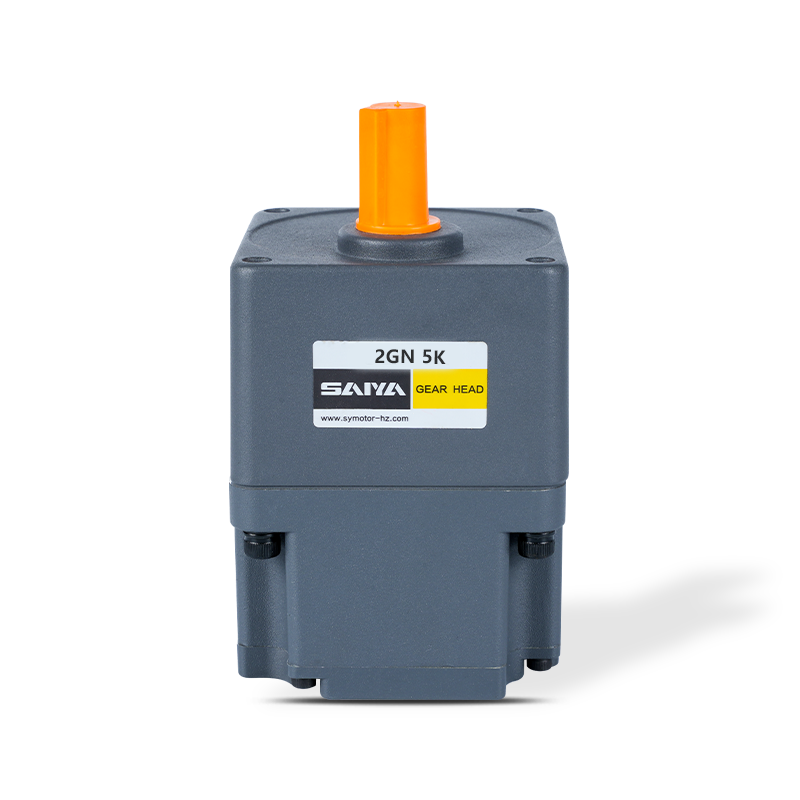
The 24V Brushless Gear Motor is a versatile and efficient motor designed for a range of applications. With dimensions ranging from 60mm x 60mm to 104mm x 104mm, this motor can fit into various equipme...
See Details -
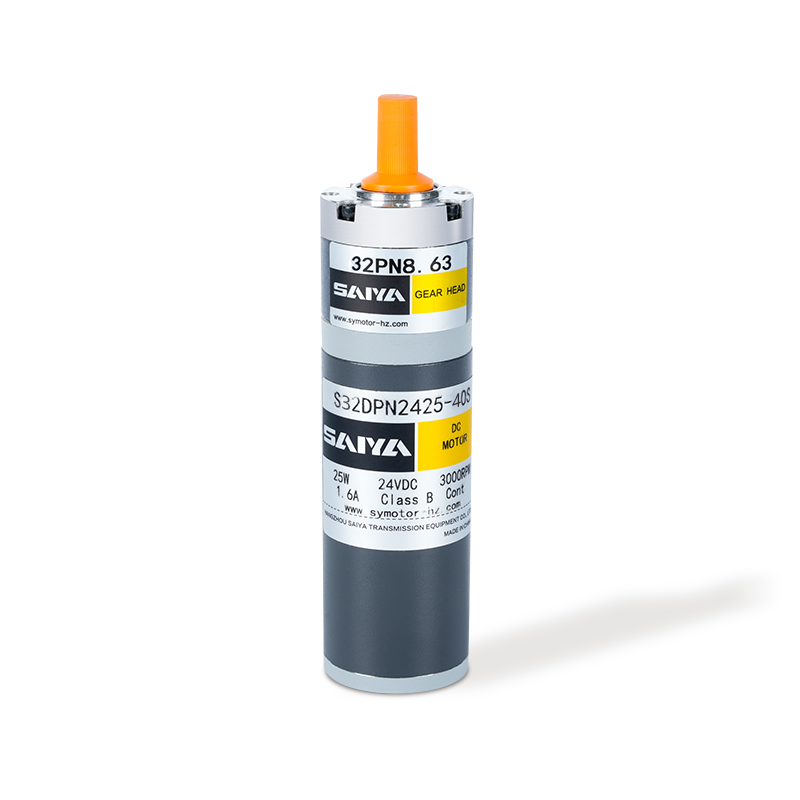
The 32mm brushed planetary gear motor is a compact and efficient solution designed for various applications requiring high torque and precise control. With a diameter of 32mm, this motor is ideally su...
See Details -
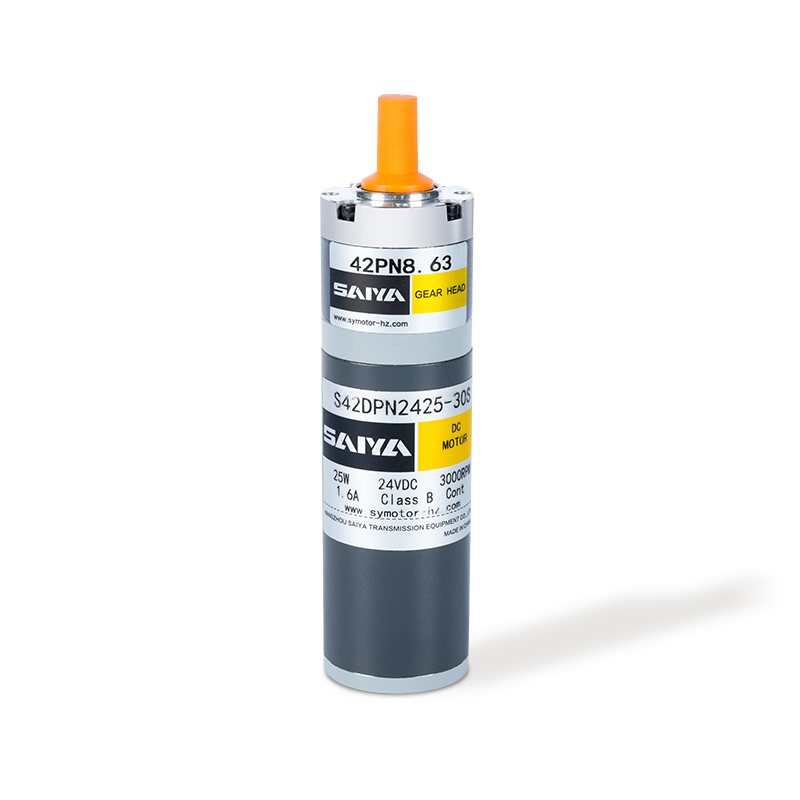
The 42mm brush planetary gear motor is a versatile and efficient component widely used in various applications requiring precise torque and speed control. With a rated current ranging from 0.7 to 1.1A...
See Details -
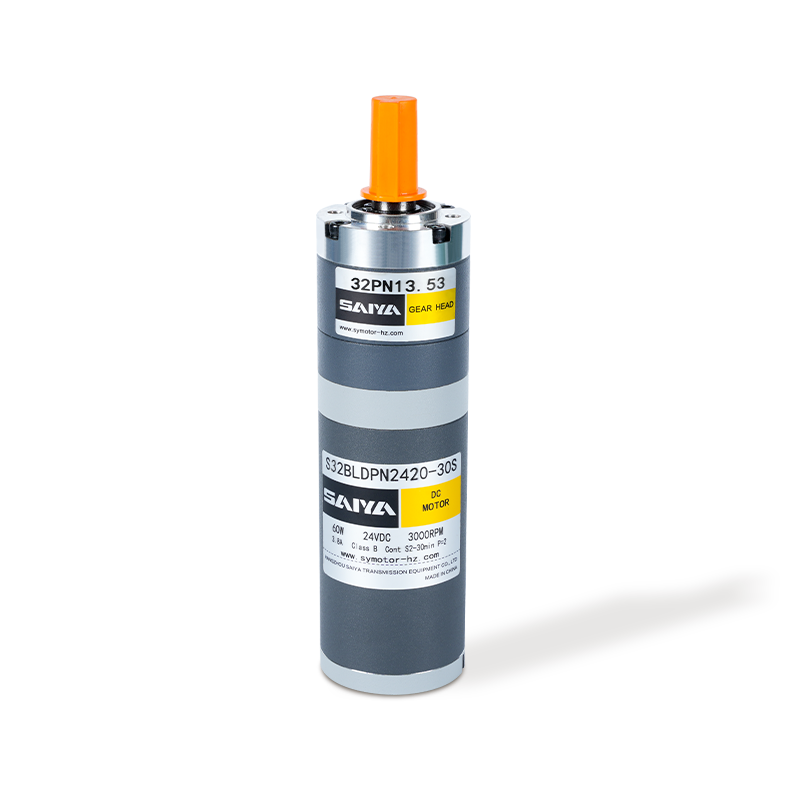
The 32mm Brushless Planetary Gear Motor is a high-performance, compact solution ideal for applications requiring efficiency and reliability. Operating at a rated voltage of 24V and consuming 20W of po...
See Details -
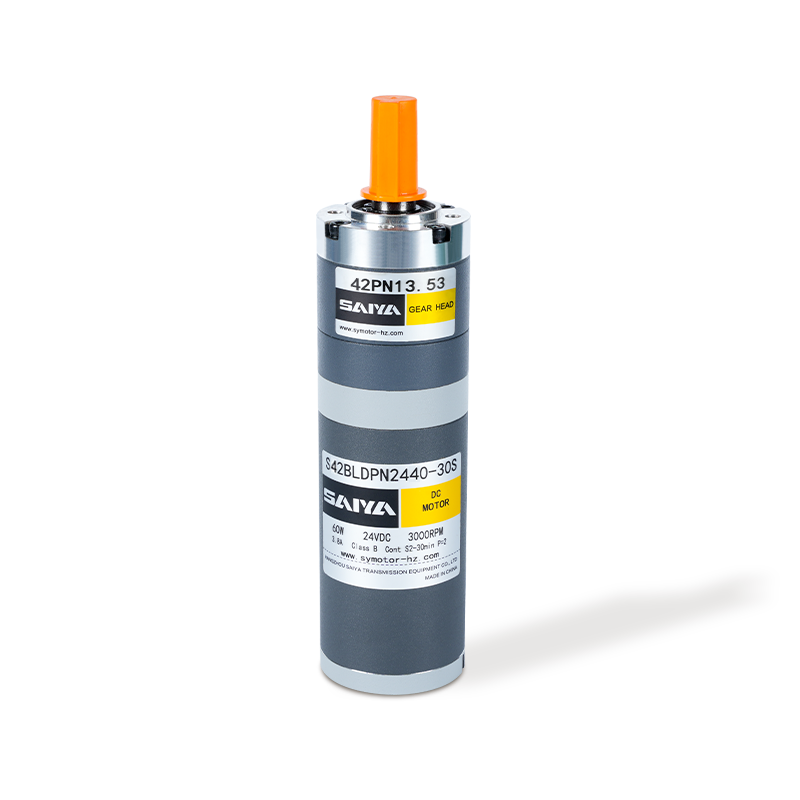
The 42mm brushless planetary motor is a high-efficiency motor product that is widely used in various scenarios requiring precision transmission. The rated current of this motor is 1.3A and the rated t...
See Details -
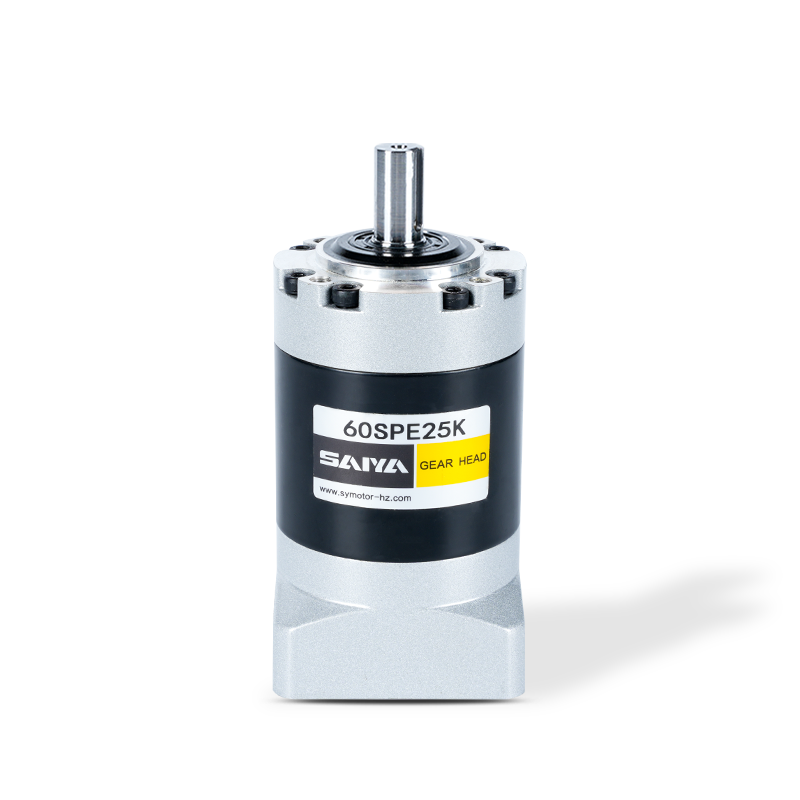
The SPE series gearboxes, flange size range with 40, 60, 80, 120, and 160 models, are designed to provide efficient and robust power transmission solutions. These gearboxes feature a round output flan...
See Details -
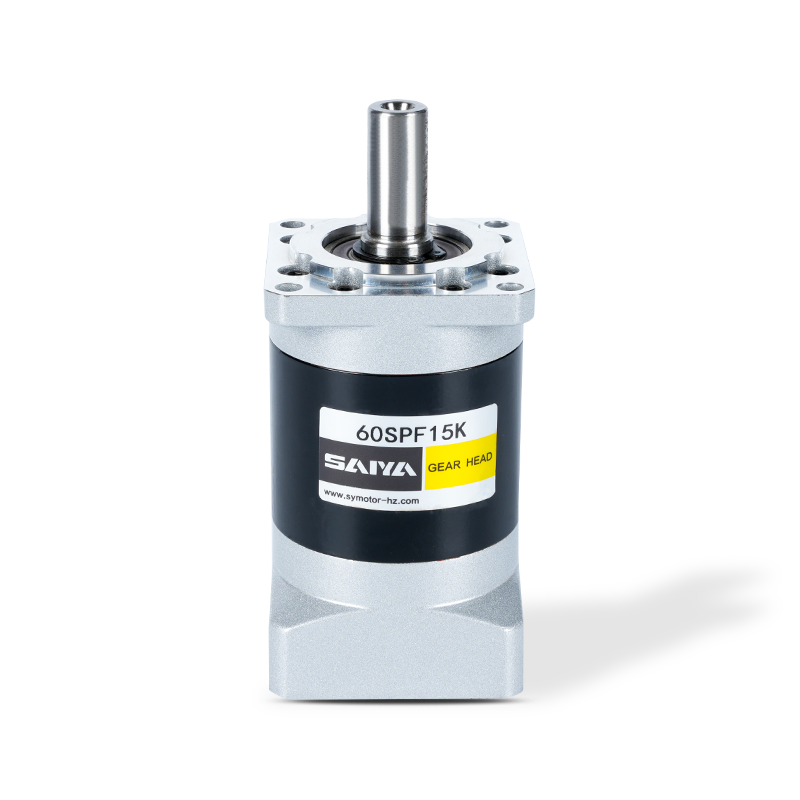
The SPF series are with square output flanges, accommodating dimensions from 40mm to 160mm. These flanges are engineered to excel in various industrial applications, offering reliable performance acro...
See Details -
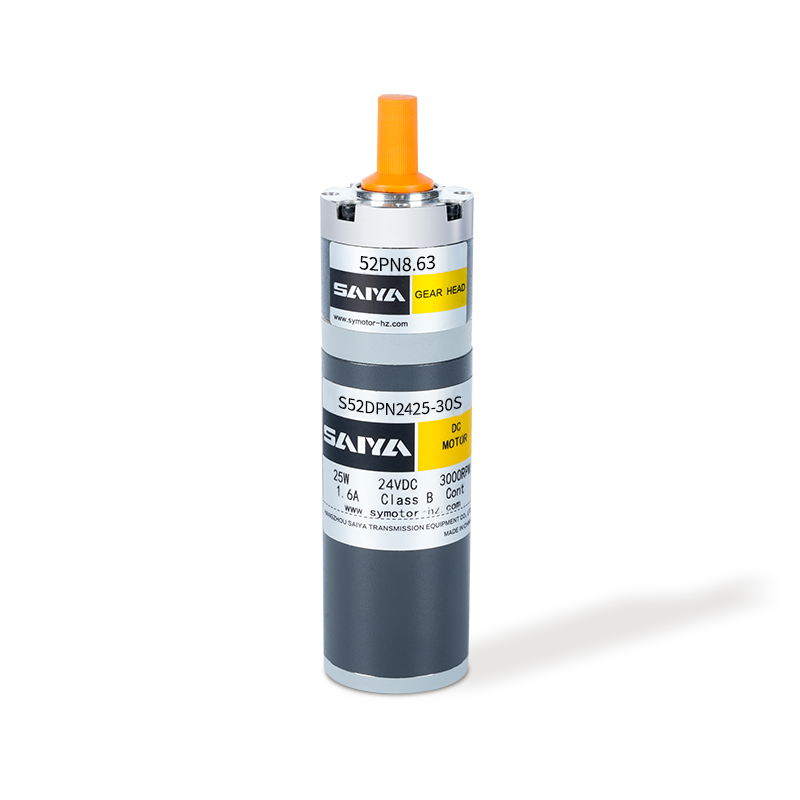
The 52mm brushed planetary gear motor is a compact and efficient solution designed for various applications requiring high torque and precise control. With a diameter of 52mm, this motor is ideally su...
See Details -
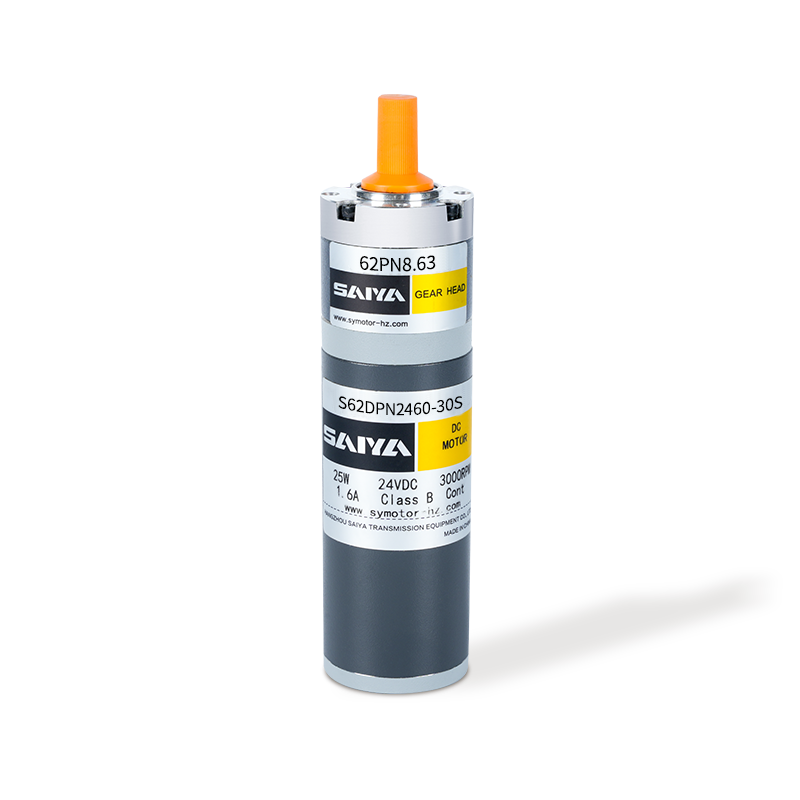
The 62mm brush planetary gear motor is a versatile and efficient component widely used in various applications requiring precise torque and speed control. With a rated current ranging from 2.5 to 5.5A...
See Details
CONTACT DETAILS
- TEL: 0086-0571-86951513/86951543
- Fax: 0086-571-86040769
- E-mail: [email protected] / [email protected] / [email protected]
- Office: Hangzhou Saiya Transmisson Equipment Co.,Ltd
- Office Address: Room 2201, Wanyin building, Hangzhou City, Zhejiang Province
- Factory: Zhejiang Saiya Intelligent Manufacturing Co., Ltd.
- Factory Address: No.35 Building , Zhongnan High-tech Yunhe Zhigu Industrial Park, Xinan town, Deqing county, Huzhou city, Zhejiang, China
QUICK LINK
PRODUCT
If You Are Intrested
In Our Products,
Please Consult Us
Copyright © Zhejiang Saiya Intelligent Manufacturing Co., Ltd. All Rights Reserved.
Custom Gear Reduction Motors Suppliers
