

 EN
EN  English
 中文简体
中文简体 русский
 Español
Application Industry
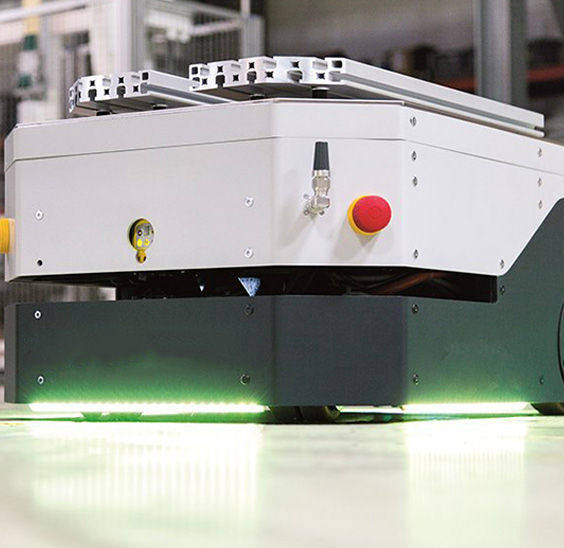
AGV

Automated robots
laser cutting

Logistics sorting

Photovoltaic power-station
Medical devices
Planetary gear motor vs. spur gear motor – which is better?
Planetary gear motors represent one of the most power-dense and efficient solutions for modern industrial motion control. Their core value lies in achieving high reduction ratios, exceptional torque output, and perfect coaxiality within a remarkably compact envelope, while outperforming standard spur or helical gearboxes in load capacity. For automation, robotics, and precision conveying systems that demand accurate control, high dynamic response, and long service life, planetary gearing is the engineering default.
This article avoids brand names or commercial channels. Instead, it offers a practical engineering deep-dive into operating principles, critical performance metrics, selection pitfalls, and maintenance strategies — written for designers, maintenance engineers, and technical buyers.
Operating Principle & Structural Superiority: Why Planetary Gearing Stands Apart
The planetary gear train consists of a central sun gear, multiple planet gears (typically 3 to 5), an internal ring gear, and a planet carrier. Power enters through the sun gear, which drives the planet gears to both rotate on their own axes and revolve around the sun. The output is taken from the planet carrier (or, in some configurations, the ring gear). This power-split architecture distributes the load evenly across multiple meshing points, dramatically reducing stress on individual teeth.
Key structural benefits:
- Load sharing: With 3–5 planet gears, the transmitted torque is divided, allowing higher torque capacity per unit volume.
- Coaxial input/output: The input shaft and output shaft lie on the same axis, simplifying system integration.
- Reaction torque cancellation: The symmetric arrangement neutralizes radial forces, reducing bearing loads and increasing overall rigidity.
Compared to a standard spur gearbox of the same reduction ratio, a planetary stage can be 30–50% smaller and up to 40% lighter while handling equivalent or higher torque. This makes it indispensable in applications where space and weight are at a premium, such as robotic arms, servo-driven axes, and mobile equipment.
Performance Metrics That Matter: Beyond Ratio and Efficiency
While reduction ratio and efficiency are the first specifications engineers check, several less-obvious parameters determine real-world success. The table below summarizes the most critical performance indicators and their practical implications.
| Metric | Typical Range | Why It Matters |
|---|---|---|
| Backlash (arcmin) | 1–15 arcmin (precision grades ≤3) | Directly affects positioning accuracy and repeatability; critical for CNC and robotics. |
| Torsional stiffness (Nm/arcmin) | 5–200+ Nm/arcmin | Determines system resonance and settling time under dynamic loads. |
| Service life (L10h) | 10,000–30,000 hours (at rated torque) | Bearing and gear fatigue life; depends on lubrication and operating conditions. |
| Noise & vibration (dB) | 55–75 dB (at 3000 rpm) | Indicates manufacturing quality and mesh precision; affects workplace comfort. |
Efficiency in planetary stages typically ranges from 94% to 98% per stage, with losses arising from gear meshing, bearing friction, and oil churning. Multi-stage units (compound planetary) can achieve reductions up to 1000:1, but each additional stage reduces overall efficiency by roughly 2–4%. For high-power applications, rated torque and maximum intermittent torque are more important than peak efficiency — oversizing by 20–30% on torque margin is a common engineering practice to avoid premature wear.
Selection Pitfalls: Common Mistakes and How to Avoid Them
Even experienced engineers can fall into traps when specifying planetary gear motors. The following checklist highlights the most frequent missteps and practical countermeasures.
1. Overlooking inertia mismatch
Matching the gearmotor's reflected inertia to the load inertia is essential for stability and response. A rule of thumb: the load-to-motor inertia ratio should be ≤ 5:1 for servo systems. Exceeding this ratio leads to sluggish response and hunting. Always calculate the reflected inertia at the motor shaft using the reduction ratio squared (J_load_reflected = J_load / i²).
2. Confusing static torque with dynamic torque
Datasheets often list rated torque, but starting, stopping, and reversing cycles impose peak dynamic loads that can be 2–3 times higher. Select a gearmotor with an emergency-stop torque rating at least 150% of your maximum dynamic torque to prevent tooth breakage or bearing damage.
3. Neglecting thermal limits
High ambient temperatures or inadequate heat dissipation can reduce grease life and increase gear wear. For continuous operation above 40°C, consider derating torque by 10–15% or opting for synthetic lubricants with higher viscosity index.
Quick selection framework:
- Define load torque (continuous & peak), speed, and duty cycle.
- Determine reduction ratio to match motor rated speed to load speed.
- Verify backlash and stiffness against application requirements (e.g., < 3 arcmin for precision positioning).
- Check thermal capacity using the motor's torque-speed curve and gearbox efficiency.
- Confirm mounting, shaft dimensions, and environmental protection (IP rating).
Following this sequence reduces the risk of field failure and costly redesigns.
Lubrication & Maintenance: Extending Service Life
Proper lubrication is the single most influential factor in planetary gearmotor longevity. Most modern units are grease-lubricated for life, but heavy-duty or high-speed applications may require oil splash or forced circulation.
Grease vs. Oil — a practical comparison
- Grease: Simpler sealing, maintenance-free for 10,000–20,000 hours, suitable for most industrial servo applications. However, grease has lower heat dissipation and may require relubrication in high-temperature environments.
- Oil: Better cooling, longer drain intervals (up to 30,000 hours with synthetic oil), but requires higher-quality seals and a sump. Preferred for continuous high-torque or high-speed operation.
Recommended maintenance practices:
- Inspect oil level/condition every 2,500 hours (or annually).
- Change oil after first 500 hours of operation (break-in period), then follow OEM interval (typically 5,000–10,000 hours).
- Monitor temperature rise; a sudden increase of 15°C over baseline suggests internal wear or lubricant degradation.
- For grease-packed units, plan for regreasing every 5–8 years under normal duty.
Using a synthetic PAO or ester-based lubricant can extend service life by 20–30% compared to mineral oils, especially under wide temperature ranges (-30°C to +100°C).
Application-Specific Considerations: Robotics, AGV, and Conveyors
Different industries impose unique demands on planetary gear motors. Below are three common use cases and tailored selection strategies.
Robotic joints & actuator arms
Here, low backlash (≤3 arcmin) and high torsional stiffness are non-negotiable to ensure path accuracy and repeatability. Hollow-shaft planetary reducers are often preferred to allow cables and hoses to pass through. Consider using a strain-wave gear (harmonic drive) for ultra-precision, but for most industrial robots, planetary offers the best cost-to-performance balance.
Automated guided vehicles (AGVs)
AGV drive wheels demand high starting torque and robust shock resistance to handle uneven floors and occasional bumps. A planetary gearmotor with an integrated wheel hub and IP65+ sealing reduces contamination risk. Typical reduction ratios for AGVs range from 15:1 to 40:1, with rated torque capacities between 50–200 Nm.
Conveyor & material handling
These applications prioritize reliability and thermal stability over precision. A planetary gearmotor with a slightly larger oil capacity and a cooling fan can run continuously at full load for years. Efficiency becomes critical here — a 1% efficiency loss in a 10 kW system translates to 100 W of additional heat, which accelerates aging of seals and lubricants.
Future Trends: Smart Monitoring and Compact Integration
The next generation of planetary gear motors is moving toward integrated condition monitoring and materials optimization. Miniature accelerometers and temperature sensors embedded in the housing enable real-time health diagnostics, allowing predictive maintenance rather than reactive repairs.
Advances in powder metallurgy and surface coating (e.g., DLC — diamond-like carbon) are reducing friction losses by 5–8%, while new steel alloys extend fatigue life beyond 30,000 hours. Additionally, modular planetary designs allow quick ratio changes by swapping sun gears, reducing inventory and lead times.
For engineers, staying current with these developments means not only choosing the right gearmotor today but also planning for upgrade paths that improve efficiency and reduce total cost of ownership over a decade-long lifecycle.
"
Related products
-
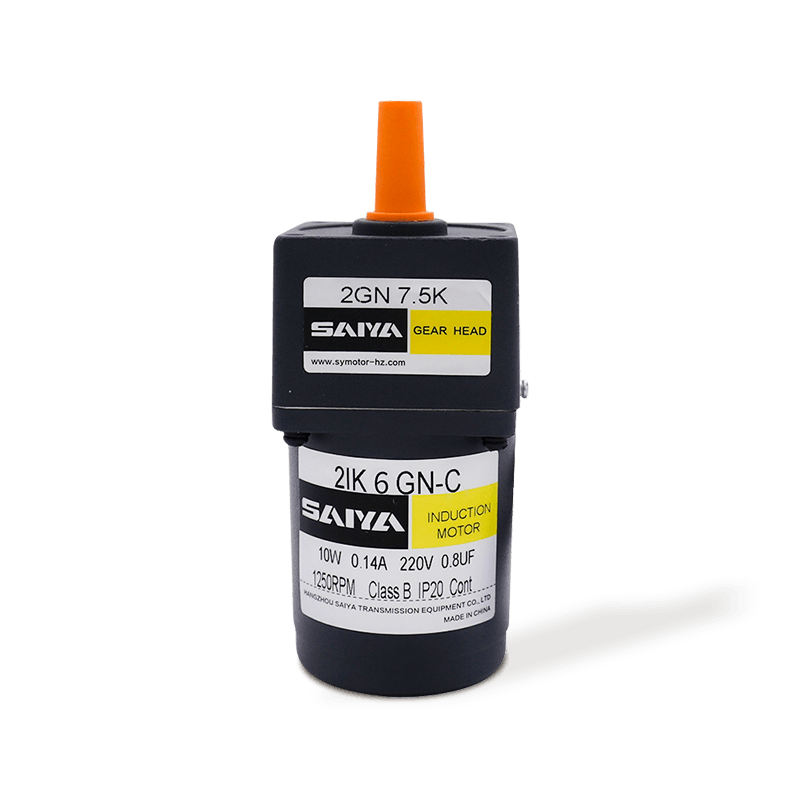
This 6W Induction AC Gear Motor is an efficient, compact and reliable small motor suitable for a wide range of industrial and household applications.Motor frame 60mm x 60mm making it easy to install ...
See Details -
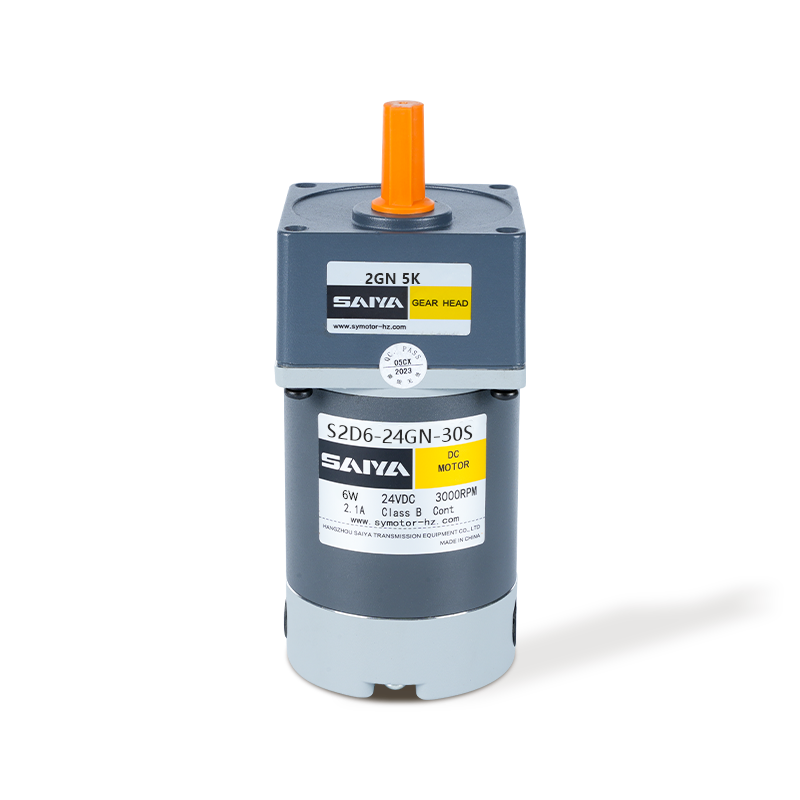
The 6W brush DC gbear motor is designed for efficiency and versatility, suitable for various applications. With a compact frame size of 60mm x 60mm, it fits seamlessly into tight spaces. The motor ope...
See Details -
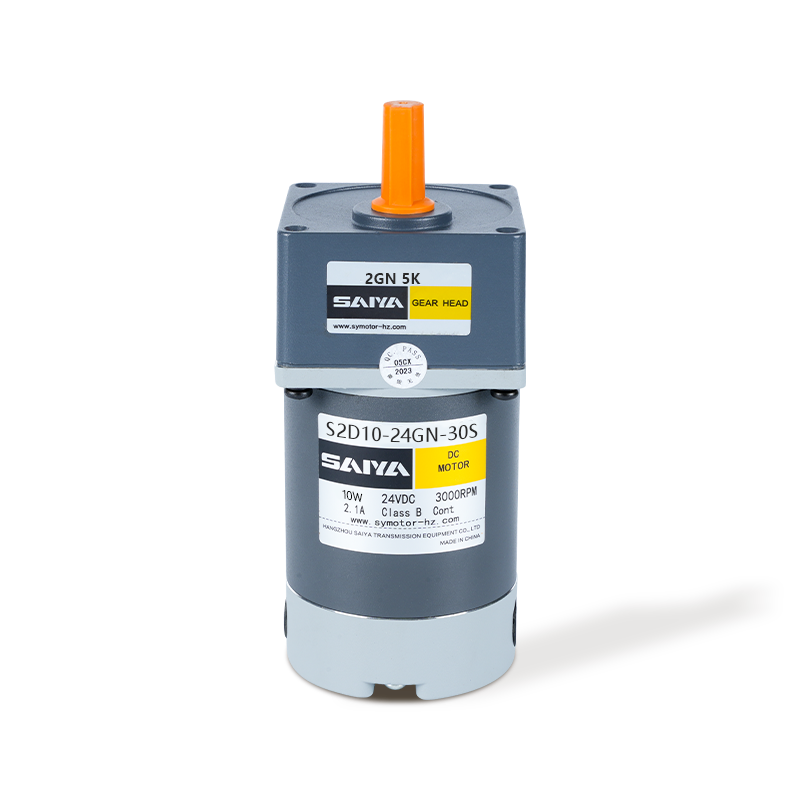
The 10W brush DC gear motor offers high performance and adaptability, for a range of industrial and hobbyist applications. With a frame size of 60mm x 60mm, this motor is designed to fit into confined...
See Details -
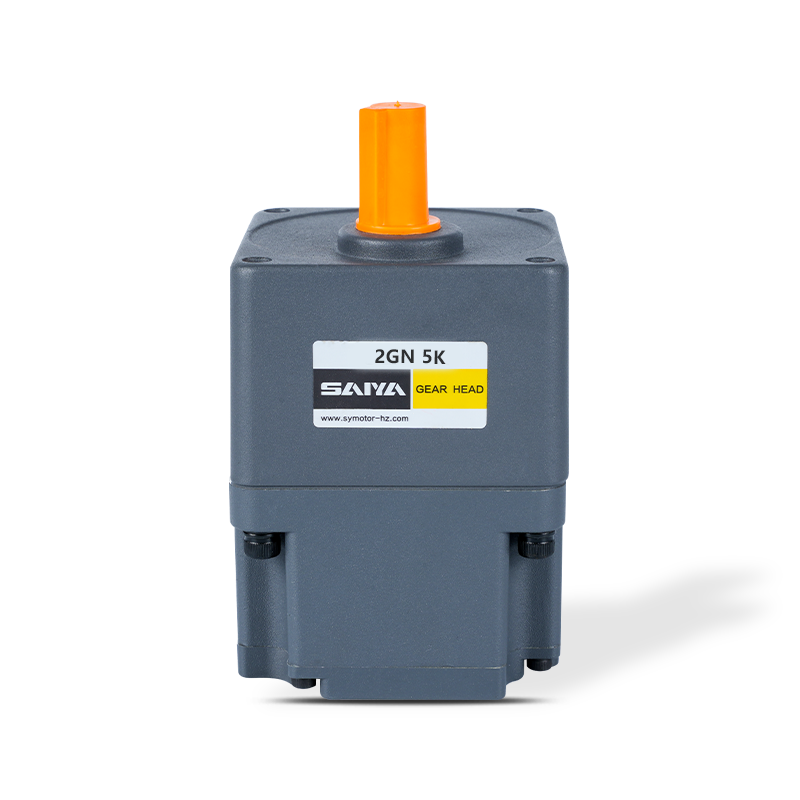
The 24V Brushless Gear Motor is a versatile and efficient motor designed for a range of applications. With dimensions ranging from 60mm x 60mm to 104mm x 104mm, this motor can fit into various equipme...
See Details -
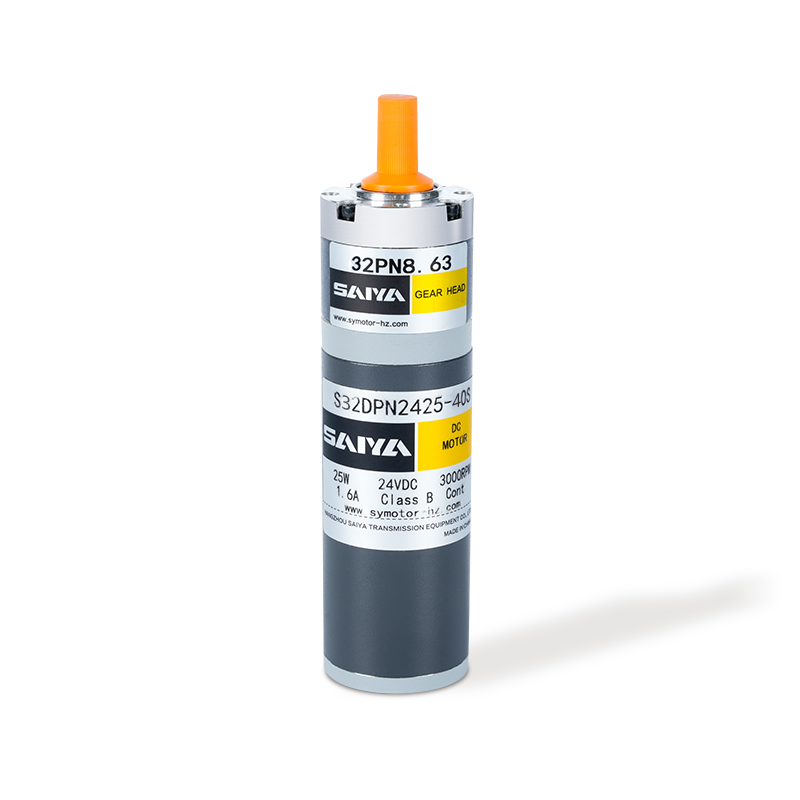
The 32mm brushed planetary gear motor is a compact and efficient solution designed for various applications requiring high torque and precise control. With a diameter of 32mm, this motor is ideally su...
See Details -
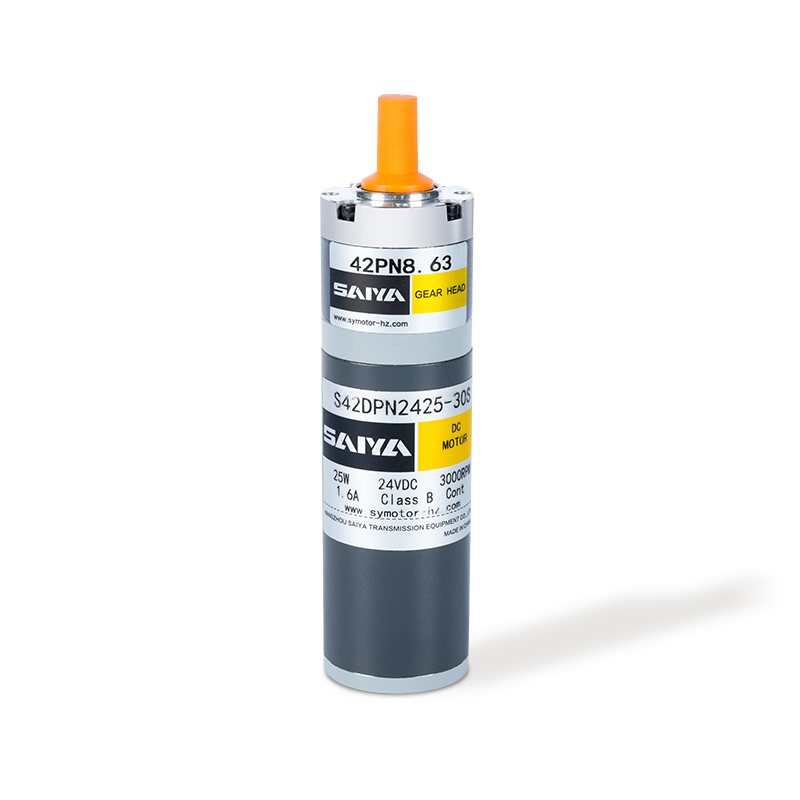
The 42mm brush planetary gear motor is a versatile and efficient component widely used in various applications requiring precise torque and speed control. With a rated current ranging from 0.7 to 1.1A...
See Details -
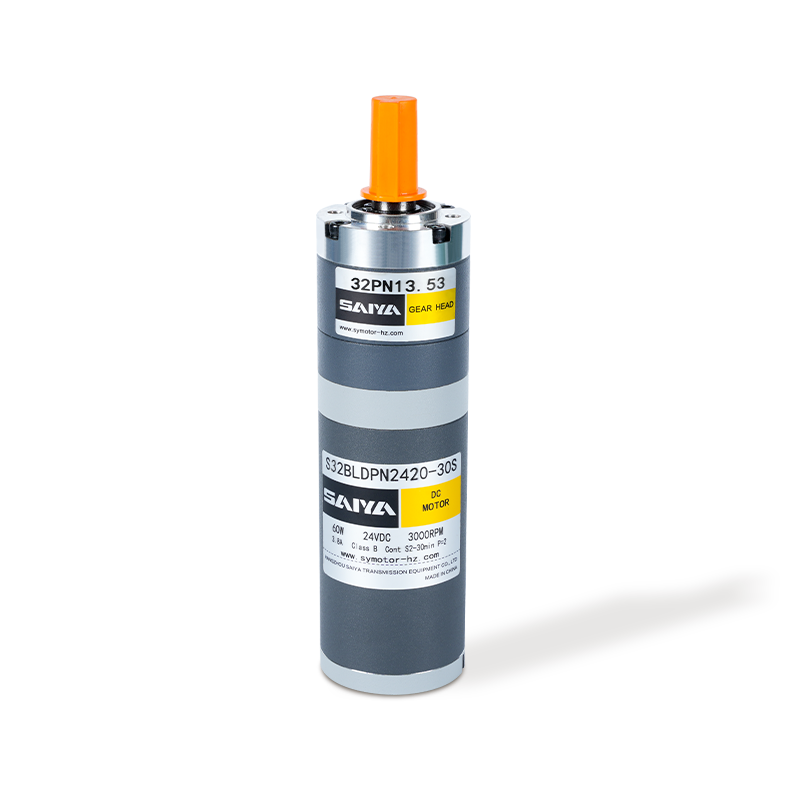
The 32mm Brushless Planetary Gear Motor is a high-performance, compact solution ideal for applications requiring efficiency and reliability. Operating at a rated voltage of 24V and consuming 20W of po...
See Details -
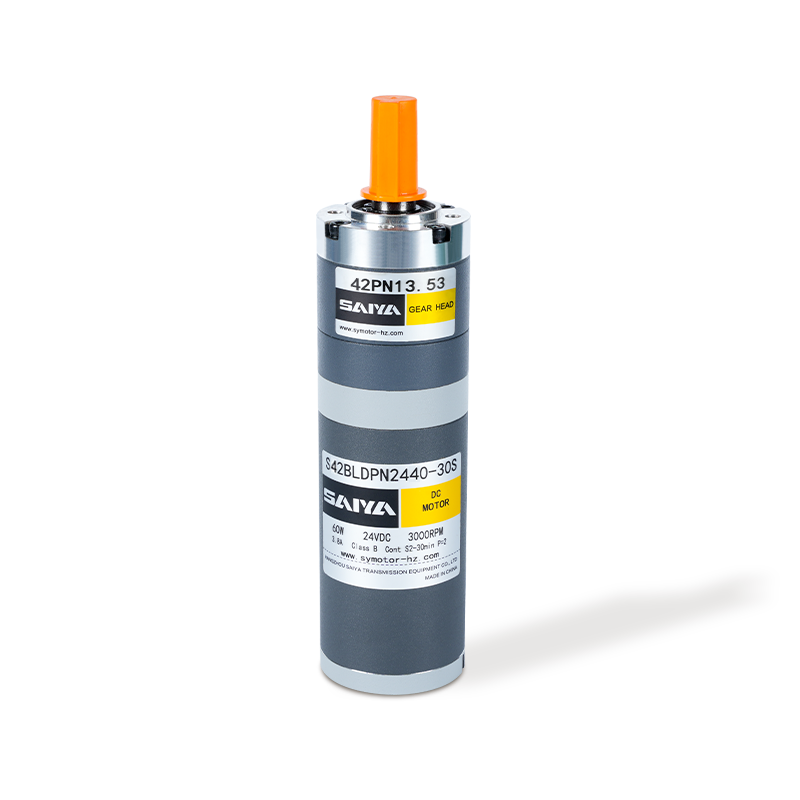
The 42mm brushless planetary motor is a high-efficiency motor product that is widely used in various scenarios requiring precision transmission. The rated current of this motor is 1.3A and the rated t...
See Details -
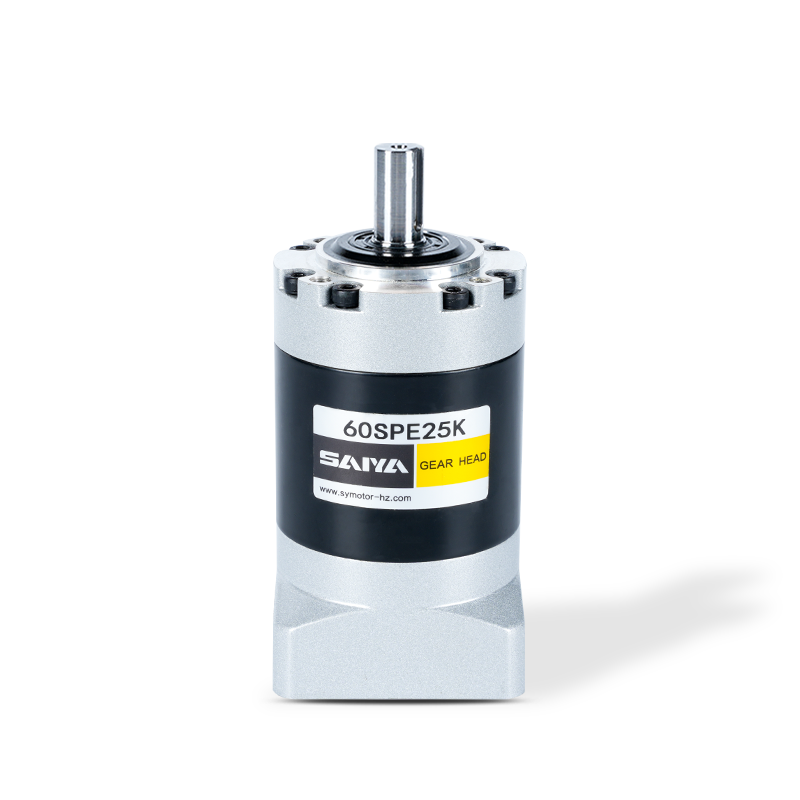
The SPE series gearboxes, flange size range with 40, 60, 80, 120, and 160 models, are designed to provide efficient and robust power transmission solutions. These gearboxes feature a round output flan...
See Details -
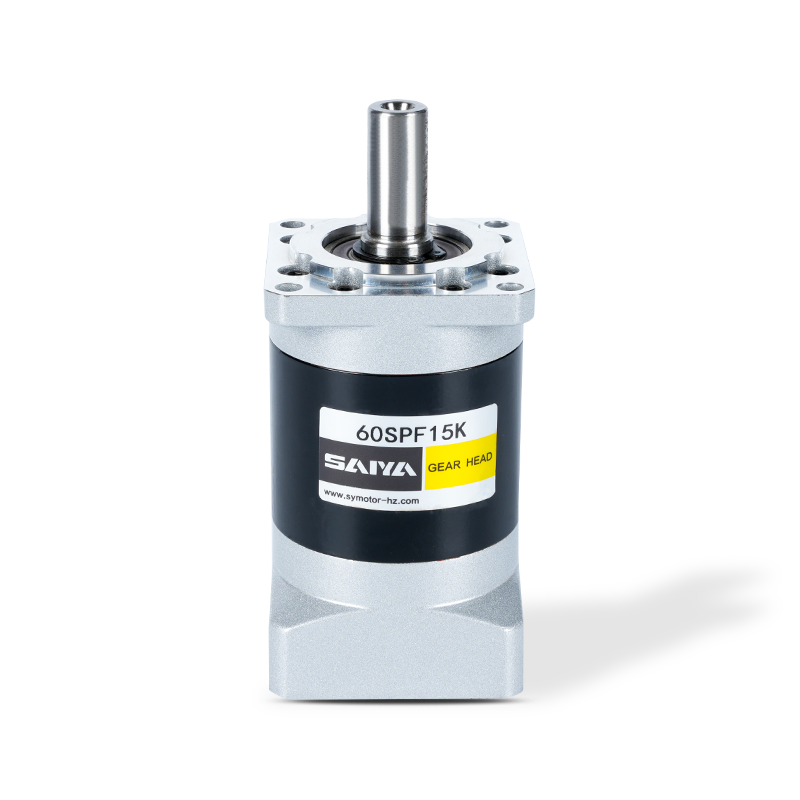
The SPF series are with square output flanges, accommodating dimensions from 40mm to 160mm. These flanges are engineered to excel in various industrial applications, offering reliable performance acro...
See Details -
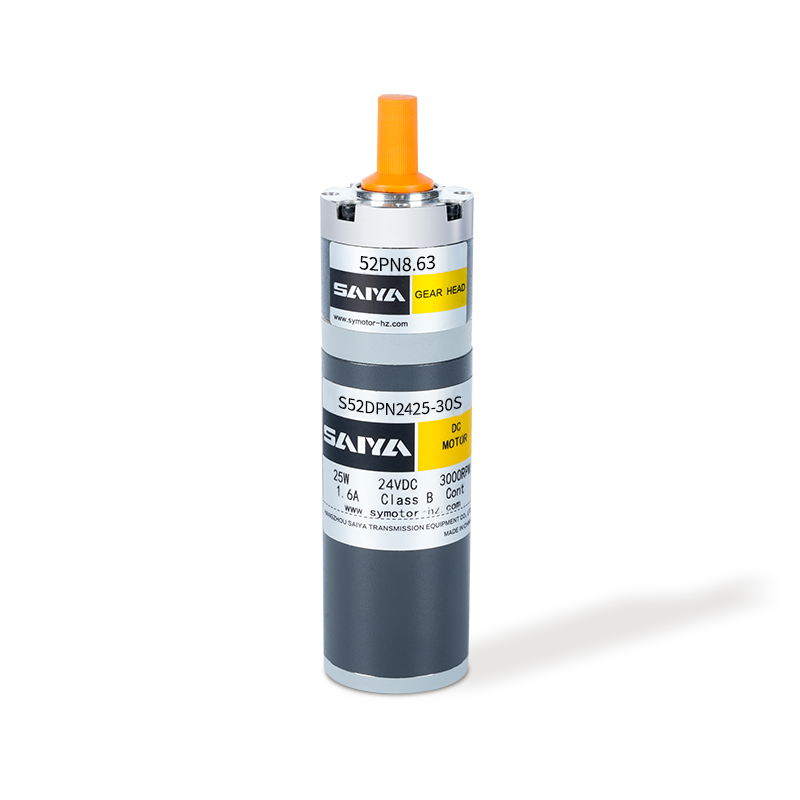
The 52mm brushed planetary gear motor is a compact and efficient solution designed for various applications requiring high torque and precise control. With a diameter of 52mm, this motor is ideally su...
See Details -
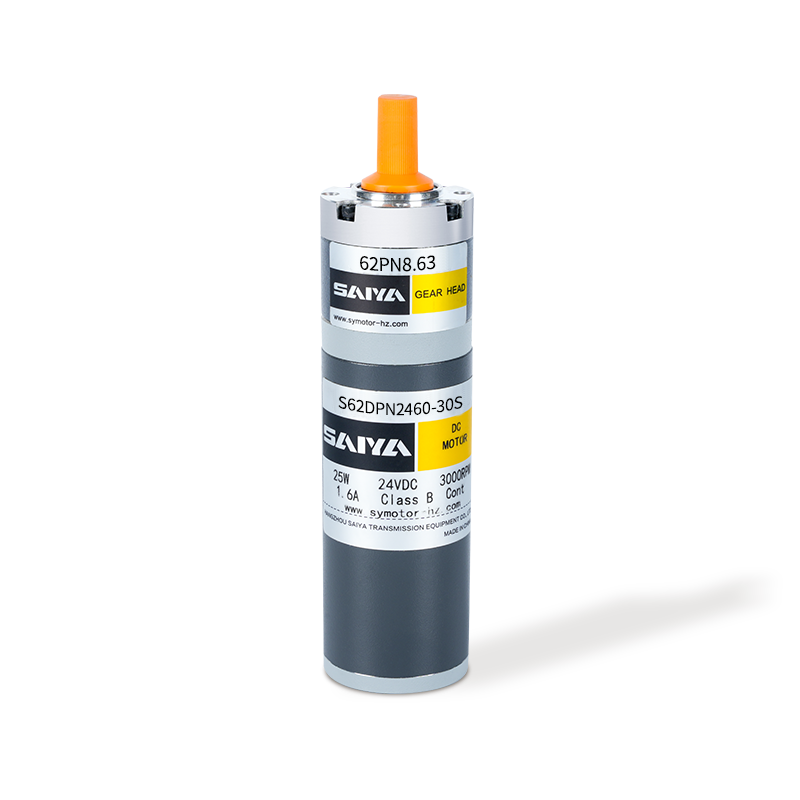
The 62mm brush planetary gear motor is a versatile and efficient component widely used in various applications requiring precise torque and speed control. With a rated current ranging from 2.5 to 5.5A...
See Details
CONTACT DETAILS
- TEL: 0086-0571-86951513/86951543
- Fax: 0086-571-86040769
- E-mail: [email protected] / [email protected] / [email protected]
- Office: Hangzhou Saiya Transmisson Equipment Co.,Ltd
- Office Address: Room 2201, Wanyin building, Hangzhou City, Zhejiang Province
- Factory: Zhejiang Saiya Intelligent Manufacturing Co., Ltd.
- Factory Address: No.35 Building , Zhongnan High-tech Yunhe Zhigu Industrial Park, Xinan town, Deqing county, Huzhou city, Zhejiang, China
QUICK LINK
PRODUCT
If You Are Intrested
In Our Products,
Please Consult Us
Copyright © Zhejiang Saiya Intelligent Manufacturing Co., Ltd. All Rights Reserved.
Custom Gear Reduction Motors Suppliers
