EN
EN  English
 中文简体
中文简体 русский
 Español



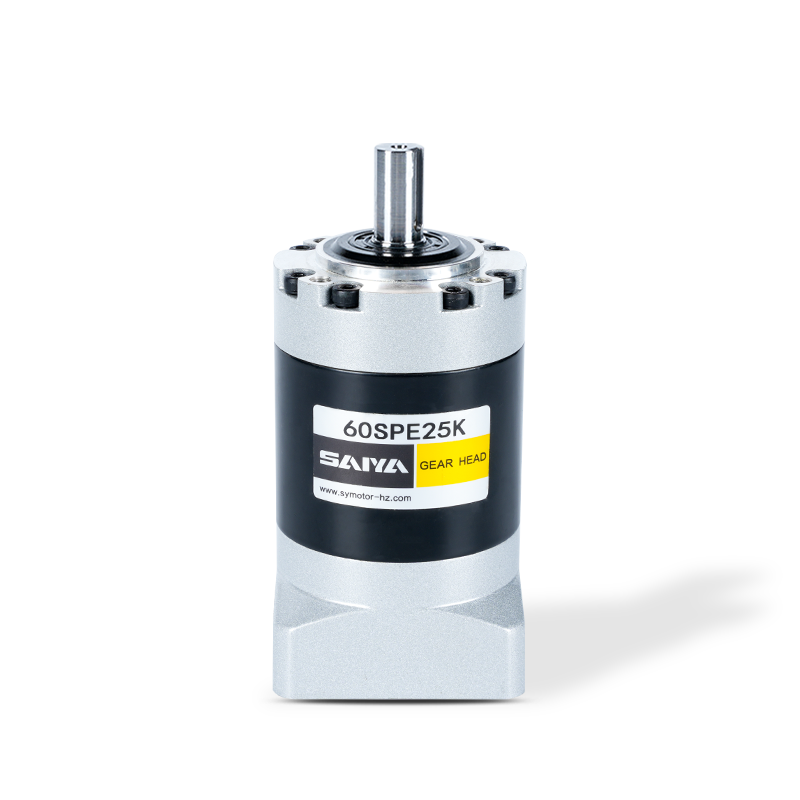
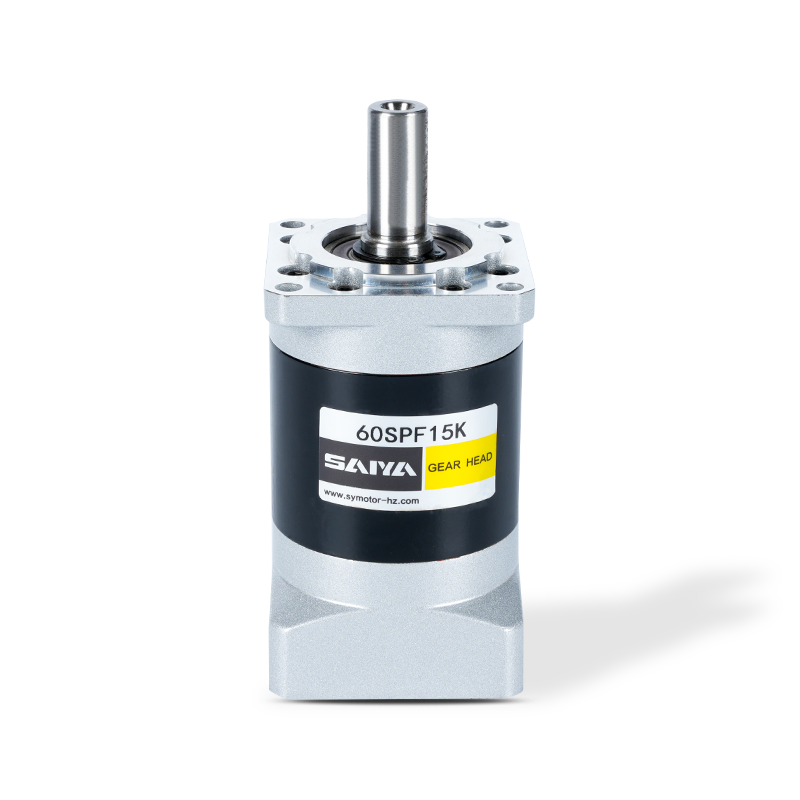
Planetary gearboxes represent the pinnacle of power transmission technology, delivering the highest torque density and efficiency available in modern mechanical engineering. By utilizing a shared load distribution among multiple planet gears, these systems achieve exceptional power capacity within a remarkably compact footprint, making them the definitive choice for high-torque, space-constrained applications across robotics, aerospace, and industrial automation.
Core Operating Principles
The fundamental mechanism of a planetary gearbox revolves around a unique epicyclic design. Unlike traditional parallel-axis systems where power is transmitted through a single point of contact, the planetary system distributes the load across multiple gear meshes simultaneously. This results in a highly efficient transfer of kinetic energy with minimal vibration and noise.
The Central Sun Gear
The sun gear acts as the primary input component. Positioned precisely at the center of the assembly, it receives the driving rotational force. Because it meshes directly with the surrounding planet gears, the torque is immediately divided and distributed outward, ensuring that no single gear bears the full brunt of the input load.
Orbiting Planet Gears
These gears revolve around the sun gear while simultaneously rotating on their own axes. They are typically mounted on a movable carrier. The use of multiple planet gears—often three or more—allows the input torque to be split equally among them. This load-sharing capability is the primary reason for the system's high torque density, as it multiplies the contact surface area without increasing the overall diameter of the gearbox.
The Outer Ring Gear
The ring gear, or annulus, is the internal gear with teeth cut into its inner circumference. It remains stationary in most standard configurations, serving as the anchor for the system. The planet gears run along the inside of this ring, and its fixed state forces the planet carrier to rotate, thereby outputting the reduced speed and multiplied torque.
Structural Advantages Over Conventional Designs
When compared to standard spur or helical gear arrangements, planetary systems offer several distinct benefits that make them indispensable in demanding engineering scenarios.
- Unmatched Compactness: Because the load is shared by multiple planets, the gears can be made smaller without sacrificing power capacity. A planetary gearbox typically occupies a fraction of the space required by a conventional gearbox with the same torque rating.
- Superior Power Density: The coaxial arrangement of the input and output shafts allows for a direct transfer of force, yielding a power density that can exceed traditional designs by a significant margin.
- Enhanced Efficiency: With multiple gear meshes sharing the load, friction per mesh point is reduced. High-quality single-stage planetary gearboxes can achieve efficiency ratings above percent, minimizing energy loss during power transmission.
- Inherent Balance: The symmetric arrangement of the planet gears around the sun gear naturally cancels out radial forces. This means the gearbox housing and bearings experience far less stress, leading to a longer operational lifespan.
Key Industrial Applications
The unique characteristics of planetary gearboxes make them highly sought after in fields where precision, weight, and space are critical factors. Their ability to deliver massive torque from a small form factor has revolutionized several industries.
Robotics and Automation
In robotic joints, actuators must fit within tight spaces while providing precise, jitter-free motion. Planetary gearheads, particularly those with precision-machined components, offer the necessary zero-backlash characteristics and torsional stiffness required for accurate robotic arm articulation. The coaxial output allows for seamless integration into the joint housing, ensuring a streamlined robotic silhouette.
Aerospace and Aviation
Weight is the ultimate enemy in aerospace engineering. Planetary gear systems are extensively used in helicopter rotor drives, satellite deployment mechanisms, and actuation systems. Their lightweight construction directly contributes to fuel savings and increased payload capacity, without compromising the structural integrity needed to withstand extreme operational stresses.
Heavy Industrial Machinery
Large-scale mixing equipment, mining conveyors, and heavy-duty lifts rely on planetary reduction drives to convert the high-speed, low-torque output of electric motors into the low-speed, high-torque force needed to move massive loads. The durability of the planetary design ensures continuous operation under severe shock loads.
Essential Engineering Considerations
Implementing a planetary gearbox requires a thorough understanding of the mechanical constraints and operational environment. Engineers must evaluate several variables to ensure optimal performance and longevity.
Gear Ratio and Stages
The gear ratio is determined by the relative sizes and number of teeth on the sun and ring gears. While a single-stage system typically offers ratios within a standard range, higher ratios require multi-stage configurations. In a multi-stage planetary gearbox, the carrier of the first stage connects to the sun gear of the next, compounding the reduction but adding to the overall length and complexity of the unit.
Lubrication and Thermal Management
Due to the high power density, a significant amount of heat can be generated within the compact housing. Proper lubrication is critical—not only for reducing wear but also for dissipating thermal energy. Grease lubrication is common for low-speed or sealed applications, whereas oil bath or forced-oil circulation is necessary for high-speed, continuous-duty operations. Inadequate lubrication will rapidly degrade the internal components and void the mechanical advantage of the system.
Backlash and Precision
Backlash refers to the lost motion between mating gear teeth. In industrial robotics and CNC machinery, excess backlash leads to positioning errors. Manufacturers employ specialized techniques such as pre-loading the gears or using flexible components to minimize this clearance. For precision applications, specifying a gearbox with minimal backlash is just as important as selecting the correct gear ratio.
Common Failure Modes and Mitigation Strategies
Despite their robust design, planetary gearboxes can fail prematurely if not properly maintained or correctly specified for the application. Understanding these failure modes is crucial for prevention.
- Tooth Pitting and Wear: This is often caused by insufficient lubrication or contamination within the housing. Over time, the repeated stress cycles cause small cracks on the gear surface, leading to metal flaking. Using the correct viscosity lubricant and implementing regular maintenance schedules can prevent this.
- Bearing Failure: The planet bearings carry substantial loads, especially during shock or high-torque events. If the bearing specification does not match the application's dynamic load requirements, premature fatigue will occur. Upgrading to high-capacity bearings often resolves this issue.
- Overheating: When the input speed or continuous torque exceeds the gearbox's thermal rating, the lubricant breaks down, leading to catastrophic wear. Thermal sensors and auxiliary cooling systems should be integrated into high-demand setups.
Comparison of Planetary Gearbox Configurations
Different configurations offer varying mechanical advantages depending on which component is held stationary, which acts as the input, and which serves as the output. The table below illustrates the three fundamental configurations.
| Configuration | Fixed Component | Input / Output | Resulting Motion |
|---|---|---|---|
| Planetary | Ring Gear | Sun / Carrier | High reduction, same direction |
| Solar | Carrier | Sun / Ring Gear | Moderate reduction, opposite direction |
| Star | Sun Gear | Ring Gear / Carrier | Moderate reduction, same direction |
Maintenance and Lifecycle Optimization
To extract the maximum service life from a planetary gearbox, a proactive approach to maintenance is essential. Because these units often operate in harsh environments, neglecting routine checks will inevitably lead to unplanned downtime and costly repairs.
Vibration Analysis
Regular vibration monitoring is one of the most effective predictive maintenance tools. A healthy planetary gearbox produces a specific vibration signature. When internal components begin to wear or break, this signature changes. Detecting these anomalies early allows engineers to replace worn parts before a total failure occurs.
Oil Analysis and Replacement
For lubrication-filled systems, analyzing the oil for metal particulates can reveal the internal health of the gears and bearings. An increasing concentration of metallic particles indicates abnormal wear. Adhering to a strict oil change interval, based on operating hours and temperature conditions, preserves the viscosity and protective qualities of the lubricant.
Seal Integrity
Seals prevent internal lubricant from escaping and external contaminants from entering. Over time, thermal cycling and mechanical stress degrade these seals. Routine visual inspections for oil weeping or leaks around the input and output shafts are necessary. Replacing seals at the first sign of degradation prevents the far more expensive damage caused by running the gearbox dry.