 EN
EN  English
 中文简体
中文简体 русский
 Español
Home / News / Industry News / How Does Harmonic Reducer Realize Zero Backlash Precision Transmission?


Application Industry
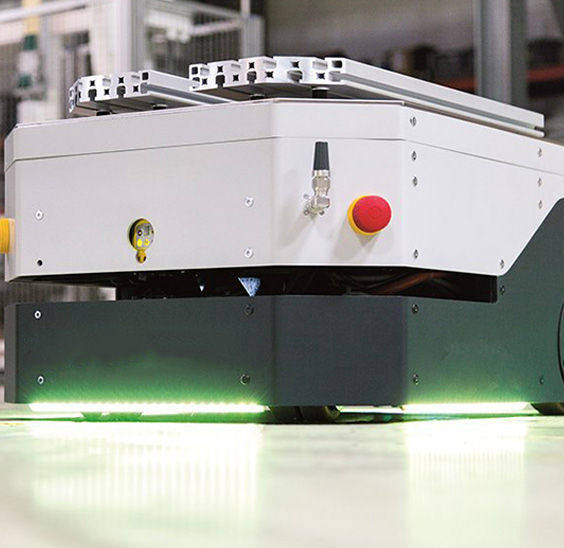
AGV

Automated robots
laser cutting

Logistics sorting

Photovoltaic power-station
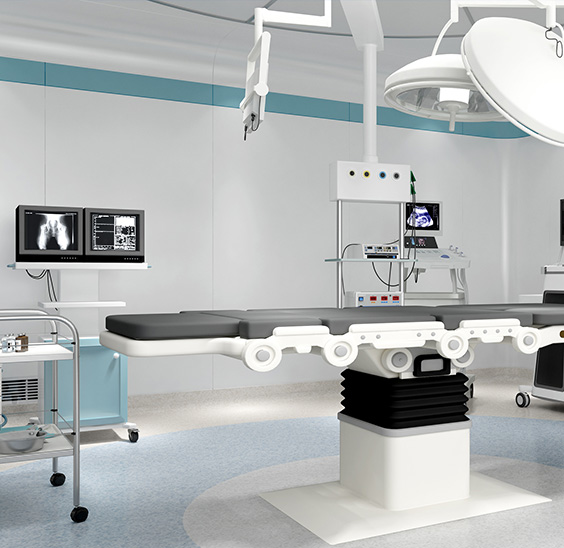
Medical devices
How Does Harmonic Reducer Realize Zero Backlash Precision Transmission?
The core conclusion drawn from comprehensive industry research is that the harmonic reducer remains the irreplaceable core transmission component for ultra-precision low-speed high-torque mechanical equipment, relying on unique elastic deformation transmission principle to fill the performance gap left by traditional gear reducers in miniature, high-precision working conditions. Compared with common planetary and spur gear reduction structures, its lightweight design, high reduction ratio integration and zero-backlash characteristic make it dominate core precision equipment segments, while raw material processing difficulty and elastic component fatigue loss are still the two primary bottlenecks restricting its further cost reduction and wider popularization across general machinery fields. From the overall industry development trend, continuous optimization of flexible wheel processing craft will drive harmonic reducer to expand from robot core joints to medical instruments, aerospace actuators and semiconductor processing auxiliary equipment year by year.
Basic Working Principle and Unique Structural Composition of Harmonic Reducer
Different from conventional reducers that transmit power through rigid gear meshing, harmonic reducer completes speed conversion and torque output by utilizing controllable elastic deformation of thin-wall flexible parts under mechanical driving force. The whole transmission logic abandons rigid tooth rolling engagement mode, which is the fundamental reason for its outstanding precision performance in precision transmission field. Three core parts constitute the complete harmonic reduction structure, each component bears independent functional positioning and affects the overall service life and transmission accuracy of finished products.
Three Core Constituent Parts and Respective Functional Introduction
- Wave generator: As the power input end of the whole reducer, it is equipped with rolling bearing structure, and the oval outer contour will push the flexible wheel to produce periodic elastic deformation after being driven by input shaft rotation, serving as the core source for triggering harmonic deformation transmission.
- Flexible spline (flexspline): A thin-wall cylindrical part with outer gear teeth, it deforms periodically under the jacking force of wave generator, partial outer teeth mesh with inner teeth of rigid spline, and elastic fatigue resistance of its base material directly determines the whole reducer’s continuous service cycle.
- Circular spline (rigid spline): Fixed inner gear ring part with unchanged outline size, its inner gear cooperates with locally deformed flexible wheel teeth to realize differential rotation between input end and output end, completing deceleration function.
The core transmission logic can be summarized simply: after the wave generator rotates one circle, the meshing position between flexible wheel and rigid spline teeth changes correspondingly, and due to the difference in tooth quantity between two parts, the flexible wheel will generate slow reverse rotation relative to fixed rigid spline to realize large reduction ratio output. This deformation meshing mode avoids rigid collision between gear bodies, effectively controlling transmission backlash to an extremely low range.
| Component Name | Core Function | Common Base Material Trend |
|---|---|---|
| Wave Generator | Drive flexible wheel periodic deformation | Medium carbon alloy steel |
| Flexible Spline | Elastic deformation meshing transmission | Special elastic alloy steel |
| Circular Spline | Fixed inner gear matching meshing | Cast alloy steel |
Key Performance Advantages of Harmonic Reducer Compared With Traditional Reduction Equipment
In precision mechanical design field, equipment designers prefer to adopt harmonic reducer mainly because its multiple core performance indicators surpass traditional cylindrical gear reducer and planetary reducer, especially in small installation space and high positioning accuracy working environment, the comprehensive advantages of deformation transmission are fully reflected. Multiple practical test data from mechanical research laboratories verify its performance superiority in precision transmission field.
Detailed Analysis of Five Major Practical Performance Advantages
- Ultra-high single-stage reduction ratio integration capability: A single set of harmonic reducer structure can realize large reduction parameter setting without multi-stage gear series connection, single-stage reduction range covers dozens to hundreds of times, which greatly simplifies the overall mechanical transmission layout and reduces the number of intermediate transmission parts of equipment.
- Near zero backlash transmission characteristic: Relying on elastic pre-meshing of flexible gear teeth, the clearance between meshing tooth surfaces is almost eliminated, positioning repeat error of output end is far lower than rigid gear reducer, meeting micron-level repeated positioning demand of precision automation equipment.
- Lightweight and compact structural layout: Under the same load-bearing torque standard, the overall volume and self-weight of harmonic reducer are obviously smaller than multi-stage planetary reduction combination, which is very suitable for miniaturized joint structure layout of articulated robots and portable precision testing instruments.
- High load-bearing capacity under continuous operation: Multiple gear teeth participate in meshing synchronously during operation, the load is dispersed on dozens of tooth surfaces at the same time, avoiding local excessive stress damage of individual gear tooth in traditional reducers, improving stable load performance under long-time continuous rotation.
- Smooth operation with low vibration and noise: Elastic buffer of flexible wheel absorbs instantaneous impact load generated during start-stop and variable speed of equipment, reducing rigid collision vibration between gears, effectively lowering running noise value of the whole transmission system.
Meanwhile, it is necessary to objectively recognize that the performance advantages of harmonic reducer are targeted. In high-speed heavy-load general machinery working conditions such as large engineering machinery transmission end, its elastic component fatigue defect will be amplified, so it cannot completely replace rigid gear reducer in all mechanical fields, and selective matching needs to be carried out according to actual working condition parameters.
Main Application Fields and Practical Matching Cases of Harmonic Reducer
Benefiting from precision and lightweight advantages, harmonic reducer has formed mature application layout in high-end precision manufacturing industries, most application scenarios focus on equipment requiring precise angle adjustment and repeated positioning control, covering intelligent robot, medical precision equipment, aerospace actuator, semiconductor auxiliary processing equipment four major core fields, each field has formed standardized matching selection rules after years of practical verification.
Application Detail Description of Each Core Industry
- Intelligent industrial and service robot industry: Harmonic reducer is installed at rotating joints such as robot wrist and small arm, to realize flexible steering and high-precision clamping action of manipulator. For small-sized collaborative robots working in workshop flexible production line, joint reducers almost all choose harmonic type to ensure repeated clamping accuracy of small precision parts.
- Minimally invasive medical precision equipment: Endoscope rotary drive component and surgical robotic arm fine adjustment mechanism adopt miniature harmonic reducer. Its small volume and zero-backlash performance help doctors complete fine incision and tissue grabbing operation under remote control, avoiding positioning deviation caused by reducer clearance error.
- Aerospace precision actuating mechanism: Satellite solar panel unfolding drive, space small manipulator rotating structure use customized harmonic reducer, the lightweight characteristic reduces launch load of aircraft, while stable precision performance adapts to extreme temperature and low-pressure working environment in outer space.
- Semiconductor and optoelectronic processing equipment: Wafer detection platform angle rotating unit and precision optical lens fine-tuning frame rely on harmonic reducer for angle adjustment, micron-level positioning requirement of chip processing is satisfied by using its low transmission clearance advantage.
With the continuous development of automation industry, emerging fields such as precision optical detection equipment and small automated testing fixture also gradually start to promote harmonic reducer matching, the overall market application boundary is expanding steadily year by year.
Existing Technical Defects and Daily Maintenance Optimization Suggestions for Harmonic Reducer
Although harmonic reducer has prominent precision advantages, limited by its elastic deformation working principle and flexible wheel material characteristics, it has inherent technical defects restricting service life and use scope. Reasonable daily maintenance operation can effectively slow down component aging speed and extend the actual service cycle of equipment reducer.
Inherent Technical Shortcomings Restricting Product Popularization
First of all, the flexible wheel bears repeated cyclic elastic deformation during long-term operation, periodic alternating stress will produce metal fatigue after long running time, fatigue crack on flexible wheel root is the most common failure form of harmonic reducer under full-load continuous operation; secondly, the ultra-thin wall structure of flexible wheel leads to poor impact resistance, instantaneous overload and impact load will easily cause permanent deformation of flexible wheel and scrap the whole reducer; in addition, high-precision tooth processing of flexible and rigid spline puts forward high requirement for processing equipment and craft, resulting in higher finished product manufacturing cost than ordinary reducers, which hinders large-scale popularization in low-end general machinery market.
Practical Daily Maintenance and Use Optimization Tips
- Standardize lubrication cycle management: Select special high-viscosity precision gear grease according to operating temperature environment, regularly supplement lubricating medium to reduce dry friction loss between meshing tooth surfaces, avoid grease deterioration caused by long-term high temperature accelerating flexible wheel wear.
- Control equipment instantaneous startup load: Set soft start program for driving motor to avoid instantaneous impact torque when equipment suddenly starts or reverses, reduce instantaneous overload damage risk of thin-wall flexible parts.
- Regularly check output positioning accuracy: Periodically test output end repeated positioning error, once accuracy declines obviously, disassemble and inspect flexible wheel for tiny cracks or grease failure problems in time, replace vulnerable parts before complete failure.
- Control operating ambient temperature: Avoid long-term working in ultra-high temperature or ultra-low temperature extreme environment, abnormal ambient temperature will change elastic coefficient of flexible alloy material and accelerate fatigue aging speed of core parts.
Future Development Trend of Harmonic Reducer Industry
Driven by intelligent manufacturing upgrading of downstream industries, harmonic reducer industry is evolving toward three core directions: new elastic material upgrading, processing craft optimization and miniature size iteration. Continuous breakthrough in material science is the core driving force to solve the existing fatigue defect of flexible wheel and reduce overall production cost of finished products.
On material development aspect, new composite elastic alloy materials are being developed and tested by material research institutions, such new materials can improve anti-fatigue performance of flexible wheel while maintaining excellent elastic deformation ability, effectively prolonging the rated service life of finished reducer under full-load operation condition; in processing technology field, advanced precision CNC cutting and special tooth forming craft gradually replace traditional processing mode, improving tooth processing precision consistency of batch-produced products and lowering reject rate during production, indirectly cutting down unit manufacturing cost of harmonic reducer.
In product iteration direction, ultra-miniature size harmonic reducer for micro medical equipment and extra-large specification customized products for large space equipment are two important research directions of manufacturers. With the gradual maturity of industrial chain supporting technology, the comprehensive cost of harmonic reducer will decline slowly in the long run, and the product penetration rate in medium-end precision automation equipment market will further increase, expanding application space beyond traditional high-end precision manufacturing field.
Related products
-
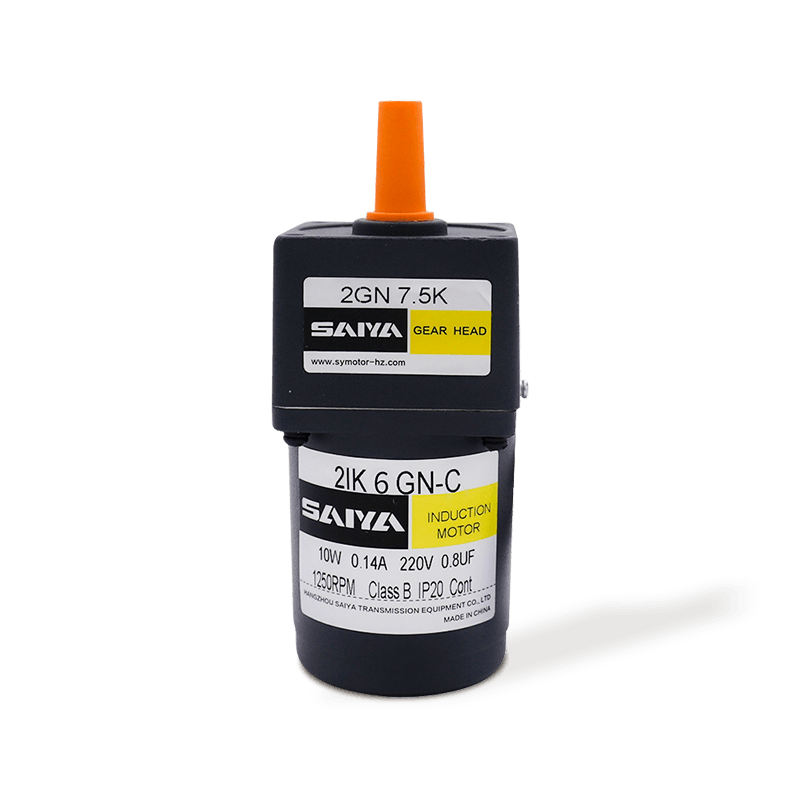
This 6W Induction AC Gear Motor is an efficient, compact and reliable small motor suitable for a wide range of industrial and household applications.Motor frame 60mm x 60mm making it easy to install ...
See Details -
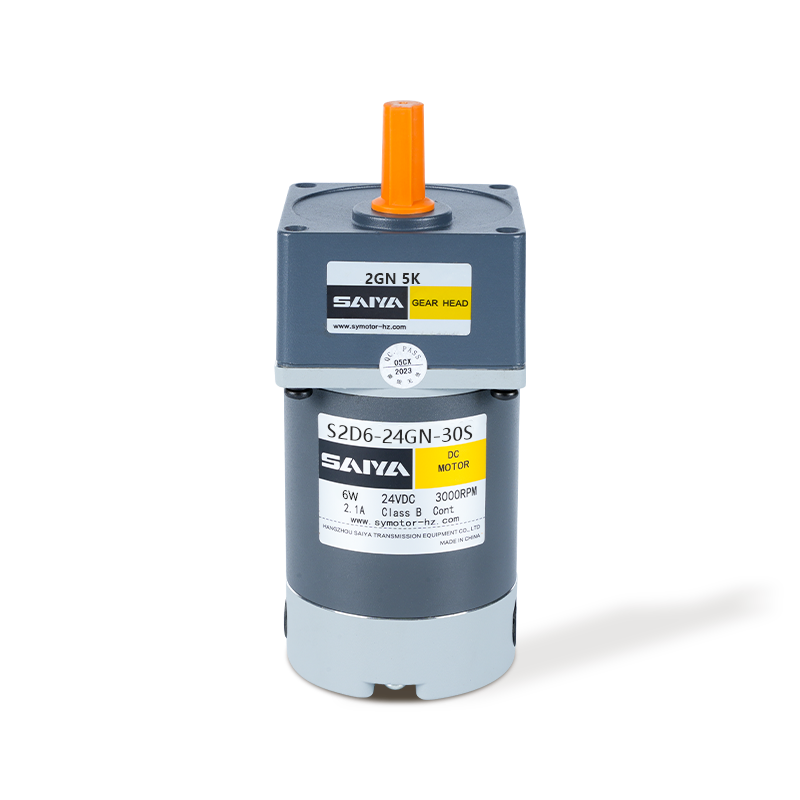
The 6W brush DC gbear motor is designed for efficiency and versatility, suitable for various applications. With a compact frame size of 60mm x 60mm, it fits seamlessly into tight spaces. The motor ope...
See Details -
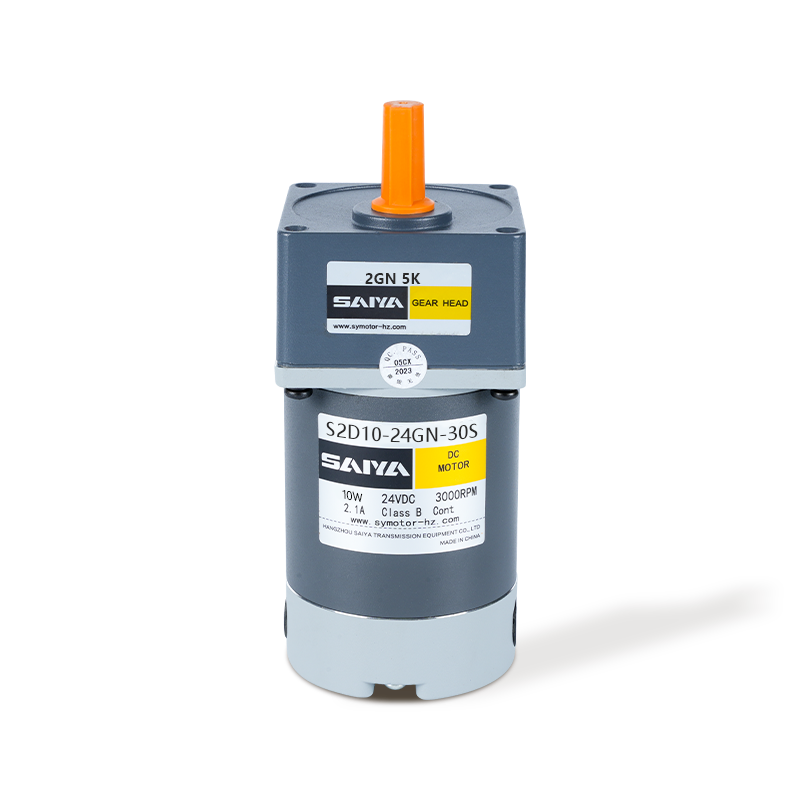
The 10W brush DC gear motor offers high performance and adaptability, for a range of industrial and hobbyist applications. With a frame size of 60mm x 60mm, this motor is designed to fit into confined...
See Details -
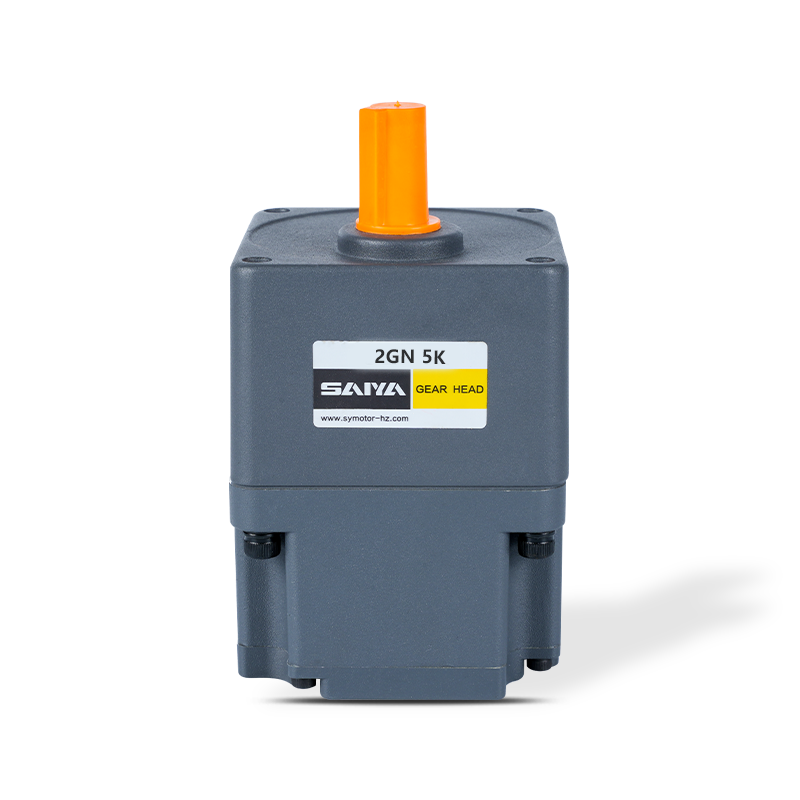
The 24V Brushless Gear Motor is a versatile and efficient motor designed for a range of applications. With dimensions ranging from 60mm x 60mm to 104mm x 104mm, this motor can fit into various equipme...
See Details -
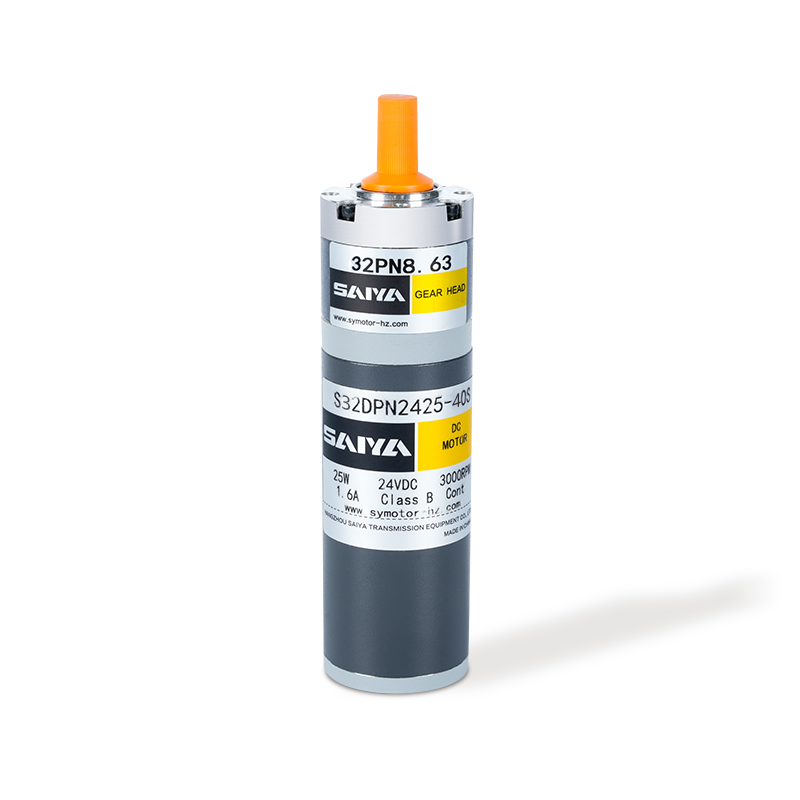
The 32mm brushed planetary gear motor is a compact and efficient solution designed for various applications requiring high torque and precise control. With a diameter of 32mm, this motor is ideally su...
See Details -
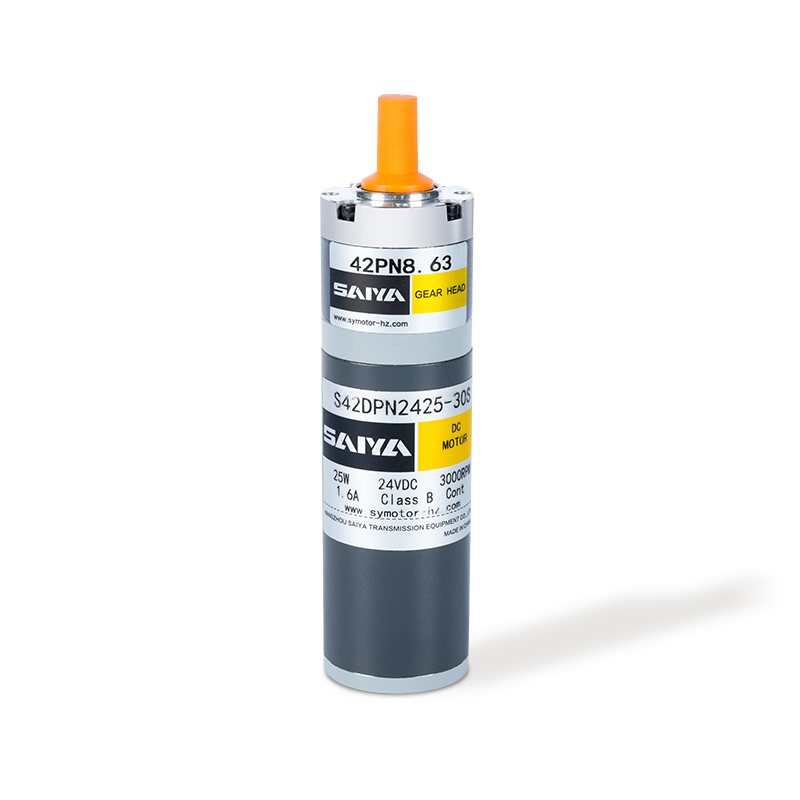
The 42mm brush planetary gear motor is a versatile and efficient component widely used in various applications requiring precise torque and speed control. With a rated current ranging from 0.7 to 1.1A...
See Details -
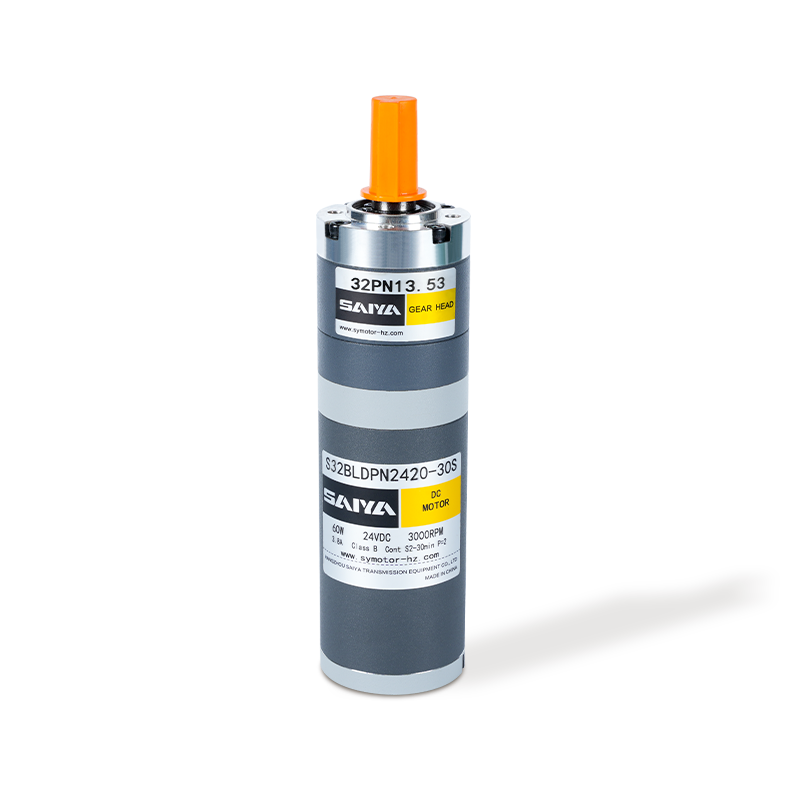
The 32mm Brushless Planetary Gear Motor is a high-performance, compact solution ideal for applications requiring efficiency and reliability. Operating at a rated voltage of 24V and consuming 20W of po...
See Details -
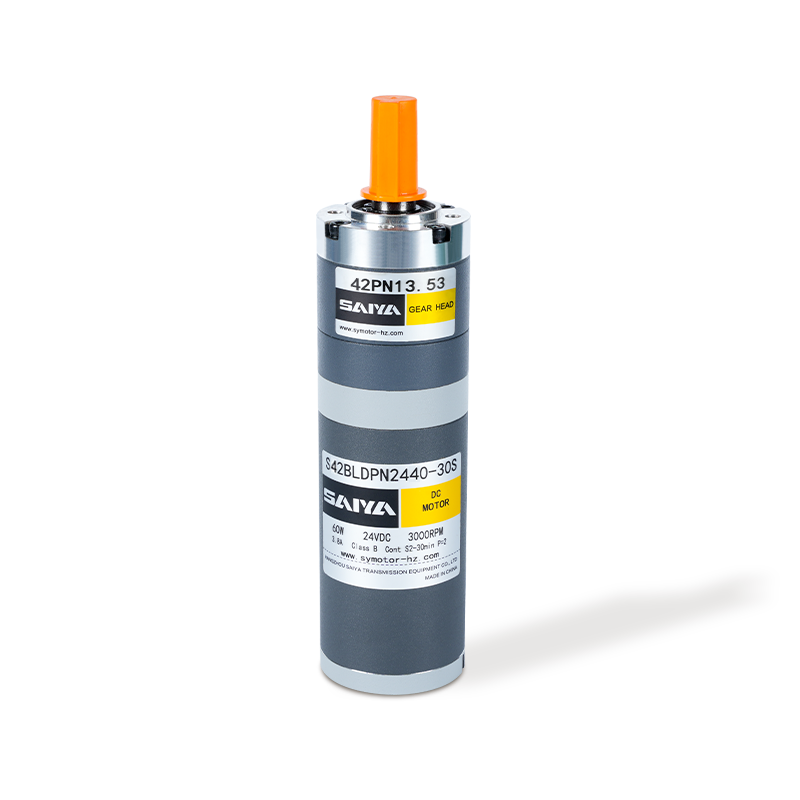
The 42mm brushless planetary motor is a high-efficiency motor product that is widely used in various scenarios requiring precision transmission. The rated current of this motor is 1.3A and the rated t...
See Details -
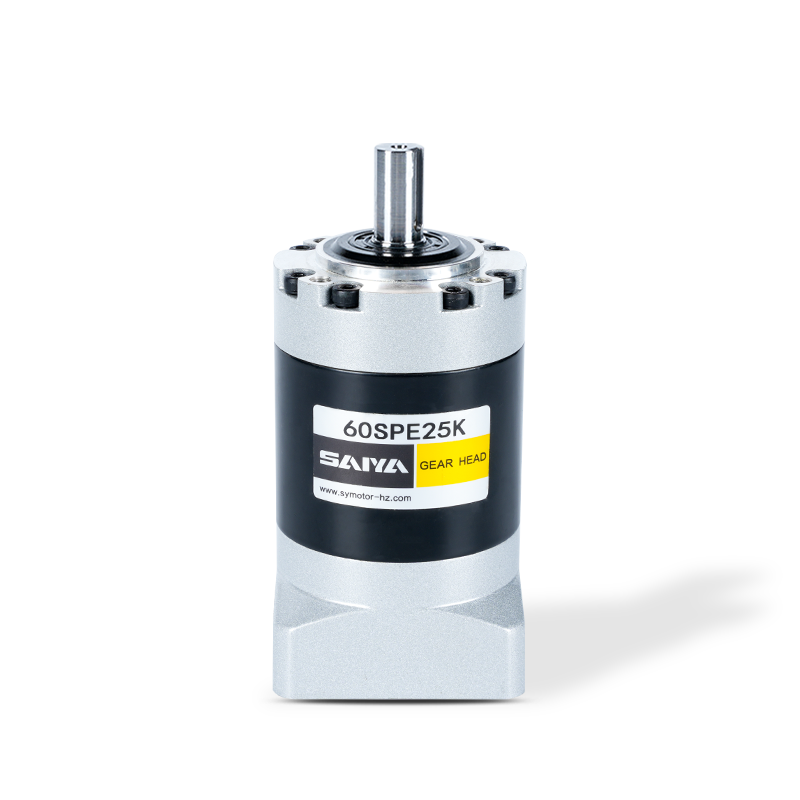
The SPE series gearboxes, flange size range with 40, 60, 80, 120, and 160 models, are designed to provide efficient and robust power transmission solutions. These gearboxes feature a round output flan...
See Details -
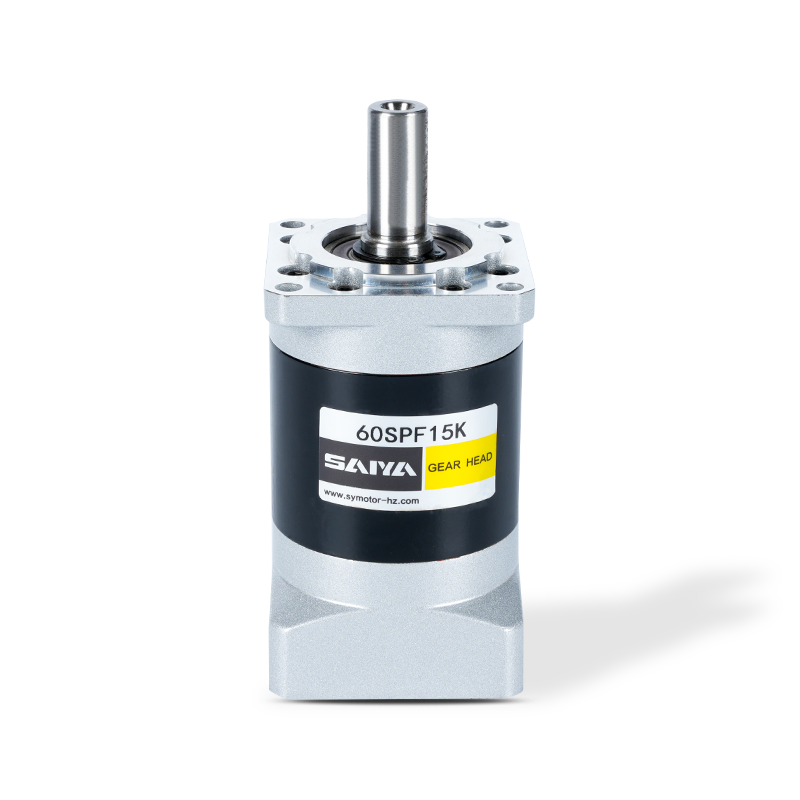
The SPF series are with square output flanges, accommodating dimensions from 40mm to 160mm. These flanges are engineered to excel in various industrial applications, offering reliable performance acro...
See Details -
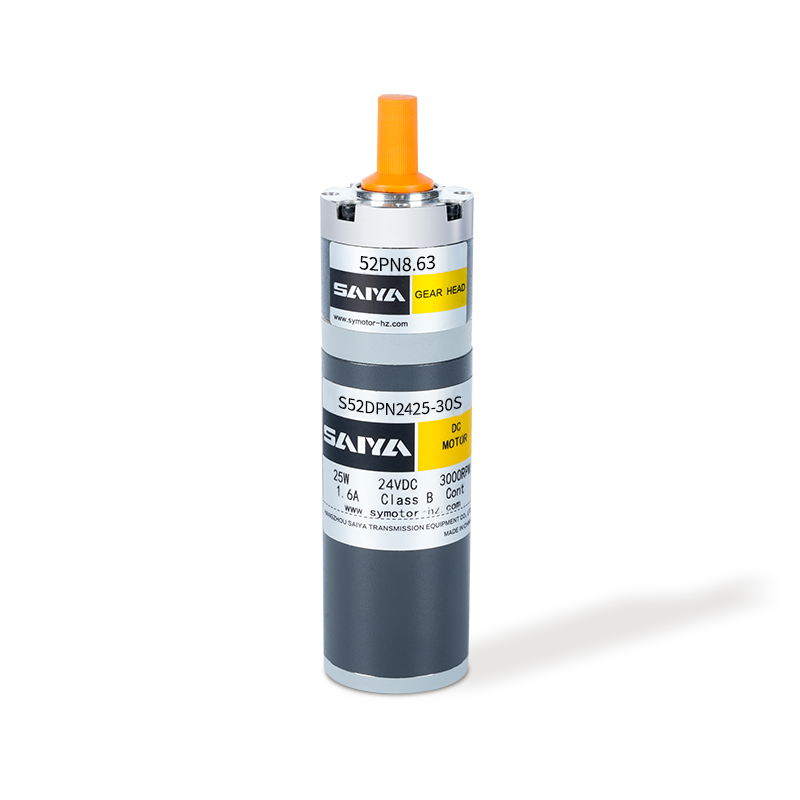
The 52mm brushed planetary gear motor is a compact and efficient solution designed for various applications requiring high torque and precise control. With a diameter of 52mm, this motor is ideally su...
See Details -
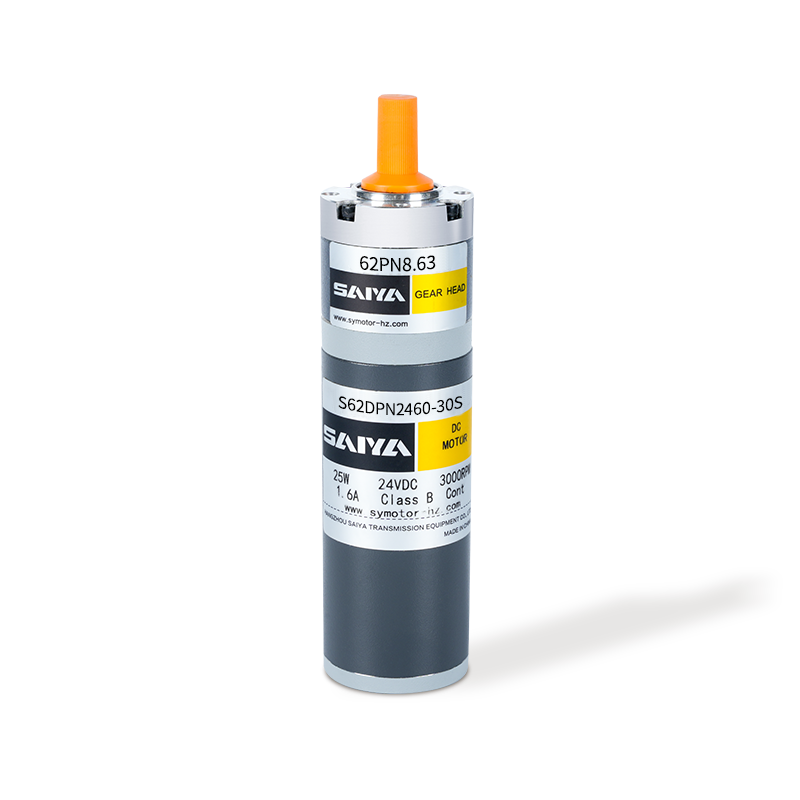
The 62mm brush planetary gear motor is a versatile and efficient component widely used in various applications requiring precise torque and speed control. With a rated current ranging from 2.5 to 5.5A...
See Details
CONTACT DETAILS
- TEL: 0086-0571-86951513/86951543
- Fax: 0086-571-86040769
- E-mail: [email protected] / [email protected] / [email protected]
- Office: Hangzhou Saiya Transmisson Equipment Co.,Ltd
- Office Address: Room 2201, Wanyin building, Hangzhou City, Zhejiang Province
- Factory: Zhejiang Saiya Intelligent Manufacturing Co., Ltd.
- Factory Address: No.35 Building , Zhongnan High-tech Yunhe Zhigu Industrial Park, Xinan town, Deqing county, Huzhou city, Zhejiang, China
QUICK LINK
PRODUCT
If You Are Intrested
In Our Products,
Please Consult Us
Copyright © Zhejiang Saiya Intelligent Manufacturing Co., Ltd. All Rights Reserved.
Custom Gear Reduction Motors Suppliers
