

 EN
EN  English
 中文简体
中文简体 русский
 Español
Application Industry
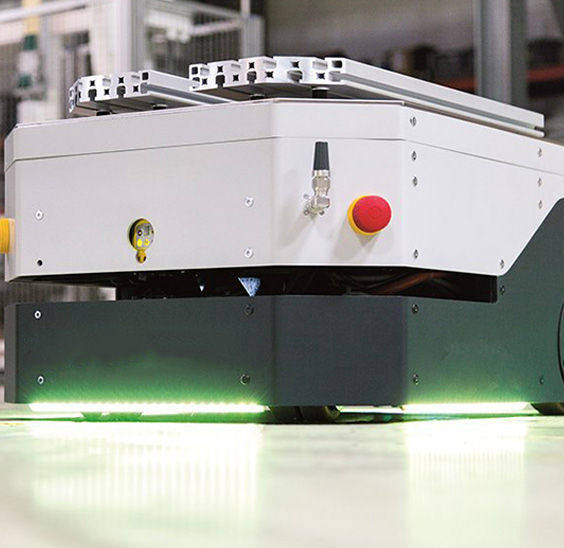
AGV

Automated robots
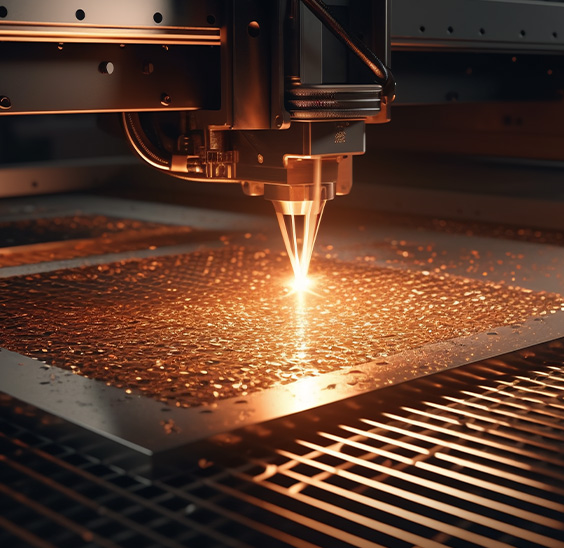
laser cutting

Logistics sorting

Photovoltaic power-station
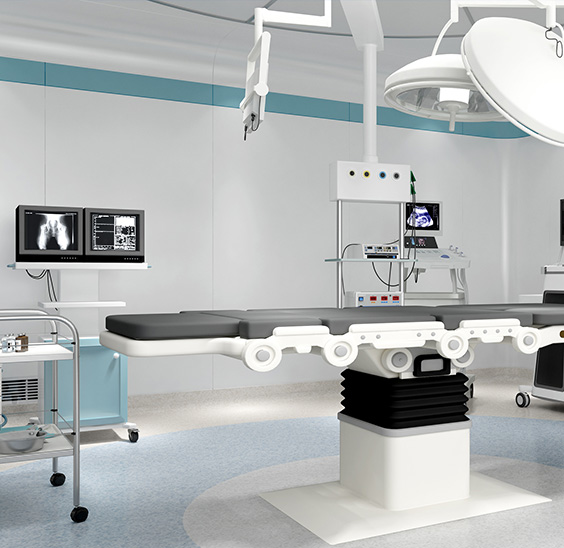
Medical devices
What industries commonly use planetary gear motors?
Why Planetary Gear Motors Are the Preferred Choice for Compact Power Transmission
Planetary gear motors stand as one of the most versatile and efficient solutions for power transmission in modern machinery. Their unique coaxial design allows for high torque output within a remarkably compact footprint, making them indispensable in applications where space is limited but power requirements are substantial. The arrangement of multiple planet gears sharing the load results in exceptional durability and smooth operation, characteristics that have cemented their position across industries ranging from automotive to robotics.
For engineers and designers seeking a balance between performance, size, and reliability, planetary gear motors consistently deliver results that other gearbox configurations struggle to match. Their modular nature also allows for easy integration with various motor types, providing flexibility in system design. When selecting a gear motor for applications requiring high torque density, precise motion control, or extended service life, planetary gear motors should be the primary consideration.
Understanding Planetary Gear Motors: Structure and Operating Principles
A planetary gear motor combines an electric motor with a planetary gearbox, creating an integrated power transmission unit. The name "planetary" derives from the arrangement of gears that resembles the solar system, where planet gears revolve around a central sun gear. This configuration is also known as an epicyclic gear train, referring to the curved path traced by points on the planet gears as they orbit.
The fundamental structure consists of three main components working in harmony:
- Sun Gear: The central gear that receives input from the motor and transmits motion to the surrounding planet gears.
- Planet Gears: Multiple gears that mesh with the sun gear and rotate within the ring gear, mounted on a planet carrier that delivers the output.
- Ring Gear: The outer gear with internal teeth that encloses the planetary assembly and serves as the fixed or reaction member.
The magic of this arrangement lies in the distribution of load across multiple gear meshes. While a standard spur gear train transmits force through a single tooth engagement, a planetary system with three planet gears distributes the load across three simultaneous contact points. This load-sharing characteristic enables planetary gear motors to handle significantly higher torque loads compared to similarly sized parallel shaft gearboxes.
How Power Flows Through a Planetary System
The power transmission path in a planetary gear motor begins at the motor shaft, which connects directly to the sun gear. As the motor rotates the sun gear, power transfers through the meshing teeth to the planet gears. These planet gears, constrained by the ring gear, must orbit around the sun gear while simultaneously rotating on their own axes. The planet carrier captures this compound motion and delivers it as output torque.
The gear ratio depends on which component serves as input, which serves as output, and which is held stationary. By fixing the ring gear, using the sun gear as input, and taking output from the planet carrier, the system achieves a gear reduction that multiplies torque while reducing speed. This configuration represents the most common arrangement in planetary gear motors intended for general industrial applications.
Key Advantages That Set Planetary Gear Motors Apart
Planetary gear motors offer a compelling combination of benefits that make them suitable for demanding applications across numerous industries. Understanding these advantages helps engineers make informed decisions when specifying power transmission components.
High Torque Density
The arrangement of multiple planet gears sharing the load allows planetary systems to achieve torque density figures that exceed parallel shaft designs by significant margins. In practical terms, a planetary gearbox can transmit three to four times the torque of a similarly sized spur gearbox. This characteristic proves invaluable in applications where weight and space constraints exist but substantial power must be delivered.
Compact and Lightweight Construction
The coaxial alignment of input and output shafts eliminates the need for offset gearing arrangements, resulting in a more streamlined package. The in-line configuration typically results in weight savings compared to equivalent parallel shaft designs, a critical factor in mobile equipment, aerospace applications, and robotic systems where every gram matters.
Superior Efficiency
Planetary gear trains achieve efficiency levels that typically range from reliable figures in the mid-ninety percent range for single-stage units. The rolling action between gear teeth, combined with the distribution of forces, results in reduced friction losses compared to other gear arrangements. High efficiency translates directly to energy savings and reduced heat generation during extended operation.
Smooth and Quiet Operation
The multiple gear meshes operating simultaneously create a smoothing effect that reduces vibration and noise. With several teeth engaged at any given moment, the transition between tooth engagements becomes seamless. This characteristic makes planetary gear motors particularly suitable for applications in noise-sensitive environments such as medical equipment, office automation, and residential appliances.
High Radial Load Capacity
The arrangement of planet gears provides inherent support for radial loads on the output shaft. This capability allows planetary gear motors to handle applications with significant overhung loads without requiring additional support bearings or external housings. Applications involving belt drives, chain drives, or direct drum mounting benefit significantly from this built-in load capacity.
Types and Configurations of Planetary Gear Motors
Planetary gear motors come in various configurations designed to meet specific application requirements. The primary distinctions relate to the number of gear stages, the arrangement of planetary sets, and the method of motor integration.
Single-Stage Planetary Gear Motors
Single-stage units contain one planetary gear set and typically provide gear ratios ranging from generous reduction factors suitable for moderate torque multiplication. These compact units serve applications where the motor speed requires modest reduction while maintaining reasonable output speed. Single-stage designs offer the highest efficiency and simplest construction, making them cost-effective choices for many standard applications.
Multi-Stage Planetary Gear Motors
When applications demand higher reduction ratios, multiple planetary stages connect in series. Two-stage units can achieve ratios suitable for high-torque, low-speed applications, while three-stage or four-stage configurations extend the range even further. Each additional stage introduces efficiency losses and increases the overall length, but the modular nature of planetary stages allows engineers to precisely match reduction ratios to application needs.
Right-Angle Planetary Gear Motors
By incorporating a bevel or worm gear stage before the planetary section, these units deliver output at a perpendicular angle to the motor shaft. This configuration proves invaluable in applications where inline arrangements cannot accommodate space constraints. Right-angle designs maintain the torque and efficiency benefits of planetary gearing while offering installation flexibility.
Comparison of Planetary Gear Motor Configurations
| Configuration | Typical Ratio Range | Efficiency | Best Applications |
|---|---|---|---|
| Single-Stage | Moderate | High | Conveyors, Pumps, Fans |
| Two-Stage | High | Moderate to High | Mixers, Hoists, Winches |
| Multi-Stage | Very High | Moderate | Precision Positioning, Robotics |
| Right-Angle | Various | Good | Tight Spaces, Agricultural Equipment |
Industrial Applications Across Diverse Sectors
The unique combination of compact size, high torque output, and reliable operation has secured planetary gear motors a prominent position across numerous industries. Their versatility allows them to serve applications ranging from delicate medical instruments to heavy construction equipment.
Robotics and Automation
Robotic arms and automated manufacturing systems rely heavily on planetary gear motors for joint actuation and end-effector positioning. The high torque-to-size ratio enables compact joint designs while maintaining sufficient force for manipulation tasks. Precision applications benefit from the low backlash characteristics of quality planetary gearheads, allowing accurate positioning without the positioning errors associated with loose gear trains.
Automotive Industry
Modern vehicles incorporate planetary gear systems in numerous applications. Automatic transmissions utilize complex planetary gear sets to achieve multiple forward and reverse ratios within a compact package. Electric power steering systems employ planetary gear motors to provide steering assistance. Hybrid and electric vehicles use planetary arrangements in their power-split devices to manage power flow between electric motors and internal combustion engines.
Material Handling Equipment
Conveyor systems, overhead cranes, and automated guided vehicles depend on planetary gear motors for reliable power transmission. The high radial load capacity accommodates the direct mounting of drive pulleys and sprockets, simplifying machine construction. The durability of planetary designs ensures extended service life even in demanding industrial environments where dust, debris, and temperature variations challenge lesser equipment.
Medical Equipment
Surgical robots, patient lifts, and diagnostic imaging systems require smooth, precise motion control with minimal noise. Planetary gear motors meet these requirements while providing the reliability essential for medical applications. The compact size allows integration into portable medical devices where space constraints would preclude bulkier gear arrangements.
Renewable Energy Systems
Wind turbines and solar tracking systems employ planetary gear motors to convert energy and position equipment. The high efficiency of planetary designs maximizes energy capture while minimizing losses. In wind turbine pitch control systems, planetary gear motors adjust blade angles to optimize performance across varying wind conditions.
Packaging and Food Processing
High-speed packaging machinery requires precise motion control and the ability to handle frequent starts and stops. Planetary gear motors provide the acceleration torque and positioning accuracy needed for these demanding applications. Sanitary designs with appropriate enclosures protect the gear mechanisms from washdown environments common in food processing facilities.
Selecting the Right Planetary Gear Motor for Your Application
Choosing the appropriate planetary gear motor requires careful consideration of multiple factors. A systematic approach to selection ensures optimal performance, reliability, and value for the intended application.
Determine Torque Requirements
The first step involves calculating both the continuous and peak torque demands of the application. Continuous torque represents the sustained load during normal operation, while peak torque covers starting conditions, shock loads, and temporary overload situations. Selecting a gear motor with adequate torque margins prevents premature failure and ensures reliable operation throughout the expected service life.
Consider Speed Requirements
Output speed directly influences the selection of gear ratio. Applications requiring slow, controlled movement need higher reduction ratios, while those requiring faster operation can utilize lower ratios. The motor speed divided by the gear ratio yields the output speed, so both motor selection and ratio choice work together to achieve the desired result.
Evaluate Duty Cycle and Service Factor
The nature of operation significantly impacts gear motor selection. Continuous duty applications generate more heat than intermittent operation, requiring attention to thermal capacity. Frequent starting and stopping introduces additional stresses that may require higher service factors. Applications with shock loads or reversing requirements demand robust designs capable of handling these challenging conditions.
Assess Environmental Conditions
Operating environment plays a crucial role in determining appropriate enclosure ratings and construction materials. Applications exposed to moisture, dust, chemicals, or extreme temperatures require specially configured units. Options include sealed housings, corrosion-resistant coatings, and special lubricants formulated for specific temperature ranges.
Key Selection Factors Summary
- Output Torque: Must exceed application requirements with appropriate safety margin.
- Output Speed: Determined by motor speed and gear ratio combination.
- Radial and Axial Loads: Verify capacity for any overhung or thrust loads.
- Backlash Requirements: Precision applications need low-backlash designs.
- Duty Cycle: Match thermal capacity to operating pattern.
- Environmental Protection: Select appropriate enclosure rating for conditions.
- Mounting Configuration: Ensure compatibility with machine design.
Maintenance and Troubleshooting Considerations
While planetary gear motors are designed for reliable operation over extended periods, proper maintenance practices maximize service life and prevent unexpected failures. Understanding common issues and their causes enables effective troubleshooting when problems arise.
Lubrication Management
The lubricant within a planetary gearbox serves multiple critical functions: reducing friction between gear teeth, dissipating heat generated during operation, and protecting metal surfaces from corrosion. Proper lubricant selection based on operating conditions and maintenance of appropriate lubricant levels represent fundamental maintenance requirements. Synthetic lubricants often provide superior performance in extreme temperature applications or where extended service intervals are desired.
Temperature Monitoring
Excessive heat generation indicates potential problems including overload conditions, lubricant degradation, or impending bearing failure. Monitoring gearbox temperature during operation provides early warning of developing issues. Many industrial applications incorporate temperature sensors that trigger alarms or automatic shutdown when temperatures exceed safe limits.
Common Failure Modes and Their Indicators
Recognizing the early signs of gear or bearing problems allows intervention before catastrophic failure occurs. Unusual noise often signals gear tooth damage or bearing wear. Vibration analysis can detect developing problems before they become audible. Oil analysis reveals wear particles that indicate component degradation. Regular inspection and monitoring programs catch problems early when repairs remain cost-effective.
Preventive Maintenance Schedule
- Daily: Visual inspection for leaks, unusual noise, or vibration.
- Monthly: Check lubricant level and condition, verify mounting integrity.
- Quarterly: Temperature check under load, vibration analysis if equipped.
- Annually: Lubricant replacement, comprehensive inspection of gears and bearings.
Future Trends in Planetary Gear Motor Technology
The evolution of planetary gear motor technology continues as manufacturers respond to changing market demands and technological opportunities. Several trends are shaping the future development of these essential power transmission components.
Integration with Smart Systems
The rise of Industry protocols and the Internet of Things drives demand for gear motors equipped with integrated sensors and communication capabilities. Modern planetary gear motors increasingly incorporate position feedback, temperature monitoring, and torque sensing directly into the gearbox housing. This integrated approach simplifies system design while providing valuable data for predictive maintenance programs.
Materials and Manufacturing Advances
Advanced materials and precision manufacturing techniques enable higher power density and extended service life. Powder metallurgy gears offer improved tooth profiles and surface finishes. Composite materials reduce weight while maintaining strength. Additive manufacturing techniques enable complex internal geometries that optimize lubricant distribution and heat dissipation.
Efficiency Improvements
Environmental concerns and energy costs drive continued focus on efficiency improvements. Advanced gear tooth profiles reduce friction losses. Improved sealing technologies minimize parasitic drag. Low-viscosity synthetic lubricants reduce fluid friction while maintaining adequate protection. Even incremental efficiency gains translate to significant energy savings over the operating life of industrial equipment.
Miniaturization Trends
Medical devices, consumer electronics, and small robotics applications demand increasingly compact power transmission solutions. Micro-planetary gearheads capable of delivering meaningful torque in tiny packages represent an active area of development. Manufacturing precision improvements enable smaller gears that maintain the quality and consistency necessary for reliable operation.
Conclusion: The Strategic Value of Planetary Gear Motors
Planetary gear motors occupy a unique position in the power transmission landscape, offering an unmatched combination of compact size, high torque output, smooth operation, and long-term reliability. These characteristics make them the preferred choice for applications ranging from precision medical instruments to heavy industrial equipment. Understanding their operating principles, advantages, and selection criteria enables engineers to leverage their full potential in system design.
As technology advances and application demands evolve, planetary gear motor designs continue to improve. Integration with smart monitoring systems, advanced materials, and manufacturing innovations ensure these versatile power transmission components will remain at the forefront of motion control solutions. For applications requiring maximum performance in minimum space, planetary gear motors deliver results that justify their selection time and again.
The decision to specify a planetary gear motor represents an investment in performance, reliability, and efficiency. By carefully matching gear motor characteristics to application requirements, engineers create systems that deliver value throughout their operational lifespan. Whether designing new equipment or upgrading existing systems, planetary gear motors deserve serious consideration for any application requiring compact, powerful, and reliable motion control.
Related products
-
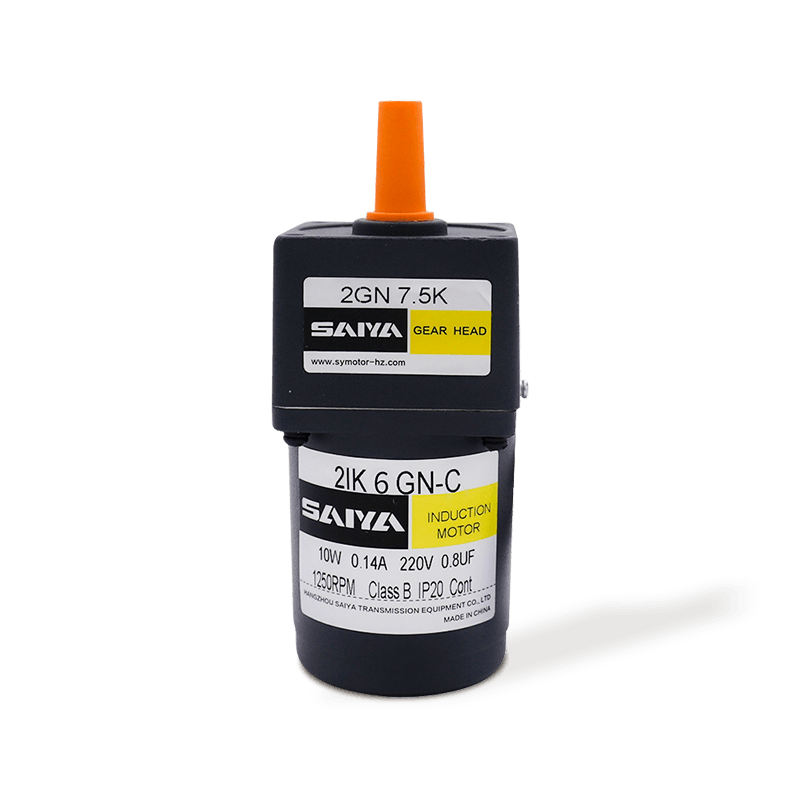
This 6W Induction AC Gear Motor is an efficient, compact and reliable small motor suitable for a wide range of industrial and household applications.Motor frame 60mm x 60mm making it easy to install ...
See Details -
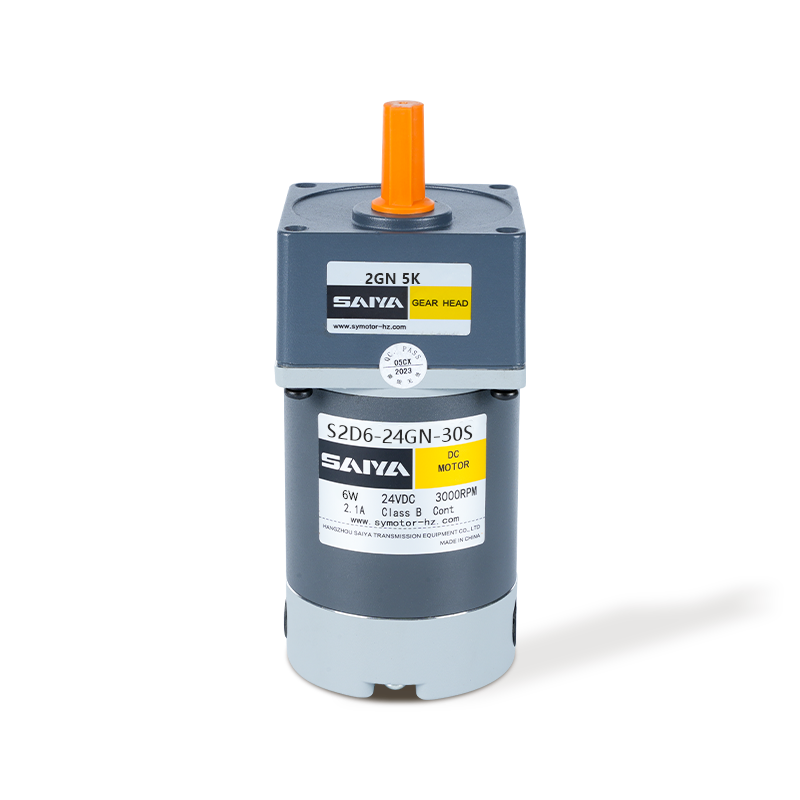
The 6W brush DC gbear motor is designed for efficiency and versatility, suitable for various applications. With a compact frame size of 60mm x 60mm, it fits seamlessly into tight spaces. The motor ope...
See Details -
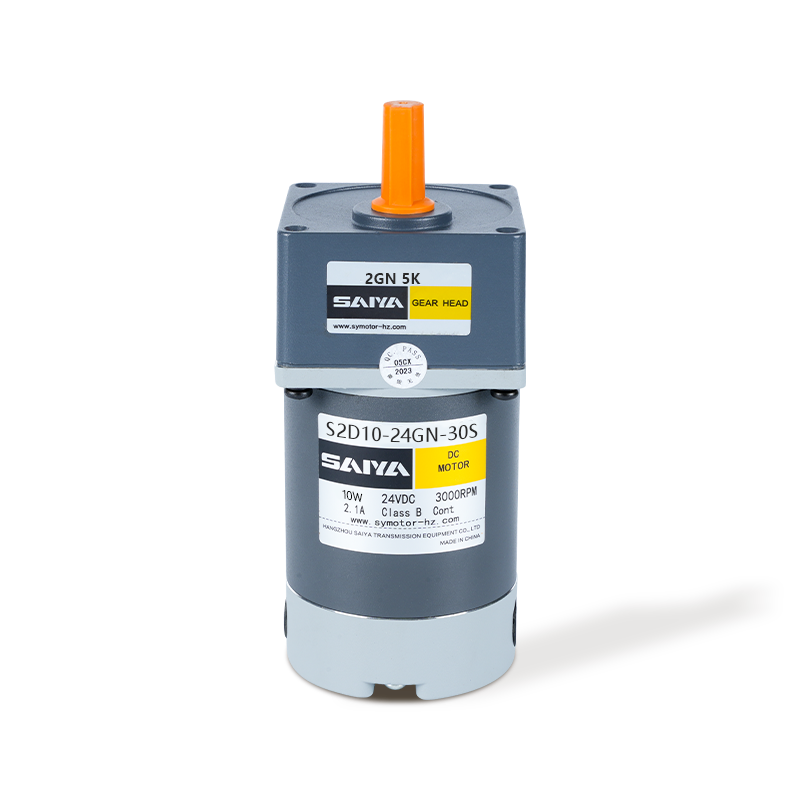
The 10W brush DC gear motor offers high performance and adaptability, for a range of industrial and hobbyist applications. With a frame size of 60mm x 60mm, this motor is designed to fit into confined...
See Details -
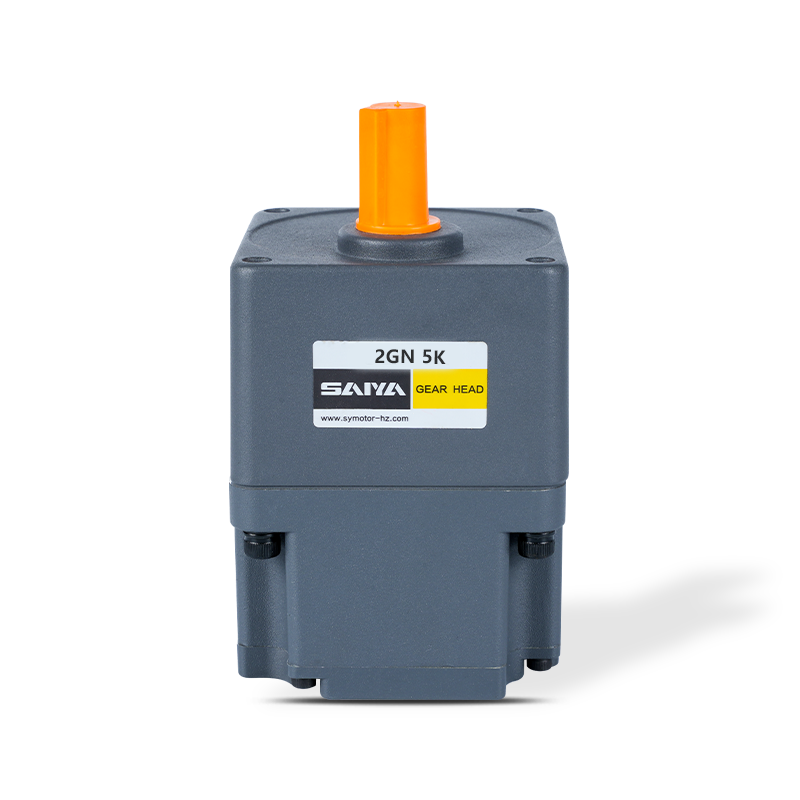
The 24V Brushless Gear Motor is a versatile and efficient motor designed for a range of applications. With dimensions ranging from 60mm x 60mm to 104mm x 104mm, this motor can fit into various equipme...
See Details -
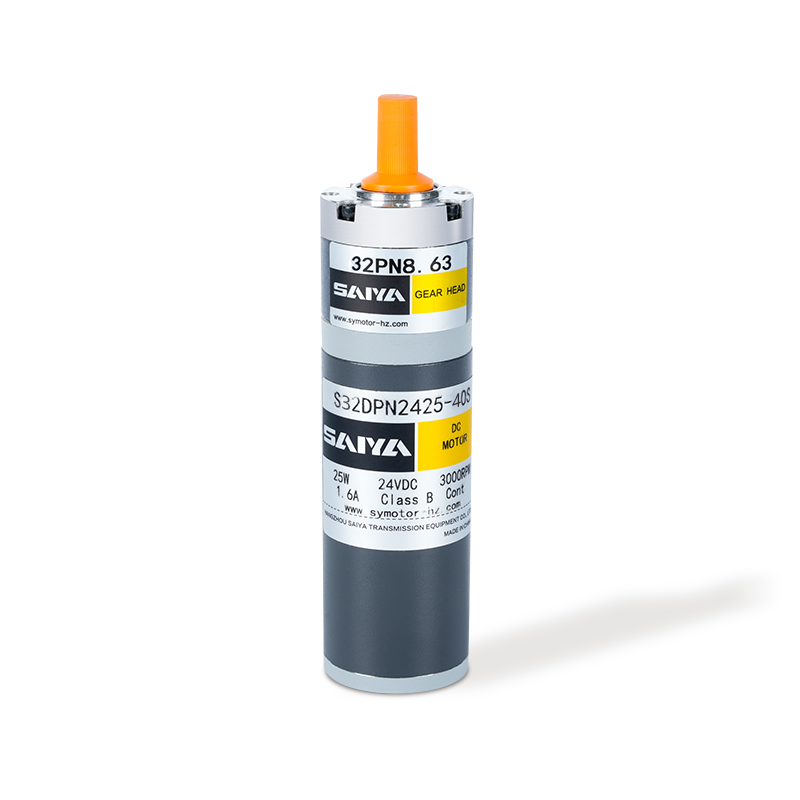
The 32mm brushed planetary gear motor is a compact and efficient solution designed for various applications requiring high torque and precise control. With a diameter of 32mm, this motor is ideally su...
See Details -
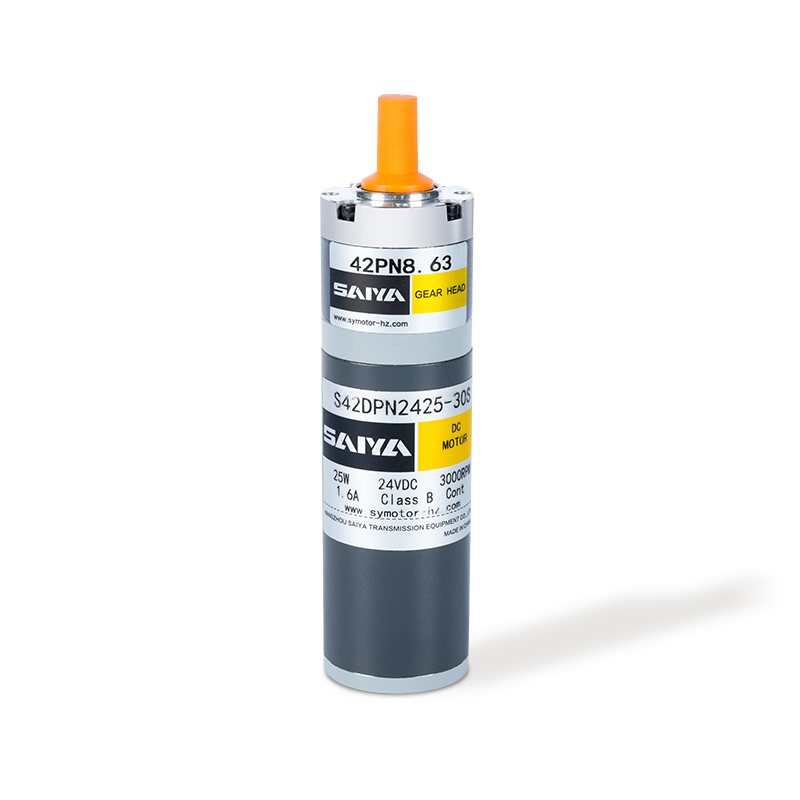
The 42mm brush planetary gear motor is a versatile and efficient component widely used in various applications requiring precise torque and speed control. With a rated current ranging from 0.7 to 1.1A...
See Details -

The 32mm Brushless Planetary Gear Motor is a high-performance, compact solution ideal for applications requiring efficiency and reliability. Operating at a rated voltage of 24V and consuming 20W of po...
See Details -
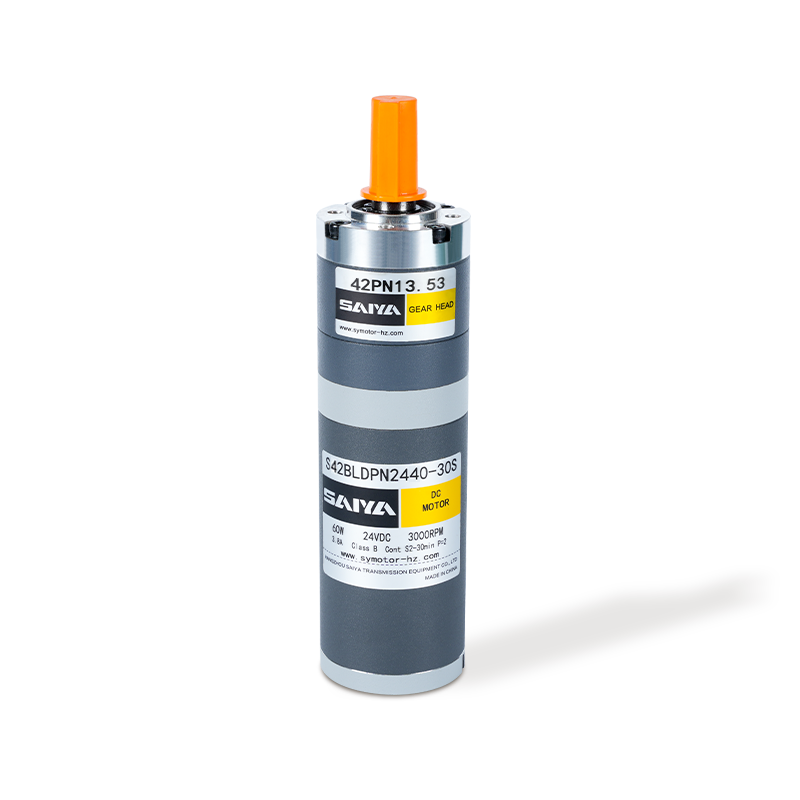
The 42mm brushless planetary motor is a high-efficiency motor product that is widely used in various scenarios requiring precision transmission. The rated current of this motor is 1.3A and the rated t...
See Details -
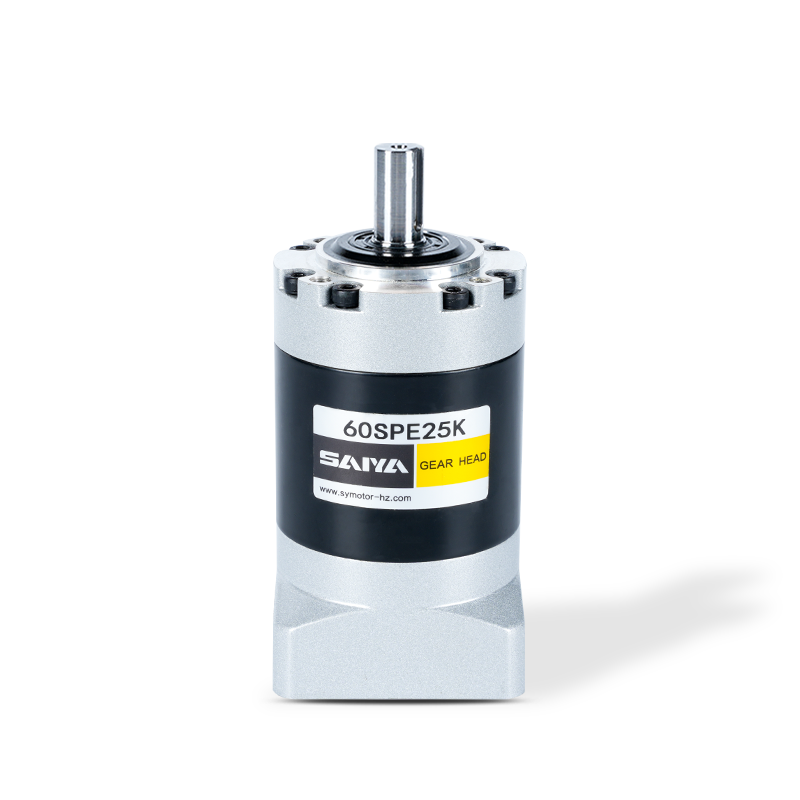
The SPE series gearboxes, flange size range with 40, 60, 80, 120, and 160 models, are designed to provide efficient and robust power transmission solutions. These gearboxes feature a round output flan...
See Details -
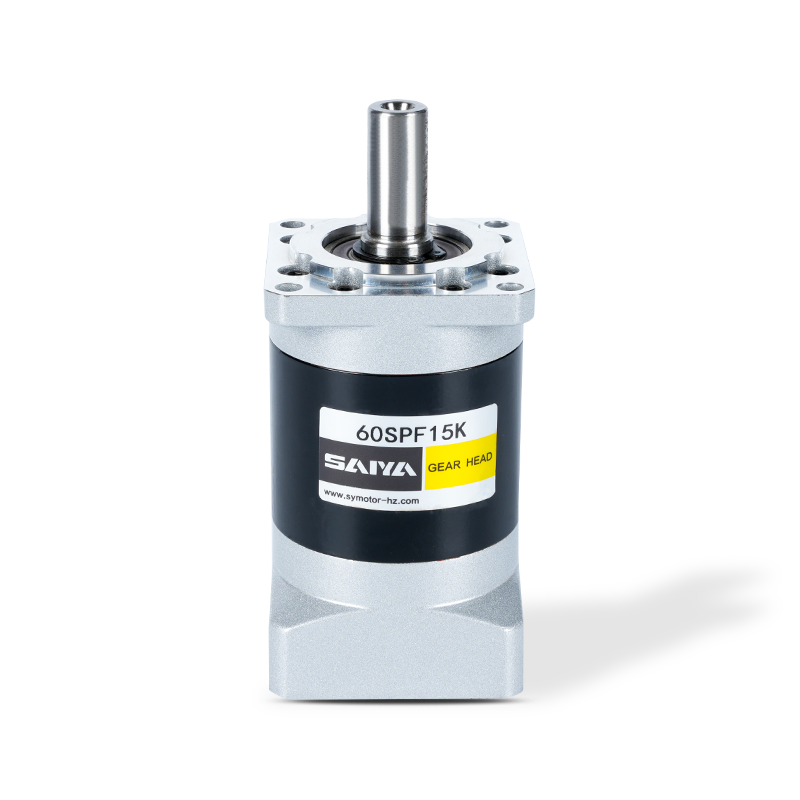
The SPF series are with square output flanges, accommodating dimensions from 40mm to 160mm. These flanges are engineered to excel in various industrial applications, offering reliable performance acro...
See Details -
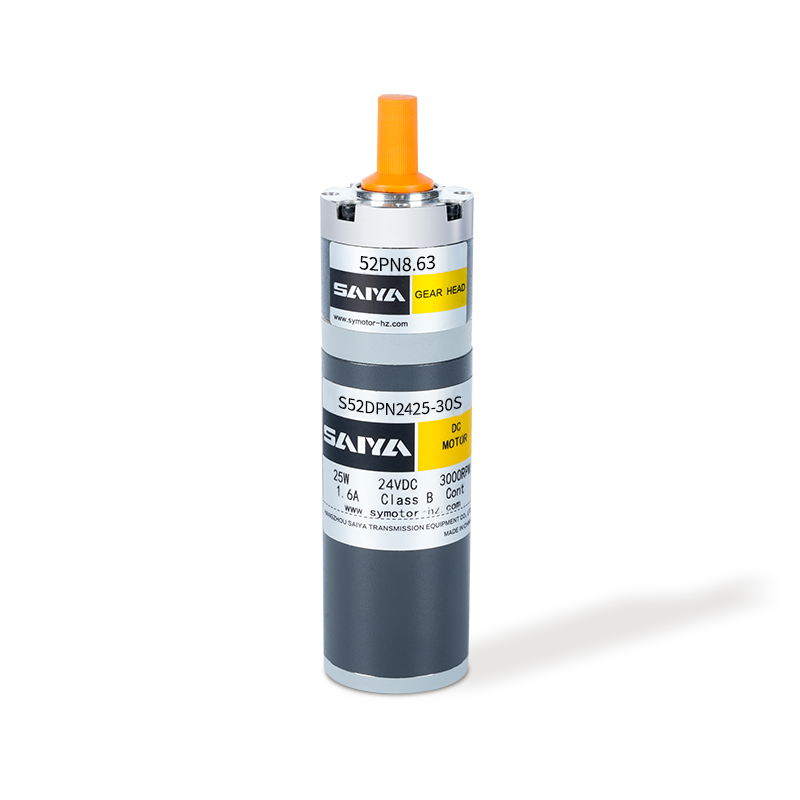
The 52mm brushed planetary gear motor is a compact and efficient solution designed for various applications requiring high torque and precise control. With a diameter of 52mm, this motor is ideally su...
See Details -
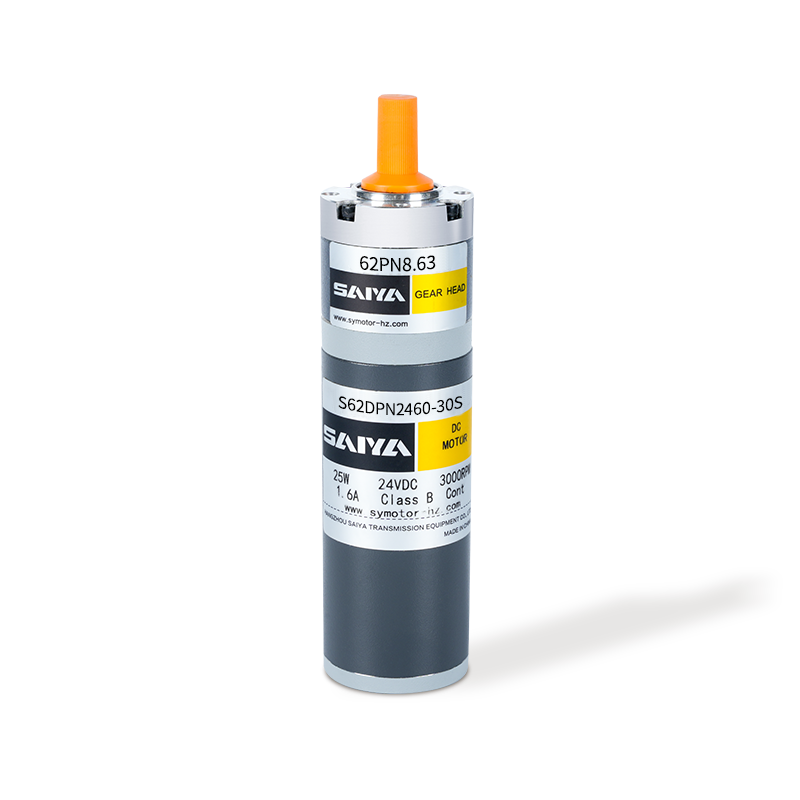
The 62mm brush planetary gear motor is a versatile and efficient component widely used in various applications requiring precise torque and speed control. With a rated current ranging from 2.5 to 5.5A...
See Details
CONTACT DETAILS
- TEL: 0086-0571-86951513/86951543
- Fax: 0086-571-86040769
- E-mail: [email protected] / [email protected] / [email protected]
- Office: Hangzhou Saiya Transmisson Equipment Co.,Ltd
- Office Address: Room 2201, Wanyin building, Hangzhou City, Zhejiang Province
- Factory: Zhejiang Saiya Intelligent Manufacturing Co., Ltd.
- Factory Address: No.35 Building , Zhongnan High-tech Yunhe Zhigu Industrial Park, Xinan town, Deqing county, Huzhou city, Zhejiang, China
QUICK LINK
PRODUCT
If You Are Intrested
In Our Products,
Please Consult Us
Copyright © Zhejiang Saiya Intelligent Manufacturing Co., Ltd. All Rights Reserved.
Custom Gear Reduction Motors Suppliers
