 EN
EN  English
 中文简体
中文简体 русский
 Español
Home / News / Industry News / What are the application areas of Brush DC Gear Motors, and how do I choose the right model?


Application Industry
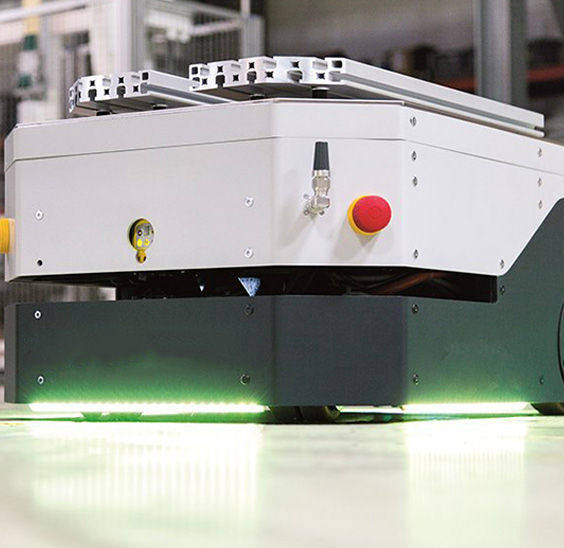
AGV

Automated robots
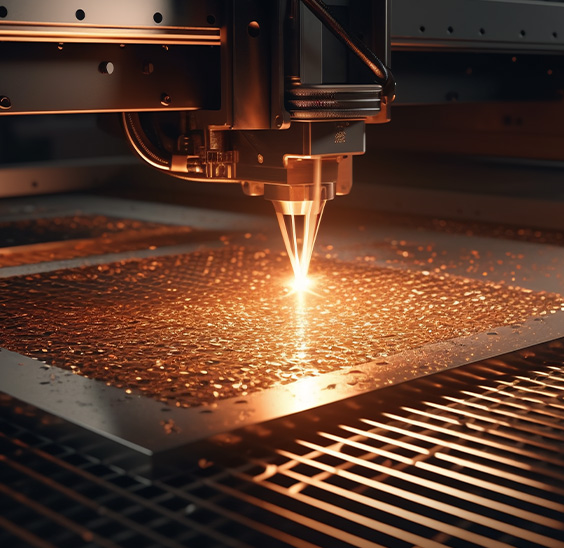
laser cutting

Logistics sorting

Photovoltaic power-station
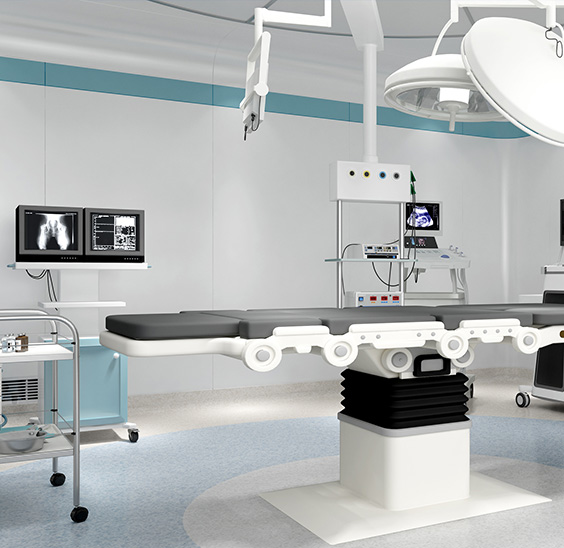
Medical devices
What are the application areas of Brush DC Gear Motors, and how do I choose the right model?
Brush DC Gear Motors are essential components in many industrial and consumer applications due to their efficiency, reliability, and versatility. In this article, we will explore the diverse application fields of Brush DC Gear Motors and offer guidance on how to select the best model for your needs. We will also compare specific requirements and features, helping engineers and purchasing professionals make informed decisions.
Applications of Brush DC Gear Motors
1. Robotics Applications
The demand for Brush DC Gear Motors for robotics has grown significantly due to their compact design, high torque output, and precision control. These motors are commonly used in robotics systems that require precise movement control and high durability. Their ability to handle continuous motion makes them ideal for autonomous robots, robotic arms, and drones.
Key Advantages:
- High torque at low speeds
- Compact and lightweight for space-sensitive applications
- Efficient energy consumption
Compared to other motor types, Brush DC Gear Motors are often preferred in robotics for their simple control system and cost-effectiveness. Here’s a quick comparison:
| Motor Type | Brush DC Gear Motors | Brushless DC Motors |
| Torque Output | Moderate to high | High but more complex to control |
| Efficiency | Good efficiency, but with wear over time | Higher efficiency, no wear |
| Cost | Lower cost | Higher cost |
2. Small-Scale Projects and DIY Applications
For small-scale projects, hobbyists, and DIY enthusiasts, affordable Brush DC Gear Motors for small projects are an ideal choice. These motors offer an excellent balance of performance and price, making them suitable for applications such as 3D printers, robotic kits, and small automated systems.
Key Applications:
- 3D Printers
- Remote-controlled vehicles
- Small conveyor systems
3. High Torque Load Applications
When higher torque is required for heavy-duty applications such as power tools, conveyor belts, and material handling systems, Brush DC Gear Motors for high torque applications are often the go-to choice. These motors are capable of delivering consistent power under load, making them ideal for industrial and commercial use.
Advantages in High Torque Applications:
- Ability to handle heavy loads without significant loss in speed
- Longer operational life in harsh conditions
- Better thermal management for sustained use
4. Low Noise Applications
In applications where noise levels are a critical concern, such as medical devices, household appliances, and office equipment, Brush DC Gear Motors for low noise applications are specifically designed to operate quietly. These motors incorporate sound-dampening technologies and are ideal for noise-sensitive environments.
Applications:
- Medical equipment
- Home appliances (e.g., vacuum cleaners, air purifiers)
- Office equipment (e.g., printers, shredders)
5. General Industrial and Consumer Use
Aside from specialized uses, Brush DC Gear Motors are also widely used in general industrial machinery and consumer products. Their versatility allows them to be integrated into a variety of machines and devices where efficiency, durability, and cost-effectiveness are essential.
How to Choose the Right Brush DC Gear Motor
1. Selecting Based on Torque Requirements
When choosing a Brush DC Gear Motor, the most important factor is determining the required torque for your application. High torque motors are suitable for heavy-duty tasks such as lifting, powering large machinery, or driving large wheels. In contrast, lower torque motors are better suited for lightweight applications like small automation systems.
2. Voltage and Current Considerations
It's crucial to select a motor that matches your power supply in terms of voltage and current. Mismatched voltage and current can lead to inefficiencies and possible damage to both the motor and the power source. For example, if your system operates at a 12V power supply, selecting a motor that requires 24V would lead to poor performance or failure.
3. Noise Levels and Efficiency
If you’re working on an application that requires minimal noise, it’s important to choose a motor designed for low noise operation. These motors are specifically engineered to minimize vibrations and friction, offering quieter operation compared to standard models. In terms of efficiency, Brush DC Gear Motors are typically more efficient than their brushed counterparts but slightly less so than Brushless DC Motors in applications requiring high precision.
4. Size and Space Considerations
Brush DC Gear Motors come in various sizes, so it’s essential to consider the available space in your project. Small-scale projects often benefit from compact motors, while larger systems may require more substantial units capable of delivering higher power output.
5. Budget and Cost Considerations
For budget-conscious applications, affordable Brush DC Gear Motors for small projects are a practical option. However, when higher performance and durability are necessary, a higher investment in quality motors may be warranted. Balancing cost with performance is crucial when selecting a motor for your system.
Maintaining Your Brush DC Gear Motor
1. Routine Maintenance for Longevity
Proper maintenance is vital for extending the lifespan of your Brush DC Gear Motor. Regularly check for wear and tear, clean the motor to remove dust and debris, and lubricate the gears to reduce friction.
2. Optimizing Efficiency
To maintain optimal efficiency, avoid overloading the motor. Regularly inspect the motor for any signs of wear or overheating, as these factors can significantly reduce the motor’s efficiency over time.
Conclusion
In conclusion, Brush DC Gear Motors offer a wide range of applications across various industries, from robotics to small-scale DIY projects. Selecting the right motor depends on factors such as torque requirements, noise levels, available space, and budget. Understanding these factors will help you choose the most suitable motor for your specific needs, ensuring high performance and longevity in your application.
FAQ
1. What is the difference between Brush DC Gear Motors and Brushless DC Motors?
Brush DC Gear Motors use brushes to transfer power, whereas Brushless DC Motors use electronic controllers. Brushless motors tend to be more efficient, but Brush DC motors are more cost-effective and simpler to control.
2. How do I determine the right torque for my application?
The required torque depends on the load and speed requirements of your application. You can calculate it based on the mass and the distance from the motor’s center of rotation.
3. How do Brush DC Gear Motors compare to other types of motors?
Brush DC Gear Motors are generally more affordable and simple to control, but they can experience wear over time due to the brushes. Brushless motors offer higher efficiency and longer lifespans, but they are more complex and expensive.
4. Can Brush DC Gear Motors operate in high-temperature environments?
Yes, but it’s important to choose a motor that is rated for high temperatures. Overheating can cause damage to the motor’s components, leading to failure.
5. How can I reduce noise from my Brush DC Gear Motor?
To minimize noise, select a motor with noise-dampening features or use soft mounting techniques. Regular maintenance to reduce friction and vibration also helps in noise reduction.
Related products
-
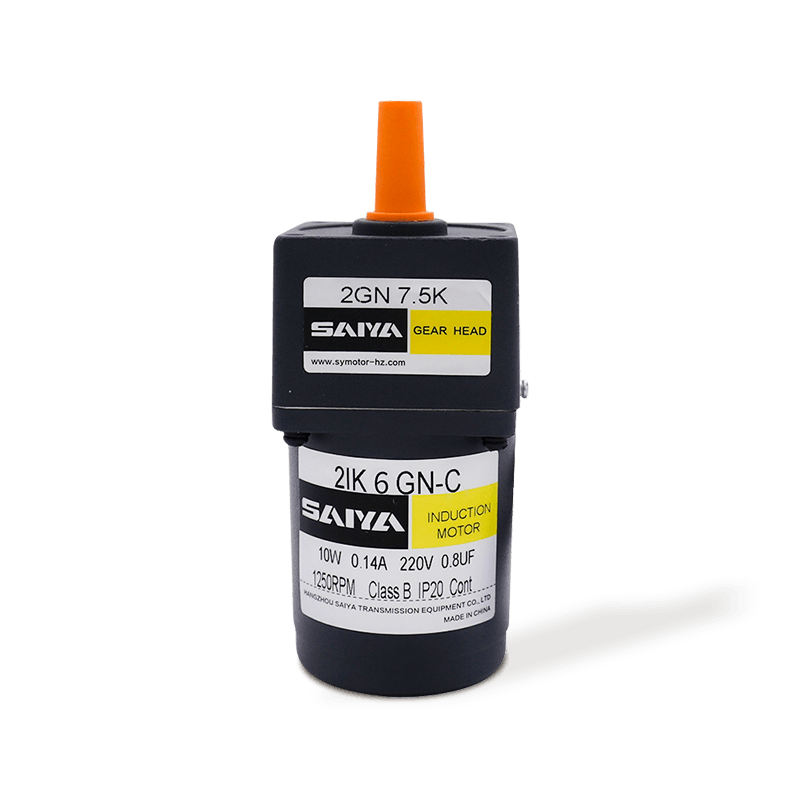
This 6W Induction AC Gear Motor is an efficient, compact and reliable small motor suitable for a wide range of industrial and household applications.Motor frame 60mm x 60mm making it easy to install ...
See Details -
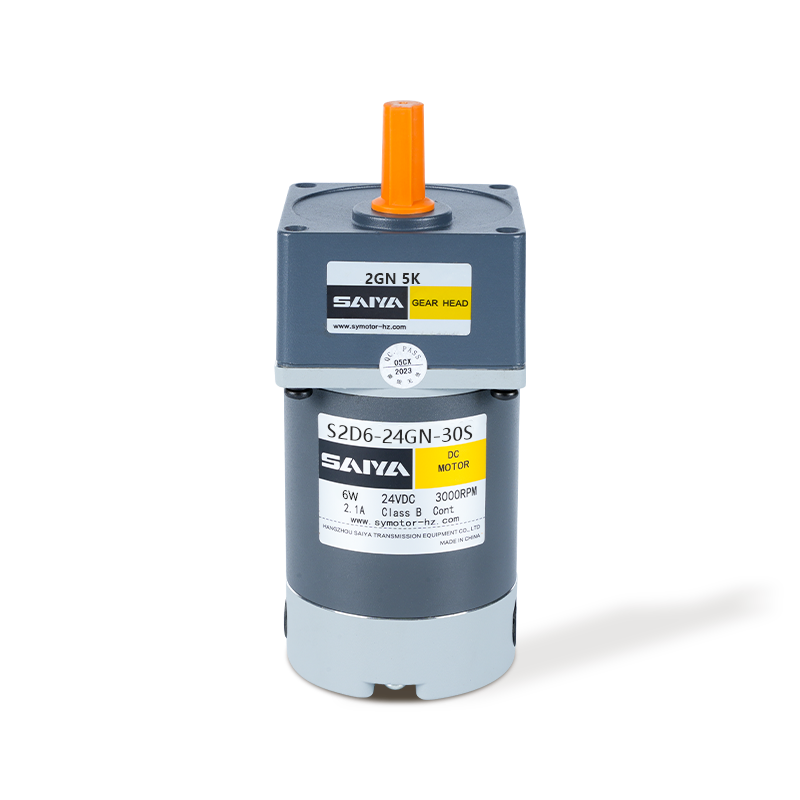
The 6W brush DC gbear motor is designed for efficiency and versatility, suitable for various applications. With a compact frame size of 60mm x 60mm, it fits seamlessly into tight spaces. The motor ope...
See Details -
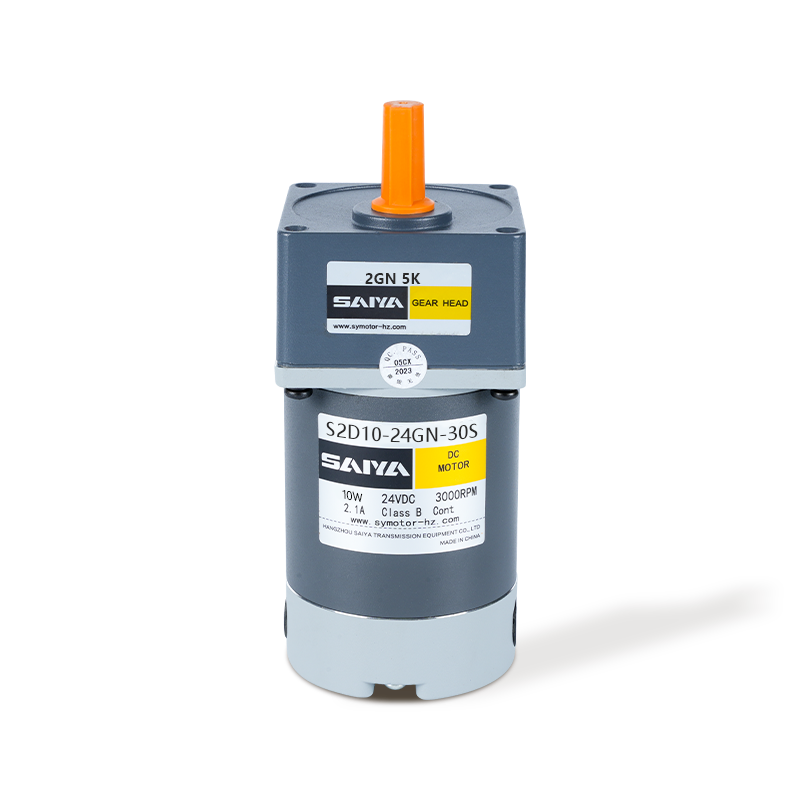
The 10W brush DC gear motor offers high performance and adaptability, for a range of industrial and hobbyist applications. With a frame size of 60mm x 60mm, this motor is designed to fit into confined...
See Details -
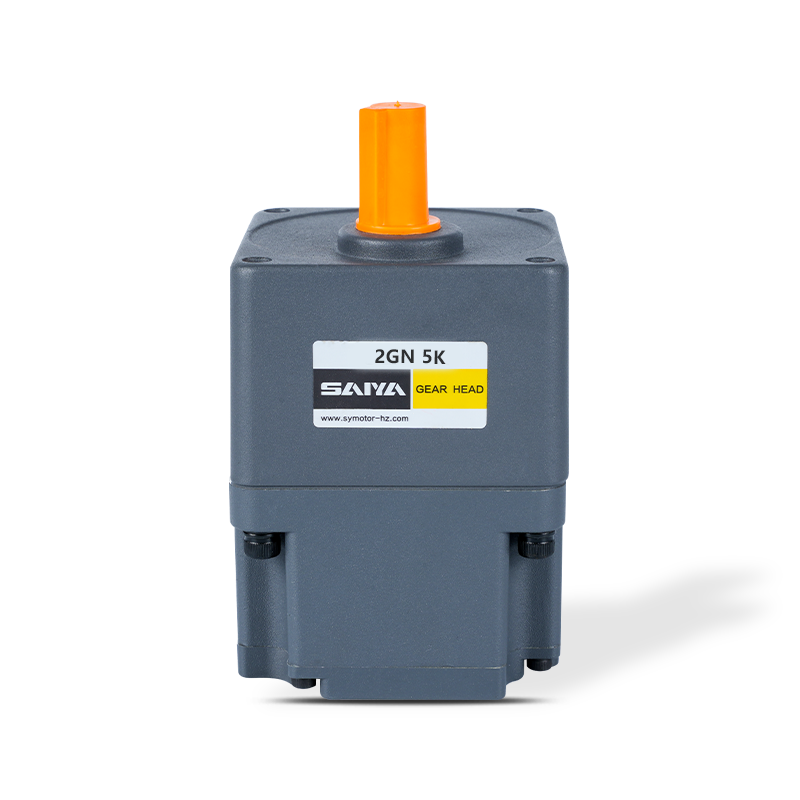
The 24V Brushless Gear Motor is a versatile and efficient motor designed for a range of applications. With dimensions ranging from 60mm x 60mm to 104mm x 104mm, this motor can fit into various equipme...
See Details -
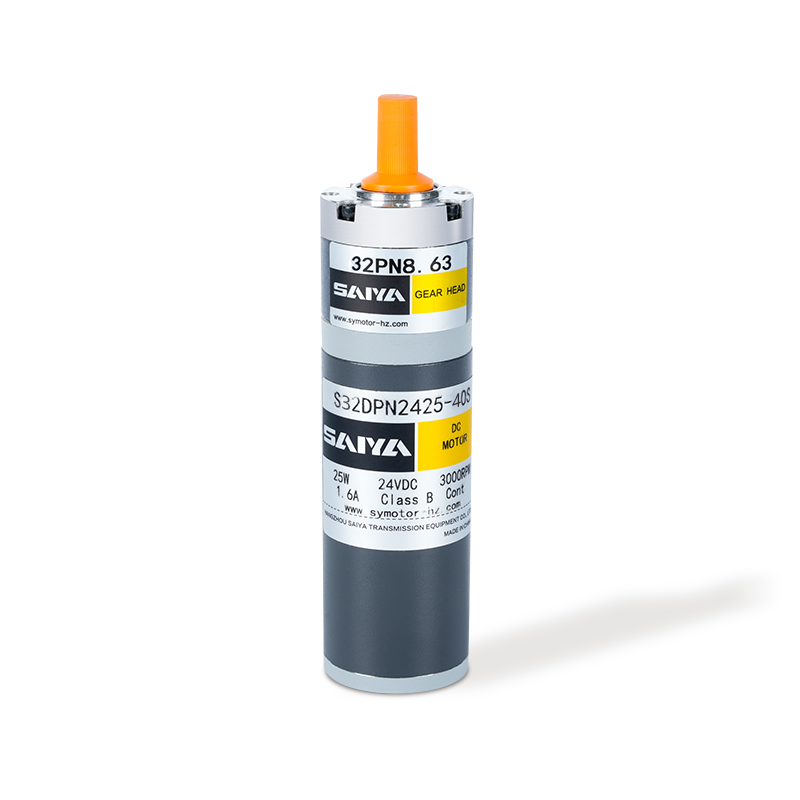
The 32mm brushed planetary gear motor is a compact and efficient solution designed for various applications requiring high torque and precise control. With a diameter of 32mm, this motor is ideally su...
See Details -
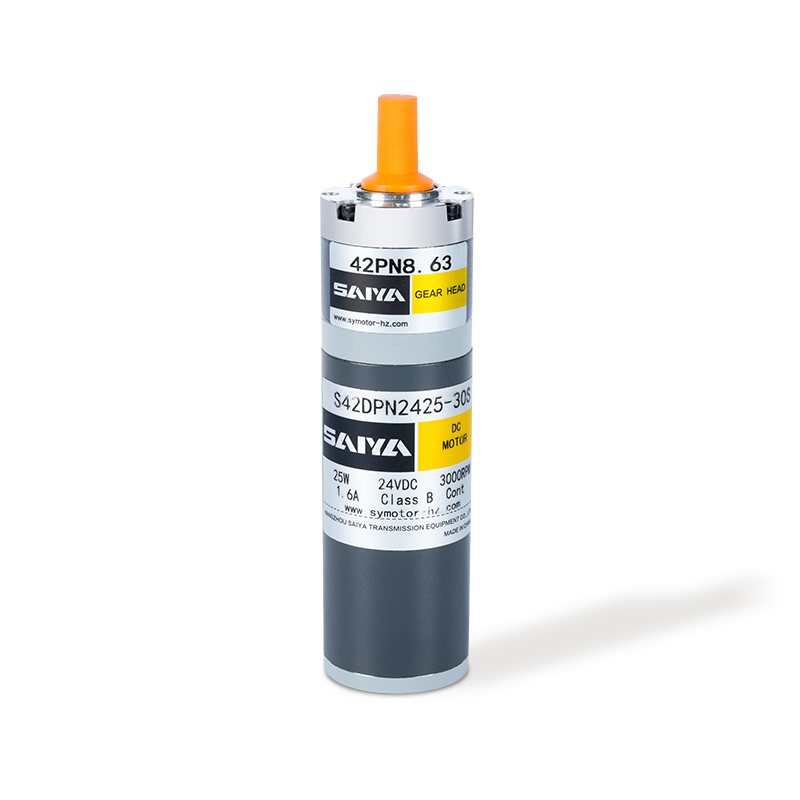
The 42mm brush planetary gear motor is a versatile and efficient component widely used in various applications requiring precise torque and speed control. With a rated current ranging from 0.7 to 1.1A...
See Details -
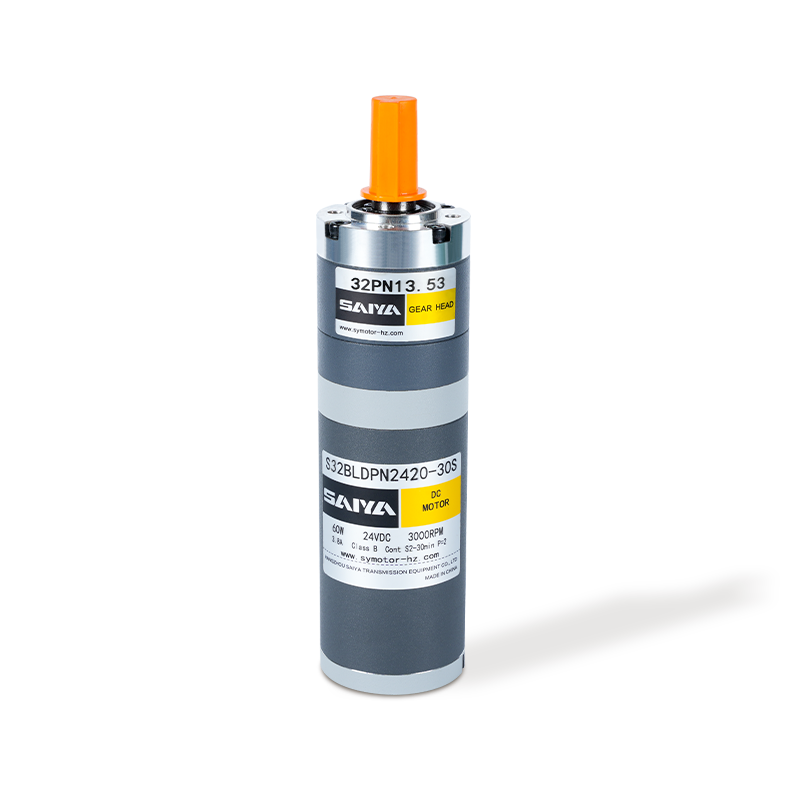
The 32mm Brushless Planetary Gear Motor is a high-performance, compact solution ideal for applications requiring efficiency and reliability. Operating at a rated voltage of 24V and consuming 20W of po...
See Details -
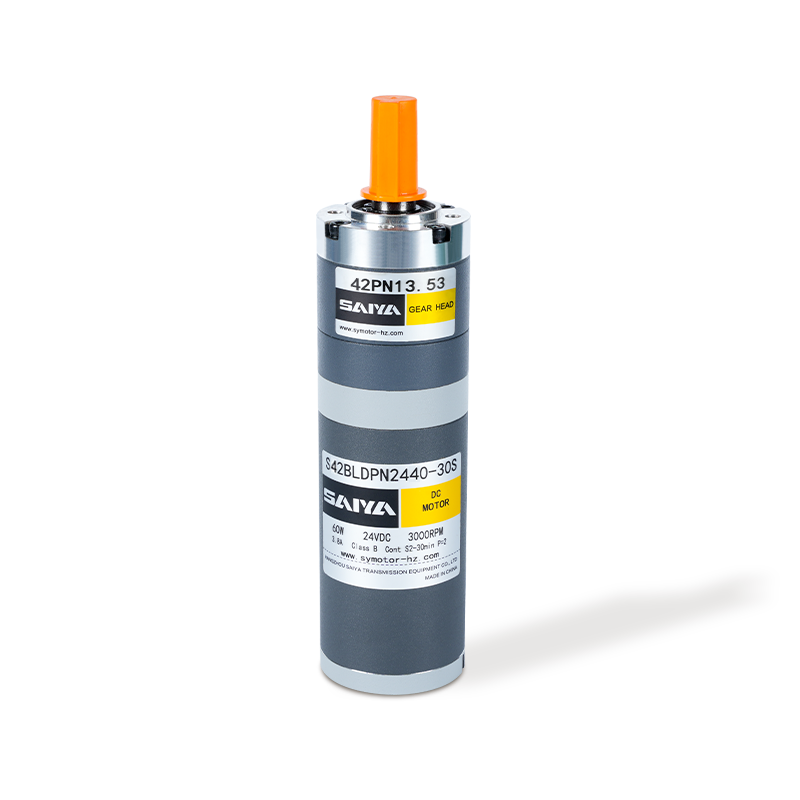
The 42mm brushless planetary motor is a high-efficiency motor product that is widely used in various scenarios requiring precision transmission. The rated current of this motor is 1.3A and the rated t...
See Details -
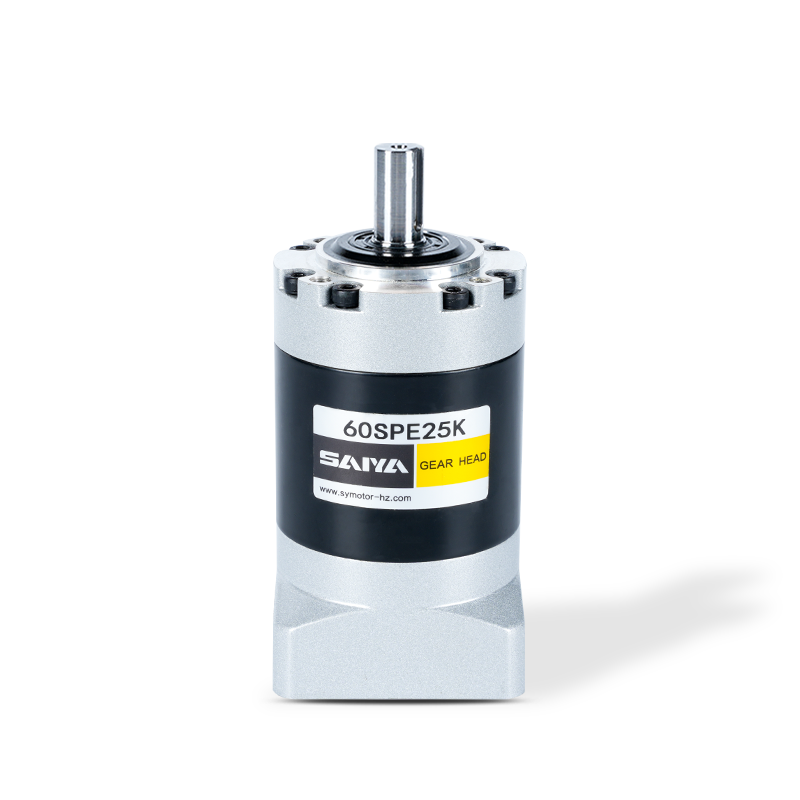
The SPE series gearboxes, flange size range with 40, 60, 80, 120, and 160 models, are designed to provide efficient and robust power transmission solutions. These gearboxes feature a round output flan...
See Details -
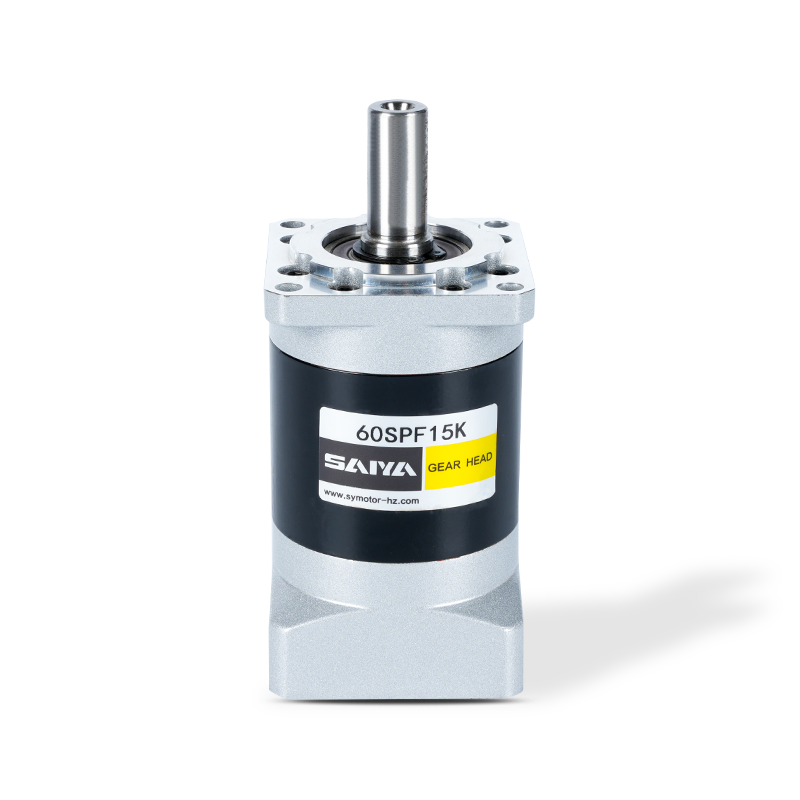
The SPF series are with square output flanges, accommodating dimensions from 40mm to 160mm. These flanges are engineered to excel in various industrial applications, offering reliable performance acro...
See Details -
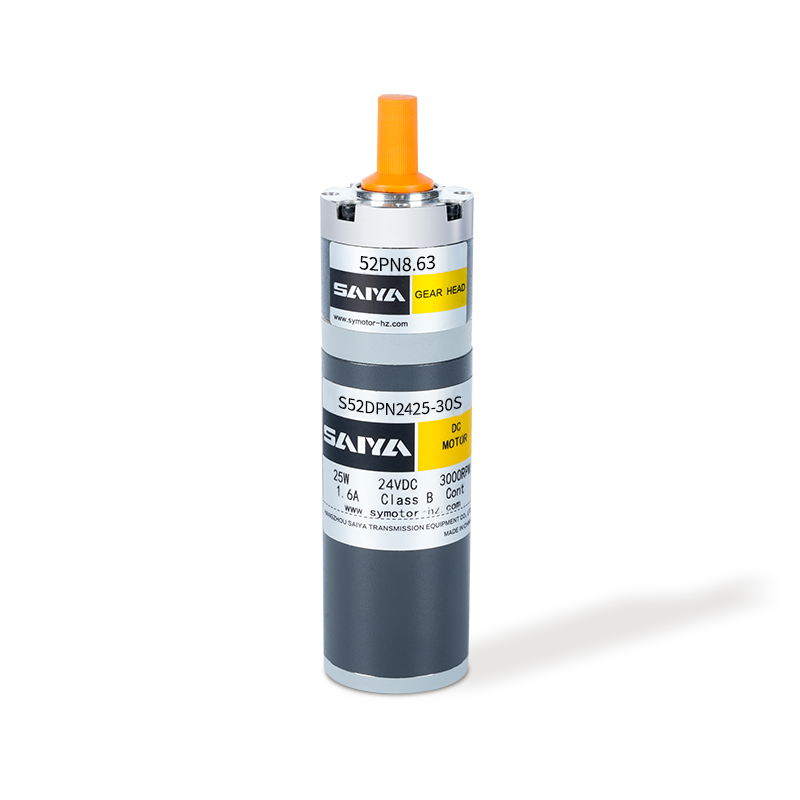
The 52mm brushed planetary gear motor is a compact and efficient solution designed for various applications requiring high torque and precise control. With a diameter of 52mm, this motor is ideally su...
See Details -
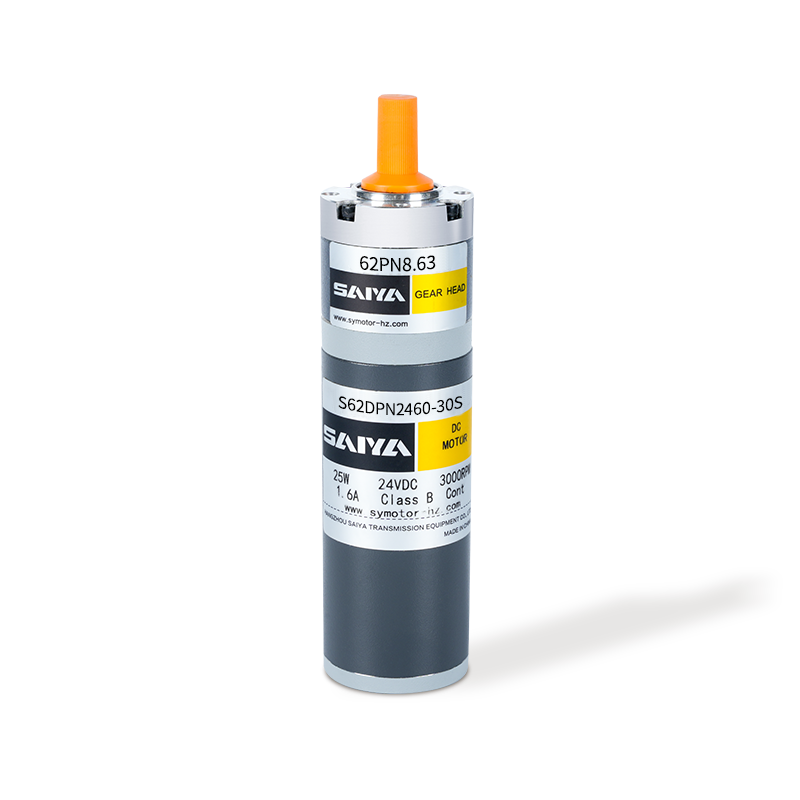
The 62mm brush planetary gear motor is a versatile and efficient component widely used in various applications requiring precise torque and speed control. With a rated current ranging from 2.5 to 5.5A...
See Details
CONTACT DETAILS
- TEL: 0086-0571-86951513/86951543
- Fax: 0086-571-86040769
- E-mail: [email protected] / [email protected] / [email protected]
- Office: Hangzhou Saiya Transmisson Equipment Co.,Ltd
- Office Address: Room 2201, Wanyin building, Hangzhou City, Zhejiang Province
- Factory: Zhejiang Saiya Intelligent Manufacturing Co., Ltd.
- Factory Address: No.35 Building , Zhongnan High-tech Yunhe Zhigu Industrial Park, Xinan town, Deqing county, Huzhou city, Zhejiang, China
QUICK LINK
PRODUCT
If You Are Intrested
In Our Products,
Please Consult Us
Copyright © Zhejiang Saiya Intelligent Manufacturing Co., Ltd. All Rights Reserved.
Custom Gear Reduction Motors Suppliers
