 EN
EN  English
 中文简体
中文简体 русский
 Español
Home / News / Industry News / What are the important parameters to pay attention to when purchasing Small AC Gear Motors?


Application Industry
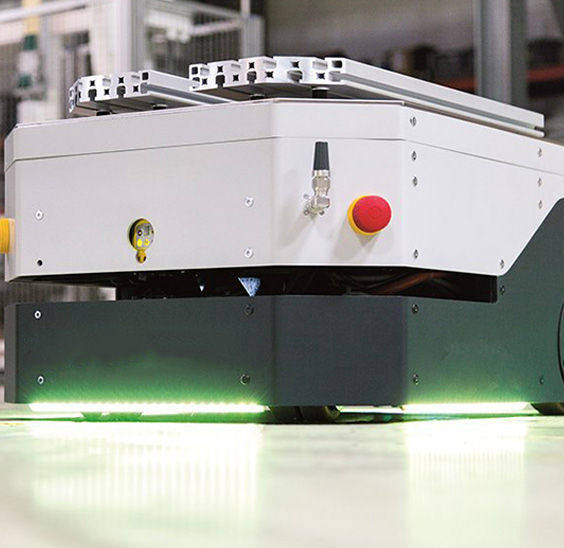
AGV

Automated robots
laser cutting

Logistics sorting

Photovoltaic power-station

Medical devices
What are the important parameters to pay attention to when purchasing Small AC Gear Motors?
When looking to purchase Small AC Gear Motors, it's crucial to consider multiple factors that will determine the motor's suitability for specific applications. Whether for industrial machinery, robotics, or household appliances, the right motor can significantly enhance efficiency, durability, and overall performance. This guide will discuss the important parameters to keep in mind while purchasing a Small AC Gear Motor, including power, torque, noise levels, and efficiency. We will also address long-tail keywords like small AC gear motors for industrial machines, best small AC gear motors for robotics, small AC gear motors with low noise, efficient small AC gear motors for automation systems, and affordable small AC gear motors for home appliances to help you make a well-informed decision.
1. Understanding the Applications of Small AC Gear Motors
1.1 Small AC Gear Motors for Industrial Machines
Small AC Gear Motors are extensively used in industrial machines for their ability to convert electrical energy into mechanical energy efficiently. In industrial settings, these motors are used in applications such as conveyors, automated machinery, and robotic arms. When selecting a motor for industrial use, the primary considerations should be its durability, torque, and efficiency. Motors for industrial machines often operate in harsh environments, so selecting a motor with the right IP rating (Ingress Protection) is vital to ensure longevity.
Key Features of Small AC Gear Motors for Industrial Machines
- High torque output
- Efficient energy consumption
- Durability under continuous load
- Suitable for high-duty cycles
1.2 Small AC Gear Motors for Robotics
For robotics, Small AC Gear Motors must meet specific requirements, including precise control, minimal noise, and compact size. The best small AC gear motors for robotics are those that allow for fine-tuned movements while maintaining energy efficiency. Motors used in robotics typically need to be lightweight, reliable, and capable of operating for extended periods without overheating.
Comparison of Small AC Gear Motors for Industrial Machines vs. Robotics
| Parameter | Industrial Machines | Robotics |
| Torque | High, for heavy-duty operations | Moderate, for precision control |
| Size | Larger, designed for robust tasks | Compact, designed for portability and flexibility |
| Noise | Moderate noise is acceptable | Low noise is critical |
2. Key Parameters to Consider When Purchasing Small AC Gear Motors
2.1 Power and Torque Requirements
One of the most important parameters when selecting a Small AC Gear Motor is understanding the power and torque needed for your specific application. Power (in watts) dictates how much work the motor can perform, while torque (in Newton-meters) determines the motor’s ability to rotate a load. For industrial machines, high torque motors are often necessary, while robotics and home appliances require lower torque for more precise movements.
Torque vs. Power in Various Applications
| Application | Power Requirement | Torque Requirement |
| Industrial Machines | Higher power to handle larger loads | High torque for heavy-duty tasks |
| Robotics | Moderate power for precision | Moderate torque for fine control |
| Home Appliances | Lower power for energy efficiency | Low torque for light tasks |
2.2 Speed and Efficiency
The speed of a Small AC Gear Motor is critical for many applications. Higher speeds are required for tasks such as conveyors or fans, while slower speeds are needed for precise operations such as robotics or automated systems. When considering efficiency, always look for motors with high energy conversion rates, as this will reduce operational costs, especially in applications requiring long hours of use, such as in efficient small AC gear motors for automation systems.
2.3 Noise Levels
Noise is an important consideration, particularly for environments where quiet operation is necessary. Motors that operate at lower decibels are preferable in settings such as medical devices, offices, and home appliances. When looking for small AC gear motors with low noise, pay attention to the motor's sound rating (usually in decibels) to ensure it meets your requirements.
3. Other Key Factors Influencing Purchase Decisions
3.1 Cost and Value
While it's tempting to choose the most affordable option, it's essential to consider the cost-effectiveness and value offered by a Small AC Gear Motor. Depending on your application, you may want to opt for a slightly higher-priced motor that offers better durability, higher efficiency, and lower maintenance costs. This is especially relevant for affordable small AC gear motors for home appliances, where balancing price with quality is key.
3.2 Brand and Warranty
Choosing a motor from a reliable manufacturer can significantly impact the reliability and longevity of your motor. Ensure that the product comes with a warranty to protect against potential defects or performance issues. Look for manufacturers that offer support and service to resolve any problems post-purchase.
3.3 After-Sales Service and Support
After-sales support is another important factor when purchasing a Small AC Gear Motor. Verify that the manufacturer provides a solid customer service network, with clear policies on repairs, troubleshooting, and replacements. This ensures that the motor operates effectively throughout its lifespan.
4. Conclusion: Making the Right Decision for Your Small AC Gear Motor
In summary, selecting the right Small AC Gear Motor involves a comprehensive assessment of your specific needs, including power, torque, noise levels, and efficiency. By considering these factors in detail and aligning them with the intended application—whether industrial, robotics, or home appliances—you can make an informed decision that maximizes both performance and cost-effectiveness. Don’t forget to check the motor’s warranty and after-sales support to ensure long-term reliability.
FAQs
1. What are the key benefits of using Small AC Gear Motors in industrial applications?
Small AC gear motors are widely used in industrial applications due to their high torque, durability, and efficiency, which are essential for operating automated machinery and conveyor systems.
2. How do I determine the right torque for a Small AC Gear Motor?
The required torque depends on the load the motor will be driving. Industrial machines generally require high torque, while robotics and appliances need moderate to low torque for precision control.
3. Why is noise an important factor when selecting Small AC Gear Motors?
Noise is particularly crucial in applications such as medical devices and home appliances, where quiet operation is necessary to avoid disturbance or health risks.
4. What makes efficient small AC gear motors for automation systems stand out?
Efficiency in small AC gear motors for automation systems helps reduce energy consumption, leading to lower operational costs and increased sustainability for businesses.
5. Are small AC gear motors with low noise more expensive?
Motors designed for low noise may cost slightly more due to advanced technology in their construction, but they provide significant benefits in noise-sensitive environments.
Related products
-
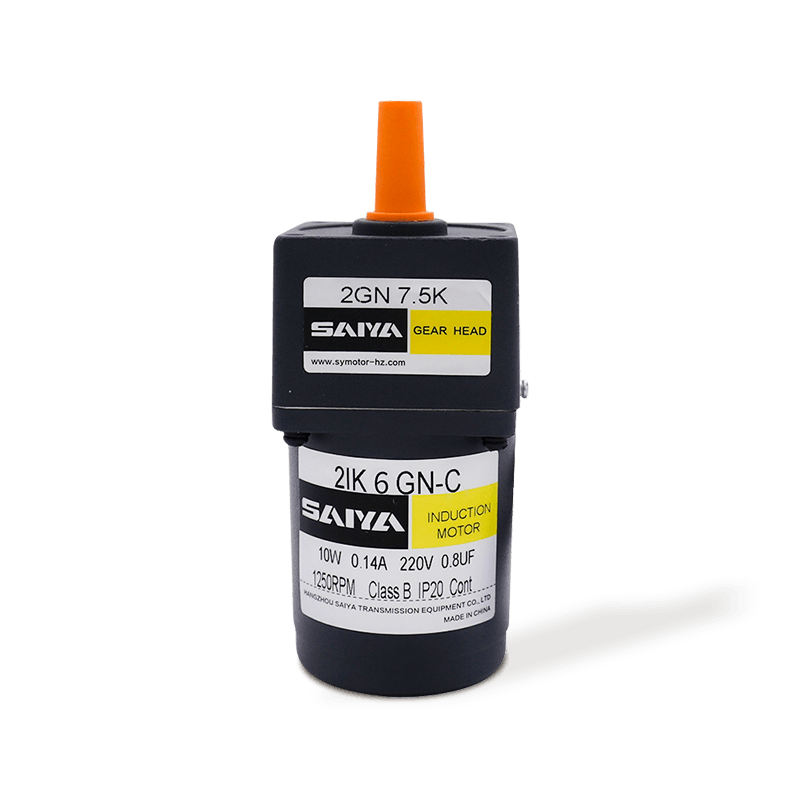
This 6W Induction AC Gear Motor is an efficient, compact and reliable small motor suitable for a wide range of industrial and household applications.Motor frame 60mm x 60mm making it easy to install ...
See Details -
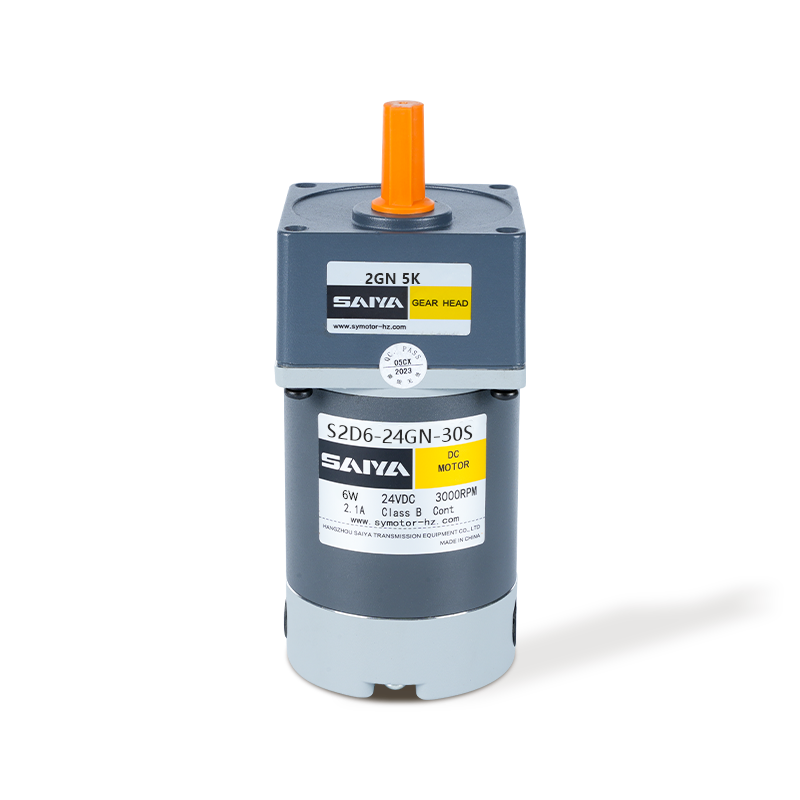
The 6W brush DC gbear motor is designed for efficiency and versatility, suitable for various applications. With a compact frame size of 60mm x 60mm, it fits seamlessly into tight spaces. The motor ope...
See Details -
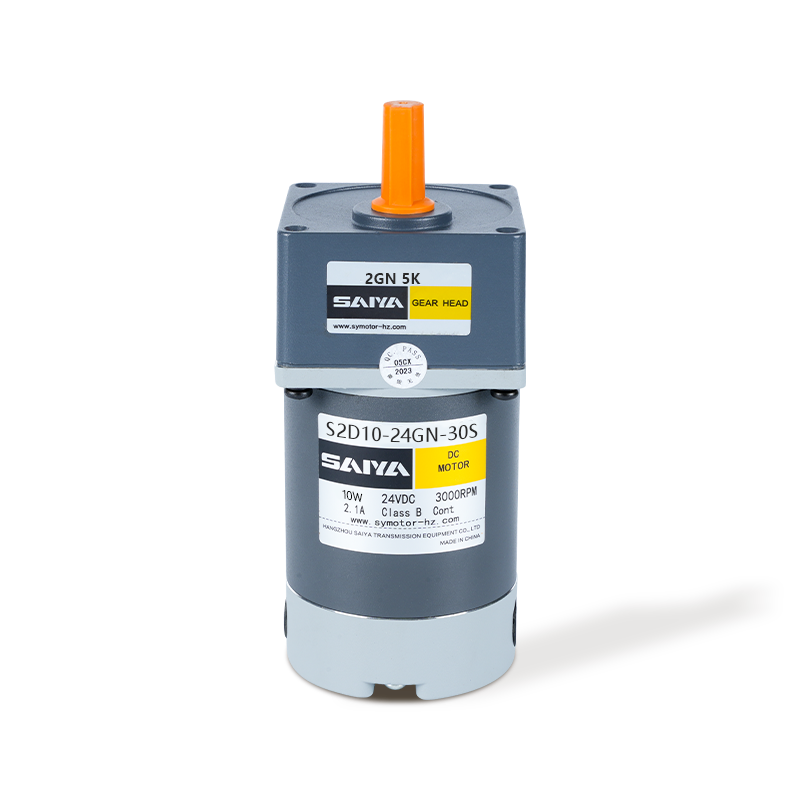
The 10W brush DC gear motor offers high performance and adaptability, for a range of industrial and hobbyist applications. With a frame size of 60mm x 60mm, this motor is designed to fit into confined...
See Details -
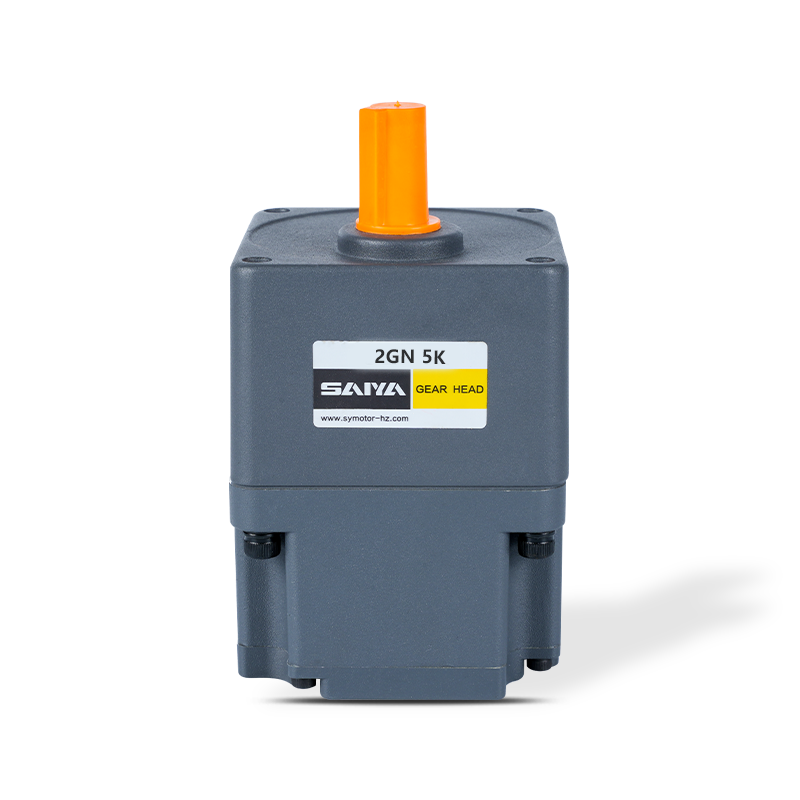
The 24V Brushless Gear Motor is a versatile and efficient motor designed for a range of applications. With dimensions ranging from 60mm x 60mm to 104mm x 104mm, this motor can fit into various equipme...
See Details -
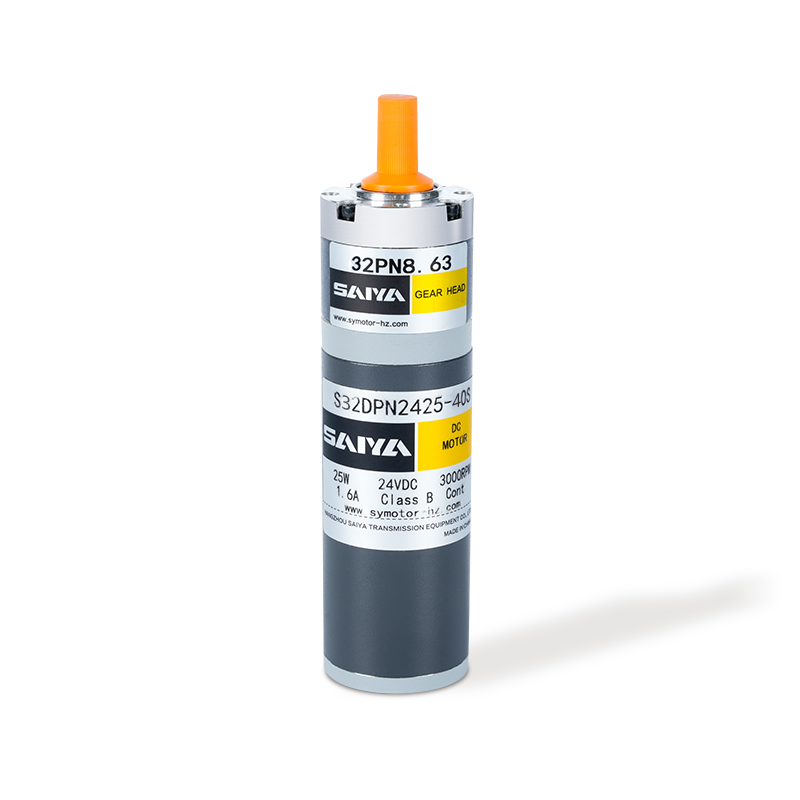
The 32mm brushed planetary gear motor is a compact and efficient solution designed for various applications requiring high torque and precise control. With a diameter of 32mm, this motor is ideally su...
See Details -
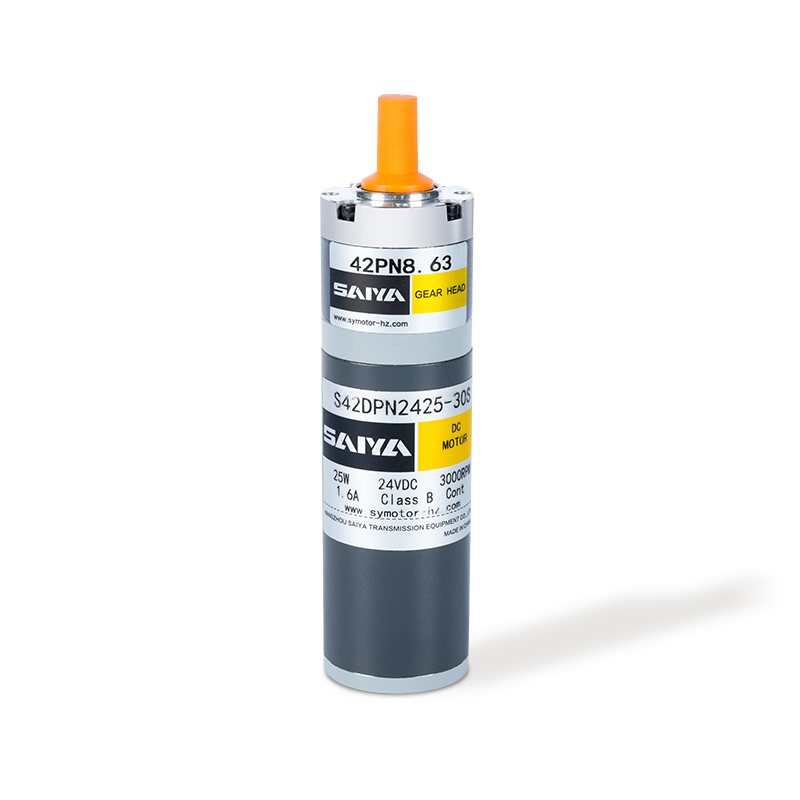
The 42mm brush planetary gear motor is a versatile and efficient component widely used in various applications requiring precise torque and speed control. With a rated current ranging from 0.7 to 1.1A...
See Details -
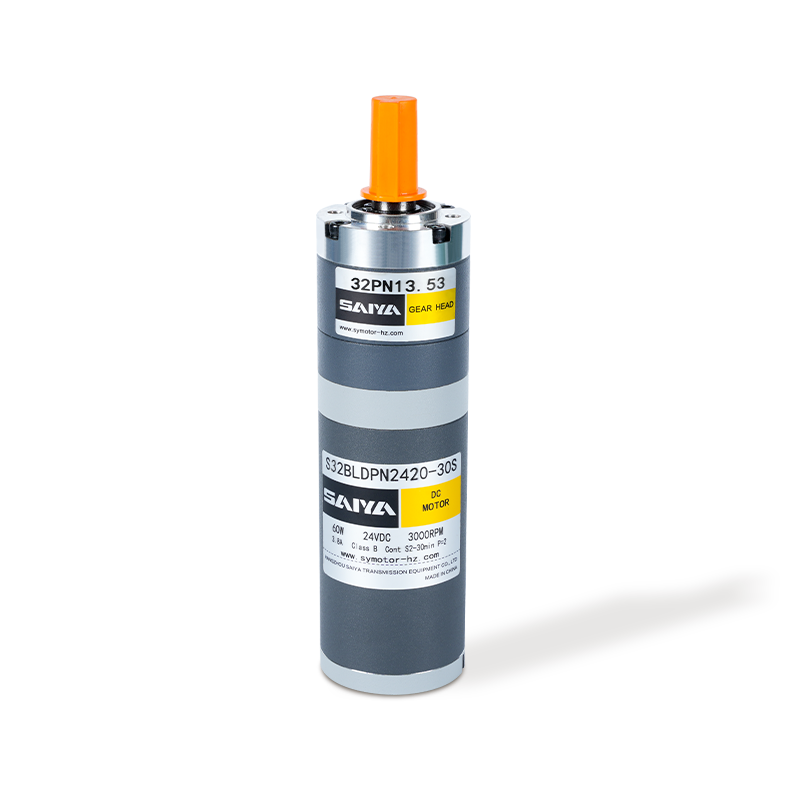
The 32mm Brushless Planetary Gear Motor is a high-performance, compact solution ideal for applications requiring efficiency and reliability. Operating at a rated voltage of 24V and consuming 20W of po...
See Details -
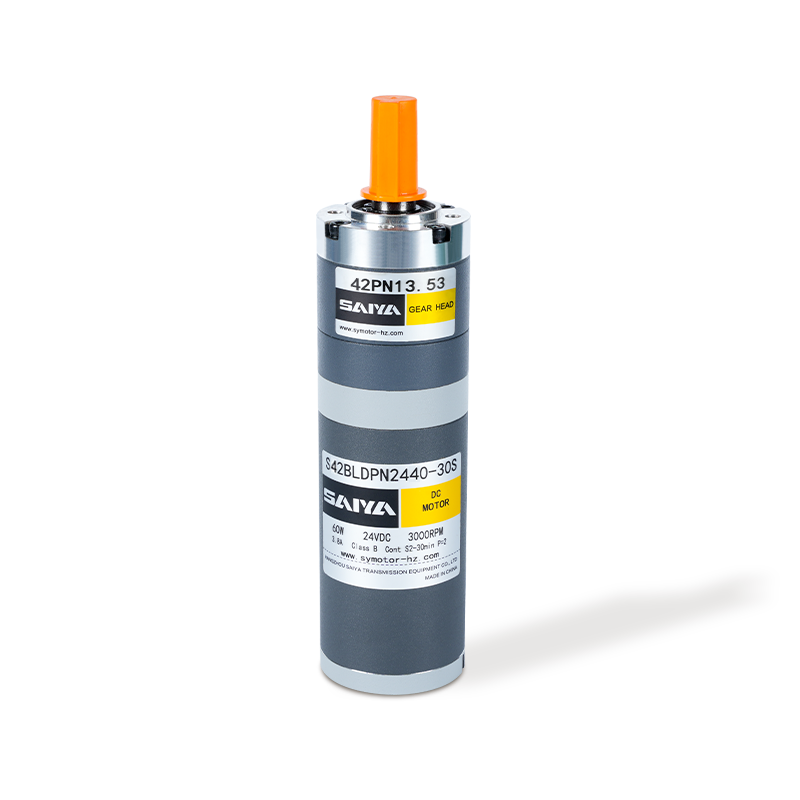
The 42mm brushless planetary motor is a high-efficiency motor product that is widely used in various scenarios requiring precision transmission. The rated current of this motor is 1.3A and the rated t...
See Details -
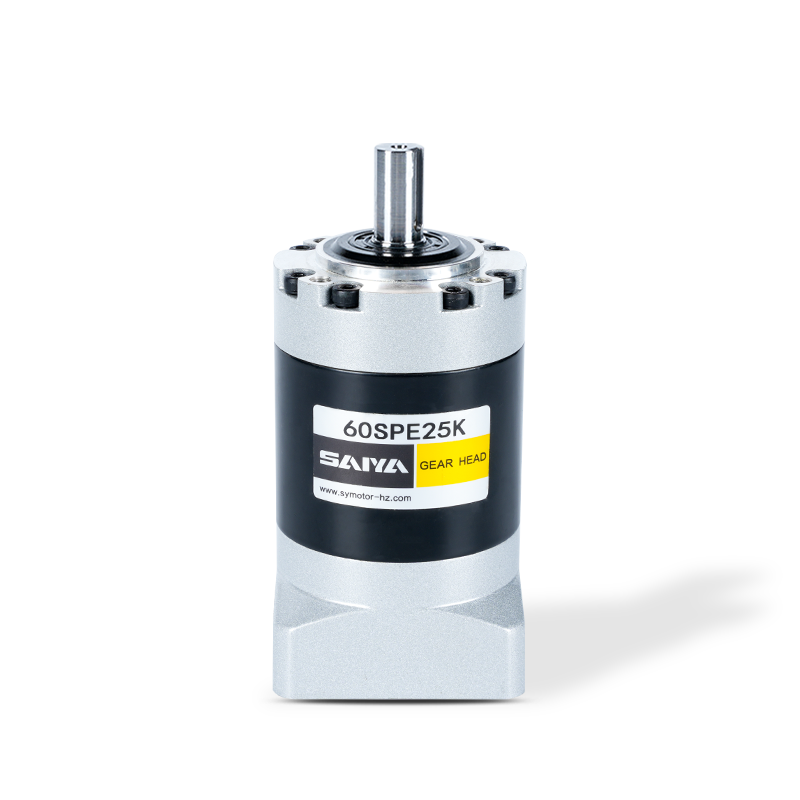
The SPE series gearboxes, flange size range with 40, 60, 80, 120, and 160 models, are designed to provide efficient and robust power transmission solutions. These gearboxes feature a round output flan...
See Details -
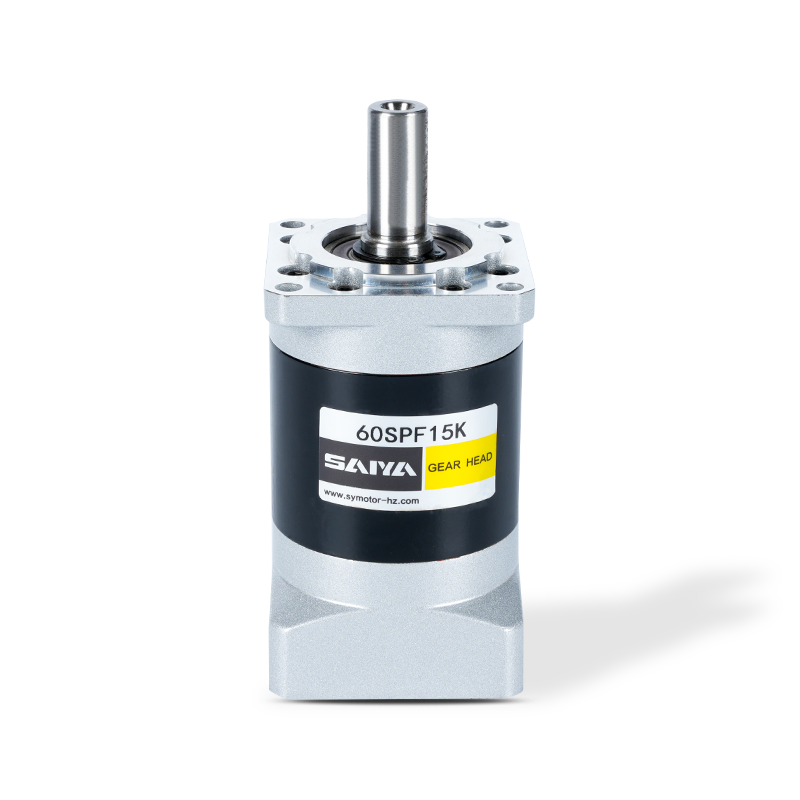
The SPF series are with square output flanges, accommodating dimensions from 40mm to 160mm. These flanges are engineered to excel in various industrial applications, offering reliable performance acro...
See Details -
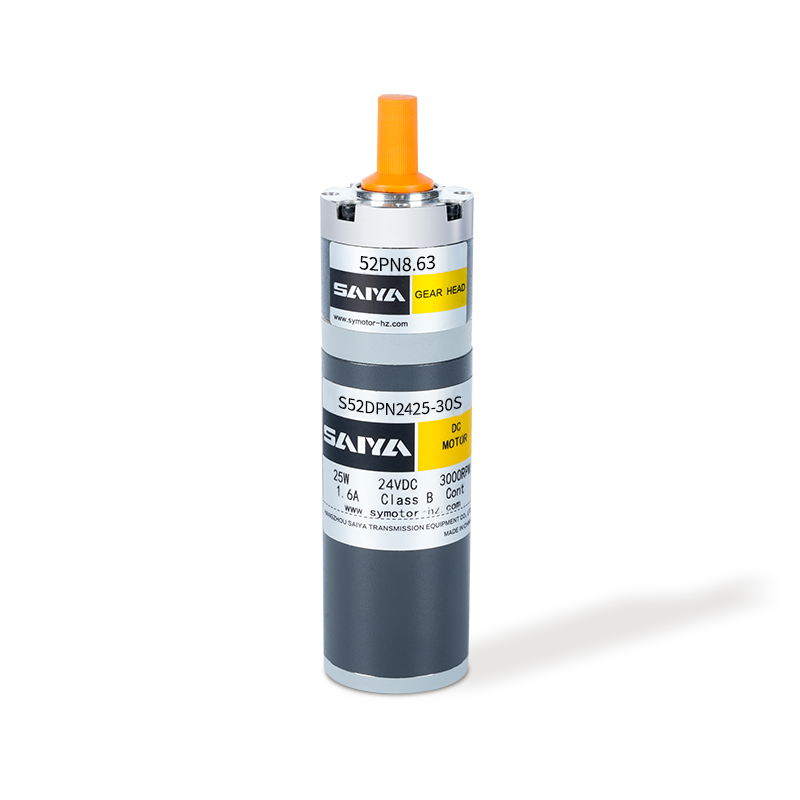
The 52mm brushed planetary gear motor is a compact and efficient solution designed for various applications requiring high torque and precise control. With a diameter of 52mm, this motor is ideally su...
See Details -
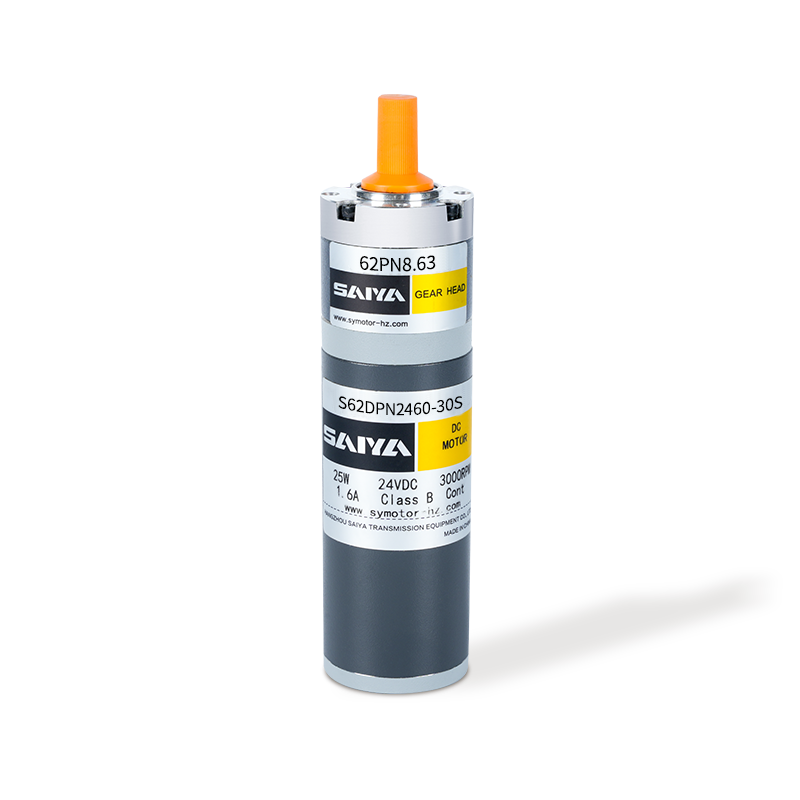
The 62mm brush planetary gear motor is a versatile and efficient component widely used in various applications requiring precise torque and speed control. With a rated current ranging from 2.5 to 5.5A...
See Details
CONTACT DETAILS
- TEL: 0086-0571-86951513/86951543
- Fax: 0086-571-86040769
- E-mail: [email protected] / [email protected] / [email protected]
- Office: Hangzhou Saiya Transmisson Equipment Co.,Ltd
- Office Address: Room 2201, Wanyin building, Hangzhou City, Zhejiang Province
- Factory: Zhejiang Saiya Intelligent Manufacturing Co., Ltd.
- Factory Address: No.35 Building , Zhongnan High-tech Yunhe Zhigu Industrial Park, Xinan town, Deqing county, Huzhou city, Zhejiang, China
QUICK LINK
PRODUCT
If You Are Intrested
In Our Products,
Please Consult Us
Copyright © Zhejiang Saiya Intelligent Manufacturing Co., Ltd. All Rights Reserved.
Custom Gear Reduction Motors Suppliers
