 EN
 English
 中文简体
 русский
 Español

Home / News / Industry News / Planetary Gear Motor Efficiency in Robotics & AGV Applications | SYmotor


Application Industry
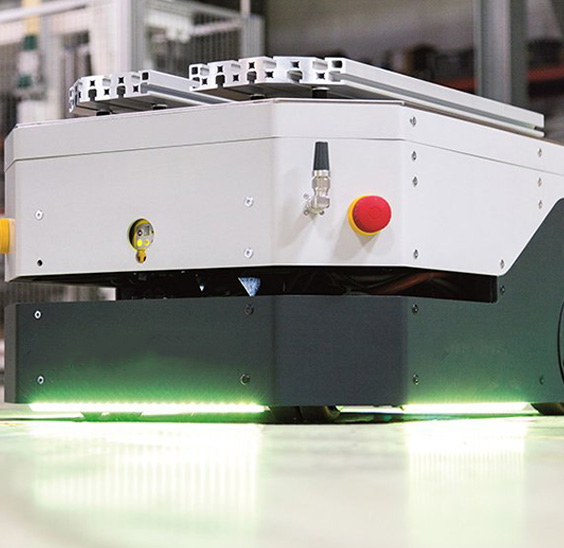
AGV

Automated robots

laser cutting

Logistics sorting

Photovoltaic power-station

Medical devices
Planetary Gear Motor Efficiency in Robotics & AGV Applications | SYmotor
A 600 kg AGV finishes its third hour on the floor with 31% higher wheel-motor current, position repeatability that has drifted from plus/minus 3 mm to plus/minus 12 mm, and a battery discharge curve far steeper than the control software predicted. The failure chain starts in the transmission, not the motor. A planetary gear motor interrupts that chain by converting input power with 95-97% efficiency per stage, which is precisely why planetary drives have become the default architecture in robotics and AGV applications.
How a Planetary Gear Motor Improves Efficiency: The Working Principle
A planetary gear motor improves system efficiency by distributing transmitted load across three or more planet gears that mesh simultaneously with a central sun gear and an outer ring gear, reducing friction per contact point and cutting heat loss at every mesh.
The rotating carrier holds the planet gears in mesh with both the sun gear and the ring gear. Because torque flows through several gear sets at once, the force on each tooth is a fraction of what a comparable spur or worm stage would carry. Lower tooth pressure means lower friction losses, longer component life, and less heat injected into the gearbox housing.
Definition
A planetary gear motor is a motor integrated with a planetary reduction stage, in which multiple planet gears rotate around a central sun gear inside a fixed ring gear to multiply torque while sharing load across several meshing tooth sets.
The practical result is a compact coaxial gearbox that reaches a reduction ratio of 3:1 to 10:1 in a single stage and can stack multiple stages for higher ratios without expanding the mounting footprint. Two well-lubricated planetary stages still hold roughly 90-95% combined efficiency.
Efficiency Benchmarks: Planetary vs Conventional Gear Trains
Industrial test data places single-stage planetary efficiency at 95-97%, versus 50-85% for worm gears and 94-98% for helical gears measured under the same lubrication and speed conditions.
This spread matters far more in battery-powered motion than in a line-powered conveyor. Consider a 300 W AGV drive motor producing 240 W of usable mechanical output. At 80% transmission efficiency, the motor must draw 300 W from the battery. At 95% efficiency, the same 240 W output requires only 253 W: a 15.8% reduction in input power, all of it converted to heat that never enters the system.
Representative single-stage efficiency values with the horizontal axis starting at 40% efficiency.
95-97%Single-stage planetary efficiency
15.8%Input power reduction from 80% to 95% efficiency
3:1-10:1Reduction ratio per planetary stage
| Gearbox type | Single-stage efficiency | Typical backlash | Best suited for |
| Planetary | 95-97% | 3-10 arcmin | Robotics and AGV drives |
| Helical | 94-98% | 5-20 arcmin | High-speed continuous duty |
| Spur | 94-97% | 5-30 arcmin | Simple fixed-axis reduction |
| Worm | 50-85% | High | Space-constrained right angle |
| Cycloidal | 90-95% | 1-3 arcmin | High-load precision indexers |
The comparison also explains why engineers accept the higher manufacturing complexity of planetary gear sets. The energy that worm and spur trains lose as heat becomes usable torque at the shaft, and the structural reasons are visible when you look at how planetary gear motors differ from traditional gear motors.
Robotics Benefits: Planetary Gear Motor Torque Density and Lower Reflected Inertia
For robotic joints, a planetary gear motor cuts reflected inertia by 40-60% compared with a parallel-shaft gearmotor of the same ratio, improving acceleration, deceleration, and servo gain margins without adding mass.
Reflected inertia scales with the square of the reduction ratio. A high-ratio stage multiplies the rotor inertia seen by the load and forces the servo loop to work harder to reverse direction. The coaxial planetary layout keeps the motor rotor and gear meshes aligned along one axis, shortening the mechanical chain and reducing the moving mass the controller must stabilize.
Backlash control is equally important. Precision planetary stages hold 3-10 arcmin backlash, and tighter variants reach 3 arcmin. In a pick-and-place arm running 200 cycles per minute, backlash converts directly into end-effector positioning error that the controller cannot fully cancel.
 42mm Brushless Planetary Gear Motor with Wide Reduction RatiosThis compact brushless motor offers rated torque 0.048 N·m and reduction ratios from 3.7 to 307.54, making it a precise, low-backlash option for joint drives and lightweight manipulators.View Product →
The 42 mm brushless planetary gear motor class delivers this combination in a sub-kilogram package, which is why it appears in joint drives, gripper actuators, and lightweight manipulators.
Three specifications determine whether a planetary gear motor suits a robotic joint:
- Peak torque at 3-5 times rated torque for acceleration and occasional collision peaks
- Torsional stiffness above 10 Nm/arcmin to keep the resonance frequency outside the control bandwidth
- Housing temperature rise below 40 K at continuous rated load
An industrial robot arm cycling 200 times per minute spends most of its energy budget accelerating and decelerating the reflected inertia of its own drivetrain. Halving that reflected inertia is often worth more than a 2% gain in gearmesh efficiency.
AGV Systems: How Planetary Gear Motors Convert Efficiency into Battery Runtime
In AGV drive trains, every percentage point of transmission efficiency transfers directly into battery charge preserved and heat that never reaches the motor windings.
Platform designers commonly pair 24 V or 48 V brushless DC motors with planetary reduction stages because both share the same logic: high efficiency at partial load and long life under continuous operation. A 150 kg AGV with two 400 W drive motors needs roughly 30 Nm at the wheels, and a planetary stage at 4:1 or 5:1 keeps the motor small while preserving 95% of the input energy. A worm gear of the same ratio would consume 15-30% more input power for the same output.
Heat is the second efficiency currency. When a worm gearbox wastes 20% of input power as heat, that heat raises winding temperature, accelerates grease degradation, and shortens seal life. A planetary stage running 3-5 K above ambient instead of 30-50 K keeps the entire drive cool. Understanding what motors are used in AGV systems and how planetary stages integrate with them clarifies why 24 V brushless plus a planetary reducer has become the standard combination.
Regenerative braking also behaves better with planetary gearing. During deceleration, torque flows backward through the gear train into the motor. Low-backlash planetary stages transmit that reverse torque almost instantaneously, so the controller can recover braking energy without fighting a loose gear set.
AGV
A 24 V AGV drive with an 82% efficient worm stage transferring 240 W needs 293 W of battery power. Replacing the stage with a 95% efficient planetary gear motor cuts that demand to 253 W, a 40 W saving per motor, or 0.64 kWh of preserved capacity across a single 16-hour shift.
For platforms that need a complete walking drive package, dedicated AGV walking series products integrate the motor, planetary stage, and mechanical interface into one subsystem, reducing assembly time and supplier coordination during prototyping.
 FG120 AGV Walking Series Planetary Gear MotorDesigned for AGV drive integration, this compact unit features low backlash, high rigidity, and high torque with start torque at 0.5 N·m, supporting precise positioning in walking systems.View Product →
Selecting a Planetary Gear Motor: Five Specifications That Decide Efficiency
Efficiency is not a single data-sheet number; it shifts with reduction ratio, input speed, torque level, and lubricant temperature, so a correctly selected planetary gear motor keeps its operating point inside the peak-efficiency zone across the whole mission profile.
Define peak and RMS torque
Measure the duty cycle as torque over time, not just the maximum value. RMS torque determines continuous rating and thermal performance; peak torque checks the safety factor against stall and impact loads.
Derive the reduction ratio from wheel speed
An AGV traveling at 1.5 m/s with a 200 mm wheel needs roughly 143 rpm at the wheel. Motor speed, battery voltage, and required wheel torque define the ratio, and the ratio defines the stage count and final efficiency.
Set backlash and torsional stiffness limits
For positioning-critical axes, specify precision-grade backlash below 10 arcmin. For pure traction drives, standard-grade backlash is acceptable and more cost-effective.
Match voltage, control, and feedback
24 V and 48 V brushless planetary gear motors integrate cleanly with AGV controllers and allow encoder feedback without extra gearing. Brushed planetary motors remain competitive for simpler start-stop duties.
Evaluate thermal limits at worst-case ambient
A gearmotor sized for 25 degrees C and run in a 45 degrees C AGV enclosure loses a measurable share of its service life. Use the rated service factor at the actual ambient temperature.
Right-sizing also protects efficiency. Oversizing a drive so the motor runs at 30% of rated load pushes the gear train out of its peak-efficiency band, and undersizing forces continuous overload that drives mesh temperatures up. An honest torque profile is the most valuable input in the selection process.
Manufacturers such as Zhejiang Saiya Intelligent Manufacturing Co., Ltd. offer planetary gear motors in 32 mm to 82 mm frame sizes, which gives integrators a documented path from compact joint drives to heavy wheel drives without changing suppliers. Beyond the entry-level 32 mm and 42 mm classes, the 62 mm brush planetary gear motor range adds enough tooth surface area for wheel drives on 300 kg to 800 kg AGVs while keeping the envelope small enough for twin-motor layouts.
 62mm Brushed Planetary Gear Motor for Medium-Duty DrivesThis motor provides 0.191–0.287 N·m rated torque and reduction ratios up to 392.98, with a robust planetary design suited for wheel drives on 300–800 kg AGVs in twin-motor layouts.View Product →
Frequently Asked Questions
What efficiency can I expect from a planetary gear motor in an AGV drive?
A single-stage planetary gear motor typically delivers 95-97% efficiency at full load with oil lubrication. System efficiency drops to roughly 90-95% with two stages, so the lowest acceptable ratio usually produces the most efficient drive.
How does backlash affect robotic positioning efficiency?
Backlash converts into end-effector positional error that the servo controller cannot correct. A backlash of 3 arcmin at the gearbox output produces about 0.07 mm of arc error at a 300 mm arm radius, so low-backlash planetary stages keep the control loop tight and prevent wasted corrective motion.
Brushed or brushless planetary gear motor for continuous operation?
Brushless planetary gear motors offer longer life, lower electrical noise, and better partial-load efficiency, which makes them the default for continuous AGV operation. Brushed planetary units remain suitable for intermittent duty and lower-cost embedded applications.
Does a higher reduction ratio always mean lower efficiency?
Not by itself. A single planetary stage stays above 95% from 3:1 to 10:1, but every additional stage adds mesh and bearing losses. Selecting the minimum number of stages that achieves the required ratio almost always produces higher overall efficiency.
Related products
-
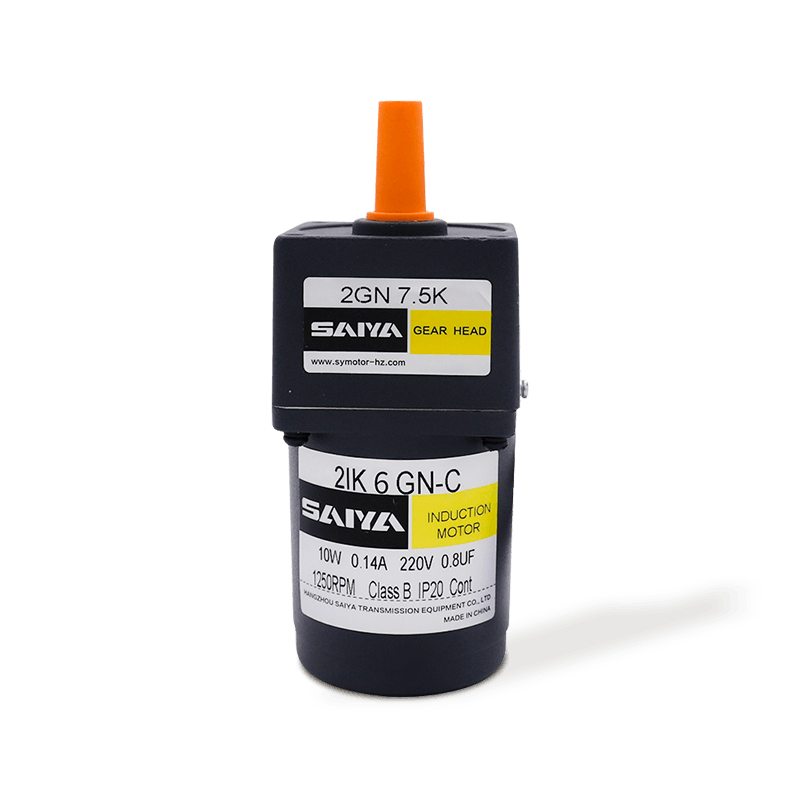
This 6W Induction AC Gear Motor is an efficient, compact and reliable small motor suitable for a wide range of industrial and household applications.Motor frame 60mm x 60mm making it easy to install ...
See Details -
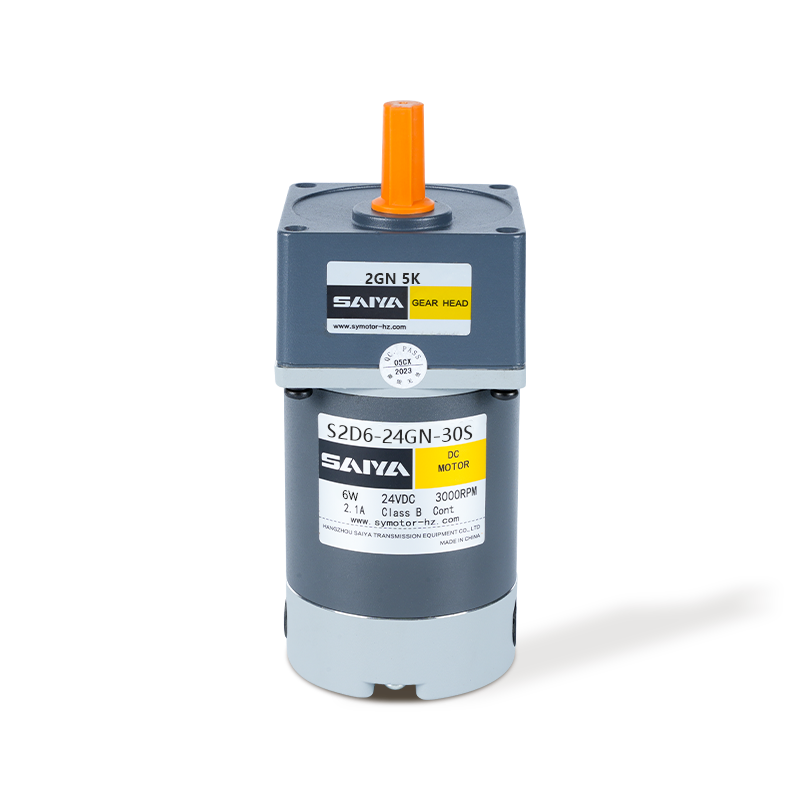
The 6W brush DC gbear motor is designed for efficiency and versatility, suitable for various applications. With a compact frame size of 60mm x 60mm, it fits seamlessly into tight spaces. The motor ope...
See Details -
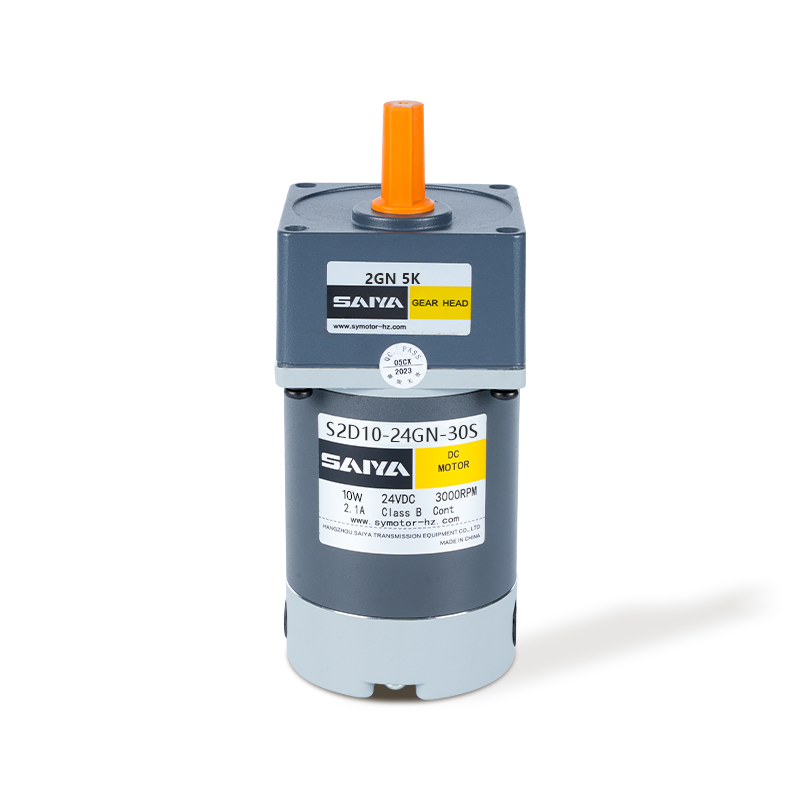
The 10W brush DC gear motor offers high performance and adaptability, for a range of industrial and hobbyist applications. With a frame size of 60mm x 60mm, this motor is designed to fit into confined...
See Details -
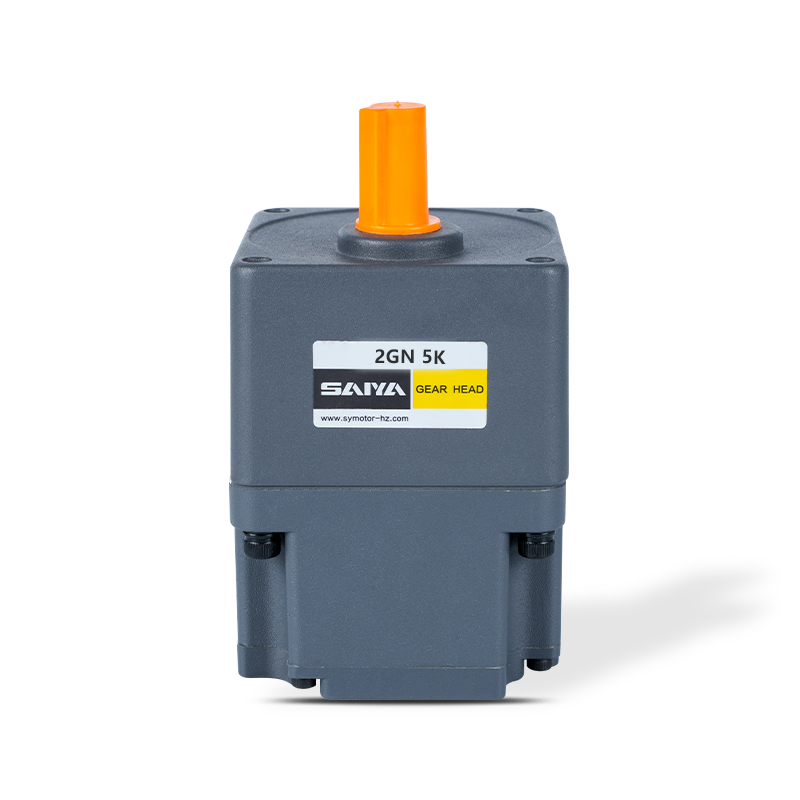
The 24V Brushless Gear Motor is a versatile and efficient motor designed for a range of applications. With dimensions ranging from 60mm x 60mm to 104mm x 104mm, this motor can fit into various equipme...
See Details -
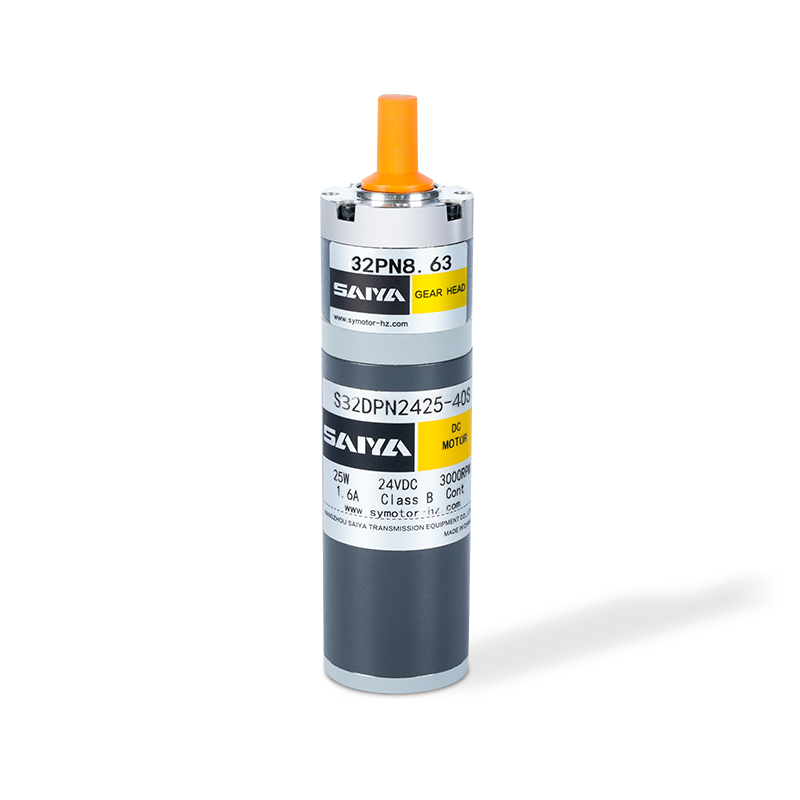
The 32mm brushed planetary gear motor is a compact and efficient solution designed for various applications requiring high torque and precise control. With a diameter of 32mm, this motor is ideally su...
See Details -
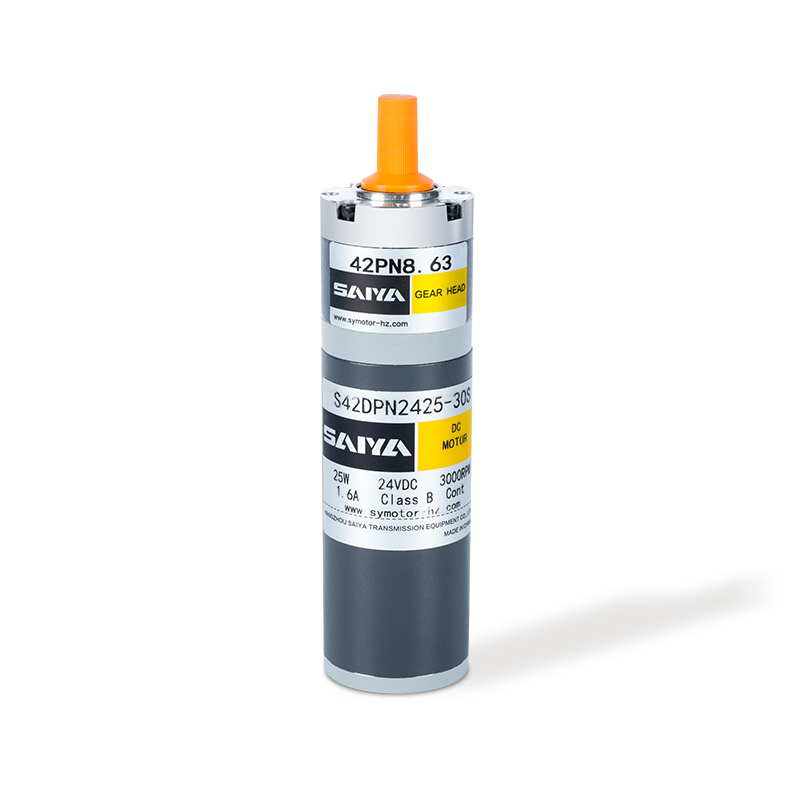
The 42mm brush planetary gear motor is a versatile and efficient component widely used in various applications requiring precise torque and speed control. With a rated current ranging from 0.7 to 1.1A...
See Details -
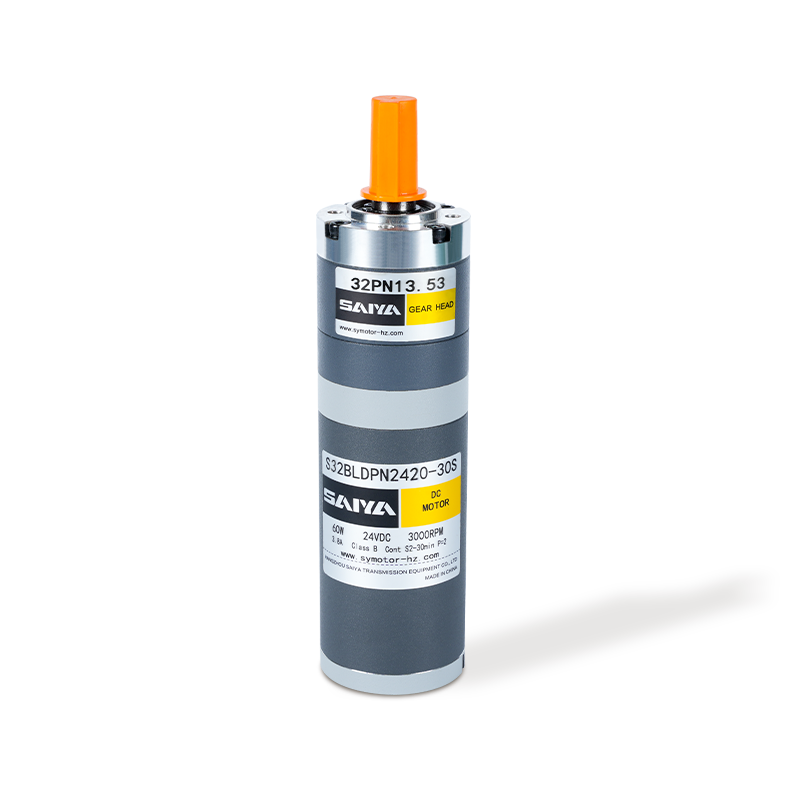
The 32mm Brushless Planetary Gear Motor is a high-performance, compact solution ideal for applications requiring efficiency and reliability. Operating at a rated voltage of 24V and consuming 20W of po...
See Details -
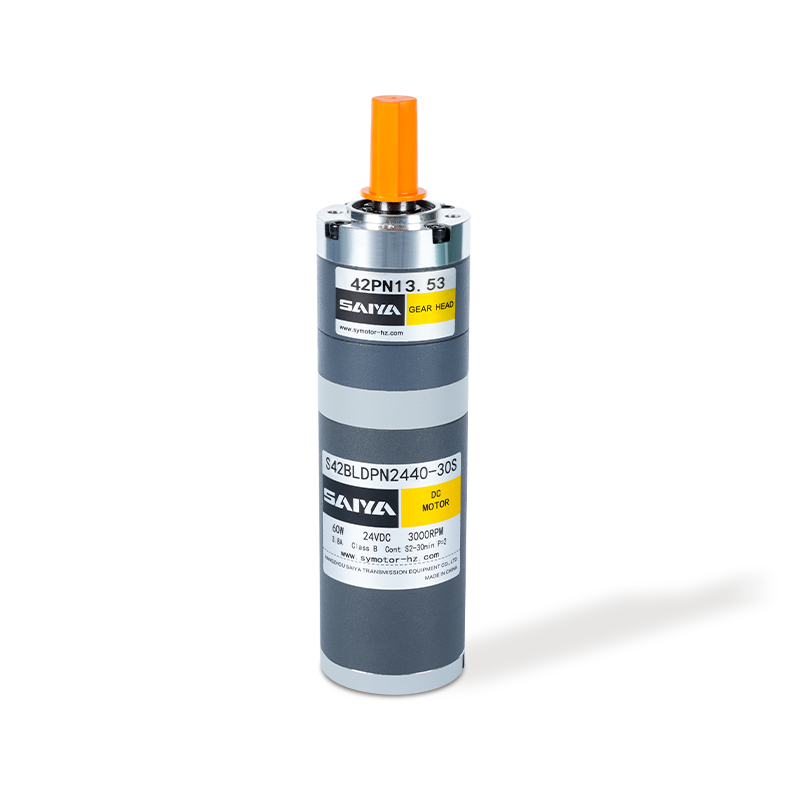
The 42mm brushless planetary motor is a high-efficiency motor product that is widely used in various scenarios requiring precision transmission. The rated current of this motor is 1.3A and the rated t...
See Details -
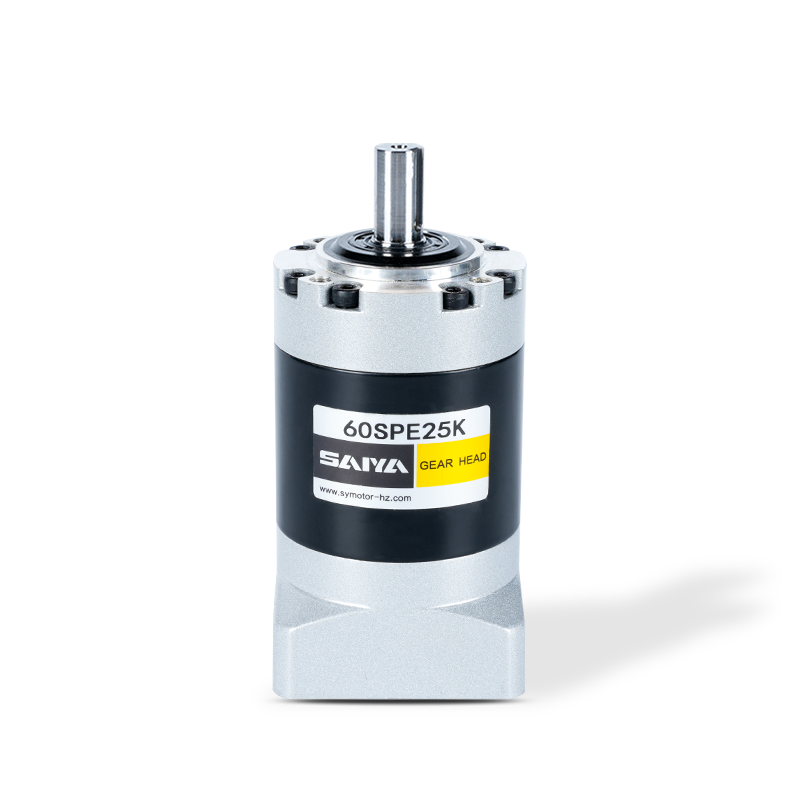
The SPE series gearboxes, flange size range with 40, 60, 80, 120, and 160 models, are designed to provide efficient and robust power transmission solutions. These gearboxes feature a round output flan...
See Details -
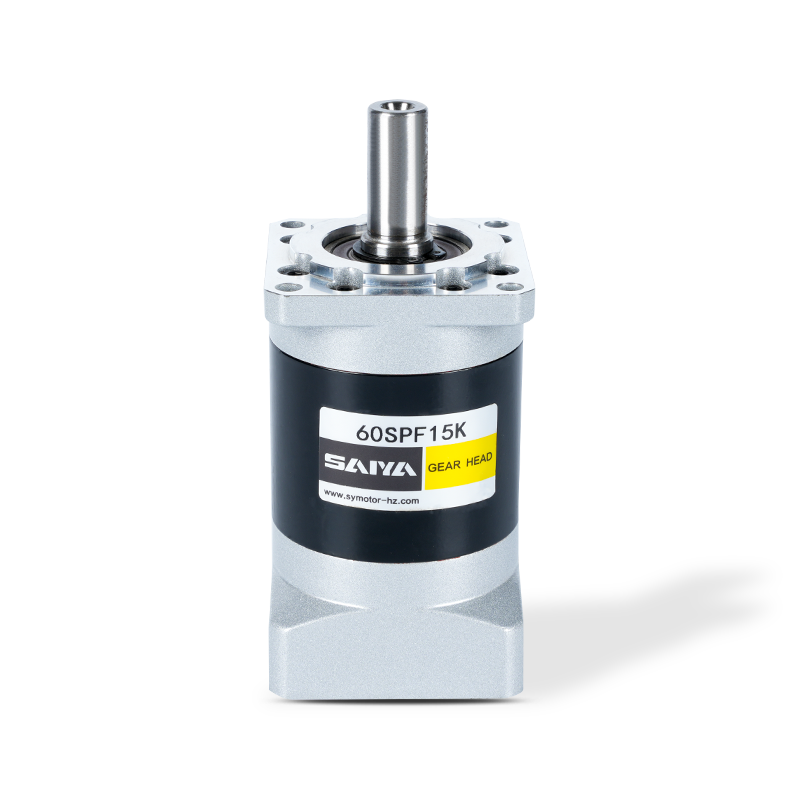
The SPF series are with square output flanges, accommodating dimensions from 40mm to 160mm. These flanges are engineered to excel in various industrial applications, offering reliable performance acro...
See Details -
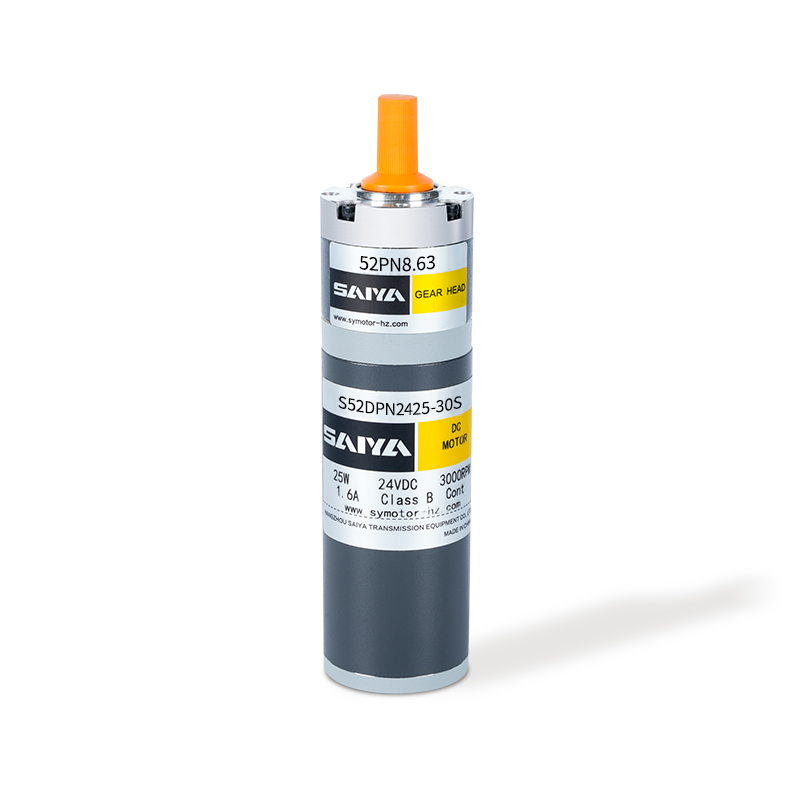
The 52mm brushed planetary gear motor is a compact and efficient solution designed for various applications requiring high torque and precise control. With a diameter of 52mm, this motor is ideally su...
See Details -
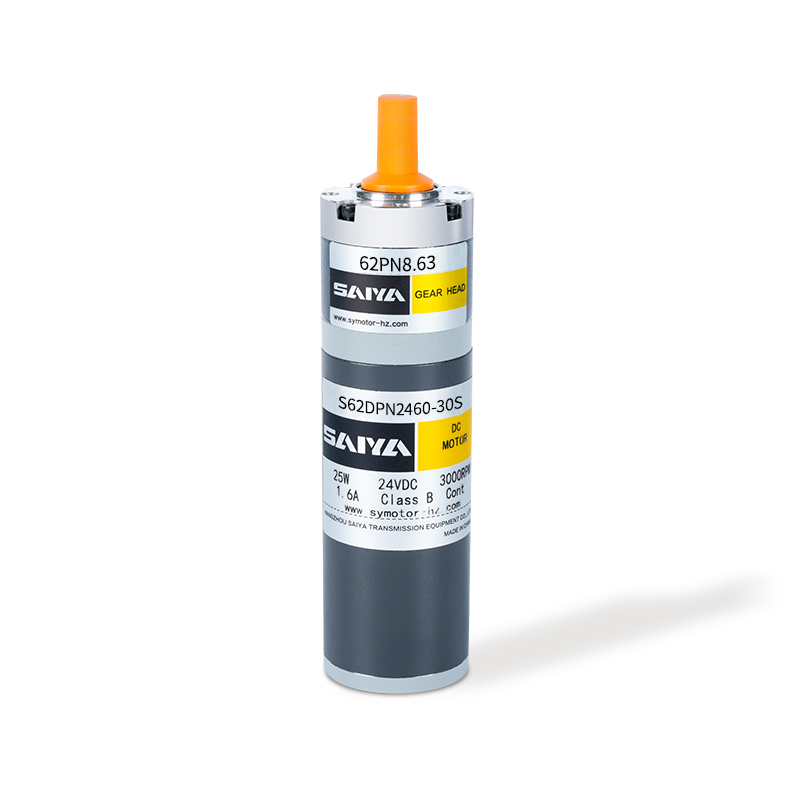
The 62mm brush planetary gear motor is a versatile and efficient component widely used in various applications requiring precise torque and speed control. With a rated current ranging from 2.5 to 5.5A...
See Details
CONTACT DETAILS
- TEL: 0086-0571-86951513/86951543
- Fax: 0086-571-86040769
- E-mail: [email protected] / [email protected] / [email protected]
- Office: Hangzhou Saiya Transmisson Equipment Co.,Ltd
- Office Address: Room 2201, Wanyin building, Hangzhou City, Zhejiang Province
- Factory: Zhejiang Saiya Intelligent Manufacturing Co., Ltd.
- Factory Address: No.35 Building , Zhongnan High-tech Yunhe Zhigu Industrial Park, Xinan town, Deqing county, Huzhou city, Zhejiang, China
QUICK LINK
PRODUCT
If You Are Intrested
In Our Products,
Please Consult Us
Copyright © Zhejiang Saiya Intelligent Manufacturing Co., Ltd. All Rights Reserved.
Custom Gear Reduction Motors Suppliers
