

 EN
EN  English
 中文简体
中文简体 русский
 Español
Application Industry
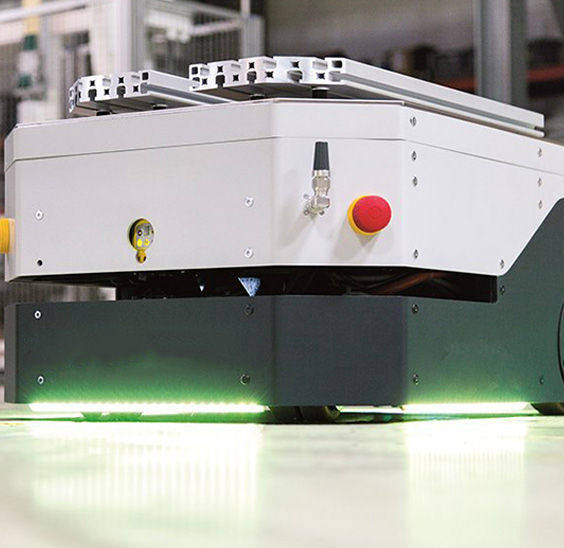
AGV

Automated robots
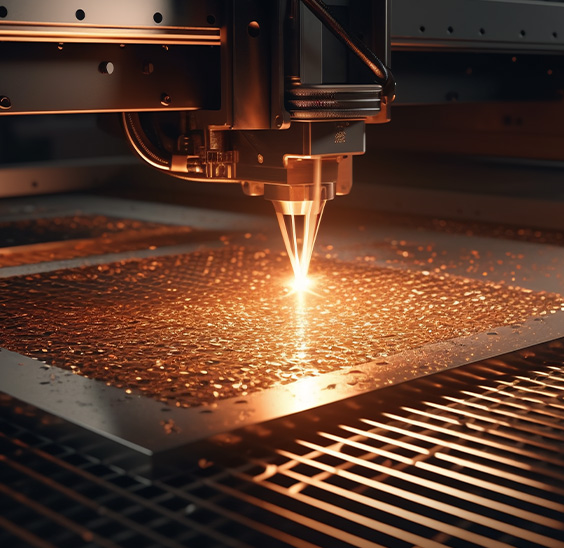
laser cutting

Logistics sorting

Photovoltaic power-station
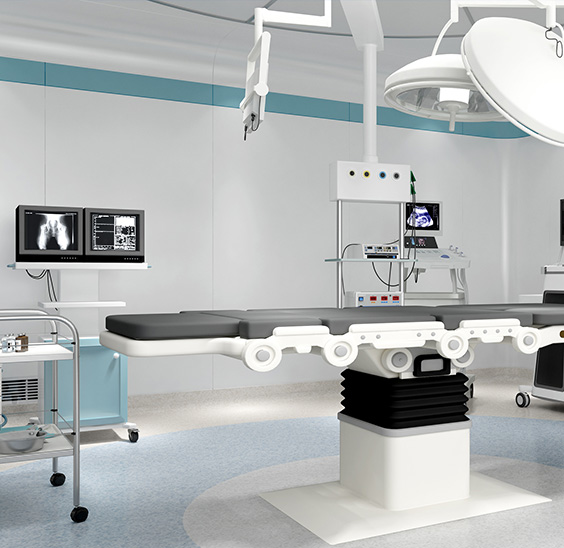
Medical devices
How do planetary gear motors differ from traditional gear motors?
Planetary gear motors, as indispensable core components in modern industrial automation, are widely used in various high-precision applications due to their compact and efficient characteristics. They are ubiquitous in robots, precision instruments, automation equipment, and power tools. With continuous technological advancements, planetary gear motors are not only constantly innovating in function and performance but are also playing an increasingly important role in various drive systems.
Basic Structure of Planetary Gear Motors
A planetary gear motor mainly consists of a motor and a planetary gear reduction mechanism. Its core is the planetary gear set, which is composed of a sun gear, planet gears, a ring gear, and a planet carrier. The motor drives the sun gear through a drive shaft, the sun gear drives the planet gears to rotate, and the planet gears mesh with the ring gear under the support of the planet carrier, achieving speed reduction through multi-stage gear transmission.
In this process, the planetary gear set can provide high torque output through multi-stage reduction while maintaining a small size. This efficient and compact transmission method makes planetary gear motors an ideal choice in many devices with demanding requirements for size and performance.
Working Principle of Planetary Gear Motors
The working principle of a planetary gear motor is relatively simple, but the ingenuity of its design and application lies in how it precisely converts the rotation of the motor into higher torque output through the coordinated action of multiple gears. The motor transmits power to the sun gear through the input shaft, the sun gear drives multiple planet gears to rotate on their axes, and the planet gears mesh with the ring gear to generate output torque.
Due to the structural characteristics of the planetary gear set, multiple planet gears share the load during the transmission process. This not only improves the load capacity of the entire system but also reduces the working pressure on each gear, thereby extending the service life of the gear motor.
Advantages of Planetary Gear Motors
High Efficiency and High Torque Output
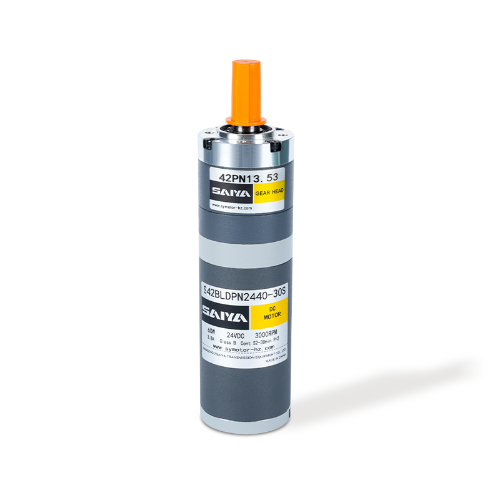
Planetary gear motors can significantly increase output torque through multi-stage gear transmission while maintaining high rotational speed, making them particularly suitable for applications requiring high power density and small size.
Compact Design
Compared with traditional gear motors, planetary gear motors, due to their unique planetary gear structure, can provide higher power output in the same space. This feature makes them play an important role in mechanical equipment with limited space.
Even Load Distribution, Reduced Wear
The design of planetary gear motors allows multiple planetary gears to share the load, which not only improves overall transmission efficiency but also significantly reduces gear wear, enhancing equipment reliability.
Low Noise Operation
Due to the smoother contact surfaces and reduced friction and impact between gears during operation, planetary gear motors operate at lower noise levels, making them particularly suitable for noise-sensitive environments.
Applications of Planetary Gear Motors
Planetary gear motors are widely used in various industries and fields, especially in applications requiring high precision and efficiency. In automated production lines, planetary gear motors are used to drive robotic arms, conveyor belts, and other automated equipment, ensuring production efficiency and accuracy. In the field of robotics, planetary gear motors help robots achieve high-precision motion control and flexibility. In addition, planetary gear motors are widely used in power tools, medical equipment, electric vehicles, and drones.
How to Choose the Right Planetary Gear Motor?
When choosing a suitable planetary gear motor, it is essential to first clarify the specific requirements of the application scenario, such as torque, speed, size, and noise level. The motor's power output and the gear system's load capacity must be matched to ensure optimal performance.
Furthermore, choosing a high-quality planetary gear motor is crucial. The market offers many different brands and models of planetary gear motors with varying quality. Therefore, when purchasing, choose reputable manufacturers and suppliers and ensure that the products undergo rigorous quality testing.
Maintenance and Upkeep of Planetary Gear Motors
Maintenance and upkeep of planetary gear motors are key to ensuring their long-term stable operation. First, regularly check the lubrication of the motor and gear system to ensure that friction between the gears is effectively controlled. Second, regularly clean the exterior of the motor to prevent the accumulation of dust and impurities, which can affect motor heat dissipation and operating efficiency.
Frequently Asked Questions (FAQ)
1. What are the differences between planetary gear motors and traditional gear motors?
Planetary gear motors distribute the load through multiple planetary gears, providing higher torque output in a smaller volume, and offering a longer service life and lower noise levels. In contrast, traditional gear motors typically have a simpler structure, with concentrated load, leading to greater wear and noise.
2. How to extend the service life of a planetary gear motor?
Extending the lifespan of planetary gear motors primarily depends on regular maintenance, such as checking lubrication, cleaning the motor exterior, and preventing overload operation. Simultaneously, choosing high-quality gear motors and precisely matched electric motors can also effectively extend their service life.
3. Can planetary gear motors be used in high-temperature environments?
The temperature resistance of a planetary gear motor depends on its specific design and the materials used. Generally, standard planetary gear motors are suitable for normal temperature environments, but if use in high-temperature environments is required, a high-temperature motor can be selected or the cooling system can be improved to ensure normal operation.
4. Are planetary gear motors noisy?
Compared to traditional gear motors, planetary gear motors are less noisy because their gear meshing is smoother and there is less friction. Therefore, planetary gear motors are often used in applications with high noise requirements, such as precision machinery and robotics.
5. What are the most important factors when choosing a planetary gear motor?
When choosing a planetary gear motor, the most important factor is ensuring that the motor and gear system are properly matched. The appropriate model should be selected based on application requirements, such as torque, speed, and size.
Related products
-
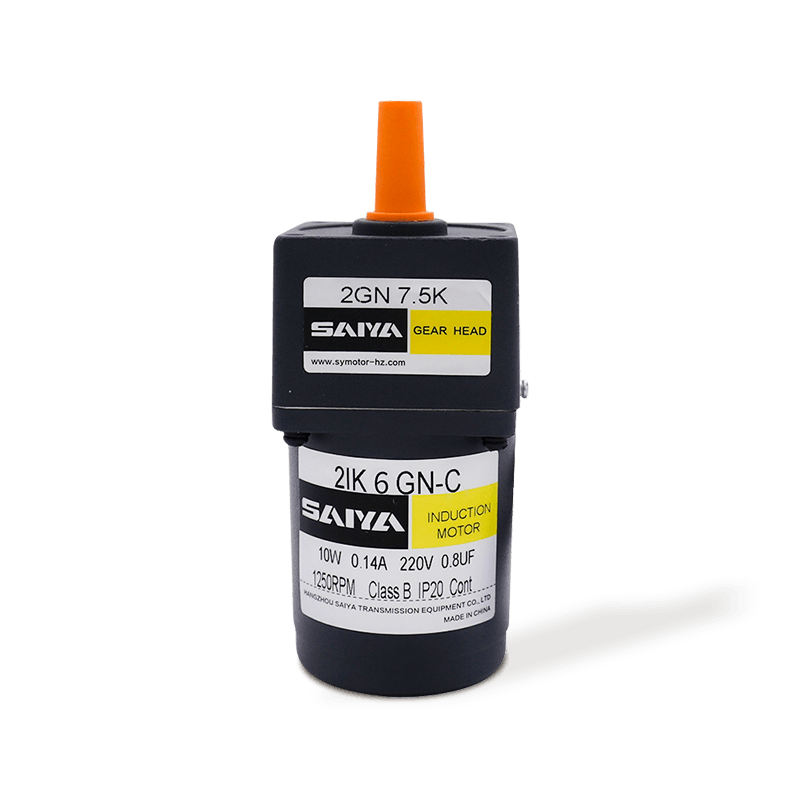
This 6W Induction AC Gear Motor is an efficient, compact and reliable small motor suitable for a wide range of industrial and household applications.Motor frame 60mm x 60mm making it easy to install ...
See Details -
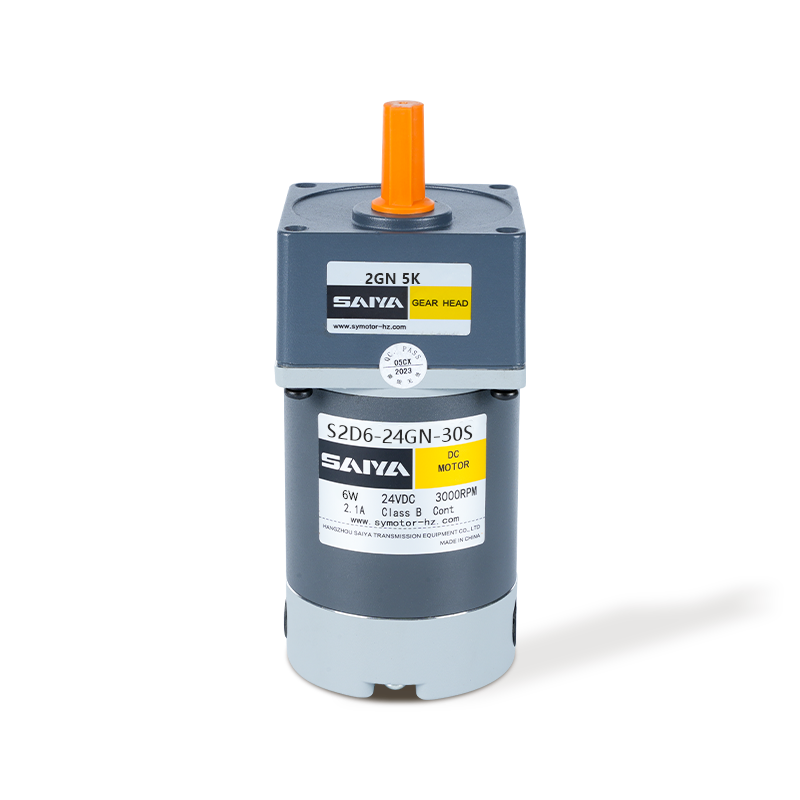
The 6W brush DC gbear motor is designed for efficiency and versatility, suitable for various applications. With a compact frame size of 60mm x 60mm, it fits seamlessly into tight spaces. The motor ope...
See Details -
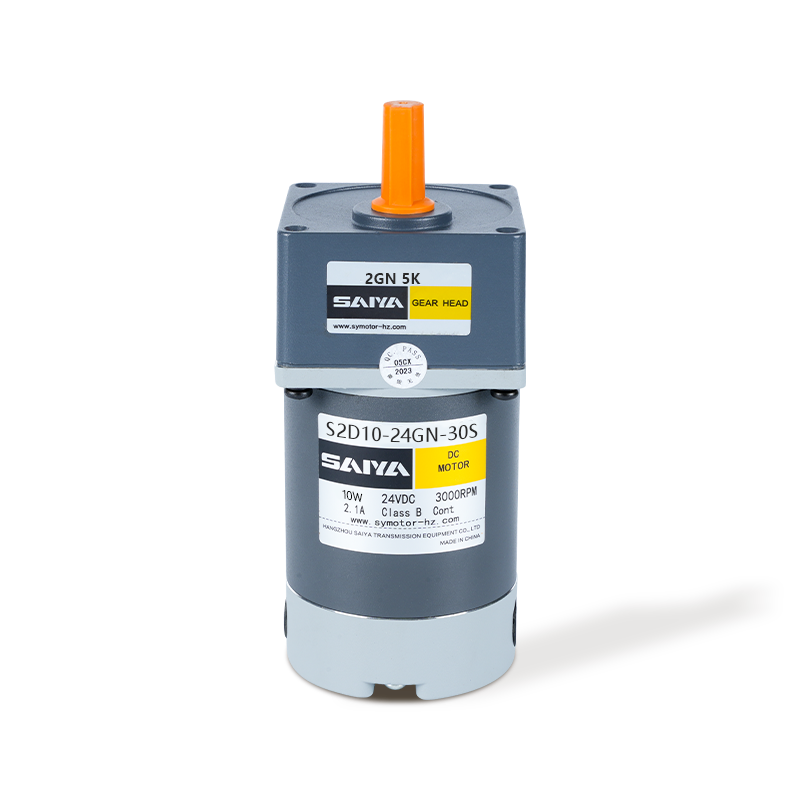
The 10W brush DC gear motor offers high performance and adaptability, for a range of industrial and hobbyist applications. With a frame size of 60mm x 60mm, this motor is designed to fit into confined...
See Details -
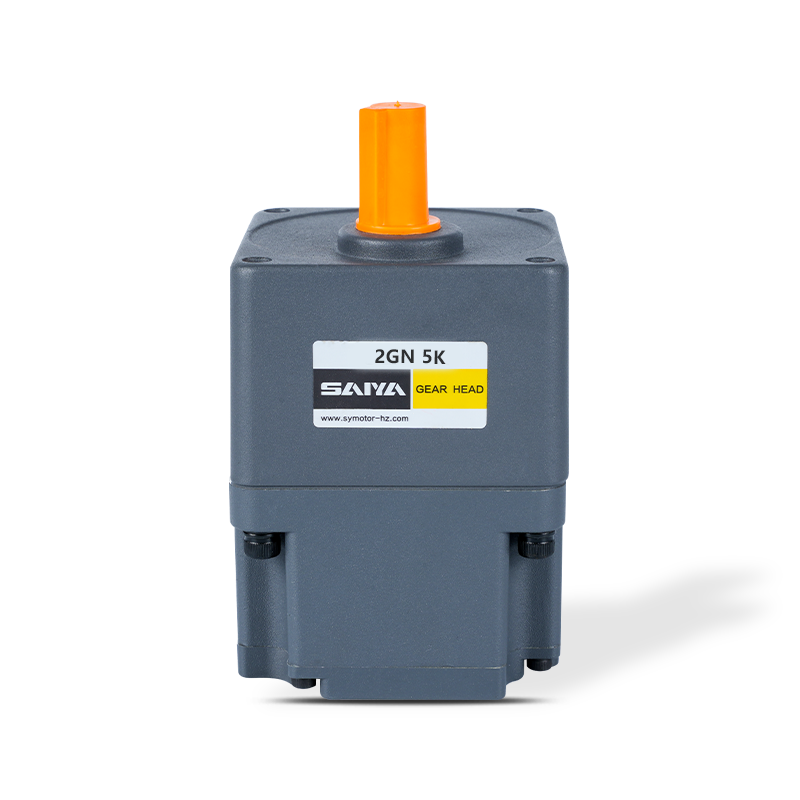
The 24V Brushless Gear Motor is a versatile and efficient motor designed for a range of applications. With dimensions ranging from 60mm x 60mm to 104mm x 104mm, this motor can fit into various equipme...
See Details -
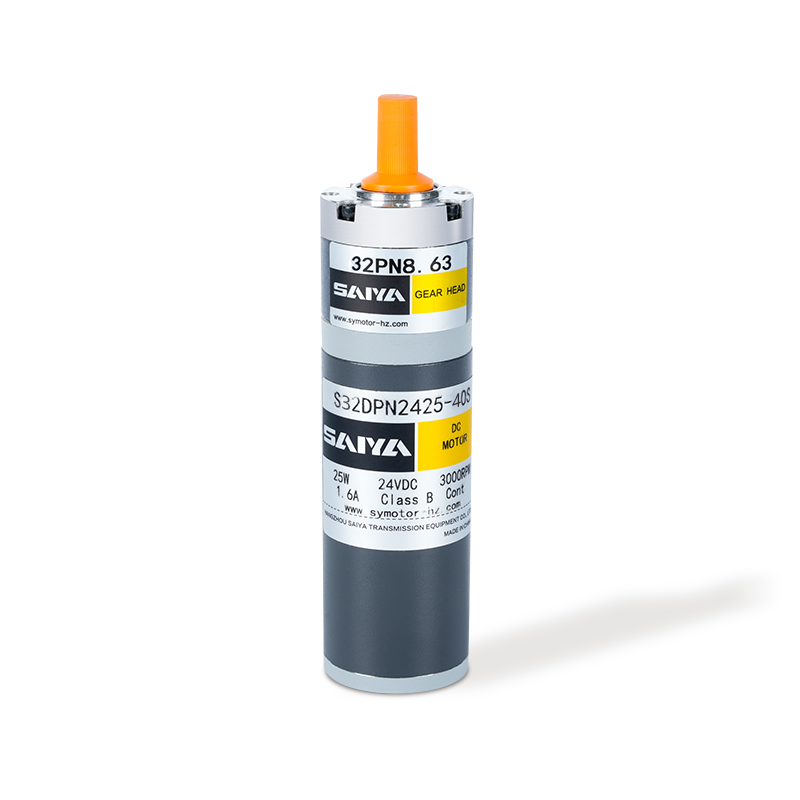
The 32mm brushed planetary gear motor is a compact and efficient solution designed for various applications requiring high torque and precise control. With a diameter of 32mm, this motor is ideally su...
See Details -
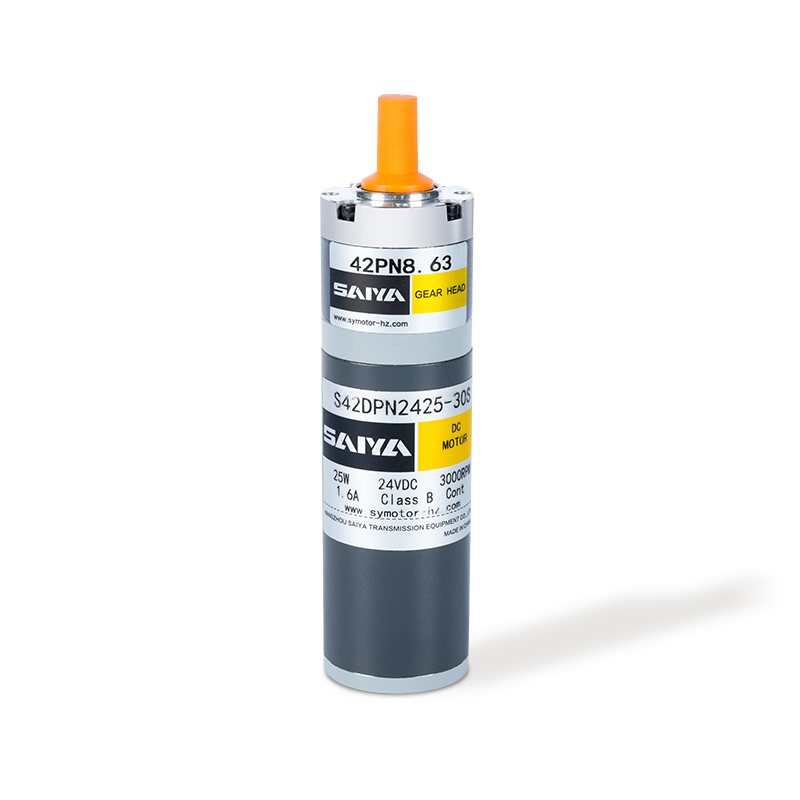
The 42mm brush planetary gear motor is a versatile and efficient component widely used in various applications requiring precise torque and speed control. With a rated current ranging from 0.7 to 1.1A...
See Details -
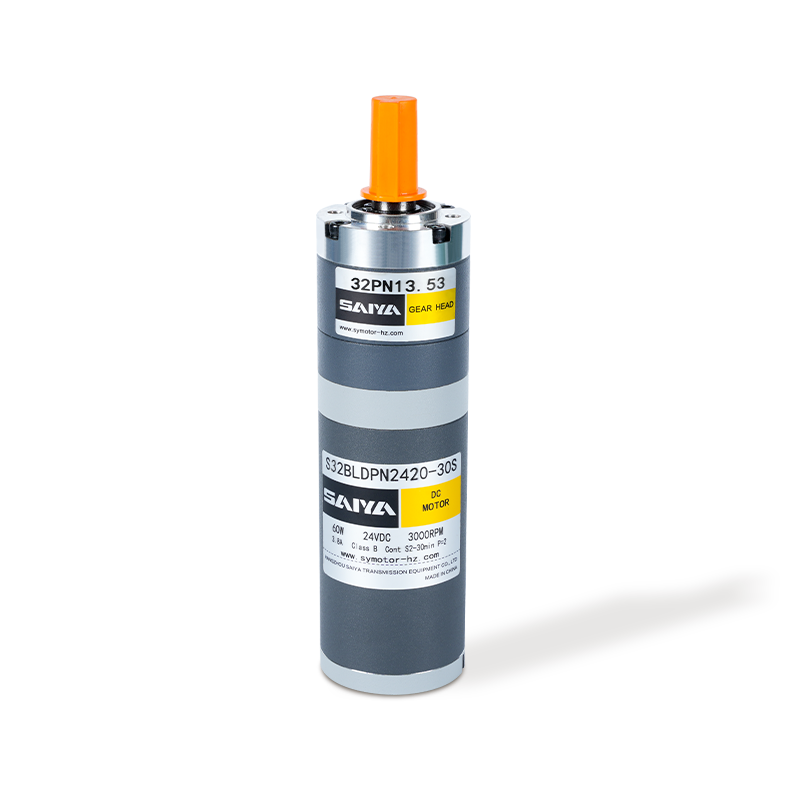
The 32mm Brushless Planetary Gear Motor is a high-performance, compact solution ideal for applications requiring efficiency and reliability. Operating at a rated voltage of 24V and consuming 20W of po...
See Details -
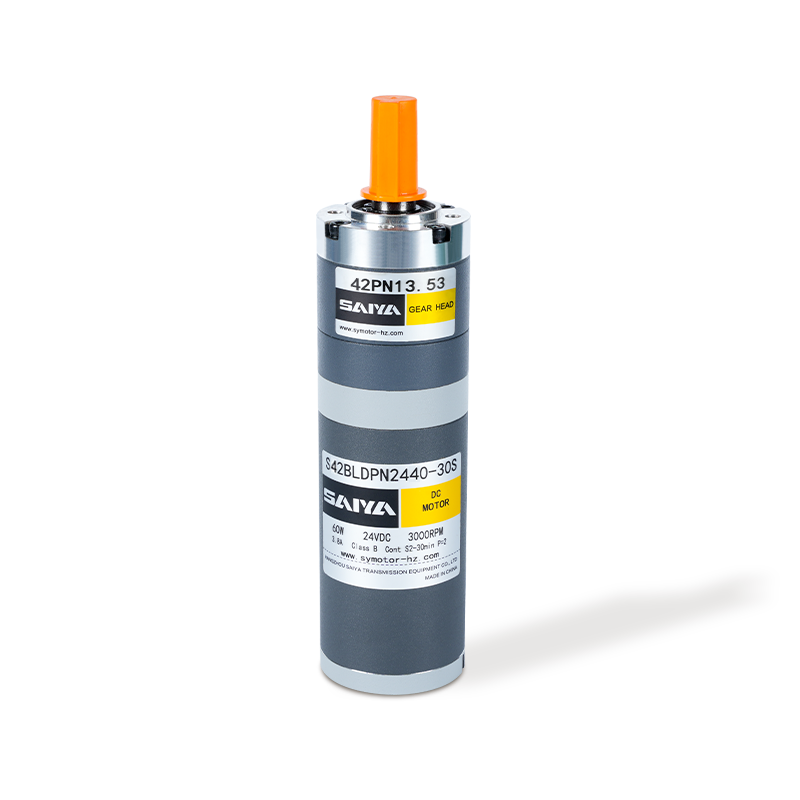
The 42mm brushless planetary motor is a high-efficiency motor product that is widely used in various scenarios requiring precision transmission. The rated current of this motor is 1.3A and the rated t...
See Details -
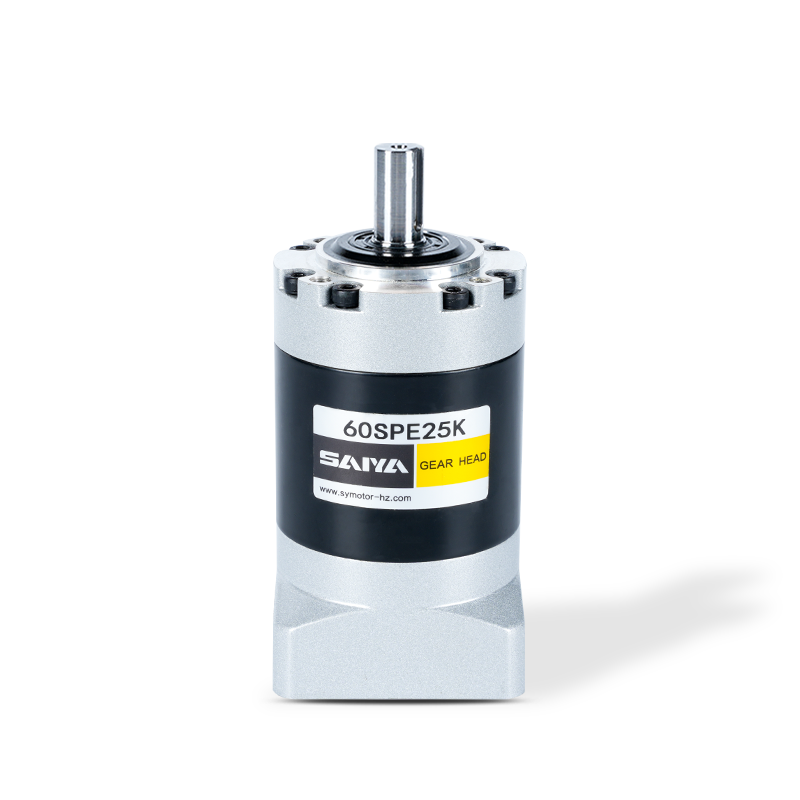
The SPE series gearboxes, flange size range with 40, 60, 80, 120, and 160 models, are designed to provide efficient and robust power transmission solutions. These gearboxes feature a round output flan...
See Details -
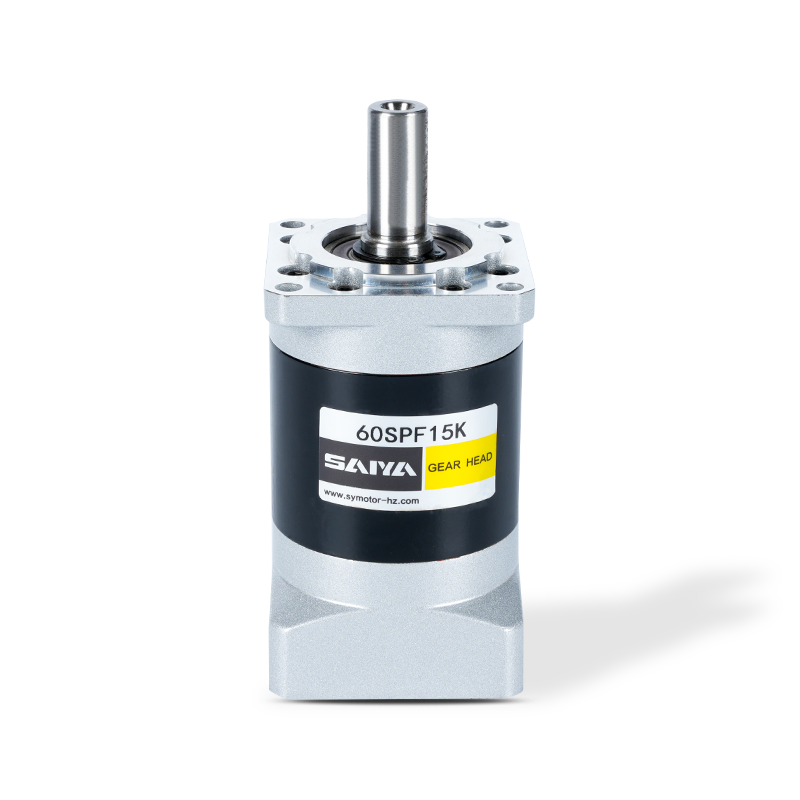
The SPF series are with square output flanges, accommodating dimensions from 40mm to 160mm. These flanges are engineered to excel in various industrial applications, offering reliable performance acro...
See Details -
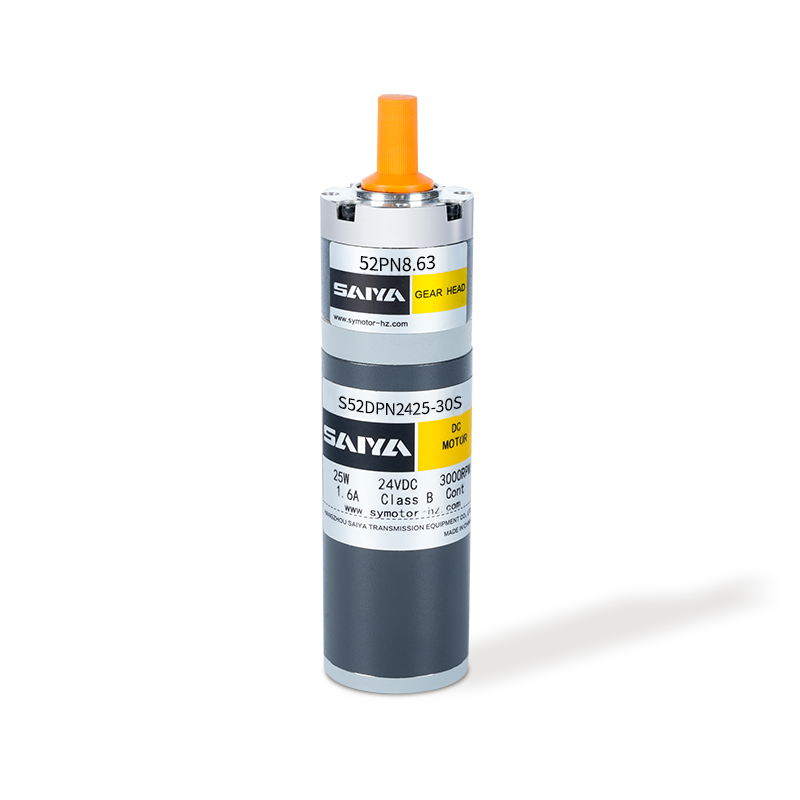
The 52mm brushed planetary gear motor is a compact and efficient solution designed for various applications requiring high torque and precise control. With a diameter of 52mm, this motor is ideally su...
See Details -
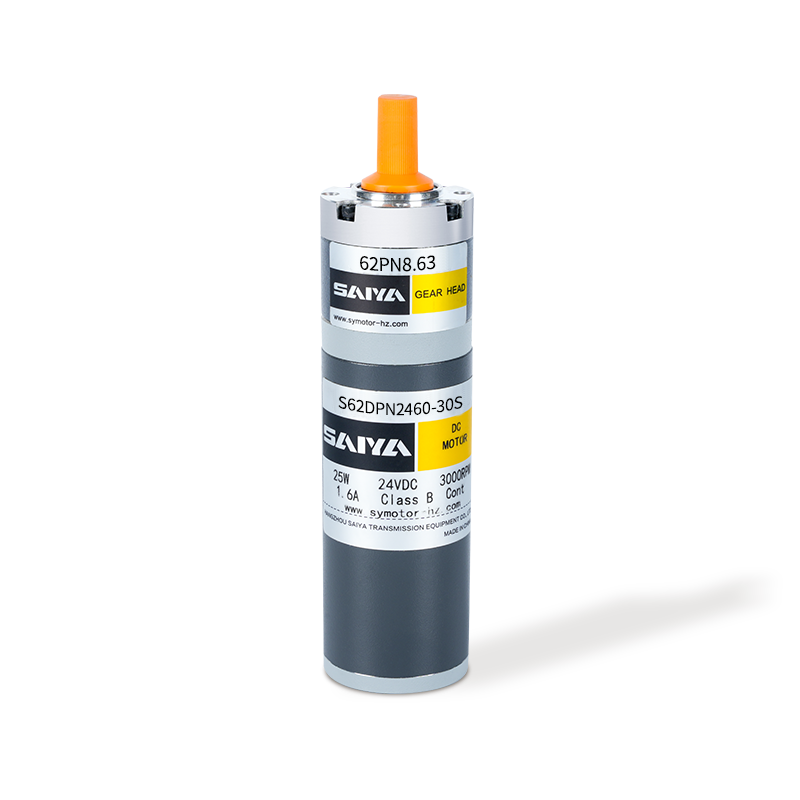
The 62mm brush planetary gear motor is a versatile and efficient component widely used in various applications requiring precise torque and speed control. With a rated current ranging from 2.5 to 5.5A...
See Details
CONTACT DETAILS
- TEL: 0086-0571-86951513/86951543
- Fax: 0086-571-86040769
- E-mail: [email protected] / [email protected] / [email protected]
- Office: Hangzhou Saiya Transmisson Equipment Co.,Ltd
- Office Address: Room 2201, Wanyin building, Hangzhou City, Zhejiang Province
- Factory: Zhejiang Saiya Intelligent Manufacturing Co., Ltd.
- Factory Address: No.35 Building , Zhongnan High-tech Yunhe Zhigu Industrial Park, Xinan town, Deqing county, Huzhou city, Zhejiang, China
QUICK LINK
PRODUCT
If You Are Intrested
In Our Products,
Please Consult Us
Copyright © Zhejiang Saiya Intelligent Manufacturing Co., Ltd. All Rights Reserved.
Custom Gear Reduction Motors Suppliers
