

 EN
EN  English
 中文简体
中文简体 русский
 Español
Application Industry
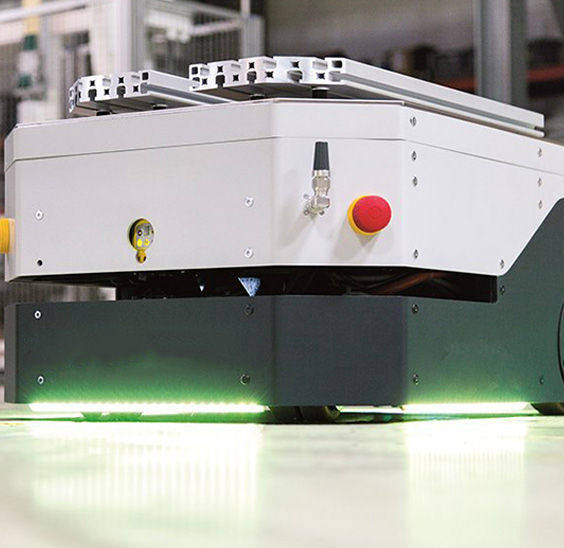
AGV

Automated robots
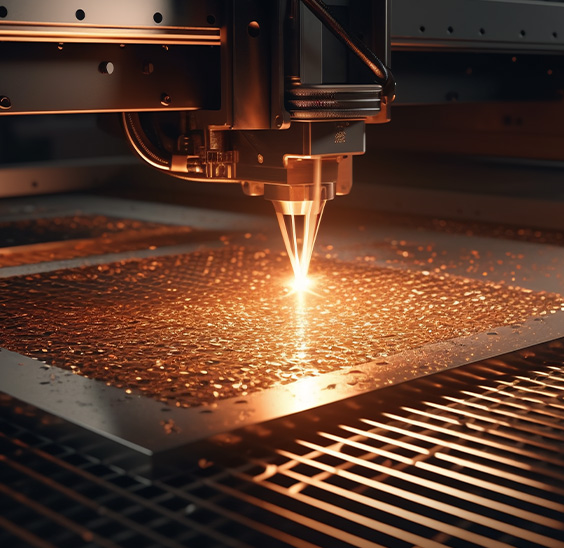
laser cutting

Logistics sorting

Photovoltaic power-station
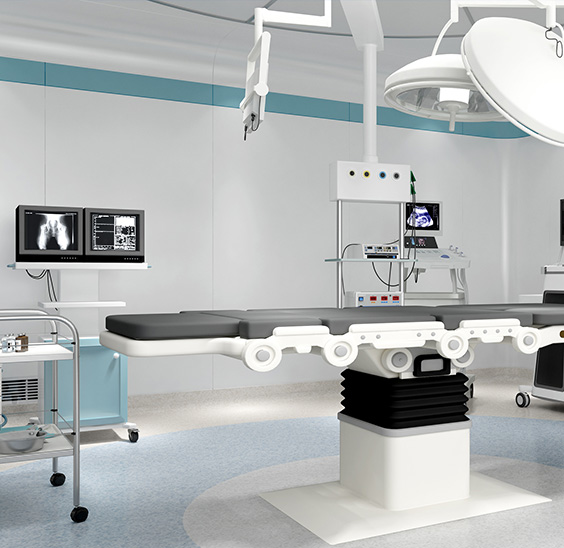
Medical devices
How Do Brush DC Gear Motors Play a Vital Role in Various Industries?
In the rapid development of modern industry and technology, electric motors, as one of the most core power sources, play a crucial role in various fields. In particular, brush DC gear motors, with their unique structural advantages and wide range of applications, have become an indispensable part of many mechanical and electronic devices.
Working Principle of Brush DC Gear Motors
Brush DC gear motors are a combination of a DC motor and a gear system. The DC motor converts electrical energy into mechanical energy through the cooperation of brushes and a commutator, while the gear system transmits power by transferring torque. Compared with traditional DC motors, this type of motor, by adding a gear reduction system to the motor output end, allows the motor to provide higher torque, more precise speed control, and greater load capacity.
The working principle of a brushed DC motor allows for controlling the forward and reverse rotation of the motor through changes in current and brush contact. When the brushes contact the commutator, the current direction changes, thereby changing the rotation direction and speed of the motor. This principle allows the motor to achieve relatively precise speed control and also allows for controlling the output power by adjusting the voltage and current.
Structural Characteristics of Brushed DC Gear Motors
Brushed DC gear motors consist of several core components, each playing a key role in the efficient operation of the motor. The motor's casing, stator, rotor, brushes, commutator, and gear system constitute the complete structure of this motor.
Brushes and Commutator
Brushed DC motors achieve current direction switching through brushes and a commutator. The friction between the brushes and the commutator makes the motor prone to wear during long-term operation, so maintenance and replacement are important aspects of motor use.
Gear System
The main function of the gear system is to convert the high-speed rotation of the motor into low-speed, high-torque output. The gear reduction ratio, material selection, and gear design directly affect the motor's output performance and service life.
Stator and Rotor
The stator is the stationary part of the motor, mainly responsible for generating the magnetic field; the rotor is the rotating part of the motor, which generates motion through the interaction of current and magnetic field. The design of the rotor not only affects the starting performance of the motor but also influences its load capacity.
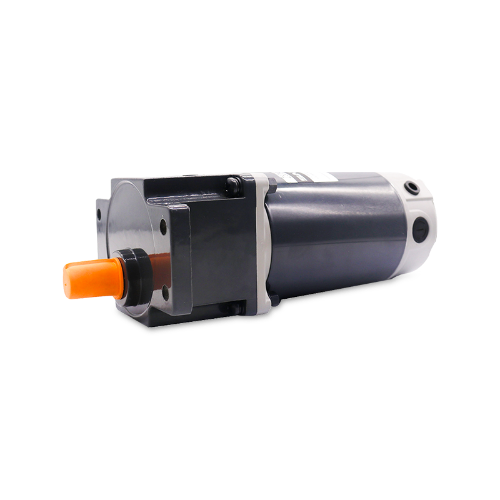
These core structural components complement each other, ensuring the stability and efficiency of the brushed DC gear motor.
Applications of Brushed DC Gear Motors
Brushed DC gear motors are widely used in various industries, especially in applications requiring high-precision control and high torque output.
Automation Equipment
In equipment such as robots, conveyor belts, and automated production lines, brushed DC gear motors are the preferred power source due to their excellent precision control and high efficiency. The motor speed and torque can be adjusted through an electronic control unit (ECU) to meet the needs of complex automated operations.
Household Appliances
Brushed DC gear motors are commonly found in household appliances such as electric toothbrushes, vacuum cleaners, and washing machines. They use a gear system to reduce speed and provide the required low-speed, high-torque output to drive the equipment to complete daily tasks.
Power Tools
Various power tools, such as electric drills and electric screwdrivers, also widely use this type of motor. Due to their compact structure, high torque, and adjustable power, they are ideal drive systems for these devices.
Toys and Models
Many electric toys, model cars, and remote-controlled aircraft use brushed DC gear motors. Their flexibility and efficiency make the movement of toys more stable and precise, enhancing the interactivity and fun of the toys.
Medical Equipment
In medical devices, especially some small portable devices such as electric wheelchairs and ventilators, brushed DC gear motors also play a crucial role. These devices require high stability and reliability from the motor, and brushed DC gear motors can meet these requirements.
How to Choose the Right Brushed DC Gear Motor?
When choosing a brushed DC gear motor, several key factors need to be considered. These factors not only affect the motor's performance but also directly impact the overall performance of the equipment.
Motor Rated Power and Torque
Choosing the appropriate power and torque is crucial based on the equipment's usage requirements. Too low power may prevent the motor from operating normally, while too high power may lead to unnecessary energy waste.
Gear Ratio and Efficiency
The gear ratio directly determines the speed and torque at the motor output. Different applications may require different gear ratios; therefore, choosing the appropriate gear ratio can not only improve motor efficiency but also extend the motor's lifespan.
Motor Operating Environment
The motor's operating environment has a direct impact on its lifespan and stability. For example, if the motor needs to operate in harsh environments (such as high temperature, high humidity, dust, etc.), a motor with good protective performance should be selected.
Control method and speed control capability
Different applications have varying requirements for motor speed control capabilities. Some applications require precise speed control, while others are less sensitive to speed changes. Therefore, the speed control performance of the motor needs to be selected according to the actual application.
Maintenance and lifespan
Although brushed DC geared motors have high power density and control accuracy, they have certain wear problems due to the presence of brushes and commutators. Therefore, understanding the motor's maintenance cycle and expected lifespan is crucial to ensuring the long-term stable operation of the equipment.
FAQ
1. What are the differences between brushed DC geared motors and brushless DC motors?
The main difference between brushed DC geared motors and brushless DC motors lies in the commutation system. The former uses brushes and a commutator to change the direction of current, while the latter uses an electronic control system for commutation. Brushless motors have a longer lifespan and higher efficiency, but are usually more expensive. In contrast, brushed motors are less expensive and suitable for budget-sensitive applications.
2. Do brushed DC geared motors require regular maintenance?
Yes, brushed DC geared motors require regular maintenance, especially the brushes and commutator. These components will wear out after long-term operation, so they need to be inspected and replaced to ensure the normal operation of the motor.
3. Can brushed DC geared motors be used in high-temperature environments?
The temperature resistance of brushed DC geared motors is affected by their materials and design. Ordinary motors may not be able to operate stably for a long time in high-temperature environments. Therefore, in high-temperature working environments, it is recommended to choose a motor with high-temperature resistance and equip it with a suitable cooling system.
4. How to improve the efficiency of brushed DC geared motors?
Methods to improve motor efficiency include optimizing the motor's load capacity, selecting the appropriate gear ratio, using low-friction materials, and reasonably configuring the cooling system. Ensuring that the motor is operating at its optimal state is also an important factor in improving efficiency.
5. How long is the lifespan of a brushed DC geared motor?
The lifespan of a motor is affected by multiple factors, including the working environment, motor load, and frequency of use. Generally, the lifespan of a brushed DC geared motor is several thousand to tens of thousands of hours. Reasonable maintenance and appropriate working conditions can effectively extend the motor's lifespan.
Related products
-
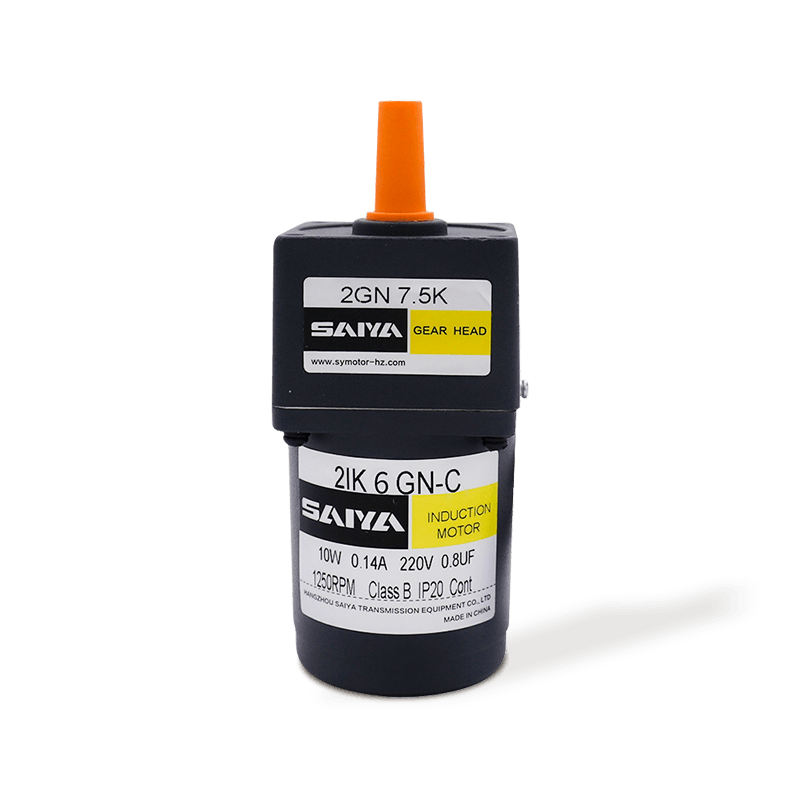
This 6W Induction AC Gear Motor is an efficient, compact and reliable small motor suitable for a wide range of industrial and household applications.Motor frame 60mm x 60mm making it easy to install ...
See Details -
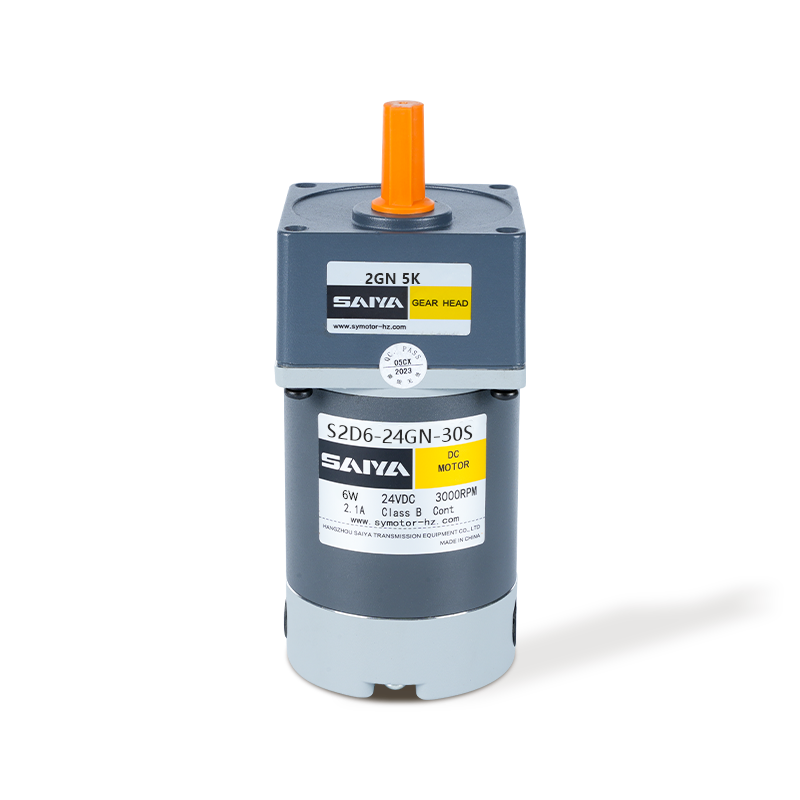
The 6W brush DC gbear motor is designed for efficiency and versatility, suitable for various applications. With a compact frame size of 60mm x 60mm, it fits seamlessly into tight spaces. The motor ope...
See Details -
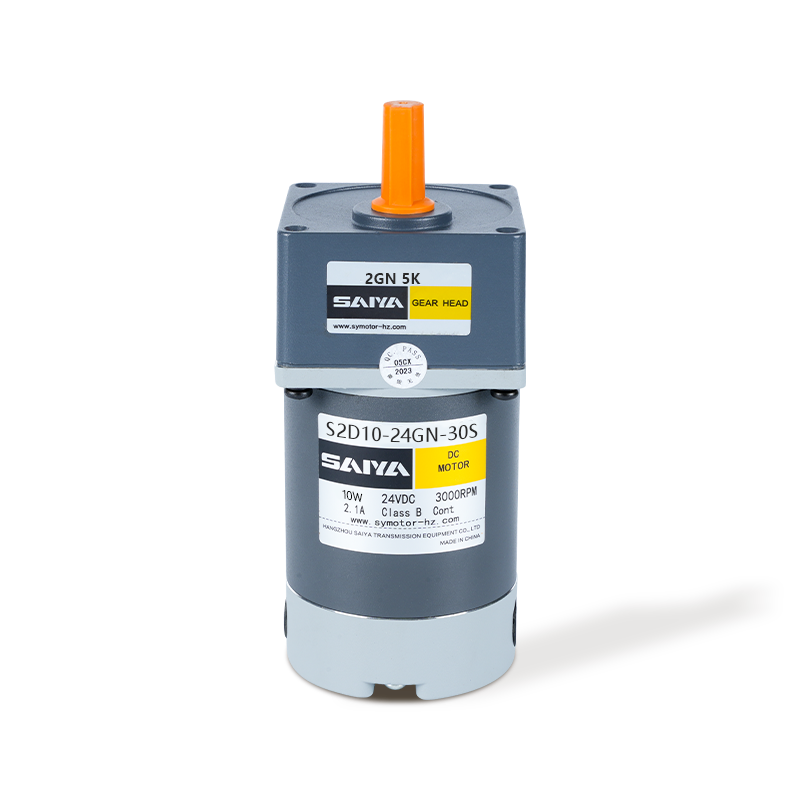
The 10W brush DC gear motor offers high performance and adaptability, for a range of industrial and hobbyist applications. With a frame size of 60mm x 60mm, this motor is designed to fit into confined...
See Details -
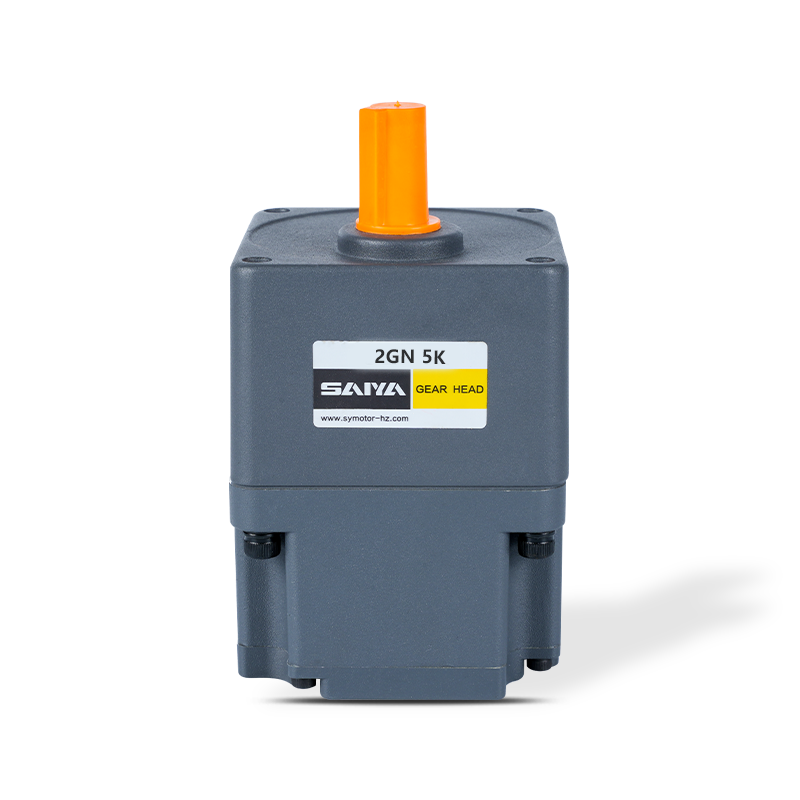
The 24V Brushless Gear Motor is a versatile and efficient motor designed for a range of applications. With dimensions ranging from 60mm x 60mm to 104mm x 104mm, this motor can fit into various equipme...
See Details -
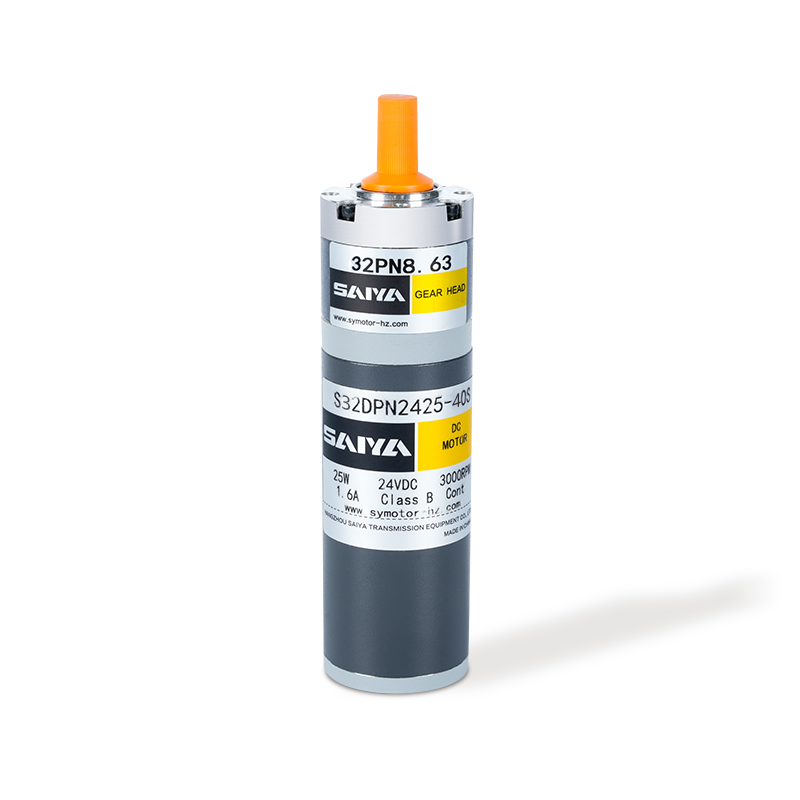
The 32mm brushed planetary gear motor is a compact and efficient solution designed for various applications requiring high torque and precise control. With a diameter of 32mm, this motor is ideally su...
See Details -
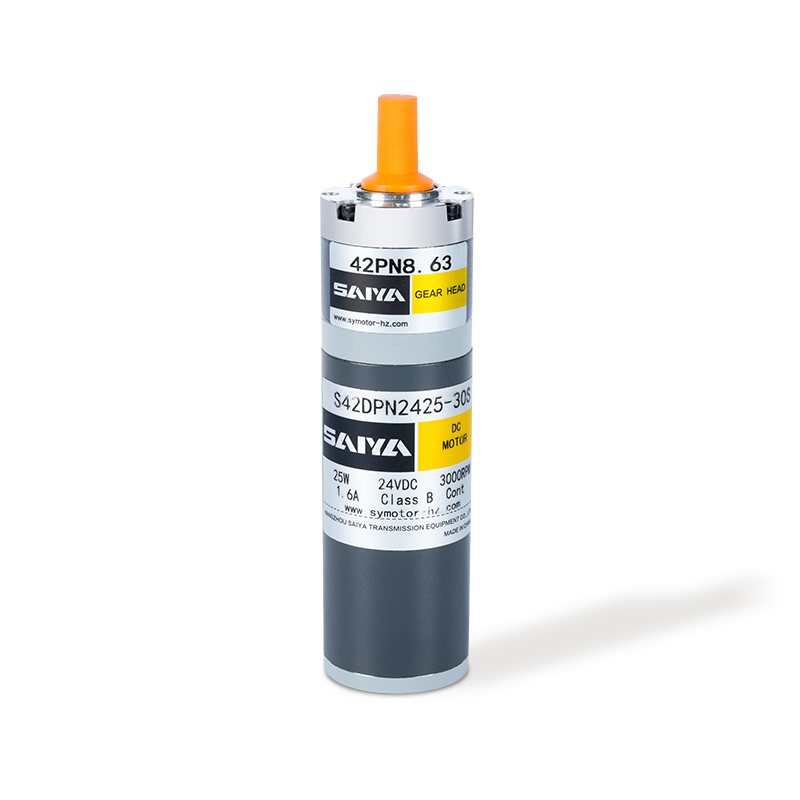
The 42mm brush planetary gear motor is a versatile and efficient component widely used in various applications requiring precise torque and speed control. With a rated current ranging from 0.7 to 1.1A...
See Details -
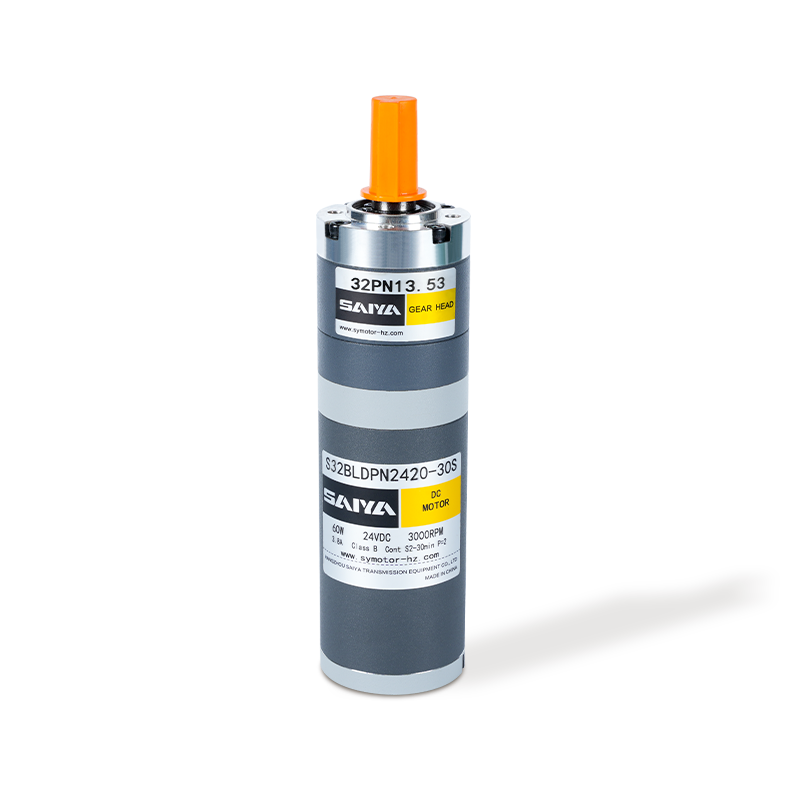
The 32mm Brushless Planetary Gear Motor is a high-performance, compact solution ideal for applications requiring efficiency and reliability. Operating at a rated voltage of 24V and consuming 20W of po...
See Details -
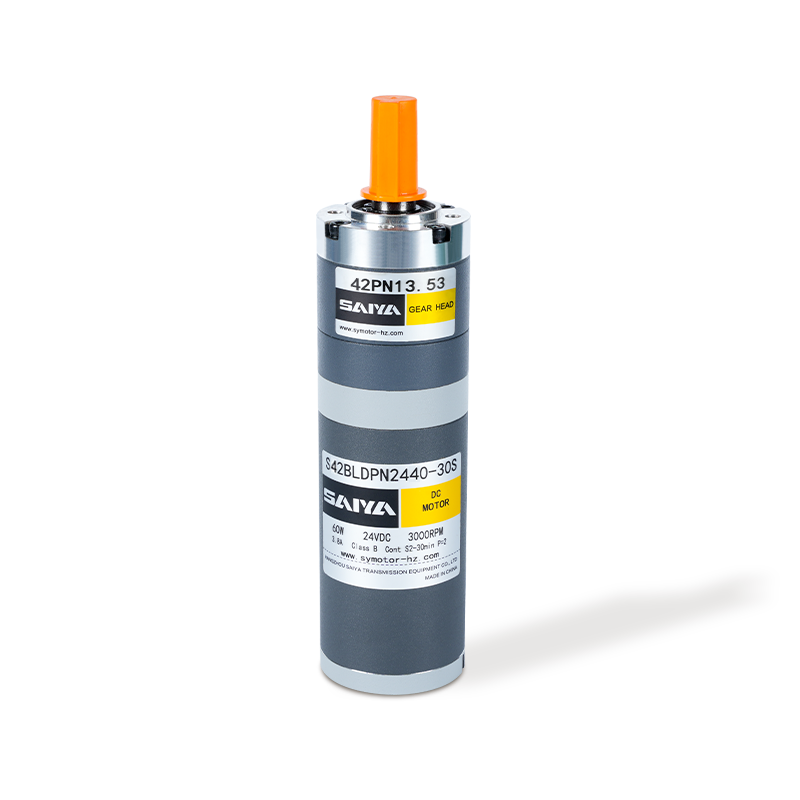
The 42mm brushless planetary motor is a high-efficiency motor product that is widely used in various scenarios requiring precision transmission. The rated current of this motor is 1.3A and the rated t...
See Details -
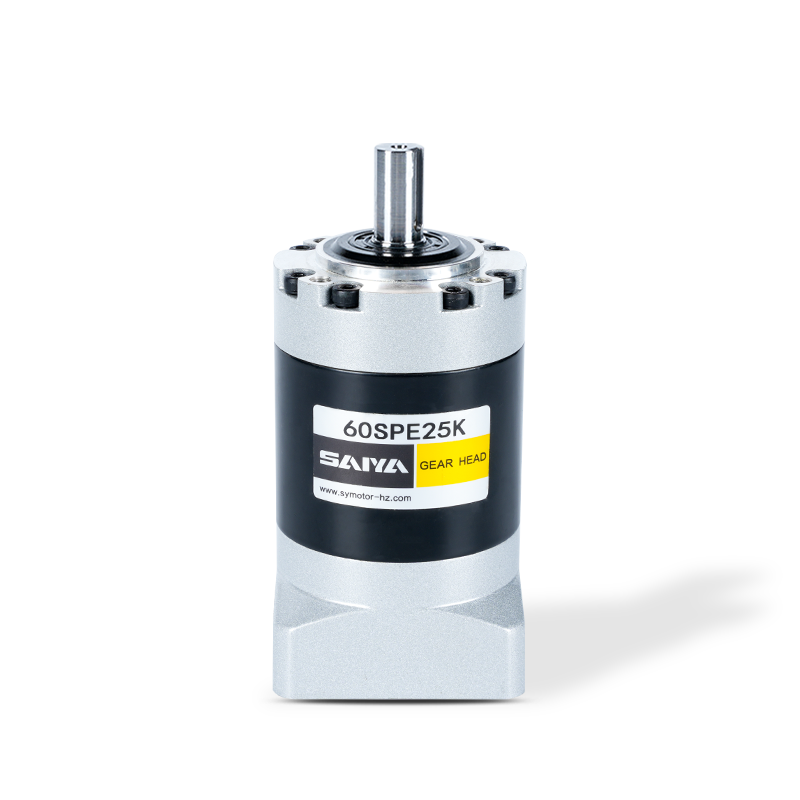
The SPE series gearboxes, flange size range with 40, 60, 80, 120, and 160 models, are designed to provide efficient and robust power transmission solutions. These gearboxes feature a round output flan...
See Details -
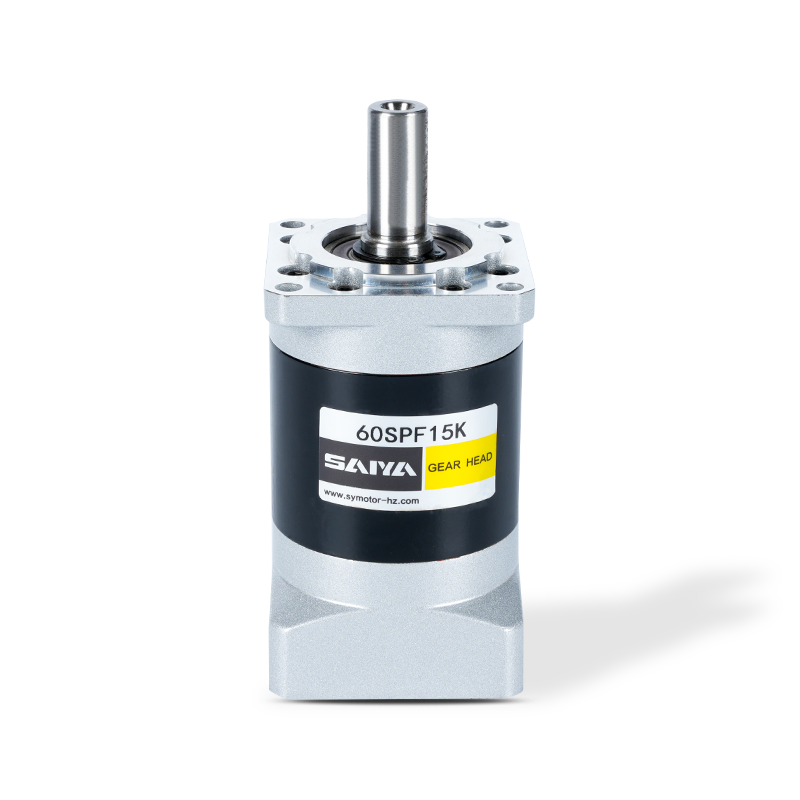
The SPF series are with square output flanges, accommodating dimensions from 40mm to 160mm. These flanges are engineered to excel in various industrial applications, offering reliable performance acro...
See Details -
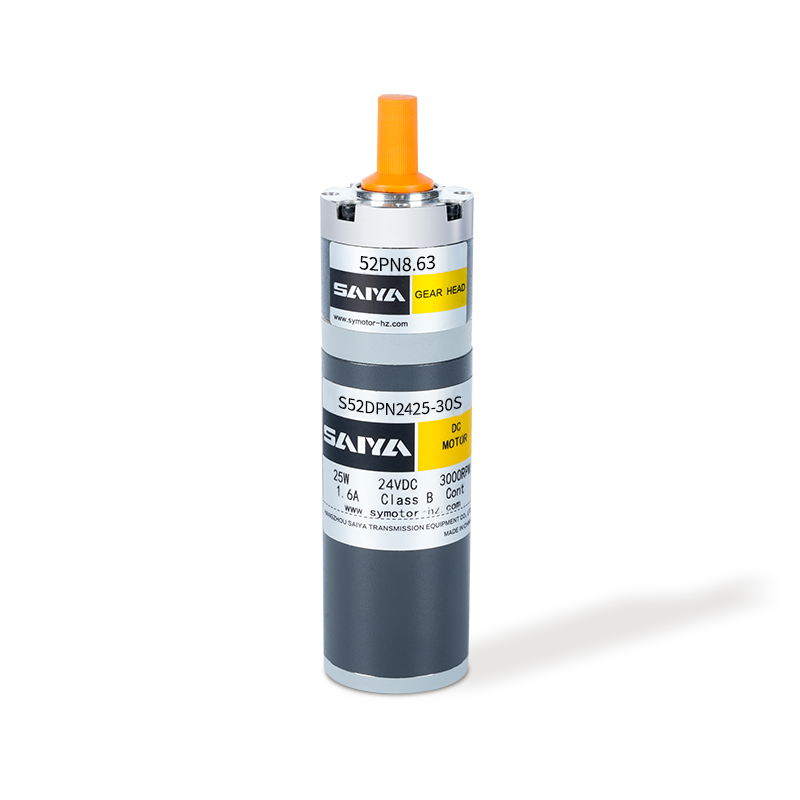
The 52mm brushed planetary gear motor is a compact and efficient solution designed for various applications requiring high torque and precise control. With a diameter of 52mm, this motor is ideally su...
See Details -
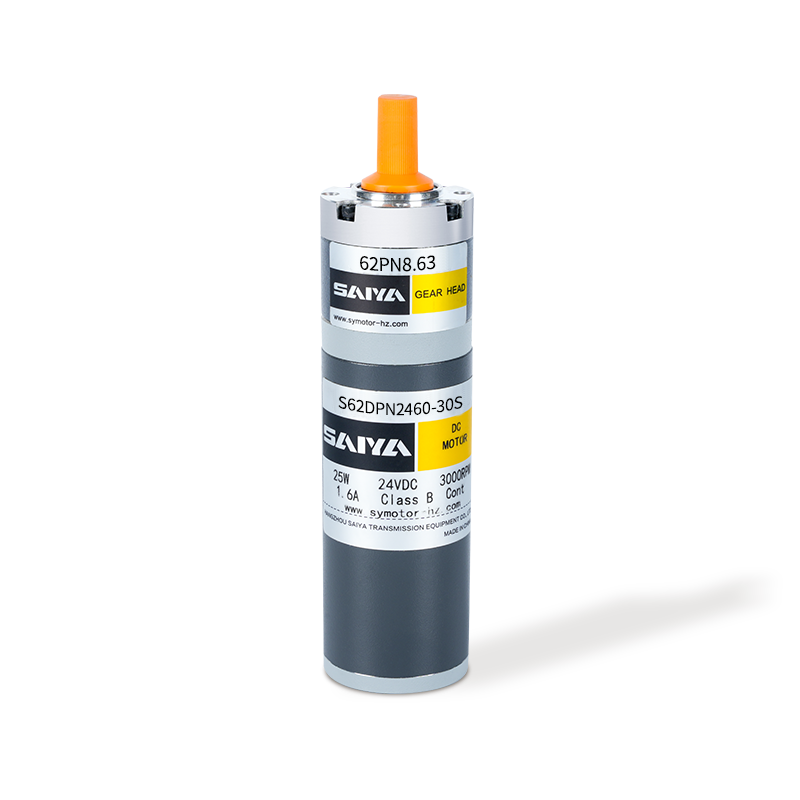
The 62mm brush planetary gear motor is a versatile and efficient component widely used in various applications requiring precise torque and speed control. With a rated current ranging from 2.5 to 5.5A...
See Details
CONTACT DETAILS
- TEL: 0086-0571-86951513/86951543
- Fax: 0086-571-86040769
- E-mail: [email protected] / [email protected] / [email protected]
- Office: Hangzhou Saiya Transmisson Equipment Co.,Ltd
- Office Address: Room 2201, Wanyin building, Hangzhou City, Zhejiang Province
- Factory: Zhejiang Saiya Intelligent Manufacturing Co., Ltd.
- Factory Address: No.35 Building , Zhongnan High-tech Yunhe Zhigu Industrial Park, Xinan town, Deqing county, Huzhou city, Zhejiang, China
QUICK LINK
PRODUCT
If You Are Intrested
In Our Products,
Please Consult Us
Copyright © Zhejiang Saiya Intelligent Manufacturing Co., Ltd. All Rights Reserved.
Custom Gear Reduction Motors Suppliers
