 EN
EN  English
 中文简体
中文简体 русский
 Español
Home / News / Industry News / 24V vs 48V vs 220V Brushless DC Gear Motors: Choosing the Right Voltage


Application Industry
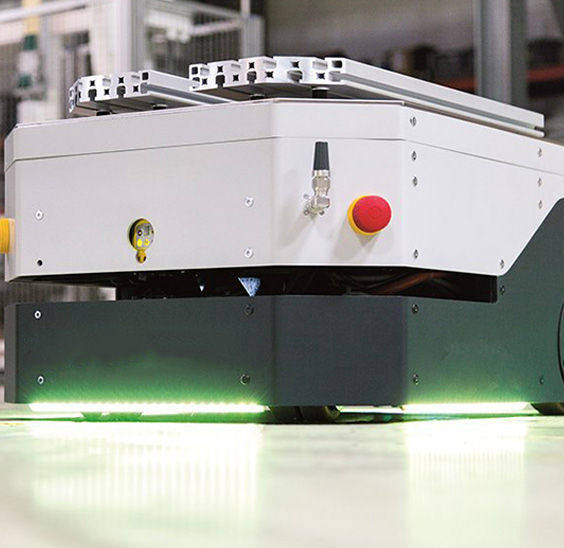
AGV

Automated robots

laser cutting

Logistics sorting

Photovoltaic power-station
Medical devices
24V vs 48V vs 220V Brushless DC Gear Motors: Choosing the Right Voltage
An AGV integrator recently asked us to run a 200 W brushless DC gear motor from a 24 V bus because the vehicle already had a 24 V battery. The motor ran, but the cable to the rear driven wheel needed a 2.5 mm2 cross-section, and the controller losses climbed past 12 W. Reselecting the same motor for a 48 V winding cut the current from 8.3 A to 4.2 A, allowed 1.0 mm2 cable, and reduced the heat the control box had to dissipate by roughly 60 percent. That one decision changed the wiring harness cost, the enclosure size, and the assembly labor.
Choosing between 24V, 48V, and 220V brushless DC gear motors is therefore never a last-minute detail. The voltage class determines the motor winding, the controller, the fusing, the cable cross-sections, the safety certification path, and the power architecture around the gear motor. This guide explains what each voltage actually changes in a real automation system and when each one is the correct engineering choice.
Why Voltage Is the First Decision, Not the Last
Voltage is a system-level decision because every watt of mechanical output must travel through the motor winding, the cable, the connectors, and the controller power stage as electrical current. For the same output, bus current falls as voltage rises: a 200 W gear motor draws 8.3 A at 24 V, 4.2 A at 48 V, and just 0.91 A at 220 V. Because copper and semiconductor losses scale with current squared, a 48V system dissipates about one quarter of the cable loss of a 24V system, and a 220V system cuts that loss by roughly two orders of magnitude.
Core definition. A brushless DC gear motor is a permanent-magnet synchronous motor with an integrated gearbox, driven by an electronic controller that commutates the winding phases. The winding is designed for a specific DC bus voltage, and the controller, cables, connectors, and protection must all be matched to that same nominal voltage.
Higher voltage also changes non-electrical decisions. Contactors, fuses, emergency-stop circuits, shield terminations, and touch-safe connector standards all change when the DC bus moves above the 60 V safety extra-low voltage (SELV) threshold. If you are still choosing between brushed and brushless architectures, our practical comparison of brushed versus brushless DC motors covers the efficiency and maintenance trade-offs in detail.
24V Brushless DC Gear Motors: Low-Power Battery Mobility
24V is the right voltage when the brushless DC gear motor must run from a battery or a regulated low-voltage supply and the continuous output stays below about 200 W.
A 24V motor sits inside the SELV boundary, so the DC bus is not an electric-shock hazard and the wiring can be handled like low-voltage electronics. That is why 24V appears in hospital beds, medical carts, electric linear actuators, furniture automation, and small packaging conveyors, where operators or patients may touch the system.
The trade-off appears at higher power. At 150 to 200 W, an 8 A bus demands low-resistance MOSFETs, sealed 2.5 mm2 cables, and connectors rated for sustained current. The motor is wound with thicker wire, which limits the number of turns and makes the unit more sensitive to controller dead-time and phase resistance.
- Hospital and care equipment: beds, lifts, patient hoists
- Light conveyor and sorting gates in parcel stations
- Electric valves, dampers, and small turntables
- Laboratory and food equipment in wet environments
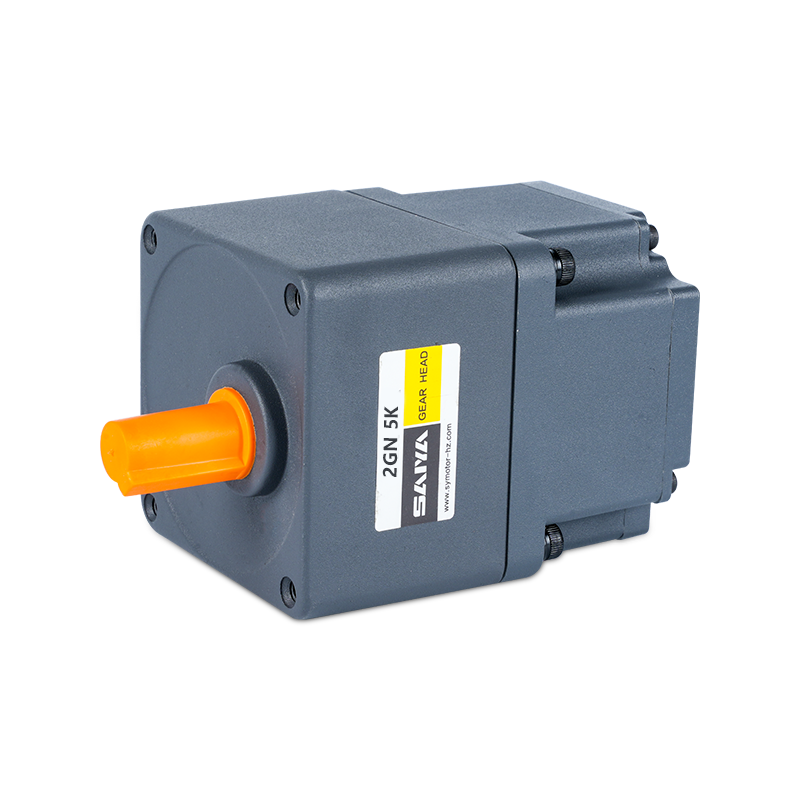 24V Brushless Gear Motor for Low-Voltage AutomationThis 24V motor suits systems operating below the SELV threshold, offering 25-400W and 0.08 N·m torque. It fits compact equipment where 48V isn't required, but note higher-power needs demand robust wiring and MOSFETs.View Product →
48V Brushless DC Gear Motors: The AGV and Logistics Sweet Spot
48V is the sweet spot for battery-driven robotics because it stays below the 60 V SELV ceiling while delivering roughly twice the usable power density of a 24 V bus.
AGV and autonomous mobile robot platforms have been migrating from 24V to 48V buses for the past five years. A 400 W AGV walking drive needs only 8.3 A at 48V, exactly the current a 24V system draws for half the power. The same cable, connectors, and controller power stage therefore carry twice the torque. Lifting columns for warehouse robots commonly use 48V units from 250 W to 1100 W, where a 24V bus would require oversized busbars or parallel wires.
48V is also compatible with standard telecom battery modules, CAN-controlled drivers, and off-the-shelf lithium packs. The safety approval path remains the same as 24V, so EMC and touch-protection requirements stay manageable.
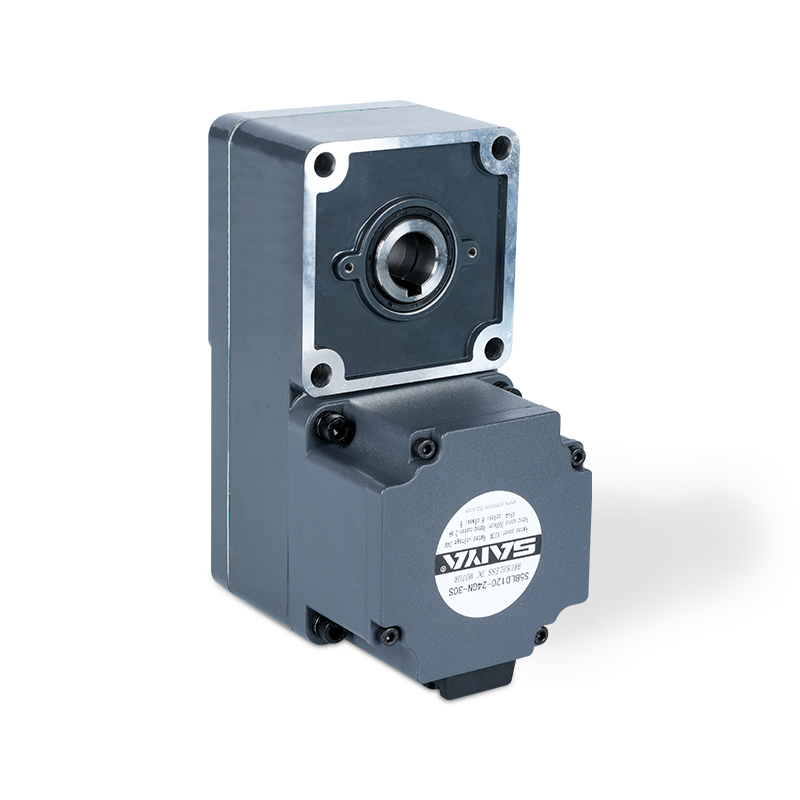 48V Brushless Gear Motor for Battery-Powered RoboticsDesigned for the 48V sweet spot, this motor delivers 25-400W with torque up to 1.27 N·m. It integrates with telecom battery packs and CAN drivers, making it a practical choice for mobile robots and automation.View Product →
220V Brushless DC Gear Motors: Mains-Powered Industrial Output
220V is the correct choice for fixed equipment connected to the mains, where the output must exceed several hundred watts and oversized cables are not acceptable.
A 220V brushless gear motor is driven by a controller that rectifies 220V AC to a roughly 310V DC bus and then commutes the winding. At 400 W the bus current is only about 1.8 A, so several motors can be fed over standard 0.75 to 1.5 mm2 shielded cables and cable losses become negligible across long machine frames. Food processing conveyors, packaging machines, textile drives, and warehouse sortation systems prefer 220V units for exactly this reason.
The cost of 220V is system complexity and installation discipline. The controller needs an EMI filter, proper earthing, and isolation between the power stage and the control logic. Touch protection and creepage distances follow mains-voltage rules, so a qualified electrician must connect the unit. For an equipment builder, the trade is straightforward: higher voltage buys higher continuous torque, smaller copper, and lower thermal load, in exchange for stricter wiring requirements.
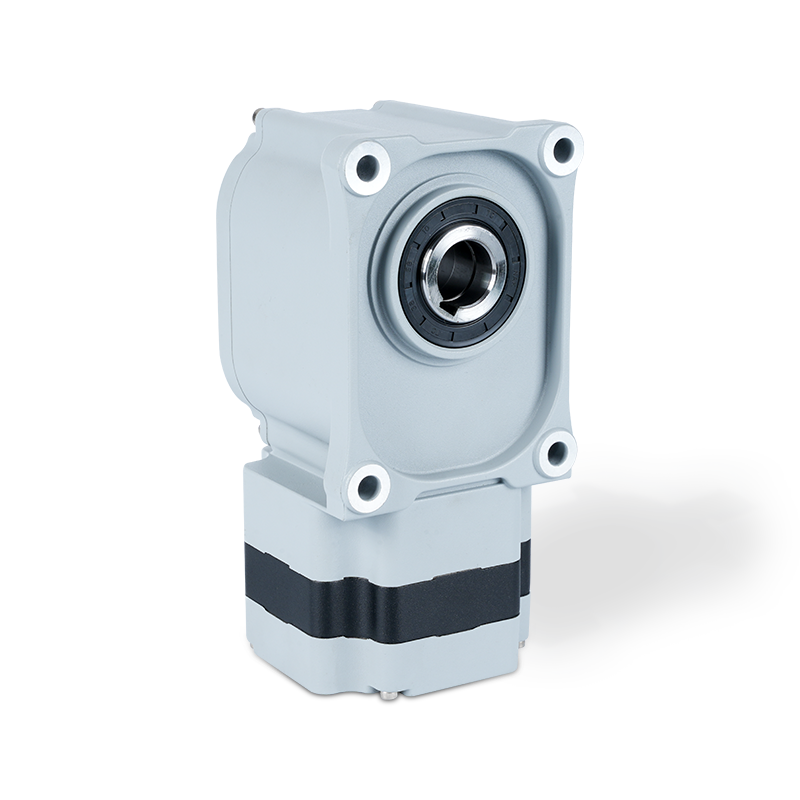 220-230V AC Brushless Gear Motor for Fixed EquipmentThis mains-voltage motor provides 10-400W with torque up to 1.5 N·m, ideal for stationary machines requiring higher continuous output. It demands proper EMI filtering and qualified installation, trading wiring complexity for performance.View Product →
Side-by-Side Comparison: 24V vs 48V vs 220V Brushless DC Gear Motors
The decision becomes concrete when the three voltage classes are placed on the same table with the parameters that affect an automation design.
| Design parameter | 24V system | 48V system | 220V system |
| Typical power range | 6 W to 200 W | 50 W to 400 W, higher with parallel drives | 100 W to 3000 W and above |
| Current at 200 W output | 8.3 A | 4.2 A | 0.91 A |
| Safety class | SELV, below 60 V DC | SELV, below 60 V DC | Mains voltage, earthing and touch protection required |
| Cable at 200 W | 2.5 mm2 recommended | 1.0 mm2 | 0.5 to 0.75 mm2 |
| Controller complexity | Simple 12 to 24 V drivers | CAN or industrial fieldbus drivers | EMC filter, PFC, isolation required |
| Battery operation | Native | Native | Requires battery pack and inverter |
How to Select the Right Voltage for Your Brushless DC Gear Motor System
Select the voltage by working backward from the load profile, the power source, and the physical wiring constraints, in that order.
- Classify the power source: fixed mains outlet, integrated battery, or a shared vehicle bus. This narrows the voltage candidates immediately.
- Estimate the worst-case continuous power from torque and speed, including a service factor for shock loads, instead of using the motor nameplate rating.
- Divide power by each candidate voltage to find bus current, then check the voltage drop over the actual cable length. Allow no more than 3 to 5 percent drop at full load.
- Check the control signals you need: fieldbus, enable, brake, and sensor feedback. Higher-voltage controllers tend to integrate these in a single connector.
- Verify the approval and safety requirements for the destination market, including SELV thresholds and mains wiring rules.
Stay at 24V or 48V when
- The machine runs on a battery or low-voltage DC bus.
- Continuous power stays below 400 W.
- Operator touch safety and SELV approval matter.
- The controller must sit close to the motor.
Move to 220V when
- A fixed mains supply is available near the machine.
- Continuous power exceeds 400 W.
- Cable runs are long and need small cross-sections.
- Several motors share one controller cabinet.
If you have a duty cycle and a cable route already defined, send the load profile to our engineering team through the contact page and we will check the voltage, gear ratio, and controller before you order the first prototype.
FAQ: 24V vs 48V vs 220V Brushless DC Gear Motors
Can I run a 24V brushless DC gear motor on a 48V supply?
No. Overvoltage pulls the motor above its rated speed, saturates the magnetic circuit, and can destroy the controller MOSFETs or demagnetize the rotor magnets. A 24V winding and controller must be used on a 24V bus, and the same rule applies to 48V and 220V systems.
Is a higher-voltage brushless gear motor always more efficient?
Motor efficiency is highest near rated load regardless of voltage, but system efficiency improves at higher voltage because I2R losses in cables, connectors, and controller switches decrease sharply. A 48V system will usually outperform a 24V system of the same power once wiring and thermal losses are included.
What is the maximum practical power for a 24V brushless DC gear motor?
Most 24V units are built for up to about 200 W continuous. Above that level the current exceeds 10 A, and the cost of controller cooling, heavy cables, and connector ratings rises faster than the cost of switching to a 48V or 220V design.
Do 220V brushless DC gear motors run directly from an AC outlet?
They connect to a 220V AC supply, but the motor itself is a DC machine. The controller rectifies the AC input to a DC bus near 310 V and then commutes the winding. Always install a controller rated for 220V/230V AC input with proper earthing and shielded motor cables.
Related products
-
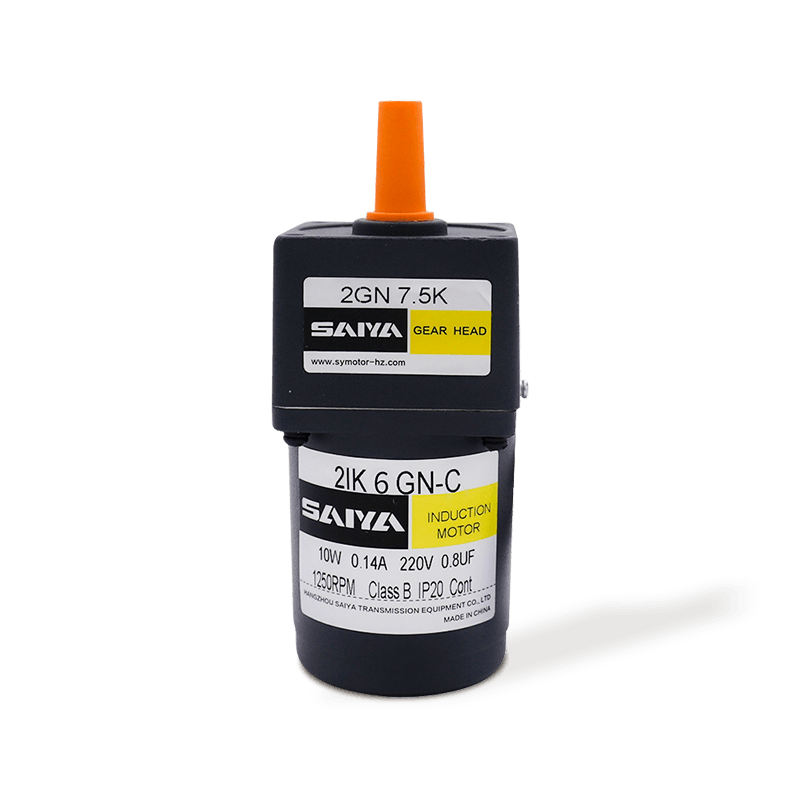
This 6W Induction AC Gear Motor is an efficient, compact and reliable small motor suitable for a wide range of industrial and household applications.Motor frame 60mm x 60mm making it easy to install ...
See Details -
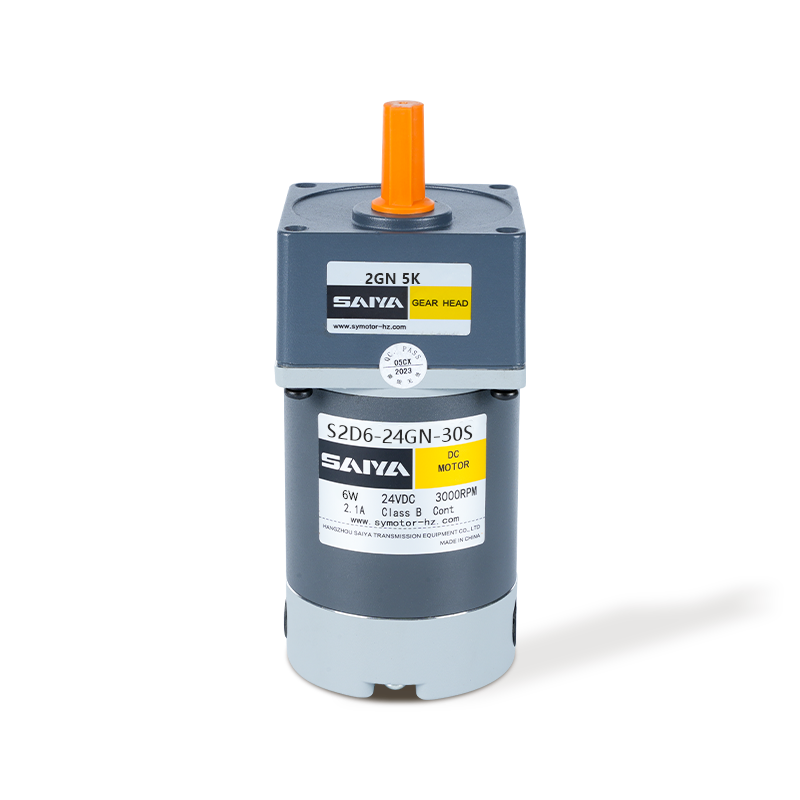
The 6W brush DC gbear motor is designed for efficiency and versatility, suitable for various applications. With a compact frame size of 60mm x 60mm, it fits seamlessly into tight spaces. The motor ope...
See Details -
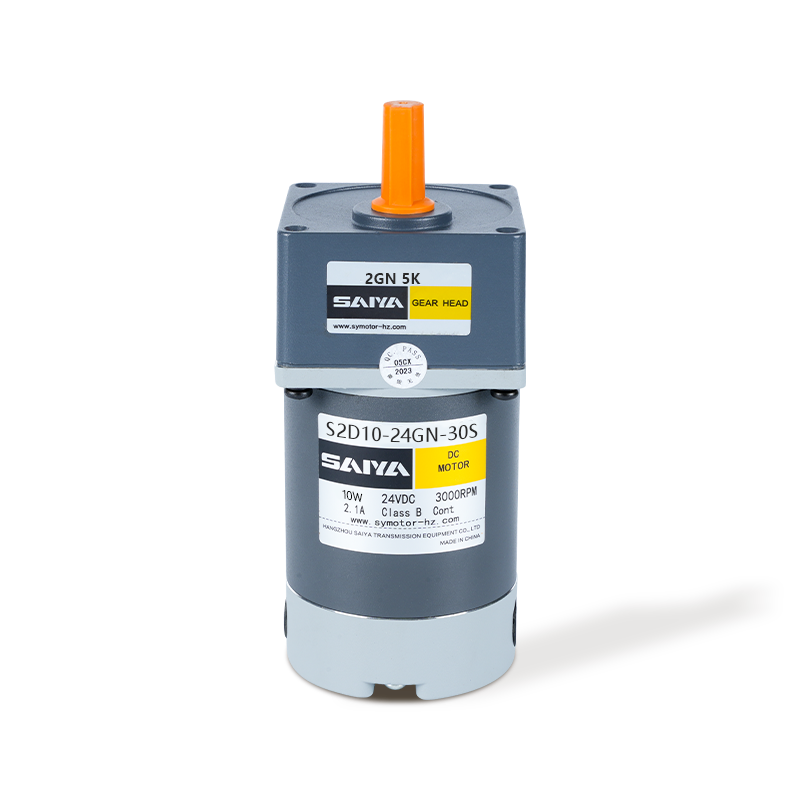
The 10W brush DC gear motor offers high performance and adaptability, for a range of industrial and hobbyist applications. With a frame size of 60mm x 60mm, this motor is designed to fit into confined...
See Details -
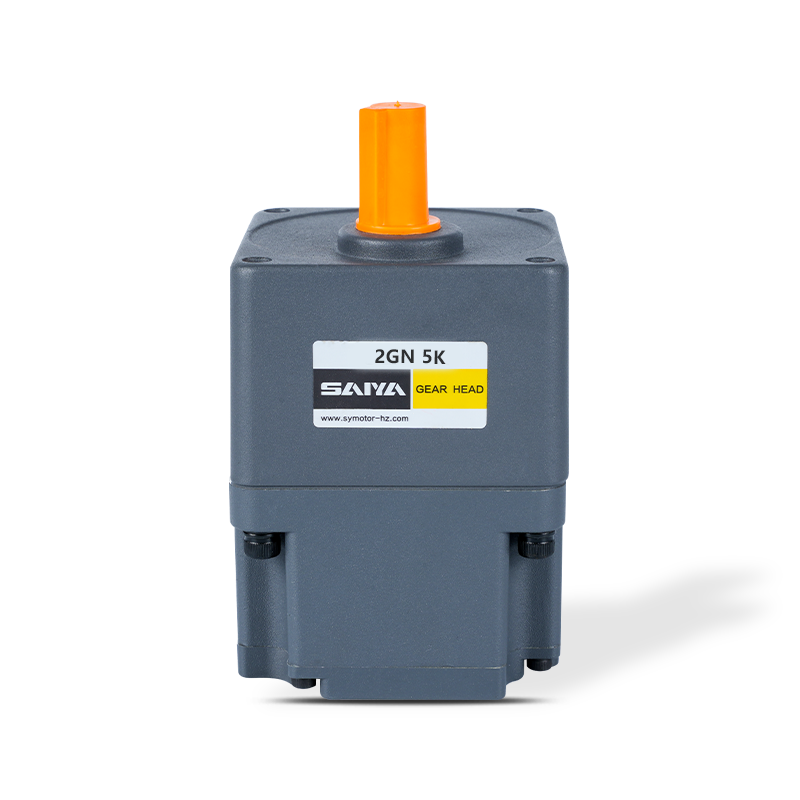
The 24V Brushless Gear Motor is a versatile and efficient motor designed for a range of applications. With dimensions ranging from 60mm x 60mm to 104mm x 104mm, this motor can fit into various equipme...
See Details -
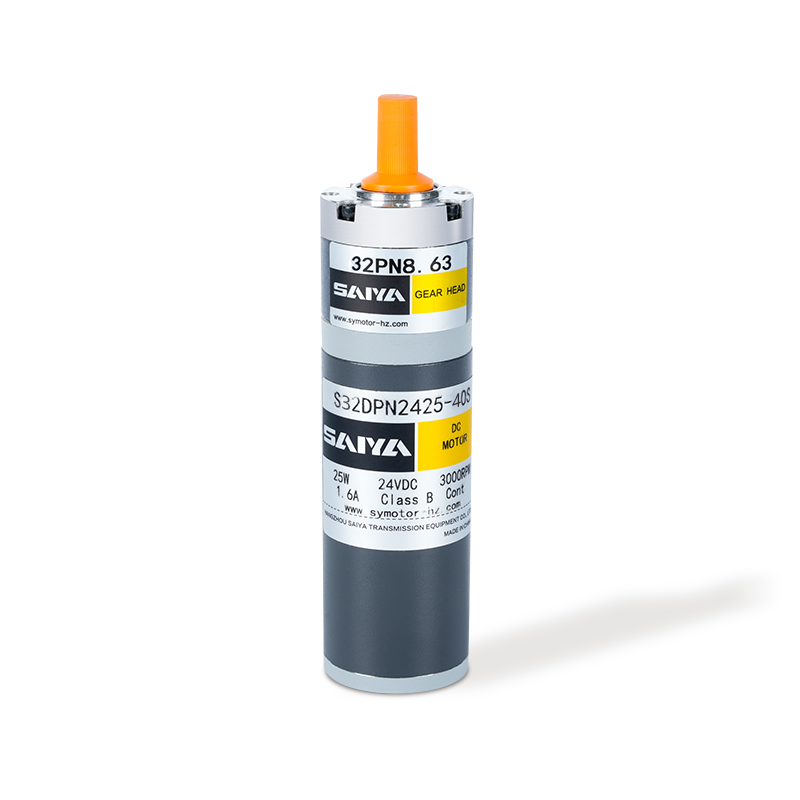
The 32mm brushed planetary gear motor is a compact and efficient solution designed for various applications requiring high torque and precise control. With a diameter of 32mm, this motor is ideally su...
See Details -
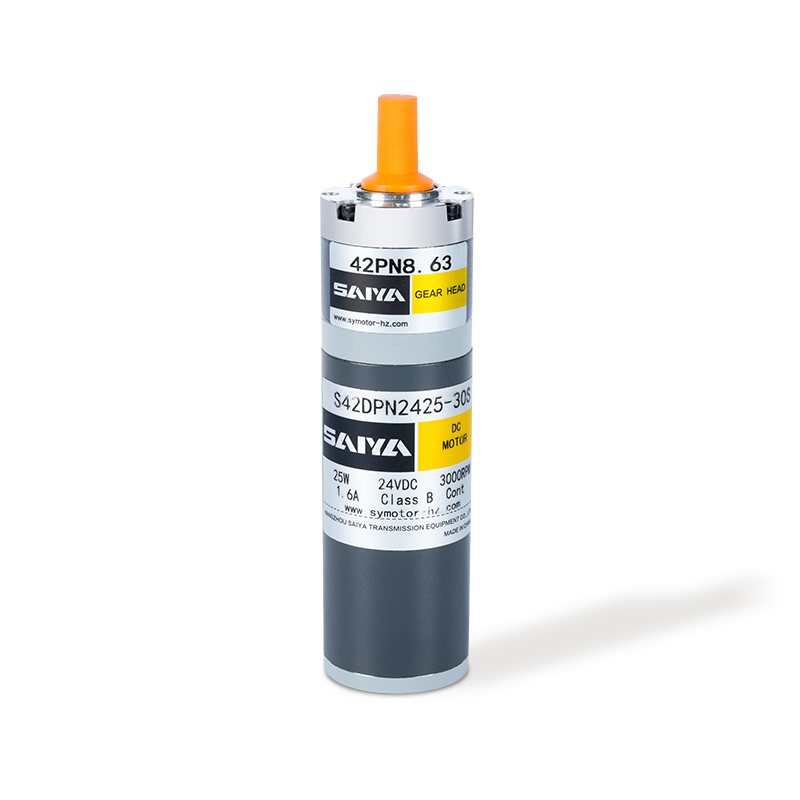
The 42mm brush planetary gear motor is a versatile and efficient component widely used in various applications requiring precise torque and speed control. With a rated current ranging from 0.7 to 1.1A...
See Details -
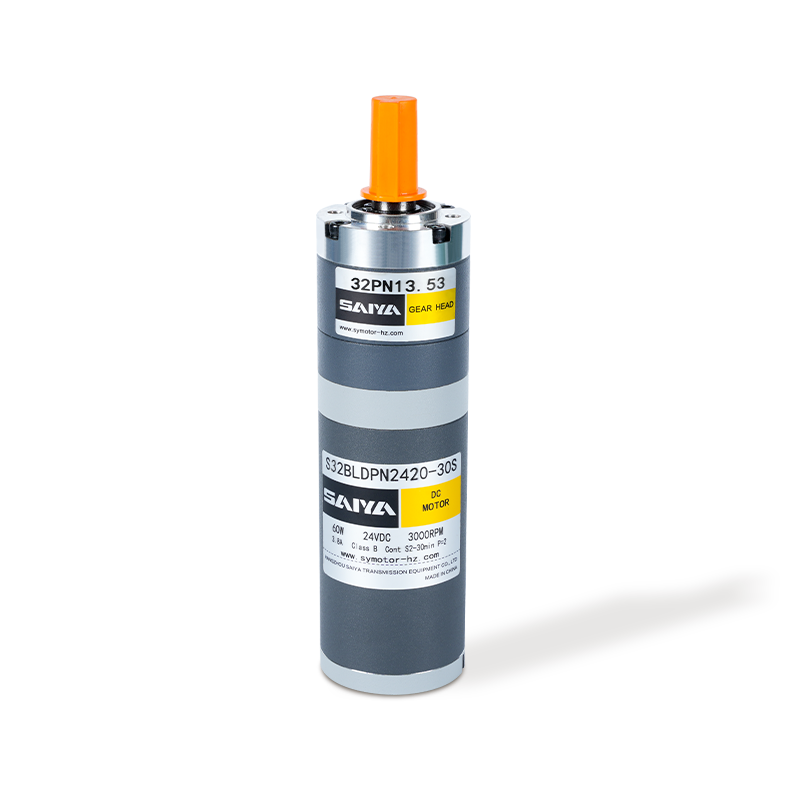
The 32mm Brushless Planetary Gear Motor is a high-performance, compact solution ideal for applications requiring efficiency and reliability. Operating at a rated voltage of 24V and consuming 20W of po...
See Details -
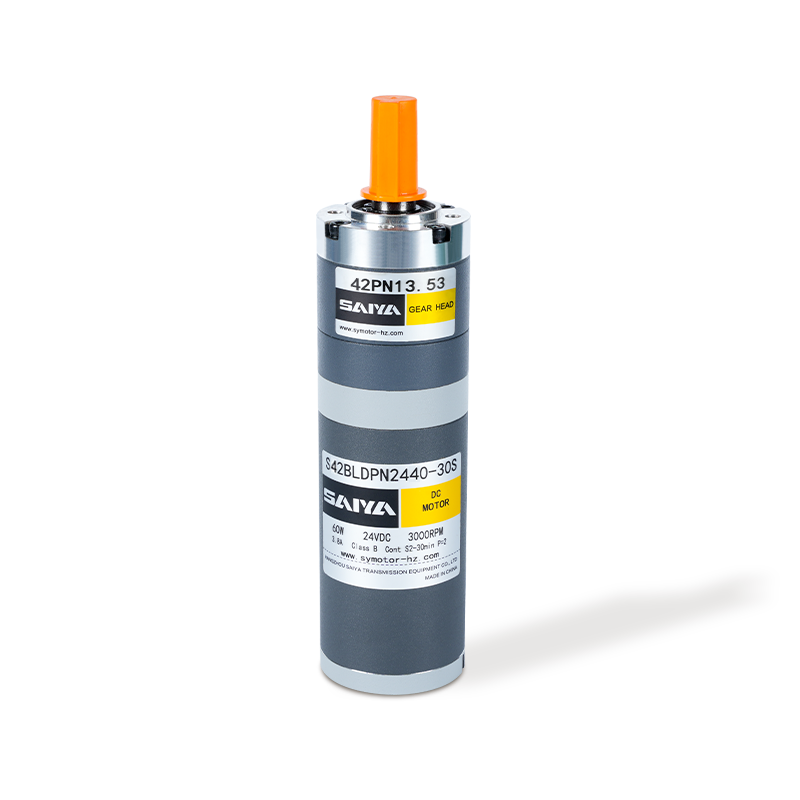
The 42mm brushless planetary motor is a high-efficiency motor product that is widely used in various scenarios requiring precision transmission. The rated current of this motor is 1.3A and the rated t...
See Details -
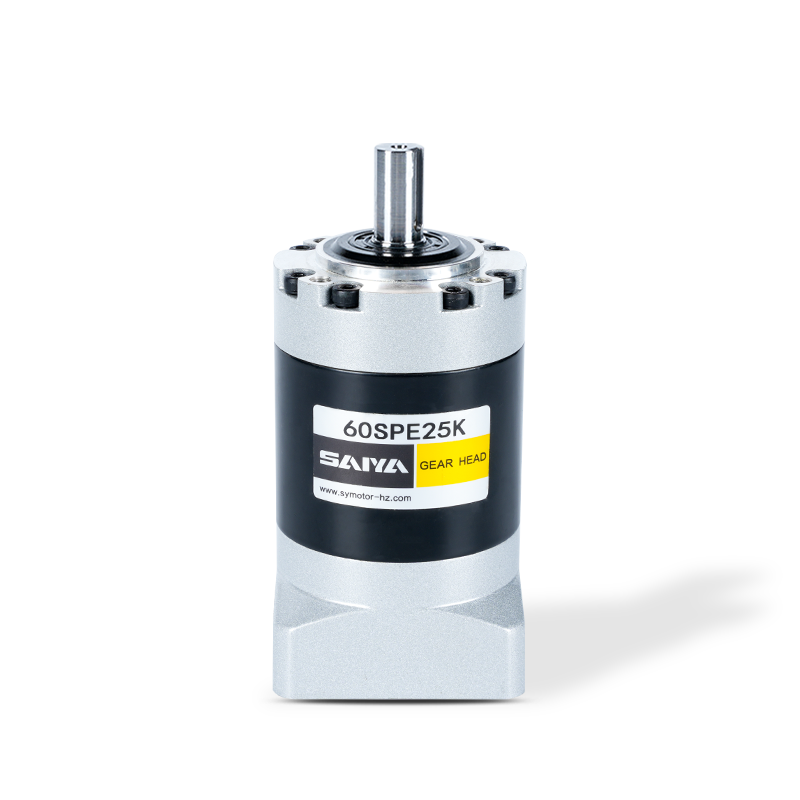
The SPE series gearboxes, flange size range with 40, 60, 80, 120, and 160 models, are designed to provide efficient and robust power transmission solutions. These gearboxes feature a round output flan...
See Details -
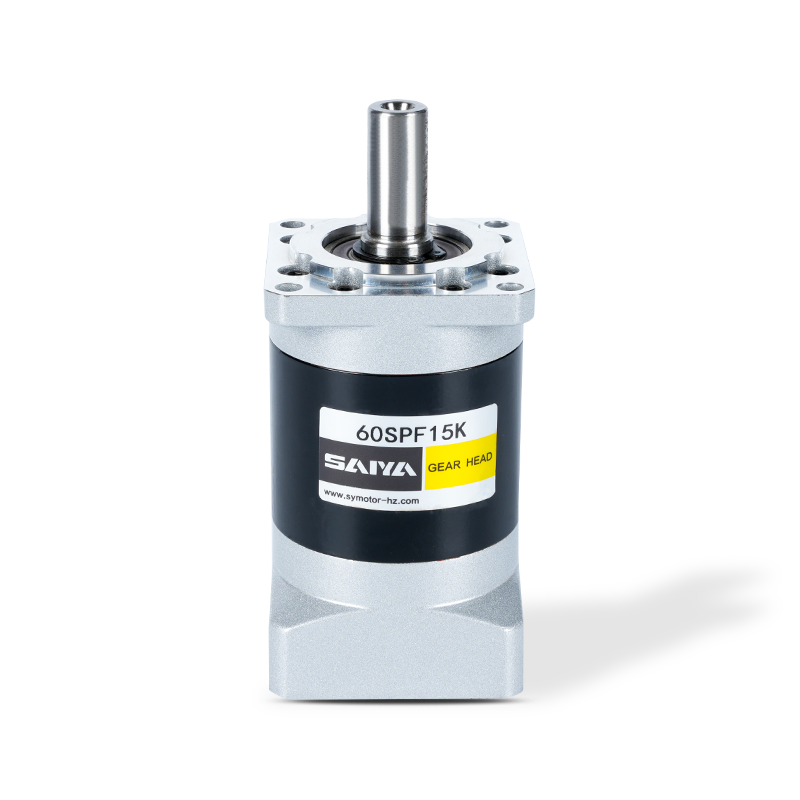
The SPF series are with square output flanges, accommodating dimensions from 40mm to 160mm. These flanges are engineered to excel in various industrial applications, offering reliable performance acro...
See Details -
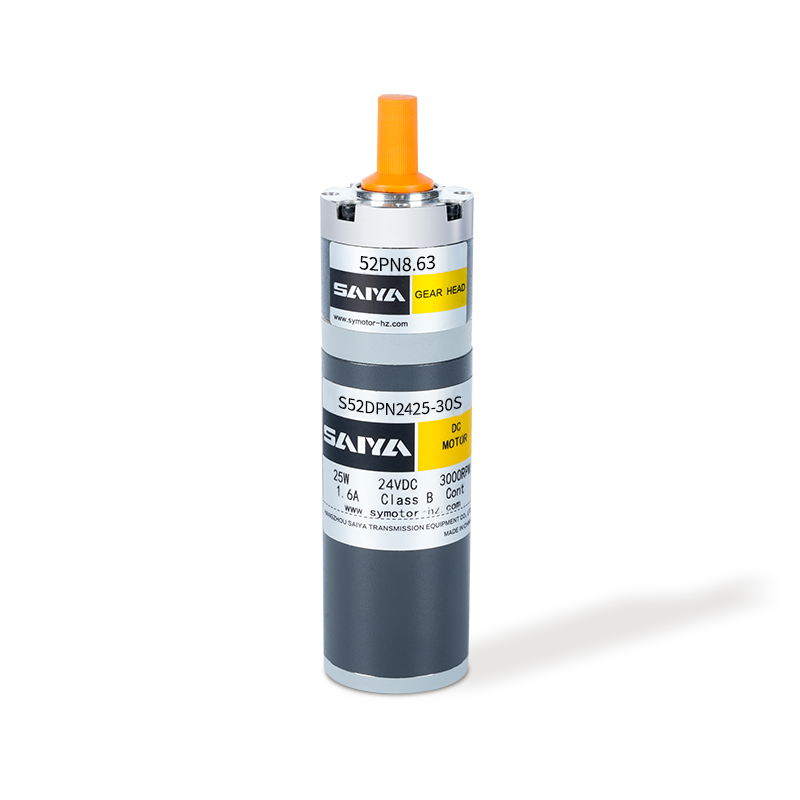
The 52mm brushed planetary gear motor is a compact and efficient solution designed for various applications requiring high torque and precise control. With a diameter of 52mm, this motor is ideally su...
See Details -
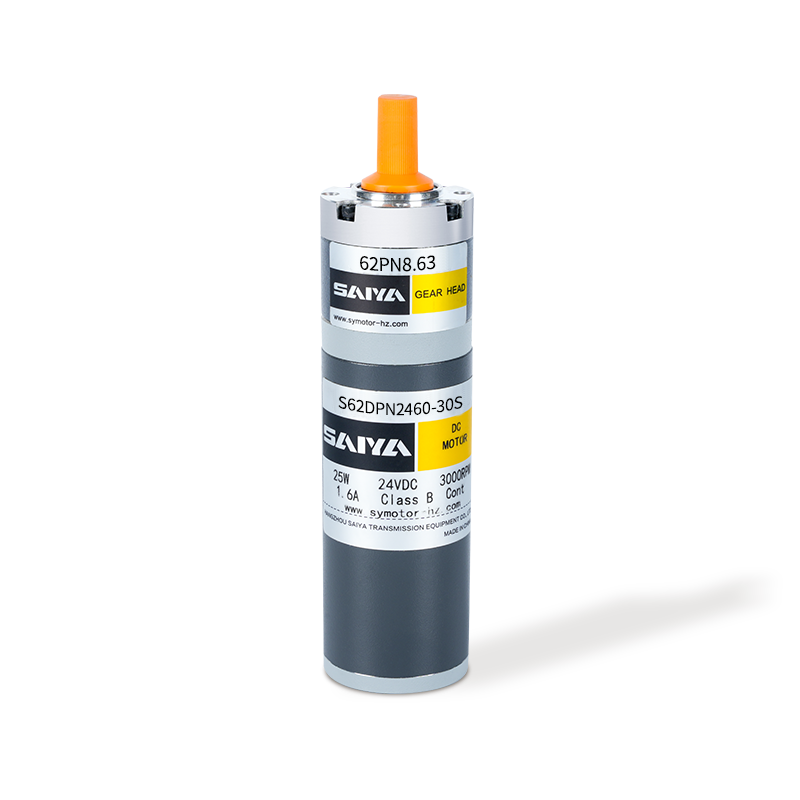
The 62mm brush planetary gear motor is a versatile and efficient component widely used in various applications requiring precise torque and speed control. With a rated current ranging from 2.5 to 5.5A...
See Details
CONTACT DETAILS
- TEL: 0086-0571-86951513/86951543
- Fax: 0086-571-86040769
- E-mail: [email protected] / [email protected] / [email protected]
- Office: Hangzhou Saiya Transmisson Equipment Co.,Ltd
- Office Address: Room 2201, Wanyin building, Hangzhou City, Zhejiang Province
- Factory: Zhejiang Saiya Intelligent Manufacturing Co., Ltd.
- Factory Address: No.35 Building , Zhongnan High-tech Yunhe Zhigu Industrial Park, Xinan town, Deqing county, Huzhou city, Zhejiang, China
QUICK LINK
PRODUCT
If You Are Intrested
In Our Products,
Please Consult Us
Copyright © Zhejiang Saiya Intelligent Manufacturing Co., Ltd. All Rights Reserved.
Custom Gear Reduction Motors Suppliers
