 EN
EN  English
 中文简体
中文简体 русский
 Español
Home / News / Industry News / What are the advantages of small AC gear motors in precision mechanical transmission?


Application Industry
AGV

Automated robots
laser cutting

Logistics sorting

Photovoltaic power-station

Medical devices
What are the advantages of small AC gear motors in precision mechanical transmission?
In modern industrial automation, intelligent equipment, and precision machinery, small AC gear motors are increasingly becoming a core drive solution due to their efficiency, stability, and compact design. Despite their small size, their performance in power transmission and motion control is comparable to larger equipment, making them indispensable key components in many automation systems.
Core Structure of Small AC Gear Motors
The design concept of small AC gear motors is primarily based on the requirements of "compactness, high efficiency, and low noise." Its core consists of two parts: an AC motor and a reduction gearbox. The AC motor uses advanced winding design and high-performance magnetic steel materials to provide stable and efficient output torque in a small volume. The reduction gearbox uses a high-precision gear meshing structure to match the output speed and load through a reasonable reduction ratio. The overall structure is compact, easy to integrate into various mechanical devices, and combines durability and stability.
The matching design of the motor and gearbox is crucial in small AC gear motors. By optimizing gear materials, surface treatment processes, and bearing layout, the motor maintains high efficiency and low noise even at low speeds. This precise structural design not only improves overall performance but also extends service life, ensuring reliable operation for extended periods.
Performance Characteristics and Advantages Analysis
Small AC gear motors exhibit multiple advantages in terms of performance. First, they have high torque output capabilities. Even at low speeds, they can output stable and powerful power, meeting the driving needs of various precision machinery and automation devices. Second, the low noise characteristics of small AC gear motors are very prominent. This is due to precise gear processing and an optimized lubrication system, which effectively reduces gear friction and vibration, allowing the motor to operate without interfering with surrounding equipment in enclosed or noise-sensitive environments.
Energy saving and high efficiency are another significant advantage of small AC gear motors. By optimizing motor windings, electromagnetic design, and gear meshing efficiency, the motor maintains stable energy consumption during long-term operation while reducing heat generation. This performance advantage is particularly important in automated production lines and precision instruments, as it directly relates to system reliability and operating costs.
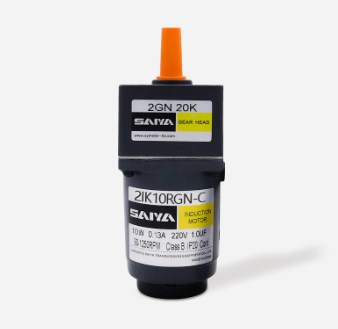
Small AC gear motors also possess a high degree of adaptability. Its standardized modular design allows for combinations of different reduction ratios, mounting methods, and power levels, thus meeting the space layout and power output requirements of various equipment. This flexibility enables seamless integration of Small AC Gear Motors in multiple application scenarios.
Application Areas and Product Value
Small AC Gear Motors are widely used in various fields, including industrial automation, medical equipment, laboratory instruments, packaging machinery, and smart homes. In industrial automation, they perform precise transmission and motion control tasks, serving as a crucial guarantee for the stable operation of assembly lines, conveyor belts, and robotic arms. In medical equipment and laboratory instruments, small AC gear motors offer low noise, high precision, and reliability as their core advantages, providing stable power for precise detection and operation.
Their product value is reflected not only in performance but also in system integration and ease of maintenance. Due to their compact and modular structure, small AC gear motors can be quickly installed and replaced, reducing equipment maintenance costs and shortening production line downtime. This "high efficiency + easy maintenance" characteristic makes them an indispensable key component in modern mechanical design.
Selection and Design Considerations
When selecting Small AC Gear Motors, key parameters such as output torque, reduction ratio, operating environment, and mounting method need to be considered. Properly matching the motor power to the load characteristics ensures long-term stable operation. Furthermore, the material, lubrication method, and sealing design of the reduction gears directly affect the motor's lifespan and operational stability. Factors such as noise, heat generation, and vibration should also be considered during the design process to ensure the reliability and comfort of the equipment during long-term operation.
As automation equipment demands higher precision transmission, the performance optimization and reliability improvement of small AC gear motors have become important directions in design and development. Through material upgrades, improved gear processing accuracy, and advancements in motor control technology, Small AC Gear Motors can continuously meet the comprehensive needs of modern equipment for high efficiency, stability, and low noise.
Future Value of Small AC Gear Motors
Although Small AC Gear Motors already have widespread applications in the market, their development potential remains enormous. With the development of miniaturization, high efficiency, and intelligent technologies, these motors will play an even more important role in more precision equipment, intelligent control systems, and wearable devices. Their advantages in low power consumption, high precision, and high reliability give them long-term competitiveness in future intelligent manufacturing and precision engineering. In future equipment designs, small AC gear motors will not only serve as a power source, but also as a crucial solution for improving overall system efficiency, reducing operating and maintenance costs, and optimizing space utilization. Through technological innovation and precision design, small AC gear motors will continue to drive the development of automated and intelligent equipment, enabling higher levels of industrial intelligent applications.
FAQ
1. What types of loads are suitable for small AC gear motors?
They are suitable for low to medium speed loads requiring high stability and precise control, and perform exceptionally well in automated equipment and precision instruments.
2. How to ensure the long-term stable operation of small AC gear motors?
By properly matching the motor power, reduction ratio, and load characteristics, and paying attention to lubrication and heat dissipation management, the service life can be significantly extended.
3. What are the key factors in controlling the noise of small AC gear motors?
Precision gear machining, optimized meshing design, and efficient lubrication systems are the core factors in controlling noise.
4. How to select a model when installation space is limited?
Space optimization can be achieved by choosing compact designs, modular structures, and a combination of various mounting options, while ensuring that performance is not compromised.
5. Is the maintenance of small AC gear motors complex?
Due to their modular design and standardized components, maintenance is relatively simple, making replacement and repair easy and reducing equipment downtime.
Related products
-
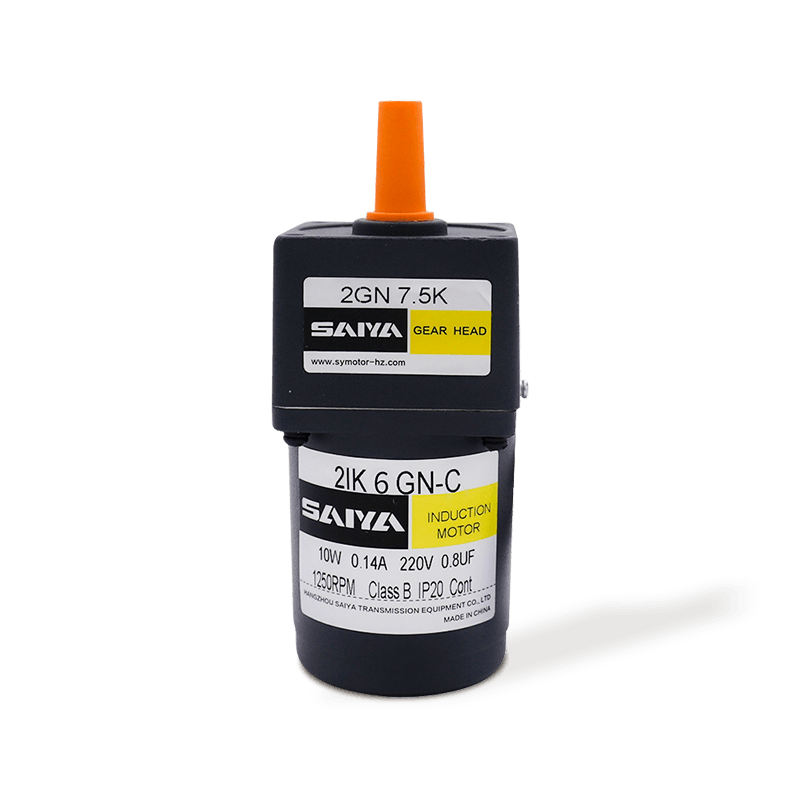
This 6W Induction AC Gear Motor is an efficient, compact and reliable small motor suitable for a wide range of industrial and household applications.Motor frame 60mm x 60mm making it easy to install ...
See Details -
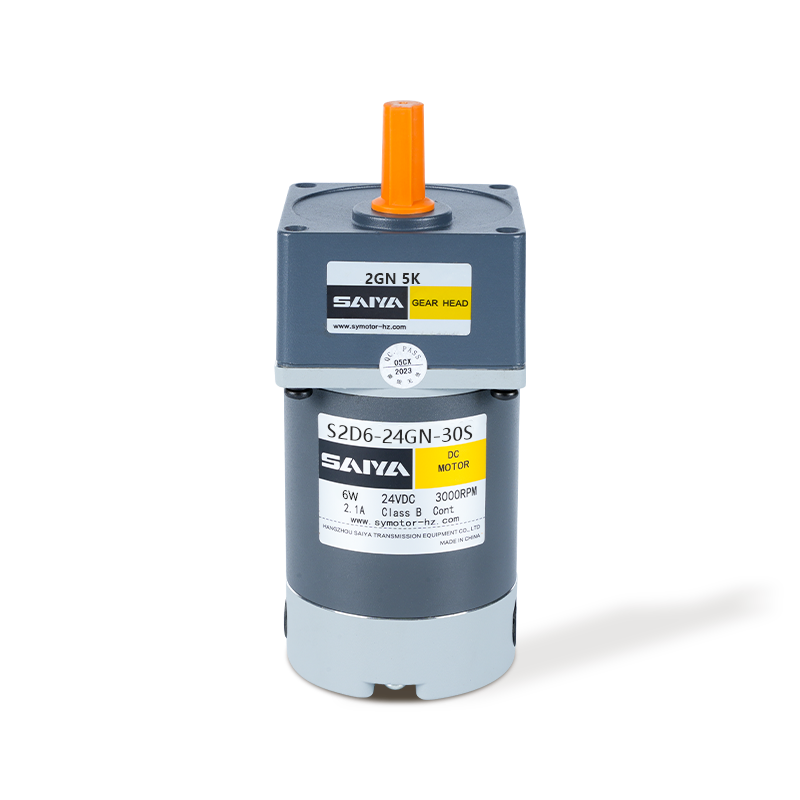
The 6W brush DC gbear motor is designed for efficiency and versatility, suitable for various applications. With a compact frame size of 60mm x 60mm, it fits seamlessly into tight spaces. The motor ope...
See Details -
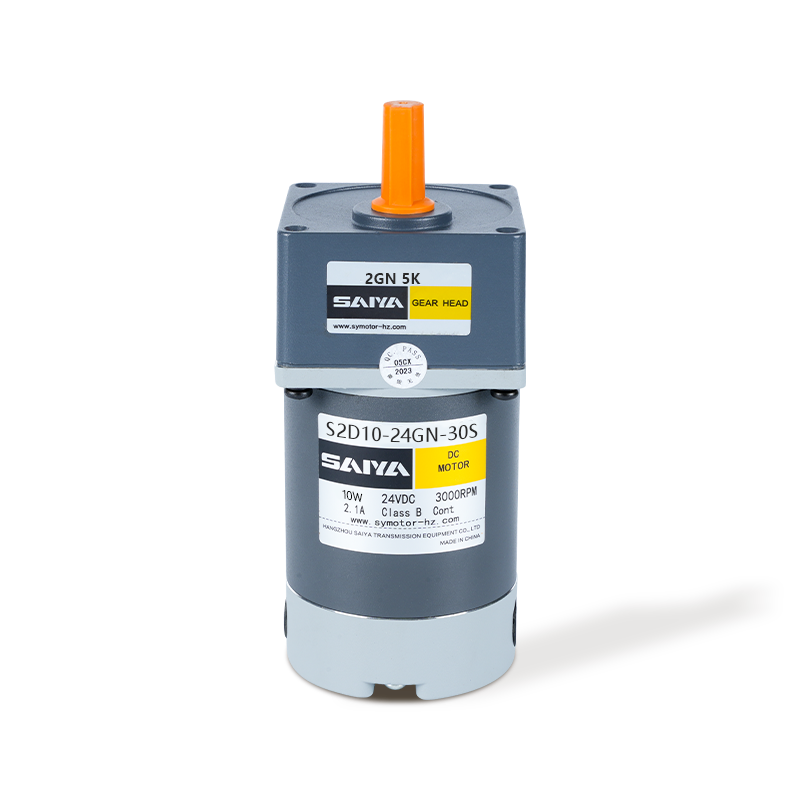
The 10W brush DC gear motor offers high performance and adaptability, for a range of industrial and hobbyist applications. With a frame size of 60mm x 60mm, this motor is designed to fit into confined...
See Details -
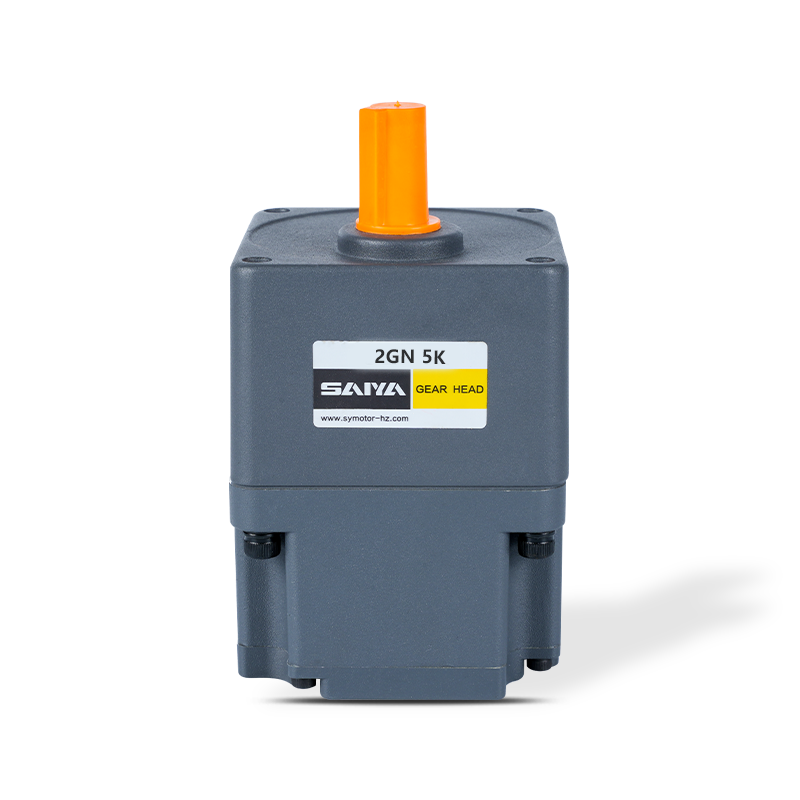
The 24V Brushless Gear Motor is a versatile and efficient motor designed for a range of applications. With dimensions ranging from 60mm x 60mm to 104mm x 104mm, this motor can fit into various equipme...
See Details -
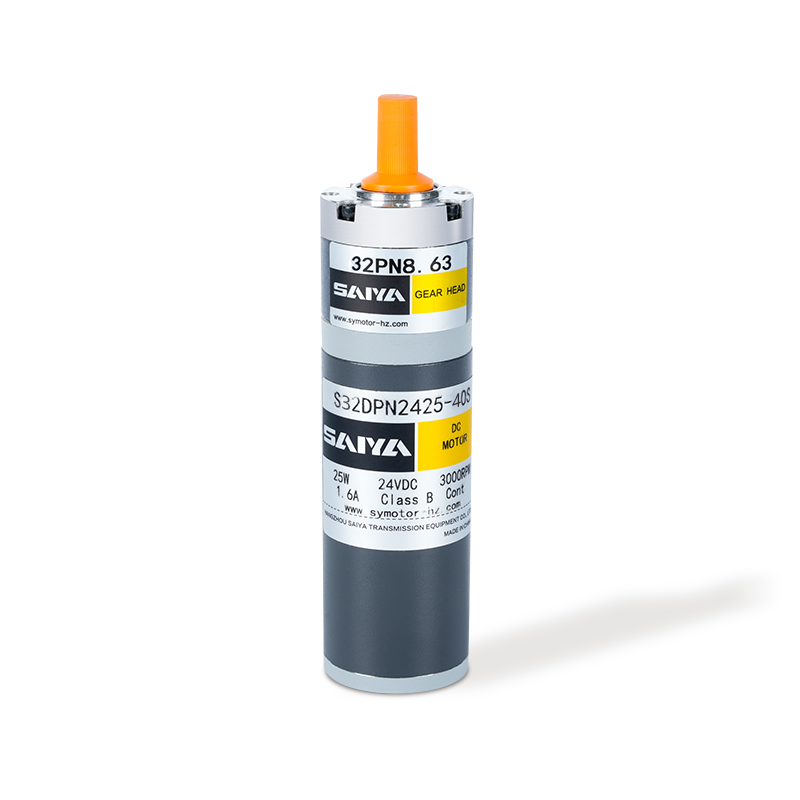
The 32mm brushed planetary gear motor is a compact and efficient solution designed for various applications requiring high torque and precise control. With a diameter of 32mm, this motor is ideally su...
See Details -
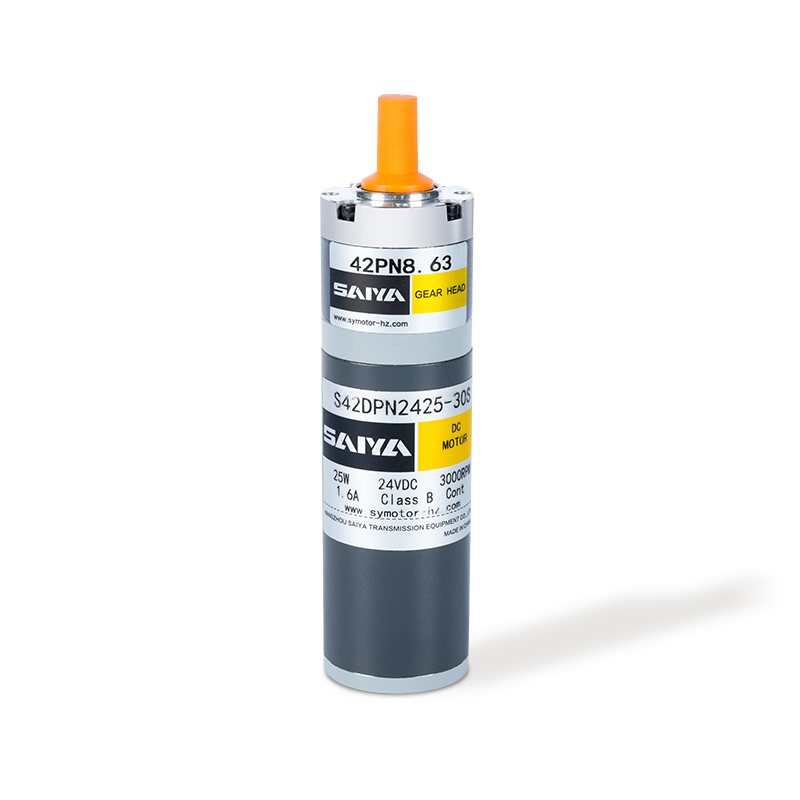
The 42mm brush planetary gear motor is a versatile and efficient component widely used in various applications requiring precise torque and speed control. With a rated current ranging from 0.7 to 1.1A...
See Details -
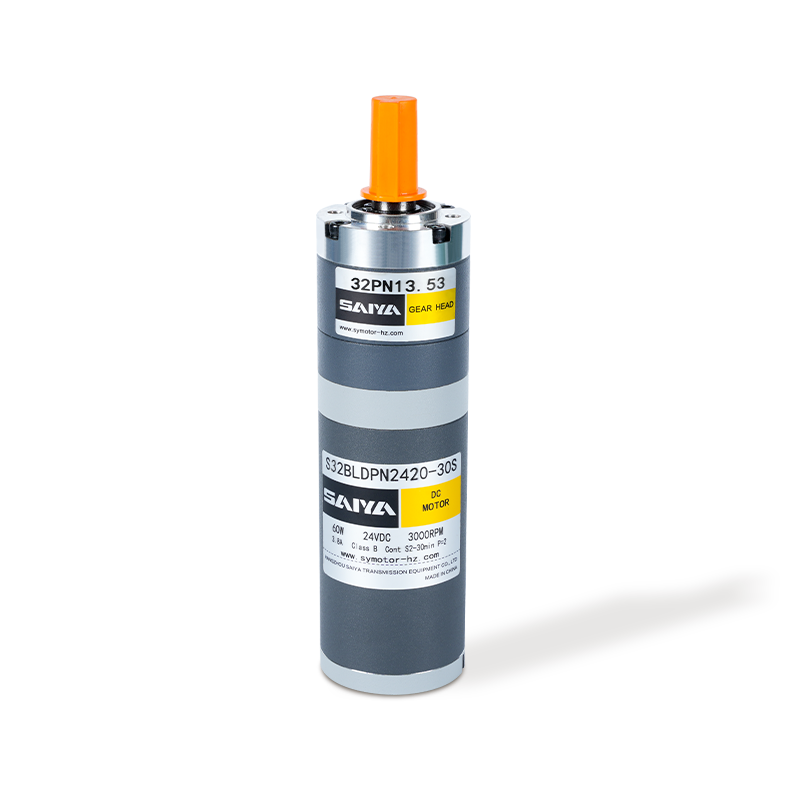
The 32mm Brushless Planetary Gear Motor is a high-performance, compact solution ideal for applications requiring efficiency and reliability. Operating at a rated voltage of 24V and consuming 20W of po...
See Details -
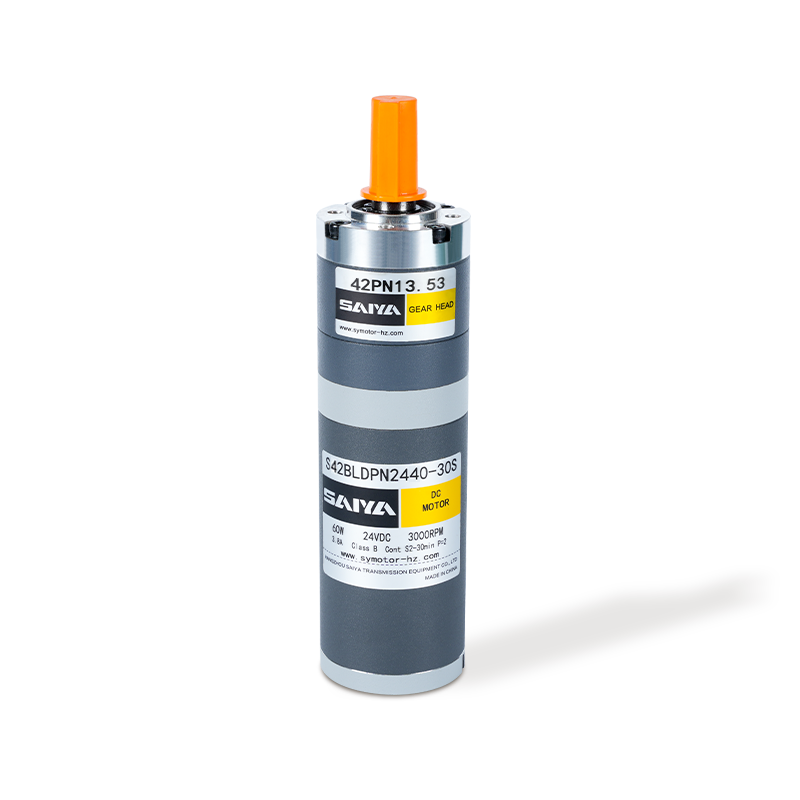
The 42mm brushless planetary motor is a high-efficiency motor product that is widely used in various scenarios requiring precision transmission. The rated current of this motor is 1.3A and the rated t...
See Details -
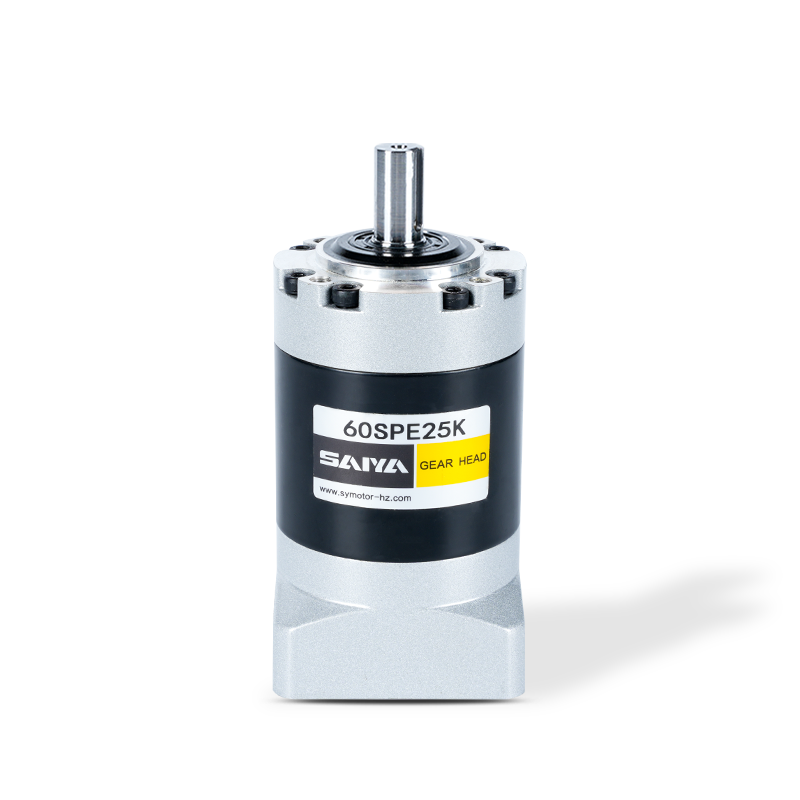
The SPE series gearboxes, flange size range with 40, 60, 80, 120, and 160 models, are designed to provide efficient and robust power transmission solutions. These gearboxes feature a round output flan...
See Details -
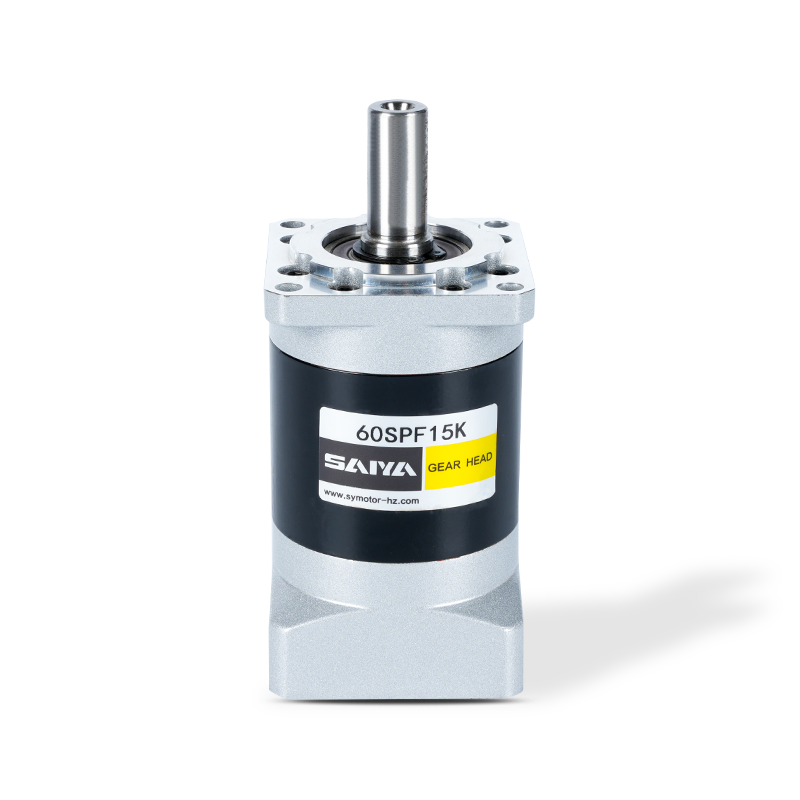
The SPF series are with square output flanges, accommodating dimensions from 40mm to 160mm. These flanges are engineered to excel in various industrial applications, offering reliable performance acro...
See Details -
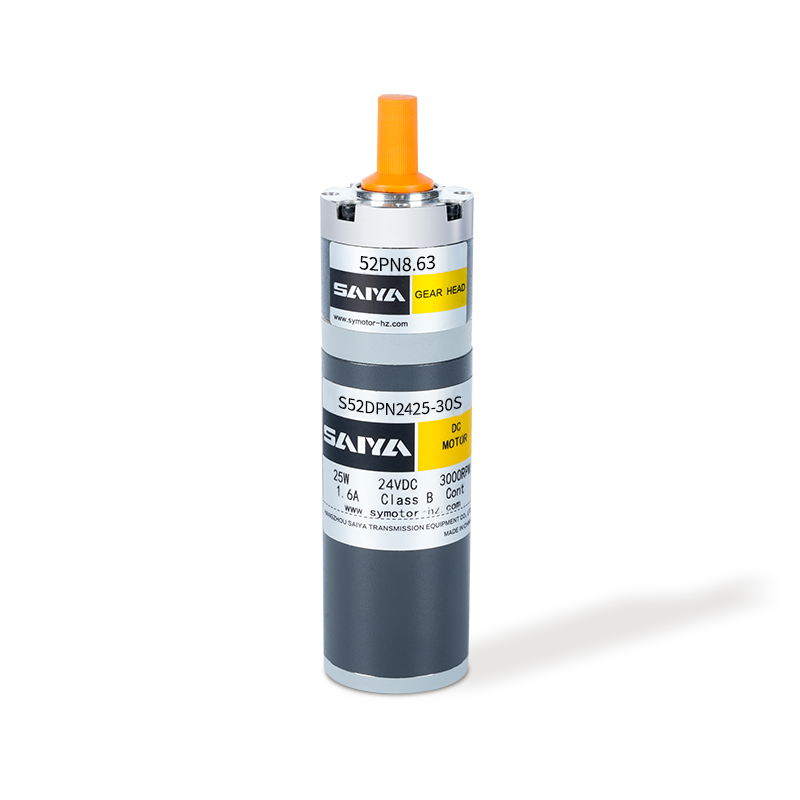
The 52mm brushed planetary gear motor is a compact and efficient solution designed for various applications requiring high torque and precise control. With a diameter of 52mm, this motor is ideally su...
See Details -
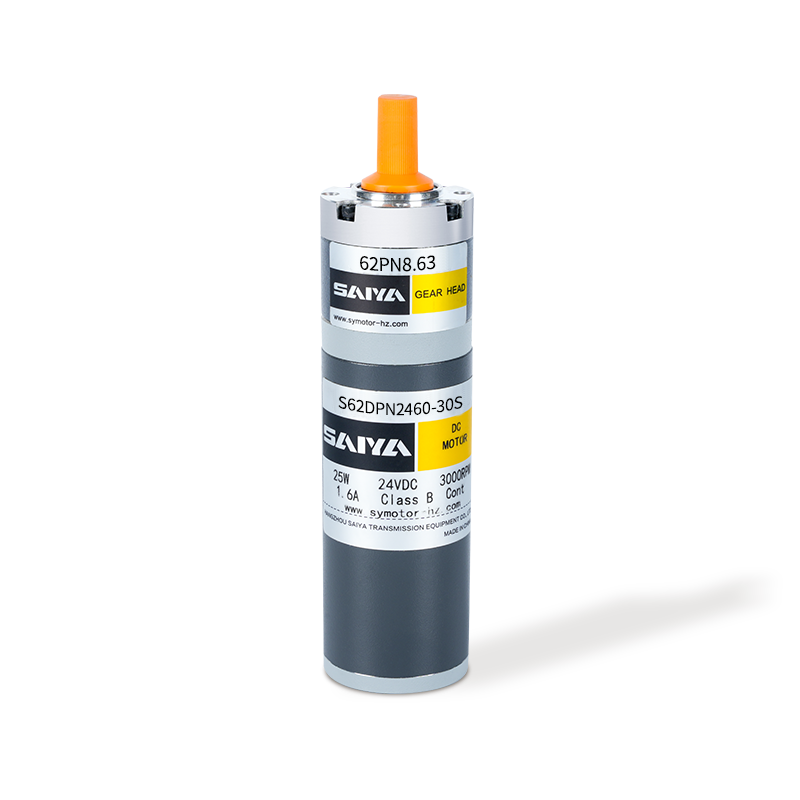
The 62mm brush planetary gear motor is a versatile and efficient component widely used in various applications requiring precise torque and speed control. With a rated current ranging from 2.5 to 5.5A...
See Details
CONTACT DETAILS
- TEL: 0086-0571-86951513/86951543
- Fax: 0086-571-86040769
- E-mail: [email protected] / [email protected] / [email protected]
- Office: Hangzhou Saiya Transmisson Equipment Co.,Ltd
- Office Address: Room 2201, Wanyin building, Hangzhou City, Zhejiang Province
- Factory: Zhejiang Saiya Intelligent Manufacturing Co., Ltd.
- Factory Address: No.35 Building , Zhongnan High-tech Yunhe Zhigu Industrial Park, Xinan town, Deqing county, Huzhou city, Zhejiang, China
QUICK LINK
PRODUCT
If You Are Intrested
In Our Products,
Please Consult Us
Copyright © Zhejiang Saiya Intelligent Manufacturing Co., Ltd. All Rights Reserved.
Custom Gear Reduction Motors Suppliers
